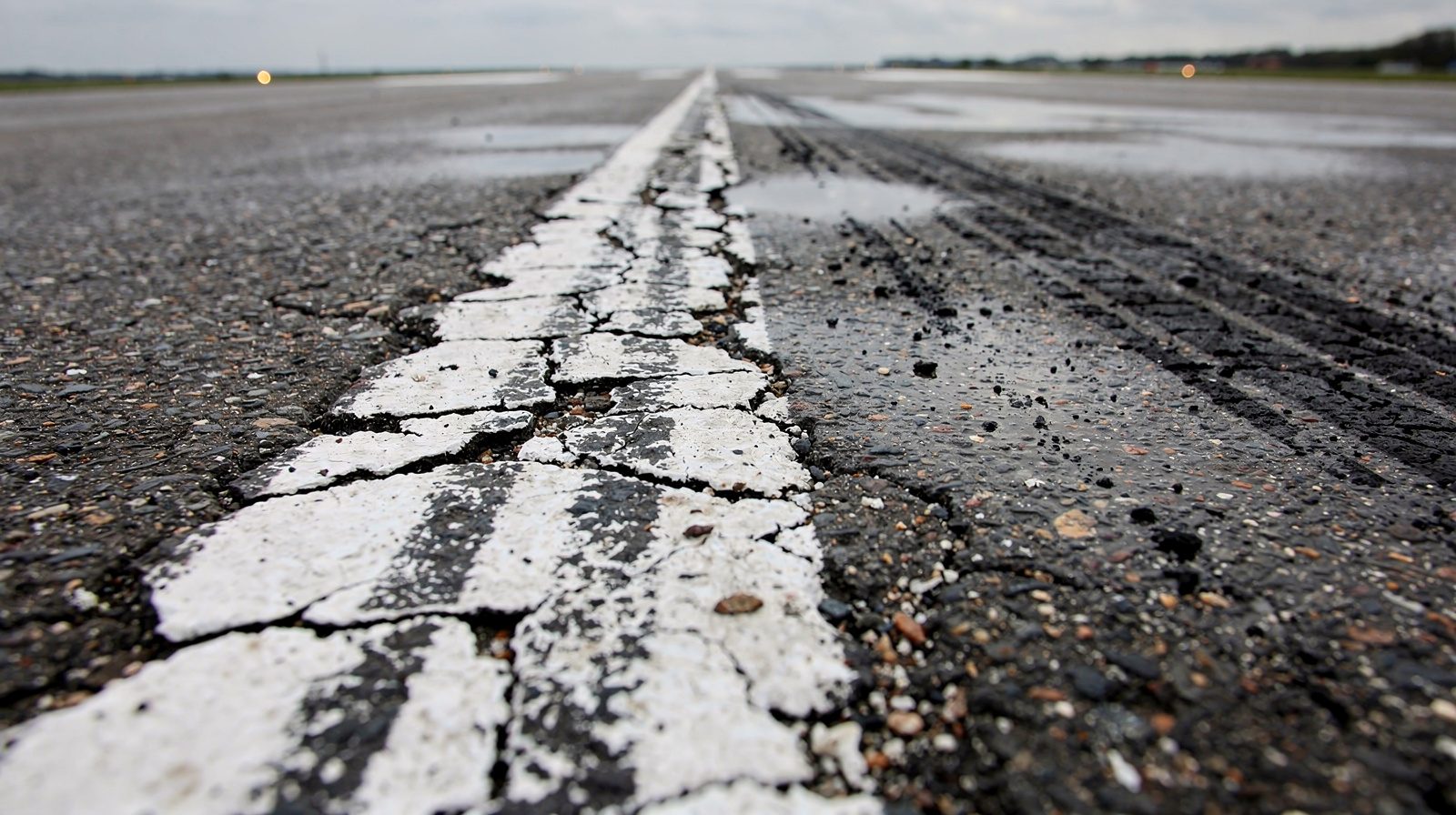
When Runway Markings Lose Conspicuity
A marking can be present yet invisible. How abrasion, rubber, oxidation and water degrade conspicuity, and when to repaint versus strip.
9 min read
runway markings
safety
+2
Founded by flight-inspection veterans who spent decades measuring PAPI lights for aviation authorities across Europe.
A marking can be present yet invisible. How abrasion, rubber, oxidation and water degrade conspicuity, and when to repaint versus strip.
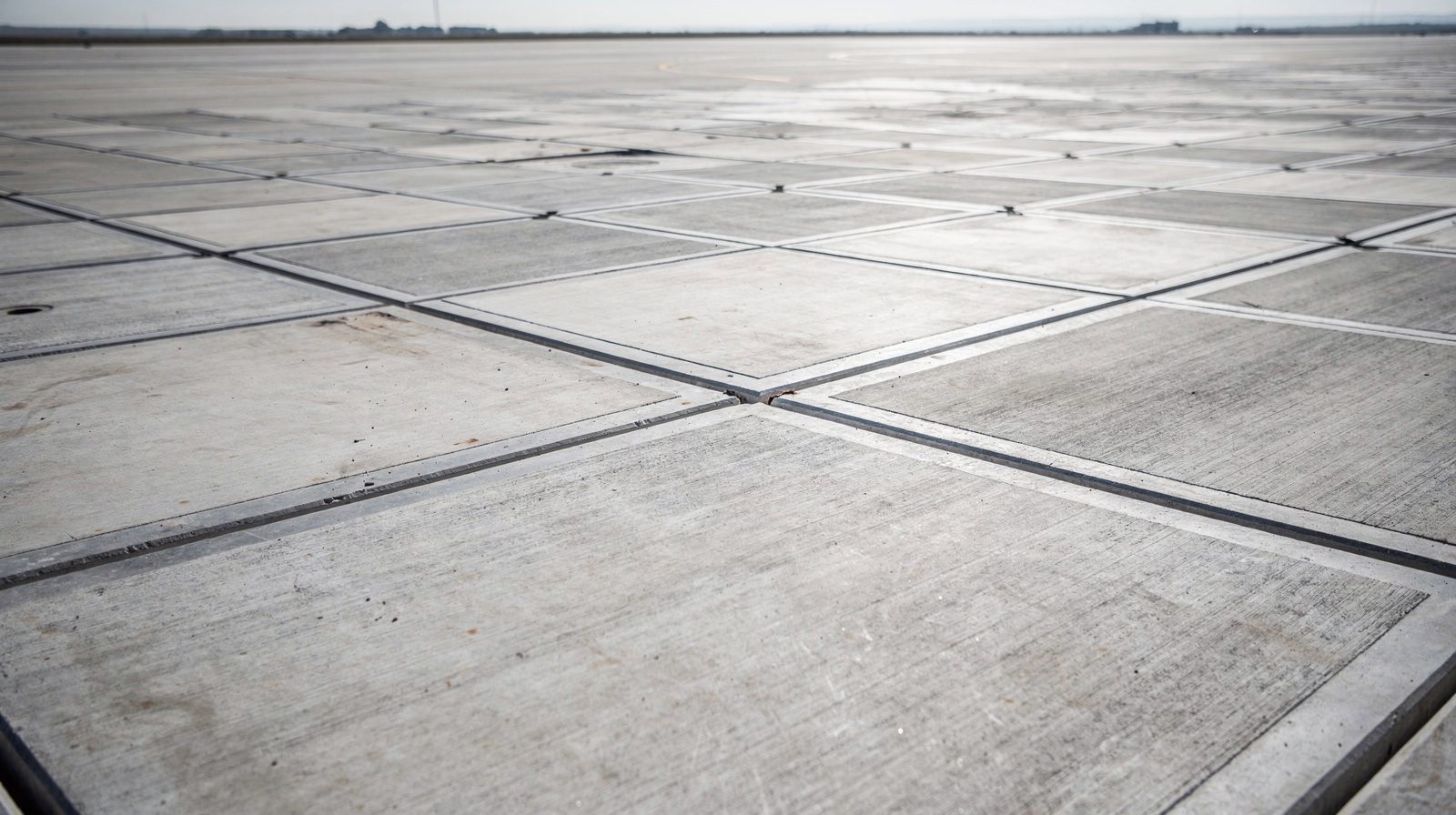
Surface condition and structural strength are different properties. What a PCN code reports, how the number is determined, and where a survey genuinely helps.
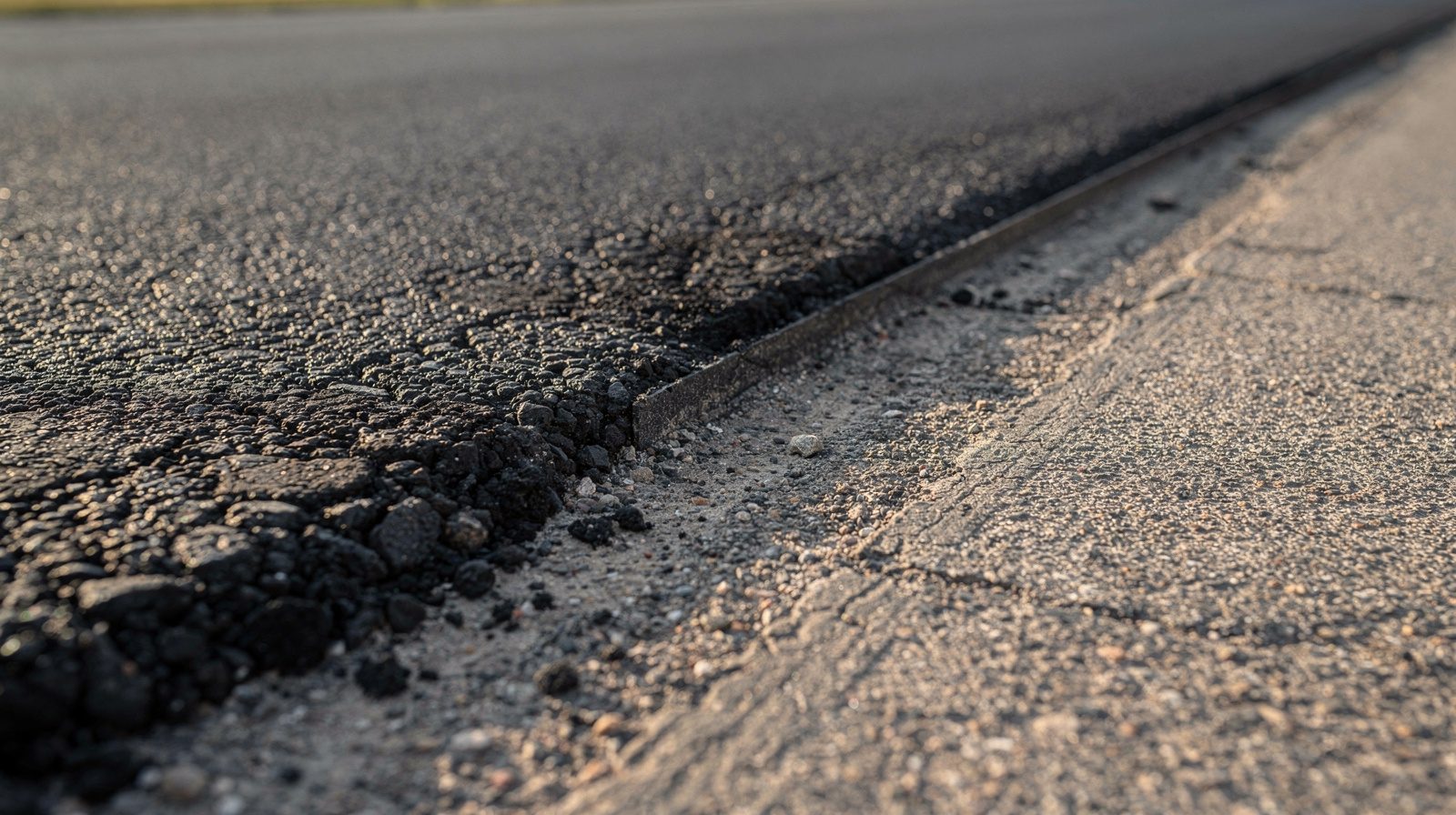
Why a single survey cannot drive an overlay decision, and why a trend across years tells you the deterioration rate that actually matters.
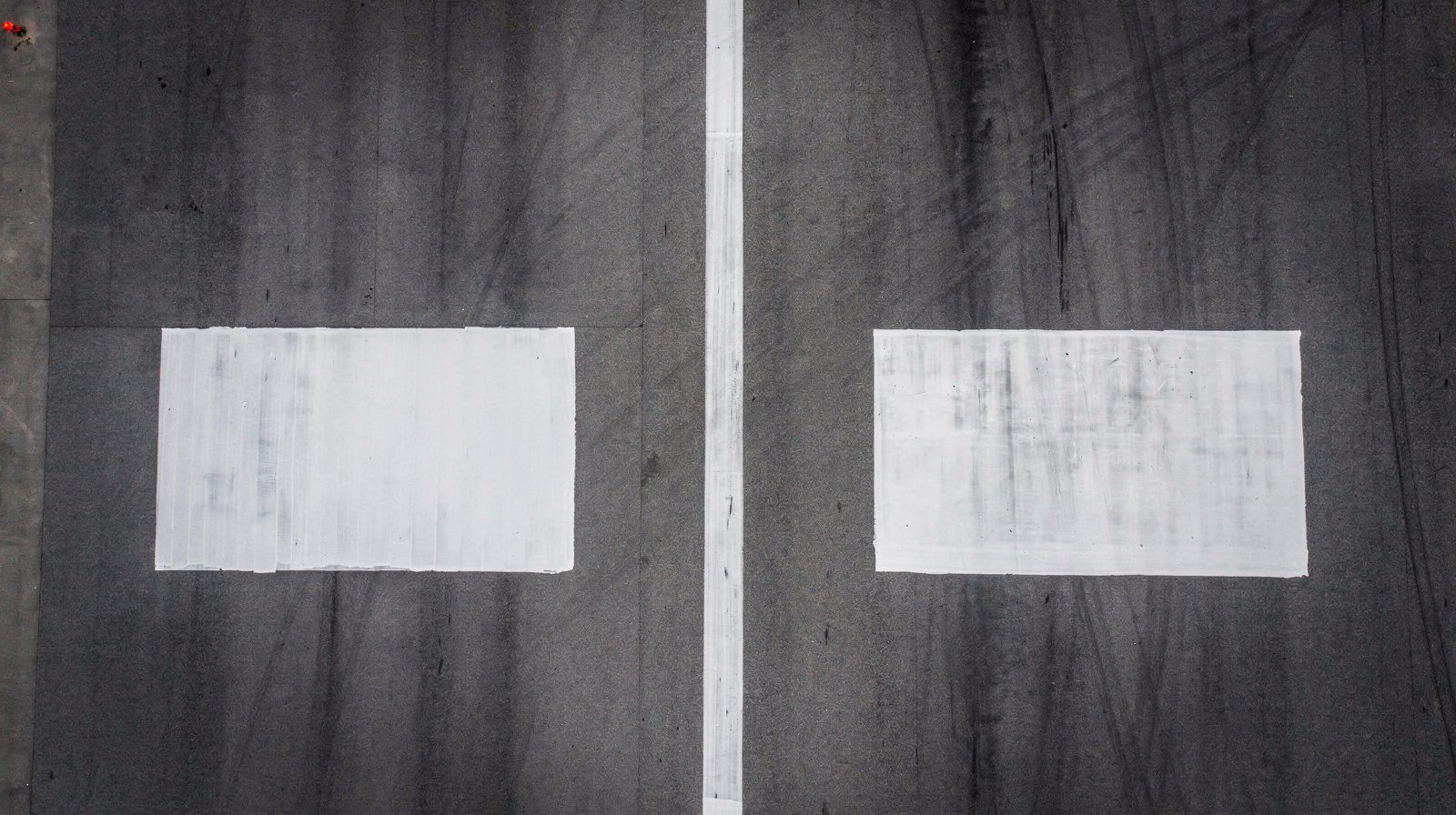
Presence, geometry and conspicuity fail separately. What a nadir drone survey measures on airfield markings, and what needs a ground instrument.
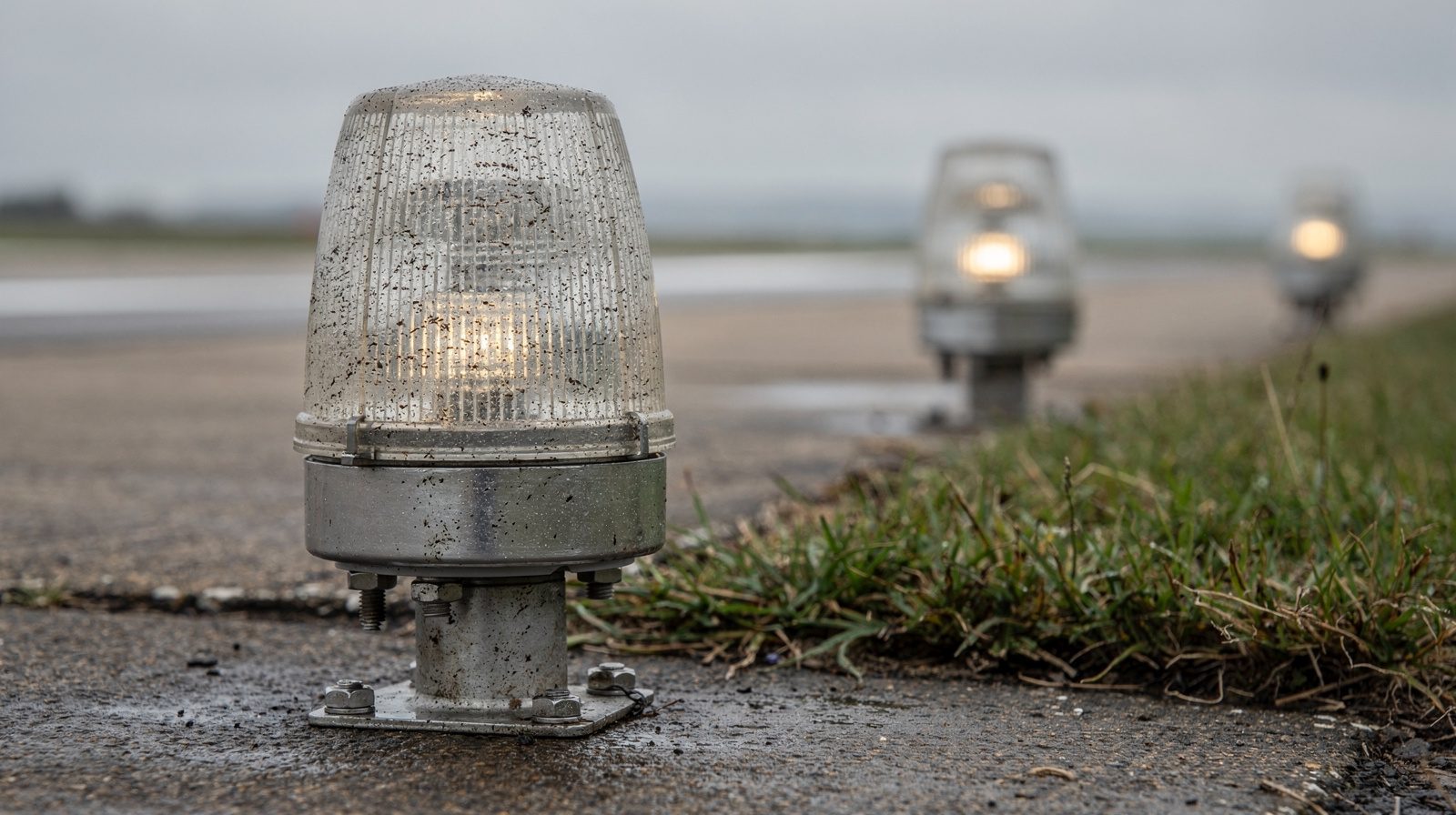
Runway lights do not fail suddenly. They drift. What moves a fixture out of tolerance, why nobody sees it happen, and how a measured baseline catches it.
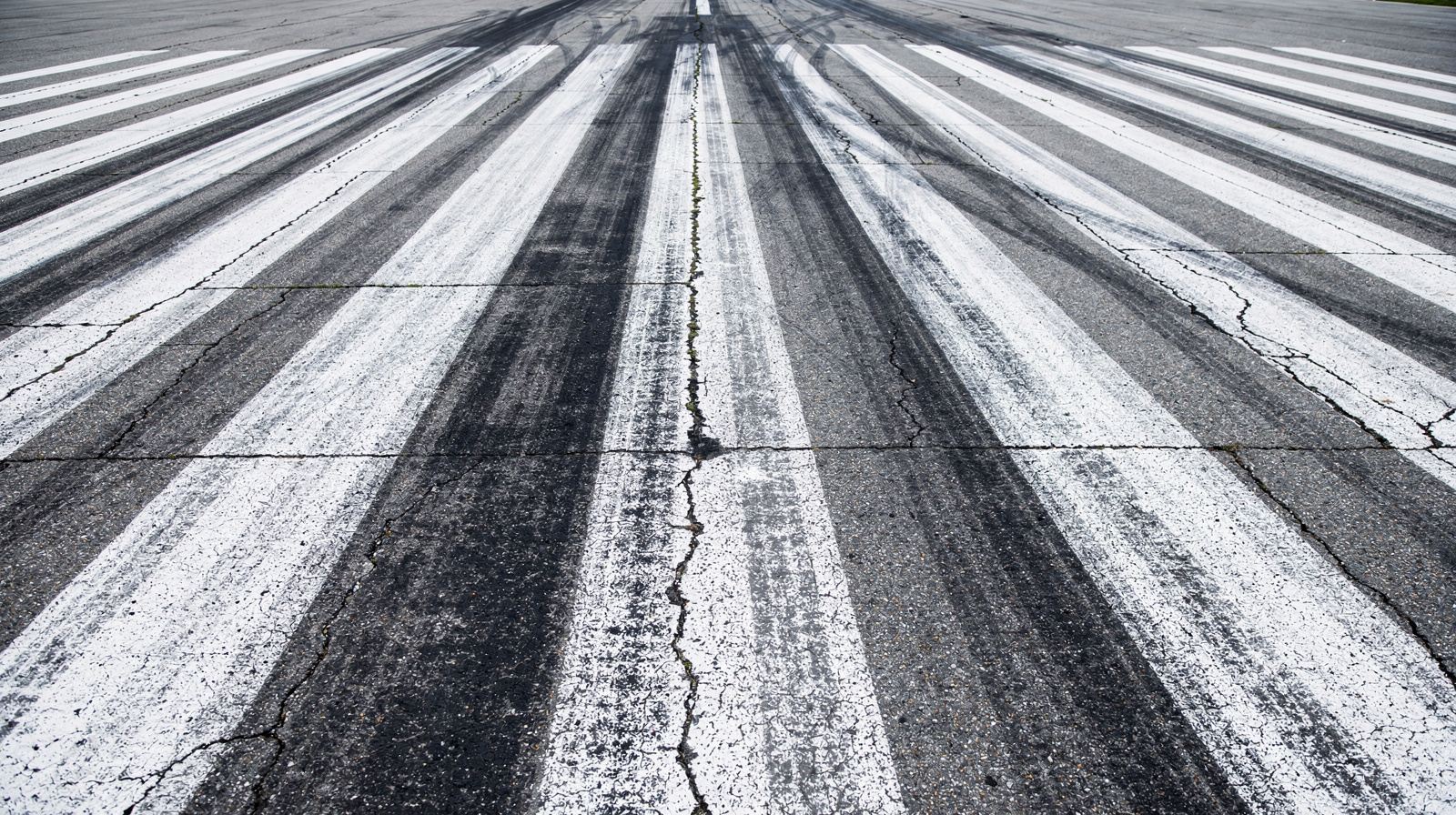
Regulators rarely name an accepted instrument. What they accept is a dated, traceable record showing that the aerodrome's own agreed procedure was followed.
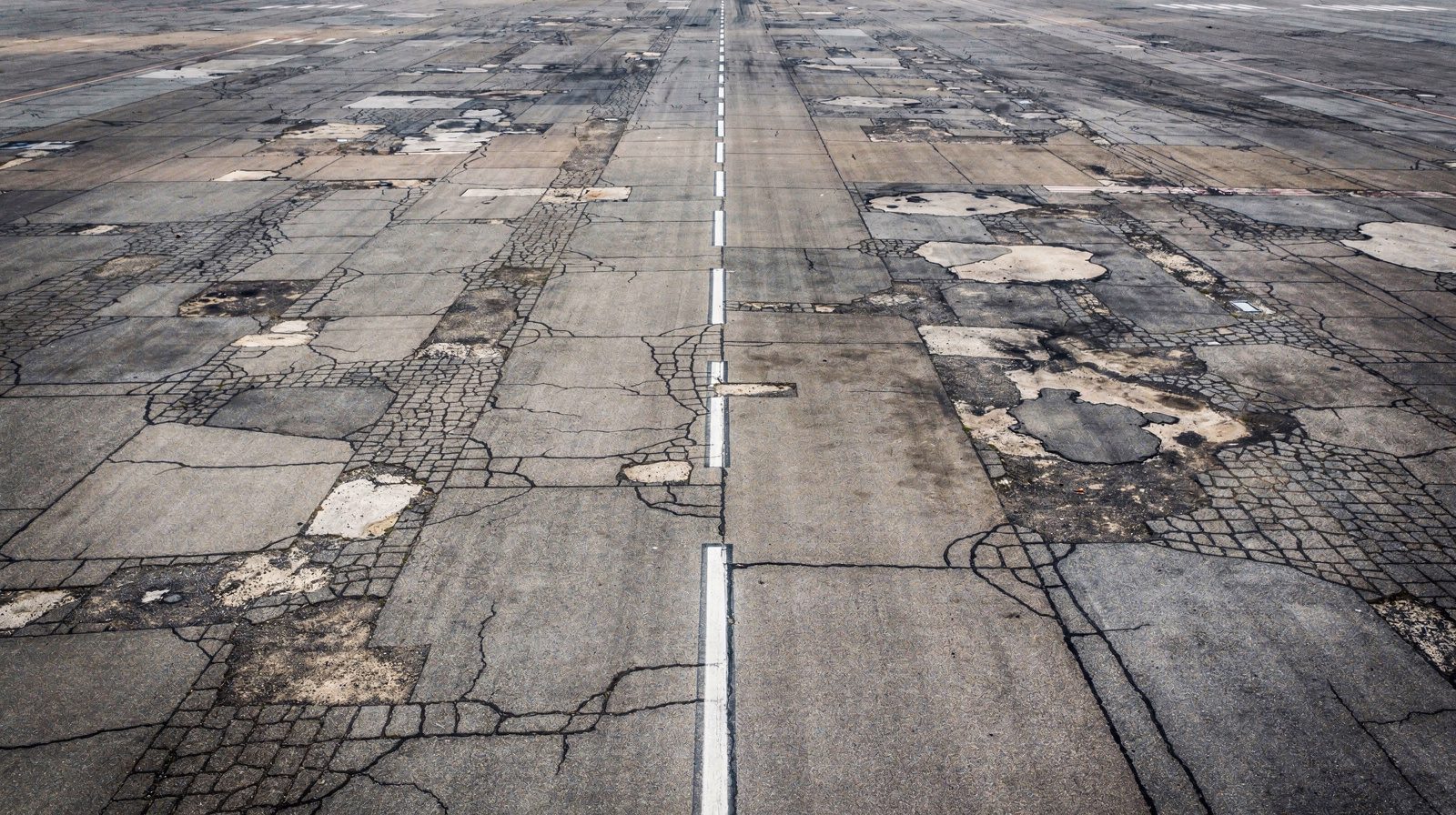
What a drone pavement scan resolves on a runway, what it cannot, how ground sample distance sets the smallest measurable crack, and how a scan becomes a rating.
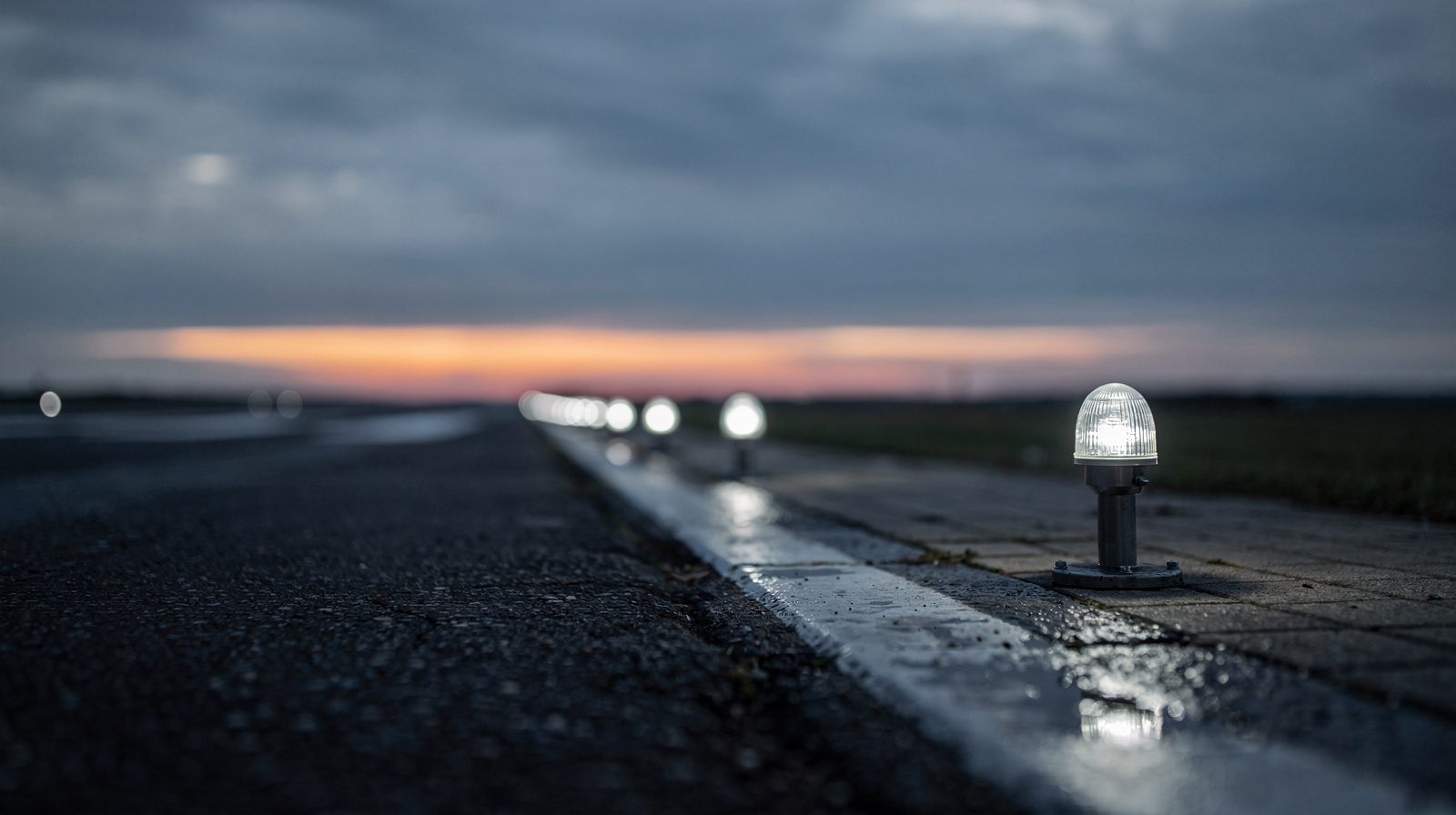
What ICAO Annex 14 requires of runway edge lights, what it leaves open, and how intensity, colour and coverage are actually measured in the field.
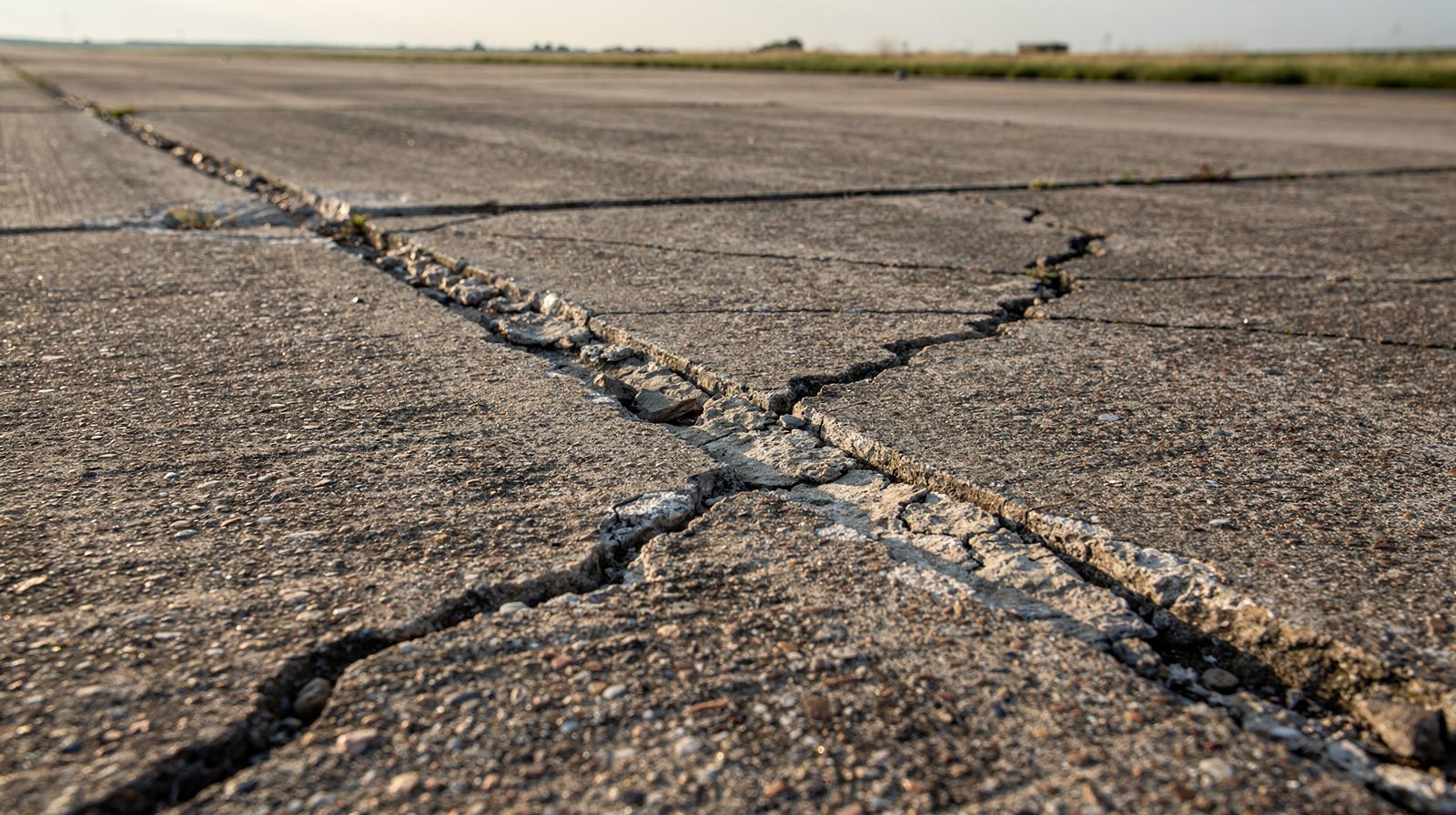
What PCI is, how ASTM D5340 turns observed distress into a 0-100 number, what the deduct-value step does, and what the index cannot tell you about a runway.
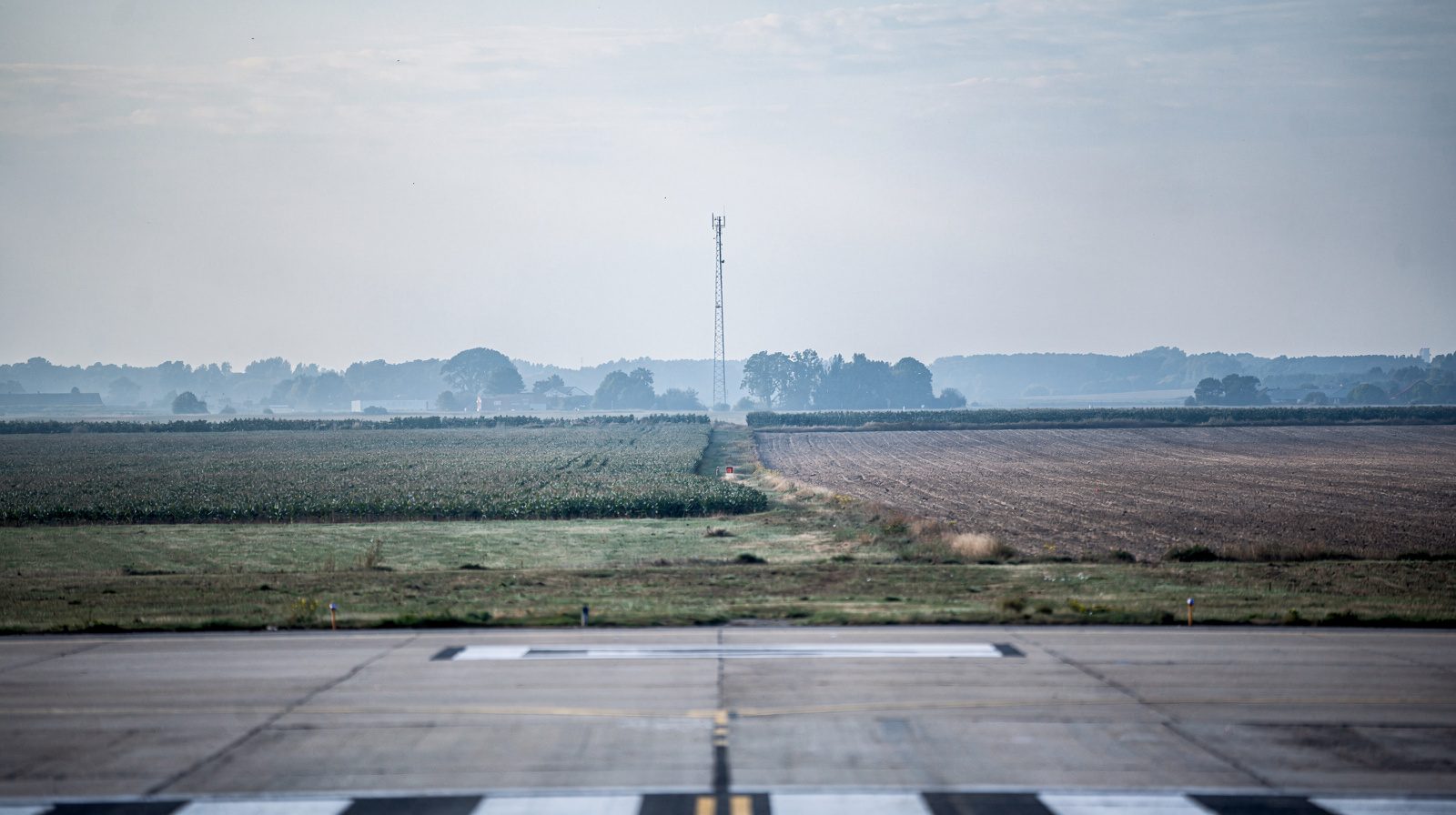
What obstacle limitation surfaces are, which ones matter at a regional aerodrome, and how the approach gets surveyed to prove nothing has grown into it.
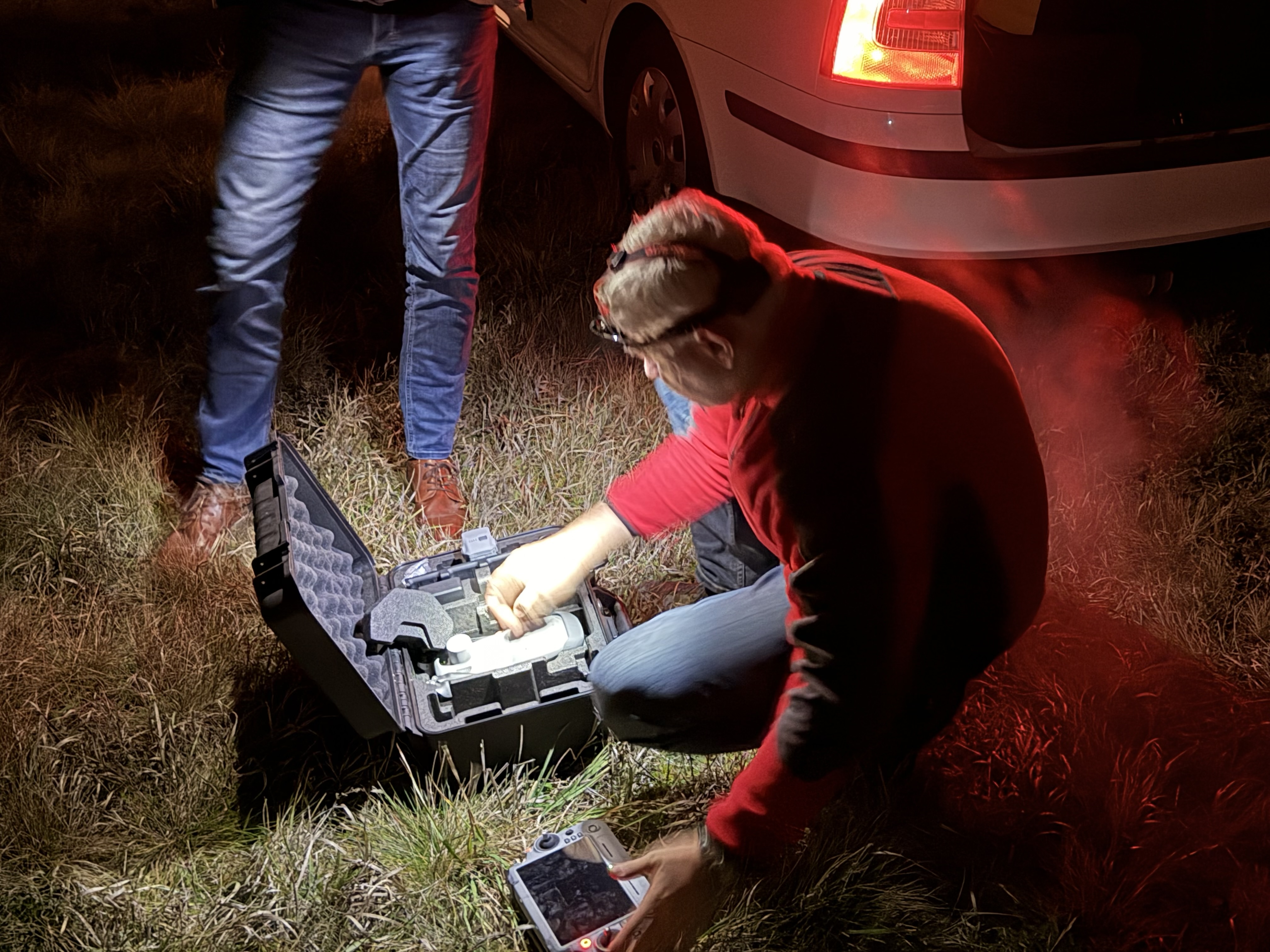
The runway belongs to the traffic, not to the inspector. Where inspection windows come from, what a short slot changes, and when night beats day.
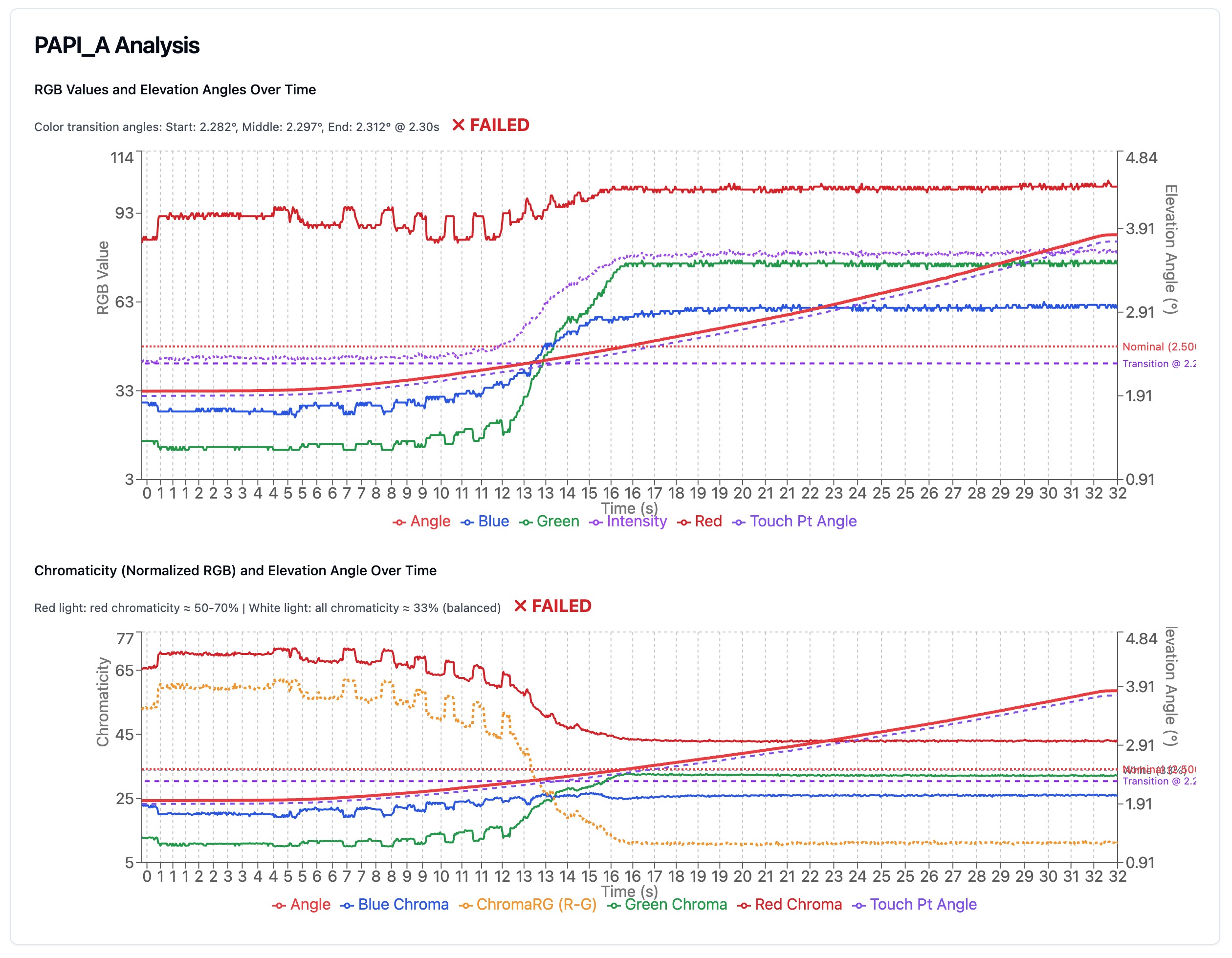
Why a number off a drone camera can stand up as evidence: what the sensor records, how it becomes an angle, and where the uncertainty is bounded.
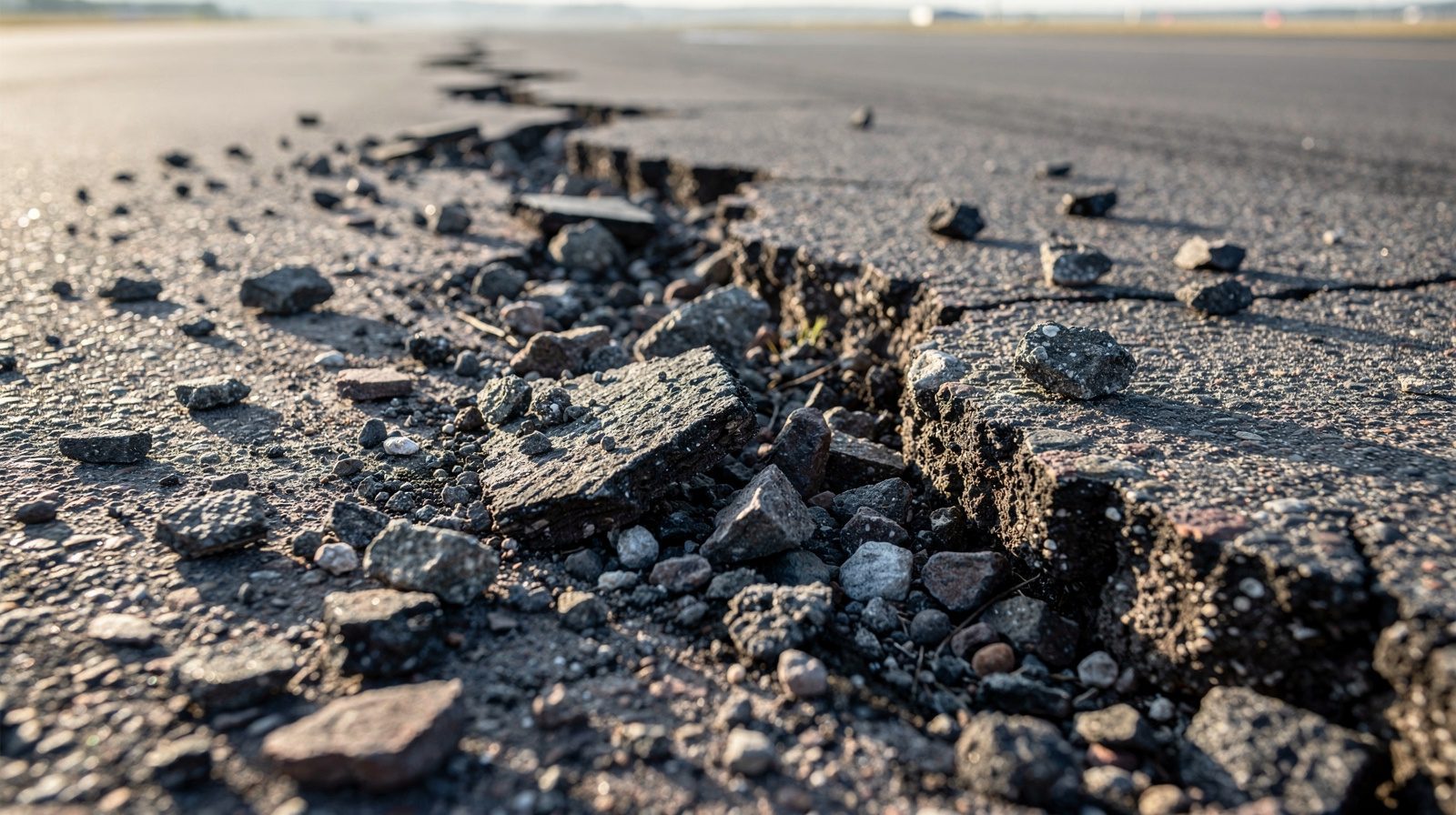
Most runway FOD is not dropped, it is shed by the pavement. How raveling, spalling and joint failure make debris, and which distress to seal first.
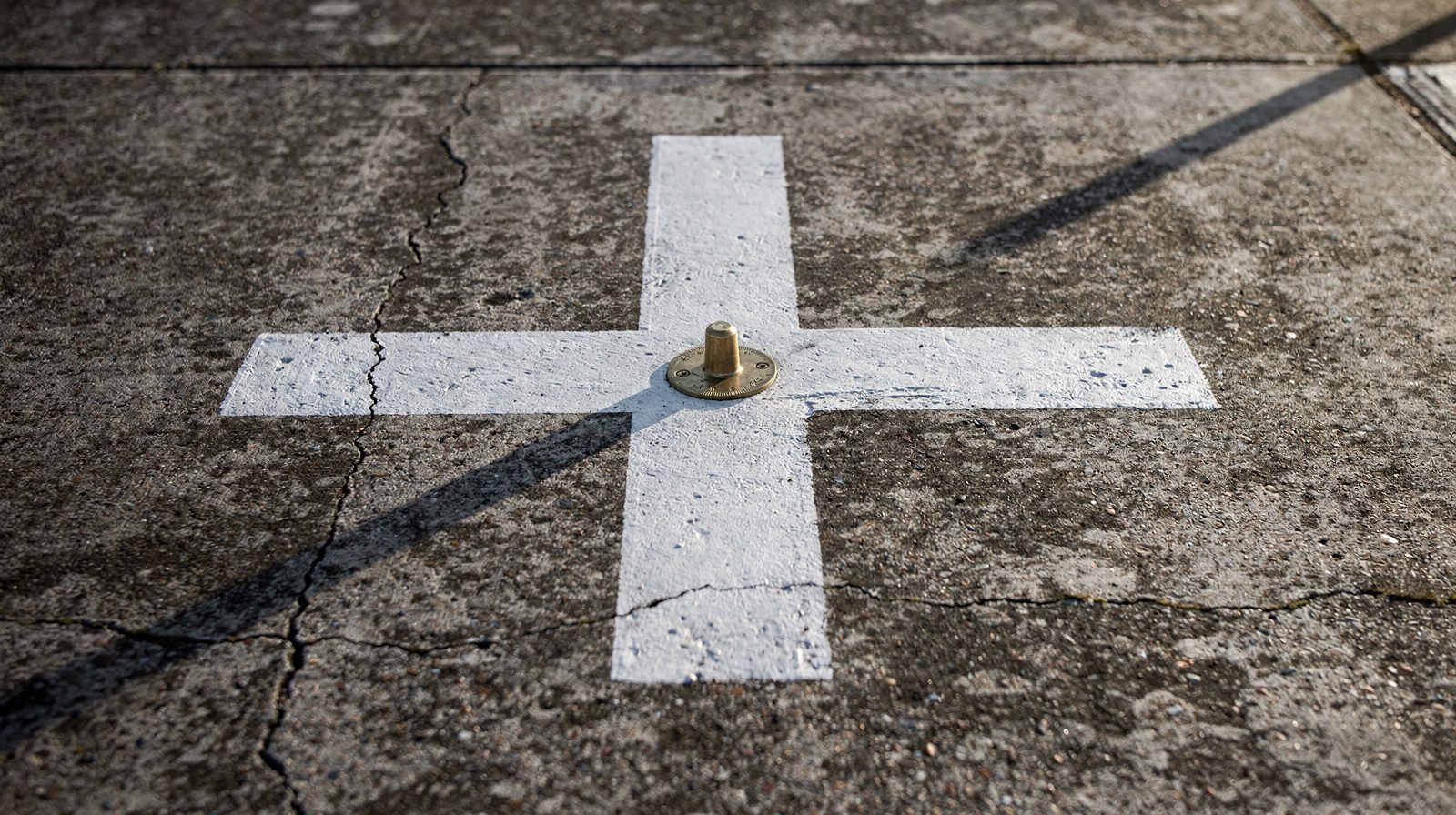
Two surveys of the same runway disagree by more than either claims as its accuracy. Usually the instruments were fine and the reference frames were not.
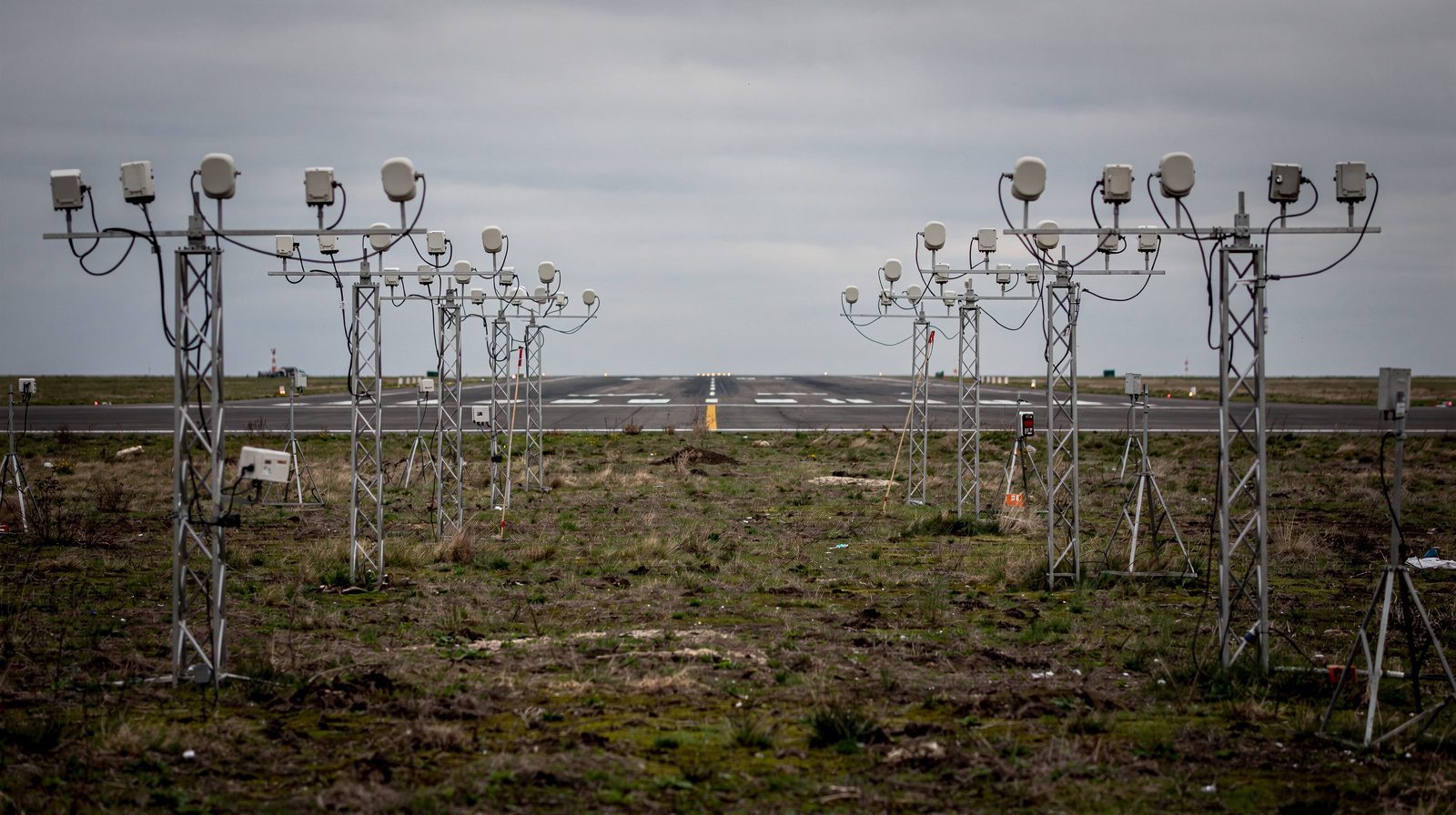
What an approach lighting system does for the crew, what Annex 14 asks of it in service, and why 900 metres of array off the airport is hard to inspect.
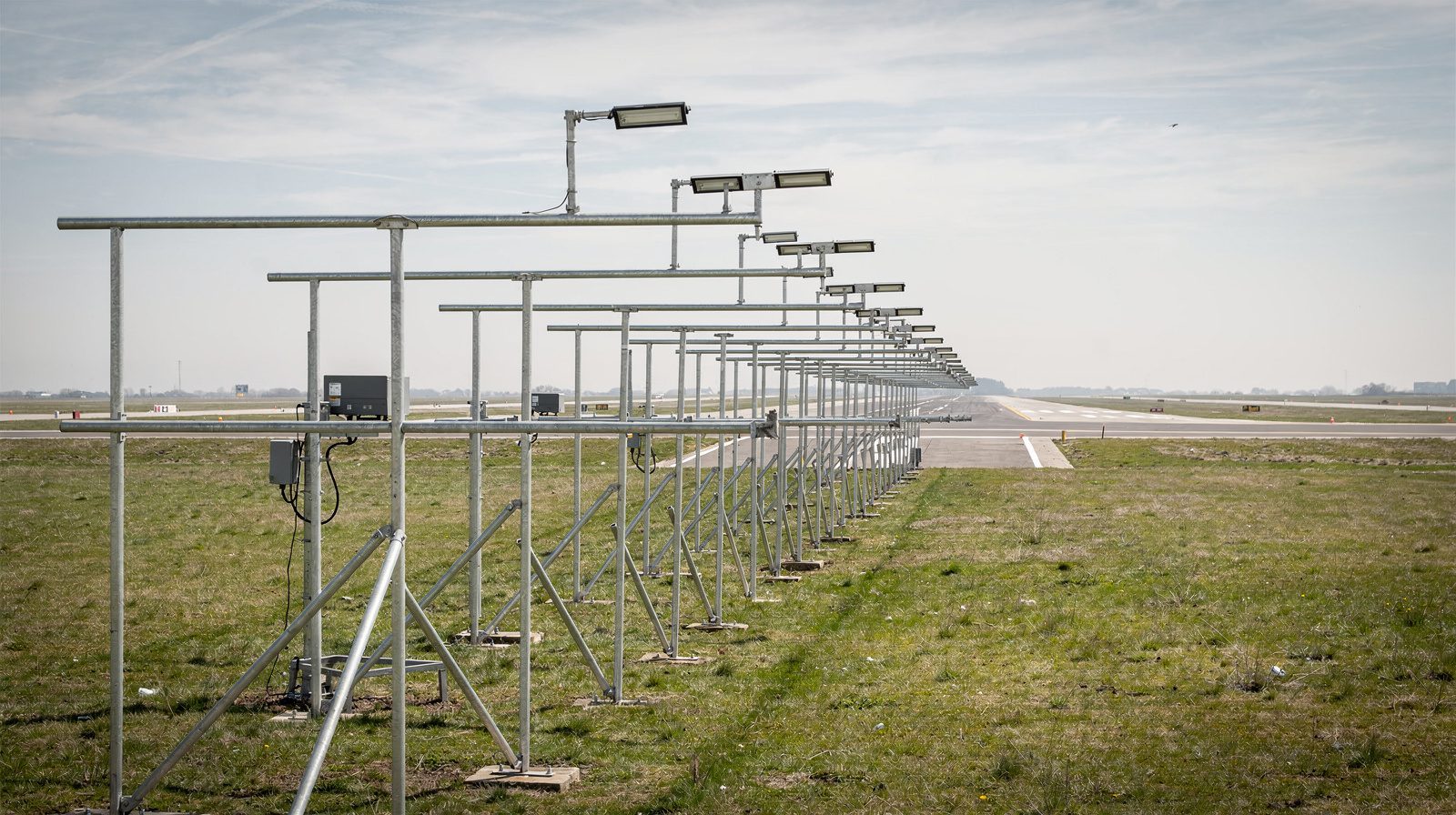
What really decides an approach lighting configuration, why the ICAO and FAA vocabularies do not map onto each other, and what each layout costs to keep service...
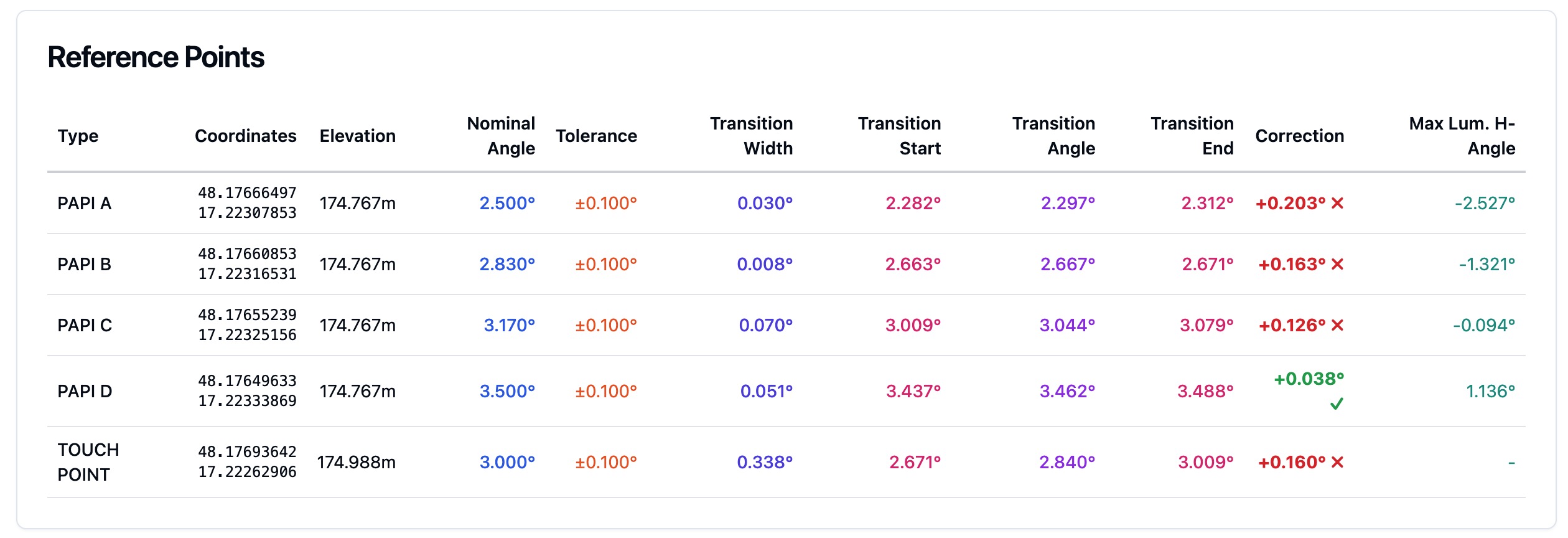
The tolerances behind a PAPI protocol, what an authority looks for in the evidence, and how often the system has to be verified to stay certifiable.
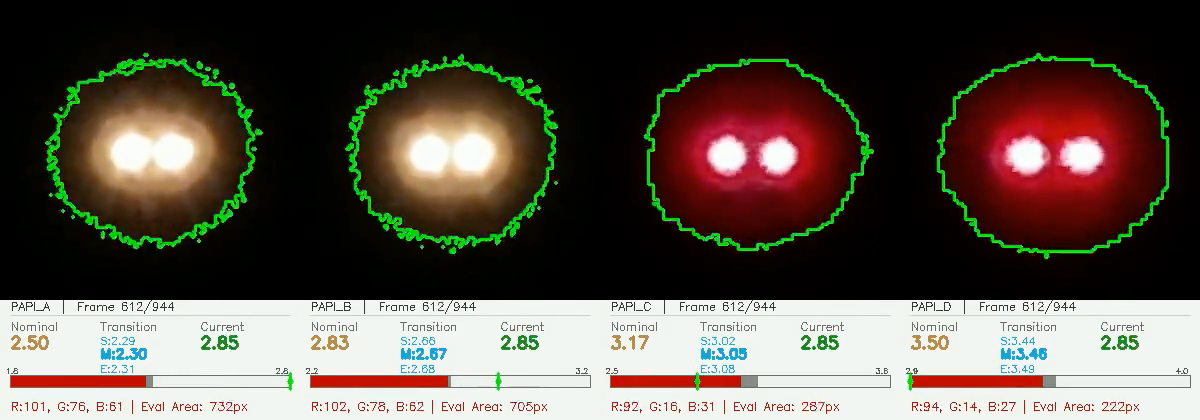
Capture, processing and the finished report can all happen on a laptop on the airfield, with nothing leaving the airport and no connectivity needed.
What drives the cost of a drone-based airfield inspection, why we quote per airport instead of publishing a rate, and what the real comparison is.
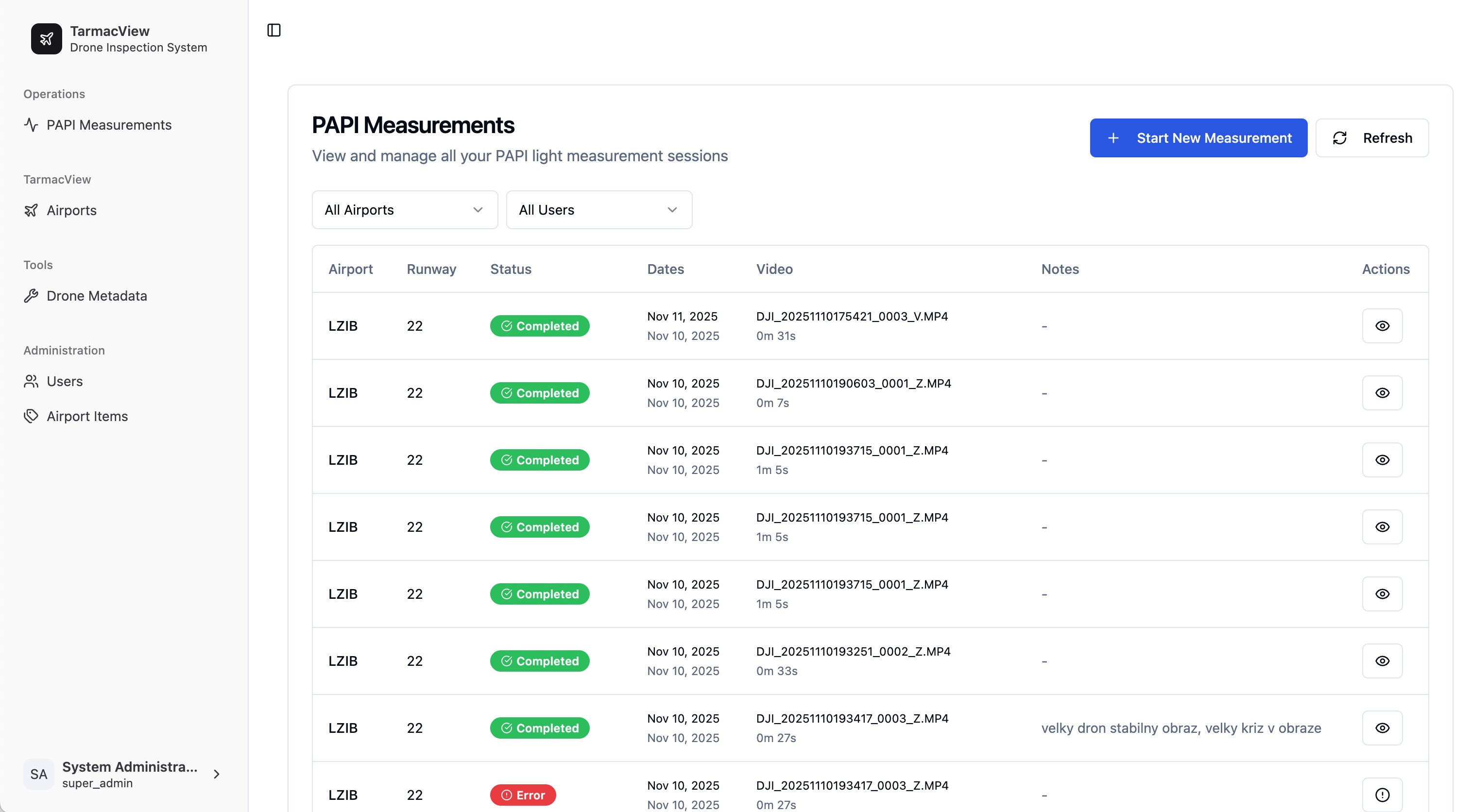
Footage moves off the drone over the airfield network automatically, so processing starts while the crew is still packing up instead of hours later.
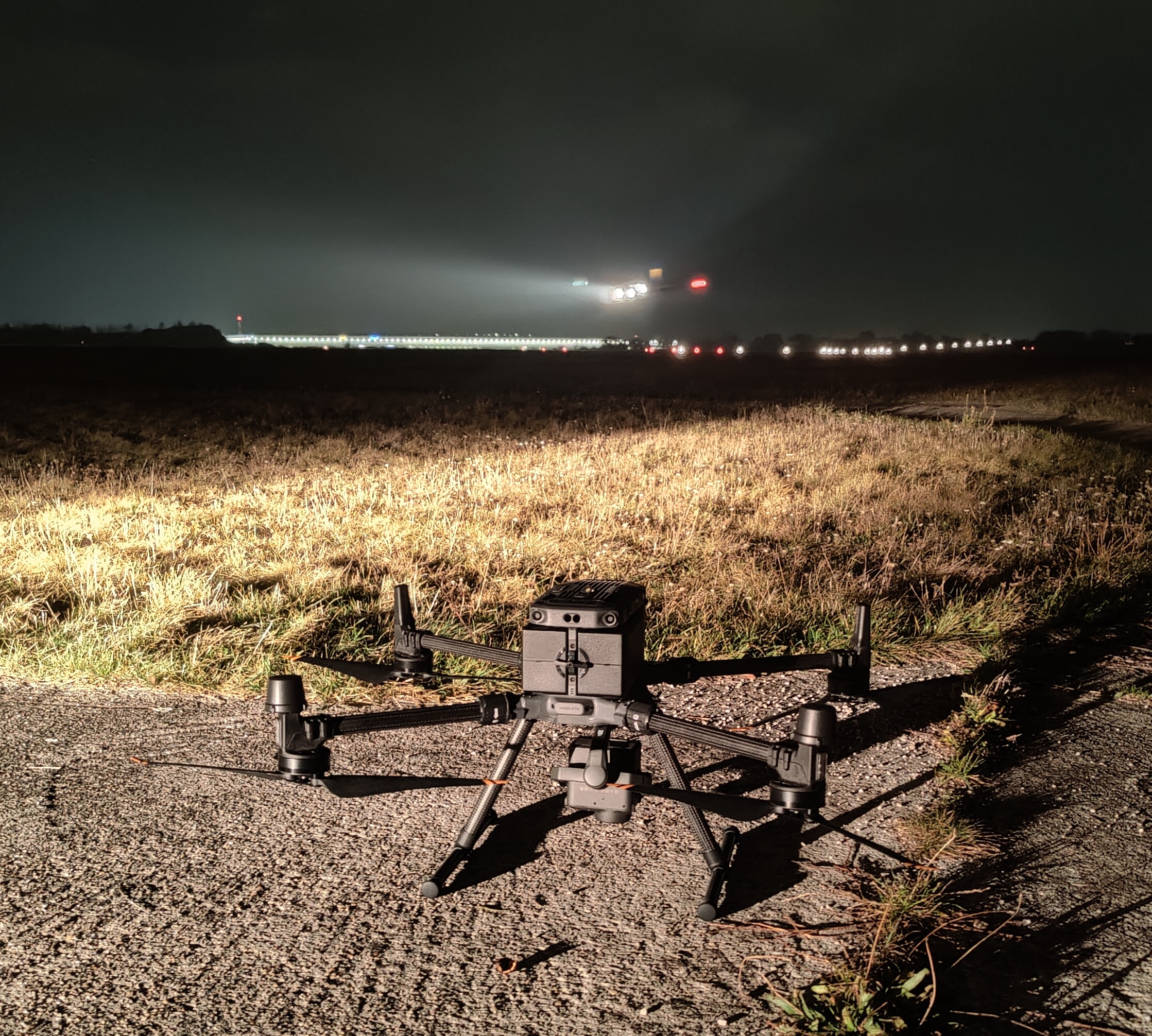
Discover how drone technology is revolutionizing PAPI light inspection with superior efficiency, safety, and cost-effectiveness compared to traditional flight i...