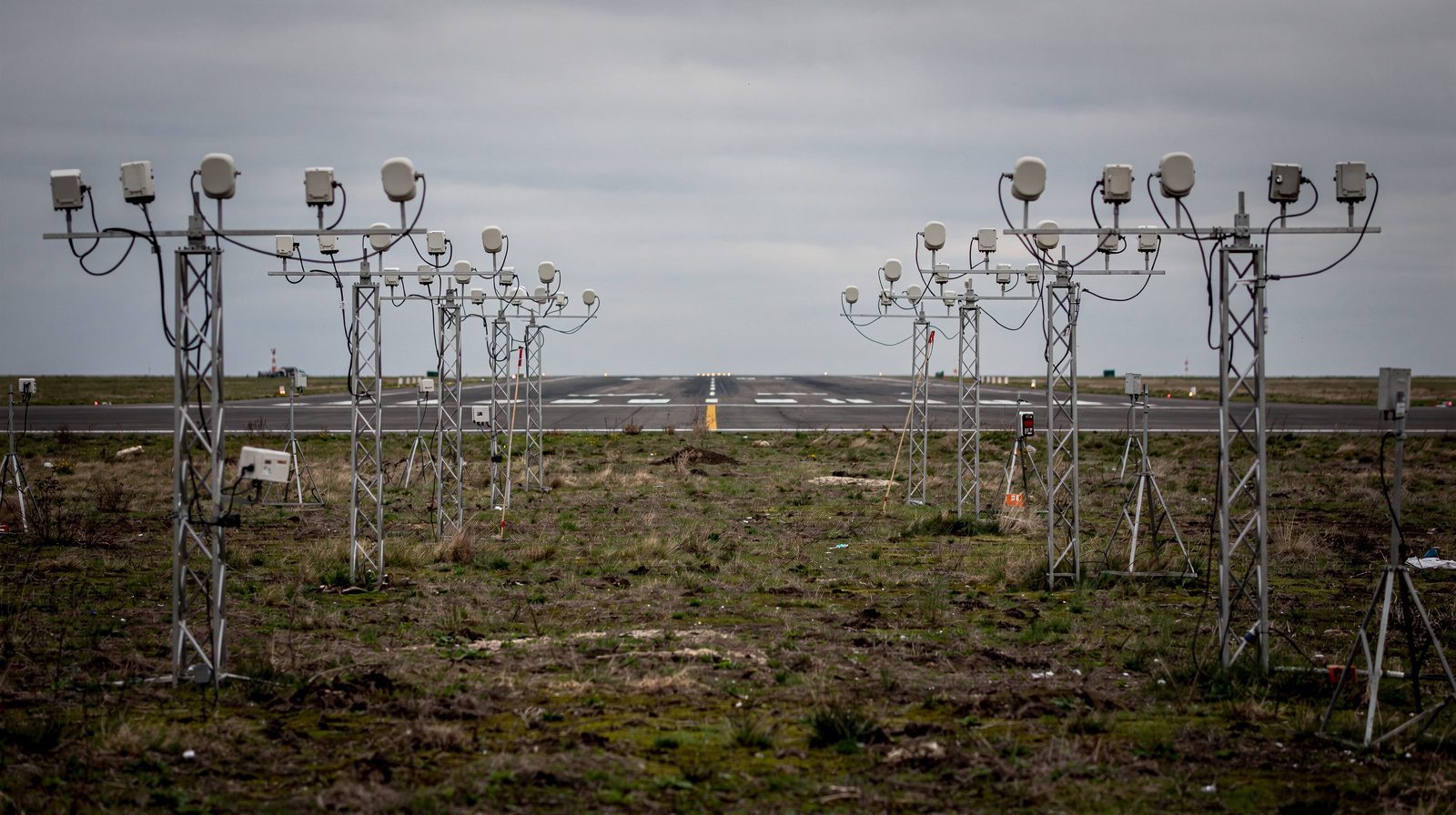
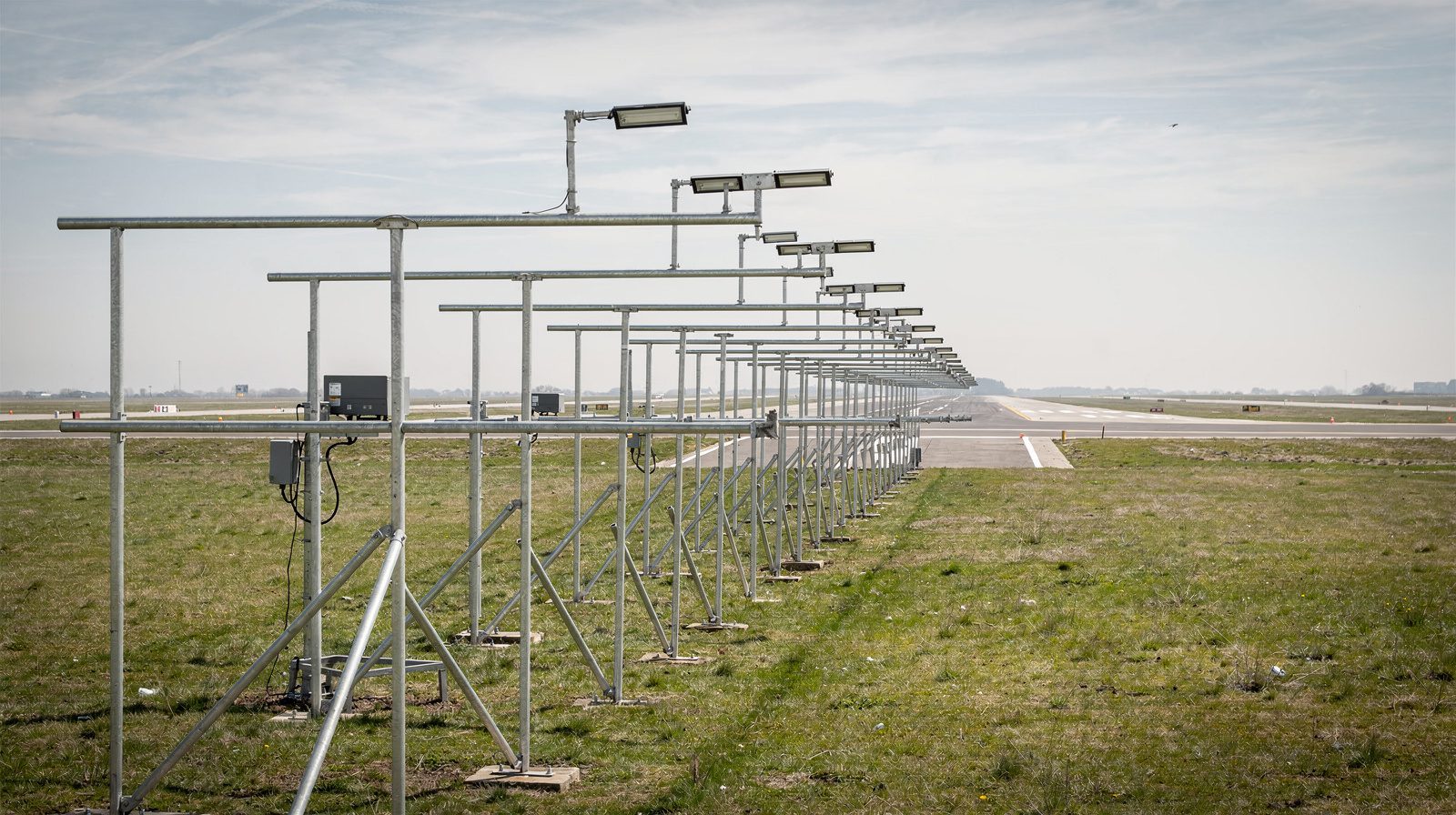
What is airfield lighting?
Airfield Lighting
Definition and Overview
Airfield lighting, also known as airport lighting or aerodrome ground lighting, describes the comprehensive array of electrical lights and visual aids installed at airports to ensure safe aircraft and ground vehicle operations during darkness, low visibility, and adverse weather. Governed by standardized international protocols, primarily ICAO Annex 14 , these lighting systems provide essential cues for pilots during critical phases such as takeoff, landing, and taxiing.
How an aerodrome verifies these systems each year without closing the runway is set out in airfield lighting inspection without closing the runway .
Airfield lighting encompasses a variety of subsystems: runway and taxiway lighting, approach lighting systems (ALS), visual approach slope indicators (VASI, PAPI), touchdown zone lights (TDZL), stop bars, and obstruction lights. Each is meticulously engineered regarding color, brightness, spacing, and control, ensuring instant, unambiguous interpretation by pilots from around the world.
The primary role of airfield lighting is to maintain safety and operational efficiency, helping pilots align, approach, and maneuver aircraft even when external visibility is compromised. Robust regulatory frameworks, including FAA Advisory Circulars , mandate rigorous design, maintenance, and inspection standards.
Primary Functions and Use Cases
Airfield lighting systems are critical in:
- Runway and Taxiway Delineation: Marking the edges and centerlines for clear navigation.
- Pilot Guidance and Alignment: Supporting safe approach, landing, takeoff, and taxiing, particularly at night or in instrument meteorological conditions (IMC).
- Approach Slope Indication: Using VASI/PAPI to provide glide path information.
- Threshold, End, and Touchdown Identification: Defining operational runway limits.
- Hazard and Restricted Area Warning: Using color-coded lighting for obstacles and restricted zones.
- Ground Vehicle Routing: Guiding ground vehicles to avoid runway incursions.
Examples:
- Night Landings: Pilots use approach lights, threshold, edge, and end lights to identify and align with the runway.
- Low Visibility: Sequenced flashing lights and in-pavement centerline lights facilitate safe landings.
- Taxi Operations: Blue edge and green centerline lights guide aircraft between runways and terminals.
- Obstacle Avoidance: Red lights mark towers or tall structures.
- Vehicle Movement: Illuminated routes prevent vehicles from entering active runways.
Main Types of Airfield Lighting Systems
Runway Lighting
Runway Edge Lights
Omnidirectional lights along both sides of the runway, white in color, shifting to yellow for caution zones near the runway end. Intensity classified as HIRL, MIRL, or LIRL, depending on operational needs and regulatory requirements.
Runway Centerline Lights
Flush mounted along the runway centerline, spaced at 15 m (50 ft) intervals, with color transitions (white to alternating red/white, then red) to signal runway length remaining.
Threshold and End Lights
- Threshold: Green lights at the runway start for arriving aircraft.
- End: Red lights at the runway’s physical end (departing direction), sometimes combined with threshold lighting for dual visibility.
Touchdown Zone Lights (TDZL)
Rows of white lights marking the prime touchdown area, extending from 30 m beyond the threshold to 900 m down the runway.
Runway End Identifier Lights (REIL)
Synchronized flashing white lights at each side of the runway threshold, providing high-contrast cues for runway identification.
Taxiway Lighting
Taxiway Edge Lights
Blue lights outlining taxiways, spaced for optimal visual guidance.
Taxiway Centerline Lights
Green, flush-mounted lights marking the taxiway centerline, essential for low-visibility operations.
Stop Bars
Rows of red, in-pavement lights at runway holding positions, illuminated to indicate stop, extinguished to signal clearance.
Lead-On/Lead-Off Lights
Alternating green/yellow lights guiding aircraft between taxiways and runways.
Approach Lighting Systems (ALS)
Complex arrays of lights extending up to 900 m from the runway threshold, such as ALSF-1/2 (high-intensity, sequenced flashers for precision approaches), MALS/MALSR (medium intensity), and ODALS (omnidirectional).
Visual Glide Slope Indicators
VASI
Arranged light bars displaying red/white cues for glide slope adherence:
- Red over white: On path
- Red over red: Below path
- White over white: Above path
PAPI
Four-unit systems showing combinations of red/white for precise glide path information.
Specialized Lighting
Obstruction Lights
Red or high-intensity white lights on tall structures to warn pilots.
Runway Status Lights (RWSL)
Automated red lights embedded in runways to indicate occupancy or unsafe conditions.
Airport Beacons
Rotating beacons identifying airport type and location by color code (e.g., white/green for civilian airports).
Airfield Lighting Color Coding
| Light Color | Meaning & Application |
|---|---|
| White | Runway edges, centerline, touchdown zone, ALS |
| Red | Runway end, stop bars, obstructions |
| Green | Threshold, taxiway centerline, lead-on/off |
| Blue | Taxiway edges |
| Yellow | Caution zones, lead-on/off, holding positions |
| Amber | Hazards, caution, runway edge in final section |
- Red: Stop or danger.
- Yellow/Amber: Caution or transition.
- Green: Safe route or threshold.
- White: Active runway/approach aids.
- Blue: Taxiway edge.
Control and Operation
ATC-Controlled
At towered airports, air traffic control manages lighting remotely, adjusting intensity and selection per operational and weather conditions.
Pilot-Controlled Lighting (PCL/ARCAL)
At non-towered airports, pilots can activate and adjust lighting via radio transmission, usually by keying the microphone a set number of times.
Automated and Timed Systems
Sensors and timers may trigger lighting at dusk, dawn, or during low visibility, ensuring availability without manual intervention.
Intensity Adjustment
Lighting intensity is adjustable to match ambient conditions and prevent glare, either automatically or on request.
Regulatory Standards
- ICAO Annex 14: Annex 14 – Aerodromes sets global standards for all aspects of airfield lighting.
- FAA Advisory Circulars: U.S. standards (e.g., AC 150/5340 series ).
- IEC TS 61827: Standards for luminaires on aerodromes and heliports.
- Local Regulations: May impose stricter requirements due to regional considerations.
Compliance is mandatory for certification and safe operation.
Technology Evolution
Incandescent vs. LED
- Incandescent: Traditional, short lamp life, high energy use.
- LED: Energy-efficient, long lifespan, instant brightness, low maintenance, now standard at major airports.
Smart Lighting
Modern systems feature:
- Automated brightness adjustment.
- Integration with airport management software.
- Remote monitoring and predictive maintenance.
Sustainability
- Solar-powered lighting for remote locations.
- Operational optimization (dimming, selective activation).
- Reduced hazardous materials and recycling initiatives.
Maintenance and Safety
Routine Inspections
Regular photometric testing, alignment verification, and fixture checks.
Cleaning
Removal of dirt, rubber, snow, and ice using specialized equipment.
Replacement and Repairs
Timely lamp/fixture replacement per manufacturer and regulatory schedules, LED adoption reduces frequency.
System Testing
Scheduled tests to ensure compliance with intensity, color, and reliability standards.
References
Airfield lighting is a critical enabler of modern aviation safety, standardizing visual cues for pilots and ground crews worldwide. Adhering to international standards, embracing technological advancements such as LED and smart control systems, and rigorous maintenance ensure airports remain operational and safe under all conditions.
Frequently Asked Questions
- What is airfield lighting?
- Airfield lighting is a system of lights and visual aids installed at airports to guide aircraft and vehicles during night, low visibility, or adverse weather. It includes runway and taxiway lights, approach lighting systems, obstruction lights, and more. Its purpose is to provide pilots with clear visual references for safe takeoff, landing, and ground movement. Standards for airfield lighting are set by international bodies such as ICAO and the FAA.
- Why is color coding important in airfield lighting?
- Color coding in airfield lighting ensures that pilots and ground personnel can quickly and accurately interpret the function and meaning of each light, regardless of location or weather conditions. For example, white lights typically delineate runway edges, green lights indicate thresholds and taxiway centerlines, blue lights mark taxiway edges, and red lights signal stop bars or runway ends. These conventions are standardized by ICAO and FAA regulations.
- What are the main types of airfield lighting systems?
- The main types of airfield lighting systems include runway lighting (edge, centerline, threshold, end, touchdown zone, REIL), taxiway lighting (edge, centerline, stop bars, lead-on/off), approach lighting systems (ALSF, MALS, ODALS), visual slope indicators (VASI, PAPI), obstruction lights, and airport beacons. Each type serves a specific purpose in guiding aircraft and vehicles safely on the airfield.
- Are there regulations governing airfield lighting?
- Yes. Airfield lighting systems must comply with international standards, such as ICAO Annex 14 and FAA Advisory Circulars (e.g., AC 150/5340 series). These regulations specify the color, intensity, placement, spacing, and operational requirements for all airfield lighting components to ensure safety and standardization worldwide.
- How has airfield lighting technology evolved?
- Modern airfield lighting has shifted from incandescent lamps to energy-efficient LEDs, offering longer service life, lower maintenance, and improved color rendering. Smart lighting systems now enable automated intensity adjustment, integration with airport management platforms, and predictive maintenance. Sustainability initiatives include solar-powered lighting and operational optimization to reduce environmental impact.
This is a reference entry. TarmacView provides drone inspection services and doesn't sell the equipment or materials described in this glossary.