What is an Anti-Strip Agent?
Anti-Strip Agents for Asphalt Moisture Resistance
The Stripping Mechanism: How Water Destroys the Asphalt-Aggregate Bond
Stripping is the progressive deterioration of the adhesive bond between asphalt binder and aggregate caused by the presence of water. Understanding the stripping mechanism at a molecular level is essential for selecting the correct anti-strip treatment. The process begins when water infiltrates the pavement structure through surface cracks, interconnected air voids, inadequate drainage, or capillary rise from the subgrade. Once water reaches the asphalt-aggregate interface, a cascade of physicochemical reactions triggers debonding.
The fundamental chemistry involves silanol groups (Si-OH) that form naturally along the fractured surfaces of silicate minerals in aggregate particles. These silanol groups are created when silicon-oxygen bonds are broken during aggregate crushing and are immediately passivated by water vapor from the air, a reaction that occurs even at typical hot-mix asphalt (HMA) production temperatures of 150–180°C. When liquid water reaches the interface, the silanol groups react to produce a negative surface charge: Si-OH + H₂O → Si-O⁻ + H₃O⁺. This makes the aggregate surface negatively charged and hydrophilic (water-attracting).
Simultaneously, the carboxylic acid groups (-COOH) present in the asphaltene and resin fractions of the asphalt binder also react with water at the interface: -COOH + H₂O → -COO⁻ + H₃O⁺, generating a negative charge on the asphalt binder surface. Both the aggregate and the binder therefore develop like (negative) electrical charges when water is present. This creates an electrostatic repulsion force that pushes the binder away from the aggregate surface, the fundamental mechanism of stripping.
The negative charges on both materials set up a powerful repulsive force that literally drives the asphalt film off the aggregate surface. Aggregates rich in silica (over 65% SiO₂ by mass), including granite, quartzite, sandstone, and rhyolite, are particularly susceptible because their mineralogy produces abundant silanol groups. Carbonate-based aggregates such as limestone and dolomite are generally less prone to stripping due to their different surface chemistry, but they are not immune, particularly when exposed to acidic environments.
| Aggregate Type | Silica Content | Stripping Propensity | Common Anti-Strip Need |
|---|---|---|---|
| Quartzite | >95% | Very High | Mandatory |
| Granite | 65–75% | High | Mandatory |
| Sandstone | 60–85% | High | Mandatory |
| Basalt/Diabase | 45–55% | Moderate | Recommended |
| Dolomite | <5% | Low | Condition-dependent |
| Limestone | <5% | Low | Condition-dependent |
| Slag | Variable | Low–Moderate | Condition-dependent |
The severity of stripping in a given pavement depends on multiple interacting factors: aggregate mineralogical composition (silica content and surface chemistry), asphalt binder chemical characteristics (the type and concentration of acidic functional groups in the asphaltenes and resins), aggregate cleanliness (clay coatings interfere with bonding), mix design (asphalt binder content and air void levels), construction quality (achieved versus designed air voids), and pavement drainage conditions (the duration and frequency of moisture exposure). A mixture with any one of these factors in the unfavorable range can be pushed into stripping failure, but combinations of several poor factors produce rapid, catastrophic damage.
Types of Anti-Strip Agents: Materials and Mechanisms
Two primary categories of anti-strip agents dominate the market: hydrated lime (calcium hydroxide, Ca(OH)₂) applied to the aggregate, and liquid amine-based antistrip additives blended into the asphalt binder. A 2002 survey by Aschenbrener found that 25 U.S. states use liquid antistrip agents, 13 states use hydrated lime exclusively, and 7 states accept either option. These materials operate through fundamentally different mechanisms.
Hydrated Lime
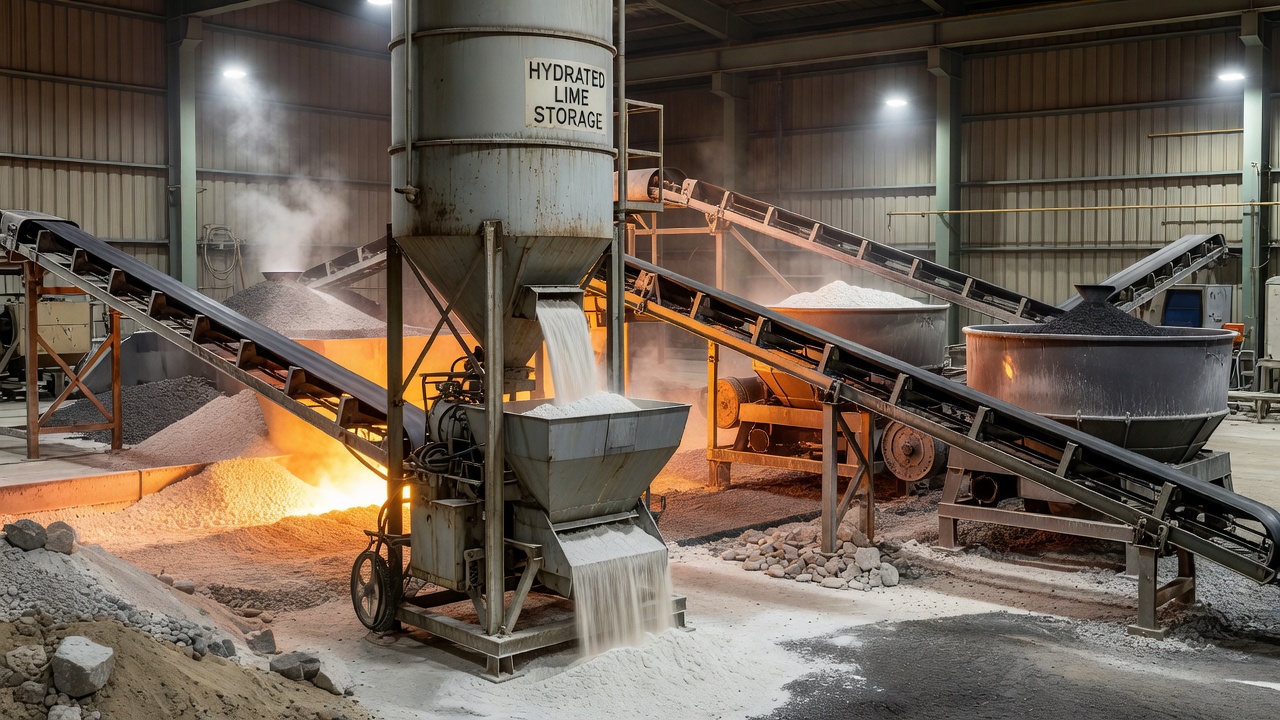
Hydrated lime is produced by slaking quicklime (calcium oxide, CaO) with water to produce calcium hydroxide powder. When added to damp aggregate, the lime dissolves in the available water to form a highly alkaline solution (pH > 11). In this high-pH environment, the lime dissociates into CaOH⁺ and OH⁻ ions. The CaOH⁺ cation is strongly adsorbed onto the negatively charged aggregate surface, where it reverses the surface charge from negative to positive. This eliminates the electrostatic repulsion between aggregate and asphalt, effectively removing the root cause of stripping.
Hydrated lime provides multiple additional benefits beyond anti-strip protection. It stiffens the asphalt binder, improving resistance to rutting and permanent deformation, research using the Dynamic Shear Rheometer (DSR) has demonstrated that adding 20% hydrated lime to bitumen (equivalent to approximately 1.0–1.5% in the HMA) significantly increases the G*/sinδ parameter, which is the Superpave rutting resistance indicator. It also reduces oxidative age-hardening by interacting chemically with the polar functional groups in asphalt, slowing the rate of viscosity increase over the pavement’s service life. Field data from Utah DOT test sections showed that asphalt binders in lime-treated pavements aged at a substantially lower rate than untreated controls over 8 years of monitoring. Additionally, hydrated lime improves fatigue resistance through crack-pinning mechanisms, the fine lime particles intercept microcracks and prevent their propagation into full structural cracking.
The typical application rate for hydrated lime is 1.0–2.0% by dry weight of aggregate, with 1.0–1.5% being the most common range found in agency specifications worldwide. The lime is typically added to the aggregate either as a dry powder applied to damp aggregate or as a lime slurry (lime mixed with water) before the aggregate enters the mixing drum. This dry or slurry addition process ensures thorough coating of the aggregate particles.
Liquid Amine Anti-Strip Agents
Liquid antistrip agents are surface-active chemicals (surfactants) added directly to the asphalt binder at rates of 0.25–1.0% by weight of binder. The most common chemistries are ethylene amine-based compounds, including polyamines like tetraethylenepentamine (TEPA), bishexamethylenetriamine (BHMT), and amidoamines produced by reacting polyamines with fatty acids derived from natural oils such as coconut oil or tall oil.
These amine molecules have a distinctive structure: a polar (hydrophilic) amine functional group “head” containing nitrogen atoms with lone electron pairs, and a lipophilic (hydrophobic) hydrocarbon “tail” that is miscible with the asphalt binder. The mechanism of action involves several proposed theories:
The Bridge Theory proposes that the lone pair of electrons on the nitrogen atom of the amine functional group forms strong chemical bonds (covalent, hydrogen, or pi bonds) with positively charged sites on the aggregate surface, sites occupied by calcium, iron, sodium, or potassium cations. The long hydrocarbon tail of the molecule remains miscible within the asphalt binder, effectively creating a chemical bridge that anchors the binder to the aggregate.
The Dispersion Theory proposes that amine molecules react with the carboxylic acid groups of asphaltenes and resins in the asphalt binder, dispersing the asphaltene clusters. This liberates electron-rich, polar components that can be readily adsorbed onto the aggregate surface, forming chemical bonds that are far stronger than the weak Van der Waals bonds that predominate in untreated asphalt-aggregate systems.
The Wetting Theory proposes that the surfactant properties of amine antistrip agents reduce the surface tension of the asphalt binder, lowering the contact angle between binder and aggregate and allowing more complete coating during mixing.
| Anti-Strip Type | Typical Dosage | Application Method | Primary Mechanism | Longevity |
|---|---|---|---|---|
| Hydrated Lime | 1.0–2.0% by wt. aggregate | Added to aggregate (dry or slurry) | Charge reversal on aggregate surface | Permanent |
| Liquid Amine | 0.25–1.0% by wt. binder | Blended into asphalt binder | Chemical bridging / dispersion | 5–10+ years |
| Amidoamine | 0.25–1.0% by wt. binder | Blended into asphalt binder | Enhanced bridging + heat stability | 10+ years |
| Phosphate Ester | 0.5–1.5% by wt. binder | Blended into asphalt binder | Acid-base neutralization | Variable |
| Portland Cement | 1.0–2.0% by wt. aggregate | Added to aggregate | Charge modification | Permanent |
| Silane | 0.1–0.5% by wt. aggregate | Applied to aggregate surface | Covalent bonding to silica | Permanent |
Liquid antistrip agents offer the significant operational advantage of ease of addition, they can be metered into the binder line at the asphalt plant using in-line blending systems, requiring no additional aggregate handling equipment. However, they are subject to thermal degradation if the binder is stored at elevated temperatures for extended periods. The larger molecular structure of modern amidoamine chemistries provides enhanced heat stability compared to older polyamine products.
Other Anti-Strip Materials
Phosphate esters are another class of liquid antistrip chemicals produced by reacting phosphoric acid with alcohols. These function through acid-base neutralization of the aggregate surface. Portland cement and fly ash have been used historically as aggregate treatments, though their effectiveness is generally lower than hydrated lime and their use has declined significantly. Polymer-modified binders (particularly SBS-modified) provide inherent anti-strip benefits by increasing binder cohesion, though polymers alone are rarely sufficient for highly moisture-susceptible aggregate-binder combinations. Silane-based adhesion promoters create permanent covalent bonds with the silica surfaces of siliceous aggregates, providing durable long-term protection.
Hydrated Lime: The Gold Standard with Multiple Mechanisms
Hydrated lime delivers anti-strip protection through multiple simultaneous physicochemical mechanisms that set it apart from single-mechanism additives. A comprehensive effectiveness rating study by Hicks, published in TRB conference proceedings, assigned hydrated lime the highest mean effectiveness score (approximately 8 on a 10-point scale) compared to amines (score of approximately 5), polymers, and portland cement.
The first mechanism is cation exchange and charge reversal. As described above, CaOH⁺ ions adsorb onto the negatively charged aggregate surface in the high-pH environment created by dissolved lime, reversing the zeta potential from negative to positive. This eliminates the electrostatic repulsion that is the root cause of water-induced stripping.
The second mechanism is bitumen stiffening and improved rheology. Hydrated lime functions as an active mineral filler that interacts chemically with the polar functional groups in asphalt. Research by Petersen and colleagues demonstrated that hydrated lime reduces the rate of oxidative hardening by reacting with the reactive sites on asphaltene molecules that would otherwise form additional polar association complexes during aging. Lime-treated binders exhibit significantly lower aging indices (viscosity ratios) than untreated binders when subjected to Thin Film Oven Test (TFOT) and Pressure Aging Vessel (PAV) protocols.
The third mechanism is antioxidant activity. The calcium ions in hydrated lime catalyze the decomposition of hydroperoxides, reactive intermediates in the asphalt oxidation pathway, preventing them from forming the carbonyl and sulfoxide functional groups that cause embrittlement and age-hardening. This antioxidant effect extends the fatigue life of the pavement by maintaining binder flexibility.
The fourth mechanism is crack-arresting filler action. The fine particle size distribution of hydrated lime (typical mean particle diameter of 1–3 microns) allows it to function as an active filler that intercepts microcracks at the crack tip, deflecting and arresting crack propagation. Research using fracture toughness testing per ASTM E399 has demonstrated that hydrated lime significantly improves the fracture toughness (K₁c) of aged asphalt binders at low temperatures (-30°C), reducing the risk of thermal cracking.
A multi-state field study comparing hydrated lime, liquid amine, and no treatment across 14 test sections in the United States found that lime-treated mixtures showed an average 25% improvement in tensile strength ratio compared to untreated controls, with consistent performance across diverse aggregate types and climatic conditions. The same study found that hydrated lime outperformed liquid amines in long-term field performance, particularly under freeze-thaw cycling conditions.
Dosage Determination: The Tensile Strength Ratio Protocol
The standard method for determining the required anti-strip additive dosage is AASHTO T283, officially titled “Standard Method of Test for Resistance of Compacted Asphalt Mixtures to Moisture-Induced Damage.” This test, also known as the Modified Lottman Test, evaluates the moisture sensitivity of compacted HMA specimens by comparing the indirect tensile strength of moisture-conditioned specimens to that of dry control specimens.
The test procedure requires compacting six specimens to 7.0 ± 0.5% air voids at a diameter of 150 mm and thickness of 63.5 mm. The six specimens are divided into two subsets of three each, with the average air voids of the two subsets matched as closely as possible. One subset (the dry control) is wrapped in plastic, sealed in leak-proof bags, and placed in a 25°C water bath for 2 hours before testing.
The other subset (the conditioned group) undergoes a rigorous moisture conditioning sequence:
- Vacuum saturation, specimens are placed in a vacuum container submerged in potable water, and a partial vacuum of 13–67 kPa absolute pressure (10–26 in. Hg) is applied for 5–10 minutes, followed by 5–10 minutes of submerged rest.
- Saturation verification, the degree of saturation is calculated as the ratio of absorbed water volume to air void volume. Only specimens achieving 70–80% saturation proceed, below 70% requires a more aggressive vacuum, while above 80% indicates specimen damage and rejection.
- Freeze cycle, acceptable specimens are wrapped in plastic film, placed in heavy-duty bags with 10 mL of water, and frozen at -18 ± 3°C for 24 ± 1 hours.
- Warm-water soak, frozen specimens are placed in a 60 ± 1°C water bath for 24 ± 1 hours.
- Final conditioning, specimens are transferred to a 25°C water bath for 2 ± 0.2 hours before testing.
Both subsets are tested for indirect tensile strength by loading the specimen diametrically between curved steel loading strips at a constant rate of 50 mm/min (2 in./min). The maximum load at failure is recorded, and the tensile strength is calculated as:
S_t = 2P / (π × t × D)
where S_t = tensile strength (kPa), P = maximum load (N), t = specimen thickness (mm), and D = specimen diameter (mm).
The Tensile Strength Ratio (TSR) is the ratio of the average tensile strength of the conditioned subset to that of the dry control subset, expressed as a percentage:
TSR = (S_conditioned / S_dry) × 100
| Agency | Minimum TSR Requirement | Minimum Conditioned Tensile Strength |
|---|---|---|
| FAA (P-401) | 80% (minimum) | 70 psi (483 kPa) typical |
| AASHTO / FHWA | 80% minimum | Not specified |
| Illinois DOT (polymer) | 85% minimum | 115 psi (793 kPa) |
| Florida DOT | 80% minimum | 100 psi (689 kPa) |
| CalTrans | 90% minimum | Not specified |
| Various Airports | 80% minimum | Per project specification |
Dosage determination typically involves testing a control (no additive) and three to four dosage levels of the candidate anti-strip agent. For liquid amines, common evaluation dosages are 0.25%, 0.50%, 0.75%, and 1.00% by weight of asphalt binder. For hydrated lime, the standard evaluation dosage is 1.0% by weight of aggregate, with 1.5% as an alternative if the TSR at 1.0% is marginal.
An essential consideration in dosage optimization is evaluating both TSR and conditioned tensile strength as independent criteria. A high TSR can be misleading if it results from a decrease in dry tensile strength rather than an increase in conditioned strength, a phenomenon known as “false TSR.” Specifying a minimum conditioned tensile strength (in psi or kPa) eliminates this issue and ensures genuine improvement in moisture resistance. The FDOT Florida study on granite-based FC-5 mixtures demonstrated that the addition of 0.75% liquid antistrip agent increased conditioned tensile strength by 74% (from 70 psi to 122 psi) while increasing TSR from 49% to 98%, illustrating the dramatic improvements possible with properly optimized dosage.
Testing Protocols for Moisture Susceptibility
Beyond the standard AASHTO T283 / TSR test, several complementary test methods evaluate the moisture resistance of asphalt mixtures containing anti-strip agents:
Boiling Water Test (ASTM D3625)
The boiling water test is a rapid qualitative screening method for evaluating the adhesive compatibility of asphalt and aggregate. A loose (uncompacted) mixture of asphalt-coated aggregate is placed in boiling water for 10 minutes. After boiling, the mixture is removed, dried, and the percentage of aggregate surface area still retaining asphalt coating is visually estimated. The test is subjective but valuable for initial screening of anti-strip additive effectiveness. Recent advances using colorimeter (chroma meter) analysis have enabled quantitative measurement of stripping percentage from the fractured surfaces, converting the subjective visual rating into objective L*, a*, b* color space measurements.
Hamburg Wheel Tracking Test (AASHTO T324 / EN 12697-22)
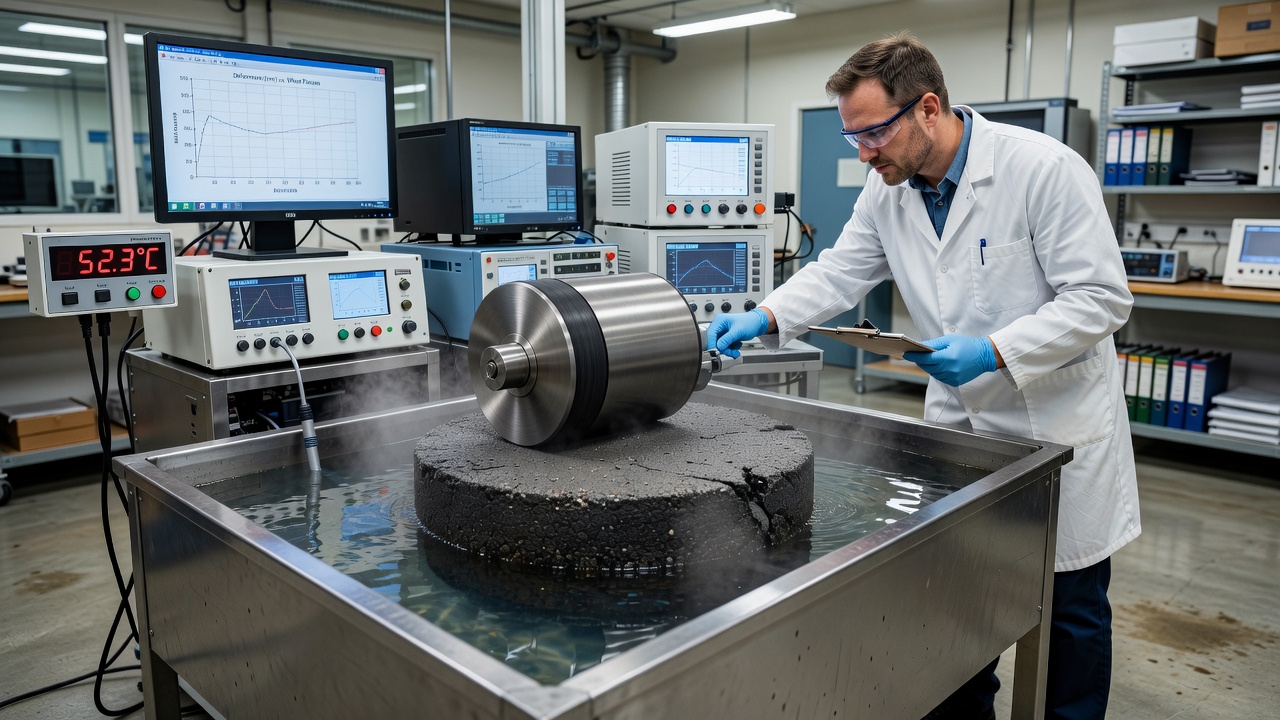
The Hamburg Wheel Track Test is one of the most widely accepted performance tests for evaluating both rutting resistance and moisture susceptibility simultaneously. In this test, a steel wheel (47 mm wide, 203.5 mm diameter) applies a reciprocating load of 703 N (158 lbf) to compacted asphalt specimens submerged in a controlled-temperature water bath at 50°C. The test runs for either 10,000 or 20,000 passes (or to a maximum rut depth of 20 mm), during which rut depth is continuously recorded.
The key parameter extracted from Hamburg testing is the Stripping Inflection Point (SIP), the number of wheel passes at which the rate of rutting increases sharply due to the onset of moisture-induced stripping. The SIP represents the point where adhesive failure (stripping) begins to dominate over plastic deformation (rutting). Mixtures with effective anti-strip treatment exhibit high SIP values (typically >10,000 passes for well-treated mixes), while untreated moisture-sensitive mixes may show SIP at fewer than 5,000 passes.
| Mixture Condition | Typical SIP (passes) | Typical Rut Depth @ 10,000 passes |
|---|---|---|
| Untreated, moisture sensitive | <5,000 | >12.5 mm |
| Marginal anti-strip treatment | 5,000–10,000 | 8–12.5 mm |
| Effective anti-strip treatment | >10,000 | <8 mm |
| Hydrated lime treated | >15,000 | <5 mm |
Iowa DOT uses a Hamburg-based specification requiring that the SIP exceed 10,000 passes for standard mixes and 15,000 passes for polymer-modified mixes. The Hamburg test is increasingly being incorporated into balanced mix design (BMD) frameworks, where rutting, cracking, and moisture susceptibility are evaluated as independent performance criteria.
Cantabro Test (ASTM D7064)
The Cantabro test measures the mass loss of compacted asphalt specimens subjected to 300 revolutions in a Los Angeles Abrasion machine without steel balls. The test is particularly relevant for open-graded friction courses (OGFC/PFC) where raveling resistance is critical. FDOT research on FC-5 mixtures found that the addition of 0.5% liquid anti-strip agent or an extra 0.5% hydrated lime significantly reduced Cantabro mass loss, indicating improved resistance to raveling, a distress directly linked to moisture-induced stripping.
Binder Bond Strength Test (AASHTO TP-91)
The binder bond strength (BBS) test evaluates moisture susceptibility at the asphalt-aggregate interface using a pneumatically controlled pull-off device. Aggregate substrates are prepared, and a small stub coated with the asphalt binder (with and without anti-strip additive) is bonded to the substrate. After dry and wet conditioning, the tensile force required to pull the stub from the substrate is measured. The ratio of wet to dry pull-off tensile strength provides an early assessment of anti-strip effectiveness at the micro-scale before full mixture testing.
Dynamic Modulus (E*) Ratio
The ratio of dynamic modulus (E*) of a moisture-conditioned specimen to that of a dry control specimen provides a stiffness-based measure of moisture damage. Impact resonance (IR) testing, which measures the resonant frequency of compacted specimens before and after conditioning, offers a nondestructive alternative that can detect the onset of internal damage (microcracking and loss of interparticle bond) before it is visible as macroscopic stripping.
Anti-Strip Agents in Airport Asphalt Mixes
Airport pavements constructed under FAA Advisory Circular 150/5370-10H (Item P-401, Asphalt Mix Pavement) require rigorous moisture damage resistance evaluation. The FAA P-401 specification mandates that the Tensile Strength Ratio (TSR) of the job mix formula (JMF) must meet or exceed 80%, and the conditioned indirect tensile strength must meet or exceed 70 psi (483 kPa) for approval. This requirement applies regardless of whether the mix utilizes hydrated lime or liquid anti-strip additives.
Airport mixes present unique challenges for anti-strip protection. Aircraft loads are significantly higher than highway loads, a fully loaded B777-300ER has a maximum takeoff weight of over 775,000 lb (351,000 kg), with main gear tire pressures exceeding 220 psi (1.5 MPa). These extreme loads generate high pore water pressures within the pavement structure when water is present, accelerating the stripping mechanism. Additionally, jet fuel and hydraulic fluid spills on aprons and runway ends can chemically degrade the asphalt binder, compounding moisture damage risks.
State of the art research on airport asphalt published in the International Journal of Pavement Research and Technology confirms that hydrated lime added at 1–2% by mass of aggregate is the standard anti-strip treatment for airfield pavements worldwide. The research emphasizes that airport mixes are particularly susceptible to moisture damage due to the combination of high tire pressures and the potential for standing water on pavement surfaces during heavy rainfall events. The study recommends that any airport asphalt mix design should include anti-strip treatment evaluation as part of the JMF approval process, with verification testing on plant-produced mixes before construction begins.
ICAO Aerodrome Design Manual Part 3, Pavements provides guidance on the use of anti-strip additives, recommending that the effectiveness of the selected treatment be verified through laboratory testing (TSR per AASHTO T283) and that quality control testing during construction include periodic verification of anti-strip dosage and moisture resistance. The manual notes that stripping in airport pavements is particularly critical because loose aggregate on the surface (raveling) presents a foreign object debris (FOD) hazard to aircraft engines, while stripping-induced structural degradation can reduce pavement bearing capacity below the declared PCN (Pavement Classification Number).
Visual Inspection Indicators of Stripping in In-Service Pavements
Field identification of stripping is essential for pavement management and maintenance planning. The FHWA Long-Term Pavement Performance (LTPP) Distress Identification Manual and PASER (Pavement Surface Evaluation and Rating) systems provide standardized methods for recognizing stripping-related distress. Key visual indicators include:
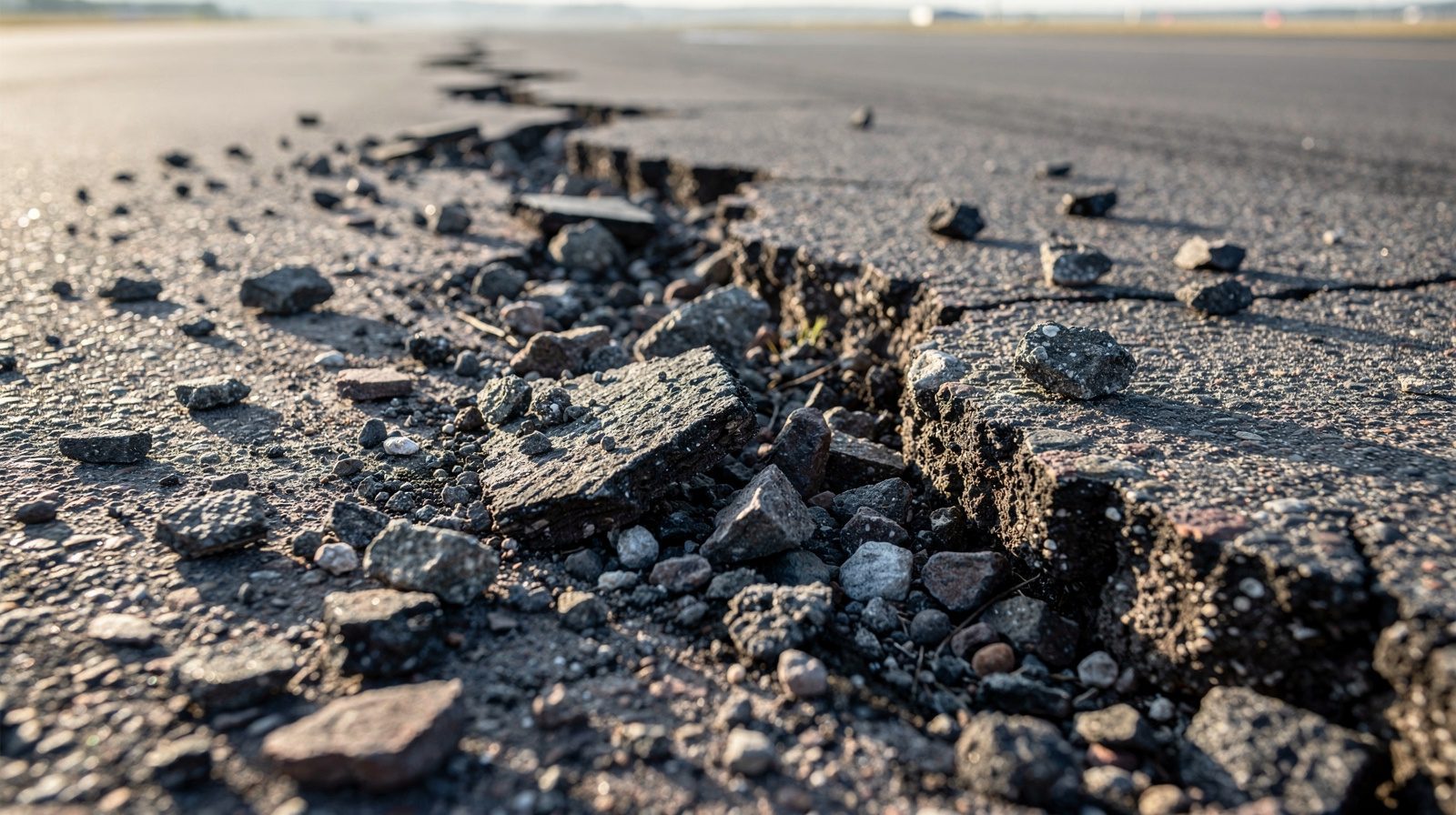
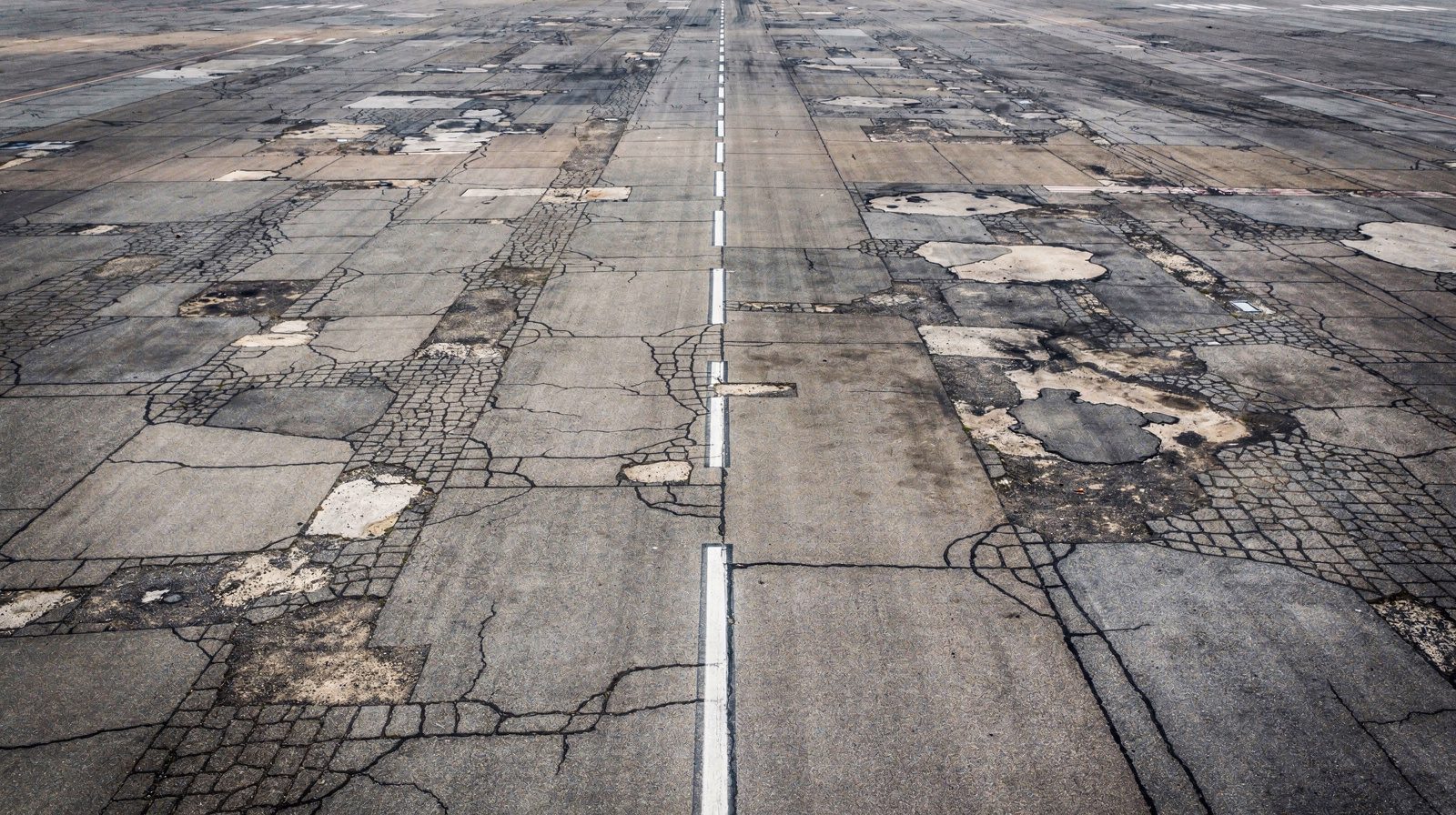
Raveling is the progressive loss of aggregate particles from the pavement surface. In stripping-induced raveling, the loose aggregate particles exhibit little or no asphalt coating on their exposed surfaces, the binder has debonded from the aggregate and is no longer holding the particles in the matrix. Early-stage raveling appears as a roughened, weathered surface texture, progressing to visible loss of fines, then coarse aggregate, and ultimately to the development of surface potholes.
Moisture staining appears as a bleached, lighter-colored, or grayish surface discoloration, particularly in wheel paths where traffic action pumps water through the pavement structure. The stained areas may be accompanied by bleeding, the upward migration of asphalt binder to the surface, as the binder that has separated from the aggregate is pumped upward by traffic loading.
Pothole formation is a late-stage indicator of stripping, particularly when potholes appear in the absence of fatigue (alligator) cracking. Stripping-initiated potholes typically develop rapidly after the surface layer has been weakened by extensive debonding, and the bottom of the pothole often reveals debonded aggregate with stripped, uncoated surfaces.
Longitudinal cracking along wheel paths, particularly when associated with raveling at the crack edges, is frequently a sign of stripping at depth. The cracks provide a pathway for additional water ingress, accelerating the progression of damage.
| Distress Indicator | Description | Stripping Specificity |
|---|---|---|
| Raveling | Loss of aggregate from surface | High, especially with stripped aggregate visible |
| Moisture staining | Bleached/lightened surface areas | Moderate to high |
| Potholes (no fatigue cracking) | Structural collapse from debonding | High |
| Wheel-path cracking | Longitudinal cracks in traffic lanes | Moderate |
| Rutting with raveling | Deformation with surface aggregate loss | High |
| Bleeding in wheel paths | Binder migration to surface | Moderate |
For confirmed diagnosis, pavement cores must be extracted and examined. The broken surfaces of cores should be inspected for the percentage of aggregate particles that are “stripped” (predominantly uncoated by asphalt). The stripping is typically most severe at the bottom of the asphalt layer, where water accumulates and cannot drain. A systematic approach using a visual rating scale from 0 (no stripping, fully coated) to 5 (complete stripping, no coating on aggregate) per AASHTO T283 provides quantitative documentation.
Stripping in Cores: Definitive Confirmation
Pavement coring remains the definitive method for confirming and quantifying stripping in in-service pavements. Cores should be 100 mm or 150 mm in diameter and taken through the full asphalt thickness, preferably during periods when the pavement structure is saturated (spring thaw or wet season). The core extraction process itself provides valuable information: cores from stripped pavements may separate at the interface between layers or within the asphalt layer during extraction, and the extracted core may exhibit delamination or crumbling.
The laboratory examination of cores for stripping follows a structured protocol:
- Visual inspection of the core circumference for evidence of staining, uncoated aggregate, and layer separation.
- Diametrical splitting, the core is loaded to failure in indirect tension (similar to the TSR test configuration), and the fractured face is examined.
- Stripping rating, each half of the split core is rated on the 0-to-5 visual stripping scale, noting whether the stripping is concentrated at the top, throughout, or at the bottom of the core.
- Depth of stripping measurement, the vertical extent of stripping within the layer is recorded as a percentage of total layer thickness.
The mechanism of stripping progression typically follows a predictable pattern: water enters the pavement through surface cracks or permeable surface courses (open-graded friction courses) and accumulates at the bottom of the asphalt layer above a less permeable base or subgrade. Stripping initiates at the bottom, then progresses upward through the layer as traffic loading pumps the water and generates pore pressures that drive the debonding front. By the time stripping becomes visible as raveling on the surface (loss of surface aggregate), the damage at depth is typically extensive.
In airport pavements, core examination is particularly critical because the higher structural section thicknesses (typically 150–400 mm of asphalt on airfields versus 75–200 mm on highways) mean that stripping can be well advanced at mid-depth before any surface manifestation appears. Regular coring programs at 3–5 year intervals for airfield pavements, with stripping rating as a standard test, are recommended for proactive pavement management.
Laboratory testing of extracted cores can also include determination of residual TSR by splitting the core batch into dry and conditioned subsets and performing the indirect tensile test. A residual TSR below 70% on field cores indicates active stripping damage requiring remediation.
Anti-Strip Performance Life and Long-Term Durability
The durability of anti-strip treatment over the pavement service life is a critical consideration for both initial construction and maintenance planning. The two main anti-strip categories exhibit markedly different long-term performance characteristics.
Hydrated lime provides permanent, non-degradable anti-strip protection. The calcium ions that are chemically adsorbed onto the aggregate surface remain in place indefinitely, they are not subject to leaching, volatilization, or degradation. Once the lime-treated aggregate has been coated with asphalt, the reversed surface charge persists for the life of the pavement, provided the binder film remains intact. This permanence has been confirmed by multiple long-term field studies, including Colorado DOT evaluations showing that lime-treated pavements retain their moisture resistance over the full 15–20 year design life. The anti-aging and stiffening benefits of hydrated lime also accumulate over time, providing increasing benefit as the pavement ages.
Liquid amine anti-strip agents can degrade over time, particularly under adverse storage and service conditions. The primary degradation mechanism is thermal decomposition, amine molecules can break down when the asphalt binder is stored at elevated temperatures (above 160°C) for extended periods before mixing. Modern amidoamine chemistries with larger molecular structures offer significantly improved thermal stability compared to older polyamine products. Field studies have demonstrated that properly selected and dosed liquid antistrip agents remain effective for 5–10 years or more in service, though some reduction in effectiveness has been observed in pavements subjected to high numbers of freeze-thaw cycles.
The FDOT National Center for Asphalt Technology (NCAT) study on anti-strip additives for granite-based FC-5 mixtures quantified the life extension provided by different anti-strip treatments. The addition of 0.5% extra hydrated lime (beyond the standard 1.0%) was estimated to increase pavement lifespan by 2.3–2.5 years. The addition of a liquid antistrip agent at 0.5% by weight of binder provided similar life extension. The combination of both treatments (1.0% hydrated lime + 0.5% liquid antistrip) was found to extend pavement life by up to 4.5 years compared to the standard 1.0% hydrated lime treatment alone.
| Anti-Strip Treatment | Estimated Service Life Extension | Long-Term Durability |
|---|---|---|
| No treatment | Baseline (shortest life) | Rapid stripping failure |
| 1.0% Hydrated Lime | +5–7 years over untreated | Permanent, no degradation |
| 1.5% Hydrated Lime | +7–10 years over untreated | Permanent, no degradation |
| 0.5% Liquid Amine | +2–5 years over untreated | May degrade over 5–10+ years |
| 0.5% Amidoamine | +3–6 years over untreated | Enhanced thermal stability |
| 1.0% HL + 0.5% LAS | +8–12 years over untreated | Permanent + enhanced |
For critical pavements, particularly airport runways and major highway routes, the combination of hydrated lime and liquid antistrip provides a comprehensive approach. The hydrated lime provides permanent charge reversal protection, while the liquid antistrip enhances initial adhesion and coating. This dual-treatment approach is increasingly specified for high-priority pavements where early moisture damage would have unacceptable operational consequences.
Specifications and Quality Control
Agency specifications for anti-strip agents typically address three phases: pre-qualification of the additive, mix design verification, and production quality control.
Pre-qualification establishes that the anti-strip product meets minimum quality standards. For liquid antistrip agents, common requirements include:
- Minimum Total Amine Value (TAV) per ASTM D2074, ensures the product contains an effective concentration of amine functional groups. CalTrans, Missouri DOT, and Kansas DOT have established minimum TAV specifications.
- Infrared (IR) Spectrophotometry, provides a “fingerprint” of the additive’s chemical structure, used to verify that the formulation has not been changed from the originally qualified product.
- Heat stability testing, the additive is subjected to the binder storage temperature for a specified duration, then retested to verify that the amine value and performance have not been substantially degraded.
Mix design verification follows AASHTO T283, with the specified minimum TSR being achieved at the proposed additive dosage. Many agencies require verification testing using two different aggregates representative of the project sources to ensure the additive is effective across the expected material range.
Production quality control during construction includes:
- Daily verification of liquid antistrip addition rate through plant metering records
- Periodic TSR testing of plant-produced mix (typically one test per 5,000–10,000 tons of production)
- Hot-bin aggregate sampling for lime-treated mixes to verify lime content through titration or calcium analysis
- FAA P-401 quality control testing including TSR verification on the control strip and during production at frequencies specified in the Contractor Quality Control Program (CQCP)
The FAA P-401 specification requires that the JMF be approved based on testing that includes moisture susceptibility evaluation. For airport projects, the Engineer Note in the specification directs that the JMF shall include anti-strip additive where required to meet the TSR specification, and that the additive type and dosage shall be clearly stated in the JMF documentation. Any change in additive source or dosage during production requires JMF reverification.
| Specification Element | Requirement |
|---|---|
| TSR minimum (FAA P-401) | 80% minimum |
| Conditioned tensile strength minimum | 70 psi (483 kPa) |
| TSR minimum (polymer-modified, state DOT) | 85–90% typical |
| Anti-strip pre-qualification | TAV + IR scan |
| Production verification frequency | Per project CQCP |
| Hamburg SIP minimum (where specified) | 10,000–15,000 passes |
The selection between hydrated lime and liquid antistrip is influenced by factors including aggregate type (lime is particularly effective with siliceous aggregates, while liquid antistrip performance varies with the specific chemistry of both binder and aggregate), plant configuration (lime requires aggregate handling modifications, liquid antistrip can be added through existing binder lines), climate (lime’s freeze-thaw durability advantage is significant in cold regions), and agency policy (some agencies mandate lime for all mainline mixes, while others accept either option on a performance basis).
In all cases, the fundamental requirement is that the treated mixture demonstrate laboratory-verified moisture resistance that correlates with long-term field performance. The specifications continue to evolve as balanced mix design (BMD) approaches incorporate Hamburg testing, IDEAL-CT (cracking tolerance), and other performance indicators into a comprehensive framework that treats moisture resistance as one of several equally important performance attributes.
Frequently Asked Questions
- What is an anti-strip agent and how does it work?
- An anti-strip agent is a chemical additive used in asphalt mixtures to prevent moisture damage (stripping). It works by either (1) neutralizing the negative surface charge that develops on aggregate particles when water is present, thereby eliminating the repulsion force that separates binder from aggregate (hydrated lime mechanism), or (2) forming stronger chemical bonds between the asphalt binder and aggregate surface through surfactant activity, creating covalent, hydrogen, or pi bonds that resist water displacement (liquid amine mechanism).
- What are the different types of anti-strip agents?
- The two primary categories are hydrated lime (Ca(OH)2 applied to aggregate at 1-2% by weight) and liquid amine-based antistrip additives (added to the asphalt binder at 0.25-1.0% by weight of binder). Other materials include phosphate esters, portland cement, fly ash, and silane-based adhesion promoters. Polymer-modified binders (SBS, SBR) also provide some anti-strip benefits. Hydrated lime is considered the most effective and durable option, with research showing it performs approximately 25% better than untreated mixtures.
- How is anti-strip additive dosage determined?
- Dosage is determined through laboratory testing per AASHTO T283 (Modified Lottman Test). This test compares the indirect tensile strength of moisture-conditioned specimens (vacuum saturated, frozen, and warm-water soaked) against dry control specimens. The resulting Tensile Strength Ratio (TSR) must meet agency minimums (typically 80% minimum, with 85% for polymer-modified mixes). Multiple dosage levels are evaluated to identify the optimum rate that maximizes conditioned tensile strength without reducing unconditioned strength.
- What visual signs indicate stripping in existing pavements?
- Field indicators of stripping include: raveling (loss of aggregate from the surface), pothole formation, moisture staining (bleached or lighter-colored pavement surface), loss of surface fines, bleeding and rutting in wheel paths, longitudinal cracking along wheel tracks, and aggregate particles with little or no asphalt coating visible on broken surfaces or pavement cores. Stripping often initiates at the bottom of the asphalt layer and progresses upward, making cores essential for early detection.
- How long does anti-strip treatment remain effective?
- Hydrated lime provides permanent anti-strip protection because the calcium ions react chemically with aggregate surfaces and remain in the mix indefinitely. Research shows lime-treated mixes maintain stripping resistance over the full pavement design life. Liquid amine agents may degrade over time, particularly when exposed to high storage temperatures (heat degradation), though field studies show they can remain effective for 5-10+ years. Higher-quality amidoamine chemistries with larger molecular structures offer enhanced thermal stability and longer-lasting performance.