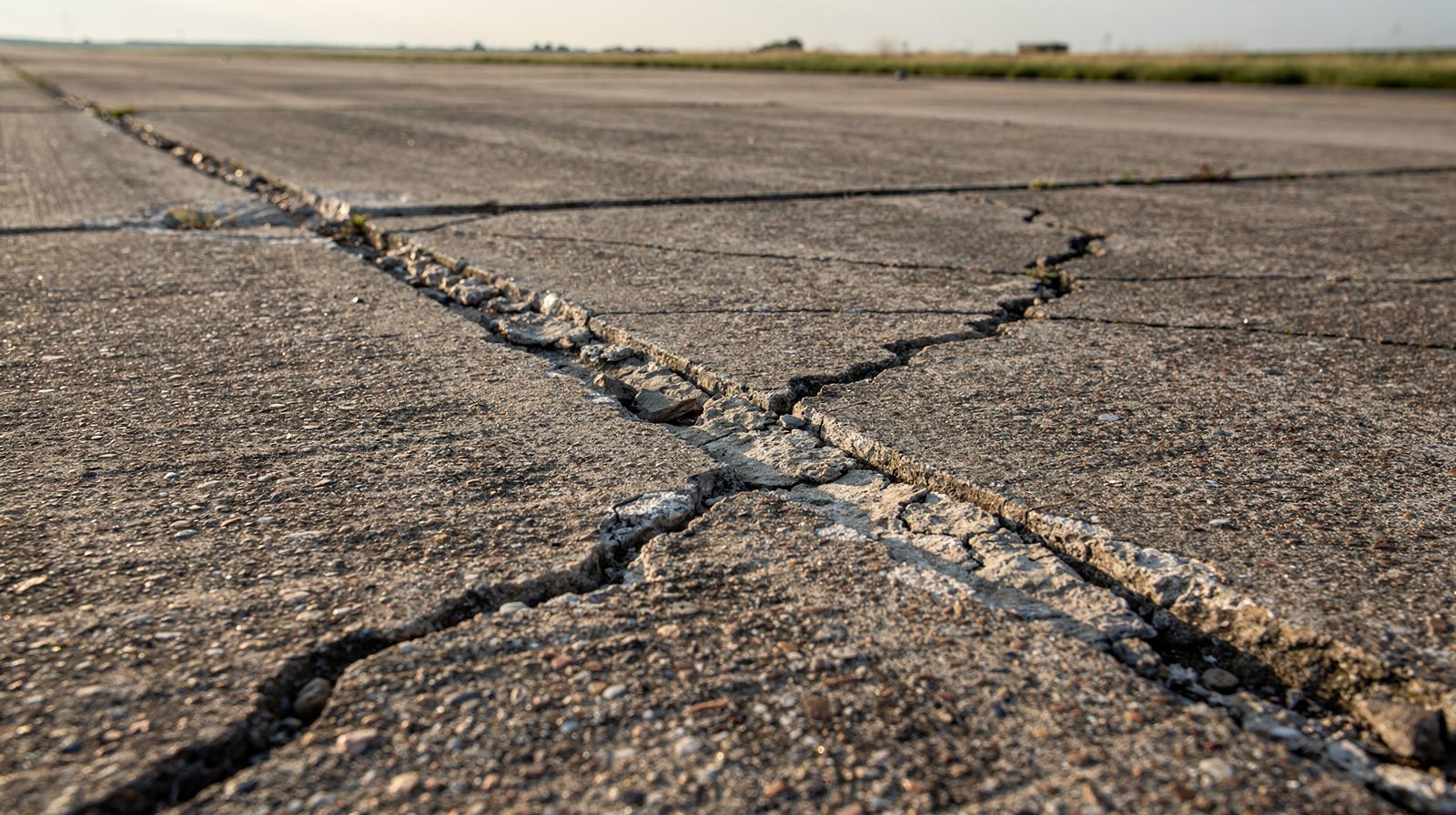
What is Asphalt Binder Content?
Asphalt Binder Content, Definition and Significance
Asphalt binder content (Pb) is the mass of asphalt binder expressed as a percentage of the total mass of the hot-mix asphalt (HMA) mixture. It is designated by the symbol Pb (percent binder) and is determined by the equation:
Pb = (Mass of binder / Total mass of mixture) × 100%
Binder content is the single most important compositional parameter in HMA. Unlike aggregate gradation, which can vary within specification bands without catastrophic performance changes, binder content deviations of as little as 0.3% above or below the design optimum produce measurable changes in mixture volumetric properties and distinct, identifiable pavement distress patterns. The binder content controls the thickness of the asphalt film coating each aggregate particle, the volume of voids filled with asphalt (VFA), the percentage of air voids in the compacted mix, and the inter-particle friction within the aggregate skeleton.
The American Association of State Highway and Transportation Officials (AASHTO) and the Federal Aviation Administration (FAA) both specify binder content as a mandatory acceptance quality characteristic. The FAA’s Item P-401 (Hot Mix Asphalt Pavement) requires binder content testing for every lot of airport HMA production, with a tolerance of ±0.4% from the job mix formula (JMF) target. The International Civil Aviation Organization (ICAO), through the Aerodrome Design Manual Part 3 (Doc 9157), recognizes binder content as a critical parameter in the quality control of asphalt mixtures used on aerodrome pavements, referencing FAA and national standards for acceptance criteria.
Binder content is determined during three distinct phases of the pavement life cycle: mix design, where the optimum binder content is selected to meet volumetric and performance criteria, production quality control, where daily samples are tested to verify that production binder content matches the design optimum, and forensic investigation, where core samples from in-service pavements are tested to diagnose premature distress or verify as-constructed properties. Each phase uses the same testing methods but with different sampling frequencies and interpretation criteria.
Importance of Binder Content for HMA Performance
The asphalt binder is the most expensive component of HMA, typically constituting 4% to 7% of the mixture by weight but 25% to 35% of the material cost. This economic reality creates a constant incentive during production to minimize binder content. However, the engineering consequences of even small deviations from the optimum binder content are severe and directly determine the pavement’s service life.
Volumetric Relationships
The binder content defines the fundamental volumetric balance within the compacted HMA mixture. The total volume of a compacted HMA specimen is composed of three components: aggregate volume, binder volume, and air voids volume. The relationship between these components is expressed through three interconnected volumetric parameters:
| Parameter | Definition | Typical Range | Controlled By |
|---|---|---|---|
| Air Voids (Va) | Volume of air spaces between coated aggregate particles | 3.0%–5.0% | Binder content, compaction |
| Voids in Mineral Aggregate (VMA) | Inter-particle void space among aggregate particles (air + binder) | 13%–18% (depending on NMAS) | Aggregate gradation, binder content |
| Voids Filled with Asphalt (VFA) | Percentage of VMA filled with binder | 65%–80% | Binder content |
The optimum binder content in Superpave mix design is defined as the binder percentage that produces 4.0% air voids at the design number of gyrations (Ndesign). At this binder content, the VMA and VFA must also fall within specified ranges for the design traffic level. A 0.5% increase in binder content above the optimum typically reduces air voids by 1.0% to 1.5%, potentially dropping below the 3.0% minimum requirement. A 0.5% decrease in binder content increases air voids by 1.0% to 1.5%, potentially exceeding the 5.0% maximum and creating a permeable mix susceptible to moisture damage.
Binder Film Thickness
The binder film thickness, the calculated thickness of the asphalt coating on aggregate particles, is a direct function of binder content, aggregate surface area, and specific gravity. Film thickness values in properly designed HMA typically range from 6 to 14 microns. Below 6 microns, the film is too thin to provide adequate oxidation resistance and binder durability. Above 14 microns, the film is thick enough to reduce aggregate interlock and increase rutting potential. Binder content changes of 0.5% can change film thickness by 2 to 4 microns, moving the mixture outside the optimal range.
The relationship between binder content and film thickness explains why low binder content accelerates oxidative aging. A thin binder film exposes more binder volume to atmospheric oxygen per unit mass, accelerating the hardening process that makes the binder brittle and susceptible to thermal cracking. This mechanism is particularly pronounced in hot climates and on airport pavements exposed to jet blast temperatures.
Performance Properties
Binder content governs the following mixture performance characteristics:
Stiffness and modulus: The dynamic modulus (|E*|) of HMA decreases as binder content increases above the optimum. A 0.5% increase in binder content can reduce the modulus by 15% to 25%, reducing the pavement’s structural contribution. Below the optimum, the modulus increases but at the cost of brittleness.
Fatigue life: Binder content has a complex, non-linear relationship with fatigue cracking. At very low binder content, the mixture is brittle and cracks under few load cycles. At optimum binder content, the mixture has sufficient binder to resist tensile stresses at crack tips, maximizing fatigue life. At high binder content, the mixture’s reduced stiffness and increased binder film thickness can improve fatigue resistance at low strain levels but reduce it at high strain levels due to reduced aggregate interlock.
Rutting resistance: Binder content is inversely related to rutting resistance. Each 0.5% increase in binder content above optimum reduces the rutting resistance by approximately 20% to 40% as measured by the Hamburg wheel-track test or flow number test. The excess binder acts as a lubricant, reducing aggregate-to-aggregate contact and allowing shear deformation under load.
Moisture susceptibility: Low binder content leaves some aggregate particles inadequately coated, creating sites where water can displace the binder (stripping). High binder content reduces air voids, preventing drainage of moisture that does enter the pavement. The optimum binder content balances these risks, providing complete aggregate coating while maintaining interconnected air voids below the permeability threshold.
Ignition Oven Method (AASHTO T 308)
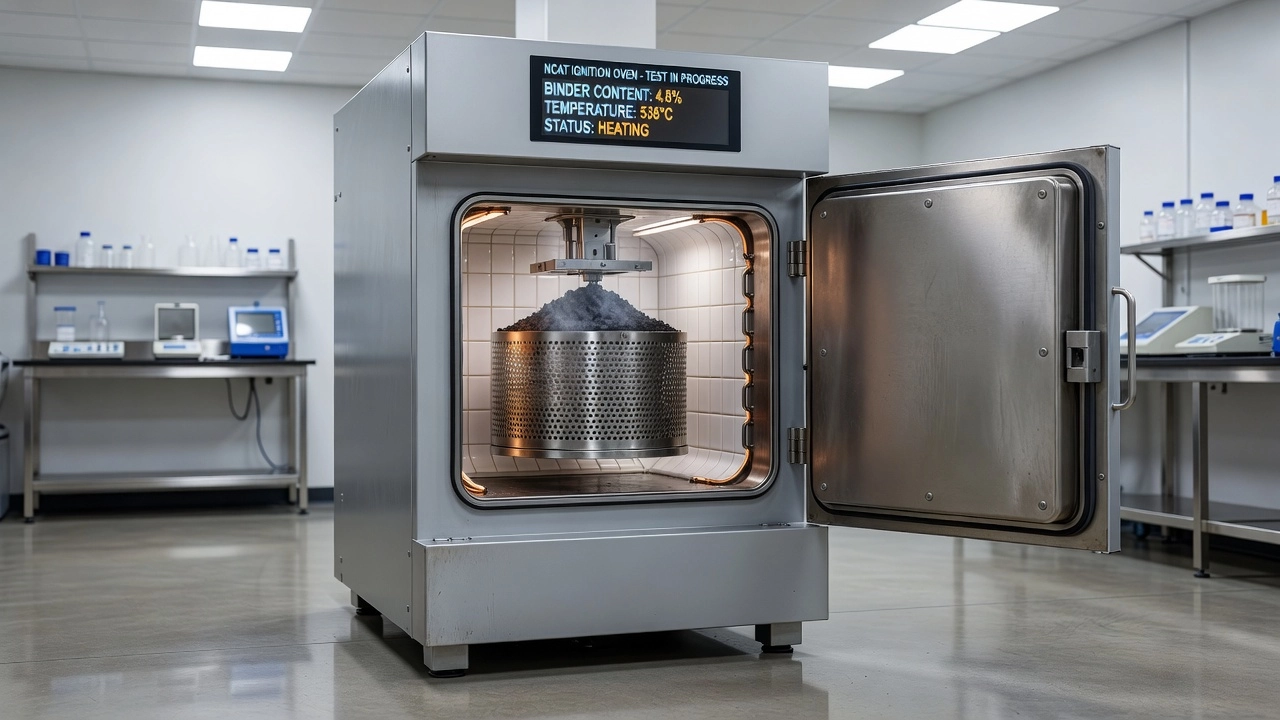
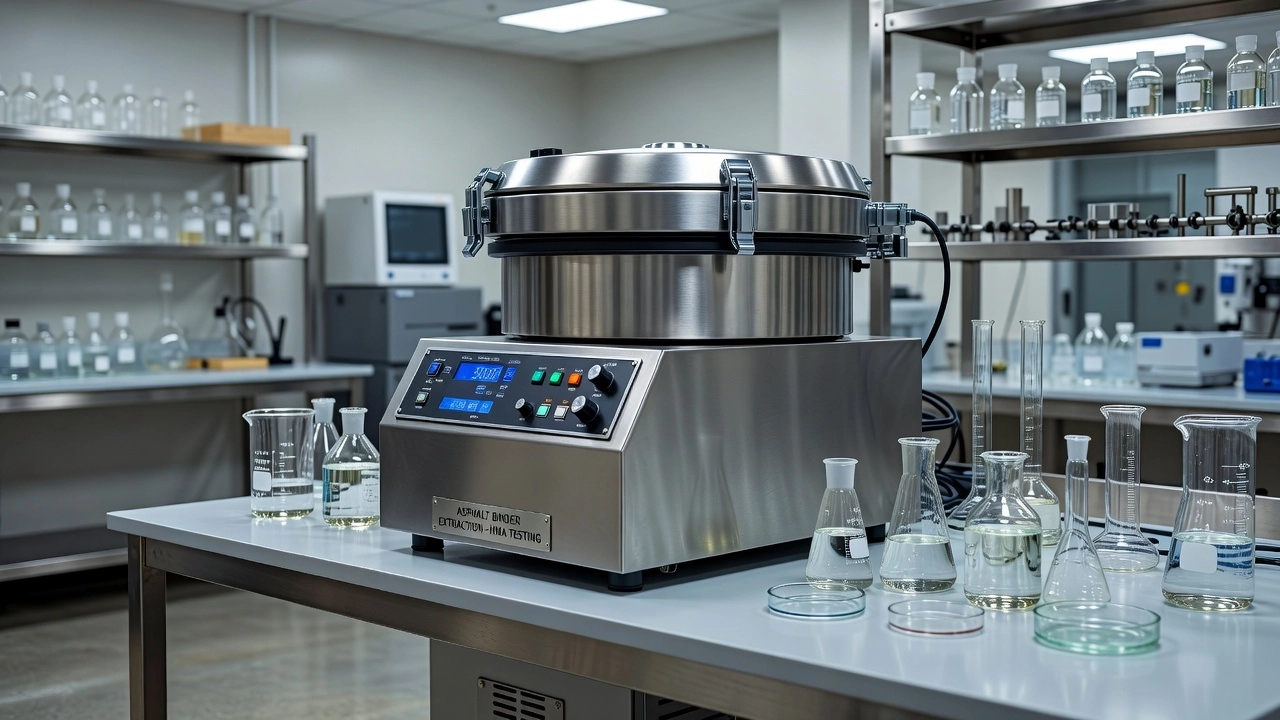
The ignition oven method, standardized as AASHTO T 308 and ASTM D6307, is the most widely used procedure for determining asphalt binder content in HMA. It was developed at the National Center for Asphalt Technology (NCAT) at Auburn University in the early 1990s and rapidly adopted by state DOTs and the FAA as the preferred alternative to solvent extraction methods, which required hazardous chlorinated solvents.
Test Principle
The ignition method works by heating a loose HMA sample to a temperature sufficiently high to combust the asphalt binder completely. The mass lost during combustion is assumed to equal the binder mass, with a correction factor applied to account for aggregate mass loss. The test is complete when the rate of mass change does not exceed 0.01% for three consecutive minutes.
Procedure
A sample of HMA weighing between 1200 g and 3000 g (depending on nominal maximum aggregate size) is placed in a wire mesh basket and weighed to the nearest 0.1 g. The basket is placed in the ignition furnace, which is preheated to the test temperature, typically 1000°F (538°C) for most mixtures, though temperatures as low as 800°F (427°C) may be used for aggregates prone to high mass loss. The furnace continuously records the sample mass during combustion. When the mass stabilizes (the end-of-test criterion is met), the furnace displays the binder content as a percentage of the original sample mass.
AASHTO T 308 provides two procedures:
Procedure A (Internal Balance): The furnace is equipped with an internal balance that continuously weighs the sample during combustion. This is the more common and automated procedure. The operator loads the sample, enters the correction factor, and the furnace automatically determines the binder content.
Procedure B (External Balance): The furnace does not have an internal balance. The sample is weighed before and after combustion on an external balance, and the binder content is calculated manually. This procedure is less common and is used primarily with older furnace models.
Correction Factor
A critical step in the ignition method is the determination of the correction factor (CF) . The CF is necessary because some aggregate mass is lost during the high-temperature heating process. Carbonate aggregates, limestone, dolomite, and those containing hydrated lime, are particularly susceptible to mass loss through calcination (thermal decomposition). The mass loss from these aggregates is not binder but is measured as mass loss by the furnace, overstating the true binder content.
The CF is determined by preparing two samples of the mixture at the design binder content, testing them in the ignition oven, and calculating:
CF = Actual binder content, Measured binder content
AASHTO T 308 requires that: “A correction factor shall be established for each combination of aggregate and ignition furnace. When any component of the aggregate blend is changed, a new correction factor shall be established.” This means that each ignition oven at a laboratory or plant must have its own CF for each mix design. NCAT research has demonstrated that CFs vary significantly between furnaces of the same brand, and using a common CF across multiple furnaces introduces systematic error.
Typical CF values range from 0.0% to 0.6% by mass of total mix. Limestone aggregates commonly produce CF values of 0.3% to 0.6%. Granite, basalt, and other siliceous aggregates typically produce CF values below 0.2%. Aggregates containing hydrated lime at 1.0% to 1.5% by weight show increased mass loss, requiring CF values at the upper end of the range.
The NCHRP Report 9-56 research, conducted by NCAT, found that test temperature is the primary factor affecting CF. Decreasing the test temperature from 1000°F to 800°F decreased aggregate mass loss for all mixes without hydrated lime. For mixes containing lime, the CF at 800°F was lower than at 1000°F, and complete binder removal was still achieved without substantial changes in testing time.
Precision and Bias
The ignition method provides significantly better precision than solvent extraction methods. The AASHTO T 308 precision statement reports:
| Parameter | Single-Operator Precision (1s) | Acceptable Range of Two Results (d2s) | Multi-Laboratory Precision (1s) | Acceptable Range of Two Results (d2s) |
|---|---|---|---|---|
| Binder Content (%) | 0.06% | 0.17% | 0.16% | 0.45% |
For comparison, AASHTO T 164 (solvent extraction) reports a multi-laboratory acceptable range of 0.96%, more than double the ignition method’s range of 0.45%. This superior precision is one of the primary reasons for the widespread adoption of the ignition method.
The bias of the ignition method is controlled by the correction factor. When properly calibrated with the correct CF for the specific furnace and aggregate combination, the method yields results within 0.05% to 0.10% of the true binder content.
Advantages and Limitations
Advantages: Eliminates use of hazardous chlorinated solvents, faster than solvent extraction (30-60 minutes vs. 2-4 hours), better precision than extraction, produces aggregate suitable for gradation analysis, automated procedure reduces operator error.
Limitations: High operating temperature (1000°F) consumes significant energy, aggregate mass loss requires correction factor determination, some aggregates (especially dolomites) show inconsistent mass loss, furnace calibration must be verified regularly, initial equipment cost ($20,000-$40,000) is higher than extraction equipment.
Solvent Extraction Methods (AASHTO T 164)
Solvent extraction methods, standardized as AASHTO T 164 and ASTM D2172, have been used for determining asphalt binder content since the early 20th century. While largely supplanted by the ignition method for routine production control, solvent extraction remains important for forensic investigations where the recovered binder must be tested for properties (grading, aging, rheology), and for mixtures containing aggregates with very high ignition loss (such as slag aggregates or those with high carbon content).
Test Principle
Solvent extraction works by dissolving the asphalt binder from the HMA sample using a solvent in which the binder is soluble. The solvent-binder solution is separated from the aggregate by filtration or centrifugation, and the aggregate is washed, dried, and weighed. The binder content is calculated from the mass difference between the original sample and the recovered aggregate.
Centrifuge Method (Procedure A)
The centrifuge method is the most common AASHTO T 164 procedure. A loose HMA sample (500 g to 1500 g) is placed in a bowl with solvent (typically trichloroethylene or methylene chloride). The solvent dissolves the binder, and the bowl is placed in a centrifuge that spins the solution through a filter. The binder-laden solvent passes through the filter paper, leaving the aggregate in the bowl. The aggregate is washed with fresh solvent and re-centrifuged until the wash solvent runs clear (indicating complete binder removal). The aggregate is then dried to constant mass and weighed.
The centrifuge method requires solvent consumption of 400 to 800 mL per test, depending on binder content and sample size. The recovered solvent-binder solution must be disposed of as hazardous waste. The binder itself, once dissolved, cannot be reliably recovered for further testing from the centrifuge method.
Reflux Method (Procedure B)
The reflux method (also called the Soxhlet method) continuously circulates hot solvent through the sample in an enclosed system. Hot solvent vapor rises into a condenser, where it cools and drips onto the sample, dissolving binder. The solvent returns to the boiling flask, carrying dissolved binder. This process is more efficient than the centrifuge method for hard, aged binders and requires less operator attention.
The reflux method is preferred for forensic testing of aged pavement cores because the aggressive solvent action removes binder that has hardened through oxidation. However, the test takes 4 to 8 hours per sample, compared to 1 to 2 hours for the centrifuge method.
Solvent Selection
AASHTO T 164 approves several solvents for extraction:
| Solvent | Boiling Point (°F) | Flash Point (°F) | Regulatory Status | Binder Recovery Possible |
|---|---|---|---|---|
| Trichloroethylene | 189 | None (non-flammable) | Restricted (VOC, HAP) | No |
| Methylene chloride | 104 | None (non-flammable) | Restricted (carcinogen) | No |
| 1,1,1-Trichloroethane | 165 | None (non-flammable) | Banned (ozone depletion) | No |
| n-Propyl bromide | 160 | 75°F | Restricted (VOC) | Yes |
| Toluene | 231 | 40°F | Restricted (HAP, flammable) | Yes |
The use of chlorinated solvents (trichloroethylene, methylene chloride) has declined sharply due to environmental and health regulations. n-Propyl bromide has emerged as a common replacement, though it is also subject to VOC regulations in many jurisdictions. The EPA’s Significant New Alternatives Policy (SNAP) program has restricted several previously common solvents.
Binder Recovery (AASHTO R 59)
For forensic investigations where the recovered binder must be tested for performance grading, AASHTO R 59 (Recovery of Asphalt Binder from Solution by the Abson Method) is used. The Abson method distills the solvent from the binder-solvent solution, recovering the binder for further testing. The recovered binder can be tested for penetration, viscosity, PG grade (AASHTO M 320), or multiple stress creep recovery (MSCR, AASHTO TP 70).
The Abson method is critical for evaluating binder aging in service, comparing the properties of recovered binder from field cores with the original binder properties reveals the extent of oxidative hardening and can help diagnose premature cracking failures. The FAA Airport Asphalt Pavement Technology Program (AAPTP) Project 06-03 identified binder recovery and testing as an important tool for forensic evaluation of airport HMA pavements.
Nuclear Method (ASTM D4125)
The nuclear method for asphalt binder content determination, standardized as ASTM D4125, uses a nuclear gauge containing a neutron source to measure the hydrogen content of an HMA sample. Since asphalt binder contains approximately 10% to 12% hydrogen by weight (compared to aggregate, which contains essentially no hydrogen), the hydrogen count is directly proportional to binder content.
Equipment
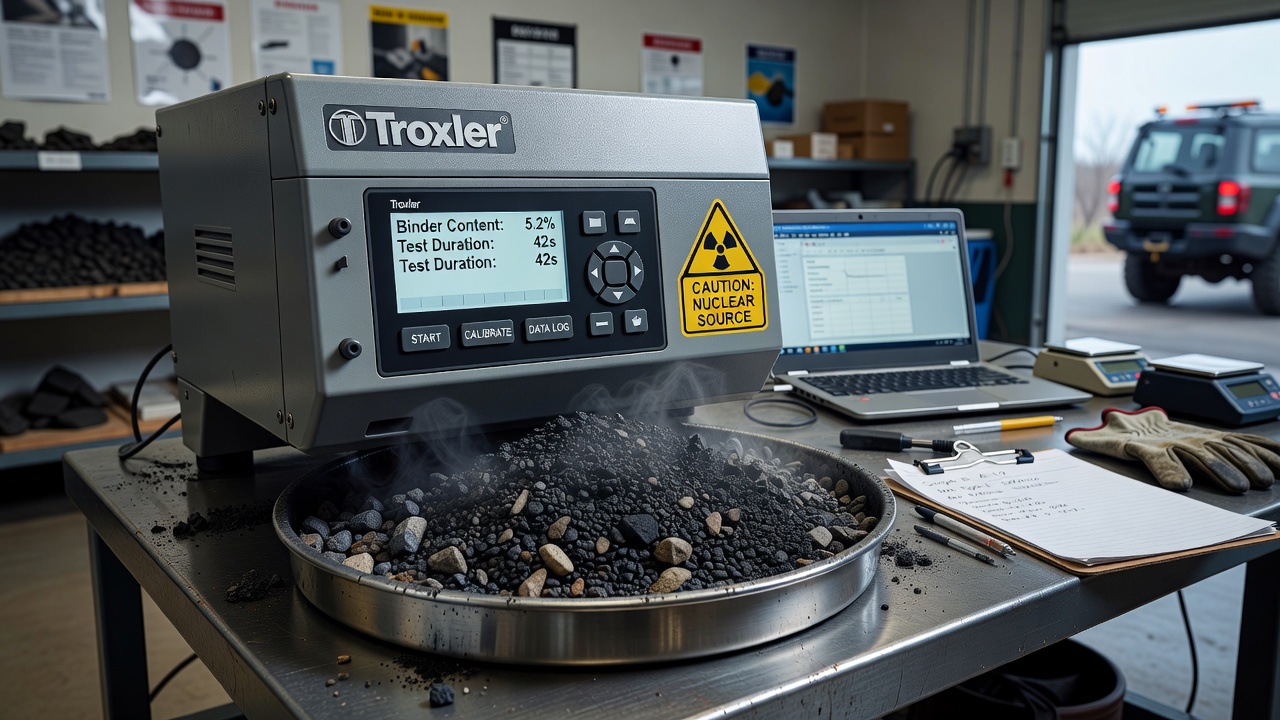
The most common nuclear asphalt content gauge is the Troxler Model 3241-C or 3241-D, used by transportation agencies worldwide. The gauge contains a sealed americium-241:beryllium (Am-241:Be) neutron source, typically 80 to 100 mCi (3.0 to 3.7 GBq), classified as Special Form radioactive material. The gauge measures thermal neutron flux, which is inversely related to hydrogen concentration, more hydrogen (from binder) absorbs more neutrons, reducing the count rate measured by the detectors.
Test Procedure
A 7000 g HMA sample (typically the full sample from a truck or paver) is compacted into a stainless steel pan. The pan is placed in the gauge, and the sample is counted for 4 to 16 minutes, depending on the desired precision. The gauge measures the hydrogen count and converts it to binder content using a calibration curve established for the specific aggregate blend and binder type.
The nuclear gauge must be calibrated for each aggregate source because different minerals contain varying amounts of chemically bound water and hydrogen that contribute to the measured count. Calibration involves preparing samples at three to five known binder contents (covering the expected range), testing each sample in the gauge, and establishing a linear regression of binder content versus count ratio.
| Count Time (min) | Precision at 6% Binder (Troxler 3241-C) |
|---|---|
| 1 | ±0.084% |
| 4 | ±0.042% |
| 8 | ±0.029% |
| 16 | ±0.021% |
Advantages and Limitations
Advantages: Extremely fast (4-8 minutes per test vs. 30-60 minutes for ignition), non-destructive, the same sample can be tested for gradation or other properties after testing, no chemicals required, no high-temperature combustion, portable and field-deployable, used by more than 25 state DOTs.
Limitations: Requires radioactive materials license (NRC or state agreement state), operator must be trained in radiation safety, calibration is aggregate-specific and must be verified periodically, the sample size (7000 g) is larger than the ignition method, moisture in the sample interferes with hydrogen measurement, not suitable for mixtures containing hydrated lime (which adds hydrogen) or aggregates with high chemically bound water.
The nuclear method is specified as the standard for acceptance testing by numerous state transportation agencies. The FAA’s Item P-401 allows the nuclear method as an alternative to the ignition method for airport HMA acceptance testing, provided the gauge is calibrated to the specific aggregate blend used in the project.
Sampling and Testing Frequency
The frequency of binder content sampling and testing during HMA production is specified by the governing agency and is a function of production tonnage, traffic level, and the quality control/quality assurance (QC/QA) program structure.
Sampling Standards
Sample collection follows AASHTO R 47 (Reducing Samples of Hot Mix Asphalt to Testing Size) and AASHTO T 168 (Sampling Bituminous Paving Mixtures). Samples are obtained from the truck bed after loading at the plant, from the paver hopper during placement, or from the mat behind the paver (before rolling). The sample is reduced to testing size using a mechanical splitter or by quartering. The minimum sample mass for binder content testing depends on the nominal maximum aggregate size (NMAS):
| NMAS (mm) | Minimum Sample Mass (g) |
|---|---|
| 37.5 | 4000 |
| 25.0 | 3000 |
| 19.0 | 2500 |
| 12.5 | 1500 |
| 9.5 | 1200 |
| 4.75 | 800 |
Production Testing Frequency
For highway projects under typical state DOT QC/QA programs:
High-traffic projects (greater than 10 million ESALs): One binder content test per 500 to 800 tons of production. A minimum of one test per day of production.
Medium-traffic projects (0.3 to 10 million ESALs): One binder content test per 800 to 1500 tons of production. A minimum of one test per day.
Low-traffic projects (less than 0.3 million ESALs): One binder content test per 1500 to 2000 tons of production. A minimum of one test per day.
For airport projects under FAA Item P-401:
Runways and primary taxiways: One binder content test per 500 tons of production or per day’s production, whichever yields the higher testing frequency. A lot is defined as a day’s production up to 1500 tons, with a minimum of 3 samples per lot.
Secondary taxiways and aprons: One binder content test per 1000 tons or per day’s production.
Quality Control Charts
Binder content test results are plotted on X-bar and R control charts (or individuals and moving range charts) to monitor process control. The central line is the job mix formula target binder content. Upper and lower control limits are set at ±3 standard deviations of the test method precision, typically ±0.18% to ±0.30%, depending on the test method. Warning limits at ±2 standard deviations are also plotted.
A process is considered out of control when: a single point exceeds the control limits, seven consecutive points trend in one direction (above or below the central line), or seven consecutive points fall on one side of the central line. Out-of-control conditions trigger investigation and corrective action, which may include: recalibrating the plant’s binder delivery system, adjusting the mix formula, verifying aggregate moisture content, or retesting the contractor’s QC samples.
Independent Assurance Testing
In the QC/QA model, the contractor performs QC testing at the specified frequency, and the agency performs independent assurance (IA) testing on split samples at a lower frequency, typically one IA test per 5000 to 10,000 tons. The difference between QC and IA results must fall within the acceptable range of two results (d2s) for the test method: ±0.17% for single-operator precision or ±0.45% for multi-laboratory precision of the ignition method. Persistent differences exceeding these values indicate systematic error requiring investigation.
Specification Tolerances
Specification tolerances for asphalt binder content are the allowable deviations from the job mix formula (JMF) target. These tolerances define the acceptable range within which production binder content must fall for the mixture to be accepted by the agency.
Typical Tolerance Values
| Agency / Standard | Application | Tolerance (±% from JMF) |
|---|---|---|
| AASHTO M 323 (Superpave) | High traffic (>30M ESALs) | 0.3% |
| AASHTO M 323 (Superpave) | Medium traffic (3-30M ESALs) | 0.4% |
| AASHTO M 323 (Superpave) | Low traffic (<3M ESALs) | 0.5% |
| FAA Item P-401 | Airport runways, taxiways | 0.4% |
| FAA Item P-401 | Airport aprons, shoulders | 0.5% |
| ASTM D3515 | General HMA | 0.5% |
| European EN 13108-21 | Category 1 (airports, high-speed roads) | 0.3% |
| European EN 13108-21 | Category 2 | 0.5% |
The tolerance is applied to the individual test result, not to a running average. However, most specifications also include a pay adjustment factor for the running average of four consecutive tests. For example, if the running average of four tests is within ±0.2% of the JMF, 100% payment is made. If the running average is ±0.3% to ±0.4%, a reduced payment factor (95% to 99%) applies. If the running average exceeds ±0.5%, the material may be rejected and require removal or a reduced pay factor as low as 70%.
Pay Adjustment Schedules
Many state DOTs and the FAA use pay adjustment formulas based on the deviation of binder content from the JMF target. The formula calculates a price adjustment factor (PAF) that multiplies the unit price of the HMA:
PAF = 1.0, k × (|Pb_measured, Pb_JMF|, Tol_base)
Where k is the pay adjustment coefficient (typically 0.2 to 0.5 per 0.1% deviation) and Tol_base is the tolerance at which no adjustment is applied (typically 0.3% to 0.4%).
For airport projects, the FAA requires that binder content exceeding the tolerance by more than 0.5% be cause for removal and replacement at the contractor’s expense, unless a reduced pay factor is negotiated and documented.
Tolerance Verification
Binder content tolerances are verified by the agency’s acceptance testing on samples obtained by the agency’s representative, not by the contractor’s QC samples. The acceptance test results are the official basis for pay adjustment. The contractor’s QC results are used for process control and are compared to the agency’s acceptance results through the verification process defined in each agency’s QA program.
Effects of High Binder Content
When the production binder content exceeds the optimum by more than the specification tolerance, typically 0.4% to 0.5% above the JMF, the mixture develops a characteristic set of performance problems manifested as distinctive pavement distress.
Bleeding and Flushing
Bleeding is the presence of free asphalt binder on the pavement surface, appearing as shiny, black spots or streaks. Flushing is the advanced stage of bleeding where the binder film covers the aggregate over extensive areas, creating a continuous black, glassy surface. The Ohio DOT Pavement Condition Rating Manual describes bleeding as “the presence of free asphalt binder on the pavement surface” caused by “an excess amount of bituminous binder in the mixture and/or low air void content.”

The mechanism: Excess binder fills the air voids that normally exist in the compacted HMA. Under hot weather conditions, the binder expands thermally. With no air voids to accommodate this expansion, the binder is forced to the pavement surface. The resulting binder film reduces skid resistance to dangerous levels, friction numbers (FN) on a flushed surface can drop below 30 on the ASTM E274 scale, compared to a typical target of 50+ for new pavements.
Severity levels per ASTM D6433 and D5340:
Low severity: Bleeding visible only in limited areas (less than 10% of surface). Aggregate texture still discernible through the binder film.
Medium severity: Bleeding visible over 10% to 30% of the surface. The surface appears dark and shiny. Both aggregate and free bitumen are noticeable.
High severity: Bleeding covers more than 30% of the surface (“extensive” per Ohio DOT criteria). The surface appears black with very little aggregate noticeable. Skid resistance is significantly compromised.
Rutting
Rutting from high binder content is classified as instability rutting, lateral displacement of the HMA under traffic loading. Unlike structural rutting (caused by subgrade or base failure), instability rutting from high binder content is characterized by upheaval along the sides of the rut (shear flow). The excess binder lubricates the aggregate particles, reducing internal friction (the Mohr-Coulomb friction angle φ) and allowing the mixture to deform plastically under shear stress.
The Hamburg wheel-track test (AASHTO T 324) directly measures rutting susceptibility at elevated temperature (50°C). Mixtures with binder content 0.5% above optimum show rut depths 2 to 4 times greater than the optimum mixture at the same number of passes. The stripping inflection point (SIP), the number of passes at which moisture damage begins to accelerate rutting, also occurs earlier in high-binder mixtures because the thick binder films reduce the adhesive bond to the aggregate.
Reduced Skid Resistance and Safety Implications
On airport runways, bleeding and flushing from high binder content create a critical safety hazard. The FAA Advisory Circular 150/5320-6G requires friction testing of new and rehabilitated runway surfaces. Flushed surfaces with binder content 0.5% or more above the optimum can fail friction acceptance criteria, requiring remedial action such as: surface milling to remove the binder-rich surface layer, grooving to provide drainage channels, or overlay with a properly designed surface course.
The ICAO Annex 14 requires that “the surface of a paved runway shall be maintained in a condition so as to provide good friction characteristics.” Flushing from high binder content directly violates this requirement and can result in the aerodrome being required to close the runway or issue Notices to Airmen (NOTAMs) restricting operations.
Effects of Low Binder Content
When the production binder content falls below the optimum by more than the specification tolerance, typically 0.4% to 0.5% below the JMF, the mixture exhibits a different but equally damaging set of performance problems.
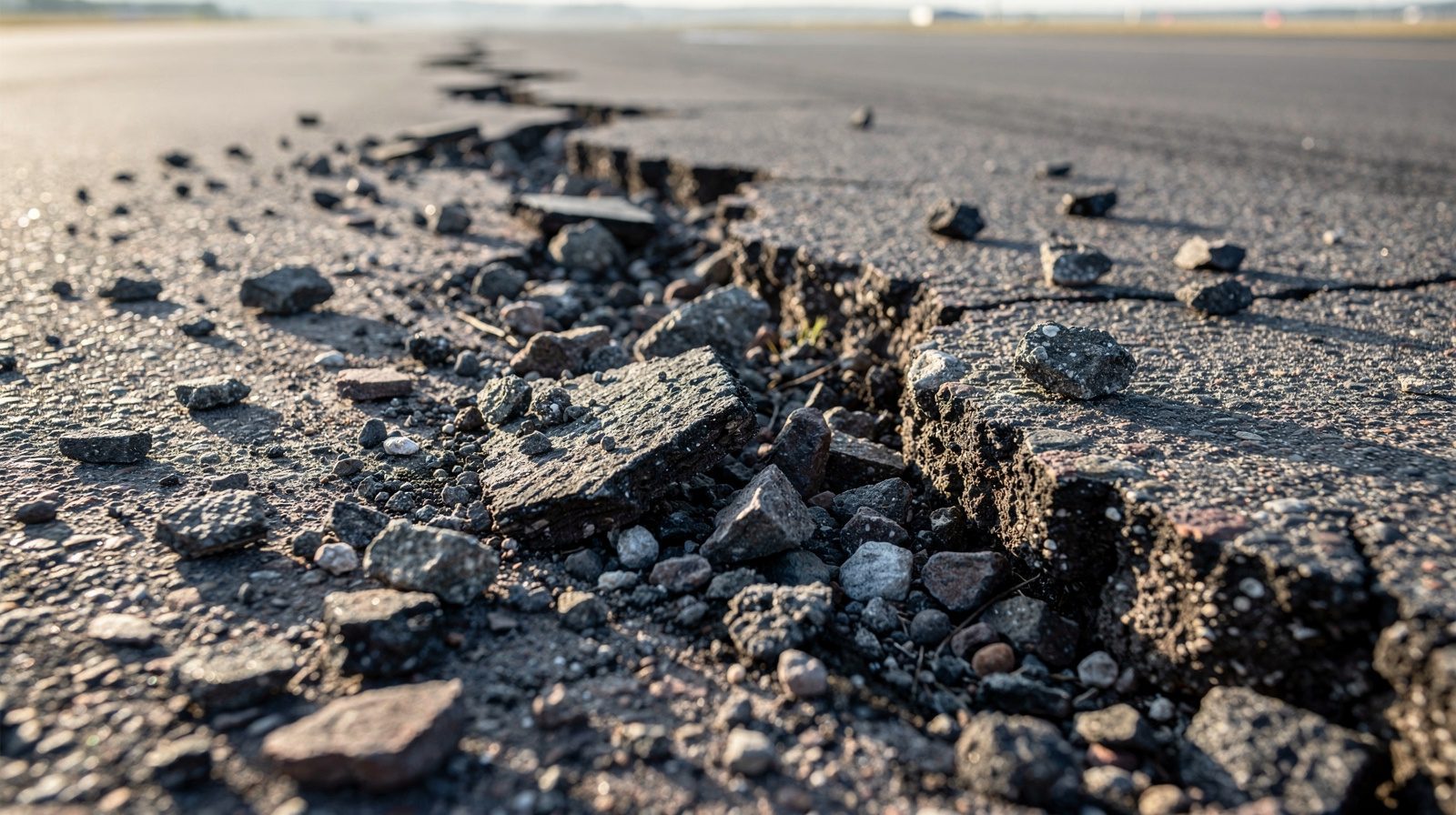
Raveling
Raveling is the progressive loss of aggregate particles from the pavement surface downward, caused by the binder’s inability to hold the aggregate in place. Pavement Interactive describes raveling as occurring “as a result of asphalt binder aging, poor mixture quality, segregation, or insufficient compaction”, with low binder content being the primary compositional cause.
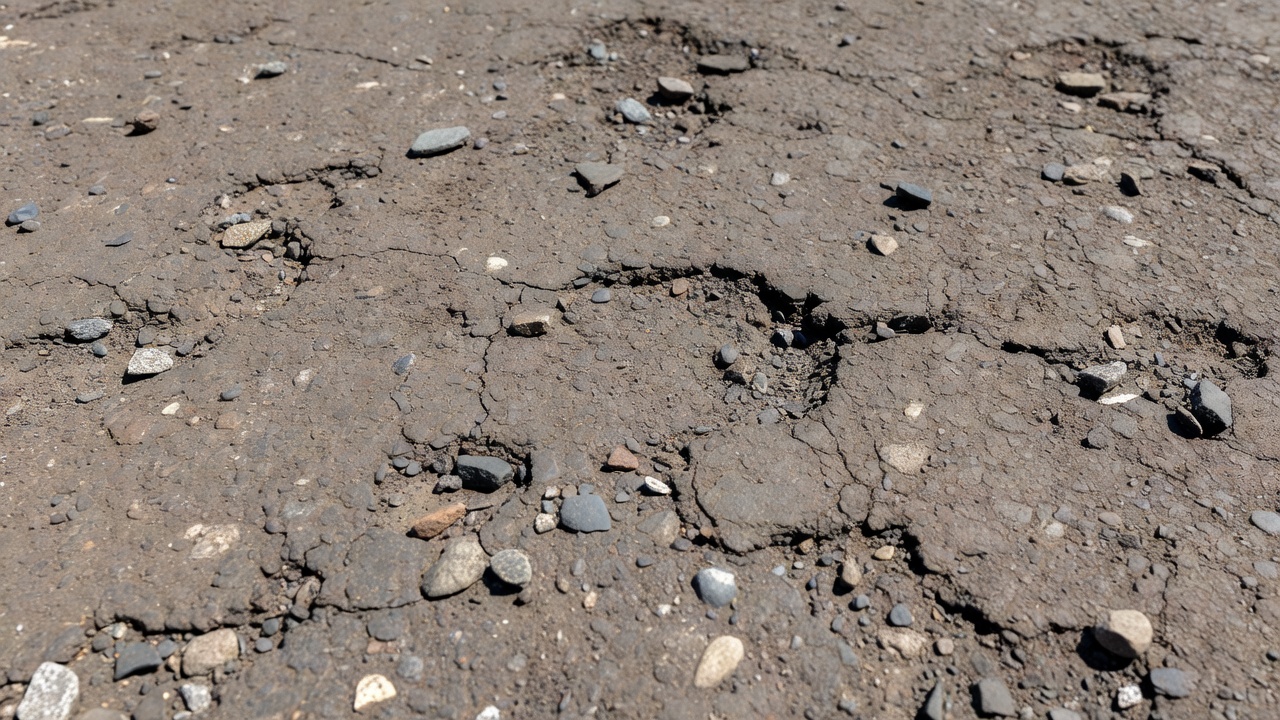
The mechanism: With insufficient binder, the binder film on aggregate particles is too thin to provide adequate adhesion. The thin film also oxidizes and hardens more rapidly, becoming brittle. Under traffic loading, the embrittled binder fractures at the aggregate-binder interface, releasing aggregate particles from the surface. The exposed aggregate dislodges under subsequent loading, progressively deepening the raveled area.
Severity levels per ASTM D6433 and D5340:
Low severity: Loss of fine aggregate only. Coarse aggregate exposed but still firmly embedded. Surface texture appears slightly rough.
Medium severity: Considerable loss of fine aggregate and some coarse aggregate removed. Surface has an open texture and is moderately rough. The Ohio DOT describes this as “surface has an open texture and is moderately rough with considerable loss of fine aggregate and some coarse aggregate removed.”
High severity: Most of the surface aggregate has worn away or become dislodged. Surface is severely rough and pitted and may be completely removed in places. Loose aggregate particles constitute a foreign object debris (FOD) hazard on airport runways.
Cracking
Low binder content accelerates all forms of cracking in HMA pavements:
Fatigue (alligator) cracking: With insufficient binder, the mixture is stiffer and more brittle. The critical tensile strain at the bottom of the HMA layer, which drives fatigue cracking, is reached at fewer load applications. Pavements with binder content 0.5% below optimum can show fatigue cracking initiation 2 to 5 years earlier than the same pavement at optimum binder content.
Thermal (transverse) cracking: The thin binder film embrittles faster through oxidation, and the binder’s low-temperature stiffness (measured by the bending beam rheometer, BBR, at PAV temperature) increases more rapidly. The mixture reaches its thermal cracking limit at a higher temperature, resulting in transverse cracks at shorter intervals and wider crack openings.
Longitudinal cracking: The reduced binder content produces a non-uniform binder distribution, with some areas (segregation zones) having virtually no coating. These uncoated aggregate zones propagate longitudinal cracks under thermal and traffic stresses.
Oxidation and Durability
The rate of binder oxidation in the pavement is inversely proportional to binder film thickness. At binder contents 0.5% below optimum, the binder film thickness can be 30% to 50% thinner than at optimum (e.g., 5 microns vs. 10 microns). The thinner film exposes a greater proportion of the binder volume to atmospheric oxygen per unit time, accelerating the oxidation process that converts saturates and aromatics to asphaltenes through the formation of carbonyl and sulfoxide functional groups.
The effect on mixture durability is measurable through:
- Increase in binder viscosity (ASTM D4402), 2 to 5 times higher after 5 years in service
- Decrease in penetration (AASHTO T 49), 50% to 80% reduction vs. 30% to 50% reduction at optimum binder
- Increase in creep stiffness (BBR, AASHTO T 313), exceeding the 300 MPa limit at the design low temperature
- Decrease in m-value, falling below the 0.300 minimum requirement
FOD Hazard on Airports
On airport pavements, raveling from low binder content creates a foreign object debris (FOD) hazard, loose aggregate particles on the runway surface that can be ingested into jet engines, damage propeller blades, or strike aircraft fuselage and landing gear. The FAA Advisory Circular 150/5380-7B (Airport Pavement Maintenance and Management) identifies raveling as a distress requiring immediate attention on runways due to FOD potential. Pavements with binder content below the specified tolerance may be required to undergo immediate remedial action, including mill-and-overlay or surface treatment application.
Binder Content and In-Service Pavement Inspection
The relationship between binder content and surface distress is a cornerstone of pavement condition inspection. During Pavement Condition Index (PCI) surveys conducted per ASTM D5340 (airports) or ASTM D6433 (roads and parking lots), trained inspectors identify and quantify the severity and extent of distresses that correlate with off-specification binder content.
Distress Identification Matrix
| Distress Type | Binder Content Correlation | Inspection Method | Measurement Unit |
|---|---|---|---|
| Bleeding / Flushing | High binder | Visual identification (shiny, black surface) | % of surface area affected |
| Rutting | High binder (instability) | 2m straightedge or dipstick | Rut depth (mm) |
| Raveling / Weathering | Low binder | Visual identification (rough, pitted surface) | % of surface area affected |
| Fatigue (Alligator) Cracking | Low binder (accelerated) | Visual crack mapping | % of surface area affected |
| Longitudinal / Transverse Cracking | Low binder (accelerated) | Crack measurement | Linear meters of cracking |
PCI Survey Deduct Values
Each distress identified during a PCI survey is assigned a deduct value based on its severity and extent. The deduct values for binder-related distresses can reduce the PCI from 100 (new pavement) to below 40 (poor condition) when the distresses are severe and extensive. For example:
A runway section with high-severity bleeding covering 30% of the surface area receives a deduct value of approximately 45 to 55 points from the PCI. A section with high-severity raveling covering 30% of the surface area receives a deduct value of approximately 40 to 50 points. When multiple distresses are present (e.g., bleeding plus rutting), the combined deduct value is calculated using the PCI methodology’s maximum corrected deduct value (MCDV) procedure.
Forensic Testing of In-Service Pavements
When a PCI survey identifies distresses consistent with off-specification binder content, the inspector or pavement engineer may recommend forensic testing, taking core samples from the distressed areas and the adjacent sound pavement for laboratory binder content verification.
The forensic sampling protocol includes:
- Obtaining 100 mm or 150 mm diameter cores from the pavement surface course
- Test locations: distressed areas (representative sample), control areas (adjacent sound pavement), and random locations (for statistical validation)
- Testing per AASHTO T 308 (ignition oven) or AASHTO T 164 (solvent extraction with binder recovery for aging analysis)
- Comparison of field binder content to the original JMF target
- Determination of binder aging by penetration, viscosity, or PG grading of recovered binder
The results of forensic testing can be used to: validate the inspection findings, determine whether the distress is from construction-related binder content deviation or in-service binder aging, support decisions on rehabilitation strategy (mill-and-overlay vs. full-depth replacement), and resolve disputes between the agency and contractor regarding construction quality.
Preventive Action Based on Inspection
Regular PCI surveys at recommended intervals (3 years for airports per FAA, 3-5 years for highways per FHWA) enable agencies to detect binder-related distress before it reaches critical levels. When bleeding or flushing is identified at low to medium severity, the recommended preventive action includes:
- Friction restoration: Diamond grinding or grooving to restore surface texture
- Surface treatment: Application of fine aggregate to absorb excess binder (a temporary measure)
- Thin overlay: Placement of a new surface course at the correct binder content
When raveling is identified at low to medium severity:
- Fog seal: Application of a dilute asphalt emulsion to replenish surface binder (for low-severity raveling only)
- Micro-surfacing: A thin polymer-modified emulsion overlay (1-2 aggregate particles thick)
- Thin overlay: For medium-severity raveling extending more than 10 mm into the surface
Binder Content in Airport HMA Quality Control
Binder content control for airport HMA pavements operates under more stringent requirements than typical highway specifications, reflecting the higher safety and performance standards required for aircraft operations. The governing documents are the FAA Advisory Circular 150/5370-10 (Standard Specifications for Construction of Airports) and the quality control provisions of Item P-401 (Hot Mix Asphalt Pavement).
FAA Specification Requirements
FAA Item P-401 requires:
Mix Design Verification: Before production begins, the contractor must submit a job mix formula (JMF) developed from a mix design (Marshall or Superpave) performed by an FAA-qualified laboratory. The JMF specifies the target binder content and the acceptable tolerance. The design binder content is the optimum, defined as the binder content producing 4.0% air voids at the design number of gyrations (Superpave) or the optimum determined from Marshall stability-flow-density curves.
Production Tolerances: The production binder content must be within ±0.4% of the JMF target for runways and primary taxiways. For secondary taxiways and aprons, the tolerance is ±0.5%. The tolerance applies to individual test results. If the running average of four consecutive tests exceeds the JMF target by more than 0.3%, the contractor must investigate and adjust the plant production.
Sampling and Testing: The contractor must perform QC testing at a minimum frequency of one binder content test per 500 tons for runway and primary taxiway mixtures and one per 1000 tons for secondary pavements. The agency (FAA or its representative) performs acceptance testing on split samples at a frequency of one per 1500 tons.
Corrective Action: If binder content exceeds the tolerance for more than 2 consecutive tests, the contractor must stop production, identify the cause (scale calibration error, aggregate moisture variation, binder delivery system malfunction, RAP content variation), correct the problem, and verify the correction by testing samples from the first 100 tons of resumed production. Material placed with binder content more than 0.5% outside the JMF tolerance must be evaluated for removal and replacement.
ICAO Standards and Guidance
The International Civil Aviation Organization (ICAO) provides standards and recommended practices for airport pavement quality control through Annex 14, Aerodrome Design and Operations, Volume I and the Aerodrome Design Manual, Part 3, Pavements (Doc 9157) .
ICAO Annex 14, Section 2.6 (Pavement Strength), requires that: “The load-bearing capacity of a pavement shall be determined.” While the ICAO standard does not directly specify binder content testing, the recommended practices in Doc 9157 reference the FAA and national standards for HMA quality control, including binder content determination.
ICAO Doc 9157, Part 3, Section 5.3 (Construction of Asphalt Pavements) states: “The quality control of asphalt mixtures during construction should include determination of binder content at a frequency sufficient to ensure that the mixture conforms to the design. The test method should be one of the accepted procedures (ignition oven, solvent extraction, or nuclear gauge) and the tolerance should be appropriate for the traffic level.”
The International Civil Aviation Organization’s Airport Pavement Management System (APMS) framework, described in Doc 9157, includes binder content as a data element for quality assurance records. When airport pavements are evaluated under the Pavement Condition Index (PCI) system per ASTM D5340, binder-related distresses (bleeding, raveling) are recorded and contribute to the condition rating that determines maintenance and rehabilitation priority.
Performance-Based Specifications for Airfields
The Airport Asphalt Pavement Technology Program (AAPTP) Project 06-03, “Performance-Based Specifications for HMA Pavements on Airfields”, conducted research to develop a framework linking acceptance quality characteristics (AQCs), including binder content, to operational performance characteristics (OPCs) of airport pavements.
The AAPTP study found that binder content is the AQC with the strongest correlation to the OPCs of:
- Braking capability: High binder content (flushing) reduces friction, low binder content (raveling) creates loose aggregate that reduces friction
- Dynamic effects: Rutting from high binder content creates roughness affecting pilot control and passenger comfort
- FOD potential: Raveling from low binder content creates loose aggregate that constitutes FOD
The study recommended that binder content tolerance for airport pavements be set at ±0.3% for critical pavements (runways, primary taxiways) to ensure that the binder content remains within the range that produces acceptable performance. This is more stringent than the current FAA tolerance of ±0.4%.
European and International Practice
The European Committee for Standardization (CEN) standard EN 13108-21 specifies binder content tolerances for asphalt mixtures used on airport pavements. For runways and taxiways (Category 1), the tolerance is ±0.3% from the declared value. For aprons and other paved areas (Category 2), the tolerance is ±0.5% . The test method is any of EN 12697-1 (solvent extraction), EN 12697-39 (ignition oven), or EN 12697-41 (nuclear gauge).
In practice, European airport authorities, such as the UK Civil Aviation Authority (CAA), Deutsche Flugsicherung (DFS), and Aéroports de Paris (ADP), require binder content testing at a frequency of one test per 400 to 600 tons for runway mixtures, with corrective action initiated when two consecutive tests exceed the specified tolerance. The European Airport Pavement Management System (APMS) standards incorporate binder content as a quality parameter in the acceptance records for new construction and rehabilitation projects.
Binder Content Summary Table
| Parameter | Highway (Typical) | Airport (FAA P-401) | Airport (ICAO) |
|---|---|---|---|
| Design Optimum Air Voids | 4.0% (Superpave) | 4.0% (Superpave) or Marshall | 4.0% recommended |
| Production Tolerance | ±0.3% to ±0.5% | ±0.4% runways, ±0.5% aprons | ±0.3% recommended for runways |
| Test Method | AASHTO T 308 (ignition) | AASHTO T 308 (ignition) or ASTM D4125 (nuclear) | Any accepted method |
| Sampling Frequency | 1 per 500-1500 tons | 1 per 500-1000 tons | 1 per 400-600 tons (recommended) |
| Correction Factor Required | Yes (ignition method) | Yes | Yes |
| Pay Adjustment Applied | Yes (varies by state) | Yes (FAA standard schedule) | Not standardized |
| Removal/Replace Threshold | Typically >0.5%-0.7% off | >0.5% off JMF | Not specified |
Conclusion
Asphalt binder content (Pb) is the single most critical compositional parameter in hot-mix asphalt, directly controlling the volumetric balance between aggregate, binder, and air voids that governs pavement performance. Binder content deviations of 0.3% to 0.5% from the design optimum produce measurable changes in mixture stiffness, fatigue resistance, rutting susceptibility, moisture resistance, and durability, changes that manifest as distinctive surface distresses visible during pavement condition inspection.
Three standardized testing methods are available: the ignition oven method (AASHTO T 308), the most common method, offering superior precision (±0.06% single-operator) and eliminating hazardous solvents, but requiring correction factors for aggregate mass loss, solvent extraction methods (AASHTO T 164), used primarily for forensic investigations where recovered binder must be tested for properties, and the nuclear method (ASTM D4125), offering rapid, non-destructive testing with precision of ±0.04% in 4 minutes, but requiring radioactive materials licensing.
Specification tolerances range from ±0.3% for high-traffic highways and airport runways to ±0.5% for low-volume roads and secondary airport pavements. Production binder content outside these tolerances triggers corrective action, pay adjustments, or removal and replacement.
During in-service pavement inspection (PCI surveys per ASTM D5340 or D6433), the effects of off-specification binder content are readily identifiable: high binder produces bleeding, flushing, and rutting with reduced skid resistance, low binder produces raveling, accelerated cracking, and potholing with FOD hazards on airports. Regular PCI surveys at recommended intervals enable early detection of binder-related distress, allowing timely preventive treatment before the pavement requires major rehabilitation.
For airport HMA pavements, the FAA Item P-401 and ICAO Doc 9157 provide the governing standards for binder content control, with more stringent tolerances and testing frequencies than typical highway specifications. The trend toward performance-based specifications, driven by research such as AAPTP Project 06-03, is expected to further tighten binder content tolerances for critical airport pavements to ±0.3%, ensuring that the binder content remains within the range that produces safe, durable, and high-performing pavements for aircraft operations.
Frequently Asked Questions
- What is asphalt binder content and why is it critical?
- Asphalt binder content (Pb) is the percentage of asphalt binder by total weight of the hot-mix asphalt mixture. It is the single most critical compositional parameter because it controls the volume of binder available to coat aggregate particles, fill the voids in the mineral aggregate (VMA), and provide the designed air void structure. The binder content directly affects mixture stiffness, fatigue life, rutting resistance, durability, moisture resistance, and cracking resistance. Even small deviations from the optimum, 0.3% to 0.5%, can produce significant performance problems. High binder content leads to bleeding, flushing, and rutting. Low binder content causes raveling, cracking, accelerated oxidation, and potholing.
- How is asphalt binder content tested?
- The three primary testing methods are: (1) Ignition oven method (AASHTO T 308, ASTM D6307), the HMA sample is heated to approximately 1000°F (538°C) to burn off the binder, and the mass loss is measured. A correction factor is applied to account for aggregate mass loss during heating. This is the most common method. (2) Solvent extraction methods (AASHTO T 164, ASTM D2172), a solvent such as trichloroethylene or methylene chloride dissolves the binder, which is then separated from the aggregate by centrifuge or reflux washing. The aggregate is dried and weighed to determine binder content by mass difference. (3) Nuclear method (ASTM D4125), a nuclear gauge containing an americium-241:beryllium neutron source measures hydrogen content in the sample, which is correlated to binder content. This method is rapid (4-8 minutes) and non-destructive.
- What is the optimum asphalt binder content?
- The optimum asphalt binder content (OBC) is the binder percentage at which the mixture achieves the target volumetric properties specified in the mix design. For Superpave mix design, the optimum is selected as the binder content that produces 4.0% air voids at the design number of gyrations (Ndesign). The mixture must also meet VMA (voids in mineral aggregate), VFA (voids filled with asphalt), and dust-to-binder ratio requirements at this binder content. For Marshall mix design, the optimum is determined by plotting stability, flow, air voids, VMA, and density versus binder content, then selecting the binder content satisfying multiple criteria including 3-5% air voids, minimum stability, and flow range. The design optimum is the target for production, with tolerances of ±0.3% to ±0.5% depending on traffic level.
- What are the specification tolerances for asphalt binder content?
- Specification tolerances for asphalt binder content vary by agency, traffic level, and mixture type. Typical tolerances: ±0.3% for high-traffic highways and airport runways (more than 30 million ESALs or equivalent aircraft departures), ±0.4% for medium-traffic roads, ±0.5% for low-volume roads and local streets. The FAA specifies binder content tolerance of ±0.4% for airport P-401 mixtures. Some agencies use a moving average approach where the running average of the last 4 tests must be within ±0.3%. Production binder content outside these tolerances triggers investigation, adjustment of the plant mix formula, and potential removal and replacement at the contractor's expense.
- How does off-spec binder content affect pavement inspection?
- Off-specification binder content produces distinctive surface distress patterns visible during pavement condition inspection. High binder content causes bleeding (free binder on surface appearing as black, shiny spots), flushing (extensive binder film covering aggregate), and rutting (permanent deformation in wheel paths). These distresses reduce skid resistance and create safety hazards, particularly on airport runways. Low binder content causes raveling (loss of aggregate from surface downward, creating a rough, pitted texture), fatigue cracking (interconnected alligator-like cracking), oxidation hardening (brittle, discolored surface), and potholing. Both conditions are recorded in Pavement Condition Index (PCI) surveys per ASTM D5340 (airports) or ASTM D6433 (roads) and require corrective action.
- What is the correction factor in ignition oven testing?
- The correction factor (CF) in AASHTO T 308 accounts for the small mass loss that occurs from aggregate during the ignition oven heating process. At 1000°F (538°C), some aggregates, particularly carbonates like limestone and dolomite, undergo calcination or decomposition, losing mass. This mass loss is not binder and must be subtracted from the measured mass loss to obtain an accurate binder content. The CF is determined by preparing two samples of the mixture at the design binder content, testing them in the ignition oven, and calculating the difference between the actual and measured binder content. A separate CF must be established for each aggregate blend and each ignition oven. Typical CF values range from 0.0% to 0.6%, with limestone aggregates showing higher values. NCAT research has shown that using the same CF across different furnaces violates AASHTO T 308 and introduces significant measurement error.