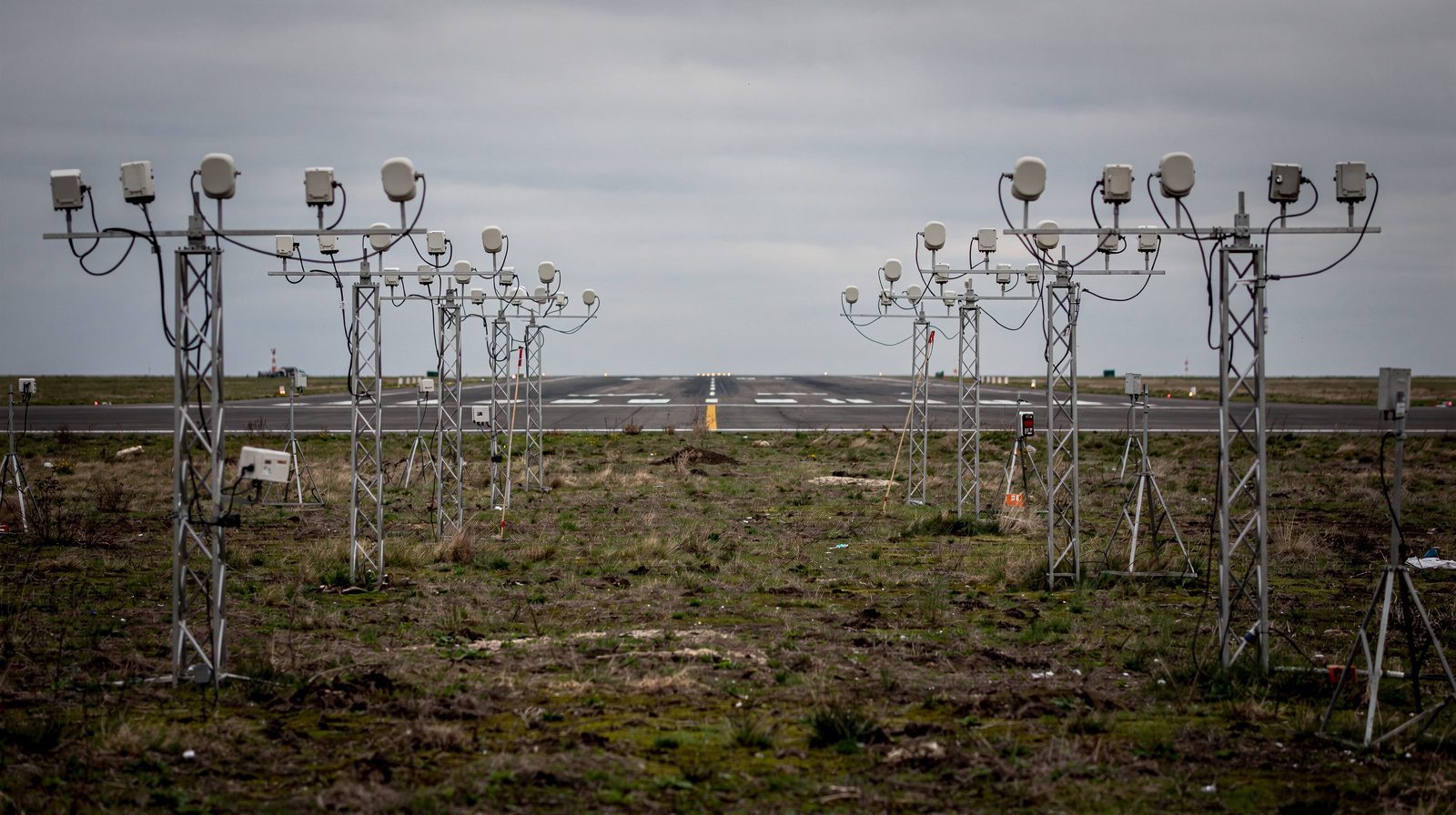
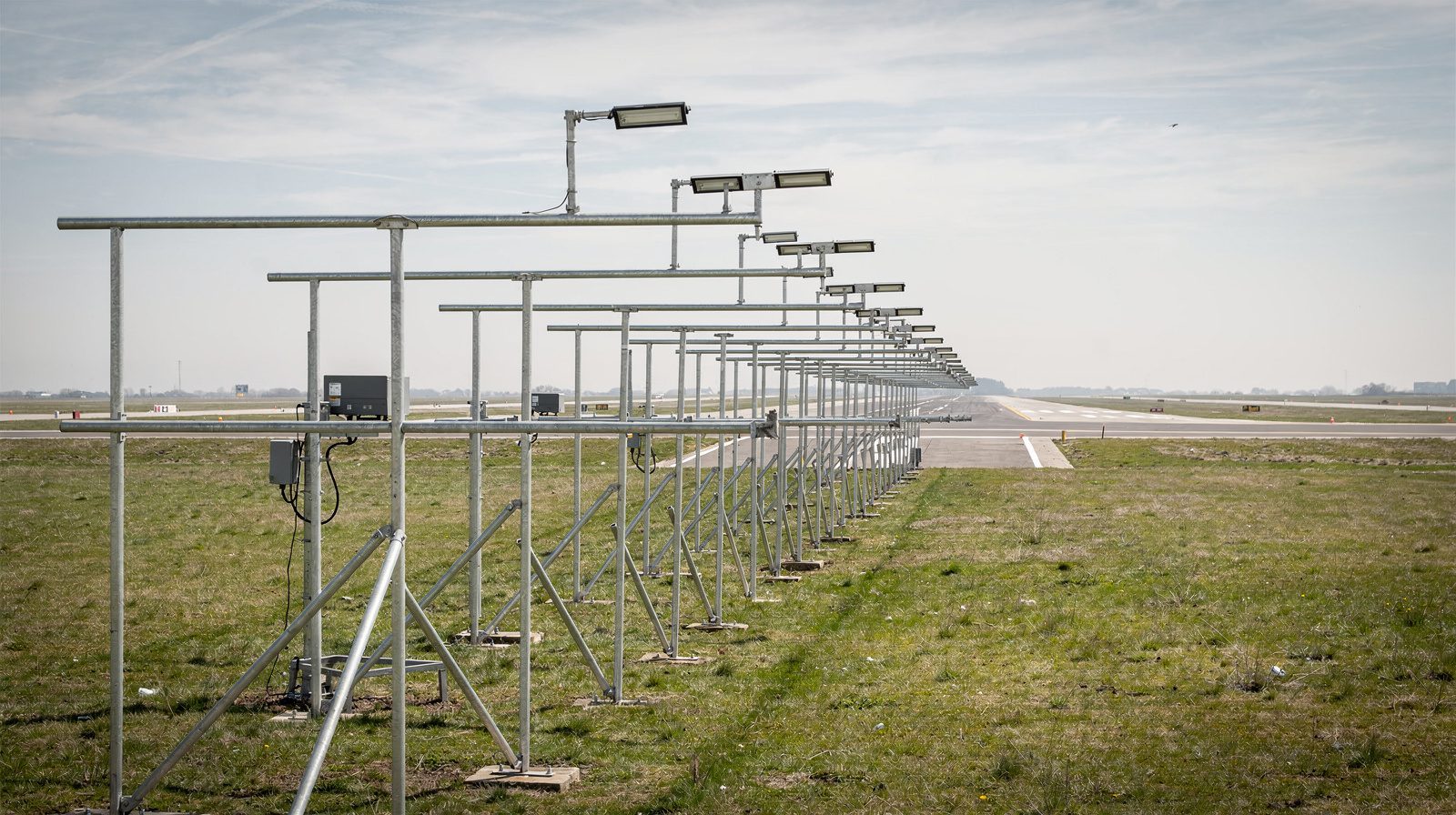
What is Auxiliary Lighting in Airports?
Auxiliary Lighting – Supplementary Lighting Systems in Airport Lighting
Auxiliary lighting, also known as supplementary lighting systems, plays a pivotal role in today’s airport environments. It encompasses a variety of specialized lighting installations designed to provide illumination where primary airfield lighting, such as runway edge, centerline, and taxiway lights, may not suffice. Auxiliary lighting solutions address unique operational needs, enhance visibility, improve safety, and ensure regulatory compliance in specific zones or under particular conditions.
The Role and Purpose of Auxiliary Lighting in Airports
Auxiliary lighting’s primary objective is to supplement visual aids for pilots and ground personnel, especially during low-visibility conditions like fog, heavy rain, or snow. It ensures safe navigation and operational continuity by:
- Enhancing approach and landing guidance for pilots in critical weather or during precision operations (Category II/III).
- Illuminating high-activity zones such as aprons, de-icing pads, aircraft stands, and service areas for safe and efficient ground operations.
- Providing temporary or emergency illumination during construction, maintenance, or unexpected lighting outages.
These systems are mandated by regulatory frameworks, including ICAO Annex 14 and FAA AC 150/5345-46, particularly for advanced approach operations. Their deployment is informed by photometric studies, operational requirements, and environmental conditions, with modern solutions integrating intelligent controls and energy-efficient LED technology.
Types of Auxiliary Lighting Systems
Auxiliary lighting systems are tailored to specific operational requirements and environments. The main categories include:
Supplementary Approach Lighting
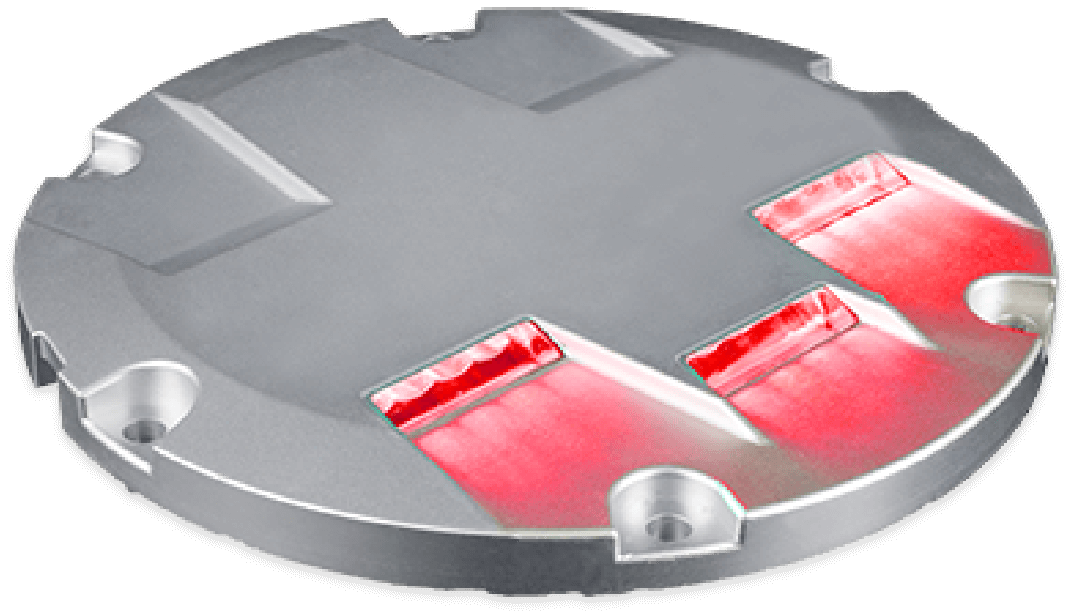
These systems use high-intensity, usually uni-directional fixtures, often LED barrettes or inset bars, to reinforce primary approach lighting. They are vital for airports with precision instrument approaches, ensuring approach paths, thresholds, and touchdown zones remain visible in poor weather.
Key features:
- High luminance, uni-directional optics (typically red or white).
- Minimal above-grade protrusion to avoid foreign object damage.
- Full compliance with ICAO and FAA photometric and colorimetric standards.
Apron and Ramp Lighting
High-mast floodlights or pole-mounted luminaires deliver broad, uniform illumination to aircraft parking, service, and de-icing areas. These are crucial for night and all-weather ground operations, ensuring safety for personnel and efficient turnaround of flights.
Key features:
- Uniform, glare-controlled coverage.
- High color rendering for accurate identification of markings and personnel.
- Advanced controls for dimming, scheduling, and energy efficiency.
Hangar and Maintenance Area Lighting
Specially designed for precision and safety, these systems provide shadow-free, high-CRI illumination for inspection and repair tasks.
Key features:
- Overhead and lateral mounting for uniform coverage.
- Vibration and chemical-resistant construction.
- Occupancy sensors and programmable dimming for energy management.
Baggage Handling and Service Area Lighting
Task-specific luminaires illuminate conveyor belts, loading docks, and service corridors, reducing the risk of accidents and enabling efficient workflow under all lighting conditions.
Key features:
- Placement to minimize shadows and maximize visibility.
- Integration with building automation for scheduled operation.
- Resistance to dust, moisture, and mechanical impact.
Perimeter and Security Lighting
High-output, weather-resistant floodlights secure airport boundaries, supporting surveillance and deterring unauthorized access.
Key features:
- Wide area coverage with minimal dark zones.
- Directional optics to avoid glare and light trespass.
- Integration with intrusion detection and remote monitoring systems.
Temporary, Mobile, or Emergency Lighting
Rapidly deployable solutions ensure safe operations during disruptions. They are commonly used for marking temporary taxiways, illuminating construction zones, or providing backup during outages.
Key features:
- Battery or generator power with adjustable mounting.
- Weatherproof, rugged enclosures.
- Compliance with permanent lighting photometric standards.
Supplementary Approach Lighting: Design and Compliance
Supplementary approach lighting is critical for maintaining visual guidance during precision approaches, especially in low visibility. ICAO and FAA standards require these systems for Category II/III runways.
Typical characteristics:
- High-intensity, uni-directional LED fixtures emitting specific colors.
- Minimal protrusion above grade (e.g., 6.0 mm for FX850APB).
- Full dimming capability matching legacy systems for seamless integration.
- Resistant to extreme temperatures and environmental hazards.
- Integration with airfield lighting control and monitoring systems.
These systems are essential for airports with frequent fog or precipitation and are prerequisites for maintaining Category II/III operational authorization.
Apron and Ramp Lighting: Safe and Efficient Ground Handling
Apron floodlighting ensures safe and efficient ground operations, supporting activities such as passenger boarding and baggage handling. According to ICAO Annex 14 and FAA guidelines, apron lighting must provide:
- Average illuminance of 20–30 lux with a uniformity ratio not exceeding 4:1.
- High-CRI LEDs (≥70) for color accuracy.
- Intelligent controls for adaptive dimming and energy efficiency.
- Durable, weather-resistant construction with easy maintenance.
Apron lighting is vital for regulatory compliance, operational efficiency, and sustainability, often enabling significant reductions in energy use and light pollution.
Hangar and Maintenance Area Lighting: Enhancing Precision
Hangar lighting supports detailed inspections and repairs by providing high-quality, shadow-free illumination. Key requirements include:
- High CRI (≥80), long operational life, and consistent light output.
- Mounting for optimal coverage, reducing blind spots.
- Resistance to vibration, dust, chemicals, and temperature extremes.
- Occupancy sensors and daylight harvesting for energy savings.
Proper lighting improves safety, reduces error rates, and boosts morale among maintenance personnel.
Baggage Handling and Service Area Lighting: Operational Efficiency
Effective lighting in baggage and service areas reduces accidents, improves workflow, and ensures efficient baggage delivery. Key features:
- Task-specific, uniform illumination.
- Energy-efficient LEDs with scheduled operation.
- Durable, low-maintenance fixtures with high ingress protection.
Perimeter and Security Lighting: Safeguarding Boundaries
Perimeter lighting provides continuous visibility for security personnel and surveillance systems. It is designed for:
- Wide coverage without dark zones.
- Glare control and minimal light trespass.
- High reliability in adverse weather.
- Integration with security and monitoring systems.
This lighting is foundational for regulatory compliance and asset protection.
Temporary, Mobile, and Emergency Lighting
Portable and temporary lighting systems are essential during construction or emergencies. They offer:
- Rapid deployment and adjustment.
- Compliance with permanent lighting standards.
- Remote monitoring and integration with control systems.
Technical Specifications Examples
Supplementary Approach Light (FX850APB)
| Parameter | Value / Description |
|---|---|
| Application | Supplementary Approach, CAT I/II/III operations |
| Light Source | LED, high-intensity, uni-directional, red |
| Input Current | 2.8–6.6 Amps (series circuit) |
| Dimming | Fully dimmable, matches tungsten halogen response (FAA EB 67) |
| Protrusion Above Grade | ≤6.3 mm (FAA Style 3, ICAO Style 4), FX850APB: 6.0 mm |
| Lifetime Expectancy | >60,000 hours (LEDs) |
| Operating Temp. Range | −55 °C to +55 °C (−67 °F to +131 °F) |
| Ingress Protection | IP67 (IEC 69598-1) |
| Connector | FAA L823 Style 1 (water-tight) |
| Monitoring | Fail-open facility for LED array condition monitoring |
| Mounting | 12” standard seating pot (light base) |
| Compliance | ICAO Annex 14, FAA AC150 5345 46, FAA EB 67, IEC61827, EASA Stanag 3316 |
| Power Compatibility | IGBT, ferro-resonant, or thyristor CCR |
Apron Lighting (High Mast LED Floodlights)
| Parameter | Value / Description |
|---|---|
| Application | Apron, ramp, de-icing, large area lighting |
| Light Source | High-output LED, advanced optics for glare control |
| Mounting | High-mast poles (customizable height and layout) |
| Illumination Uniformity | Meets ICAO and FAA requirements |
| Color Rendering Index | ≥70-80 |
| Controls | Optional intelligent controls (dimming, scheduling) |
| Energy Efficiency | Lower power consumption than legacy systems |
| Durability | Harsh weather, vibration, and corrosion resistant |
| Compliance | FAA, ICAO, IEC, local codes |
Compliance and Regulatory Standards
Auxiliary lighting systems are governed by several key standards:
- ICAO Annex 14: Outlines global requirements for aerodrome visual aids, including supplementary lighting.
- FAA AC 150/5345-46: Details technical specifications for U.S. airfield lighting, including auxiliary systems.
- IEC 61827 & 60598: Define safety, photometric, and environmental criteria for luminaires.
- Local Codes: May impose additional requirements for electrical safety, environmental impact, and security.
Modern Trends in Auxiliary Lighting
The adoption of LED technology, intelligent control systems, and integration with airport SCADA platforms are reshaping auxiliary lighting. Benefits include:
- Lower energy consumption and maintenance.
- Real-time monitoring and adaptive lighting.
- Improved reliability and environmental sustainability.
Conclusion
Auxiliary lighting is a critical component of modern airport infrastructure, ensuring safe, efficient, and compliant operations under all conditions. From enhancing pilot guidance during challenging approaches to safeguarding perimeters and supporting round-the-clock ground operations, these supplementary systems are indispensable for any airfield aiming for operational excellence.
For tailored auxiliary lighting solutions or compliance advice, contact our expert team or schedule a demonstration today.
Frequently Asked Questions
- What is auxiliary lighting in an airport?
- Auxiliary lighting in airports refers to supplementary lighting systems that provide additional illumination in areas where primary airfield lighting is insufficient. These systems can include approach supplements, apron floodlights, perimeter security lighting, and emergency or temporary lights to enhance safety, visibility, and compliance.
- Why is auxiliary lighting necessary in airports?
- Auxiliary lighting is essential for maintaining safety and operational efficiency in situations where main runway and taxiway lights do not provide adequate visibility, such as in low-visibility weather, during ground operations, construction, or emergencies. It ensures compliance with ICAO, FAA, and local regulations.
- What are examples of auxiliary lighting systems?
- Examples include supplementary approach lights for Category II/III operations, high-mast apron floodlights for ground handling, hangar and maintenance lighting, baggage handling area lights, perimeter security floodlights, and rapidly deployable mobile or emergency lighting units.
- How are auxiliary lighting systems regulated?
- Auxiliary lighting systems must meet rigorous international and national standards, such as ICAO Annex 14, FAA AC 150/5345-46, and IEC guidelines. These standards address photometric performance, color, placement, durability, and integration with control systems.
- What are the benefits of LED technology in auxiliary lighting?
- LED technology offers high energy efficiency, longer lifespan, robust photometric performance, instant-on capability, low maintenance, and adaptability for intelligent control systems, making it ideal for both permanent and temporary auxiliary lighting applications.
This is a reference entry. TarmacView provides drone inspection services and doesn't sell the equipment or materials described in this glossary.