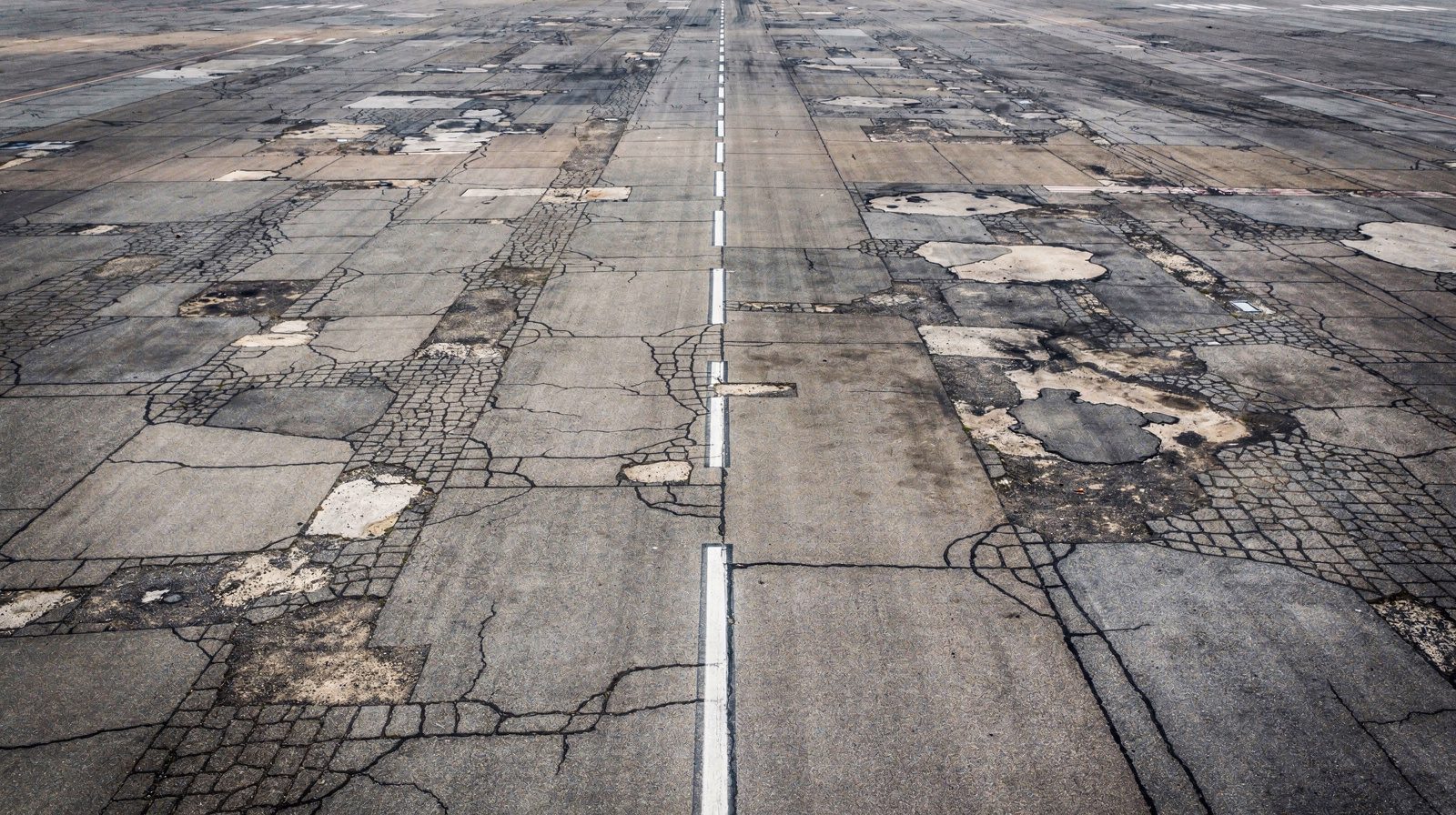
What Is a Bridge Deck?
Definition and Structural Role
A bridge deck is the uppermost structural element of a bridge that directly supports traffic loads and provides the riding surface. It is the bridge component that receives the most direct exposure to vehicular wheel loads, abrasion from tire chains and snow plow blades, deicing chemical applications, freeze-thaw weathering, and environmental degradation from sun and precipitation. The deck distributes concentrated wheel loads laterally to the supporting superstructure elements, girders, stringers, floor beams, or main longitudinal members, through a combination of bending in two orthogonal directions. In reinforced concrete T-beam bridges and composite steel-concrete bridges, the deck also functions as the top flange (compression flange) of the main load-carrying section, contributing directly to the flexural capacity of the superstructure.
The deck serves three primary structural functions. First, it provides a smooth riding surface that meets ride quality standards, skid resistance requirements, and geometric alignment. Second, it distributes live loads laterally to the supporting members, typically spanning transversely between girders at 1.2–4.0 m spacing. Third, in integral construction, it acts as the top compression flange of the main girder section. According to the AASHTO LRFD Bridge Design Specifications (Section 4), the deck must be designed for the wheel loads of the design truck (HS-20 or HL-93) plus dynamic load allowance (IM = 33% for limit states) and distributed over a width determined by the effective strip width method.
The FHWA Bridge Inspector’s Reference Manual (BIRM) identifies the deck as the bridge element most vulnerable to deterioration and the most expensive component to repair or replace. The National Bridge Inspection Standards (NBIS) codified in 23 CFR 650 require deck condition assessment at every routine inspection (maximum 24-month interval). The deck condition rating (NBI Item 58) is one of three primary condition ratings used for federal sufficiency rating and funding eligibility determination under the Highway Bridge Program.
Deck Types
Bridge decks are classified by construction material, structural system, deck-girder interaction, and fabrication method. Each type has distinct inspection criteria, deterioration mechanisms, and condition assessment protocols defined in the AASHTO Manual for Bridge Element Inspection (MBEI) and the FHWA SNBI.
Reinforced Concrete Decks
Reinforced concrete (RC) decks are the most common bridge deck type in the United States, approximately 85% of all highway bridges have RC decks according to the 2023 NBI data. RC decks are constructed as cast-in-place slabs on stay-in-place metal forms or removable forms, or as precast prestressed panels with a cast-in-place topping. The deck is typically 200–280 mm thick for highway bridges with girder spacing of 1.8–3.6 m. The reinforcement is placed in two orthogonal layers: the primary (transverse) reinforcement runs perpendicular to traffic, spanning between girders, while the secondary (longitudinal) reinforcement runs parallel to traffic to distribute loads and control temperature and shrinkage cracking.
The AASHTO LRFD specification (Table 5.12.3-1) requires a minimum concrete cover of 60 mm over the top reinforcement in decks exposed to deicing chemicals and 25 mm for the bottom reinforcement. Modern decks use epoxy-coated reinforcement (ASTM A775 or A934), stainless steel reinforcement (ASTM A955), or galvanized reinforcement to mitigate chloride-induced corrosion. The FHWA Long-Term Bridge Performance (LTBP) Program has documented that decks with uncoated black reinforcement in chloride environments reach a 10% deck deterioration threshold at an average of 20–30 years of service, while epoxy-coated reinforcement extends this to 40–50 years.
Precast concrete deck panels, 100–150 mm thick prestressed panels used as stay-in-place forms with a 100–150 mm cast-in-place topping, accelerate construction and reduce falsework. The interface between the prestressed panel and the cast-in-place topping must be intentionally roughened (minimum 6 mm amplitude) to ensure composite action. The longitudinal joints between adjacent panels are detailed with grouted shear keys that must be inspected for cracking and leakage.
Prestressed Concrete Decks
Prestressed concrete decks use high-strength prestressing strands (1,860 MPa Grade 270, 12.7 mm or 15.2 mm diameter seven-wire strands) to induce compressive stresses that prevent tensile cracking under service loads. Prestressed decks are typically used in precast, prestressed adjacent box beam bridges and voided slab bridges where the deck and superstructure are the same element. The prestressing force counteracts the tensile stresses from live load bending, resulting in a deck that remains uncracked under design loads and therefore has superior durability against chloride penetration.
Post-tensioned concrete decks are used in segmental box girder bridges and in transversely post-tensioned deck slabs. Transverse post-tensioning applies compressive stress across the deck width, reducing or eliminating transverse reinforcement requirements and improving crack control. The FHWA Post-Tensioned Box Girder Design Manual (FHWA-HIF-15-016) specifies transverse post-tensioning for decks wider than 12 m. The post-tensioning ducts must be grouted per PTI/ASBI M55.1 specifications to prevent tendon corrosion.
Steel Decks
Steel bridge decks are classified into three primary types: open steel grid decks, concrete-filled steel grid decks, and orthotropic steel decks.
Open steel grid decks (Element 28) consist of a grid of main bearing bars and transverse cross bars welded into a prefabricated panel. The open grid allows water and debris to fall through, which eliminates ponding but exposes the underside of the bridge to drainage. Grid decks are lightweight (0.5–1.0 kPa dead load) and were commonly used on movable bridges (bascule, lift, swing spans) where weight is critical. Corrosion of individual grid bars from deicing chemicals and debris accumulation is the primary inspection concern. Bar section loss exceeding 20% requires replacement per FHWA guidelines.
Concrete-filled steel grid decks (Element 29) use the same steel grid panels but with concrete fill to the top of the grid, creating a composite steel-concrete deck with improved ride quality and corrosion protection of the grid bars from above. The concrete fill is typically a lightweight concrete (1,760–1,920 kg/m³) with compressive strength of 28–35 MPa. The underside of the grid remains exposed and must be inspected for corrosion at the steel-concrete interface.
Orthotropic steel decks (Element 30) consist of a steel deck plate (typically 12–20 mm thick) stiffened by longitudinal trough-shaped ribs (closed trapezoidal stiffeners) welded to the underside of the plate at 300–600 mm spacing, supported by transverse floor beams at 2–4 m spacing. The term “orthotropic” derives from the deck having orthogonal anisotropic properties, different stiffness in the longitudinal and transverse directions. Orthotropic decks serve as both the riding surface and the top flange of the main steel box girder. They are used on long-span bridges (suspension, cable-stayed, arch) and major river crossings where weight minimization is essential. The wearing surface is typically a thin (30–50 mm) polymer-modified mastic asphalt or epoxy-asphalt overlay. Fatigue cracking at the rib-to-deck plate weld and rib-to-floor beam weld details is the primary deterioration mechanism, governed by the AASHTO/NSBA fatigue design provisions (AASHTO LRFD Article 6.6.1, Fatigue I and II load combinations). The FHWA Orthotropic Deck Fatigue Manual provides detailed inspection protocols for these welded connections.
Timber Decks
Timber bridge decks (Element 31) are constructed from sawn lumber planks, glued-laminated (glulam) panels, or stress-laminated timber decks where individual planks are post-tensioned transversely with high-strength steel rods to create a continuous orthotropic plate. Timber decks are used primarily on low-volume roads, park bridges, and historic covered bridges. The primary inspection concerns are decay (rot) caused by moisture trapped between plank layers, mechanical wear from tire abrasion, delamination of glulam layers, checking and splitting from shrinkage and cyclic wetting-drying, and corrosion of steel fasteners and post-tensioning rods.
The USDA Forest Service Timber Bridge Manual provides inspection criteria for timber decks. Decay is evaluated using probing, sounding, or resistance drilling (sclerometer or increment borer). The FHWA NBIS requires that timber decks with advanced decay or section loss exceeding 25% of the original dimension in primary load-carrying members be rated in Condition State 3.
FRP and Lightweight Decks
Fiber-reinforced polymer (FRP) bridge decks are manufactured from E-glass or carbon fiber reinforcements in a vinylester or polyester polymer matrix, fabricated as pultruded sandwich panels with top and bottom face sheets and a cellular or honeycomb core. FRP decks offer exceptional corrosion resistance, high strength-to-weight ratio (20–30% of the weight of a comparable RC deck), and rapid installation. They are used primarily in corrosive environments (marine bridges, wastewater treatment plant access), accelerated construction applications, and moveable bridges where weight reduction is critical. The AASHTO LRFD Bridge Design Specifications (Section 23) provides design provisions for FRP decks.
FRP deck inspection requires specialized training because deterioration mechanisms differ fundamentally from concrete and steel. Blisters and delamination between face sheets and core (detected by IR thermography or tap testing), fiber breakage from impact or overloading, matrix cracking from UV exposure, water intrusion into the cellular core at cut edges, and connection corrosion at steel-to-FRP interfaces are the primary inspection findings. FRP decks are assigned Element 60 (Other Material Deck) under the AASHTO MBEI.
| Deck Type | Lightweight (kPa) | Span Range | Primary Deterioration | Inspection Methods | Typical Service Life |
|---|---|---|---|---|---|
| Reinforced concrete deck | 4.5–7.2 | 1.8–3.6 m (between girders) | Rebar corrosion, delamination, spalling | Chain drag, IRT, GPR, IE | 30–50 years |
| Prestressed concrete deck | 4.0–6.5 | Up to 20 m (adjacent box beams) | Strand corrosion, girder splitting | Visual, IE, MFL | 40–60 years |
| Orthotropic steel deck | 1.5–3.0 | 200–400+ m | Fatigue cracking, coating failure | Visual, MPI, UT | 40–75 years (with coating) |
| Steel grid deck (open) | 0.5–1.0 | 1.5–3.0 m | Bar corrosion, section loss | Visual, UT thickness | 25–40 years |
| Steel grid (concrete-filled) | 2.5–4.0 | 1.5–3.0 m | Concrete cracking, grid corrosion | Visual, sounding | 30–50 years |
| Timber deck | 1.5–3.5 | 2–6 m | Decay, checking, fastener corrosion | Probing, sounding, resistance drilling | 15–30 years |
| FRP deck | 1.0–2.0 | 1.5–3.5 m | Delamination, water intrusion, UV degradation | Tap test, IRT, visual | 25–40+ years |
Common Deck Distresses
The deck is the bridge element most subject to deterioration because it is directly exposed to traffic loads, deicing chemicals, freeze-thaw cycling, and environmental exposure. The FHWA BIRM and the AASHTO MBEI define specific defect types with condition state criteria.
Deck Cracking
Transverse cracking, cracks running perpendicular to traffic, is the most common cracking pattern in concrete bridge decks. Transverse cracks form over transverse reinforcement and typically occur at 1–3 m spacing. They are caused by restrained thermal contraction of the freshly placed concrete (the top surface cools faster than the bottom), differential shrinkage between the new deck slab and the supporting girders, and negative bending over continuous supports. The AASHTO LRFD limits the tensile stress in the deck under service loads to 0.90fr (where fr = modulus of rupture) to control cracking. Crack widths exceeding 0.3 mm in aggressive environments (deicing chemical exposure) are considered significant because they allow chloride-laden water to reach the top reinforcement within weeks of crack formation.
Longitudinal cracking, cracks running parallel to traffic, typically occurs over girder lines where the deck undergoes negative bending between girders (hogging moment over the girder top flange). Longitudinal cracking also occurs at cold longitudinal construction joints where two concrete placements meet. Cracks over girder lines wider than 0.4 mm may indicate loss of composite action between the deck and girder.
Map cracking (pattern cracking), a network of interconnected fine cracks, indicates plastic shrinkage cracking that occurred during concrete curing or alkali-silica reaction (ASR) distress in the concrete. ASR-induced map cracking is identified by characteristic white gel exudation at crack surfaces and requires petrographic examination for confirmation.
Reflective cracking, cracking in an asphalt overlay that mirrors the pattern of cracks in the underlying concrete deck, indicates that the overlay has debonded from the substrate and is no longer protecting the deck from moisture intrusion. Reflective cracks typically appear 2–5 years after overlay placement and accelerate deck deterioration by channeling water directly to deck cracks.
Deck Delamination
Delamination is the horizontal separation of concrete along a plane approximately at the depth of the top layer of reinforcement (typically 30–75 mm below the surface). Delamination occurs when corrosion of the top reinforcing steel produces expansive iron oxides (rust) that create tensile stresses exceeding the concrete tensile strength, causing a crack to propagate parallel to the surface. The delaminated concrete layer is typically 25–100 mm thick and produces a hollow “drum” sound when tapped with a hammer or chain drag.
Delamination is the most structurally significant deck defect because it represents a loss of composite action between the concrete cover and the structural core of the deck. Delaminated areas can grow rapidly, a delamination that initiates at year 15 may propagate to 20–30% of the deck area by year 25 in severe chloride environments. The FHWA LTBP program found that delamination propagation follows an exponential growth curve once initiated.
The AASHTO MBEI defines delamination thresholds:
- Condition State 1: No delamination or very limited (<2% of element area)
- Condition State 2: Moderate delamination (2–10% of element area), hollow sound in chain drag
- Condition State 3: Advanced delamination (>10% of element area or active spalling)
Deck Spalling
Spalling is the physical loss of concrete from the deck surface, typically resulting from the progression of delamination to the point where the concrete cover separates and falls away. Spalls expose the underlying reinforcement to direct environmental exposure, accelerating corrosion rates. An active spall is one where corrosion products are evident on the exposed rebar and the concrete edges show ongoing deterioration. A patched spall is an area that has been repaired with concrete, mortar, or patching material.
Spalls are categorized by depth in the MBEI:
- Shallow spalls (less than 25 mm deep), affect only the wearing surface
- Deep spalls (greater than 25 mm or to the depth of reinforcement), expose primary reinforcement and require structural evaluation
- Area spalls, spalls exceeding 0.1 m² that may affect deck structural capacity
Spalls over traveled ways, directly above roadways, railways, pedestrian paths, or navigation channels, present a safety hazard from falling debris. The FHWA requires that any loose concrete over a traveled way be noted as a critical finding and the bridge owner notified within 24 hours.
Deck Scaling and Abrasion
Scaling is the loss of surface mortar and small aggregate particles from the deck surface, typically caused by freeze-thaw cycling in combination with deicing chemicals. Scaling progresses from light (loss of surface mortar only) to moderate (exposure of coarse aggregate) to severe (loss of aggregate and significant surface depression). Scaling is most prevalent in decks with inadequate air entrainment (less than 5% entrained air content per AASHTO T 152) and high water-cement ratio (greater than 0.45).
Abrasion is the mechanical wearing of the deck surface from tire chains, studded tires, snow plow blades, and heavy traffic. Abrasion rates are highest on decks with lightweight aggregate (which has lower surface hardness) and on decks without a protective wearing surface. The MBEI defines abrasion/wear as a defect in PSC/RC elements (Defect 1190).
Reinforcement Corrosion
Chloride-induced corrosion of reinforcing steel is the primary deterioration mechanism limiting the service life of reinforced concrete bridge decks. Deicing chemicals (sodium chloride, calcium chloride, magnesium chloride) applied during winter maintenance operations penetrate the concrete cover through diffusion and capillary absorption. When the chloride concentration at the rebar depth reaches the corrosion threshold (typically 0.7–1.2 kg/m³ of concrete, or 0.2–0.4% by weight of cement), the passive oxide layer protecting the steel breaks down and corrosion initiates.
The corrosion process produces expansive iron oxides (Fe₂O₃·H₂O, rust) that occupy 3–6 times the volume of the original steel. This expansion generates tensile hoop stresses in the surrounding concrete, leading to cracking, delamination, and spalling. The rate of corrosion after initiation depends on temperature, moisture availability, oxygen supply, and concrete resistivity. In decks with high moisture content and chloride exposure, corrosion rates of 0.05–0.25 mm/year of section loss are typical, meaning a 16 mm diameter bar can lose 25% of its cross-section in 15–30 years after corrosion initiation.
Half-cell potential mapping (ASTM C876) is the standard method for identifying active corrosion zones. Areas where the potential is more negative than -350 mV (relative to Cu/CuSO₄) indicate a >90% probability of active corrosion. Corrosion rate measurements using linear polarization resistance (LPR) can quantify the instantaneous corrosion rate, typically reported in μm/year.
Deck Joint Failures
Expansion joint failures allow water, deicing chemicals, and debris to flow onto the deck ends and substructure below, accelerating deck edge deterioration. Common joint failures include: torn or punctured joint seals, debris accumulation blocking joint movement, broken or missing joint armor angles, anchorage failure where the joint has separated from the surrounding concrete, and leakage through the joint onto the girder and bearing areas. Joint leakage is the single most common source of water entry contributing to girder end corrosion and bearing deterioration.
The FHWA BIRM requires that every expansion joint be inspected for leakage at every routine inspection. Joints leaking onto the deck end or girder below are classified as Condition State 2 (moderate) or Condition State 3 (severe) depending on the extent of staining and active corrosion observed.
Waterproofing and Wearing Surface
The wearing surface is the topmost layer of the deck system, directly contacting traffic. The waterproofing system lies between the structural deck and the wearing surface (or on the bare deck surface) to prevent moisture and chloride penetration. The performance of these protective systems is the single most important factor determining deck service life.
Overlay Systems
Concrete overlays, both portland cement concrete (PCC) and latex-modified concrete (LMC) overlays, are placed at 30–75 mm thickness directly bonded to the prepared deck surface. LMC overlays are the standard for bridge deck rehabilitation, providing low permeability (chloride diffusion coefficient < 1 × 10⁻⁸ cm²/s), high bond strength (> 1.4 MPa per ASTM C1583), and excellent durability. The deck surface must be prepared by shotblasting, scarifying, or hydrodemolition to achieve a surface profile of ICRI CSP 5–9 and a minimum surface tensile strength of 1.0 MPa. Bond failure of overlays, debonding at the interface, appears as hollow sounding areas and allows water to migrate laterally under the overlay.
Asphalt overlays, hot mix asphalt (HMA) or stone mastic asphalt (SMA) at 40–90 mm thickness, are less effective as waterproofing layers because asphalt is permeable to water and chlorides. Asphalt overlays on bridge decks require a waterproofing membrane between the concrete deck and the asphalt layer. Reflective cracking from the underlying deck through the asphalt overlay appears within 2–5 years and must be sealed to maintain waterproofing effectiveness.
Polymer overlays, multi-layer systems of polymer-modified resins (epoxy, polyurethane, poly(methyl methacrylate)) filled with aggregate at 6–15 mm total thickness, provide extremely low permeability and high skid resistance. They are used on orthotropic steel decks and high-traffic concrete decks where overlay weight must be minimized. Polymer overlays cost $30–60/m² but provide 10–15 years of service life on steel decks and 15–20 years on concrete decks.
Waterproofing Membranes
Sheet-applied membranes, modified bitumen sheets (SBS or APP polymer-modified) typically 1.5–3.0 mm thick, torch-applied or self-adhesive, are the most common waterproofing system for concrete bridge decks in Europe and increasingly in North America. Sheets are installed with 100–150 mm side laps and 150 mm end laps, heat-welded to ensure watertightness. At vertical elements (curbs, parapets, barrier rails), the membrane must extend 150–300 mm up the vertical face and be mechanically fastened and sealed.
Liquid-applied membranes, cold-applied polymer-modified bitumen emulsions or polyurethane resins at 1.0–3.0 mm dry film thickness, provide seamless waterproofing without lapping issues. They are applied by spray, roller, or squeegee in 2–3 coats. Liquid membranes require careful thickness control (wet film gauge measurement every 50 m²) and protection from rain during curing.
Penetrating sealers, silanes, siloxanes, and silicates applied to the bare concrete surface, penetrate to a depth of 5–15 mm and line the capillary pores with a hydrophobic layer that repels water but allows vapor transmission. Penetrating sealers are not true waterproofing membranes, they reduce chloride ingress rates by 60–80% but do not bridge cracks. They must be reapplied every 3–8 years depending on traffic wear.
FHWA SNBI Bridge Deck Rating (0–9 Scale)
The Specifications for the National Bridge Inventory (SNBI), effective for all bridge inspections submitted to the NBI since March 2022, defines the deck condition rating system that federal agencies and state DOTs use to assess and report bridge deck condition. The SNBI replaced the previous “coding guide” (FHWA 1995 Recording and Coding Guide) with a more rigorous condition assessment framework that requires inspectors to consider both material condition and structural performance when assigning a rating.
The SNBI deck condition rating is NBI Item 58 (Deck Condition Rating), coded on a 0–9 integer scale:
| Rating | Description | Inspection Findings |
|---|---|---|
| 9 | Excellent | No noteworthy defects. Minor cracks or wear within normal limits. |
| 8 | Very Good | Limited minor cracks, surface wear or scaling. No delamination or structural cracking. |
| 7 | Good | Minor cracks with limited delamination or scaling (<2% of deck area). |
| 6 | Satisfactory | Moderate cracking, limited delamination (2–5% of area), minor spalling or exposed rebar. |
| 5 | Fair | Moderate delamination or spalling (5–10% of area), corrosion staining, structural cracking possible. |
| 4 | Poor | Advanced delamination or spalling (10–20% of area), corroded rebar with section loss, possible structural distress. |
| 3 | Serious | Advanced deterioration (>20% of area), widespread spalling, exposed reinforcement with section loss, structural cracking present. |
| 2 | Critical | Extensive deterioration affecting structural capacity. Load posting recommended immediately. |
| 1 | Imminent Failure | Deck condition is life-threatening. Bridge should be closed to traffic. |
| 0 | Failed | Deck has failed completely. Bridge is closed. |
The SNBI also requires element-level condition assessment using the AASHTO Manual for Bridge Element Inspection (MBEI) element definitions. Each deck element, Reinforced Concrete Deck (Element 12), Prestressed Concrete Deck (Element 13), Steel Deck (Elements 28–30), Timber Deck (Element 31), or Other Material Deck (Element 60), is quantified in square feet or square meters distributed across Condition States 1 (Good), 2 (Fair), and 3 (Poor) . The element condition data feeds into the SNBI Condition Indexes, the Deck Condition Index (DCI), which aggregates element-level data to produce a 0–100 index. Bridges with DCI < 50 are generally considered candidates for rehabilitation or replacement.
Deck Inspection Methods
Bridge deck inspection integrates visual inspection (the primary method for every routine inspection), nondestructive testing (NDT) methods for detection of internal defects, and advanced techniques including drone-mounted sensors and AI-based automated analysis. The selection of methods depends on the deck type, deterioration history, traffic control constraints, budget, and inspection level (routine, in-depth, or special).
Visual Inspection
Visual inspection is the primary inspection method under NBIS, every deck is inspected visually at every routine inspection. The inspector examines the deck from the driving surface (using traffic control closures), from the underside (accessed via under-bridge inspection units or snooper trucks), and from the edge for overhang and curb inspections. Key visual observations include:
- Surface cracking: mapping of crack patterns, widths, lengths, and locations. Crack widths are measured using a crack comparator (plastic scale with graded line widths). Cracks exceeding 0.3 mm in the top surface and 0.4 mm in the bottom soffit are documented.
- Spalls and patched areas: dimensions (length × width × depth), location, and evidence of ongoing deterioration at patch edges.
- Rust staining and efflorescence: mapping of stain patterns that indicate moisture paths and corrosion locations.
- Curbs, barrier rails, and parapets: cracking, spalling, and corrosion at deck features where deicing chemicals accumulate.
- Drainage systems: scuppers, deck drains, and downspouts for blockage, corrosion, or discharge patterns that stain the deck or girders below.
Visual inspection alone detects surface-visible defects only. Subsurface delamination, internal corrosion, and grout voids behind overlays are not visible and require NDT methods.
Chain Drag and Hammer Sounding
Chain drag, the standard method for delamination detection in concrete decks, involves dragging a heavy steel chain (typically 3–6 kg, 200–500 mm wide chain) across the deck surface while listening for changes in acoustic response. Solid concrete produces a clear, ringing tone, delaminated concrete produces a hollow, drum-like sound. The method follows ASTM D4580 (Standard Practice for Measuring Delaminations in Concrete Bridge Decks by Sounding). The chain drag operator marks the boundaries of delaminated areas directly on the deck with spray paint or chalk.
Hammer sounding uses a hammer (typically 0.5 kg) to tap the deck surface at regular grid intervals (typically 0.5–1.0 m spacing). The hammer method is slower than chain drag but provides more precise detection of delamination boundaries and can differentiate shallow from deep delaminations by differences in pitch.
Both methods are operator-dependent, detection accuracy varies from 60–90% depending on the operator’s experience, delamination depth and extent, and overlay condition. Asphalt overlays significantly reduce the acoustic signal, making delamination detection unreliable through overlays thicker than 75 mm.
Infrared Thermography (IRT)
IRT (ASTM D4788) detects deck delamination by measuring surface temperature differentials caused by subsurface defects. During solar heating, delaminated areas heat faster than sound concrete because the air-filled void insulates the surface from the cooler substrate below. During nighttime cooling, delaminated areas cool faster. IRT surveys are performed from the deck surface (vehicle-mounted or drone-mounted camera) during peak solar loading (typically 10:00–14:00) or during nighttime cooling.
IRT provides rapid, large-area screening, a single survey can cover 2,000–5,000 m² per hour. Modern drone-mounted IRT cameras (7.5–14 μm thermal wavelength range, <50 mK thermal sensitivity) can survey an entire bridge deck in one flight without traffic control. The output is a thermal mosaic with temperature differences of 0.5–3.0°C between sound and delaminated areas. IRT detects delamination at depths up to 75–100 mm below the surface. Detection accuracy (validated against ground truth chain drag) ranges from 70–90% under optimal conditions (clear skies, low wind, dry surface, high solar load). IRT is less effective on overlays thicker than 50 mm or on decks with wet or shaded surfaces.
Ground Penetrating Radar (GPR)
GPR (ASTM D6087) uses high-frequency electromagnetic pulses (typically 1.0–2.6 GHz for bridge deck applications) transmitted through the deck surface. Reflections from reinforcement, the deck-girder interface, delaminations, and moisture accumulation are recorded and processed into B-scans (vertical cross-section profiles) and C-scans (depth-slice maps).
GPR data analysis evaluates signal attenuation, deteriorated or chloride-contaminated concrete has higher electrical conductivity and dielectric constant, which attenuates the GPR signal more rapidly than sound concrete. The deck condition index derived from GPR analysis correlates with chloride content and deterioration level. GPR also maps:
- Reinforcement depth and spacing, verifying cover depth and alignment
- Moisture content anomalies, areas of elevated moisture that indicate waterproofing failure
- Delamination interfaces, strong reflections at horizontal crack boundaries
- Overlay thickness, measurement of asphalt overlay depth on concrete decks
Modern 3D GPR arrays (16–40 antenna channels mounted on a cart) collect data across a full lane width (3.6 m) in a single pass at speeds up to 30–50 km/h. The data is processed into depth-slice maps showing horizontal condition at each depth interval. GPR is a contact method requiring the antenna to be in contact with (or very close to) the deck surface, which limits survey speed on rough decks and requires traffic control.
Impact-Echo (IE)
Impact-Echo (ASTM C1383) generates low-frequency stress waves (P-waves) by a mechanical impact on the concrete surface and analyzes the frequency of reflected waves to determine depth to internal interfaces (delaminations, voids, deck-girder interfaces). IE provides quantitative delamination depth detection, the method can distinguish shallow delamination (25–50 mm depth) from deep delamination (50–100 mm) and from the deck-girder interface (200–280 mm).
IE is performed on a grid pattern (typically 0.3–0.5 m spacing) and produces a frequency-amplitude spectrum at each test point. A peak at the delamination resonance frequency indicated by P-wave speed divided by 2 × depth indicates the defect. IE is slower than IRT (50–100 points per hour per operator) but provides higher accuracy for delamination depth determination and can detect delamination through asphalt overlays up to 100 mm thick. IE is the standard method for NDT validation in FHWA research programs and has been validated with >90% accuracy in controlled studies.
Additional NDT Methods
Half-cell potential mapping (ASTM C876) measures the corrosion potential of the top layer of reinforcement relative to a copper/copper sulfate reference electrode placed at the deck surface at 1 m grid spacing. The potential map identifies areas of active vs. passive corrosion. Potentials more negative than -350 mV indicate >90% probability of active corrosion. The method measures corrosion risk rather than existing damage and is most valuable on decks where rebar corrosion is suspected but delamination has not yet developed.
Cover meter survey (electromagnetic cover measurement per ASTM C8764/BS 1881:204) measures the depth of concrete cover over reinforcement and the bar diameter. Cover measurements are taken at 20–50 locations per deck span and compared to design cover (typically 60 mm over top reinforcement). Areas with cover less than 40 mm are at elevated risk of chloride-induced corrosion.
Ultrasonic thickness gauging is used on steel decks (orthotropic plates and grid bars) to measure remaining plate thickness at corroded areas. The method requires surface preparation (grinding paint and rust) at measurement points.
| Inspection Method | Detection Capability | Survey Speed | Overlay Limitation | Accuracy | Traffic Control Needed |
|---|---|---|---|---|---|
| Visual inspection | Surface cracks, spalls, staining | 100–200 m²/hr | None (visual only) | Subjective | Yes |
| Chain drag | Delamination | 300–500 m²/hr | <75 mm asphalt | 60–90% | Yes |
| Infrared Thermography (IRT) | Delamination, moisture | 2,000–5,000 m²/hr | <50 mm overlay | 70–90% | No (drone) |
| Ground Penetrating Radar (GPR) | Delamination, moisture, rebar cover | 1,000–3,000 m²/hr | Limited (signal attenuated) | 70–85% | Yes |
| Impact-Echo (IE) | Delamination depth, voids | 50–100 points/hr | <100 mm overlay | >90% | Yes |
| Half-cell potential | Corrosion activity | 500–1,000 m²/hr | Requires bare concrete | >90% (probability) | Yes |
Drone-Based Bridge Deck Inspection
Unmanned Aerial Systems (UAS), drones equipped with RGB, thermal infrared, and multispectral cameras, have become a transformative technology for bridge deck inspection. The FHWA Every Day Counts (EDC-6) initiative promotes UAS integration into bridge inspection programs, and multiple state DOTs (including Caltrans, FDOT, TxDOT, NDOT) have adopted drone-based deck inspection for routine and in-depth assessments.
RGB imaging uses high-resolution cameras (20–61 MP, full-frame sensor) capturing overlapping imagery at 5–20 m altitude with 70–80% forward and side overlap. A single drone flight of 20–30 minutes covers a 200 m long, 12 m wide bridge deck at 5–10 mm ground sampling distance (GSD). The images are processed using Structure-from-Motion (SfM) photogrammetry software (Pix4D, Agisoft Metashape, DJI Terra) to produce:
- Orthomosaic maps, geometrically corrected, high-resolution (1–5 mm/pixel) plan-view images of the entire deck surface
- Digital Surface Models (DSMs), 3D surface topography identifying settlement, ponding, and deformation
- 3D point clouds, for volumetric measurement of spalls, patched areas, and overlay thickness
Thermal infrared (IR) imaging with drone-mounted radiometric cameras (640 × 512 pixel FPA, <50 mK sensitivity, 7.5–14 µm) detects subsurface delamination through temperature differentials. The drone follows a pre-programmed flight path at 10–25 m altitude, collecting thermal images with 50–80% overlap. The thermal orthomosaic map shows delamination as “hot spots” (warmer during daytime heating) or “cold spots” (cooler at night). Drone IRT covers a full deck in 15–30 minutes compared to 4–8 hours for ground-based IRT with lane closures.
AI-based defect detection uses deep learning convolutional neural networks (CNNs), U-Net, Mask R-CNN, YOLOv8, and Vision Transformer (ViT) architectures, trained on thousands of annotated deck images to automatically classify, detect, and measure:
- Cracks, classification by orientation (transverse, longitudinal, diagonal, map), width measurement (±0.1 mm accuracy from orthomosaic)
- Spalls, boundary segmentation and area measurement (m²)
- Delamination, detection from IR thermal signatures with location mapping
- Patched areas, segmentation and change detection between inspection cycles
- Drain condition, blockage detection from water staining patterns
- Joint condition, seal condition classification (good/fair/poor)
The TarmacView structural defect detection platform is specifically designed for bridge deck assessment, providing automated crack detection, spall quantification, and condition rating generation from drone-collected visual and thermal data. The platform integrates with existing BMS workflows, producing inspection reports compliant with SNBI element-level condition assessment requirements.
Advantages of drone-based deck inspection include: elimination of traffic control lane closures during the flight (the drone operates from the shoulder or sidewalk), reduced inspection time (40–80% reduction in field time), improved inspector safety (no walking in live traffic lanes), permanent high-resolution documentation for change detection, and integration with digital twin platforms for lifecycle management. The FHWA has published guidance for developing agency UAS inspection programs (FHWA-HIF-21-041).
Deck Condition and Load Rating
The condition of the bridge deck directly affects the load rating of the bridge, the maximum allowable live load that the structure can safely carry. The load rating is performed according to the AASHTO Manual for Bridge Evaluation (MBE), 3rd Edition (2018), Section 6A (Load Rating) and Section 6B (Strength Evaluation).
Deck contribution to structural capacity. In composite steel-concrete bridges and RC T-beam bridges, the deck acts as the compression flange of the main load-carrying section. The effective flange width per AASHTO LRFD (Article 4.6.2.6) is the least of: one-quarter of the span length, the girder spacing, or 12 times the deck thickness. Deterioration of the deck, delamination that reduces the effective depth, corrosion that reduces reinforcement area, or spalling that reduces the compression zone width, reduces the section modulus and flexural capacity.
Condition factors. The MBE Section 6A.4.2.4 defines condition factors (φc) that reduce the nominal member capacity for the inventory and operating rating levels based on the observed condition of the deck:
| Condition Observed | Condition Factor φc | Typical SNBI Rating Equivalent |
|---|---|---|
| Good condition, no deterioration | 1.00 | SNBI 7–9 |
| Minor deterioration, no section loss | 0.95 | SNBI 5–6 |
| Moderate deterioration, limited section loss | 0.85 | SNBI 4 |
| Advanced deterioration, significant section loss | 0.75 | SNBI 3 |
A deck rated SNBI 3 (Serious) with widespread delamination and corrosion may have its condition factor applied to the deck contribution, reducing the operating rating by 25%. If the reduced capacity falls below legal load levels, a load posting must be established per MBE Section 6A.6, limiting trucks to a maximum weight (typically 20–36 tons depending on the reduced capacity).
Detailed load rating for deteriorated decks. When the deck condition triggers a condition factor lower than 0.95 or widespread deterioration covers >20% of the deck area, a detailed load rating is required per MBE Section 6A.3. The detailed rating uses reduced effective flange width, reduced reinforcement area (accounting for corrosion section loss), modified section properties accounting for delamination depth, and degraded material properties (reduced concrete compressive strength from freeze-thaw damage). The rating is performed using the Allowable Stress Rating (ASR), Load Factor Rating (LFR), or Load and Resistance Factor Rating (LRFR) methods in the MBE.
Deck Rehabilitation and Replacement
Deck rehabilitation and replacement are the most common major bridge repair activities in the United States, the FHWA estimates that deck repair accounts for 30–40% of all bridge maintenance and rehabilitation expenditures annually. The decision to repair, rehabilitate, or replace a deck is based on the extent and distribution of deterioration, deck type, traffic demands, remaining service life, and life-cycle cost analysis.
Deck Rehabilitation Methods
Partial-depth deck repair removes deteriorated concrete to a depth of 25–75 mm (above the top reinforcement) and replaces it with a high-performance patching material. The repair is used for isolated delamination and shallow spalls where the reinforcement is not significantly corroded. The repair boundary is saw-cut at least 25 mm beyond the delaminated area (to sound concrete), the deteriorated concrete is removed by chipping hammers or hydrodemolition, the exposed reinforcement is cleaned of corrosion products (sandblasting to SSPC SP-6 commercial blast cleaning), and the patch is filled with a polymer-modified concrete or magnesium phosphate mortar that achieves 20 MPa in 4 hours and 40 MPa in 28 days. Partial-depth repairs restore surface integrity but do not address corrosion of the top reinforcement, chloride-contaminated concrete often remains around the bars.
Full-depth deck repair removes the full deck thickness (150–280 mm) in localized areas (typically 1–5 m² patches) where deterioration extends through the entire deck. Full-depth patches involve: saw-cutting to sound concrete through the full depth, removing deteriorated concrete and exposing the top and bottom reinforcement, removing and splicing in new reinforcement if section loss exceeds 20%, forming the bottom of the patch, placing new concrete (typically high-early-strength concrete with 30 MPa in 24 hours), and curing. Full-depth patches restore the full structural section but create cold joints with the existing deck that must be detailed to prevent water ingress.
Polymer overlays (epoxy or poly(methyl methacrylate) multi-layer systems with embedded aggregate at 6–15 mm thickness) restore surface ride quality and provide waterproofing for decks with moderate cracking and wear but no structural deterioration. Polymer overlays are applied to the entire deck surface as a preventive maintenance treatment.
Latex-modified concrete (LMC) overlays at 30–50 mm thickness are the standard rehabilitation method for decks with moderate to advanced deterioration (SNBI 4–5). The deck is prepared by shotblasting or hydrodemolition to expose sound aggregate, a bonding grout is applied, and LMC is placed using a concrete paver. LMC overlays provide 15–25 years of additional service life at a cost of $100–200/m².
Deck Replacement
Full deck replacement is warranted when deterioration exceeds 30–50% of the deck area, when the deck has been patched in multiple areas that compromise structural continuity, or when the deck condition rating is SNBI 3 or below. Deck replacement methods include:
Cast-in-place replacement, the entire existing deck is demolished and removed, the girders are inspected and repaired, new reinforcement is placed, and a new concrete deck is cast. The process requires lane closures for 30–60 days for a typical 200 m, 12 m wide bridge. Reinforcement is typically epoxy-coated or stainless steel, and the deck design incorporates current AASHTO LRFD loads.
Precast full-depth deck panels, prefabricated 1.5–3.0 m wide, 10–15 m long panels cast in a controlled plant environment, transported to the site, and erected by crane. The panels are connected by longitudinal grouted shear keys (ultra-high performance concrete, UHPC, joints at 150–200 mm width) and transversely post-tensioned. Precast deck panels reduce on-site construction time to 2–6 weeks per bridge, minimizing traffic disruption. The FHWA Accelerated Bridge Construction (ABC) initiative promotes precast deck systems for rapid replacement.
Incremental deck replacement replaces the deck in sections, maintaining partial traffic on the bridge during construction. A median joint separates the existing deck from the new section, and traffic is shifted incrementally as each section is completed.
Deck Preservation
Deck preservation, proactive maintenance actions applied before significant deterioration develops, is the most cost-effective strategy for extending deck service life. The FHWA and state DOTs have adopted preservation programs under the Transportation Asset Management Plan (TAMP) requirements (23 U.S.C. 119(e)), allocating 15–30% of bridge funding to preservation activities.
Crack sealing of transverse and longitudinal cracks wider than 0.3 mm prevents chloride-laden water from reaching the reinforcement. Cracks are routed to 6 mm wide × 12 mm deep and sealed with hot-applied rubberized asphalt crack sealant (ASTM D6690) or low-viscosity epoxy injection for structural cracks. Sealed cracks extend deck life by 5–10 years.
Joint seal replacement, replacing failed compression seals or strip seals at deck ends, prevents water leakage that accelerates deck edge and girder end deterioration. Joint seals are replaced every 10–15 years as part of routine preservation.
Penetrating sealer application, applying silane or siloxane sealers to the bare deck surface (or to the deck after crack sealing) every 5–8 years reduces chloride ingress rates by 60–80%. Sealers are applied by low-pressure spray at 0.3–0.5 L/m² coverage, achieving a penetration depth of 5–15 mm in sound concrete.
Deck drain cleaning, flushing deck drains, scuppers, and downspouts to remove debris accumulation, prevents water ponding that accelerates local deterioration. Drain cleaning is performed annually.
Cathodic protection, impressed current or sacrificial anode systems, is applied to decks with active rebar corrosion where deterioration has not yet progressed to widespread delamination. Cathodic protection arrests corrosion by polarizing the reinforcement to a potential where corrosion stops (typically -850 mV vs. Cu/CuSO₄). The FHWA considers cathodic protection the only technology proven to stop corrosion in salt-contaminated concrete.
The deck preservation strategy is documented in the Bridge Management System (BMS) and updated at each inspection. The FHWA Long-Term Bridge Performance (LTBP) program data shows that bridges with active preservation programs have deck service lives 15–25 years longer than bridges without preservation, and preservation costs are 5–10 times lower than the cost of deck replacement (present value per m²). Every $1 invested in deck preservation yields $4–7 in avoided future rehabilitation costs (NCHRP Report 222).
Deck Inspection Safety
Bridge deck inspection presents specific safety hazards that inspectors must manage through the inspection safety plan required by the NBIS (23 CFR 650.311).
Traffic control is required for any deck inspection that requires the inspector to walk in or adjacent to live traffic lanes. The Traffic Control Plan (TCP) follows the Manual on Uniform Traffic Control Devices (MUTCD) Part 6, with lane closures, temporary barriers (concrete barrier or crash cushions), advance warning signs, and flagging or pilot car operations. High-visibility apparel (ANSI 107 Class 3) is required for all deck inspectors.
Fall protection is required at deck edges without permanent parapets or railings. Inspectors working near open deck edges must use personal fall arrest systems (PFAS) with full-body harness, shock-absorbing lanyard, and anchorage connection to the deck or parapet. The anchorage must support 5,000 lb (22 kN) per OSHA 29 CFR 1926.502.
Overhead hazards, loose concrete or debris on the deck underside, must be assessed before the inspector positions below the deck. Any loose material over traveled ways is documented as a critical finding. Inspectors below the deck must wear hard hats (ANSI Z89.1 Type I, Class E or G). Noise protection (hearing protection with NRR 20+ dB) is required when working near live traffic for extended periods.
Under-deck access, required for soffit inspection, uses under-bridge inspection units (snooper trucks or boom lifts), boat access, or rope access techniques. Each method has specific operator training and equipment inspection requirements. Snooper trucks require annual inspection of hydraulic systems, safety locks, and emergency descent mechanisms per ANSI/SIA A92.2.
Confined space entry is required if the deck is inspected from inside a box girder, cell, or enclosed utility chase. Confined space procedures follow OSHA 29 CFR 1910.146 with atmospheric monitoring for oxygen (19.5–23.5%), LEL (<10%), CO (<50 ppm), and H₂S (<10 ppm). Entry permits, ventilation, retrieval equipment, and attendant are required.
The FHWA Safety Inspection of In-Service Bridges manual provides detailed safety protocols for all bridge inspection activities.
Frequently Asked Questions
- What is a bridge deck?
- A bridge deck is the uppermost structural element of a bridge that directly supports traffic loads and provides the riding surface. It distributes wheel loads laterally to the supporting girders, stringers, or floor beams. Decks also serve as the top flange in reinforced concrete T-beam bridges and composite steel bridges. Common deck types include reinforced concrete cast-in-place or precast, prestressed concrete, steel orthotropic decks, steel open or concrete-filled grid decks, timber planks, and lightweight FRP or aluminum panels. The deck is the bridge component most exposed to direct traffic wear, deicing chemicals, freeze-thaw cycles, and environmental degradation.
- What are the most common bridge deck defects?
- The most common bridge deck defects include: transverse and longitudinal cracking (from thermal stresses, shrinkage, or vehicular loading), delamination (horizontal separation of concrete at reinforcement depth caused by rebar corrosion), spalling (loss of concrete cover resulting from delamination), scaling (surface mortar loss from freeze-thaw action), abrasion/wear from tire chains and snow plows, corrosion of reinforcing steel driven by chloride ingress from deicing salts, efflorescence (calcium carbonate deposits indicating moisture transport through cracks), and joint seal failures that allow water leakage onto the deck and substructure.
- How is a bridge deck condition rating determined?
- Bridge deck condition rating follows the FHWA SNBI 0–9 scale. A rating of 9 (Excellent) describes a deck with no noteworthy defects. Ratings 7–8 (Good) describe minor cracks or very limited delamination. Ratings 5–6 (Fair) describe moderate deterioration with some delamination or spalling. Ratings 3–4 (Poor) describe advanced deterioration with widespread spalling, corroded reinforcement, or structural cracking. Ratings 0–2 (Critical/Imminent Failure) describe decks requiring immediate load posting or closure. NBI Item 58 reports the deck condition rating. The SNBI also requires element-level condition assessment with quantities assigned to Condition States 1 (Good), 2 (Fair), and 3 (Poor) per the AASHTO Manual for Bridge Element Inspection.
- What NDT methods are used for bridge deck inspection?
- Non-destructive testing methods for bridge decks include: chain drag and hammer sounding (acoustic detection of delamination by listening for hollow sounds), Infrared Thermography (IRT, ASTM D4788, rapid large-area thermal imaging detecting delamination through temperature differentials), Ground Penetrating Radar (GPR, ASTM D6087, electromagnetic profiling of deck condition, moisture content, and rebar cover depth), Impact-Echo (IE, ASTM C1383, stress wave method for quantitative delamination depth measurement), Half-cell potential mapping (ASTM C876, electrochemical corrosion activity survey), and cover meter survey (mapping rebar depth and alignment). Modern approaches combine drone-mounted IRT with AI-based image analysis for automated defect classification.
- What is a bridge deck waterproofing membrane?
- A bridge deck waterproofing membrane is a protective system applied between the structural concrete deck and the asphalt or concrete wearing surface to prevent water and chloride ions from penetrating to the reinforcement. Membrane types include sheet-applied (modified bitumen membranes torch-applied or self-adhesive, typically 1.5–3 mm thick), liquid-applied (cold or hot-applied polymer-modified bitumen or polyurethane, 1–3 mm thick), and prefabricated rubberized asphalt sheets. Penetrating sealers (silanes, siloxanes, silicates) are also used on bare decks. Membrane effectiveness depends on proper surface preparation (shotblasting to ICRI CSP 5–9), primer application, overlap detailing at joints, and protection during overlay placement.
- How does drone-based bridge deck inspection work?
- Drone-based bridge deck inspection uses Unmanned Aerial Systems (UAS) equipped with high-resolution RGB cameras, thermal infrared (IR) cameras, and sometimes multispectral sensors to survey the deck surface from an altitude of 5–30 m. The drone follows a pre-programmed flight path covering the entire deck area, capturing overlapping images that are processed into orthomosaic maps using Structure-from-Motion (SfM) photogrammetry. AI-based computer vision models (convolutional neural networks or vision transformers) trained on thousands of annotated defect images automatically detect, classify, and measure cracking, delamination, spalling, and joint failures. Drone surveys reduce lane closure time by 60–80% compared to traditional visual inspection with traffic control and eliminate inspector exposure to traffic hazards.
- How does deck condition affect bridge load rating?
- The bridge deck contributes directly to the flexural and shear capacity of the superstructure. In reinforced concrete T-beam and composite steel bridges, the deck acts as the compression flange. Deck deterioration, especially corrosion-induced section loss in reinforcement, delamination that reduces effective depth, and cracking that compromises shear transfer, reduces the deck's contribution to the structural section. The AASHTO LRFD load rating (HL-93 or legal loads) incorporates deck condition through condition factors (per MBE Section 6A) that reduce nominal member capacity. A deck rated CS3 (Poor per SNBI element conditions) may trigger a load posting reducing allowable truck weight by 20–40%. Advanced deterioration of the deck warrants a detailed load rating analysis with reduced effective flange width and degraded reinforcement properties.