What is a Buffer (Separation Zone or Temporary Storage)?
Buffer – Separation Zone or Temporary Storage
Overview
A buffer is a foundational concept in industrial operations, logistics, warehousing, aviation, environmental protection, and safety management. It refers to a designated area or temporary storage used to separate, protect, or hold materials, people, or processes. Buffers are implemented to mitigate risk, ensure safety, streamline process flow, and maintain compliance with technical standards and regulations.
Buffers take two main forms:
- Buffer zones: Physical spaces that separate incompatible activities or hazards.
- Buffer storage: Areas for temporary holding of goods, materials, or components.
Both types are essential to modern operations, governed by organizations such as ICAO, DOT, AASHTO, OSHA, and EPA.
Buffer Zone
A buffer zone is a deliberate space that physically separates two distinct areas or activities. Its primary functions are to prevent direct contact, interference, or hazardous incidents and to provide operational or safety margins.
Common Applications
- Aviation: Buffer zones separate runways from taxiways and aprons per ICAO Annex 14, ensuring obstacle-free and recovery areas for aircraft and vehicles.
- Environmental: Riparian buffer zones protect water bodies from pollution or runoff, required by ICAO Environmental Protection guidelines and national laws.
- Manufacturing: Buffer zones allow semi-finished goods to await further processing, absorbing disruptions in production lines.
- Traffic Safety: According to MUTCD and AASHTO, buffer zones separate active traffic from construction, protecting workers and providing vehicle recovery space.
Design & Regulation
Buffer zones must be free of obstacles, unauthorized personnel, or stored goods. Their size and features are dictated by standards such as ICAO Aerodrome Design Manual, MUTCD, or local safety codes. Proper signage, barriers, and ongoing personnel training maximize their effectiveness.
Buffer Storage
Buffer storage is a dedicated area for the short-term holding of goods or materials between operational steps. This decouples upstream and downstream activities, balancing fluctuations and supporting continuous flow.
Key Uses
- Aviation logistics: Manages baggage, cargo, or spare parts during peaks or disruptions (ICAO Doc 9137).
- Manufacturing: Sits between critical process steps (e.g., machining and assembly) to prevent line stoppages.
- Warehousing: Utilizes WMS, AS/RS, and AMRs for real-time tracking and rapid movement of goods.
Features
Buffer storage is typically high-turnover, uses flexible or automated racking, and is sized for operational needs. Hazardous material buffer storage requires segregation, ventilation, and safety features per regulatory standards.
Types of Buffers
Industrial & Warehouse Buffers
- Buffer warehouses: Intermediate storage balancing production and distribution.
- Intra-warehouse buffers: Near receiving, picking, or packing areas for goods awaiting processing.
Traffic & Safety Buffers
- Longitudinal buffers: Parallel to traffic, protecting work areas.
- Lateral buffers: Separate workers or obstacles from moving vehicles.
- Regulation: MUTCD and DOT specify distances based on speed and risk.
Environmental Buffers
- Riparian strips: Vegetated areas protecting water bodies from runoff.
- Airport environmental buffers: Reduce noise, air, and water pollution.
Airside & Air Traffic Buffers
- Airspace separation: Maintain vertical/lateral distance per ICAO Doc 8168/Annex 11.
- Apron buffers: Prevent collisions and FOD on the ground.
Process & Work Zone Buffers
- Manufacturing buffers: Stage products between process steps.
- Conveyor buffers: Space products to prevent damage or enable sequencing.
Core Functions
- Separation & Protection: Isolate hazards, reduce accidents.
- Process Optimization: Absorb fluctuations, prevent bottlenecks.
- Safety & Compliance: Ensure regulatory adherence and reduce liability.
- Inventory Resilience: Provide safety stock against disruptions.
- Environmental Mitigation: Filter pollutants, reduce noise and erosion.
Benefits
- Enhanced Safety: Reduced risk of collisions or accidents.
- Process Flexibility: Decouples operations for optimal efficiency.
- Supply Chain Resilience: Maintains operations during surges or delays.
- Cost Optimization: Reduces stoppages and excess inventory.
- Regulatory Compliance: Fulfills safety and environmental obligations.
- Environmental Protection: Improves air, water, and habitat quality.
- Operational Continuity: Prevents congestion and delays, especially in critical sectors.
Technical Standards & Regulatory Framework
- Aviation: ICAO Annex 14, Doc 9157, FAA AC 150/5300-13A, EASA CS-ADR-DSN.
- Traffic/Work Zones: MUTCD, DOT guidelines, AASHTO Roadside Design Guide.
- Warehousing/Industrial: OSHA, ISO, best practices for hazardous storage.
- Environmental: EPA, ICAO Environmental Protection, EU/local directives.
Key compliance: Buffers must remain clear during operations unless otherwise specified. Routine audits and risk assessments are required.
Automation & Digital Management
Modern buffers increasingly rely on automation and digital tools for efficiency and traceability.
- WMS/MES: Automate allocation, tracking, replenishment, and reporting.
- AS/RS & AMRs: Enable rapid, flexible, high-density buffer storage.
- Digital twins: Provide real-time visualization and optimization.
- Benefits: Real-time buffer sizing, FIFO/LIFO rules, ERP integration, and continuous improvement.
Example: E-commerce fulfillment centers use WMS, AS/RS, and AMRs to dynamically assign and retrieve buffer stock for rapid, accurate order fulfillment.
Industry Applications
| Sector | Buffer Type | Use Case |
|---|---|---|
| Aviation | Airside Buffer | Obstacle-free separation for aircraft safety |
| Manufacturing | Process Buffer | Staging between machining and assembly |
| Warehousing | Storage Buffer | Temporary goods holding for order picking |
| Traffic/Work Zones | Safety Buffer | Road construction worker protection |
| Environmental | Riparian Buffer | Pollution and erosion control |
Design & Optimization Tips
- Placement: Position buffers near critical operational points for accessibility.
- Sizing: Use forecasting, analytics, and regulatory tables for optimal size.
- Automation: Implement WMS/MES with real-time tracking and reporting.
- Safety: Adhere to minimum distances and keep buffers clear.
- Environmental: Choose appropriate vegetation and monitor effectiveness.
- Lean practices: Minimize dwell times and adapt to operational changes.
Visual Examples
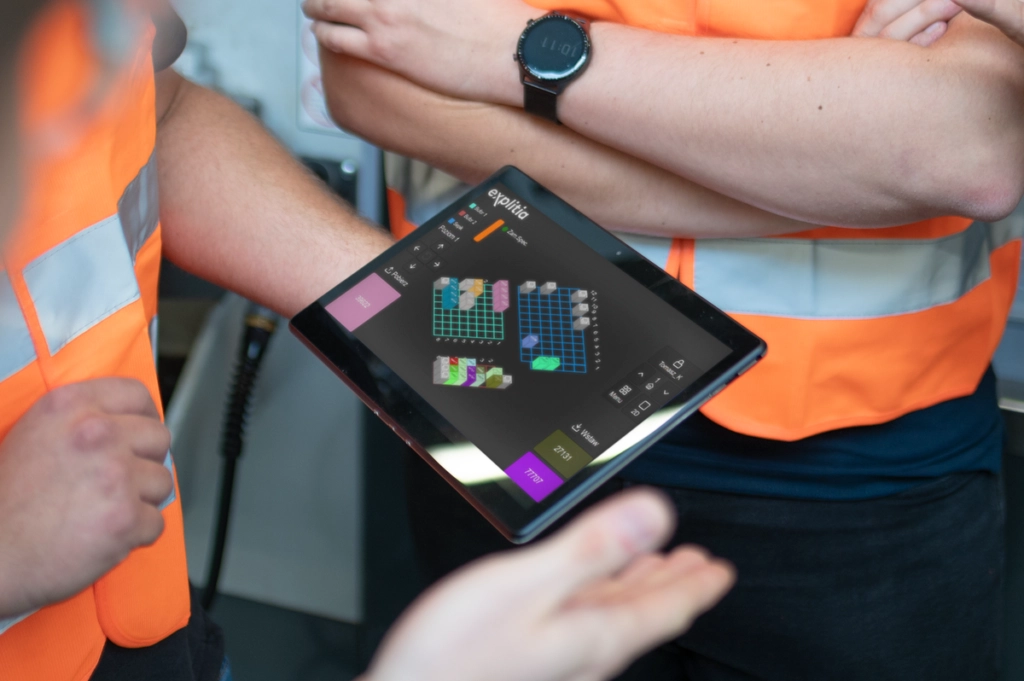
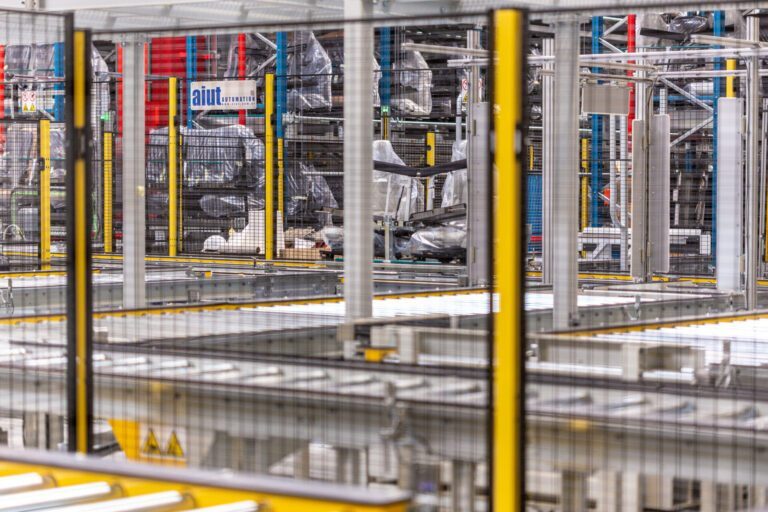
Traffic Buffer Diagram (PDF) Longitudinal and lateral buffer spaces in a road work zone.
Airside Buffer Zone Example:
Clear zone between taxiways and runways, as required by ICAO Annex 14 (diagram not shown).
Legal & Compliance Notes
Buffer zones and buffer storage must strictly comply with all applicable regulations (ICAO, FAA, EASA, DOT, AASHTO, OSHA, EPA, local fire codes). Prohibitions include storage, unauthorized activity, or equipment placement in designated buffer areas unless specifically allowed. Regular monitoring, documentation, and staff training are required to maintain compliance and avoid fines or operational restrictions.
Summary
A buffer, whether as a separation zone or temporary storage, is a vital tool for safety, efficiency, and compliance in logistics, aviation, industry, traffic management, and environmental protection. Effective buffer design, management, and digital integration deliver operational resilience, regulatory adherence, and ongoing process improvement.
Frequently Asked Questions
- What is a buffer zone?
- A buffer zone is a designated area that separates two spaces, processes, or hazards to reduce risk and ensure safety. Buffer zones are widely used in logistics, aviation, traffic management, manufacturing, and environmental protection to prevent interference, accidents, or contamination. Their dimensions and features are determined by technical standards such as ICAO, DOT, or environmental regulations.
- How does buffer storage work in a warehouse?
- Buffer storage is a temporary holding area for goods, parts, or materials, used to balance fluctuations between supply and demand or production steps. It helps prevent bottlenecks, supports lean inventory practices, and is often managed with digital systems (WMS, AS/RS) for optimum efficiency and traceability.
- What regulations apply to buffer zones and storage?
- Buffer zones and buffer storage are regulated by authorities such as ICAO, FAA, EASA (aviation), MUTCD, DOT, AASHTO (traffic), OSHA, ISO (industrial), and EPA or local environmental agencies. Regulations specify minimum dimensions, prohibited activities, safety features, and monitoring requirements depending on application.
- What are the main benefits of buffer areas?
- Buffers enhance safety, streamline operations, ensure compliance, protect the environment, and provide supply chain resilience. They reduce accident risk, allow flexible workflows, minimize downtime, and help organizations quickly respond to changes or disruptions.
- How are buffer zones and storage areas optimized?
- Optimization involves correct sizing based on data, automation (WMS, MES, AS/RS), real-time tracking, regular audits, and adherence to regulations. Lean and agile practices, demand forecasting, and continuous improvement help ensure buffers provide maximum value without excess cost or wasted space.
This is a reference entry. TarmacView provides drone inspection services and doesn't sell the equipment or materials described in this glossary.