What is a CAT I (Category I) Precision Approach?
Category I (CAT I) Precision Approach: An Overview
A Category I (CAT I) precision approach is a type of instrument approach and landing operation in aviation, providing both lateral and vertical guidance via ground-based or satellite-based navigation aids. The hallmark of CAT I is a decision height (DH) of not less than 200 feet (60 meters) above the runway touchdown zone and a minimum runway visual range (RVR) of 550 meters (1,800 feet), or, if RVR is not available, a visibility of at least 800 meters (2,600 feet). CAT I approaches enable aircraft to land safely in moderately reduced visibility, ensuring operational continuity at major airports.
CAT I approaches are typically conducted using the Instrument Landing System (ILS), but may also use other certified systems such as Microwave Landing System (MLS), Ground-Based Augmentation System (GBAS/GLS), Satellite-Based Augmentation System (SBAS) with Localizer Performance with Vertical Guidance (LPV), and, in certain cases, Precision Approach Radar (PAR). The approach system must meet stringent accuracy and reliability standards established by ICAO, FAA, EASA, and other regulatory bodies.
Classification of Precision Approach Operations
Precision approach operations are categorized by the lowest authorized minima, the decision height (DH) and runway visual range (RVR):
| Category | Decision Height (DH) | Runway Visual Range (RVR) | Visibility (if no RVR) |
|---|---|---|---|
| CAT I | ≥ 200 ft (60 m) | ≥ 550 m (1,800 ft) | ≥ 800 m (2,600 ft) |
| CAT II | 100–200 ft (30–60 m) | ≥ 300 m (1,000 ft) | – |
| CAT IIIA | < 100 ft (30 m) or none | ≥ 175 m (575 ft) | – |
| CAT IIIB | < 50 ft (15 m) or none | 50–175 m (165–575 ft) | – |
| CAT IIIC | None | No limitation | – |
- CAT I is the most widely implemented, requiring less infrastructure and fewer airborne systems compared to CAT II/III.
- CAT II/III allow for operations in lower visibility but need advanced ground systems, redundant avionics, and specialized crew and operator approval.
Guidance and Navigation Systems for CAT I
The backbone of CAT I operations is the Instrument Landing System (ILS), providing:
- Localizer (lateral guidance)
- Glide slope (vertical guidance)
- Marker beacons (optional, for range)
- Approach lighting systems (visual transition)
Other certified systems include:
- Microwave Landing System (MLS): Uses microwave signals, suitable for complex airport environments.
- Ground-Based Augmentation System (GBAS/GLS): Differential GPS corrections for high-precision approaches.
- Satellite-Based Augmentation System (SBAS/LPV): GNSS-based with vertical guidance, increasingly approved for CAT I minima.
- Precision Approach Radar (PAR): Controller-provided guidance, mainly in military or select civil applications.
All systems must comply with ICAO Annex 10 standards for signal accuracy, integrity, and monitoring.
Decision Height (DH) in CAT I Approaches
Decision Height (DH) is the specified vertical distance (not less than 200 feet for CAT I) above the runway touchdown zone at which pilots must decide to continue the approach or execute a missed approach. For CAT I, DH is determined by a barometric altimeter set to local QNH.
- At DH: If the necessary visual reference is not established, the pilot must initiate the missed approach immediately.
- Higher minima: DH may be set higher than 200 ft if local obstacles, terrain, or other factors dictate.
Runway Visual Range (RVR) and Visibility Requirements
Runway Visual Range (RVR) is the measured distance over which a pilot on the centerline can see runway markings or lights. For CAT I:
- Minimum RVR: 550 meters (1,800 feet)
- If RVR not available: Visibility must be at least 800 meters (2,600 feet)
- Measurement: Ground-based transmissometers or scatter meters at various runway points
RVR is reported in real time and is preferred over general meteorological visibility for approach and landing minima.
Visual References Required to Continue Approach
At the decision height, pilots must see at least one of these visual references to continue the approach:
- Runway threshold, markings, or lights
- Runway end identifier lights (REILs)
- Touchdown zone or markings/lights
- Runway itself (surface markings and lighting)
- Approach lighting system (ALSF-1, MALSR, etc.)
If these references are not visible, the approach cannot proceed below DH.
Missed Approach Procedure in CAT I Approaches
A missed approach is a predefined maneuver ensuring obstacle clearance if landing is not possible:
- Initiation: Immediately at DH if visual reference is not established
- Procedure: Apply go-around power, reconfigure aircraft, follow published headings and altitude, and contact ATC
- Design: Tailored for each runway, considering terrain, obstacles, and airspace
Strict adherence to missed approach procedures is critical for safety.
Airfield and Approach Lighting for CAT I Operations
Essential lighting systems for CAT I include:
- High-Intensity Runway Lights (HIRL): White edge lights, yellow caution zone
- Threshold/End Lighting: Green (threshold), red (runway end)
- Runway Edge Identifier Lights (REILs): Flashing threshold lights
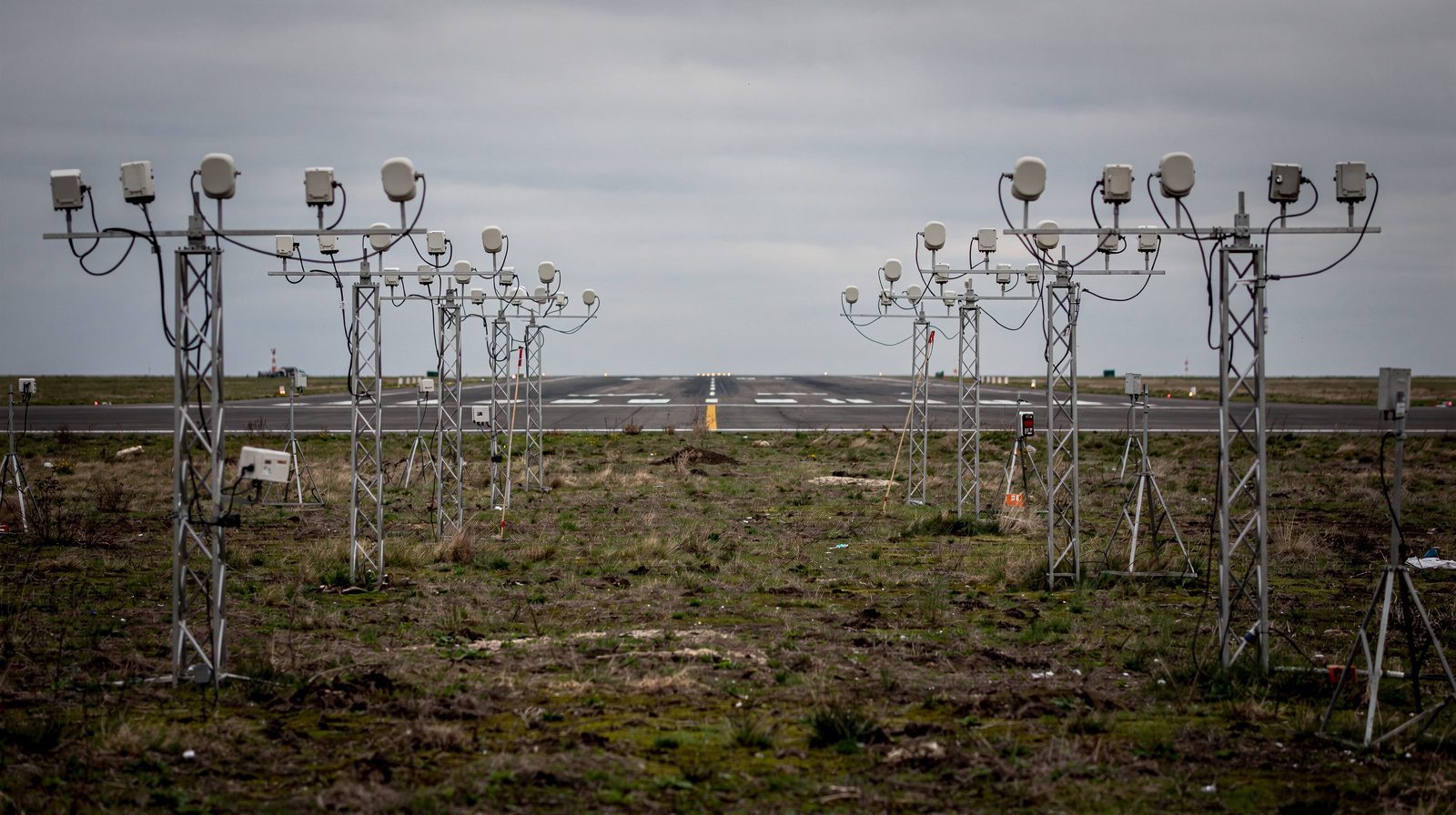
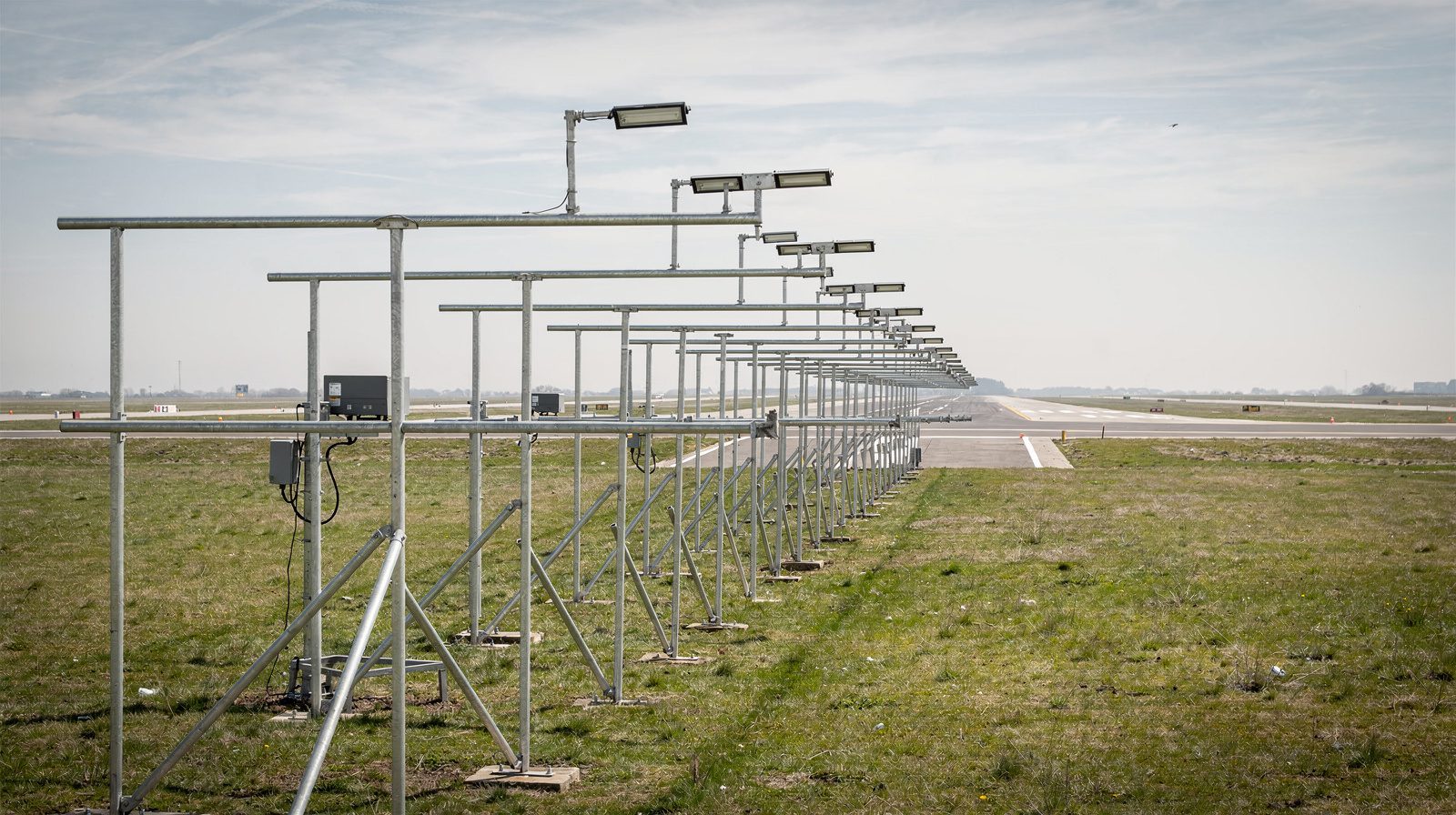
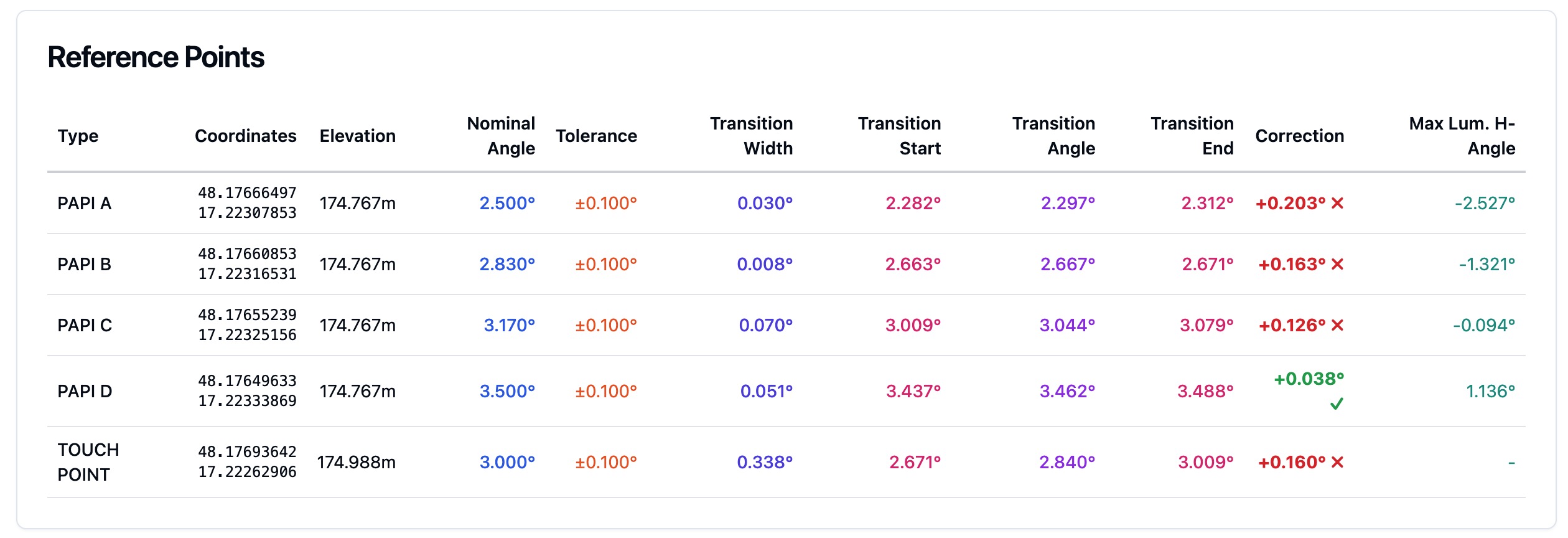
- Precision Approach Path Indicators (PAPIs): Visual glide slope confirmation
- Approach Lighting Systems: MALSR, SSALR, ALSF-1/2 for visual alignment and distance cues
- Taxiway Lighting: Blue edge lights
All systems must comply with ICAO Annex 14 and local requirements.
Aircraft and Avionics Requirements for CAT I Approaches
Aircraft need:
- Certified ILS or GNSS/LPV receivers
- Barometric altimeter for DH reference
- (Recommended) Flight director or autopilot for precise approach tracking
Flight crews must be instrument rated and current, and operators must have documented CAT I procedures and regular training.
Operational Use and Procedures of CAT I Approaches
CAT I is the default precision approach at most IFR airports, used by airlines, business jets, and general aviation. The approach sequence:
- Approach begins at Initial Approach Fix
- Proceeds via intermediate and final segments
- Transitions to visual at or above DH
- If no visual reference at DH, execute missed approach
CAT I procedures are foundational for instrument pilot training and checking.
Regulatory Basis and International Harmonization
CAT I standards are defined by:
- ICAO: Annex 6 (Operation of Aircraft), Annex 10 (Aeronautical Telecommunications), Annex 14 (Aerodromes)
- FAA: 14 CFR Part 97, Order 8400.13E
- EASA: AIR OPS, Regulation (EU) No 965/2012
Global harmonization ensures consistent safety and operational standards, with minor local differences in units or reporting.
Special Cases and Operational Notes
- Special Authorization (SA) CAT I: In the US, approved operators may use lower minima (e.g., DH 150 ft, RVR 1,400 ft) with additional requirements.
- Higher minima: Some airports may publish higher DH due to obstacles or technical constraints.
- LPV approaches: GNSS-based LPV may be certified for CAT I minima, expanding access at airports lacking ILS.
Glossary of Key Terms
- Precision Approach: An instrument approach procedure with lateral and vertical guidance to a runway with defined minima.
- Decision Height (DH): Height above touchdown zone where pilot decides to land or go around.
- Decision Altitude (DA): Equivalent to DH, but referenced to mean sea level.
- Runway Visual Range (RVR): Distance a pilot can see runway markings/lights from centerline.
- Instrument Landing System (ILS): Ground-based system for precision lateral and vertical guidance.
- Minimum Descent Altitude/Height (MDA/H): Lowest altitude/height on a non-precision approach.
Summary
CAT I approaches are critical for safe, reliable operations at airports in moderate low-visibility conditions. They balance accessibility, safety, and infrastructure requirements, underpinning global air transport regularity and forming the core of instrument approach capability for commercial and general aviation alike.
Frequently Asked Questions
- What is a CAT I precision approach?
- A CAT I (Category I) precision approach is an instrument landing operation that provides lateral and vertical guidance to an aircraft with a decision height not lower than 200 feet (60 meters) and a minimum runway visual range (RVR) of 550 meters (1,800 feet). It is typically enabled by ILS or certified GNSS-based systems and is the most common precision approach standard worldwide.
- What navigation aids are used for CAT I approaches?
- The most common navigation aid is the Instrument Landing System (ILS), but CAT I approaches may also use Microwave Landing System (MLS), Ground-Based Augmentation System (GBAS/GLS), Satellite-Based Augmentation System (SBAS) with LPV, and, in some cases, Precision Approach Radar (PAR). All systems must meet ICAO standards for accuracy and reliability.
- What is the decision height (DH) for CAT I?
- The decision height (DH) for CAT I precision approaches is not lower than 200 feet (60 meters) above the runway touchdown zone elevation. Pilots must decide at this height whether to continue the approach if the required visual reference is established, or to execute a missed approach if not.
- What visual references are required to land during a CAT I approach?
- At the decision height, the pilot must see and identify at least one of the following: runway threshold, threshold markings or lights, runway end identifier lights, touchdown zone or markings/lights, or the runway itself with its markings and lighting. Without these references, the approach cannot continue below DH.
- How does CAT I differ from CAT II and CAT III approaches?
- CAT I has the highest decision height and visibility requirements among precision approaches, requiring less complex infrastructure and equipment compared to CAT II/III. CAT II and III allow operations in lower visibility and at lower decision heights, but require more advanced avionics, ground systems, and crew training.
- What happens if visual reference is not obtained at DH during CAT I?
- If the required visual reference is not obtained at or before reaching DH, the flight crew must immediately execute the published missed approach procedure to ensure obstacle clearance and safety.
This is a reference entry. TarmacView provides drone inspection services and doesn't sell the equipment or materials described in this glossary.