What is a CAT II (Category II) Precision Approach?
CAT II (Category II) Precision Approach – Aviation Operations Glossary
Definition and Context
A CAT II (Category II) precision approach is an advanced instrument landing procedure designed for aircraft operations in low-visibility conditions. Defined by the International Civil Aviation Organization (ICAO), a CAT II approach provides both lateral and vertical guidance to the pilot, supporting safe landings when natural visual cues are insufficient. The hallmark of CAT II is a decision height (DH) lower than 200 feet but not lower than 100 feet above the runway threshold, combined with a runway visual range (RVR) of no less than 300 meters.
CAT II bridges the operational gap between basic CAT I approaches, which have higher minima and less demanding requirements, and the highly sophisticated CAT III procedures, which allow for landings in near-zero visibility. By enabling landings during periods of fog, heavy precipitation, or low cloud ceilings, CAT II approaches are vital for major commercial airports, cargo hubs, and business aviation operators seeking to maintain schedule reliability and minimize weather-related disruptions.
Successful CAT II operations depend on strict compliance with technical, operational, and regulatory standards. Both the aircraft and crew must be specifically certified, the airport must provide high-integrity navigation aids and lighting, and real-time RVR data must be available. This ensures that CAT II approaches are conducted safely, even in adverse meteorological conditions.
CAT II Minima and Precision Approach Categories
Precision approach categories are defined by the minimum DH and RVR permitted. The following table summarizes the key differences:
| Category | Decision Height (DH) | Runway Visual Range (RVR) |
|---|---|---|
| CAT I | ≥ 200 ft (60 m) | ≥ 550 m |
| CAT II | < 200 ft (60 m), ≥ 100 ft (30 m) | ≥ 300 m |
| CAT IIIA | < 100 ft (30 m) or none | ≥ 175 m |
| CAT IIIB | < 50 ft (15 m) or none | 50–175 m |
| CAT IIIC | No DH | No RVR limitation |
CAT II approaches require more advanced technology and pilot training than CAT I, but are less demanding than CAT III, which can allow landings even when no visual reference is available.
Regulatory Framework
International Standards
ICAO’s Annex 6 (Operation of Aircraft) and Annex 14 (Aerodromes) establish the global requirements for CAT II approaches, including:
- DH: Lower than 200 ft but not lower than 100 ft
- RVR: Not less than 300 meters
- Use of radio altimeter for DH determination
- Real-time RVR reporting
National Regulations
- United States (FAA): Governed by 14 CFR Parts 91, 97, 135, and Advisory Circular AC 91-16. Requires both aircraft and crew certification, operational manuals, and maintenance programs.
- Europe (EASA): EASA Air Operations Regulation mirrors ICAO with similar minima and approval processes, operator-specific approvals and ongoing oversight are required.
These frameworks ensure that only qualified operators, trained crews, and properly equipped aircraft and airports conduct CAT II approaches.
Ground-Based Navigation and Lighting Requirements
To support CAT II operations, airports must be equipped with:
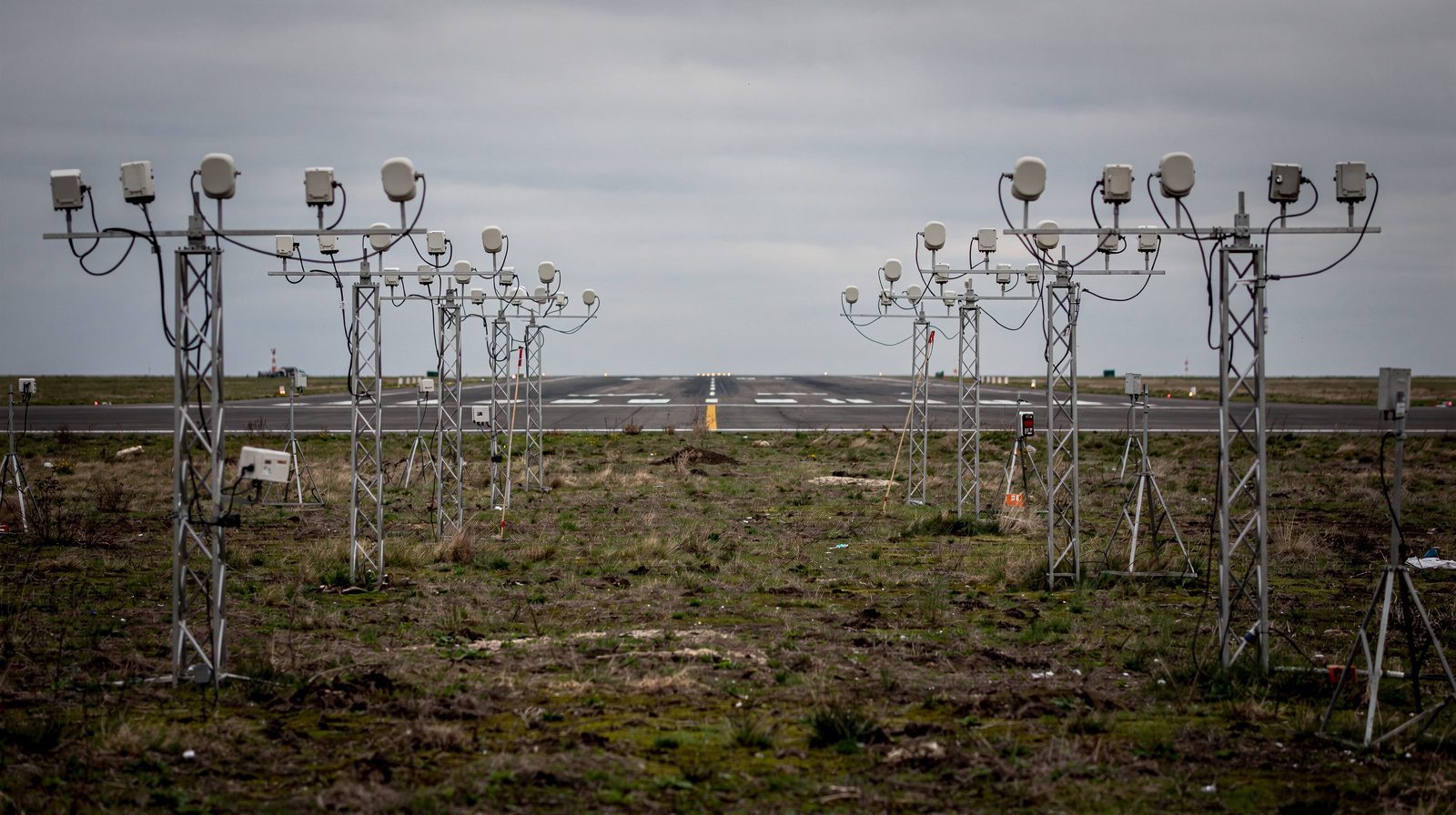
- Certified Instrument Landing System (ILS): Provides precise lateral (localizer) and vertical (glideslope) guidance with enhanced accuracy and integrity monitoring.
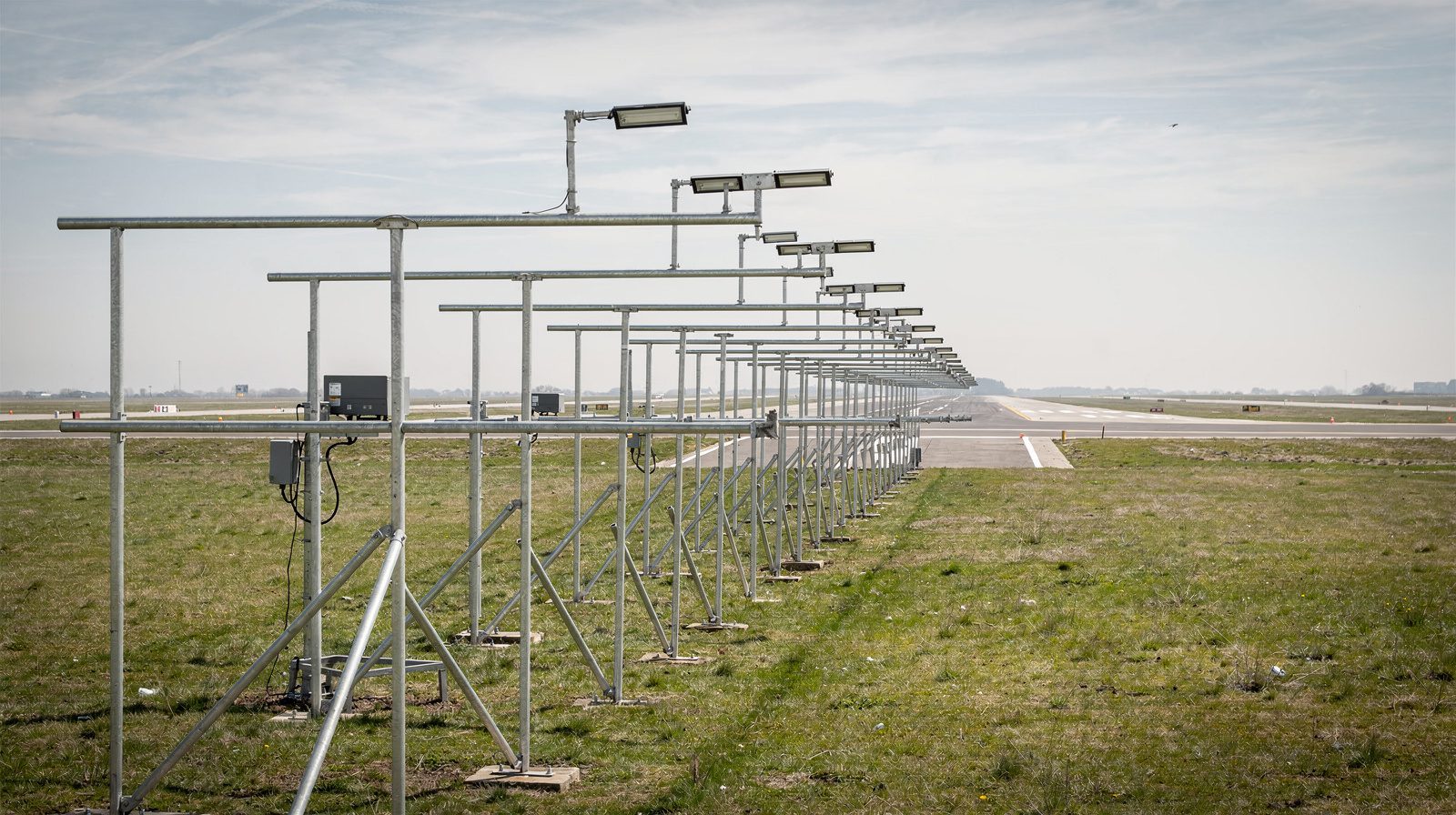
- High-intensity lighting systems: Including runway edge, touchdown zone, centerline, and approach lighting (ALSF-1/2), crucial for pilots to acquire the visual cues needed to complete the landing from DH.
- Runway Visual Range (RVR) measurement: Achieved via transmissometers or forward-scatter meters at multiple runway points (touchdown, midpoint, rollout), delivering real-time visibility data to pilots.
All systems must be continuously monitored and maintained, with immediate notification and suspension of CAT II operations if any critical system fails or degrades.
Airborne Equipment Requirements
Aircraft authorized for CAT II approaches must have:
- CAT II-certified ILS receiver: High-precision tracking and signal integrity.
- Flight Control Guidance System (autopilot/flight director): Approved for CAT II, often with dual-channel redundancy.
- Radio altimeter: For accurate height-above-terrain measurement at DH, with audio/visual alerts.
- Redundant flight instruments: Ensures reliability in case of system failure.
- Warning and failure annunciation: Immediate alerts for system degradation or faults.
- Heated pitot tubes and alternate static sources: Maintain air data reliability in adverse weather.
All equipment is subject to rigorous certification, regular functional checks, and prompt maintenance to ensure operational readiness.
Pilot Qualification and Training
Pilots must gain special CAT II authorization through:
- Ground and simulator training: Covering CAT II theory, procedures, equipment use, and emergency handling.
- Practical checkrides: Demonstrating correct execution, use of equipment, and decision-making at DH.
- Recent experience: Regular completion of CAT II approaches under actual or simulated conditions.
- Second-in-command qualification: Both pilots must be trained and current, unless single-pilot CAT II operation is specifically approved.
Ongoing recurrent training and proficiency checks are mandatory to retain CAT II privileges.
Operator and Aircraft Approval
Operators must submit to their regulatory authority:
- Operations manual: Detailing CAT II-specific procedures, checklists, and emergency protocols.
- Maintenance program: Defined inspection and testing cycles for all CAT II-related equipment.
- Crew qualification records: Proof of training, checkrides, and recent experience.
- Equipment demonstration: If required, a series of observed CAT II approaches to validate system performance and procedural compliance.
Approval is only granted after thorough documentation and practical demonstration of safe CAT II operations, with continued oversight and periodic revalidation.
Operational Procedures and Safety
A CAT II approach involves:
- Pre-approach briefing: Reviewing weather, equipment status, and missed approach plans.
- Stabilized approach: Strict adherence to localizer and glideslope using autopilot/flight director.
- Decision at DH: If required visual cues are visible, land, if not, initiate a missed approach.
- Continuous monitoring: Both pilots (or pilot and monitoring system) monitor all critical systems throughout the approach.
- Fallback procedures: Any system failure requires reverting to higher minima or executing a missed approach.
These procedures, combined with equipment redundancy and rigorous crew training, minimize risks such as controlled flight into terrain (CFIT) and runway excursions.
Comparative Analysis: CAT I vs. CAT II vs. CAT III
| Feature | CAT I | CAT II | CAT III (A/B/C) |
|---|---|---|---|
| Decision Height (DH) | ≥ 200 ft | 100–200 ft | < 100 ft (A), < 50 ft (B), none (C) |
| Minimum RVR | ≥ 550 m | ≥ 300 m | 175 m (A), 50 m (B), none (C) |
| Radio Altimeter | Not required | Required | Required |
| Autopilot/Flight Director | Not required | Required | Required (higher redundancy) |
| Crew Authorization | Instrument rating | Additional CAT II | CAT III-specific |
| Equipment Redundancy | Standard IFR | Enhanced | Maximum redundancy |
| Typical Use Cases | Most airports | Major airports, low vis | Major airports, very low vis |
Use Cases and Examples
- Scheduled Airlines: Major hubs like London Heathrow, Frankfurt, and Chicago O’Hare rely on CAT II approaches to maintain traffic flow during fog or poor weather, reducing delays and diversions.
- Business Aviation: Operators serving airports prone to sudden weather changes (e.g., Teterboro, Paris Le Bourget) use CAT II to ensure clients’ schedules and safety.
- Cargo/Freight: Time-critical operations (overnight delivery) utilize CAT II-enabled airports and aircraft to minimize weather-related disruptions.
Summary
A CAT II (Category II) precision approach is a cornerstone of modern aviation, enabling safe, reliable landings in conditions that would otherwise preclude visual approaches. It requires a synergy of advanced airport infrastructure, certified aircraft equipment, and specially trained crews, all governed by stringent international and national regulations. As weather unpredictability and airport congestion increase, CAT II approaches play an ever more vital role in the efficiency and safety of global air transport.
For further reading, see related glossary entries on Instrument Landing System (ILS), Runway Visual Range (RVR), and Decision Height (DH).
If you have additional questions or need support with CAT II implementation, contact our aviation experts or schedule a consultation .
Frequently Asked Questions
- What is the difference between CAT I, CAT II, and CAT III approaches?
- The main differences lie in the decision height (DH) and runway visual range (RVR) required for each category. CAT I allows approaches down to 200 feet DH and 550 meters RVR, requiring only basic ILS and standard pilot qualifications. CAT II lowers the DH to between 100 and 200 feet and RVR to 300 meters, requiring enhanced equipment and crew training. CAT III allows for landings with even lower DH and RVR, in some cases permitting landings when visual reference is almost nonexistent, necessitating the most advanced systems and stringent operational controls.
- What equipment is required for a CAT II approach?
- Both the aircraft and the airport must be equipped with certified systems. On the ground, this includes a high-integrity Instrument Landing System (ILS), advanced runway lighting (such as touchdown zone, centerline, and approach lights), and real-time Runway Visual Range (RVR) measurement. In the aircraft, required systems include a CAT II-certified ILS receiver, radio altimeter, flight director or autopilot with approach coupling, redundant flight instruments, and warning/failure annunciations. All equipment must be regularly checked and maintained.
- What special pilot training is required for CAT II operations?
- Pilots must complete specialized ground school, simulator, and in-aircraft training focused on CAT II procedures, human factors, and emergency scenarios. They must demonstrate proficiency in conducting CAT II approaches, including proper use of avionics and adherence to operational minima. Ongoing recurrent training and recent experience are required to maintain authorization.
- How do airports qualify for CAT II approaches?
- Airports must install and maintain advanced ILS equipment, high-intensity lighting systems, and certified RVR measurement devices. The systems must meet ICAO and national authority standards for accuracy, redundancy, and fail-safety. Regular inspections, flight checks, and maintenance are required to ensure continued compliance, and any critical system failure results in suspension of CAT II operations until resolved.
- What happens if required equipment fails during a CAT II approach?
- If any critical equipment, either airborne or ground-based, fails during a CAT II approach, the crew must immediately discontinue the approach and execute a missed approach procedure. If the failure occurs before reaching decision height, the approach may be continued using higher (CAT I) minima if permitted and conditions allow, otherwise a diversion may be necessary.
This is a reference entry. TarmacView provides drone inspection services and doesn't sell the equipment or materials described in this glossary.