What is a CAT III (Category III) Precision Approach?
What Is a CAT III Precision Approach?
A Category III (CAT III) precision approach is the highest level of precision instrument approach procedure in civil aviation. It enables aircraft to land safely during extremely poor visibility, specifically, when the decision height (DH) is less than 100 feet above the runway, or in some cases, when no DH is specified at all. In such conditions, pilots may not see the runway until just before touchdown, or, for no-DH procedures, not until after landing.
CAT III approaches represent the pinnacle of aviation safety technology and operational sophistication, integrating:
- Advanced airborne automation: dual/triple autopilots, dual Instrument Landing System (ILS) receivers, autoland, autothrottle, radio altimeter, and fail-operational control systems.
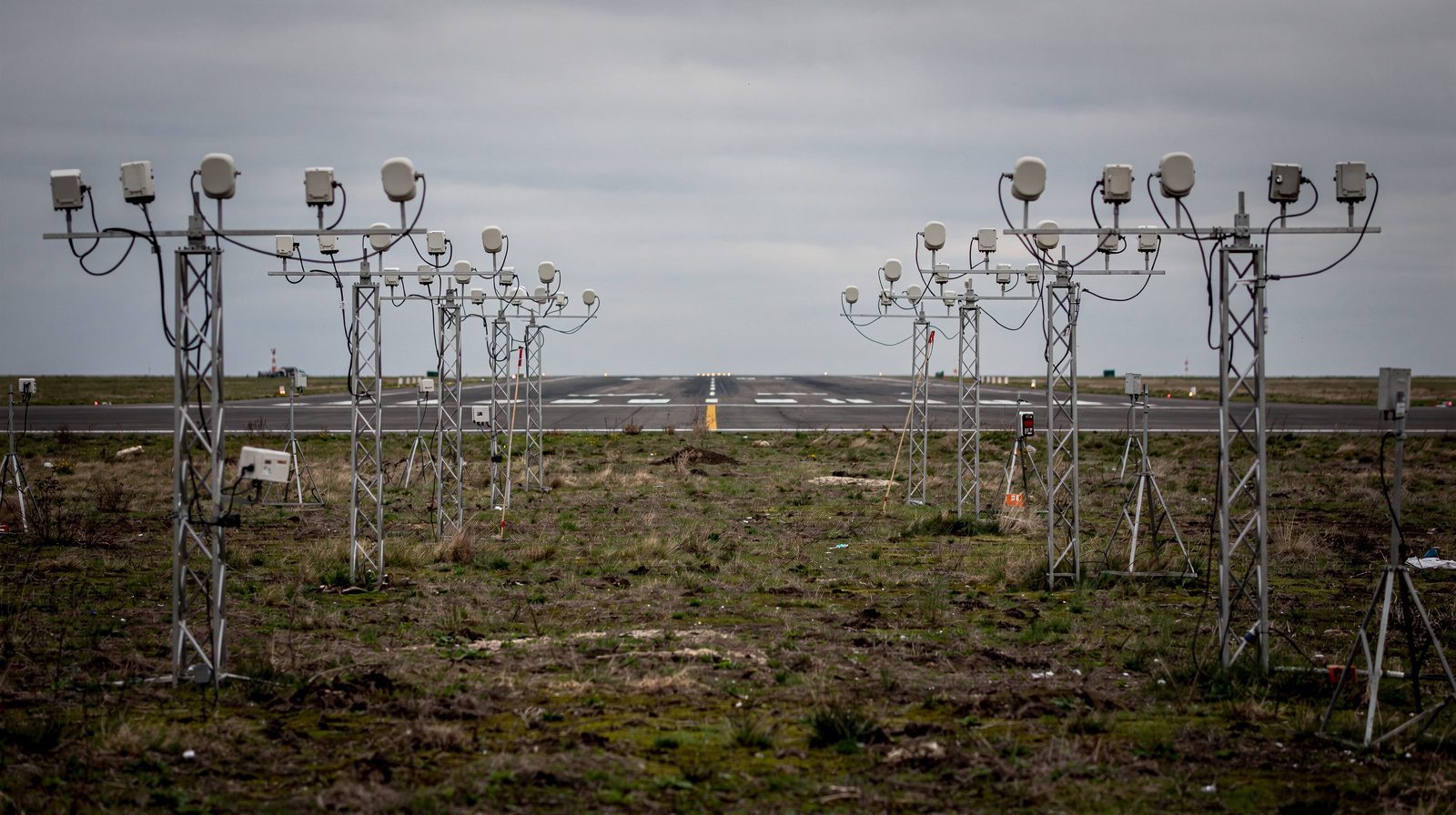
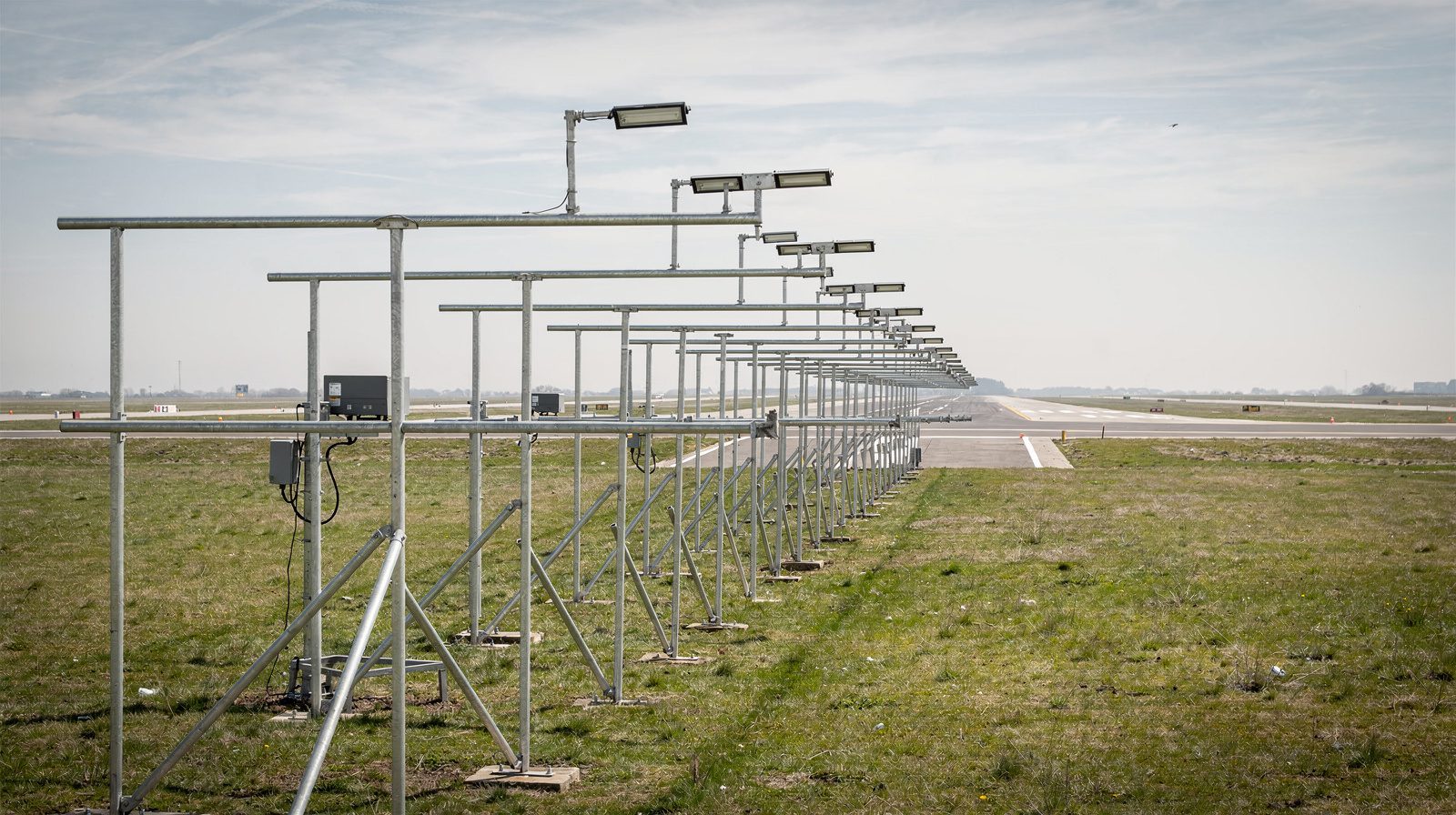
- Specialized airport infrastructure: certified ILS ground stations, high-intensity approach and runway lighting, real-time Runway Visual Range (RVR) sensors, and backup power.
- Rigorous training and certification: for both flight crews and operators, with strict regulatory oversight.
These approaches are essential for maintaining airport capacity, minimizing delays, and ensuring safety at major international hubs affected by frequent fog, snow, or rain.
Regulatory Context and CAT III Subcategories
Both the Federal Aviation Administration (FAA) and the International Civil Aviation Organization (ICAO) define CAT III as a precision approach with a DH under 100 feet or none at all and/or RVR below 1,000 feet (300 meters). ICAO further divides Category III into three subcategories:
| Category | Decision Height (DH) | Runway Visual Range (RVR) | Typical Use |
|---|---|---|---|
| CAT IIIA | <100 ft or no DH | ≥700 ft (200 m) | Most commercial jets |
| CAT IIIB | <50 ft or no DH | <700 ft, but ≥150 ft (50 m) | Advanced autoland, fail-op |
| CAT IIIC | No DH | No RVR limitation | Full automation (not in use) |
Note: CAT IIIC is not practically used due to the lack of safe taxiing solutions in zero visibility, despite being defined in standards.
How Is CAT III Used in Operations?
Purpose and Context
CAT III approaches are used to maintain safe and reliable flight operations when weather causes visibility to drop below the minimums for conventional (CAT I or II) approaches. This is most critical at busy international airports where even brief weather disruptions can lead to widespread delays and diversions.
CAT III is typically employed by:
- Major airlines operating large jets with certified systems
- Airports equipped with specialized infrastructure
- Special mission flights (e.g., medical, government) requiring high operational reliability
Example Use Cases
Airline Operations in Dense Fog
An Airbus A350 inbound to Frankfurt during a fog event is cleared for a CAT IIIA approach. With an RVR of 800 feet, both autopilots and autoland are engaged. Visual contact with the runway is only acquired after touchdown.Emergency Medical Flight
An air ambulance must land in low visibility at a hospital-served airport. CAT III capability ensures the mission proceeds safely and on schedule, even in thick fog.Weather-Resilient Hubs
Airports like London Heathrow or Paris CDG routinely use CAT III to sustain high traffic volumes during adverse weather, minimizing schedule disruptions.
Operational Requirements for CAT III Approaches
Aircraft and Airborne Systems
To conduct CAT III approaches, an aircraft must have:
- Redundant autopilot systems (dual or triple)
- Dual ILS receivers for lateral/vertical guidance
- Autoland and autothrottle for automated approach, landing, and rollout
- Radio altimeter for precise height measurement
- Automatic rollout control (for CAT IIIB and above)
- Annunciation/alerting systems to monitor system status
Advanced features such as Head-Up Displays (HUDs) or Enhanced Vision Systems (EVS) may be used for added situational awareness but are not mandatory.
Ground and Airport Infrastructure
The airport must provide:
- Certified ILS (localizer and glideslope, with redundancy)
- Runway Visual Range (RVR) sensors at touchdown, midpoint, and rollout
- High-intensity approach lighting systems (e.g., ALSF-2)
- Runway centerline and touchdown zone lighting
- Backup power for all critical systems
All equipment must be monitored and maintained to rigorous standards to guarantee availability and reliability.
Crew Qualification and Training
Only crews who:
- Hold special CAT III qualifications and ratings
- Complete initial and recurrent simulator training (covering normal, abnormal, and emergency scenarios)
- Undergo regular line checks and proficiency assessments
are authorized to perform CAT III approaches.
Operator and Regulatory Approval
Operators must:
- Obtain specific approval from the national aviation authority
- Maintain compliance through audits, recurrent training, and operational oversight
- Document procedures and authorizations in Operations Specifications (Ops Specs)
Key Concepts and Terms
Decision Height (DH)
A specified height above the runway at which the pilot must decide to land or go around. For CAT IIIA, DH is <100 ft, for CAT IIIB, <50 ft, for CAT IIIC, there is no DH.
Runway Visual Range (RVR)
A real-time, instrument-measured value of visibility along the runway. RVR is the primary criterion for determining if a CAT III approach may be initiated or continued.
Autoland
A highly integrated automation system that guides the aircraft from approach through flare, touchdown, and rollout, without manual pilot input.
Fail-Passive and Fail-Operational
- Fail-passive: On failure, autopilot disengages, pilot assumes manual control (CAT IIIA).
- Fail-operational: On failure, approach and landing continue automatically (required for CAT IIIB and above).
Alert Height (AH)
A predetermined radio altimeter height (typically 200 ft) below which any system failure requires a go-around.
Stepwise CAT III Procedure Example
- Pre-Approach: Confirm aircraft and airport CAT III certification, check RVR is above minima, verify system status.
- Initial Approach: Engage autopilot and arm autoland, monitor ILS and system health.
- Final Approach: Cross-check at Alert Height (e.g., 200 ft), any system anomaly triggers a go-around.
- Below DH/No DH: Autoland controls aircraft to touchdown and rollout, pilots monitor, ready to intervene if needed.
- Rollout: Automatic system maintains centerline and brakes, crew monitors for deviations.
- Taxi: Use low-visibility taxi procedures, sometimes with electronic guidance or follow-me vehicles.
Practical Considerations and Limitations
- CAT III approaches require full functionality of systems, any failure may necessitate aborting the approach.
- Weather/RVR must remain above minima throughout the approach and landing.
- CAT IIIC is not used operationally due to taxiing safety limitations in zero visibility.
- Detailed go-around and contingency procedures are in place for any system or weather failure.
Real-World Examples
Example 1: CAT IIIA at London Heathrow
A B777 lands in thick fog using autoland, pilots gain visual contact with the runway only after touchdown.
Example 2: CAT IIIB at Frankfurt
An A320 lands with an RVR of 200 feet, the crew relies entirely on fail-operational automation, acquiring visual cues only after rollout.
Example 3: CAT IIIC (Theoretical)
Regulations define CAT IIIC for zero-visibility landing and rollout, but it is not operationally used due to taxi safety concerns.
Glossary of Related Terms
- Airborne Systems: All aircraft equipment required for CAT III, such as autopilots, ILS receivers, and autoland.
- Alert Height (AH): Height below which failures require a go-around.
- Autoland: Automation for approach, flare, touchdown, and rollout.
- Decision Height (DH): The altitude for go/no-go decisions on landing.
- Fail-Operational: Systems that continue automatically after a single failure.
- Fail-Passive: Systems that disengage on failure, allowing manual takeover.
- ILS (Instrument Landing System): Ground-based navigation for approach and landing.
- Operations Specifications: Regulatory documents detailing operator authorizations.
- RVR (Runway Visual Range): Measured visibility along a runway.
- Touchdown Zone: Initial runway segment for landing.
- Visibility Conditions: Weather and RVR requirements for safe landing.
Related Resources
Summary
CAT III precision approaches are crucial for ensuring safe, reliable, and efficient commercial aviation operations in low-visibility conditions. They rely on advanced automation, certified infrastructure, and rigorous training, enabling airlines and airports to maintain schedules and safety standards even in the most challenging weather.
If your operation or airport is considering CAT III implementation, ensure comprehensive planning for equipment, infrastructure, training, and regulatory approval.
For more on aviation safety and technology, explore our detailed aviation glossary .
Frequently Asked Questions
- What is a CAT III precision approach in aviation?
- A CAT III precision approach is an advanced instrument landing procedure that permits aircraft to land in extremely poor visibility conditions, with decision heights below 100 feet or even no specified decision height. This is made possible by sophisticated onboard systems, airport infrastructure, and specialized crew training.
- What are the differences between CAT IIIA, CAT IIIB, and CAT IIIC approaches?
- CAT IIIA allows landing with a decision height below 100 feet or no DH and RVR not less than 700 feet. CAT IIIB permits landing with a decision height below 50 feet or no DH and RVR as low as 150 feet. CAT IIIC, defined in regulations, theoretically allows landing and rollout in zero visibility with no DH or RVR requirement, but it is not currently authorized in operational use due to taxi safety limitations.
- What equipment is required for CAT III operations?
- Aircraft must have redundant autopilots, dual ILS receivers, autothrottle, radio altimeter, and autoland systems for CAT III approaches. Airports must provide certified ILS, high-intensity lighting, and real-time RVR measurement. Both aircraft and airport infrastructure must be certified for CAT III operations.
- Who can perform CAT III approaches?
- Only crews and operators specifically trained and authorized by their national aviation authority can conduct CAT III approaches. They must meet strict regulatory, training, and proficiency requirements, and use certified aircraft and airports.
- Why is CAT III important for airlines and airports?
- CAT III operations allow airlines and airports to maintain flight schedules and minimize weather-related delays or diversions during periods of low visibility, such as fog or heavy precipitation. This capability is crucial for major international hubs and airlines operating in challenging climates.
This is a reference entry. TarmacView provides drone inspection services and doesn't sell the equipment or materials described in this glossary.