What is Cold In-Place Recycling (CIR) of Asphalt Pavements?
Cold In-Place Recycling (CIR) of Asphalt Pavements
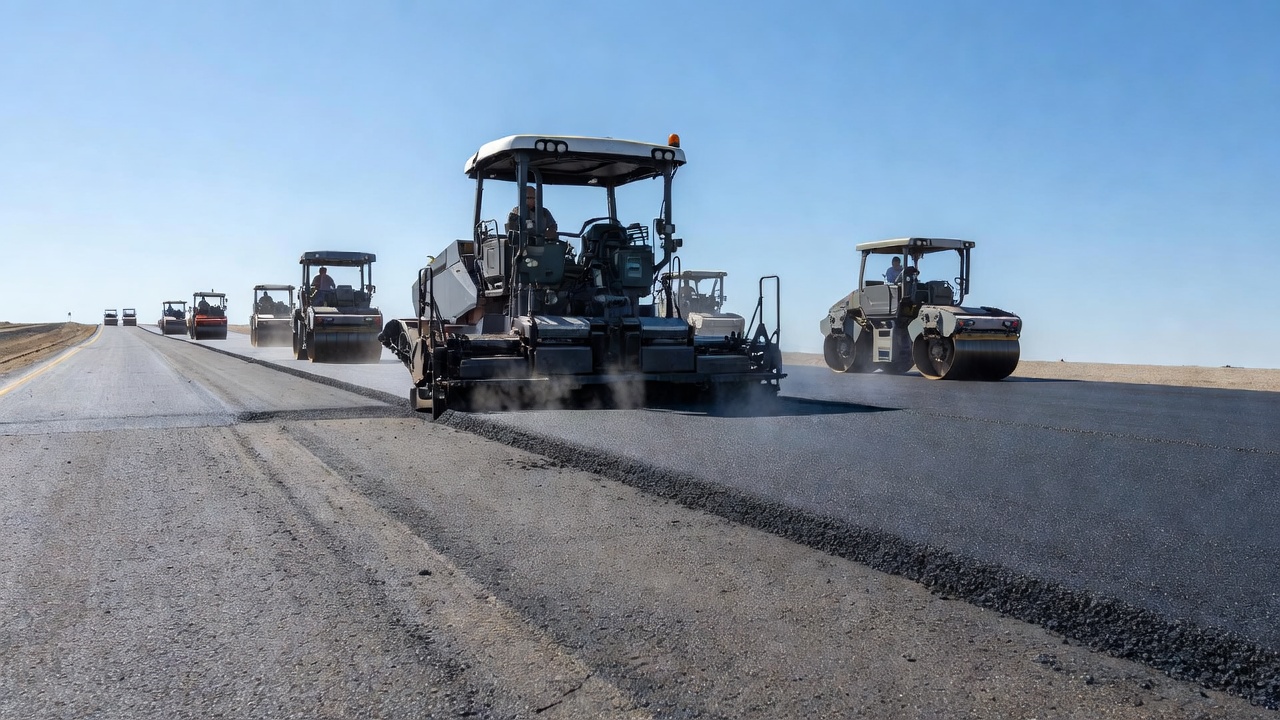
1. Definition and Process of Cold In-Place Recycling
Cold In-Place Recycling (CIR) is a pavement rehabilitation technique defined by the Federal Highway Administration (FHWA) and the Asphalt Recycling and Reclaiming Association (ARRA) as a method in which the existing asphalt pavement materials are reused in place without the application of heat. The process involves milling a portion of the existing asphalt pavement, typically between 50 and 125 mm (2 to 5 inches), crushing and screening the milled material to produce Reclaimed Asphalt Pavement (RAP), mixing the RAP with a bituminous recycling agent and optional additives, and then placing and compacting the recycled mixture, all in a continuous operation within the roadway. CIR reuses 100 percent of the RAP generated during the process, making it one of the most material-efficient rehabilitation methods available.
CIR is classified as a partial-depth recycling method under ARRA guidelines. This distinguishes it from Full-Depth Reclamation (FDR), which treats both bound asphalt layers and underlying unbound base or subbase materials. The typical CIR treatment depth is 75 to 100 mm (3 to 4 inches), with depths as shallow as 50 mm (2 inches) possible where underlying support is strong, and up to 125 mm (5 inches) achievable if proper compaction can be attained. The recycled CIR layer functions as a stabilized base course that must receive a surface course, such as Hot Mix Asphalt (HMA) overlay, chip seal, or microsurfacing, to provide a wear-resistant riding surface.
The environmental and economic benefits of CIR are substantial. Compared to conventional mill-and-fill reconstruction, CIR reduces construction greenhouse gas (GHG) emissions by up to 90 percent, eliminates the need for trucking RAP off-site and importing virgin aggregates, reduces energy consumption by eliminating aggregate drying and HMA production heating, and delivers project cost savings of 20 to 50 percent. The process also preserves existing roadway geometry, maintains bridge clearances and curb reveals, and typically allows traffic to resume within one hour of compaction. These attributes make CIR an increasingly preferred rehabilitation strategy for highway agencies managing aging asphalt networks with constrained budgets.
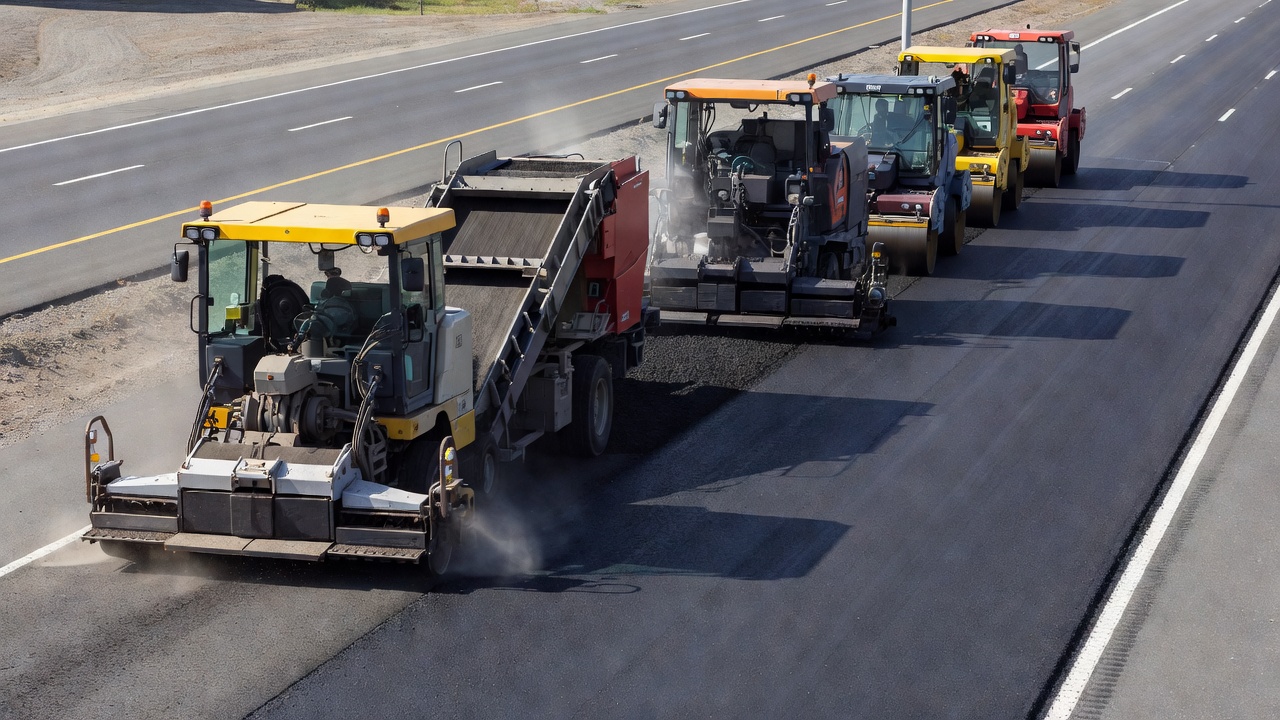
2. CIR Equipment Train
The CIR process is executed by a train of specialized equipment whose configuration varies from single-unit machines to multi-unit trains. The selection of equipment configuration depends on project scale, production requirements, RAP processing needs, and geometric constraints. The four primary equipment configurations recognized by the Asphalt Recycling and Reclaiming Association (ARRA) are: single-unit train, two-unit train, multi-unit train, and single-machine/reclaimer configuration.
Single-Unit CIR Train
In the single-unit configuration, a single self-contained machine performs milling, recycling agent injection, mixing, and placement in one pass. The machine incorporates a cutting head (rotating drum with carbide-tipped teeth) that mills the existing pavement to the specified depth and cross-slope. The RAP produced by the cutting head is processed within the machine chamber, where it is crushed and sized using internal breaker bars and screens. The recycling agent (emulsified asphalt or foamed asphalt) is injected directly into the mixing chamber at a rate controlled volumetrically based on the width and depth of cut and the forward speed of the unit. The mixed material is deposited onto the roadway through a screed that provides initial shaping and pre-compaction, producing a uniform mat ready for roller compaction. The single-unit train offers simplicity and reduced equipment mobilization but provides less control over RAP sizing and recycling agent metering compared to multi-unit configurations.
Two-Unit CIR Train
The two-unit train separates the cold planing function from the mixing and paving functions. A full-lane-width cold planer (milling machine) removes the existing asphalt pavement to the specified depth, producing RAP that is conveyed into trucks or directly to the second unit. The second unit is a mix paver that incorporates a pugmill mixer, recycling agent injection system, and paver screed. The RAP is fed into the mix paver’s hopper, where it is weighed on a belt scale to enable precise weight-based metering of the recycling agent, a significant quality control advantage over the volumetric metering used in single-unit trains. The recycling agent and additives are blended with the RAP in the pugmill, and the mixture is discharged into a windrow or directly into the paver screed for placement. The two-unit configuration provides greater control over mix proportions and is preferred for larger projects requiring consistent production quality.
Multi-Unit CIR Train
The most sophisticated configuration is the multi-unit train, which adds a dedicated crushing and screening unit between the cold planer and the mix paver. In this configuration, the cold planer mills the pavement, the RAP is conveyed to a separate crushing/screening unit that controls maximum particle size and produces a well-graded material, and the sized RAP is then transferred to the mix paver for recycling agent addition and placement. The multi-unit train provides superior gradation control and is recommended when the existing pavement contains large aggregates or when the mix design specifies tight gradation requirements. Some multi-unit trains also include a windrow pickup arrangement, where the cold planer discharges RAP into a windrow on the shoulder, and a separate pickup machine equipped with a windrow elevator feeds the RAP into the crushing/screening unit and ultimately to the mix paver.
Compaction Equipment
Regardless of the CIR train configuration, compaction is performed using the same roller types used in HMA construction. The standard rolling sequence typically includes: (1) a heavy pneumatic-tired roller (at least 25 tons) for initial breakdown and kneading action that reorients RAP particles, (2) a vibratory steel-drum roller for intermediate compaction to achieve density, and (3) a finishing pneumatic roller to seal the surface and knead out any roller marks. Target compaction density is typically 96 to 98 percent of the maximum dry density determined by the modified Proctor test (ASTM D1557 / AASHTO T 180). Rolling patterns must be established during a control strip test section and verified throughout production. Proper compaction is the single most critical factor affecting CIR performance, as inadequate density leads to premature raveling, moisture damage, and structural failure.
3. Recycling Agents for CIR
The selection of the recycling agent is central to CIR mix design and performance. Two primary bituminous recycling agents are used in CIR: emulsified asphalt and foamed asphalt. Chemical additives such as Portland cement, hydrated lime, or fly ash are frequently used in conjunction with either agent to accelerate early strength gain, enhance moisture resistance, and improve curing characteristics.
Emulsified Asphalt
Emulsified asphalt consists of microscopic asphalt binder droplets suspended in water with an emulsifying agent (typically cationic or anionic surfactants). The emulsion is a liquid at ambient temperature, enabling mixing with cold, damp RAP without requiring heat. After placement and compaction, the emulsion breaks, the water separates from the asphalt droplets, and the water evaporates during the curing period, leaving the recycled asphalt binder coating the aggregate particles. Common emulsion grades used in CIR include CMS-2 (cationic medium-setting), CSS-1 (cationic slow-setting), and HFMS-2 (high-float medium-setting). The choice of emulsion grade depends on the RAP properties, ambient temperature, moisture content, and project schedule requirements. The emulsion application rate typically ranges from 1.5 to 3.5 percent residual asphalt by weight of RAP, determined through mix design. Emulsion-based CIR requires a curing period of 3 to 7 days (depending on weather conditions) before a surface course can be applied.
Foamed Asphalt
Foamed asphalt (also called expanded asphalt) is produced by injecting a small amount of cold water (typically 2–3% by weight of binder) and compressed air into hot asphalt binder (160–180°C) inside a specially designed expansion chamber. The water instantly vaporizes into steam, causing the asphalt to foam and expand to approximately 15 to 20 times its original volume. The foamed asphalt has a dramatically reduced viscosity, enabling it to coat cold, damp RAP particles effectively. After mixing and compaction, the foam collapses as the binder cools, returning to its original viscous state. Foamed asphalt CIR offers several advantages: (1) it can be used with damp RAP without drying, (2) it provides good coating even with high RAP fines content, (3) the mixture can be opened to traffic sooner (often within 1–2 hours), and (4) it eliminates the need for water evaporation for curing. Foamed asphalt is typically applied at a rate of 2.0 to 3.5 percent residual binder by weight of RAP. The foaming characteristics are quantified by the Expansion Ratio and Half-Life, measured per AASHTO PP 94 guidelines.
Active Additives
Active additives are critical components of many CIR mix designs, particularly when improved early strength or moisture resistance is required. Portland cement is the most common additive, used at dosages of 1.0 to 2.0 percent by weight of RAP. Cement addition serves several functions: it provides initial stiffness and early strength through hydration, acts as a filler to improve the mixture’s fines content, and enhances the adhesion between the recycling agent and RAP particles. Hydrated lime is used at similar dosages to improve moisture resistance and reduce stripping potential in RAP containing moisture-susceptible aggregates. Fly ash and ground granulated blast furnace slag (GGBFS) are used occasionally as supplementary cementitious materials. The additive type and dosage are determined during mix design based on target early strength requirements and moisture sensitivity testing.
| Recycling Agent | Application Rate (% residual asphalt) | Curing Time | Advantages | Key Standards |
|---|---|---|---|---|
| Emulsified Asphalt (CMS-2, CSS-1, HFMS-2) | 1.5 – 3.5% | 3–7 days | Proven history, excellent coating, wide grade availability | AASHTO PP 86-17, ARRA CR201 |
| Foamed Asphalt | 2.0 – 3.5% | 1–2 hours | Rapid curing, damp RAP tolerant, early traffic opening | AASHTO PP 94, ARRA CR202 |
| Portland Cement (additive) | 1.0 – 2.0% (by wt of RAP) | N/A (used with emulsion or foamed) | Early strength, moisture resistance, improved stiffness | ASTM C150, AASHTO M85 |
4. Mix Design for CIR
A formal mix design is essential for CIR to ensure reliable performance. Unlike HMA mix design (Superpave or Marshall), CIR mix design must account for the unique features of cold mixtures: time-temperature effects due to the presence of water, slower binder softening rate, and changes in mixture properties with curing. The standard CIR mix design procedures are published by ARRA as CR201 (emulsified asphalt CIR) and CR202 (foamed asphalt CIR), and by AASHTO as PP 86-17 (emulsified) and PP 94 (foamed). The mix design process follows these sequential steps:
Step 1: Material Evaluation and Sampling
Representative samples of the existing pavement must be obtained from multiple locations throughout the project length. Minimum sampling typically calls for five to six samples per project or one sample per lane mile for larger projects. Core samples are taken through the full asphalt thickness, and the core holes are used to assess subgrade strength using a Dynamic Cone Penetrometer (DCP) or visual inspection. RAP samples are obtained by crushing the cores in a laboratory jaw crusher to replicate the particle size distribution produced by the CIR milling process. The RAP is tested for: (1) asphalt binder content (AASHTO T 164), (2) extracted aggregate gradation (AASHTO T 27), (3) aged binder properties including penetration at 25°C (AASHTO T 49) and absolute viscosity at 60°C (AASHTO T 202), and (4) RAP moisture content.
Step 2: Determination of Recycling Agent Type and Grade
The properties of the aged asphalt binder guide the selection of the recycling agent type and grade. A binder that has hardened significantly (penetration below 20 dmm or viscosity above 50,000 poises) may require a softer recycling agent or a higher application rate to restore binder consistency to the target range. The target recycling objective for CIR is not necessarily to restore the binder to its original penetration but to achieve sufficient binder softening to produce a workable, compactible mixture that develops adequate strength through curing.
Step 3: Mixing and Compaction
Trial mixtures are prepared with varying recycling agent contents (typically 1.0% to 4.0% in 0.5% increments) and additive dosages. The RAP is mixed with the pre-determined pre-mix moisture content (if using emulsion) or with foamed asphalt at the specified foaming parameters. The mixture is compacted using the Marshall hammer (50 blows per side) or Superpave gyratory compactor (30 gyrations) to produce test specimens. Compaction is performed immediately after mixing for foamed asphalt and after a short curing period for emulsion mixtures.
Step 4: Curing
For emulsion-based CIR, specimens are subjected to accelerated curing to simulate field curing conditions. The standard curing protocol involves oven curing at 60°C (140°F) for 48 hours to remove moisture, followed by cooling to room temperature before testing. For foamed asphalt CIR, a shorter curing period (typically 24 hours at 40°C) may be used.
Step 5: Performance Testing
Cured specimens are tested for: (1) Indirect Tensile Strength (ITS), a measure of tensile cracking resistance, typically conducted on dry and conditioned (moisture-conditioned) specimens to evaluate moisture susceptibility, (2) Retained Tensile Strength Ratio, the ratio of conditioned to dry ITS, which must typically exceed 0.70 (70%) for acceptable moisture resistance, (3) Resilient Modulus (Mr), a measure of load-bearing capacity used for structural design inputs, and (4) Dry Density, verified to ensure compaction targets are achievable. The optimum recycling agent content is selected based on maximum ITS, adequate air voids, and acceptable moisture resistance.
5. Structural Design of CIR as a Base Layer
CIR is designed as a stabilized base course within the pavement structural section. The structural contribution of the CIR layer is quantified through the structural layer coefficient (a-coefficient) in the 1993 AASHTO Pavement Design Guide or through layer moduli in the AASHTOWare Pavement ME Design framework.
Structural Layer Coefficient
The structural layer coefficient for CIR mixtures typically ranges from 0.25 to 0.44, with many highway agencies using values between 0.30 and 0.35 for routine design. The structural number (SN) contribution of the CIR layer is calculated as:
SN_CIR = a_CIR × D_CIR
Where D_CIR is the CIR layer thickness in inches. For a 4-inch CIR layer with a coefficient of 0.35, the SN contribution is 1.40, equivalent to approximately 4.7 inches of granular base with a coefficient of 0.30. Recent research by the Virginia Department of Transportation (VDOT) on Interstate 81 test sections demonstrated that CIR with optimized mix designs can achieve structural layer coefficients of 0.36 to 0.44, significantly higher than traditional assumed values. These higher values reflect improved mix designs, better compaction control, and the use of active additives such as cement.
Overlay Thickness Design
When CIR is used as part of a rehabilitation strategy that includes an HMA overlay, the overlay thickness is determined through conventional pavement structural design. The existing pavement’s structural capacity is assessed using FWD deflection testing, DCP testing, or coring to determine layer thicknesses and material properties. The required overlay thickness is calculated as the difference between the required structural number (SN_req) for future traffic and the existing structural number (SN_existing) plus the CIR layer contribution (SN_CIR). The total structural number after CIR rehabilitation is:
SN_total = SN_existing_base + SN_CIR + SN_overlay
Pavement ME Design (Mechanistic-Empirical)
Under the AASHTOWare Pavement ME Design framework, CIR mixtures are characterized by their dynamic modulus (|E|)* and resilient modulus (Mr). NCHRP Project 9-51 (Material Properties of Cold In-Place Recycled and Full-Depth Reclamation Asphalt Concrete for Pavement Design) has developed mechanistic properties for CIR mixtures, establishing that CIR materials have dynamic modulus values approximately 50 percent lower than typical HMA but exhibit behavior similar to HMA base mixes. The completion of NCHRP 9-51 provides guidance for incorporating CIR layers into Pavement ME Design analysis, enabling more accurate performance prediction for CIR-rehabilitated pavements.
Structural Capacity for High Traffic
Although CIR was traditionally limited to low- to medium-volume roads, modern CIR has been successfully used on high-traffic applications including Interstate highways. The VDOT Interstate 81 project demonstrated CIR with an HMA overlay carrying over 10 million ESALs (right lane) with excellent performance, rut depths of 0.1 inch and IRI of 44 inches per mile after 5 years and 10 million ESALs. At the NCAT Test Track, CIR and CCPR sections have received over 15 million ESALs with rut depths of approximately 0.3 inch and no structural cracking. The key requirements for high-traffic CIR are: (1) proper structural design incorporating the CIR layer contribution, (2) adequate HMA overlay thickness, (3) use of active additives (cement) for early strength, and (4) stringent quality control during construction.
6. Surface Course over CIR
A CIR layer is not a final wearing surface. It must be covered with a surface course that provides wear resistance, waterproofing, skid resistance, and a smooth riding surface. The choice of surface course depends on traffic level, structural requirements, budget, and project objectives. The three principal surface course options are HMA overlay, chip seal, and microsurfacing.
Hot Mix Asphalt (HMA) Overlay
The most common surface course over CIR is an HMA overlay, typically ranging from 1.5 to 4.0 inches (38–100 mm) in thickness. The HMA overlay provides structural contribution, a dense waterproof surface, high skid resistance, and excellent ride quality. For high-traffic roads, the minimum HMA overlay thickness is typically 2.0 to 3.0 inches. A tack coat (CSS-1h emulsion at 0.05–0.15 gal/yd² residual application rate) is applied to the cured CIR surface before HMA placement to ensure bond between layers. The HMA overlay over CIR can be constructed using standard HMA production and paving equipment. The combined CIR + HMA system provides a durable, long-lasting pavement rehabilitation solution.
Chip Seal
For low-volume roads, a single or double chip seal provides an economical surface course over CIR. The chip seal consists of an application of emulsified asphalt (typically RS-2 or CRS-2 at 0.30–0.50 gal/yd²) immediately covered with clean, single-sized aggregate chips (3/8-inch or 1/2-inch nominal size), which are rolled with pneumatic rollers to embed the chips. The chip seal provides a waterproof surface, improves skid resistance, and seals the CIR layer against moisture intrusion. Double chip seals (two layers of emulsion and aggregate) provide greater durability and are suitable for slightly higher traffic levels. Chip seals over CIR require proper curing of the CIR layer (minimum 3–7 days for emulsion-based CIR) and careful construction to achieve adequate chip embedment and retention.
Microsurfacing
Microsurfacing is a polymer-modified slurry seal system that can be applied over CIR in thicknesses of 3/8 to 3/4 inch (10–19 mm). Microsurfacing provides a dense, skid-resistant, waterproof wearing surface that addresses surface raveling, restores friction, and extends pavement life. It is applied using specialized continuous-run microsurfacing pavers that mix emulsified asphalt, polymer-modified aggregate, cement, water, and additives, then spread the mixture in a thin layer. Microsurfacing over CIR is suitable for roads with traffic up to medium volumes and requires the CIR to be fully cured before application.
Surface Course Selection Criteria
The choice of surface course is governed by: (1) traffic level, HMA overlay for high traffic, chip seal or microsurfacing for low to medium traffic, (2) structural requirement, HMA overlay when additional structural capacity is needed, (3) project budget, chip seal lowest cost, microsurfacing moderate, HMA overlay highest, (4) ride quality requirements, HMA overlay provides the smoothest surface, (5) construction timeline, chip seal and microsurfacing can be placed quickly, while HMA overlay requires hot-mix production, and (6) climate, chip seals perform best in dry climates with moderate temperatures, while HMA overlays perform well in all climates.
7. CIR vs Hot In-Place Recycling vs Full-Depth Reclamation
Understanding the distinctions between CIR, Hot In-Place Recycling (HIR), and Full-Depth Reclamation (FDR) is essential for selecting the appropriate rehabilitation strategy. Each method treats different pavement layers and is suited to different distress mechanisms.
Depth of Treatment
CIR treats 2 to 5 inches (50–125 mm) of the bound asphalt layers only. HIR treats the upper 0.75 to 2 inches (19–50 mm) of the asphalt surface. FDR treats 6 to 12+ inches (150–300+ mm) including asphalt layers, granular base, and subbase materials. The treatment depth determines which distresses can be addressed: CIR can eliminate cracks and distresses within the asphalt layer depth, HIR addresses surface-level distresses, and FDR can address structural issues in the base and subgrade.
Heat Application
CIR operates entirely cold, no heat is applied to the pavement material. HIR applies heat to soften the existing asphalt surface before scarification and rejuvenation, typically using a bank of propane-fired radiant heaters or a hot-air heater that raises the pavement surface temperature to 120–150°C. FDR can be performed cold (with asphalt emulsion or foamed asphalt as a recycling agent) or with chemical stabilizers (cement, lime) that do not require heat. CIR’s lack of heat makes it the most energy-efficient and lowest-emission option.
Recycling Agent and Function
CIR uses emulsified asphalt or foamed asphalt to rejuvenate the aged binder and provide binding for the recycled mixture. The CIR layer functions as a stabilized base course. HIR uses a rejuvenating agent (a light oil or emulsion-based additive) that restores the aged binder’s consistency to produce a wearing course that can be used immediately as the final surface. FDR uses cement, lime, asphalt emulsion, or foamed asphalt, the choice depends on the target material properties, to create a stabilized base course. The FDR layer is always covered with a surface course.
Surface Course Requirement
CIR always requires a surface course (HMA overlay, chip seal, or microsurfacing). HIR typically does not require a surface course, the recycled material is the final wearing surface, though it may receive a fog seal or thin surface treatment. FDR always requires a surface course, typically an HMA overlay of 2–4 inches.
| Parameter | Cold In-Place Recycling (CIR) | Hot In-Place Recycling (HIR) | Full-Depth Reclamation (FDR) |
|---|---|---|---|
| Treatment Depth | 2–5 inches (50–125 mm) | 0.75–2 inches (19–50 mm) | 6–12+ inches (150–300+ mm) |
| Heat Required | No (ambient temperature) | Yes (120–150°C surface heating) | No |
| Recycling Agent | Emulsified or foamed asphalt (+ cement/lime) | Rejuvenating agent (oil-based) | Cement, lime, asphalt emulsion, or foamed asphalt |
| Layer Function | Stabilized base course | Wearing course (final surface) | Stabilized base course |
| Surface Course Required | Yes (HMA, chip seal, microsurfacing) | Typically no | Yes (HMA overlay) |
| Typical Traffic Suitability | Low to high (up to 10M+ ESALs) | Low to medium | Low to medium |
| Cost Savings vs Mill-and-Fill | 20–50% | 15–30% | 25–50% |
8. CIR Performance and Durability
The performance of CIR-rehabilitated pavements is well-documented through long-term studies conducted by highway agencies and research institutions. When properly designed, constructed, and paired with an appropriate surface course, CIR pavements demonstrate service lives of 15 to 25 years before requiring major rehabilitation, with the limiting factor often being the surface course life rather than the CIR layer itself.
Distress Mitigation
CIR is highly effective at mitigating non-load-associated distresses within the treatment depth. Longitudinal cracking, transverse (thermal) cracking, block cracking, raveling, oxidation, and minor rutting (within the asphalt layer) are eliminated by the CIR process because the entire cracked layer is milled, rejuvenated, and recompaacted as a new monolithic layer. The CIR process also eliminates reflective cracking from the old pavement surface, since the crack plane is disrupted and the binder is rejuvenated, cracks that penetrate from underlying layers take significantly longer to propagate through the CIR layer. Long-term evaluations conducted by the University of Wyoming and Colorado DOT showed that CIR significantly reduces transverse cracking frequency compared to untreated control sections, with crack counts reduced by 60–90% over a 10-year monitoring period.
Structural Performance
CIR provides measurable structural improvement to the pavement. FWD testing before and after CIR construction typically shows a 30–50% reduction in surface deflection, indicating increased structural capacity. This structural improvement enables reduced HMA overlay thickness compared to mill-and-fill, or extends pavement life when combined with the same overlay thickness. The long-term structural performance of CIR is dependent on continued curing (emulsion-based mixtures gain strength over 6–12 months as residual moisture dissipates), traffic densification (further compaction under traffic improves density), and the integrity of the surface course in preventing moisture intrusion.
Performance Factors
Key factors affecting CIR performance include: (1) existing pavement condition, CIR performs best on pavements with sound bases and good drainage, (2) mix design quality, proper recycling agent selection and dosage are critical, (3) compaction, achieving target density is the single most important construction factor, (4) curing, adequate curing time before surface course placement prevents moisture trapping and debonding, (5) surface course quality, the surface course protects the CIR layer from water, traffic abrasion, and environmental degradation, (6) drainage, inadequate drainage is the most common cause of premature CIR failure, and (7) traffic, CIR layers continue to densify under traffic, with air voids typically decreasing from 12–15% after construction to 8–10% after one year of trafficking.
Expected Service Life by Application
With optimum performance parameters, sound underlying base, adequate thickness design, proper mix design, excellent construction quality, adequate curing, and appropriate surface course, many agencies report CIR service lives of 20–25 years before the structural section requires major rehabilitation. Average performance (good conditions with minor compromises in some factors) typically yields 12–18 years of service life. Stop-gap performance (marginal conditions, minimal overlay thickness, or construction deficiencies) may provide only 5–10 years before rehabilitation is needed. The life-cycle cost of CIR rehabilitation typically provides a net present value savings of 30–50% compared to conventional reconstruction over a 30-year analysis period.
9. Inspection of CIR Pavements
Quality assurance inspection of CIR construction requires specialized knowledge of cold recycling processes. The inspector plays a critical role in ensuring that the CIR operation complies with the contract documents and produces a durable, uniform, and structurally adequate pavement layer. The Asphalt Recycling and Reclaiming Association (ARRA) has published Basic Asphalt Recycling Manual (BARM) and best practice guidelines that serve as essential references for CIR inspection.
Pre-Construction Inspection
Before CIR production begins, the inspector must verify: (1) mix design compliance, the approved mix design is available and the prescribed recycling agent type, grade, and application rate are correct, (2) equipment calibration, recycling agent metering systems, belt scales, and additive feeders have been calibrated within 72 hours of production, (3) control strip, a test section (typically 500–1000 ft) has been constructed and evaluated for compaction, smoothness, and appearance, (4) surface preparation, the existing pavement has been cleaned of debris, vegetation, and objectionable materials, (5) subgrade evaluation, weak areas identified by FWD or DCP testing have been addressed through subgrade improvement or deeper treatment, and (6) traffic control, temporary traffic control plans are implemented per safety requirements.
During Construction Inspection
During CIR production, the inspector monitors: (1) milling depth, verified by checking the cutting drum depth control and measuring milled depth at 500-foot intervals using a depth gauge or probe, (2) RAP gradation, visual assessment plus periodic sieve analysis to confirm maximum particle size (typically 1.5–2.0 inches) and no oversized material, (3) recycling agent application rate, verified by tanker dip measurements or flow meter readings at least three times per shift, (4) additive application rate, verified by belt scale readings or spread rate calculations for cement or lime applied ahead of the train, (5) moisture content, the total moisture content of the placed mixture (including emulsion water, pre-wet water, and RAP moisture) should be within the target range established in the mix design, (6) coating, visual observation that at least 50% of RAP particles are coated by the recycling agent, (7) mat appearance, uniform color and texture without segregation, tearing, or roller marks, (8) compaction, nuclear density gauge testing at 500-foot intervals to verify that density meets specification (typically 96–98% of modified Proctor maximum dry density), and (9) smoothness, measured with a 10-foot straightedge, typically requiring deviations less than 3/16 inch.
Post-Construction Inspection
After CIR placement and during the curing period, the inspector verifies: (1) curing, the CIR layer is protected from traffic until sufficient strength develops (typically 1–24 hours depending on recycling agent type and weather), (2) fog seal, if specified, applied uniformly to prevent surface raveling during curing, (3) rerolling, for emulsion-based CIR, rerolling with pneumatic rollers when pavement temperature exceeds 27°C (80°F) to reduce air voids, (4) core samples, taken after sufficient curing for thickness verification and density determination, (5) surface condition, visual assessment for raveling, cracking, or moisture damage before surface course placement, and (6) tack coat, verified uniform application rate and coverage before HMA overlay.
Acceptance Testing
Acceptance criteria typically include: (1) compaction, average density of 96–98% of maximum dry density with no individual test below 94%, (2) thickness, average CIR thickness within ±0.25 inch of design, with no individual core more than 0.5 inch below design, (3) smoothness, average profile index (PI) within specification limits (typically ≤ 5 inches per mile for higher-standard roads), (4) recycling agent content, within ±0.3% of the job mix formula target, (5) moisture content, within the acceptable range specified in the mix design, and (6) visual appearance, no segregation, raveling, or surface defects.
10. CIR for Airport Pavement Rehabilitation
The application of CIR to airfield pavements is an emerging practice that offers significant potential for cost savings and sustainability. While CIR is well-established for highway pavements, its adoption for airport pavements has been limited due to the absence of FAA specifications and standardized structural design methods for recycled layers in airfield pavements.
Current Regulatory Status
The current FAA Advisory Circulars provide minimal guidance on in-place recycling: AC 150/5320-6F (Airport Pavement Design and Evaluation) contains brief mention of FDR but no mention of CIR. AC 150/5370-10H (Airport Pavement Construction) includes Item P-207 for FDR but offers no CIR specification. An ACRP Problem Statement (21-506, “Expanding in-place cold recycling for flexible airfield pavement”) was submitted to develop comprehensive guidance for CIR and FDR use in airfield pavement rehabilitation, covering decision tools, material specifications, structural design methods, and QA processes. The FAA does not currently consider CIR within the standard FAARFIELD design procedure.
Successful Airport CIR Applications
Despite the regulatory gaps, several airports have successfully used CIR for pavement rehabilitation. Runway 16/34 at McKinnon St. Simons Island Airport (Georgia) was rehabilitated using in-place recycling techniques. Spruce Creek Airport (Florida) also utilized CIR. Internationally, airports including Frankfurt Airport (Germany), Treviso Airport (Italy), and Penticton Airport (Canada) have implemented cold recycling for airfield pavements. These projects demonstrated that CIR can provide acceptable structural support for aircraft loads while reducing rehabilitation costs by 25–40% compared to conventional mill-and-overlay reconstruction.
Technical Considerations for Airfield CIR
Applying CIR to airport pavements requires consideration of several factors distinct from highway applications: (1) structural demands, aircraft loads are substantially higher than highway truck loads, requiring thicker CIR layers (typically 4–5 inches) and/or higher structural layer coefficients, (2) mixture durability, airport pavements require greater resistance to fuel spills, hydraulic fluid, and de-icing chemicals, which may necessitate polymer-modified recycling agents or specialized additives, (3) friction requirements, the CIR surface course must provide adequate friction for aircraft braking, requiring grooving or appropriate aggregate selection, (4) FOD prevention, the CIR layer and surface course must be highly resistant to raveling to prevent Foreign Object Debris that could damage jet engines, (5) operational constraints, airport closures for CIR construction are time-critical, requiring rapid construction and fast-curing recycling agents, and (6) quality control, density and smoothness tolerances are stricter for airfield pavements.
Research Needs
Implementation of CIR for airport pavements requires: (1) development of FAA specifications for CIR materials and construction, (2) structural layer coefficients and moduli for CIR mixtures under aircraft loading, (3) incorporation of CIR layers into FAARFIELD design software, (4) guidance on surface course selection for airport applications (HMA overlay, P-401 friction course), (5) quality assurance protocols specific to airport CIR, and (6) demonstration projects at airports of varying sizes and traffic levels. The proposed ACRP research would establish the technical basis for FAA adoption of CIR in advisory circulars, enabling airports to leverage the economic and environmental benefits of cold recycling for airfield pavement rehabilitation.
Cold In-Place Recycling represents a proven, cost-effective, and environmentally sustainable pavement rehabilitation method that reuses existing pavement materials on-site without heat. When properly designed through formal mix design procedures (ARRA CR201/CR202 or AASHTO PP 86-17/PP 94), constructed using appropriate equipment trains and compaction protocols, and protected with suitable surface courses (HMA overlay, chip seal, or microsurfacing), CIR delivers service lives of 15–25 years with 20–50% cost savings and up to 90% reduction in greenhouse gas emissions compared to conventional reconstruction. The growing adoption of CIR by highway agencies for high-traffic applications and emerging interest from the airport sector underscores the method’s relevance as a primary pavement rehabilitation strategy for the 21st century.
Frequently Asked Questions
- What is Cold In-Place Recycling (CIR) and how does it work?
- Cold In-Place Recycling (CIR) is a pavement rehabilitation technique where the existing asphalt pavement is milled to a depth of 3 to 4 inches (75–100 mm), the milled material (RAP) is crushed and sized, mixed with a recycling agent (emulsified asphalt or foamed asphalt) and optional additives such as cement or lime, then placed and compacted, all without the application of heat. The CIR process typically uses a multi-unit equipment train comprising a cold planer, crushing/screening unit, pugmill mixer, paver, and rollers. The recycled layer serves as a stabilized base course that must be covered with a surface course such as HMA overlay, chip seal, or microsurfacing. CIR is performed entirely on-site, reusing 100% of the pavement material and eliminating material hauling.
- What recycling agents are used in CIR?
- Two primary types of bituminous recycling agents are used in CIR: emulsified asphalt and foamed asphalt. Emulsified asphalt (e.g., CMS-2, CSS-1, or HFMS-2) consists of asphalt droplets suspended in water with an emulsifying agent, which breaks (cures) as the water evaporates, leaving the recycled binder. Foamed asphalt is produced by injecting cold water and air into hot asphalt binder, causing it to foam and expand, temporarily reducing viscosity to enable coating of RAP particles at ambient temperature. Chemical additives such as Portland cement, lime, or fly ash are frequently used to accelerate early strength gain, improve moisture resistance, and enhance curing characteristics. The selection of recycling agent and additive dosage is determined through a formal mix design process per AASHTO PP 86-17 (emulsion) or AASHTO PP 94 (foamed asphalt).
- What is the structural contribution of a CIR layer in pavement design?
- A properly designed and constructed CIR layer provides significant structural contribution and is typically assigned a structural layer coefficient (a-coefficient) ranging from 0.25 to 0.44, with many agencies using 0.30 to 0.35. Recent VDOT research has indicated values as high as 0.36 to 0.44 when CIR is used with optimized mix designs. In the 1993 AASHTO Pavement Design Guide, the CIR layer structural number (SN) contribution is calculated as SN_CIR = a_CIR × D_CIR, where D_CIR is the CIR layer thickness in inches. CIR is used as a stabilized base course that improves the existing pavement's structural capacity, often enabling reduced HMA overlay thickness compared to conventional mill-and-fill. For high-traffic applications, CIR combined with an HMA overlay has successfully carried over 10 million ESALs.
- What surface courses are applied over CIR layers?
- A CIR layer requires a surface course to provide a wear-resistant, waterproof riding surface. The most common surface course is a Hot Mix Asphalt (HMA) overlay ranging from 1.5 to 4 inches (38–100 mm), designed based on structural requirements and traffic levels. For low-volume roads, chip seals (single or double) are a cost-effective surface option that provides a waterproof seal and skid-resistant texture. Microsurfacing (polymer-modified slurry seal) can be used as a thin wearing surface on CIR for lower traffic roads. A fog seal with blotter sand may be applied immediately after CIR compaction to seal surface voids and prevent raveling during the curing period. The surface course is typically applied after a minimum curing period of 3–7 days for emulsion-based CIR.
- How is CIR different from Hot In-Place Recycling (HIR) and Full-Depth Reclamation (FDR)?
- CIR is a partial-depth (2–5 inches) cold process that reuses only the bound asphalt layers and produces a stabilized base course. Hot In-Place Recycling (HIR) applies heat to soften the existing asphalt surface (typically 0.75–2 inches depth) for scarification, addition of rejuvenator, and repaving in a single heated pass, HIR produces a wearing course but is limited to surface distresses and requires no overlay. Full-Depth Reclamation (FDR) treats the entire pavement structure including unbound base and subbase layers (6–12+ inches), blending asphalt and aggregate with cement, lime, or asphalt emulsion to create a cementitiously or asphalt-stabilized base, FDR is deeper and addresses structural and subgrade issues that CIR cannot. CIR specifically targets distresses within the asphalt layer such as cracking, raveling, and oxidation, providing a rejuvenated intermediate layer.
- What inspections are required for CIR-rehabilitated pavements?
- Inspection of CIR-rehabilitated pavements during construction focuses on: (1) verifying mix design compliance and recycling agent application rate, (2) milling depth consistency (typically 3–4 inches) and profile correction, (3) RAP gradation and maximum particle size (usually 1.5–2 inches), (4) moisture content and coating of recycled material, (5) compaction achieving target density (typically 96–98% of maximum dry density per ASTM D698 or AASHTO T 99 modified), (6) longitudinal and transverse joints for density and smoothness, (7) surface tolerances for smoothness (3/16-inch in 10-foot straightedge), (8) proper curing before surface course placement, and (9) tack coat application between CIR and HMA overlay. Post-construction inspection includes core sampling for thickness verification, density testing, and visual assessment for cracking, raveling, or surface defects.