What are Corrosion Protection Systems for Reinforced Concrete?
Corrosion Protection Systems for Reinforced Concrete
Protection Hierarchy
Corrosion protection for reinforced concrete follows a structured multi-layer defense strategy classified into three tiers: primary, secondary, and tertiary protection. The philosophy underlying this hierarchy is redundancy, if one barrier is compromised, the next remains operational, providing multiple opportunities to intercept corrosive agents before they reach the steel reinforcement.
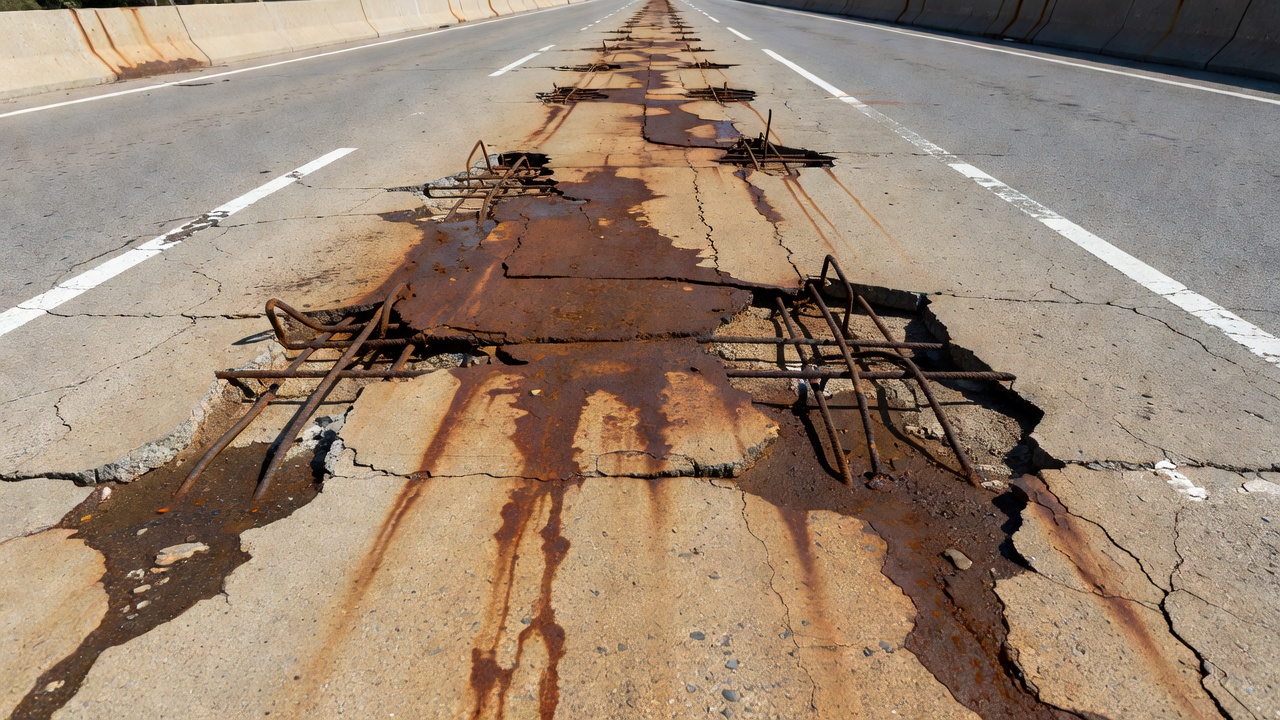
Primary protection consists of physical barriers that prevent or slow the ingress of chlorides, moisture, and oxygen. This includes high-quality concrete with low permeability achieved through a low water-cementitious materials ratio (w/cm), adequate concrete cover over the reinforcement, proper consolidation during placement, and thorough curing. Design details such as drainage provisions, joint sealing, and crack control measures also fall under primary protection. The concrete cover itself acts as the first and most fundamental line of defense, it is the single most important factor determining the time required for chlorides to reach the steel surface in sufficient concentration to depassivate the protective oxide layer.
Secondary protection encompasses material enhancements that improve the inherent resistance of the concrete matrix or provide chemical defense. Supplementary cementitious materials (SCMs) such as fly ash, ground granulated blast furnace slag (GGBFS), and silica fume are incorporated into the concrete mix to densify the microstructure, reduce permeability, and increase chloride binding capacity. Corrosion inhibitor admixtures, primarily calcium nitrite and organic-based inhibitors, are added to the fresh concrete to chemically interfere with the corrosion reaction at the steel surface. Surface-applied sealers and waterproofing membranes provide an additional barrier against the ingress of chloride-laden water through the concrete surface.
Tertiary protection involves the reinforcement itself and active electrochemical systems. Coated reinforcement, including epoxy-coated steel (ASTM A775), galvanized steel (ASTM A767), stainless steel (ASTM A955), and MMFX microcomposite steel (ASTM A1035), provides barrier protection, sacrificial protection, or both directly at the steel surface. Cathodic protection (CP) systems, either galvanic (sacrificial anode) or impressed current (ICCP), actively polarize the steel to a potential where corrosion is thermodynamically impossible. Electrochemical chloride extraction, a temporary treatment that removes chloride ions from concrete, is a less common tertiary measure applied to existing structures.
This three-tier framework, described in ACI 222R-01 (Protection of Metals in Concrete Against Corrosion), guides engineers in selecting appropriate combinations of protection based on the exposure class, required design life, and economic constraints. For critical infrastructure such as airport pavements, bridge decks in deicing salt zones, and marine structures, multiple layers from all three tiers are typically specified to achieve 75–100 year design lives.
Concrete Quality and Cover, Primary Protection
The foundation of any corrosion protection strategy is high-quality concrete with adequate cover over the reinforcement. No coating, inhibitor, or cathodic protection system can compensate for poor concrete quality or insufficient cover depth because all other protection measures rely on the concrete as a structural medium and electrolyte.
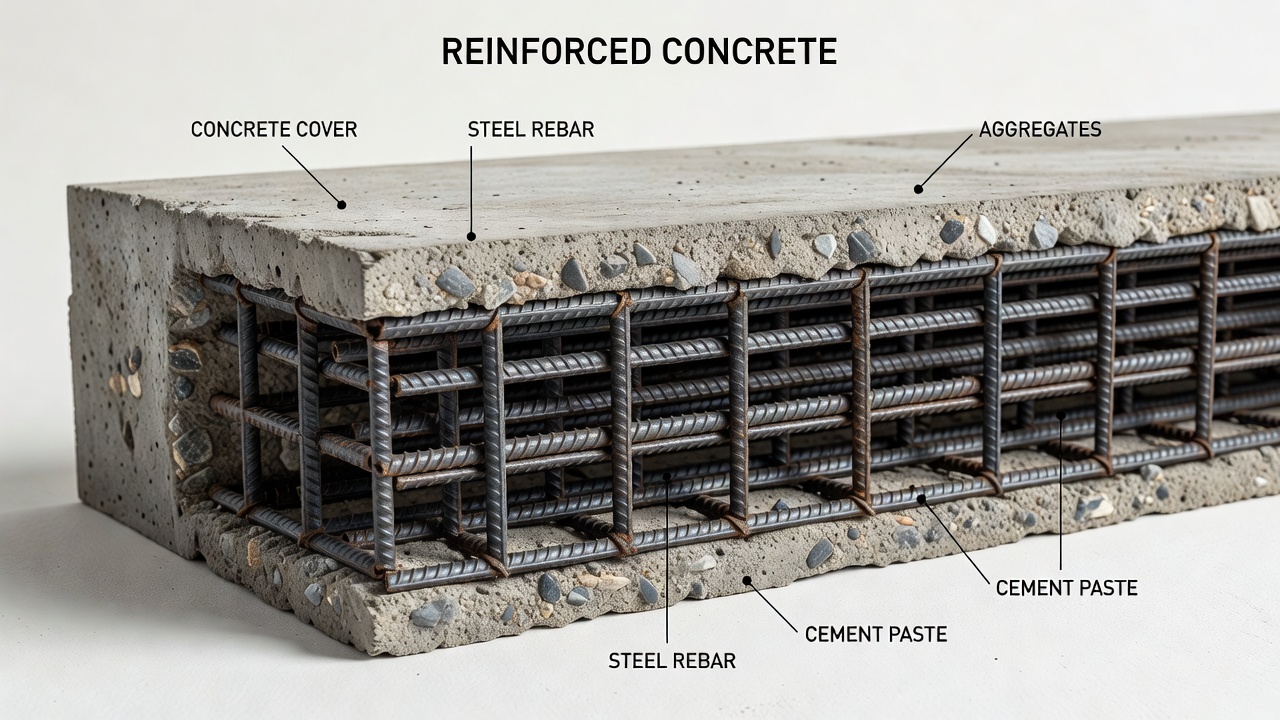
ACI 318-19 Table 20.5.1.3.1 defines minimum concrete cover requirements based on exposure and bar size. Concrete cast against and permanently in contact with ground requires 3.0 inches (76 mm) of cover. Concrete exposed to weather or earth with #6 through #18 bars requires 2.0 inches (51 mm) , while #5 bars or smaller require 1.5 inches (38 mm). Interior members not exposed to weather need only 1.5 inches for slabs and walls and 0.75 inches for shells and folded plate members. These cover requirements are established to provide sufficient physical distance to delay chloride transport to the steel surface.
For airport pavements, FAA AC 150/5370-10H Item P-501 governs concrete quality. While most airport rigid pavements are jointed plain concrete (unreinforced) with dowel bars at joints, the dowel bars must have corrosion protection coatings. The concrete itself must meet stringent quality requirements including air-entrainment for freeze-thaw durability, testing for alkali-silica reactivity (ASR) per ASTM C227, C289, C295, or D1260, and minimum 7-day wet curing for all placement methods.
ACI 318 exposure classes categorize corrosion risk to guide concrete specification. Class C0 applies to concrete that remains dry or protected from moisture, no special durability requirements. Class C1 covers concrete exposed to moisture but not external chlorides, maximum w/cm of 0.55 and minimum compressive strength of 4,000 psi. Class C2 is for concrete exposed to moisture and external chlorides from deicing salts, seawater, or salt spray, the most severe category for reinforced concrete, requiring maximum w/cm of 0.40 and minimum f’c of 5,000 psi. Class C3 covers plain (unreinforced) concrete exposed to chlorides.
The water-cementitious materials ratio is the single most important parameter governing concrete permeability. At w/cm below 0.40, the capillary pore network becomes discontinuous, dramatically reducing the rate at which chloride ions can migrate through the concrete. This is quantified by the Rapid Chloride Permeability test (ASTM C1202), which measures the total charge passed through a concrete specimen in coulombs. Concrete with w/cm of 0.40 or less and appropriate SCMs typically achieves RCP values below 1,000 coulombs, classified as “very low” chloride permeability. By comparison, concrete with w/cm of 0.50–0.60 may exhibit 3,000–6,000 coulombs, indicating moderate to high permeability.
Maximum chloride ion content in the concrete mix itself is limited by ACI 318 to prevent corrosion initiation from internal sources. Prestressed concrete has the strictest limit at 0.06% water-soluble chloride by weight of cement. Reinforced concrete exposed to chlorides in service is limited to 0.15% . Other reinforced concrete construction is limited to 0.30% , while concrete that will remain dry or protected throughout its service life may have up to 1.00% . These limits are tested per ASTM C1218 (water-soluble chloride) or ASTM C1152 (acid-soluble total chloride).
AASHTO LRFD Bridge Design Specifications impose even more stringent cover requirements for bridge decks exposed to deicing salts, minimum 2.5 inches (64 mm) and 3.0 inches (76 mm) for substructures in marine environments. These increased cover depths reflect the severe exposure conditions and long design lives (75–100 years) expected of major bridge infrastructure.
Supplementary Cementitious Materials, Permeability Reduction
Supplementary cementitious materials (SCMs) are mineral admixtures that, when incorporated into concrete, react with calcium hydroxide (Ca(OH)₂) produced during cement hydration to form additional calcium-silicate-hydrate (C-S-H) gel. This densifies the concrete microstructure, refines the pore size distribution, and reduces chloride diffusivity, often by one to two orders of magnitude compared to plain Portland cement concrete.
Fly ash (ASTM C618 / AASHTO M 295) is the most widely used SCM, a byproduct of coal-fired power plants. Class F fly ash (from anthracite/bituminous coal) contains at least 70% SiO₂ + Al₂O₃ + Fe₂O₃ and has pozzolanic activity. Class C fly ash (from lignite/sub-bituminous coal) contains 50% minimum of the same oxides and exhibits both pozzolanic and self-cementing properties due to higher calcium oxide content (15–30%). At replacement levels of 25–30%, fly ash reduces chloride ion penetration by 50–80% compared to plain Portland cement. The FAA P-501 specification limits fly ash to a maximum of 25% of total cementitious material in airport concrete pavements. The pozzolanic reaction is slower than cement hydration, so fly ash concrete typically develops strength more slowly at early ages but achieves superior long-term strength and durability.
Ground Granulated Blast Furnace Slag (GGBFS, ASTM C989 / AASHTO M 302) is a byproduct of iron manufacturing produced by rapidly quenching molten slag in water. GGBFS contains approximately 35–40% SiO₂, 30–45% CaO, and 5–15% Al₂O₃, giving it both hydraulic and pozzolanic reactivity. At replacement levels of 50–55%, GGBFS reduces chloride diffusion coefficients by 70–90% compared to OPC concrete. This exceptional performance results from three mechanisms: the formation of a denser C-S-H gel, the refinement of pore structure, and increased chloride binding capacity from elevated aluminate phases in the slag. The FAA P-501 limits GGBFS to 50% of total cementitious material. When fly ash and GGBFS are both used, their combined maximum is 50%.
Silica Fume (ASTM C1240) is an ultrafine byproduct of silicon and ferrosilicon alloy production, with particles 100 times finer than cement grains (0.1–0.3 μm) and specific surface area of 15,000–30,000 m²/kg. At replacement levels of just 5–10%, silica fume achieves the most dramatic permeability reduction of any SCM, 80–95% reduction in chloride penetration. Silica fume acts through two mechanisms: physical filler effect (densifying the cement paste by filling spaces between cement grains) and high pozzolanic reactivity (consuming Ca(OH)₂ to form dense C-S-H). RCP values for 8% silica fume concrete typically drop from 3,000–4,000 coulombs for OPC to below 1,000 coulombs. The ACI 318 limits silica fume to a maximum of 10% for F3 exposure class.
Ternary blends, combinations of two or more SCMs, often provide the best overall performance. For example, concrete with 20% fly ash plus 5% silica fume can achieve greater than 90% reduction in chloride permeability while optimizing workability, cost, and early strength development. The synergistic effects of different SCM particle sizes and reaction rates produce a more uniformly dense microstructure than any single SCM alone.
The selection of SCM type and dosage depends on availability, cost, project specifications, and exposure conditions. For airport pavements specified by FAA P-501, the limits are conservative, FA ≤ 25%, GGBFS ≤ 50%, combined ≤ 50%, reflecting the critical nature of airfield infrastructure and the need for predictable long-term performance. For bridge decks and marine structures where higher SCM contents can be justified by the exposure severity, state DOTs often specify 30–35% fly ash or 50–70% GGBFS.
Coated Reinforcement, Epoxy, Galvanized, and Stainless Steel
When concrete quality and cover alone cannot provide sufficient corrosion protection for the design life, or when the exposure conditions are exceptionally severe, coated reinforcement provides a barrier directly at the steel surface.
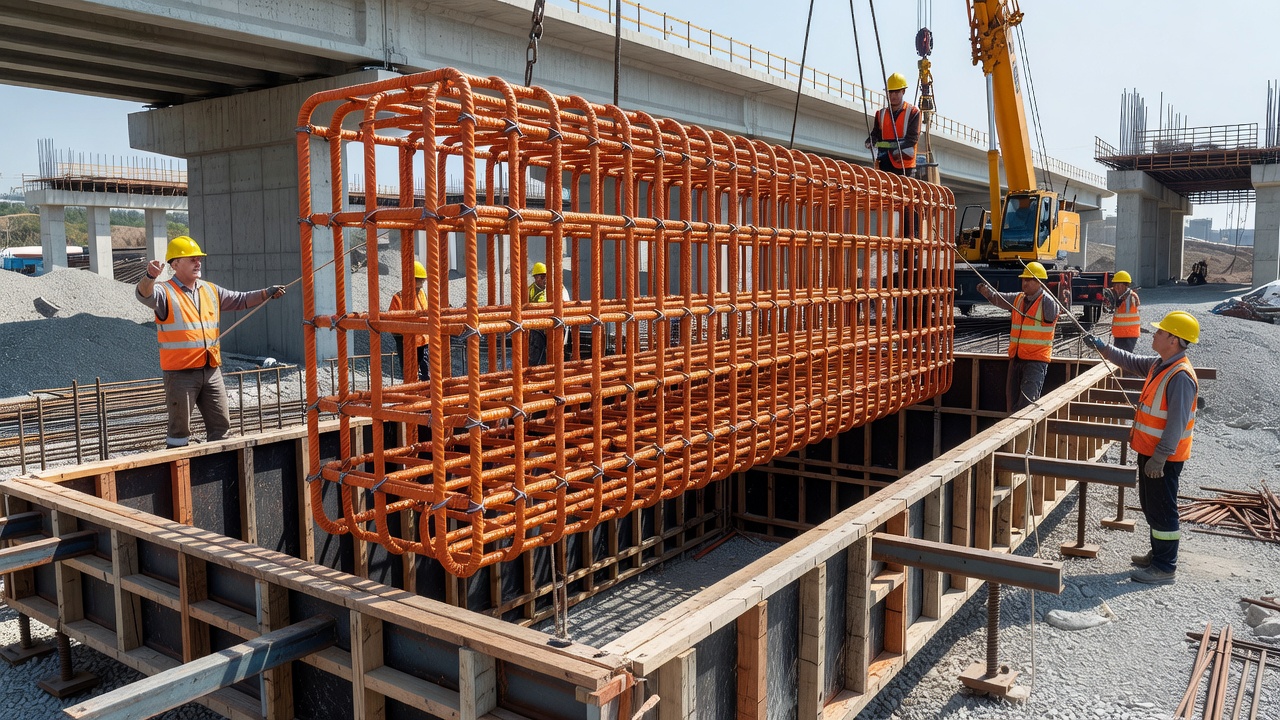
Epoxy-Coated Reinforcing Steel is governed by ASTM A775/A775M for straight bars coated before fabrication and ASTM A934/A934M for prefabricated assemblies. The coating thickness must be 7–12 mils (180–300 μm) applied as a thermosetting epoxy powder through electrostatic spray or fluidized bed application. The coating provides a physical barrier that isolates the steel from chlorides, moisture, and oxygen. Performance data from the Michigan DOT study (Boatman, 2010) of approximately 1,800 bridges demonstrated that uncoated bar service life averages 35 years, while epoxy-coated bar service life extends to 70+ years. The Florida DOT reported that fewer than 10 of 300 bridges with epoxy-coated bars showed corrosion distress, with the majority predicted to achieve 100-year design life. However, epoxy-coated bars have known weaknesses: coating damage (holidays) during handling and fabrication can create corrosion initiation sites, adhesion loss over time in wet environments has been documented, and disbondment can occur in particularly aggressive conditions. ACI 318 requires development length increases of 1.0–1.5× for organic-coated bars due to reduced bond strength.
Galvanized Reinforcing Steel is specified by ASTM A767/A767M for hot-dip galvanized bars. The minimum coating thickness is 3.4 mils (85 μm) for Class I coating, applied by immersing fabricated bars in molten zinc at approximately 450°C (840°F). The coating consists of multiple zinc-iron intermetallic layers (gamma, delta, and zeta phases) with a pure zinc outer layer. Galvanized bars provide dual protection, the zinc coating acts as a barrier against chlorides, and when the coating is damaged or at cut ends, zinc corrodes preferentially to protect the underlying steel (sacrificial or galvanic protection). The cost premium for galvanized rebar is approximately 30–50% over black steel. The chloride threshold for galvanized steel is approximately 0.8–1.5% by weight of cement, compared to 0.2–0.4% for black steel. Field studies from Bermuda show excellent long-term performance, while Iowa field studies report mixed results compared to epoxy-coated bars.
Stainless Steel Reinforcement per ASTM A955/A955M represents the highest level of corrosion-resistant reinforcement. Common grades include S30400 (Type 304) and S31600 (Type 316), which contain 18–20% chromium and 8–14% nickel for 304, with 2–3% molybdenum added for 316 to improve pitting resistance in chloride environments. The chromium content forms a stable, self-healing passive film of chromium oxide (Cr₂O₃) that is highly resistant to chloride attack. The chloride threshold for stainless steel exceeds 2.5% by weight of cement, more than ten times that of black steel. Stainless steel provides approximately 100× better corrosion resistance in chloride environments. However, the cost premium is substantial at 5–10× the cost of black steel, limiting its application to the most critical structures, splash zones in marine environments, and areas where future inspection and repair access is impossible.
MMFX Steel (ASTM A1035/A1035M) , also known as microcomposite steel or chromium steel, offers an intermediate solution. The ChrōmX® 9000 series contains 8–10% chromium in a low-carbon matrix, forming a microcomposite structure that provides a protective passive layer. MMFX steel has a minimum yield strength of 100–120 ksi (Grade 100 or 120), allowing reduced bar sizes compared to conventional Grade 60 steel. Corrosion resistance is approximately 6–10× better than black steel. The cost premium is approximately 2–3× black steel, making it more economical than stainless steel while providing significantly better corrosion resistance than epoxy-coated or galvanized bars.
Dual-Coated Reinforcement (ASTM A1055/A1055M) combines a zinc alloy thermal spray coating with an epoxy powder coating. The zinc provides galvanic protection at coating damage sites, while the epoxy provides barrier protection. Florida DOT and Vermont DOT permit this system, and demonstration projects in multiple states show improved performance over single coatings.
Cathodic Protection, Galvanic and Impressed Current Systems
Cathodic protection (CP) is the only corrosion control method that actively stops ongoing corrosion in existing reinforced concrete structures. The 1993 Strategic Highway Research Program Report S-337 states unequivocally that “CP has proven itself as the only permanent repair of existing corroded steel reinforced concrete.”
Galvanic (Sacrificial Anode) Systems use metals with a more negative electrochemical potential than steel, typically zinc, magnesium, or aluminum alloys. The natural potential difference drives current from the anode through the concrete electrolyte to the steel reinforcement, polarizing the steel to a protected potential. Key characteristics include: no external power requirement, current output limited by natural potential difference (typically 0.5–50 mA/m²), design life of 5–20 years (finite, based on anode mass consumption), and minimal monitoring needs. Galvanic systems are best suited for smaller structures, localized repair areas, and locations without power access. Discrete anodes can be embedded in patch repairs, while ribbon anodes can be installed in overlays. The primary disadvantage is limited current output, galvanic systems may not generate sufficient current to fully protect densely reinforced, heavily corroding structures.
Impressed Current Cathodic Protection (ICCP) uses an external DC power source (rectifier/transformer) to drive current from inert anodes to the steel reinforcement. The typical driving voltage is 6–24V DC (up to 50V maximum), and the system delivers 0.2–2 mA per square meter of steel surface area. The most common anode material for ICCP in concrete is Mixed Metal Oxide (MMO) coated titanium, a titanium substrate (Grade 1 or 2) coated with noble metal oxides (iridium oxide, ruthenium oxide, tantalum oxide). MMO anodes have exceptional durability with design lives exceeding 50 years and can deliver up to 50 amperes per system. ICCP systems are suitable for large structures such as bridge decks, parking garages, and marine structures. The system components include a DC power source, anodes distributed across the structure, the concrete serving as the electrolyte, the steel reinforcement as the cathode, and monitoring instrumentation.
NACE SP0290 / AMPP SP0216 establishes the criteria for effective CP. The primary criterion is a 100 mV polarization shift, the steel potential must shift at least 100 mV more negative than the native (free corrosion) potential. The maximum steel potential is limited to -1.1V vs. copper-copper sulfate electrode (CSE) to avoid hydrogen embrittlement of high-strength steel or damage to the concrete matrix. Current density requirements typically range from 1–3 mA/ft². The standard requires monthly monitoring of rectifier output and annual comprehensive surveys every 1–5 years.
The first ICCP system on a concrete bridge deck was installed on the Sly Park Road Bridge in California in June 1973 by Caltrans. By the 1988–1989 Battelle survey, more than 275 bridge structures in the US and Canada had CP systems, covering approximately 9 million ft² (840,000 m²). The selection between galvanic and ICCP systems depends on structure size, required design life, power availability, initial cost, and long-term maintenance capabilities. Galvanic systems have lower initial cost but require anode replacement every 5–20 years. ICCP systems have higher initial cost but lower long-term cost with 50+ year anode life.
Surface Sealers and Membranes
Surface-applied protection prevents the ingress of chloride-laden water at the concrete surface. This category includes penetrating sealers, film-forming coatings, and waterproofing membranes.
Penetrating Sealers are low-viscosity liquids applied to the concrete surface that penetrate into the pore structure. The most common chemistries are silanes and siloxanes, alkyl-alkoxy silane compounds that react with the concrete pore walls to form a hydrophobic (water-repellent) lining. These sealers penetrate to depths of up to 10 mm, reduce water absorption by 75–90%, and allow vapor transmission (the concrete can still “breathe”). Typical service life is 5–10 years depending on traffic and UV exposure. Penetrating sealers do not alter the surface appearance and are best suited for vertical surfaces, parking decks, and bridge substructures. Silicate-based sealers (sodium or potassium silicates) react with calcium hydroxide in the concrete to form additional C-S-H, densifying the surface rather than creating a hydrophobic layer.
Film-Forming Coatings create a continuous barrier on the concrete surface. Acrylics offer UV stability, flexibility, and decorative options. Polyurethanes provide high durability and chemical resistance. Epoxies deliver high strength and adhesion for severe chemical exposure. Fiber-reinforced coatings can bridge small cracks. Durability is 3–10 years depending on wear, UV exposure, and surface preparation quality. The primary limitation is that film-forming coatings can peel or delaminate and may trap moisture if the vapor transmission rate is insufficient.
Waterproofing Membranes are thicker, more robust barriers used primarily on bridge decks and plaza decks. Sheet membranes provide a physical water barrier between the concrete and the asphalt or concrete overlay. Liquid-applied membranes can accommodate complex geometries and bridge joints. Hot-applied rubberized asphalt provides a thick, self-healing bituminous barrier. For airport pavements, FAA Item P-605 (Joint Sealants for Pavements) and Item P-604 (Compression Joint Seals) specify the membrane-like sealing systems at pavement joints. Joint sealant failure is the most common cause of corrosion initiation in airfield pavements because deicing chemicals penetrate through failed joints to attack dowel bars and reinforcement. Typical joint sealant materials include hot-poured elastomeric sealants, silicone sealants, and preformed compression seals.
Corrosion Inhibitor Admixtures
Corrosion inhibitors are chemical admixtures added to fresh concrete to interfere with the electrochemical corrosion reaction at the steel surface. They are classified by their mechanism of action into anodic, cathodic, and mixed inhibitors.
Anodic inhibitors form or maintain the passive film on the steel surface, blocking the anodic dissolution reaction. The most widely used anodic inhibitor is calcium nitrite (Ca(NO₂)₂), containing minimum 30% calcium nitrite by mass. The nitrite ion (NO₂⁻) competes with chloride ions (Cl⁻) at the steel surface, nitrite repairs the passive film by oxidizing Fe²⁺ to Fe³⁺, forming stable γ-Fe₂O₃ (passive film). The critical requirement for calcium nitrite effectiveness is that the NO₂⁻ to Cl⁻ ratio must exceed 1.0. If under-dosed, calcium nitrite can accelerate localized pitting corrosion. Typical dosage is 2–6 gallons per cubic yard (10–30 L/m³) depending on anticipated chloride exposure. Commercial products include Sika® CNI, Grace DCI, and Euclid Chemical. Calcium nitrite is known to reduce concrete set time, requiring adjustment of other admixtures.
Cathodic inhibitors block the cathodic oxygen reduction reaction, slowing the overall corrosion process. Common cathodic inhibitors include amines, phosphates, and various organic compounds. They are generally less effective than anodic inhibitors and are rarely used alone.
Mixed inhibitors act on both anodic and cathodic sites. The most common are organic inhibitors based on aminoalcohols, fatty acid esters, and alkanolamines. These compounds adsorb onto the steel surface, forming a molecular barrier that displaces water and interferes with both the anodic and cathodic reactions. Some organic inhibitors have the ability to migrate through concrete in the vapor phase, providing protection to steel in cracks and voids that the liquid admixture cannot reach. Dosage is typically 0.5–2 L/m³, much lower than calcium nitrite. Products include Cortec MCI (Migrating Corrosion Inhibitor), Sika FerroGard, and Rheocrete CNI. Performance of organic inhibitors is more variable than calcium nitrite and is highly dependent on concrete quality, density, and moisture content.
Corrosion inhibitors are most effective in moderate chloride exposure environments where they supplement the primary protection provided by quality concrete and adequate cover. They are not recommended as the sole corrosion protection measure in severe exposure conditions, the 1993 SHRP report found that calcium nitrite could not stop corrosion once initiated and recommended its use only as part of a multi-layered protection strategy. Modern practice treats inhibitors as a secondary protection layer, particularly valuable in combination with reduced w/cm concrete and SCMs.
Inspection of Protection System Condition
Regular inspection is essential to verify that corrosion protection systems remain effective throughout the structure’s service life. The inspection program must evaluate both the condition of the concrete and the electrochemical condition of the reinforcement.
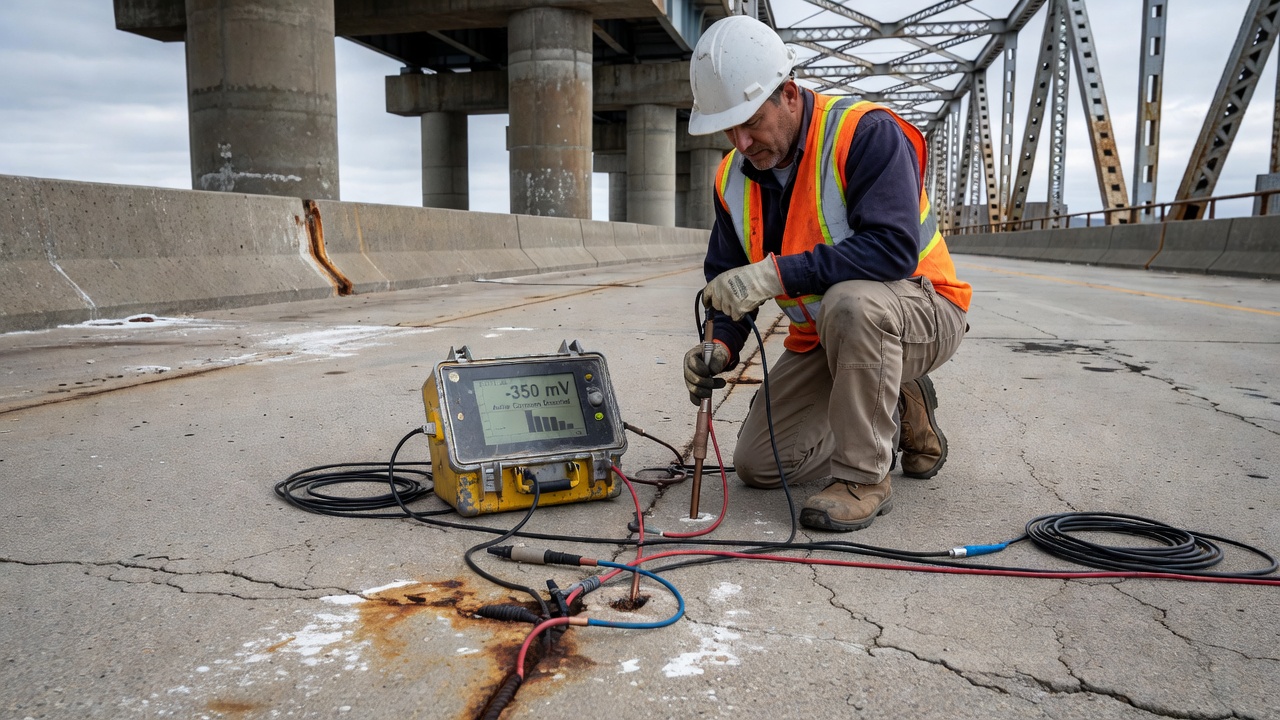
Half-Cell Potential Testing (ASTM C876) is the primary electrochemical method for evaluating corrosion probability in reinforced concrete. The test measures the electrical potential between the embedded steel reinforcement and a portable reference electrode, typically copper-copper sulfate (Cu/CuSO₄), placed on the concrete surface. The concrete must be electrically continuous, and the steel must be electrically interconnected. The standard evaluation criteria are: potentials more positive than -200 mV CSE indicate greater than 90% probability that no corrosion is occurring, potentials between -200 and -350 mV CSE are uncertain, potentials more negative than -350 mV CSE indicate greater than 90% probability of active corrosion. Potential differences exceeding 150 mV between adjacent readings indicate distinct anodic (corroding) and cathodic (protected) regions, confirming corrosion macrocell activity. Testing is performed on a grid pattern, typically 4 ft (1.2 m) spacing on bridge decks, reduced to 1–2 ft near suspected anodic areas. The method does not work on coated reinforcement (epoxy, galvanized, or stainless steel) because the coating electrically isolates the steel from the concrete electrolyte. Dry concrete surfaces require pre-wetting to establish ionic continuity.
Concrete Resistivity correlates with the corrosion rate once corrosion has initiated. Low resistivity means the concrete electrolyte can readily conduct ionic current, supporting high corrosion rates. High resistivity limits ionic current flow, slowing corrosion. The AASHTO T 358 (Surface Resistivity) and AASHTO T 277 (Bulk Resistivity) methods measure this property. Resistivity values above 200 kΩ·cm indicate very low corrosion rate, 100–200 kΩ·cm indicates low to moderate rate, 50–100 kΩ·cm indicates moderate to high rate, and below 50 kΩ·cm indicates high corrosion rate. Resistivity is strongly influenced by concrete moisture content, temperature, and chloride content.
Chloride Content Testing quantifies the amount of chloride that has penetrated to the reinforcement depth. Samples are collected by drilling concrete powder from various depths. ASTM C1218 measures water-soluble chloride (free Cl⁻ available for corrosion), and ASTM C1152 measures acid-soluble chloride (total Cl⁻ including bound chlorides). The critical chloride threshold for black steel is approximately 0.2–0.4% by weight of cement. For epoxy-coated steel the threshold is higher, for galvanized steel it is 0.8–1.5%, and for stainless steel it exceeds 2.5%. The chloride profile (concentration vs. depth) can be used with Fick’s second law of diffusion to predict the remaining time before the chloride concentration at the steel surface reaches the critical threshold (service life modeling).
Rapid Chloride Permeability (ASTM C1202) measures the total electrical charge passed through a concrete specimen in 6 hours, providing an index of concrete’s resistance to chloride penetration. Values below 1,000 coulombs indicate “very low” chloride permeability typical of high-quality concrete with low w/cm and SCMs. Values of 1,000–2,000 coulombs indicate “low” permeability, 2,000–4,000 is “moderate,” and above 4,000 is “high” permeability.
Delamination Surveys using chain drag, hammer sounding, or infrared thermography detect areas where expansive corrosion products have caused the concrete to separate from the reinforcement. A hollow sound indicates a delamination. TRB Circular 498 (Neff, 1998) notes that 10–20% deck delamination represents terminal serviceability for many agencies, triggering major rehabilitation or replacement.
Other Non-Destructive Evaluation methods include Ground Penetrating Radar (GPR) for locating delamination and mapping cover depth, Ultrasonic Pulse Velocity (UPV) for detecting internal cracking and voids, and Linear Polarization Resistance (LPR) per ASTM G59 for directly measuring instantaneous corrosion rate. Carbonation depth is measured by spraying phenolphthalein indicator on a fresh concrete fracture, pink color indicates pH above 9.0 (passive film stable), while colorless zones indicate pH below 9.0 (passive film unstable).
For cathodic protection systems specifically, monitoring includes rectifier voltage and current output (monthly), structure-to-electrolyte potentials (quarterly to annually), and depolarization testing to verify the 100 mV polarization shift criterion (annually per NACE SP0290).
Protection in Airport Concrete
Airport pavements present unique corrosion protection challenges compared to highway bridge decks and building structures. The FAA sets specific requirements through AC 150/5370-10H (Standard Specifications for Construction of Airports) and AC 150/5320-6G (Airport Pavement Design and Evaluation).
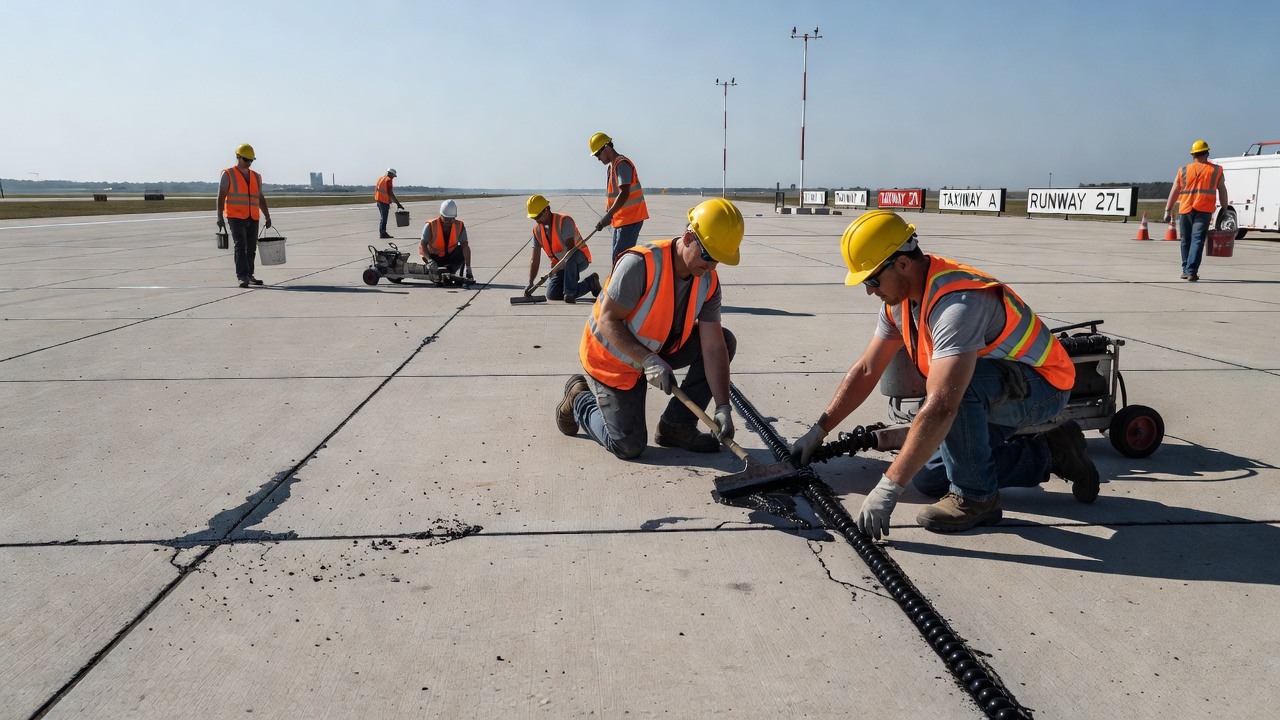
Most airport rigid pavements are jointed plain concrete pavement (JPCP), unreinforced with load-transfer dowels at joints. This design minimizes the amount of embedded steel, but the dowel bars at transverse joints are critical elements that require corrosion protection. FAA Item P-501 requires dowel bars to have a corrosion protection coating, typically epoxy coating per ASTM A775.
The primary corrosion risk in airport pavements comes from deicing chemicals penetrating through joints and cracks. Aircraft deicing fluids contain chlorides, potassium acetate, and sodium formate, all of which can attack steel dowels and any reinforcement. Joint sealant failure is the most common cause of corrosion initiation in airfield pavements, as failed seals allow chemical-laden water direct access to the dowel bars. FAA Item P-605 (Joint Sealants for Pavements) and Item P-604 (Compression Joint Seals) specify the materials and installation methods for joint seals. FAA Engineering Brief No. 70 addresses reactive aggregate mitigation for alkali-silica reaction, which can also contribute to concrete deterioration and create pathways for chloride ingress.
Item P-501 key corrosion-related requirements:
| Requirement | Specification |
|---|---|
| Fly ash maximum | 25% of total cementitious material |
| GGBFS maximum | 50% of total cementitious material |
| Combined FA + GGBFS maximum | 50% |
| Cement types | ASTM C150 (Type I, II, III, IV) or C595 (IP, IS, S, I(PM)) |
| Aggregate reactivity | ASTM C227, C289, C295, or D1260 |
| Air-entrainment | Required for freeze-thaw durability |
| Curing duration | Minimum 7 days |
| Dowel bar coating | Required per ASTM A775 |
| Joint sealants | Items P-604, P-605 |
Unlike highway structures where multiple additional protection layers (SCMs at higher dosages, penetrating sealers, corrosion inhibitors, cathodic protection) are commonly specified, airport pavement corrosion protection relies primarily on concrete quality, joint sealing integrity, and dowel bar coating. This is because airport concrete is typically unreinforced, reducing the consequences of corrosion to mainly dowel bar performance rather than structural reinforcement integrity.
The ICAO Aerodrome Design Manual (Doc 9157) and Annex 14 focus on pavement bearing strength (now the ACR-PCR method) and surface characteristics rather than specifying corrosion protection measures, these are delegated to national standards such as FAA Advisory Circulars in the United States or equivalent national transport authority specifications in other countries.
Life-Cycle Cost Comparison
Selecting the optimal corrosion protection strategy requires a life-cycle cost analysis (LCCA) that accounts for initial construction costs, maintenance costs, repair costs, and user disruption costs over the full design life of the structure.
Reliability-Based Life Cycle Cost Analysis (RB-LCCA) , recommended by FHWA and AASHTO, is the standard methodology. The analysis period is typically 75–100 years for bridges and 30–50 years for parking structures. The discount rate is typically 3–7% (4% commonly used). Terminal serviceability is defined as 10–20% deck delamination (TRB Circular 498). User costs from traffic delays and lost productivity can account for more than 50% of total LCC (MATEC Web of Conferences 2019).
Initial cost comparison (relative to black steel as 1.0× baseline):
| Rebar Type | Relative Initial Cost |
|---|---|
| Black steel | 1.0× (baseline) |
| Epoxy-coated | 1.15–1.35× |
| Continuous Galvanized (CGR) | 1.30–1.60× |
| MMFX (ASTM A1035) | 2.0–3.0× |
| Stainless steel (316) | 5.0–10.0× |
Net Present Cost (NPC) over a 100-year analysis period from the CMC/thinkstep LCA & LCCA Report (2015) shows that continuously galvanized rebar had the lowest NPC in moderate-to-high corrosion environments (Calgary parking garage, Nashville urban highway). Stainless steel outperformed all alternatives in highly corrosive tidal zone exposures (Jacksonville) despite the highest initial cost, because it eliminated the need for future rehabilitation. Black steel was the lowest-cost option only in very low corrosion environments (Tucson rural dry). Epoxy-coated rebar showed moderate NPC values across all scenarios.
Decision framework for protection strategy selection:
| Protection Strategy | Initial Cost | 50-Year LCC | Service Life Extension |
|---|---|---|---|
| Concrete quality only | Low | High | 15–25 years |
| + Epoxy-coated rebar | Medium | Medium | 40–70+ years |
| + Galvanized rebar | Medium | Medium | 50–60+ years |
| + Stainless steel rebar | Very High | Low–Medium | 75–100+ years |
| + Penetrating sealer | Low | Medium | 5–10 years per application |
| + Cathodic protection (ICCP) | High | Medium | 50+ years (retrofit) |
| + Corrosion inhibitors | Medium | Medium | Variable |
The key finding from all major LCCA studies is that corrosion-resistant reinforcement consistently shows lower life-cycle cost than conventional black steel in aggressive environments, even when initial costs are significantly higher. The Michigan DOT study demonstrating 35-year life for uncoated bars versus 70+ years for epoxy-coated bars in bridge decks exemplifies this principle. For airport pavements where steel is limited to dowel bars, the incremental cost of epoxy-coated dowels is small relative to the total pavement cost, and the life-cycle benefit of avoiding premature joint deterioration is substantial.
Indirect costs are often the dominant factor in LCCA. Road user delays during bridge deck rehabilitation, aircraft operational disruptions during airfield pavement repairs, and environmental costs from construction activities can collectively exceed 50% of total LCC. This makes corrosion prevention from the outset far more cost-effective than reactive repair strategies. The selection of corrosion protection measures must therefore consider not only the initial construction cost but the full spectrum of direct and indirect costs throughout the structure’s intended service life.
Standards Reference Summary
The following standards govern the specification, testing, and inspection of corrosion protection systems for reinforced concrete:
ACI Documents: ACI 318-19/22 (Building Code Requirements), ACI 222R-01/19 (Protection of Metals in Concrete Against Corrosion), ACI 222.3R-11 (Design and Construction Practices to Mitigate Corrosion), ACI 201.2R (Durable Concrete), ACI 232.2R (Fly Ash), ACI 233R (Slag Cement), ACI 234R (Silica Fume).
ASTM Standards: A775/A775M (Epoxy-Coated Bars), A934/A934M (Prefabricated Epoxy-Coated Bars), A767/A767M (Galvanized Bars), A955/A955M (Stainless Steel Bars), A1055/A1055M (Zinc and Epoxy Dual Coating), A1035/A1035M (Low-Carbon Chromium Steel Bars), C876 (Half-Cell Potentials), C1202 (Chloride Permeability), C1218 (Water-Soluble Chloride), C1152 (Acid-Soluble Chloride).
AASHTO Standards: M 224 (Protective Sealers), M 295 (Fly Ash), M 302 (Slag Cement), T 277 (Rapid Chloride Permeability), T 358 (Surface Resistivity).
FAA Documents: AC 150/5370-10H (Item P-501, Portland Cement Concrete Pavement), AC 150/5320-6G (Airport Pavement Design and Evaluation), AC 150/5380-6C (Pavement Maintenance), Items P-604 and P-605 (Joint Seals).
Other References: NACE SP0290 / AMPP SP0216 (Cathodic Protection), SHRP S-337 (Cathodic Protection of Bridge Elements), FHWA LTBP (Long-Term Bridge Performance), CRSI (Corrosion-Resistant Steel Reinforcement Guide).
Frequently Asked Questions
- What is the protection hierarchy for reinforced concrete corrosion?
- The protection hierarchy classifies corrosion defense strategies into three tiers. Primary protection includes high-quality concrete with low water-cement ratio (w/c ≤ 0.40 for C2 exposure per ACI 318), adequate concrete cover (2–3 inches depending on exposure), and proper design detailing for drainage and crack control. Secondary protection encompasses supplementary cementitious materials like fly ash, GGBFS, and silica fume to reduce permeability, along with corrosion inhibitor admixtures and surface-applied sealers or membranes. Tertiary protection involves coated reinforcement (epoxy-coated per ASTM A775, galvanized per ASTM A767, or stainless steel per ASTM A955) and cathodic protection systems (galvanic or impressed current). The philosophy is that multiple layers of defense provide redundancy, if one barrier fails, the next remains operational.
- How do concrete cover and quality affect corrosion protection?
- Concrete cover is the primary physical barrier between the steel reinforcement and the external environment. ACI 318-19 Table 20.5.1.3.1 specifies minimum cover of 3 inches (76 mm) for concrete cast against ground, 2 inches (51 mm) for concrete exposed to weather or earth with #6 through #18 bars, and 1.5 inches (38 mm) for interior members. Concrete quality is quantified by the water-cementitious materials ratio (w/cm): for exposure class C2 (chloride exposure), ACI 318 mandates maximum w/cm of 0.40 and minimum compressive strength of 5,000 psi. Low w/cm concrete has fewer and smaller capillary pores, dramatically reducing chloride diffusion rates. Proper curing is essential, FAA P-501 requires minimum 7-day wet curing for airport concrete pavements. Without adequate cover and quality, all other protection measures are undermined because chlorides can reach the reinforcement surface unimpeded.
- What are the main types of coated reinforcement for corrosion protection?
- Four primary types of coated reinforcement are specified by ASTM standards. Epoxy-coated rebar (ASTM A775/A775M) has a coating thickness of 7–12 mils (180–300 μm) applied before fabrication, providing a barrier that isolates the steel from chlorides. Field studies show service life extension from 35 years (uncoated) to 70+ years. Galvanized rebar (ASTM A767/A767M) receives a hot-dip zinc coating with minimum thickness of 3.4 mils (85 μm), the zinc provides both barrier protection and sacrificial galvanic protection at coating damage sites. Stainless steel rebar (ASTM A955/A955M), typically grades 304 or 316, offers approximately 100× better corrosion resistance than black steel with a chloride threshold exceeding 2.5% by weight of cement, but costs 5–10× more than black steel. MMFX steel (ASTM A1035/A1035M) is a low-carbon chromium steel (8–10% Cr) with yield strength of 100–120 ksi. Dual-coated reinforcement (ASTM A1055) combines zinc spray with epoxy powder coating for synergistic protection.
- How does cathodic protection work for reinforced concrete?
- Cathodic protection (CP) polarizes the steel reinforcement to a potential where the anodic dissolution reaction is thermodynamically suppressed. The 1993 SHRP Report S-337 states CP is 'the only permanent repair of existing corroded steel reinforced concrete.' Two types exist. Galvanic (sacrificial) systems use metals more electronegative than steel, typically zinc, magnesium, or aluminum alloys, generating current through natural potential differences. These systems require no external power, have a design life of 5–20 years based on anode mass consumption, and suit smaller structures and localized repairs. Impressed Current Cathodic Protection (ICCP) uses an external DC power source (6–24V typical) driving current through mixed metal oxide (MMO) titanium anodes at current densities of 0.2–2 mA/m² of steel surface. ICCP systems have design lives exceeding 50 years for MMO anodes, are adjustable, and suit large structures. The NACE SP0290 / AMPP SP0216 standard requires a 100 mV polarization shift for effective protection.
- What inspection methods evaluate corrosion protection system effectiveness?
- The primary inspection method is half-cell potential testing per ASTM C876, which measures the electrical potential between embedded steel and a copper-copper sulfate reference electrode. Potentials more positive than -200 mV CSE indicate >90% probability of no corrosion, potentials more negative than -350 mV CSE indicate >90% probability of active corrosion. Concrete resistivity (AASHTO T 358) correlates with corrosion rate: >200 kΩ·cm indicates very low corrosion risk, while <50 kΩ·cm indicates high risk. Chloride content testing per ASTM C1218 (water-soluble) and ASTM C1152 (acid-soluble) quantifies chloride ingress at the reinforcement depth. Rapid Chloride Permeability testing (ASTM C1202) measures coulombs passed through a concrete specimen, values below 1,000 coulombs indicate very low chloride permeability typical of high-quality concrete with SCMs. Delamination surveys using chain drag or hammer sounding detect areas where corrosion product expansion has caused concrete to separate from the reinforcement, indicating advanced corrosion damage.