What is Damage – Harm Reducing Functionality – Maintenance?
Damage – Harm Reducing Functionality – Maintenance in Aviation
Damage (Aviation Context)
Definition:
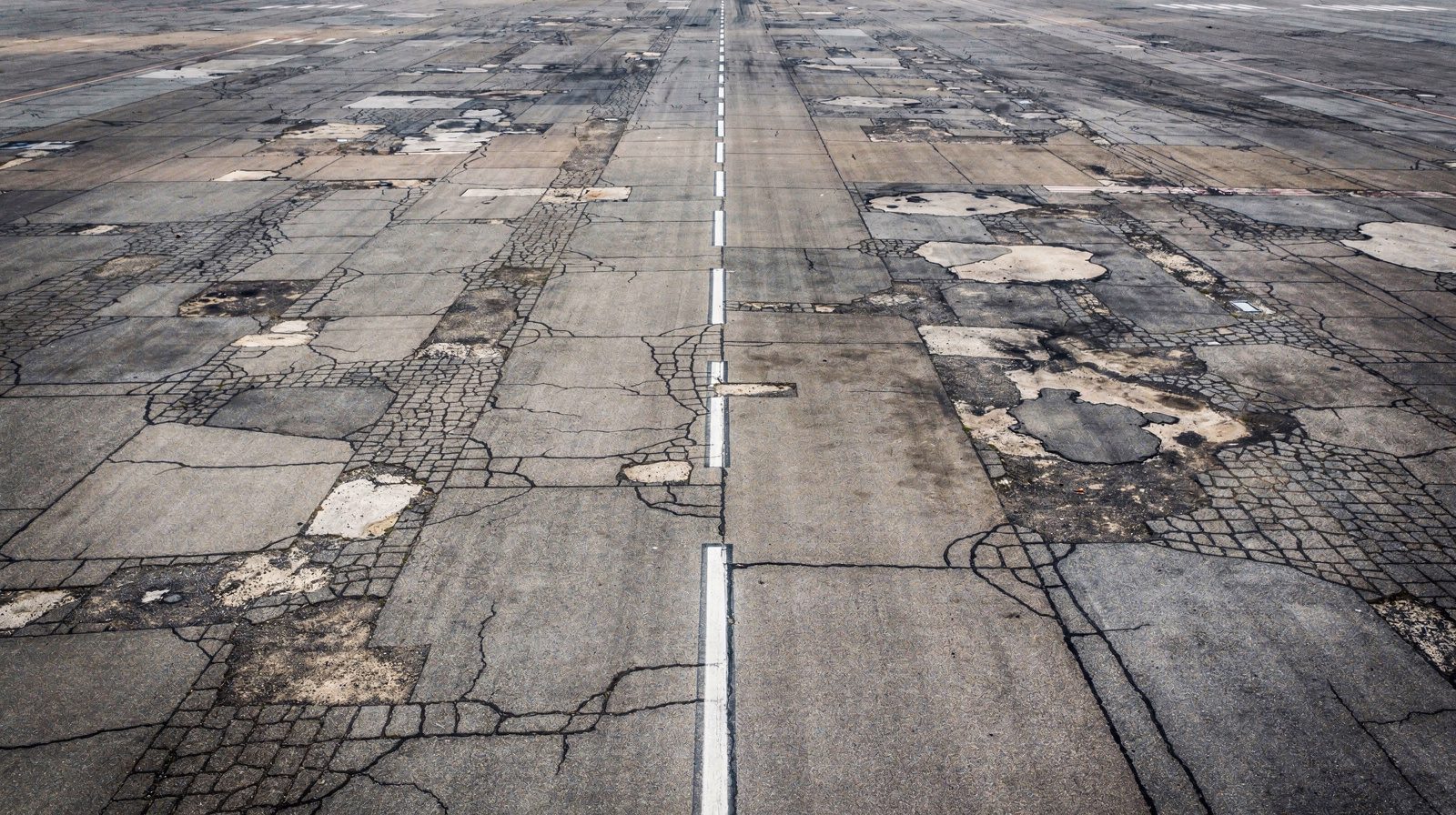
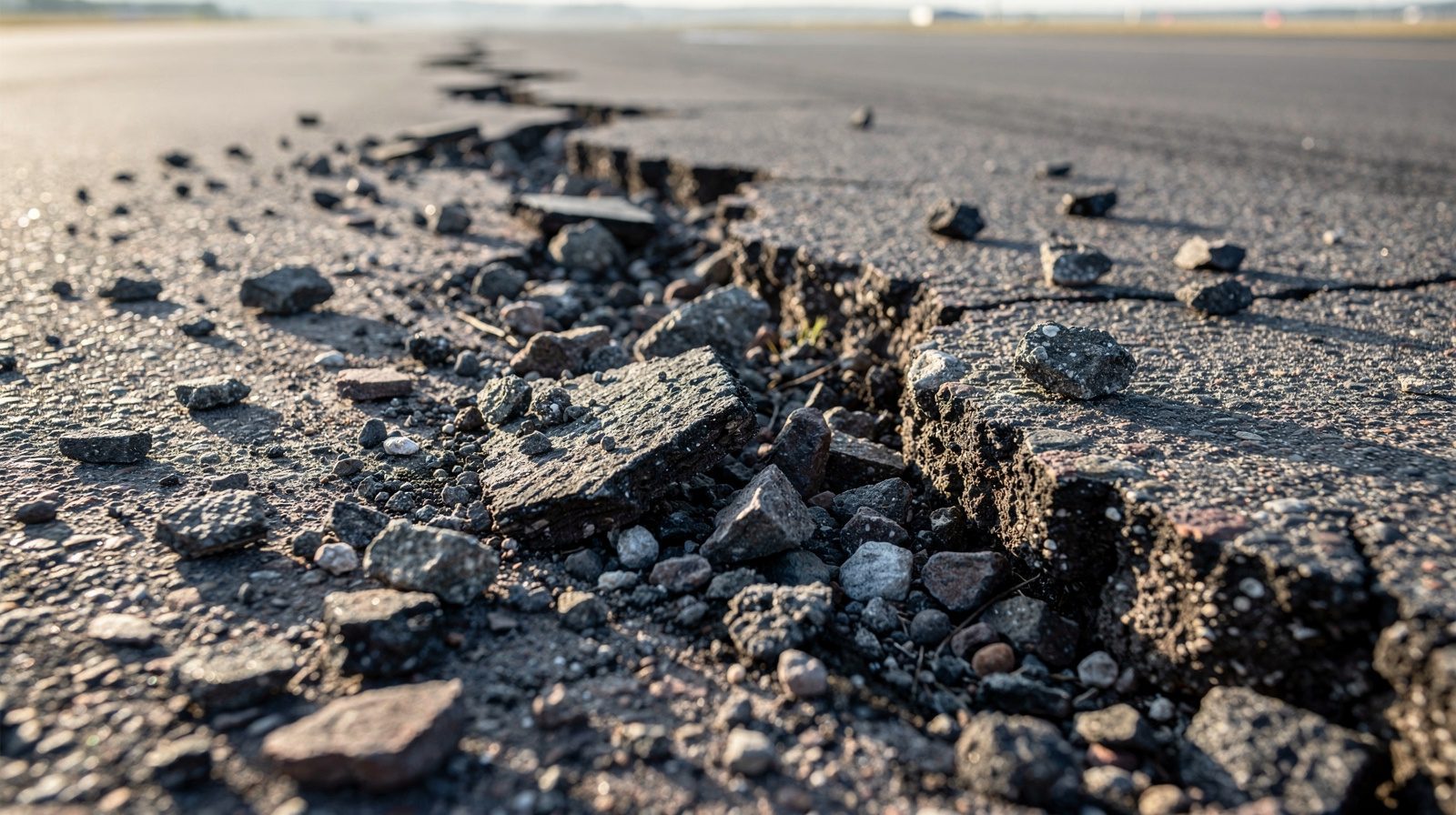
In aviation, damage means any physical alteration, degradation, or impairment to an aircraft, its components, ground equipment, or airport infrastructure that may compromise structural integrity, operational safety, or airworthiness. Damage can result from accidental impacts (bird strikes, ground vehicle collisions), environmental factors (hail, lightning, sand ingestion), fatigue, corrosion, manufacturing defects, or operational stress during flight and handling.
Usage:
“Damage” is a cornerstone term in aviation safety management systems, maintenance procedures, and accident/incident investigations. It is referenced in ICAO documents like Annex 13 (Accident Investigation) and Annex 8 (Airworthiness). Damage assessments are mandatory in pre-flight/post-flight inspections, scheduled maintenance checks (A, B, C, D checks), and after any reported anomaly or event.
How Damage is Managed:
Damage identification and classification are critical for maintaining airworthiness. Maintenance teams rely on documentation such as the Aircraft Maintenance Manual (AMM) and Structural Repair Manual (SRM) to categorize damage (minor, repairable, or beyond economic repair). ICAO Doc 9760 offers guidance on structural damage assessment, including visual inspections, non-destructive testing (NDT), and application of certified repair schemes.
Common damage types include:
- Dents: Often caused by hail, ground handling, or bird strikes.
- Cracks: Initiated by fatigue, impact, or manufacturing defects.
- Corrosion: Especially in high-moisture or chemically exposed areas.
- Delamination: In composite structures.
- Deformation, punctures, fastener failures: Each with its own inspection and repair criteria.
All damage must be assessed and, if needed, repaired per approved methods before the aircraft is cleared for service.
Harm Reducing Functionality (Aviation Context)
Definition:
Harm reducing functionality in aviation refers to design features, operational practices, maintenance protocols, and technological interventions aimed at minimizing the occurrence and consequences of damage. These are built into aircraft, airport infrastructure, and maintenance programs to proactively mitigate risk and enhance safety and reliability.
Where It Is Used:
- Aircraft design: Fail-safe and damage-tolerant structures, redundant avionics, lightning protection, bird-strike resistant windshields.
- Ground operations: FOD prevention measures, jet blast deflectors, GSE with collision avoidance sensors.
- Maintenance programs: Condition-based monitoring (CBM), Health & Usage Monitoring Systems (HUMS), fatigue tracking, corrosion prevention.
How It Is Used: Manufacturers, airlines, and MROs follow standards set by ICAO, EASA, and FAA. Examples include:
- Use of composite materials with crack-arrest capability.
- Installation of Engineered Material Arresting Systems (EMAS) at runway ends.
- Enhanced maintenance programs with CBM and HUMS.
- Targeted training for early identification of harm indicators (vibration, leaks, abnormal readings).
- Continuous improvement via Safety Management Systems (SMS) and Quality Assurance (QA).

Maintenance (Aviation Context)
Definition:
Maintenance is the systematic execution of inspection, repair, replacement, overhaul, and monitoring actions to preserve or restore airworthiness. It is governed by ICAO Annex 6, EASA Part-M, FAA Part 43, manufacturer recommendations, and airline-specific programs.
Where It Is Used:
Maintenance occurs throughout the aircraft lifecycle, from routine line maintenance (daily checks, defect rectification) to extensive base maintenance (structural inspections, overhauls). It also applies to ground equipment and airport infrastructure.
How It Is Used:
- Scheduled by flight hours, cycles, calendar time, or condition-based triggers.
- Involves pre-flight/daily/weekly/A/B/C/D checks, unscheduled repairs, and NDT.
- Application of Service Bulletins (SBs) and Airworthiness Directives (ADs).
- Maintenance records are meticulously kept for compliance and investigation.
Types of Damage in Aviation
Structural Damage
Impairment to load-bearing elements like fuselage, wings, and control surfaces. Includes cracks, dents, delamination, and corrosion. Classified as allowable, repairable, or non-repairable per SRM and ICAO Doc 9760.
Systemic Damage
Affects avionics, hydraulics, electrical systems, fuel lines, and ECS. Caused by lightning, fluid leaks, or rodent infestation. Requires system testing and prompt rectification to prevent escalation.
Cosmetic and Surface Damage
Surface issues (paint peeling, sensor blockage) can degrade aerodynamic performance. Maintenance involves cleaning, surface treatment, and calibration.

Harm Reducing Functionality: Mechanisms in Aviation
Damage-Tolerant Design
Modern aircraft employ redundant load paths, crack-arrest features, and materials with slow crack growth. Health monitoring systems (AHMS) use embedded sensors for predictive maintenance.
Lightning and Bird Strike Protection
Conductive paths and static wicks dissipate lightning. Bird strike-resistant windshields and engine inlets are tested to prescribed standards. Wildlife management at airports is critical.
Corrosion Prevention and Control
Use of resistant alloys, advanced coatings, and regular anti-corrosion treatments. High-risk areas receive targeted inspection.
FOD Prevention
Runway sweeps, FOD detection radar, and tool control (e.g., RFID tagging) minimize foreign object risks.

Maintenance: Procedures and Best Practices
Scheduled Maintenance
Planned per Maintenance Planning Document (MPD). Involves reliability programs to optimize intervals, including visual inspections, system tests, and functional checks.
Unscheduled Maintenance
Addresses defects or damage found during operation. Prompt reporting and root cause analysis are essential. MEL and CDL guide dispatch decisions.
Non-Destructive Testing (NDT)
Ultrasonic, eddy current, magnetic particle, and radiography detect hidden flaws without disassembly. NDT personnel must be certified.
Maintenance Documentation
All actions recorded in technical logs and maintenance information systems for compliance and traceability.
Continuous Airworthiness Monitoring
Real-time analytics and predictive maintenance reduce downtime and increase safety.
Case Studies: Damage, Harm Reduction, and Maintenance
Bird Strike Incident
An Airbus A320 experiences a bird strike. Maintenance uses borescopes and NDT, minor fan blade nicks are repaired per the engine manual. Containment rings and robust blade design prevent further damage. Wildlife management practices are reviewed.
Lightning Strike Damage
A Boeing 787 is struck by lightning. Inspection finds minor burn marks, electrical bonding is checked and static wicks repaired. Built-in protection prevents critical system damage.
FOD-Related Puncture
A tire is punctured by a tool left on the ramp. The incident triggers improvements in tool control and increased runway sweeps.
Corrosion Control Program
A coastal airline enhances inspections and anti-corrosion treatments, reducing unscheduled repairs and sharing best practices across the industry.
Glossary Table: Core Terms (Aviation Focus)
| Term | Definition | Example |
|---|---|---|
| Damage | Physical impairment compromising safety or airworthiness | Cracks, dents, corrosion, bird strike impact |
| Harm Reducing Functionality | Features preventing or mitigating damage impact | Redundant systems, FOD sweeps, lightning mesh |
| Maintenance | Inspection, repair, and monitoring to preserve airworthiness | A, C, D checks, NDT, corrosion programs |
| Structural Repair Manual (SRM) | Approved manual for structural damage repair methods | Fuselage crack patching instructions |
| Non-Destructive Testing (NDT) | Detecting defects without disassembly | Ultrasonic, eddy current inspections |
| Minimum Equipment List (MEL) | List of permissible inoperative items for safe dispatch | APU out if alternate power available |
| Condition-Based Monitoring | Real-time sensor data for optimized maintenance | Engine vibration triggers bearing replacement |
| Airworthiness Directive (AD) | Legally binding instruction to correct unsafe conditions | Elevator crack inspection mandate |
| Foreign Object Debris (FOD) | Objects on airport surfaces hazardous to aircraft | Loose tools, debris, stones |
| Fatigue Tracking | Monitoring part usage for life limits or inspection needs | Landing gear overhaul scheduling |
Common Misconceptions in Aviation Damage and Maintenance
1. Minor surface damage is not a safety issue.
Fact: Even small dents or corrosion can propagate, causing cracks and potential failure. All damage must be evaluated.
2. Harm reducing functionality is only about design.
Fact: Procedures, training, and infrastructure are equally vital in reducing harm.
3. Scheduled maintenance is enough.
Fact: Emerging damage can occur between checks, unscheduled and condition-based inspections are crucial.
4. Maintenance records are just paperwork.
Fact: Accurate records are vital for compliance, investigations, and asset value.
Challenges and Solutions
- Resource and Training Limitations: Addressed by regular training and upskilling, especially with new technologies and materials.
- Aging Aircraft and Corrosion: Enhanced inspections, updated repairs, and data sharing help manage risks.
- Integration of New Technologies: Investment in digital tools and analytics, guided by ICAO/IATA frameworks.
- Environmental/Operational Stresses: Customized programs and frequent inspections for harsh environments.
Integration with Safety Management and ICAO Guidance
- Safety Management Systems (SMS): Mandated by ICAO Annex 19, SMS includes damage reporting, root cause analysis, and continuous improvement.
- Regulatory Compliance: Operators must align with ICAO, national authority, and manufacturer requirements.
- Incident Investigation: Systematic analysis under ICAO Annex 13 leads to improved procedures and functionalities.
Summary
Damage, harm reducing functionality, and maintenance form the foundation of aviation safety and reliability. By integrating robust design, proactive operational practices, and rigorous maintenance, guided by international standards, aviation stakeholders minimize risk, preserve airworthiness, and ensure safe, efficient operations for every flight.
Frequently Asked Questions
- What is considered 'damage' in aviation?
- Damage in aviation is any physical change, degradation, or impairment to aircraft, components, ground equipment, or airport infrastructure that can compromise safety or airworthiness. This includes dents, cracks, corrosion, and impacts from events like bird strikes or ground collisions.
- How is harm reducing functionality implemented in aircraft?
- Harm reducing functionality is built into aircraft through design features such as damage-tolerant structures, redundant systems, lightning and bird strike protection, and operational processes like FOD prevention, enhanced maintenance protocols, and real-time health monitoring.
- What are the main types of aircraft maintenance?
- Aircraft maintenance includes scheduled (routine inspections, A/B/C/D checks), unscheduled (defect rectification), and predictive/condition-based maintenance. Activities range from visual checks to advanced non-destructive testing and documentation as per ICAO and local regulations.
- Why are maintenance records important?
- Maintenance records are essential for regulatory compliance, continued airworthiness, accident investigation, and asset value. ICAO and aviation authorities require accurate, traceable documentation of all inspections, repairs, and defect rectifications.
- What is Foreign Object Debris (FOD), and how is it managed?
- FOD refers to any object on airport surfaces that can cause damage to aircraft, such as loose tools or debris. Airports and airlines manage FOD risk through runway sweeps, detection systems, tool control, and staff training to prevent damage incidents.
This is a reference entry. TarmacView provides drone inspection services and doesn't sell the equipment or materials described in this glossary.