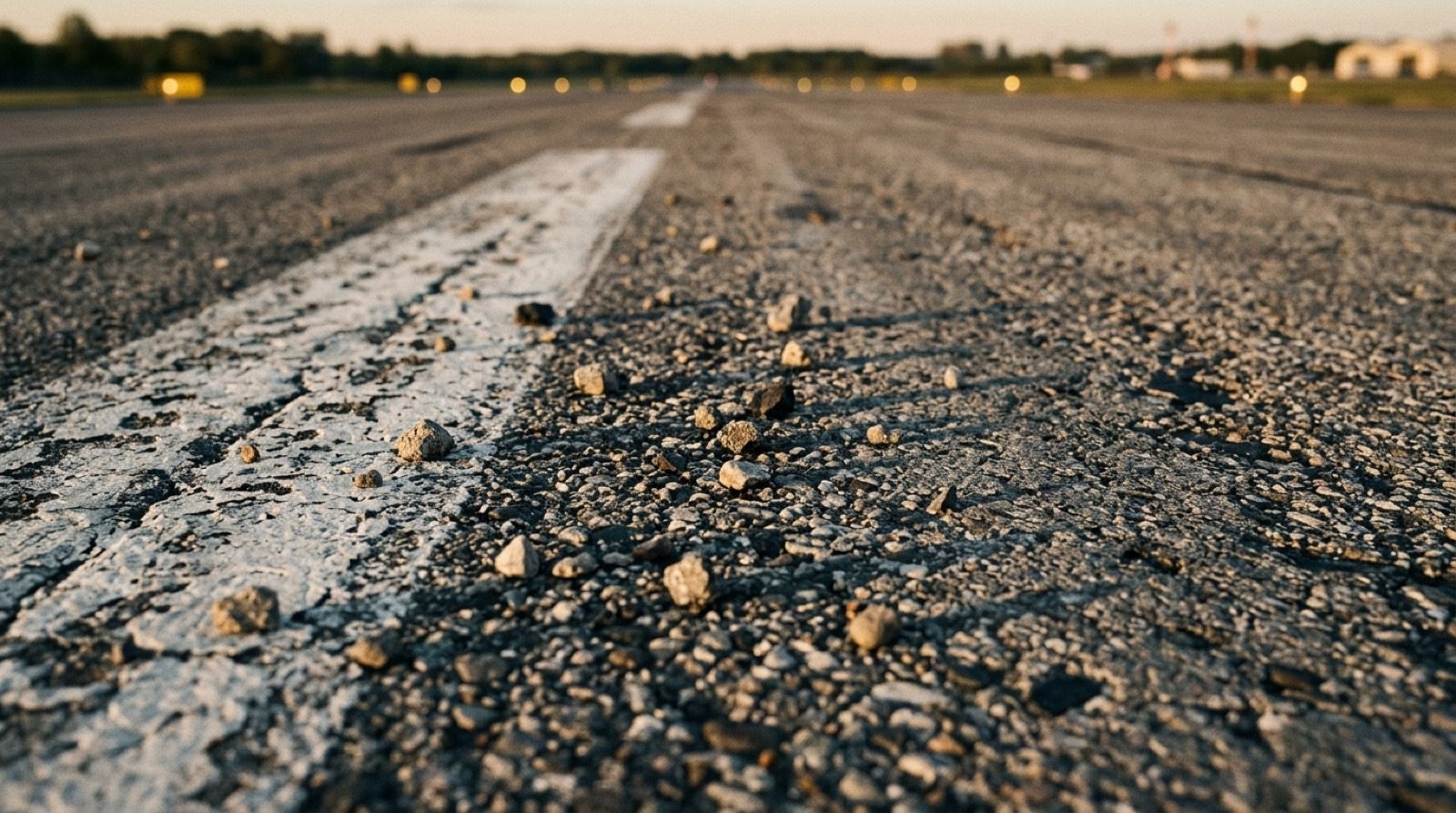
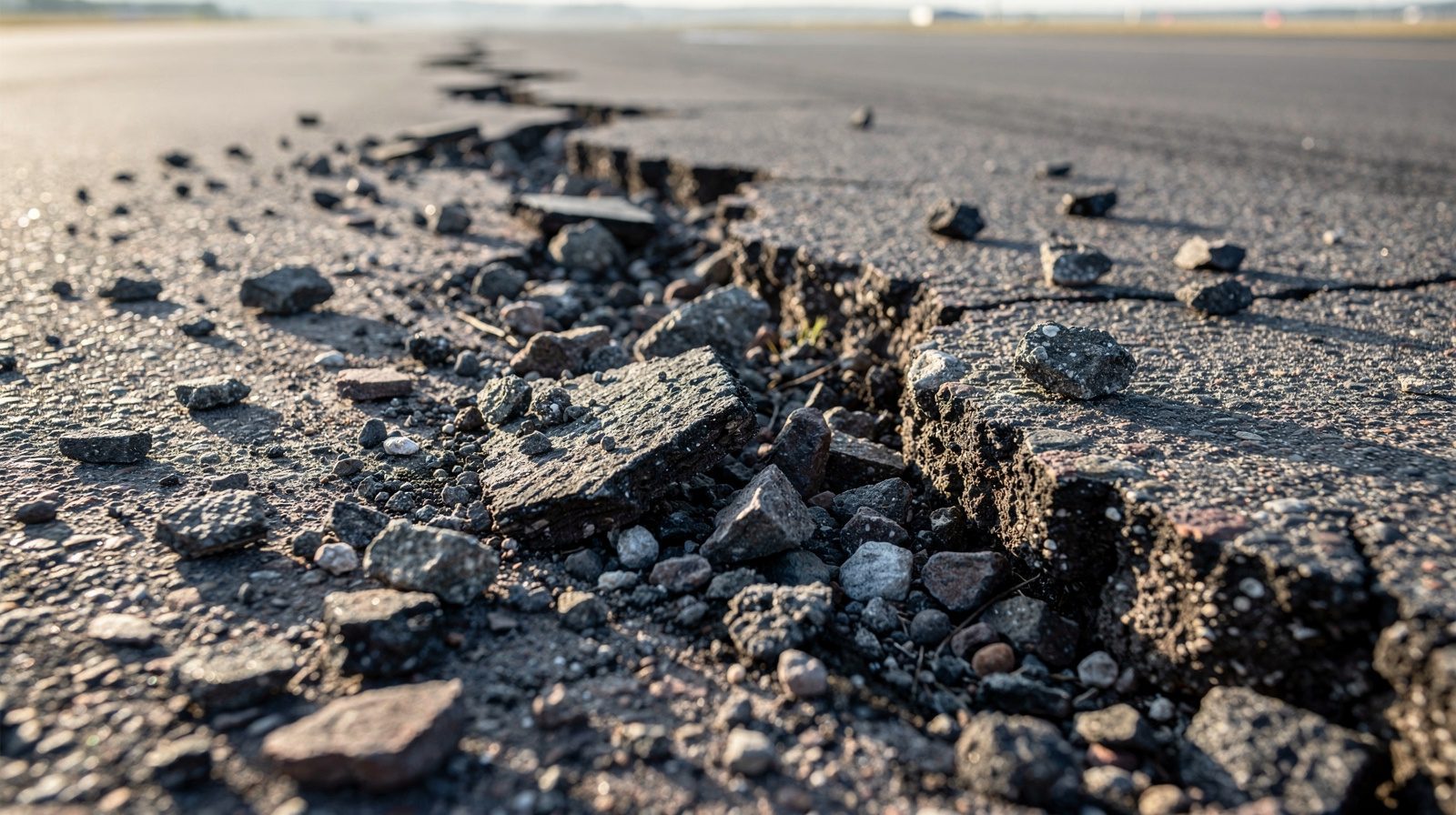
What is Debris?
Debris: Scattered Fragments in Safety, Environment, and Industry
Debris is a universal byproduct of human activity, natural events, and technological progress. Whether it’s a loose bolt on a runway, plastic swirling in the ocean, or a derelict satellite in orbit, debris presents real risks that require multidisciplinary management and innovative solutions. This comprehensive guide explores the definition, types, operational contexts, impacts, and evolving best practices for debris management across aviation, environmental, industrial, and disaster-response sectors.
Definition and Core Concept
At its core, debris refers to scattered fragments or pieces resulting from the destruction, degradation, or breaking apart of materials. While the Oxford English Dictionary defines it as “scattered fragments, typically of something wrecked or destroyed,” technical and regulatory authorities further refine this definition for operational environments. For example, the International Civil Aviation Organization (ICAO) describes “debris” as foreign objects or residues that may impact operational safety on runways and taxiways. In environmental science, debris includes both organic (vegetative) and inorganic (synthetic, chemical) materials encountered in land, water, and even outer space.
Key characteristics:
- Can be natural or man-made
- Varies in size from microscopic particles (microplastics, dust) to large objects (vehicles, shipping containers)
- Often presents hazards to safety, health, and the environment
- Requires tailored management approaches based on context and risk profile
Contexts and Applications
Aviation
In aviation, Foreign Object Debris (FOD) is a leading cause of safety incidents. FOD includes any object, natural or artificial, on airport surfaces that can damage aircraft or injure personnel. Examples are loose hardware, pavement fragments, wildlife remains, and luggage tags. Runway debris can result in catastrophic accidents, such as the 2000 Air France Concorde disaster caused by a stray titanium strip.
Environmental Management
Debris in environmental contexts encompasses:
- Land-based debris: Agricultural waste, construction/demolition materials, litter
- Marine debris: Items discarded into oceans and waterways, from plastic bottles to derelict fishing gear
- Space debris: Defunct satellites, rocket fragments, and collision remnants in Earth’s orbit
Each context demands unique detection, monitoring, and clean-up strategies, including remote sensing, AI, and community engagement.
Industry
In industrial settings, debris includes hazardous waste, e-waste, and byproducts from manufacturing or demolition. Regulatory compliance (e.g., EPA’s Resource Conservation and Recovery Act in the US) is vital to mitigate contamination and worker hazards.
Disaster Response
Natural disasters and armed conflict generate enormous volumes of heterogeneous debris, quickly overwhelming waste management systems. Effective protocols for assessment, segregation, and disposal are crucial for public health and infrastructure recovery.
Types of Debris
Natural Debris
Produced by natural processes such as storms, floods, and geological events, natural debris includes tree branches, rocks, sand, volcanic ash, and wildlife remains. It can enrich ecosystems but also create blockages, fire risks, or operational hazards.
Man-Made (Anthropogenic) Debris
Originates from human activity, plastics, construction materials, glass, packaging, abandoned vehicles. Man-made debris is persistent, often non-biodegradable, and a major environmental pollutant, especially in urban and marine settings.
Hazardous Debris
Contains substances dangerous to health or the environment, e.g., asbestos, lead, medical waste, oil-soaked rags. Requires specialized handling and disposal under strict regulatory protocols.
Marine Debris
Solid materials, predominantly plastics, lost gear, and derelict vessels found in oceans and coastal areas. Marine debris is a global crisis, harming wildlife, navigation, and human health.
Space Debris
Non-functional satellites, spent rocket stages, and fragmentation remnants in orbit. Tracked by organizations like NASA, space debris poses collision risks to spacecraft and the International Space Station.
Disaster Debris
Mixed materials generated by hurricanes, earthquakes, fires, and conflict. Includes everything from natural to hazardous debris, often in overwhelming quantities.
Causes and Patterns of Debris Accumulation
- Natural events: Hurricanes, floods, volcanic eruptions, and earthquakes scatter debris over wide areas.
- Human behavior: Littering, illegal dumping, improper disposal of industrial and household waste.
- Armed conflict/disasters: Explosions, building collapses, and infrastructure destruction.
- Space missions: Launches, collisions, and satellite fragmentation.
Accumulation is affected by geography, population density, industrial activity, and the efficiency of waste management systems. Urbanization and frequent disasters heighten vulnerability to debris build-up.
Environmental and Health Impacts
Land Impacts
- Soil contamination from heavy metals, hydrocarbons, and persistent pollutants.
- Disrupted habitats and breeding grounds for pests/invasive species.
- Fire hazards and blocked drainage systems.
Water and Marine Impacts
- Pollution from plastics, chemicals, and micro-debris.
- Injury and death for aquatic life via ingestion and entanglement.
- Navigation hazards from large debris.
Wildlife and Biodiversity
- Over 800 marine species harmed each year by marine debris.
- Disruption of migration, feeding, and reproductive behaviors.
- Spread of invasive species.
Human Health
- Respiratory illness from dust and particulates.
- Disease vectors in standing debris (e.g., mosquitoes).
- Direct physical and chemical hazards from sharp or toxic debris.
Aviation Safety
- Engine damage, tire punctures, and catastrophic accidents from FOD.
- Lost revenue and operational delays due to debris-related incidents.
Debris Removal and Management
Segregation and Processing
- Sorting: By type, organic, recyclable, hazardous, landfill.
- Certified contractors: Essential for hazardous or large-scale removal.
- Onsite processing: Composting, crushing, or recycling where feasible.
Technologies
- Runway sweepers and vacuum trucks: For airport FOD removal.
- Drones and remote sensing: For mapping debris fields post-disaster or in inaccessible areas.
- AI and IoT sensors: For monitoring and automating detection.
Community Involvement
- Clean-up drives, reporting hotlines, and education campaigns.
- Public-private partnerships for large-scale or recurring debris challenges.
Innovative Solutions
- Mobile apps for real-time debris reporting and pickup scheduling.
- Robotics and AI for automated waste sorting.
- Biodegradable materials to reduce future debris loads.
Regulatory Frameworks and Compliance
- International: ICAO (aviation), IMO (marine), UNOOSA (space).
- National: EPA (environment), OSHA (workplace safety), FEMA (disaster response).
- State/Local: Permits, collection schedules, burning restrictions, zoning laws.
- Penalties: Fines, legal action, and remediation orders for non-compliance.
Case Studies: Disaster Debris Management
Hurricane Katrina (2005)
- Over 100 million cubic yards of debris removed.
- GIS mapping and phased collection zones enabled efficient clearance.
Joplin Tornado (2011)
- 1.5 million cubic yards of debris managed via grid-based systems and community volunteers.
California Wildfires
- Specialized hazardous waste teams deployed for toxic debris before general cleanup.
Protocols: Rapid assessment, PPE, segregation, safe disposal, and multi-agency coordination are standard.
Urban vs. Rural Debris Management
- Urban: Scheduled pickups, specialized equipment, strict ordinances, pest control.
- Rural: Drop-off events, self-haul, controlled burning (where legal), self-reliance.
Example: Austin, TX requires traffic rerouting for urban cleanup, while rural areas may permit open burning under tight controls.
Recycling and the Circular Economy
- Material-specific recycling: Asphalt, concrete, wood, metals, glass, and e-waste processed for reuse.
- Creative repurposing: Transforming bricks, metal, and wood into new products or infrastructure.
- Incentives: Rebates and grants for recycling initiatives, especially in construction/demolition.
Economic Aspects
Debris management costs vary by type, volume, and local market:
- Residential: $150–$500 per load for junk removal.
- Construction: $25–$45 per labor hour.
- Disaster: Millions to billions in public spending for large-scale cleanup.
Investment in prevention and recycling reduces long-term costs and liability.
Conclusion
Debris is more than just discarded fragments, it’s a critical operational, environmental, and safety challenge that spans the globe and every sector of society. From aviation runways to the ocean floor and Earth’s orbit, effective debris management is essential for protecting people, ecosystems, and infrastructure. Through a combination of technology, regulation, public engagement, and innovation, organizations and communities can turn the tide on debris, turning risk into resilience and waste into new opportunity.

For tailored solutions in debris management for your industry or community, contact our experts or schedule a demo today.
Frequently Asked Questions
- What is debris?
- Debris is a term for scattered fragments or pieces resulting from the breaking, destruction, or degradation of objects, structures, or materials. It encompasses both natural (e.g., tree branches, rocks) and man-made (e.g., plastics, metal fragments, construction waste) materials, commonly found in aviation, industrial, marine, and disaster contexts.
- Why is debris management important in aviation?
- In aviation, debris, often termed Foreign Object Debris (FOD), can damage aircraft, injure personnel, and cause catastrophic accidents. Effective debris management, including regular inspections and specialized removal equipment, is crucial to ensure runway safety and prevent incidents like the Air France Concorde crash.
- What are common types of debris?
- Debris can be classified as natural (vegetation, rocks, ash), man-made (plastics, glass, construction materials), hazardous (asbestos, medical waste, chemicals), marine (plastic bags, lost fishing gear), space (defunct satellites, rocket fragments), and disaster debris (mixed materials from hurricanes or earthquakes).
- How is debris managed during disasters?
- Disaster debris management involves rapid assessment, segregation, removal, and safe disposal of mixed materials generated by events like hurricanes, floods, or fires. Agencies use GIS mapping, PPE, and specialized teams to safely clear debris, restore infrastructure, and minimize health risks.
- What are the environmental impacts of debris?
- Debris can contaminate soil and water, harm wildlife through ingestion or entanglement, disrupt habitats, and introduce toxic substances into food chains. Marine and micro-debris pose persistent threats to aquatic life and human health, while improper land disposal can leach chemicals into groundwater.
- What regulations govern debris management?
- Debris management is governed by international (e.g., ICAO, IMO), national (e.g., EPA, OSHA), and local regulations. These laws dictate collection, segregation, disposal, and recycling protocols to ensure safety, environmental protection, and legal compliance, with penalties for violations.
- How does recycling fit into debris management?
- Recycling transforms debris such as metals, plastics, glass, and construction materials into new products, reducing landfill use and environmental impact. Organic debris can be composted, while hazardous items require specialized recycling to safely recover valuable materials.
- What technologies assist with debris detection and removal?
- Modern debris management uses runway sweepers, vacuum trucks, drones for aerial mapping, AI-powered detection systems, and IoT sensors. These tools improve the efficiency and accuracy of identifying, removing, and sorting debris, especially in high-risk environments like airports and disaster zones.
This is a reference entry. TarmacView provides drone inspection services and doesn't sell the equipment or materials described in this glossary.