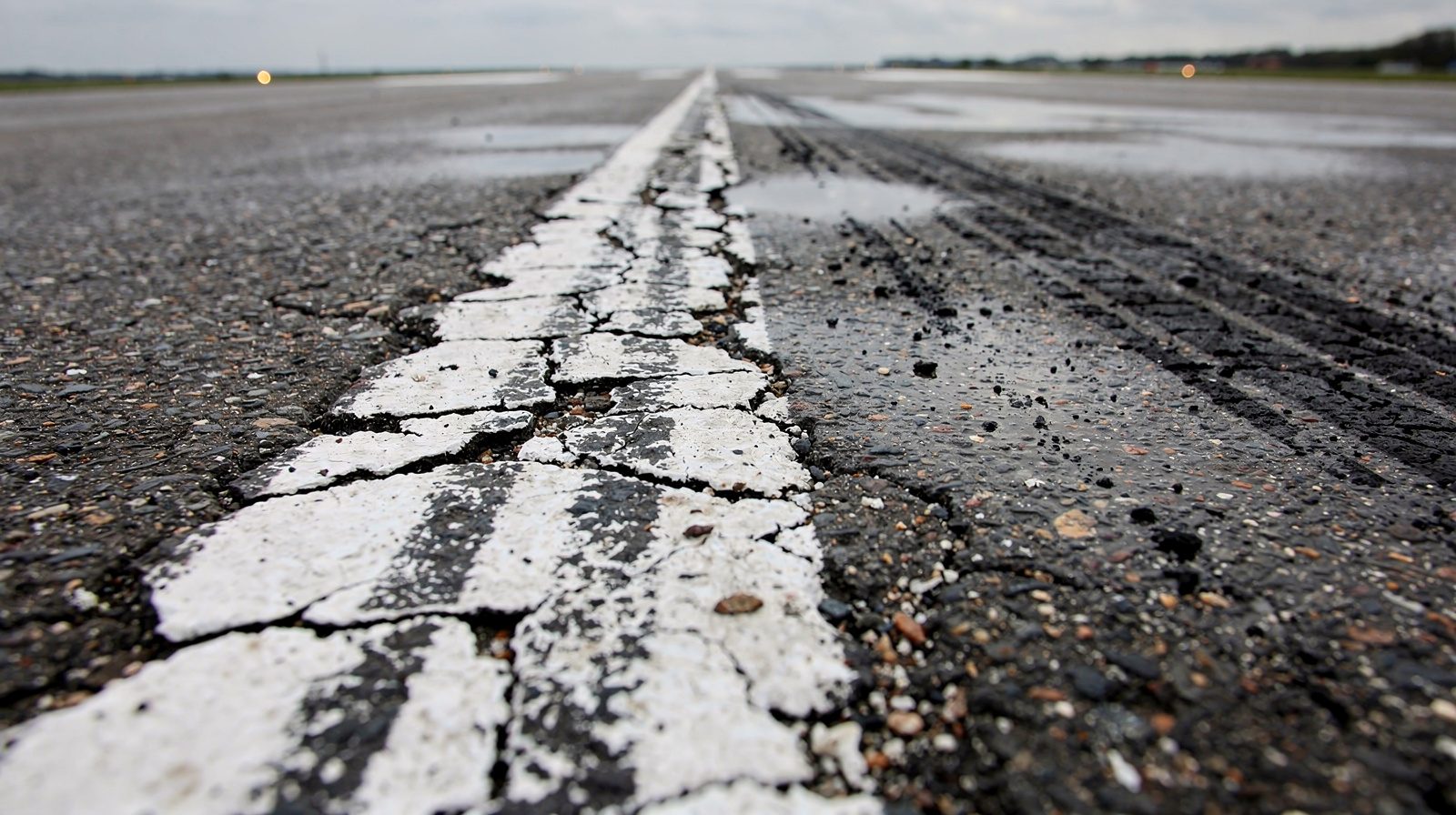
What is Decay in Aviation?
Decay – In-Depth Definition, Aviation Relevance, and Technical Context
Decay: Core Definition
Decay is the gradual decrease, deterioration, or impairment of quality, function, or condition in a material, system, or structure over time. In aviation and engineering, decay covers both organic and inorganic processes and results from chemical, physical, biological, or radiological mechanisms that undermine the integrity or effectiveness of an object or system. Decay can manifest visibly, such as corroded metal, or be hidden, like internal fatigue or microstructural failures in composites. Both are critical considerations for aviation safety and maintenance.
Decay in Aviation: Types, Processes, and Examples
In aviation, decay involves various deterioration mechanisms affecting aircraft structures, systems, and materials:
- Structural Decay: Corrosion, fatigue, and mechanical wear on fuselage, wings, and control surfaces due to environmental exposure.
- Component Decay: Degradation of avionic systems, wiring, and electrical connectors from thermal cycling, vibration, humidity, and contamination.
- Biological Decay: Mold or mildew in cabin interiors or emergency equipment, especially in moist environments.
- Operational/Procedural Decay: Erosion of maintenance standards, safety cultures, or operational discipline, increasing risk of error or non-compliance.
Decay processes are addressed through scheduled maintenance, non-destructive testing (NDT), and predictive maintenance, as required by ICAO Annex 6 and Annex 8. Examples include corrosion prevention and control programs (CPCP), structural health monitoring, and timely component replacement.
Scientific and Engineering Dimensions of Decay
Technical decay mechanisms in aviation include:
- Corrosion: Electrochemical breakdown of metals due to environmental factors, especially in humid or coastal operations. Managed by protective coatings and sacrificial anodes.
- Fatigue Decay: Microcracks forming under cyclic loading, potentially leading to sudden failure. Monitored through fatigue life tracking and fracture mechanics.
- Radiological Decay: Relevant mainly to exposure of aircraft and crew to cosmic radiation at altitude, monitored per ICAO Doc 9650.
- Chemical and Environmental Decay: Degradation of polymers and elastomers due to UV, ozone, fuel/hydraulic fluid contamination, and temperature extremes.
- Signal Decay: Loss of strength in avionics communications, affecting navigation and reliability.
Legal and Insurance Perspectives on Decay
Aviation insurance often excludes losses attributable to gradual decay, classifying them as maintenance issues. Legal disputes may focus on whether decay is limited to organic rot or includes any unseen, progressive deterioration. Regulatory and legal frameworks rely on precise definitions from ICAO, IATA, and manufacturer manuals, distinguishing “wear and tear” from “sudden failure.”
ICAO Documentation and Decay Management
ICAO’s regulatory framework mandates systematic decay management:
- Annex 6: Requires scheduled maintenance and decay detection procedures.
- Annex 8: Sets certification standards for decay resistance and lifecycle durability.
- Doc 9760: Offers guidance on corrosion prevention, fatigue monitoring, and NDT.
- Doc 9859: Promotes proactive identification and mitigation of both physical and procedural decay.
- Doc 9824: Addresses procedural decay risks through training and documentation.
Decay Detection and Mitigation in Aviation
Key tools and strategies include:
- Visual Inspection: Identifies surface corrosion, cracks, or discoloration.
- NDT (Ultrasound, Eddy Current, X-ray): Reveals hidden or subsurface decay.
- Predictive Maintenance: Sensors and analytics forecast decay trends for targeted intervention.
- Corrosion Inhibitors/Coatings: Slow or prevent electrochemical decay.
- Scheduled Replacement: Time-limited parts are replaced before visible decay occurs.
Example: Corrosion decay on an aircraft wing spar, identified during inspection and treated with inhibitor.
Example: Ultrasonic NDT equipment in use for detecting internal decay in a composite component.
Decay in Accident Investigation and Airworthiness Directives
Undetected decay is often a root or contributing cause in aviation accidents. The Aloha Airlines Flight 243 incident (1988) highlighted the risks of undetected corrosion and fatigue, prompting regulatory changes for aging aircraft and mandatory inspection programs. Airworthiness Directives (ADs) may require enhanced inspection or repair when new decay risks are identified.
Decay in Aviation Materials
- Aluminum Alloys: Susceptible to pitting and intergranular corrosion.
- Titanium and Stainless Steel: More resistant but can suffer stress corrosion cracking.
- Composites: Decay via resin degradation, delamination, or fiber breakage.
- Polymers/Elastomers: Decay from UV, ozone, fluid contact, and temperature cycling.
Material selection, protective treatments, and inspection regimes are crucial for managing decay across the aircraft lifecycle.
Decay in Aircraft Systems and Infrastructure
- Avionics: Signal decay and component aging managed through redundancy and built-in test equipment.
- Hydraulics: Fluid contamination and seal decay addressed by scheduled maintenance.
- Cabins: Biological decay and material degradation managed via cleaning, environmental controls, and replacement.
Airside infrastructure (runways, taxiways, lighting) also requires decay monitoring and maintenance for safety and regulatory compliance.
Decay in Human Factors and Organizational Processes
Procedural decay, decline in adherence to SOPs, safety culture, or maintenance discipline, can be as dangerous as material decay. ICAO Doc 9859 and Doc 9824 emphasize continuous training, SMS, and oversight to prevent procedural decay.
Decay in International Standards and Best Practices
Standards such as ISO 9001 and AS9100 require organizations to identify, monitor, and control decay in products and processes. Risk-based thinking and continual improvement ensure decay is proactively managed.
Dictionary Definitions and Aviation Synonyms
| Term | Definition (Aviation Context) | Example Use |
|---|---|---|
| Decay | Gradual decline in material or structural integrity | Corrosion of wing spars, fatigue in landing gear |
| Deterioration | Impairment of value or function due to decay or aging | Degradation of hydraulic fluid performance |
| Decomposition | Breakdown of organic or polymeric material, often via microbes | Mold growth in insulation, resin breakdown |
| Regression | Return to a less effective or safe condition due to lack of upkeep | Safety culture reverting after an incident |
| Disintegration | Complete breakdown or fragmentation, often catastrophic | Explosive decompression from fuselage cracks |
Synonyms: corrosion, fatigue, wear, degradation, delamination, embrittlement, attrition, oxidation, erosion, rot, pitting, spalling
Antonyms: preservation, protection, restoration, enhancement, maintenance
Example Sentences
- “Corrosion decay in the main landing gear prompted an unscheduled overhaul.”
- “Fatigue decay was detected in the wing root, requiring structural component replacement.”
- “Signal decay in the radio system led to communication dropouts during approach.”
- “Procedural decay was evident in the increased maintenance-related incidents.”
- “Delamination decay in the rudder was identified using ultrasonic NDT during a C-check.”
Aviation-Specific Case Law and Insurance Disputes
Insurance disputes often focus on whether a failure was gradual decay (excluded) or sudden accident (covered). Courts may consider maintenance records and inspection reports as evidence. “Hidden decay” that could not be reasonably detected may be covered, depending on policy language.
Practical Implications for Aviation Professionals
Aviation professionals, including pilots, engineers, and inspectors, must proactively detect and address all forms of decay. Early intervention maintains safety, asset value, and compliance. A deep understanding of decay mechanisms and legal distinctions is essential for informed decision-making.
Recommended Practices for Managing Decay
- Implement corrosion prevention and control programs (CPCP).
- Use advanced NDT for critical structures and components.
- Maintain rigorous inspection and maintenance documentation.
- Ensure continuous training on decay recognition and mitigation.
- Participate in industry information-sharing on new decay mechanisms.
References
- ICAO Annex 6: Operation of Aircraft
- ICAO Annex 8: Airworthiness of Aircraft
- ICAO Doc 9760: Airworthiness Manual
- ICAO Doc 9859: Safety Management Manual
- FAA AC 43-4A: Corrosion Control for Aircraft
- EASA Part-M: Continuing Airworthiness Requirements
- Joy Tabernacle, The New Testament Church v. State Farm Fire & Cas. Co., No. 14–2160 (6th Cir. June 22, 2015)
- IRMI: Decay Includes Gradual Deterioration
- FAA Aviation Maintenance Technician Handbooks
- Dictionary.com: Decay
- Merriam-Webster: Deterioration
This glossary entry provides an authoritative, aviation-focused exploration of “decay” for professionals concerned with airworthiness, safety, maintenance, and legal compliance.
Frequently Asked Questions
- What does decay mean in aviation?
- In aviation, decay refers to the gradual deterioration or loss of structural integrity, functionality, or reliability in aircraft materials, components, or systems. This includes corrosion of metals, fatigue in structural elements, degradation of polymers, and procedural decline in maintenance or operations. Effective management of decay is essential to maintain airworthiness and safety.
- How is decay detected and managed in aircraft?
- Decay is detected using visual inspections, non-destructive testing (NDT) such as ultrasonic or eddy current methods, health monitoring sensors, and routine maintenance checks. Management includes applying protective coatings, replacing time-limited components, implementing corrosion prevention programs, and maintaining rigorous documentation as mandated by ICAO and national authorities.
- What are common types of decay in aviation?
- Common types of decay in aviation include corrosion (electrochemical breakdown of metals), fatigue (microcrack formation due to cyclic loading), chemical decay (degradation of polymers and sealants), biological decay (mold or mildew on cabin materials), and procedural or operational decay (decline in maintenance standards or safety culture).
- Does insurance cover losses due to decay?
- Insurance policies often exclude losses caused by gradual decay, considering them as maintenance issues rather than accidental damage. Coverage for decay-related losses depends on policy wording and whether the decay was hidden or could not be detected by reasonable inspection prior to a loss event.
- What regulatory documents address decay in aviation?
- Key regulatory documents addressing decay include ICAO Annex 6 (Operation of Aircraft), ICAO Annex 8 (Airworthiness of Aircraft), ICAO Doc 9760 (Airworthiness Manual), and FAA AC 43-4A (Corrosion Control for Aircraft). These require operators to implement inspection, monitoring, and mitigation strategies for all forms of decay.
This is a reference entry. TarmacView provides drone inspection services and doesn't sell the equipment or materials described in this glossary.