What is Full Intensity in Airport Lighting?
Definition: Full Intensity / Maximum Light Output
Full intensity, also known as maximum light output, refers to the highest luminous setting an airport lighting fixture or system can achieve. This critical parameter is governed by international and national standards, such as ICAO Annex 14 and FAA AC 150/5345-46F, and is designed to provide optimal visibility in adverse operational conditions like fog, heavy precipitation, or nighttime. Full intensity is not an arbitrary setting, it is a rigorously defined, measured, and documented value, typically expressed in candelas (cd), which ensures that lighting systems deliver their maximum specified output along the intended photometric axis.
The concept of full intensity applies to all categories of airfield lighting: runway edge and centerline lights, approach lighting systems (ALS), taxiway lights, stop bars, and obstruction lights. For certification, each system must reliably achieve and maintain its defined full intensity output under all operational scenarios. This setting is selectable, either manually or automatically, via airfield lighting control panels and is routinely verified through photometric measurement to ensure compliance.
Pilots and ground personnel rely on the availability of full intensity for safe navigation, particularly during instrument meteorological conditions (IMC) or night operations. The effective deployment of full intensity settings ensures that visual guidance cues remain clear and conspicuous, forming the foundation for safe and efficient airport operations.
Context of Use in Airport Lighting Systems
Airport lighting systems are engineered to adapt to a wide range of operational and environmental conditions. Intensity control is central to this adaptability, with full intensity representing the highest selectable output. This setting is primarily used when natural visibility is reduced, such as during darkness, fog, snow, or heavy rain, increasing the need for clear visual cues.
Key systems utilizing full intensity include:
- Runway Edge and Centerline Lights: Critical for delineating runway edges and the centerline, especially in low-visibility or at night.
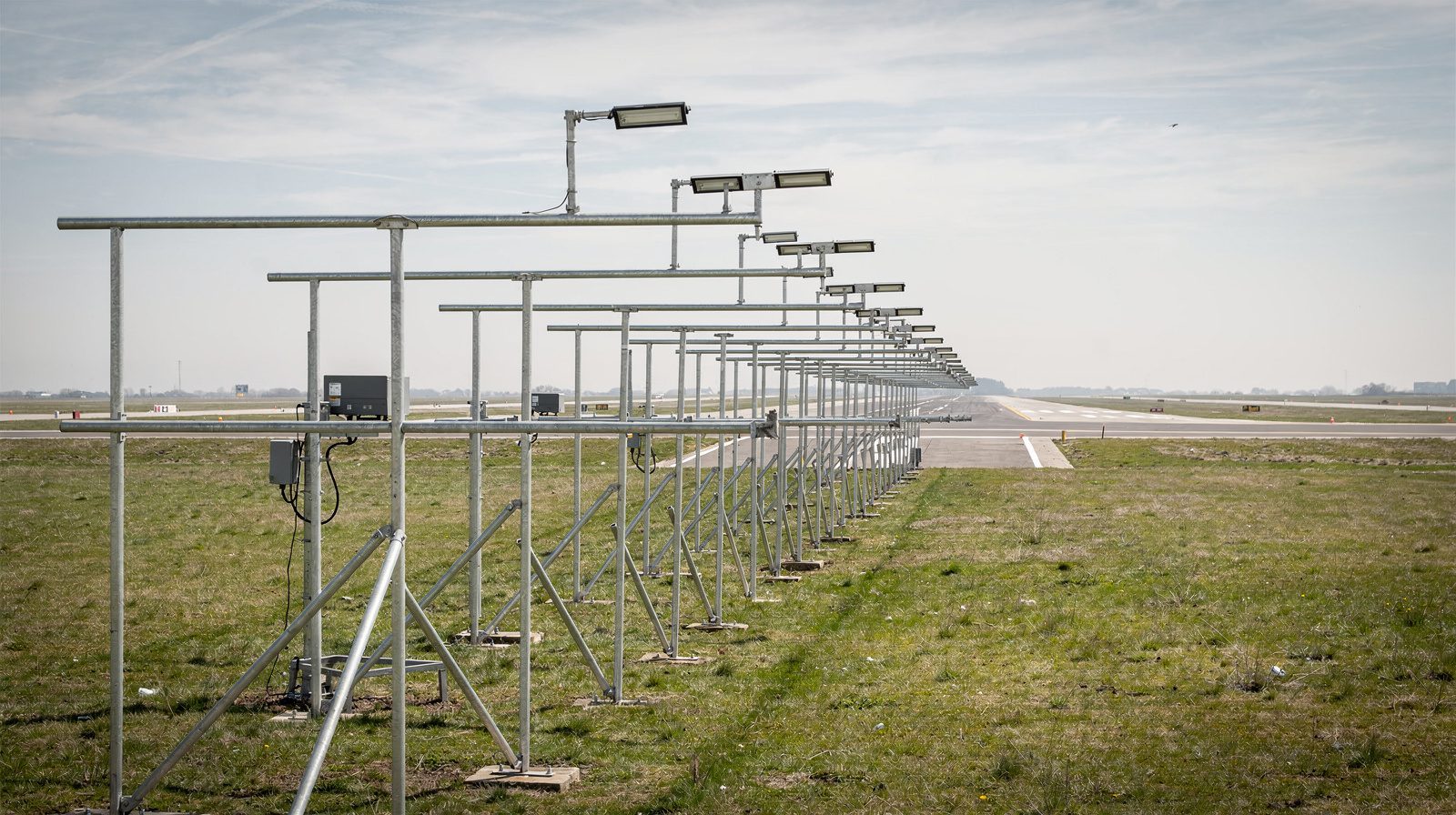
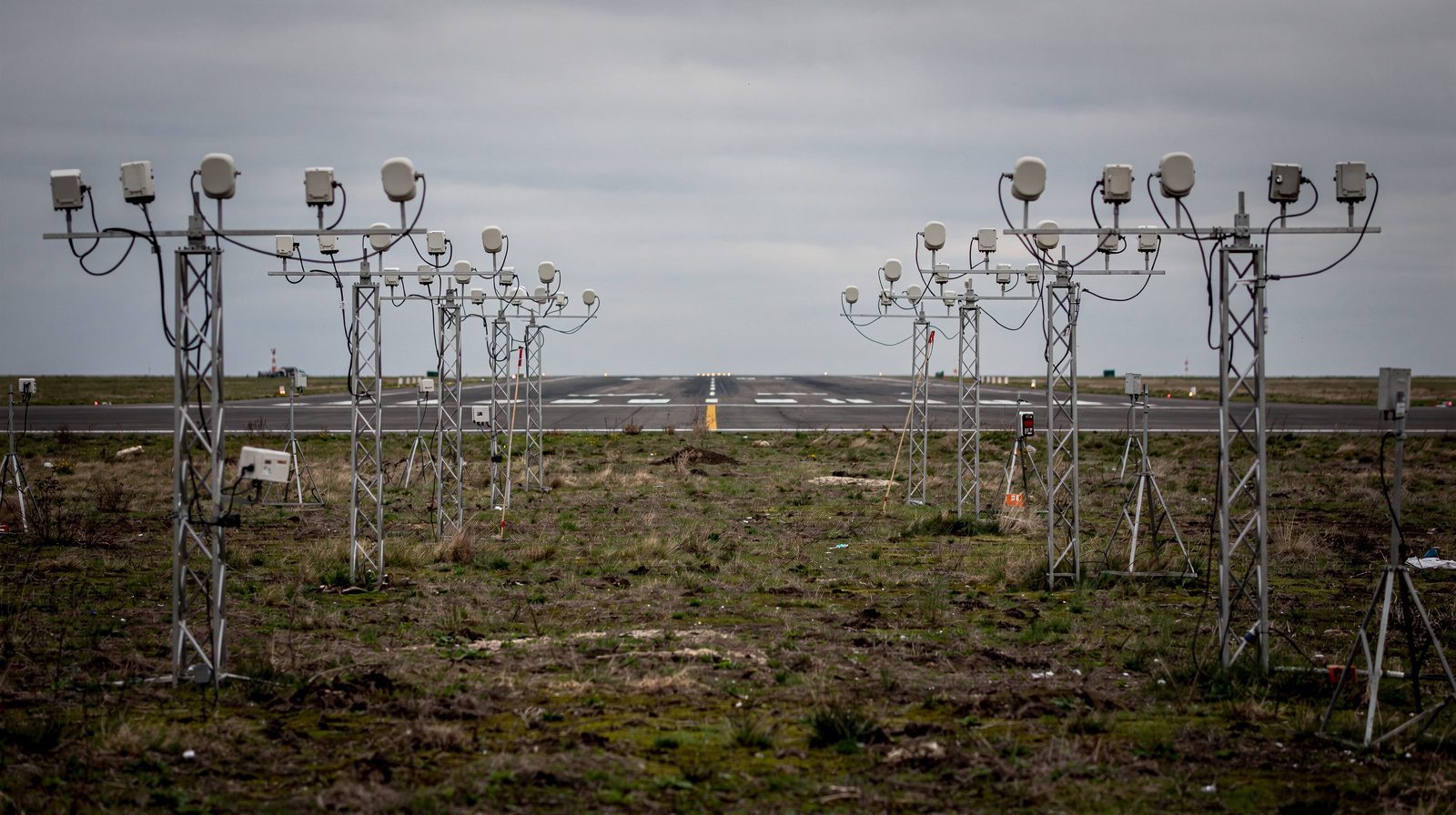
- Approach Lighting Systems (ALS): Extending hundreds of meters from the runway, these are used at full intensity during instrument approaches to provide maximum visual contact.
- Taxiway Centerline Lights and Stop Bars: Guide aircraft safely along taxi routes and hold points during poor visibility.
Operationally, full intensity is deployed in routine low-visibility operations, at night, and during emergencies. ATC or airport operations may also select full intensity upon pilot request, accommodating unfamiliarity with the airport, special cockpit visibility constraints, or non-standard scenarios. The use of full intensity is governed by standard operating procedures and is often automated based on real-time weather and light conditions.
Regulatory Framework and Standards
The standards governing full intensity are set globally by ICAO and, in the US, by the FAA.
- ICAO Annex 14, Volume I: Specifies the minimum and maximum intensity levels for each lighting type, mandating variable intensity steps with full intensity matching detailed photometric requirements.
- FAA AC 150/5345-46F: Defines photometric output requirements and certification procedures for lighting fixtures, ensuring full intensity can be reliably achieved.
- Equipment Certification: All lighting systems must be tested and certified to meet full intensity standards. Photometric test records, maintenance logs, and operational checks are subject to inspection.
National and regional authorities, such as EASA (Europe) and Transport Canada, adopt or adapt ICAO standards, sometimes adding local requirements. Compliance is mandatory, and periodic audits verify that lighting systems can reliably achieve and maintain full intensity as specified.
Lighting Systems and Intensity Settings
Airport lighting is modular and categorized by intensity:
- High Intensity Runway Lights (HIRL): Up to six intensity steps, full intensity delivering up to 20,000 cd or more for precision runways.
- Medium Intensity Runway Lights (MIRL): Three to five steps, lower maximum output for non-precision runways.
- Low Intensity Runway Lights (LIRL): Typically fixed output, used on smaller airfields.
- Approach Lighting Systems (ALS): Multi-bar arrays with intensity steps tailored to operational needs.
- Taxiway and Stop Bar Lights: Provide safe ground movement under all conditions.
Control systems enable quick selection of full intensity, calibrated to ensure the regulatory maximum is delivered when required. The number of steps and actual output are system-specific, but full intensity remains the benchmark for all certified installations.
Control Panels and Adjustment of Full Intensity
Intensity selection is managed through airfield lighting control panels:
- Manual Panels: Feature rotary or toggle switches, labeled by intensity step.
- Digital/Touchscreen Panels: Allow programmable control, feedback displays, and integration with airport systems.
- Remote and Automated Control: ATC towers or central operations can select full intensity, sometimes automatically based on weather or via pilot-controlled lighting (PCL).
Each panel is calibrated to ensure a selected “full” setting corresponds to the maximum certified output. Safety interlocks prevent unintended changes, and system defaults ensure safety in the event of faults. Documentation and periodic verification of control logic and output are required for compliance.
Measurement Units and Testing Procedures
- Candela (cd): Primary unit for luminous intensity.
- Lux (lx): Used for surface illumination (aprons, floodlights).
- Foot-candle (fc): Legacy unit, mostly for reference.
Testing is conducted with calibrated photometers at regulated distances and angles, comparing readings to regulatory benchmarks. Testing occurs at the full intensity setting, with results documented for compliance purposes. Advanced airports may use automated systems for continuous monitoring and reporting.
Regular calibration of testing equipment and fixtures is mandated, and environmental factors (such as ambient light) are controlled during measurement to ensure accuracy.
Operational Scenarios Requiring Full Intensity
Full intensity is essential in:
- Low Visibility: Fog, rain, snow, or dust can drastically reduce visual range, requiring maximum lighting output.
- Nighttime Operations: When external illumination is absent or minimal.
- Emergencies: Aircraft incidents, medical evacuations, or other critical scenarios.
- Pilot Requests: For unfamiliar airports, visibility limitations, or non-standard aircraft configurations.
Integrated weather and operations management systems may trigger full intensity automatically based on measured runway visual range (RVR) or other criteria. SOPs define the conditions and communication protocols for intensity adjustment.
Factors Affecting Achieved Intensity
Actual light output at full intensity can be influenced by:
- Weather: Atmospheric absorption or scattering (fog, rain, snow, dust) can reduce perceived intensity.
- Fixture Condition: Dirt, aging, or damage can lower output, regular inspection and cleaning are required.
- Electrical Supply: Stable current is necessary for consistent output, infrastructure must be maintained.
- Alignment: Misaligned fixtures (especially ALS, centerline, PAPI) may direct light away from intended paths.
- Maintenance: Prompt repair and replacement of underperforming units are essential for compliance.
Automated monitoring and regular maintenance schedules help ensure full intensity is reliably achieved.
Certification and Compliance Requirements
Airport lighting systems must be certified for full intensity output:
- FAA Lighting Equipment Certification Program: Requires rigorous photometric and durability testing.
- ICAO Annex 14: Mandates type approval and ongoing inspection.
- Field Inspections: Regular audits and operational tests verify ongoing compliance.
- Documentation: Calibration, maintenance, and test records are maintained for regulatory review.
Failure to maintain full intensity certification can impact airport operational status and safety.
Summary
Full intensity is the highest regulated luminous output for airport lighting systems, ensuring critical visibility for pilots and ground staff in challenging conditions. Defined by international and national standards, full intensity is a measured, certifiable benchmark that underpins safe, efficient airfield operations. Rigorous control, measurement, and maintenance practices guarantee that this vital capability is always available when needed.
Frequently Asked Questions
- Why is full intensity important for airport lighting?
- Full intensity ensures pilots and ground personnel receive maximum visual cues during low-visibility or nighttime operations. This setting is critical for safe navigation, takeoff, and landing, directly impacting runway safety and operational efficiency.
- How is full intensity defined?
- Full intensity is defined by regulatory authorities such as ICAO and FAA. It corresponds to the highest certified luminous output a fixture or system can achieve, measured in candelas, and verified through rigorous photometric testing.
- How do airports control lighting intensity?
- Lighting intensity is managed via control panels, which may be manual, digital, or automated. Operators select full intensity during low-visibility or as required by procedure or pilot request. Some airports also provide pilot-controlled lighting for remote adjustment.
- What standards regulate full intensity settings?
- ICAO Annex 14 and FAA AC 150/5345-46F specify the photometric requirements and operational standards for full intensity in airport lighting. Compliance is enforced through equipment certification, field testing, and regular inspections.
- How is full intensity output measured?
- Full intensity is measured using calibrated photometers, with output recorded in candelas at specified distances and angles. Regular testing ensures fixtures meet regulatory minimums and remain compliant throughout their service life.
- What operational scenarios require full intensity?
- Full intensity is used during low visibility (fog, rain, snow), nighttime, emergencies, and upon pilot request. It maximizes visibility and safety, particularly during landing, takeoff, and ground movement in challenging conditions.
This is a reference entry. TarmacView provides drone inspection services and doesn't sell the equipment or materials described in this glossary.