What is Airport Infrastructure?
Introduction to Airport Infrastructure
Airport infrastructure is the foundation of modern air transportation, comprising the physical assets, facilities, and systems that enable safe, efficient, and resilient airport operations. This includes the runways, taxiways, aprons, passenger terminals, cargo facilities, parking, access roads, utilities, and advanced support systems. Carefully planned and constructed infrastructure is essential to accommodate aircraft movements, passenger flows, cargo logistics, ground services, and all regulatory requirements within a secure environment.
International organizations such as ICAO (International Civil Aviation Organization), FAA (Federal Aviation Administration), and IATA (International Air Transport Association) set the technical and operational standards for airport infrastructure worldwide. These standards guide everything from runway dimensions to terminal accessibility, ensuring universal safety, interoperability, and future readiness.
A modern airport’s infrastructure must be adaptable to evolving technology, scalable for future growth, and resilient to environmental or operational disruptions. This requires comprehensive planning, incorporating forecasting, simulation, stakeholder engagement, and sustainability strategies. Ultimately, robust infrastructure supports the movement of millions of passengers and tons of freight, sustaining the global connectivity upon which modern societies depend.
Key Concepts and Definitions
Infrastructure
In airport planning, infrastructure includes all permanent and semi-permanent physical assets that underpin operational functionality. These foundational systems, runways, taxiways, aprons, terminals, utility networks, and support structures, are designed for capacity, resilience, and compliance with international and national regulations. Advanced digital tools like GIS and BIM help manage infrastructure lifecycles, forecast upgrades, and ensure seamless integration of new technologies.
Physical Structures
Physical structures are engineered elements built to support airport functions, such as terminal buildings, control towers, cargo warehouses, hangars, parking garages, and bridges. They are designed for safety, accessibility, operational efficiency, and adaptability to future needs. Examples include modular terminal expansions, seismic-resilient control towers, and energy-efficient building designs.
Facilities
Facilities are specialized buildings or spaces within the airport infrastructure, each tailored to specific operational or support functions. These include passenger terminals, maintenance hangars, de-icing bays, cargo terminals, fire stations, and power plants. Facilities are subject to performance metrics, regulatory standards (e.g., ICAO Annex 9), and often incorporate smart technology for enhanced efficiency and security.
Airside vs. Landside
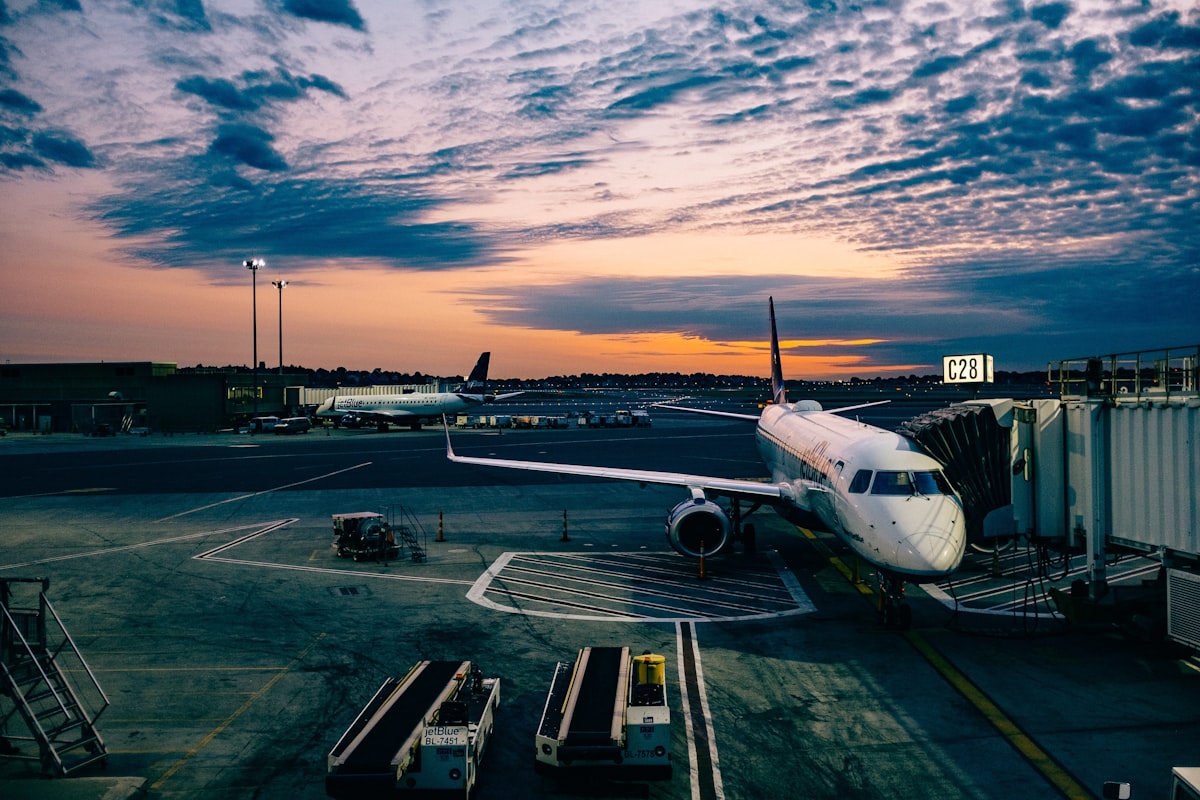
Airside refers to the secure, restricted area where aircraft operations occur, runways, taxiways, aprons, and associated service facilities. Access is highly controlled, and infrastructure is optimized for safe, efficient aircraft movement.
Landside encompasses public and operational areas accessible without crossing security checkpoints, such as terminal buildings, access roads, parking structures, and transit stations. Landside infrastructure is designed for efficient, safe passenger and vehicle movement.
Both domains are interconnected, with coordinated planning ensuring optimal flow, security, and capacity.
Support Systems
Support systems are technological, utility, and process-driven networks vital for continuous airport operation. These include power supply and backup, water and wastewater management, IT and communications, fire protection, emergency systems, and baggage handling. Managed via real-time monitoring and predictive maintenance, these systems ensure reliability, safety, and compliance.
Components of Airport Physical Infrastructure
Airside Infrastructure
Airside infrastructure encompasses all assets supporting aircraft movement and servicing, such as:
- Runways: Designed for specific aircraft categories, including safety areas and overrun protection.
- Taxiways: Optimized for efficient flow and safe separation.
- Aprons: Areas for aircraft parking, boarding, refueling, and servicing.
- Aircraft Stands: Equipped with ground power and pre-conditioned air.
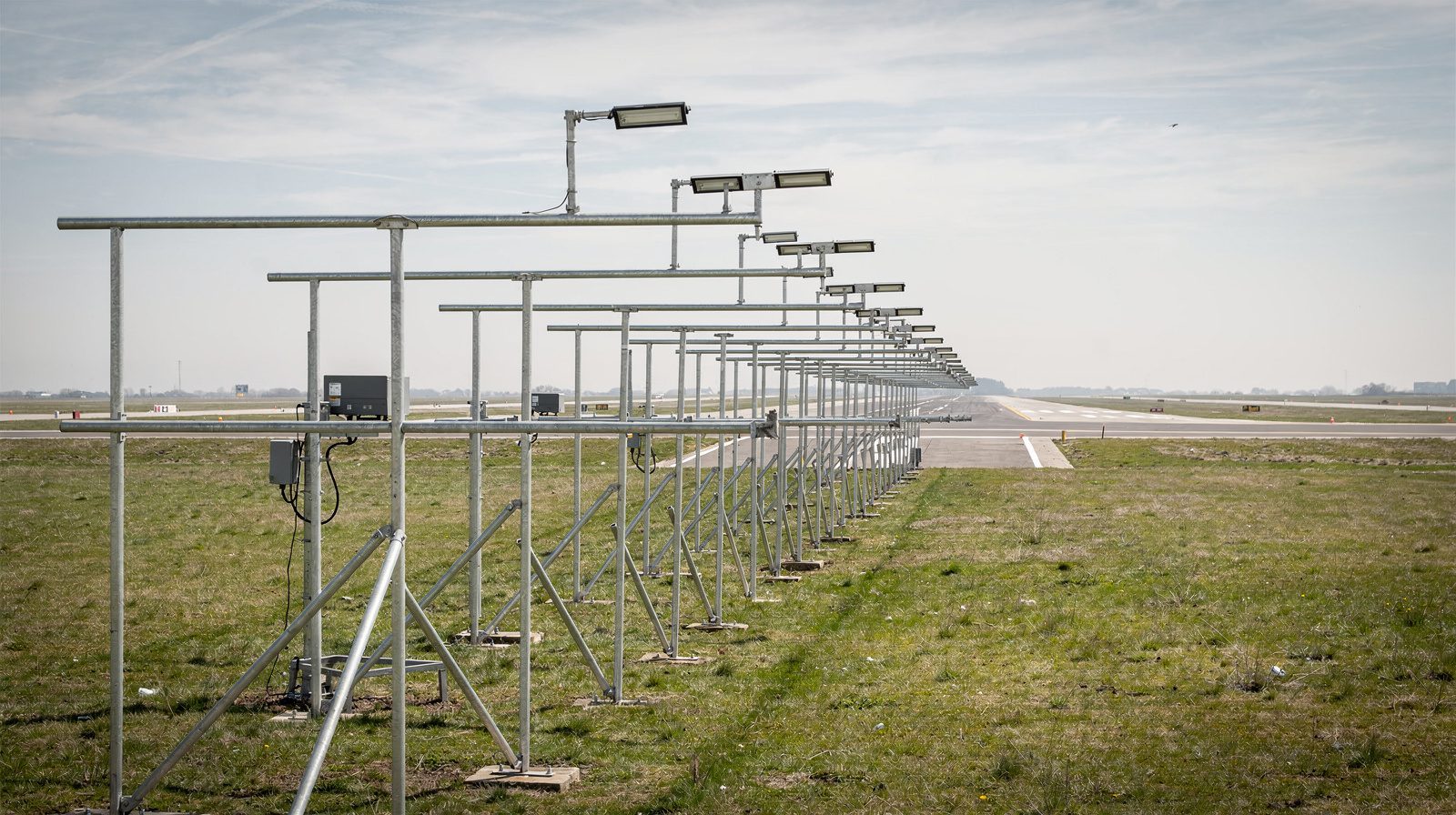
- Lighting and Signage: ICAO-compliant systems for night and low-visibility operations.
- NAVAIDs: Navigational aids like ILS, VOR/DME, and GNSS augmentation.
Modern airside infrastructure uses advanced guidance, real-time monitoring, and energy-efficient technologies to maximize capacity and resilience.
Landside Infrastructure
Landside infrastructure supports passenger, staff, and cargo movement before entering the secure airside:
- Terminals: Centers for ticketing, security, amenities, and baggage claim.
- Access Roads: Designed for traffic flow and integration with regional networks.
- Parking: Smart garages and lots with automated payment and EV charging.
- Transit Facilities: Rail, bus, and people mover stations linked to terminals.
- Curbside Areas: Managed for efficient drop-off, pick-up, and congestion reduction.
- Pedestrian Walkways: ADA-accessible routes with escalators, elevators, and guidance systems.
Simulation and smart city technologies enhance landside efficiency and user experience.
Terminal Facilities
Terminal facilities are designed for secure, efficient passenger and baggage processing:
- Check-in Halls: Staffed and automated check-in with ADA compliance.
- Security Screening: Advanced lanes with biometric and CT technology.
- Departure Lounges: Comfortable waiting areas with retail and information systems.
- Boarding Gates: Automated, crowd-managed boarding.
- Baggage Handling: Automated conveyors with RFID/barcode tracking.
- Customs and Immigration: Secure, efficient processing for international arrivals.
Terminals prioritize flexibility, accessibility, and revenue generation through commercial spaces.
Support and Ancillary Facilities
Support facilities enable specialized airport functions:
- Hangars: For maintenance, repair, and aircraft storage.
- Cargo Terminals: Rapid, secure freight handling with temperature control.
- Fuel Farms: Centralized storage with environmental controls.
- Fire Stations: Strategically located for rapid response.
- Power Plants: Primary and emergency power, including renewable integration.
- Waste Management: Facilities for sorting, recycling, and hazardous waste.
- De-icing Facilities: Environmentally compliant platforms for aircraft/runway de-icing.
- Control Towers: High-visibility structures for ATC.
These facilities are designed for redundancy, sustainability, and regulatory compliance.
Utilities and Support Systems
Utilities interconnect all airport facilities, delivering essential services:
- Electrical Power: High-capacity, redundant distribution monitored via SCADA.
- Water Supply: Redundant mains for potable, fire suppression, and irrigation.
- Sewage and Drainage: Advanced treatment and green infrastructure.
- Communications: Fiber-optic and wireless networks for operations and emergencies.
- HVAC: Energy-efficient, zone-based systems for comfort and air quality.
- Security Systems: Integrated CCTV, access control, and perimeter protection.
Reliability, resilience, and real-time monitoring are critical to these systems.
The Role of Technology and Sustainability
Modern airport infrastructure leverages digital tools and green strategies:
- BIM and GIS: For asset management, planning, and lifecycle tracking.
- Smart Systems: IoT devices for baggage, HVAC, lighting, and wayfinding.
- Renewable Energy: Solar panels, wind turbines, and battery storage.
- Green Buildings: LEED/BREEAM-certified structures with efficient materials and systems.
- Multimodal Transport: Integration with public transit and non-motorized access.
These innovations ensure airports are future-ready, scalable, and environmentally responsible.
Conclusion
Airport infrastructure is a complex, interdependent network of structures, facilities, and systems that underpin the global aviation industry. From runways and terminals to utilities and IT networks, every component is designed for safety, efficiency, adaptability, and compliance. As air travel evolves, so too must infrastructure, embracing sustainability, technology, and flexible planning to support the needs of tomorrow’s airports.
Frequently Asked Questions
- What is airport infrastructure?
- Airport infrastructure refers to the network of physical assets, systems, and facilities, such as runways, taxiways, terminals, utilities, and support systems, required for the safe, efficient, and resilient operation of an airport. It encompasses both airside and landside elements, as well as technological and support systems.
- How are airport infrastructure components planned and designed?
- Infrastructure planning involves forecasting passenger and aircraft growth, evaluating regulatory requirements (ICAO, FAA, IATA), environmental impact assessments, and stakeholder engagement. Advanced tools like GIS, BIM, and simulation modeling are used to design robust, scalable, and compliant systems that support current and future operational needs.
- What is the difference between airside and landside infrastructure?
- Airside infrastructure includes secure, restricted areas for aircraft operations, runways, taxiways, aprons, and support facilities. Landside infrastructure is accessible to the public and supports passenger processing, parking, and ground transportation, such as terminals, access roads, and transit facilities.
- What are some examples of airport support systems?
- Support systems include power supply and backup, water and wastewater management, IT and communications networks, fire protection, baggage handling, and security systems. These underlie all airport operations and are designed for resilience, redundancy, and regulatory compliance.
- How does airport infrastructure address sustainability and future growth?
- Modern airport infrastructure incorporates sustainable materials, green building designs, energy-efficient systems, and multimodal transport integration. Flexibility and scalability are built in to accommodate evolving technology, regulatory changes, and future passenger or aircraft demand.
This is a reference entry. TarmacView provides drone inspection services and doesn't sell the equipment or materials described in this glossary.