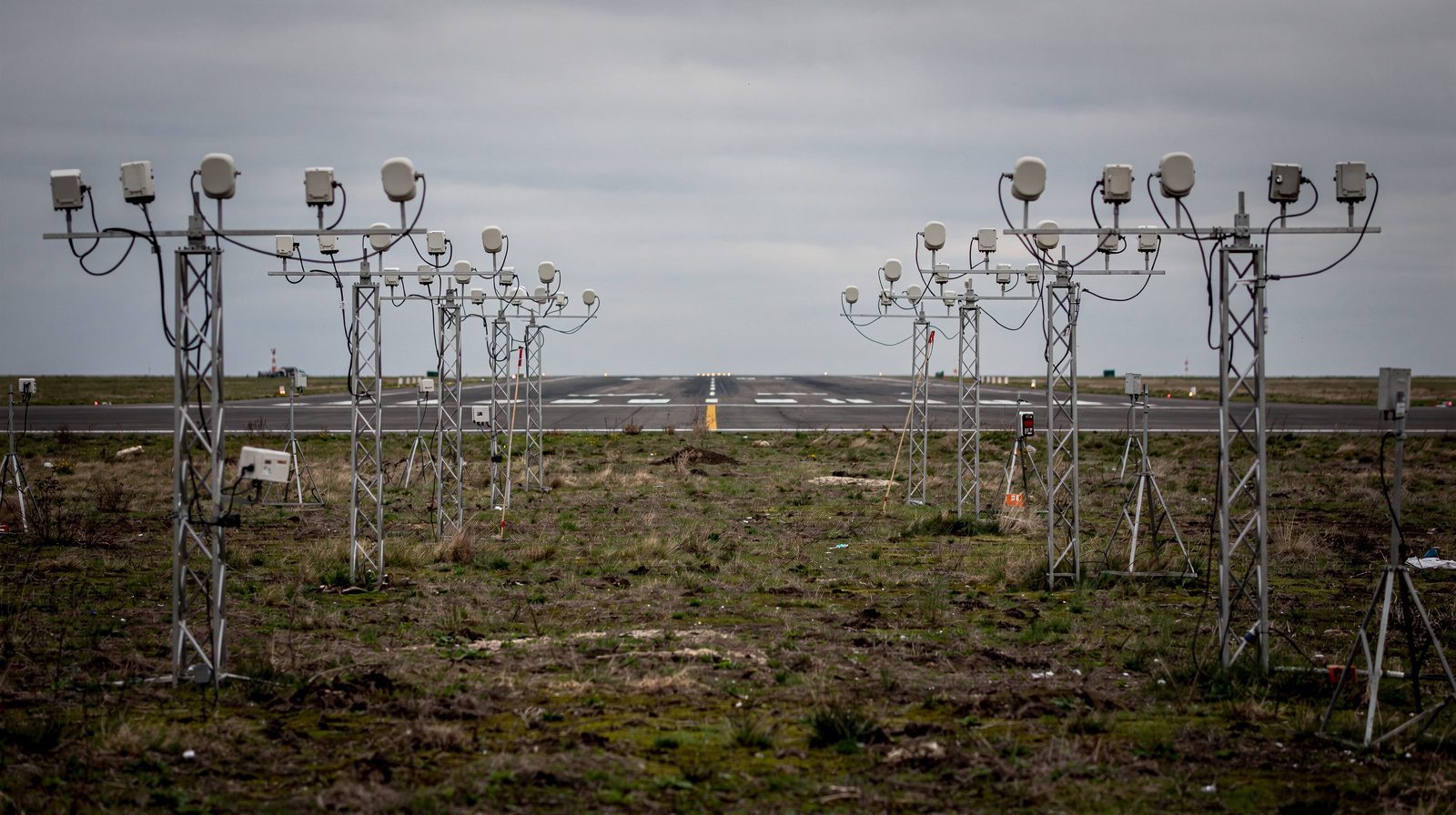
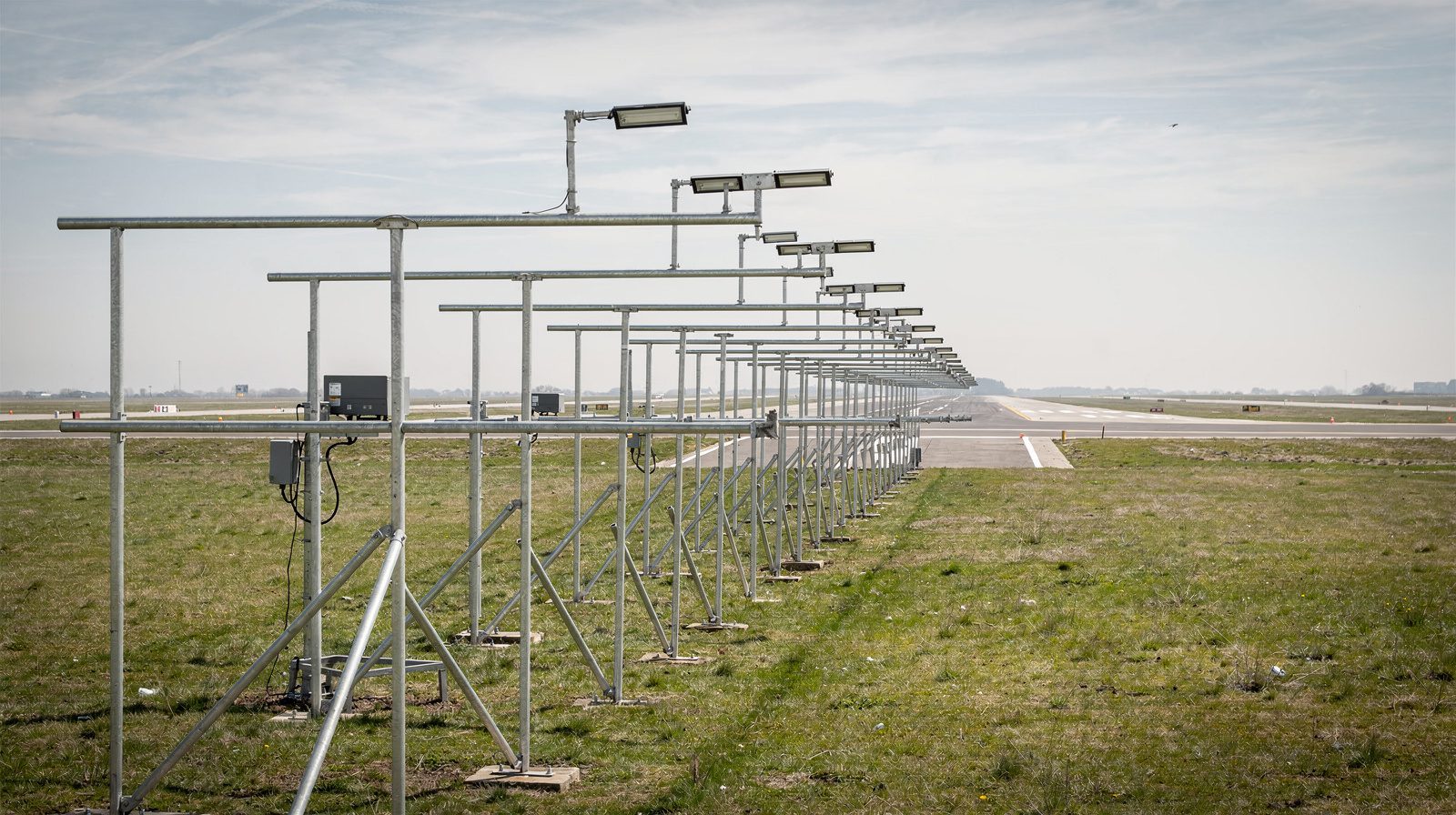
What is MAGS (Multi-color Approach Guidance System)?
MAGS – Multi-color Approach Guidance System – Airport Lighting
Introduction to MAGS and Airport Lighting Systems
A Multi-color Approach Guidance System (MAGS) is a comprehensive, color-coded airport lighting solution designed to provide pilots with clear, immediate, and unmistakable visual cues during critical flight operations such as approach, landing, takeoff, and taxiing. By deploying a coordinated array of white, green, red, yellow/amber, and blue lights according to strict international standards, MAGS ensures pilots can rapidly recognize runway environments, discern their position, and interpret vital information, especially in low-visibility or nighttime conditions.
Airport lighting, and MAGS in particular, bridges the transition from instrument-based navigation to the visual cues required for safe landings and ground movements. As pilots descend from clouds or navigate in darkness, the precise location, color, and pattern of lights are essential for identifying the runway, aligning the aircraft, and safely managing ground operations. The global adoption of standardized MAGS principles, as outlined in ICAO Annex 14, Volume I and reinforced by the FAA’s Advisory Circulars and Aeronautical Information Manual (AIM), ensures that no matter where they fly, pilots encounter a familiar, intuitive lighting environment.
System Overview: How MAGS Works
System Components
MAGS is an integrated system comprising multiple lighting subsystems, each fulfilling specific roles:
- Approach Lighting Systems (ALS): Extended light arrays projecting into the approach path to guide alignment and descent.
- Runway Edge Lights: Define the lateral runway boundaries.
- Runway Centerline and Touchdown Zone Lights: Embedded lights for alignment and touchdown accuracy, with color transitions warning of diminishing runway.
- Threshold and End Lights: Green lights at the landing threshold and red at the runway end for instant surface recognition.
- Visual Approach Slope Indicators (VASI, PAPI, Tri-color, Pulsating): Glidepath indicators using red, white, and sometimes amber lights.
- Runway End Identifier Lights (REILs): Synchronized flashing lights marking the runway threshold.
- Sequenced Flashing Lights (SFLs/RAIL): Create a moving light effect toward the threshold.
- Taxiway, Guard, and Obstruction Lights: Blue and green for taxiways, yellow for guard lights, and red/white for obstructions.
Each subsystem is engineered and placed according to ICAO and FAA standards, ensuring pilots receive redundant, easily interpreted visual cues at every phase of flight.
Multi-Color Principle
MAGS’s safety and efficacy rely on precise color coding:
- White: Runway edges, centerlines, touchdown zones, approach light bars (safe, usable runway).
- Green: Runway thresholds, taxiway centerlines (start of landing area, taxi guidance).
- Red: Runway ends, stop bars, hazardous zones (stop, end, or caution).
- Yellow (Amber): Caution zones, last 2,000 feet of runway, runway holding positions.
- Blue: Taxiway edges (ground movement guidance).
This standardized color sequencing and arrangement provides immediate spatial orientation and hazard awareness, supporting rapid, error-free decision-making, crucial in all weather and lighting conditions.
Glossary of Key MAGS and Airport Lighting Terms
| System/Term | Definition & Function | Color(s) | Operational Note |
|---|---|---|---|
| Approach Lighting System (ALS) | Light arrays from threshold into approach, providing alignment and glidepath cues. | White, Red, SFL (sequenced flashers) | Enhanced for CAT II/III with side rows, crossbars. |
| Runway Edge Lights | Outline runway lateral limits. | White, Yellow (last 2,000 ft), Red (runway end) | Color change = runway end approaching. |
| Runway Centerline Lights | Embedded along centerline for alignment and remaining distance. | White, Red/White (last 2,000 ft), Red (last 1,000 ft) | Key for low-visibility ops. |
| Threshold & End Lights | Mark the start (green) and end (red) of runway. | Green (threshold), Red (end) | Green = landing start, red = runway end. |
| Touchdown Zone Lights (TDZL) | Show optimal touchdown zone on precision runways. | White | 3,000 ft from threshold or runway midpoint. |
| Runway End Identifier Lights (REILs) | Flashing lights at threshold for positive identification. | White (flashing) | Useful in cluttered visual environments. |
| Sequenced Flashing Lights (SFL/RAIL) | Flash sequentially to create a “moving ball” effect toward threshold. | White (flashing) | Enhances alignment and motion sense. |
| Visual Approach Slope Indicator (VASI) | Bar lights showing glide path by color change. | Red, White | Red over white = on path, all red = low. |
| Precision Approach Path Indicator (PAPI) | Four lights giving glide slope with color pattern. | Red, White | 2 red/2 white = on path, 4 red = low. |
| Taxiway Edge Lights | Delineate taxiway edges to prevent runway/taxiway confusion. | Blue | Lower intensity than runway edge lights. |
| Taxiway Centerline Lights | Guide along taxiway centerline, especially in low visibility. | Green (centerline), Green/Yellow (runway hold areas) | Yellow = near runway. |
| Runway Guard Lights | Mark runway/taxiway intersections, warning of runway incursion hazard. | Flashing Yellow | May be elevated or in-pavement. |
| Obstruction Lights | Identify obstacles near runway/taxiway environment. | Red, White (strobes) | Required for towers, closed areas, etc. |
Visual Descriptions and Placement
Color Meanings in Airport Lighting
| Color | Meaning / Application |
|---|---|
| White | Runway edges, centerline, touchdown zone, approach lights (runway guidance). |
| Red | Runway end, stop bars, side/termination bars (end/caution). |
| Green | Runway threshold, taxiway centerline (beginning/center). |
| Yellow | Last 2,000 ft of runway, runway holding points (caution). |
| Blue | Taxiway edge lights (ground taxi guidance). |
| Amber | Used in tri-color indicators as “above glidepath.” |
White dominates runway lighting, giving pilots a clear indication of the active landing/takeoff surface. As the runway end nears, edge and centerline lights switch to yellow and then red, unmistakably signaling the need for caution or to stop. Green threshold lights mark the official start of the landing zone, while blue and green on taxiways ensure pilots do not confuse runways and taxiways during ground operations.
Light Placement and Patterns
- ALS: Extends 420–900m from the threshold, including crossbars and sequenced flashers at specified intervals.
- Runway Edge Lights: Positioned 2–10 feet outside the runway, spaced ≤200 feet apart.
- Centerline Lights: Embedded, spaced every 50 feet.
- Threshold/End Lights: Span full runway width, minimum eight per end.
- REILs: Synchronized flashers on both sides of the threshold.
- VASI/PAPI: Placed left (and sometimes right) of runway, visible up to 20+ miles at night.
Each layout and interval is defined by ICAO and FAA standards for uniformity and maximum visibility.
Regulatory Standards and Compliance
| System | ICAO Reference | FAA Reference | Key Requirements |
|---|---|---|---|
| ALS | Annex 14, Vol I, 5.3 | AIM 2-1-3, AC 150/5340-30J | Length, color, spacing, crossbars, SFLs, side rows, CAT I/II/III distinctions |
| Runway Edge Lights | Annex 14, Vol I, 5.3.10 | AIM 2-1-4 | Intensity classes, color changes, spacing |
| Centerline/TDZL | Annex 14, Vol I, 5.3.13 | AIM 2-1-4 | Color sequence (white→red/white→red), spacing, required for precision runways |
| VASI/PAPI | Annex 14, Vol I, 5.3.5 | AIM 2-1-2, AC 150/5345-28G | Glidepath angle, color, sighting distances, location |
| Taxiway Lights | Annex 14, Vol I, 5.3.17 | AIM 2-1-8 | Blue edge, green centerline, yellow hold cues |
| REIL | Annex 14, Vol I, 5.3.7 | AIM 2-1-3 | Flashing white, placement, synchronization |
| Guard/Obstruction | Annex 14, Vol I, 5.3.9 | AIM 2-1-10 | Flashing yellow (guard), red/white (obstruction) |
Compliance with ICAO Annex 14 and FAA standards ensures global uniformity. Precision runways (CAT II/III) require advanced ALS, full centerline and TDZ lights, and side row bars. Modern standards also accommodate LED and solar-powered lighting, provided performance criteria are met.
Operational Use and Interpretation
Approach and Landing
During approach, pilots first see the ALS, a continuous line of white lights, crossbars, and sequenced flashers. This visual path guides alignment and descent. As the aircraft nears, REILs and green threshold lights mark the exact landing start. On rollout, runway centerline and edge lights change from white to yellow and red, providing a real-time countdown of available runway.
VASI/PAPI systems use red and white lights to give instant glidepath feedback, “two white, two red” means on path, all red means low. TDZLs highlight the ideal touchdown area, essential for CAT II/III operations.
Takeoff and Taxi Operations
Blue edge and green centerline lights guide ground movements, preventing runway/taxiway confusion. Runway guard lights (flashing yellow) and green/yellow centerlines warn of runway proximity. During takeoff, the change in edge and centerline lights from white to yellow to red signals the need for immediate decision-making if an abort is required.
Use Cases and Scenarios
- Night Landing in Instrument Conditions: Pilots emerging from clouds at minimums first see the ALS, then threshold and runway lights, using color sequences to judge alignment, touchdown, and stopping distances.
- Low-Visibility Taxi: Blue edge and green centerline lights ensure safe taxiing even when pavement markings are obscured.
- Runway Crossing Prevention: Guard lights and color-coded centerlines alert pilots to potential incursions, supporting adherence to clearances.
Summary: The Value of MAGS
MAGS is a cornerstone of modern airport safety. Its standardized, color-coded lighting provides pilots with an intuitive, instantly interpretable map of their environment, from approach through taxiing. Compliance with ICAO and FAA standards guarantees global uniformity, no matter the airport, the cues remain the same. As airports adopt advanced technologies like LED and solar-powered fixtures, the principles of MAGS continue to ensure clear, unambiguous guidance for every flight.
For further technical detail and the latest regulatory updates, consult:
Frequently Asked Questions
- What is MAGS and why is it important?
- MAGS, or Multi-color Approach Guidance System, is an integrated airport lighting scheme using standardized color-coded lights to guide pilots during approach, landing, takeoff, and taxiing. It ensures that pilots can instantly interpret their position and required actions, particularly in low visibility or at night, thereby greatly enhancing safety.
- How are colors used in airport lighting for MAGS?
- Colors have precise meanings: white for runway edges/centerlines, green for thresholds and taxiway centerlines, red for runway ends and stop areas, yellow (amber) for caution zones, and blue for taxiway edges. These standardized colors ensure universal, error-free interpretation by pilots worldwide.
- Which standards regulate MAGS and airport lighting?
- MAGS and all airport lighting systems are regulated by ICAO Annex 14 (international), as well as FAA Advisory Circulars and the Aeronautical Information Manual (AIM) in the US. These standards specify light color, placement, intensity, and performance to ensure global harmonization and pilot familiarity.
- What are the main components of MAGS?
- Key components include Approach Lighting Systems (ALS), runway edge and centerline lights, threshold and end lights, touchdown zone lights (TDZL), Runway End Identifier Lights (REILs), sequenced flashing lights (SFLs/RAIL), Visual Approach Slope Indicators (VASI/PAPI), taxiway edge and centerline lights, guard lights, and obstruction lights.
- How does MAGS support low-visibility operations?
- In fog, rain, or nighttime conditions, MAGS provides clear, standardized lighting cues, including color transitions (e.g., white to red), sequenced flashers, and high-intensity centerline lights. These help pilots maintain orientation, judge runway length, and safely execute approaches and departures even when visual cues are limited.
This is a reference entry. TarmacView provides drone inspection services and doesn't sell the equipment or materials described in this glossary.