What is a Movement Area?
Movement Area – Runways, Taxiways, and Key Airport Operations
The movement area is the heart of airport airside operations, comprising the runways, taxiways, and other surfaces used for the safe movement of aircraft under Air Traffic Control (ATC) supervision. Strictly controlled, clearly marked, and subject to international and local regulations, the movement area is vital to preventing ground collisions and ensuring efficient aircraft flow.

Definition and Regulatory Framework
The movement area, as defined by ICAO Annex 14 and FAA regulations (14 CFR Part 139, FAA Order 7110.65), covers all airport surfaces used for aircraft taxiing, takeoff, and landing under the direct control of ATC. It typically includes:
- All runways
- All taxiways
- Designated safety areas adjacent to these surfaces
It excludes:
- Aprons
- Loading ramps
- Aircraft parking areas (collectively “non-movement areas”)
Strict regulatory oversight ensures that only trained personnel and authorized vehicles, with explicit ATC clearance, are permitted in the movement area.
Key Components of the Movement Area
Runway
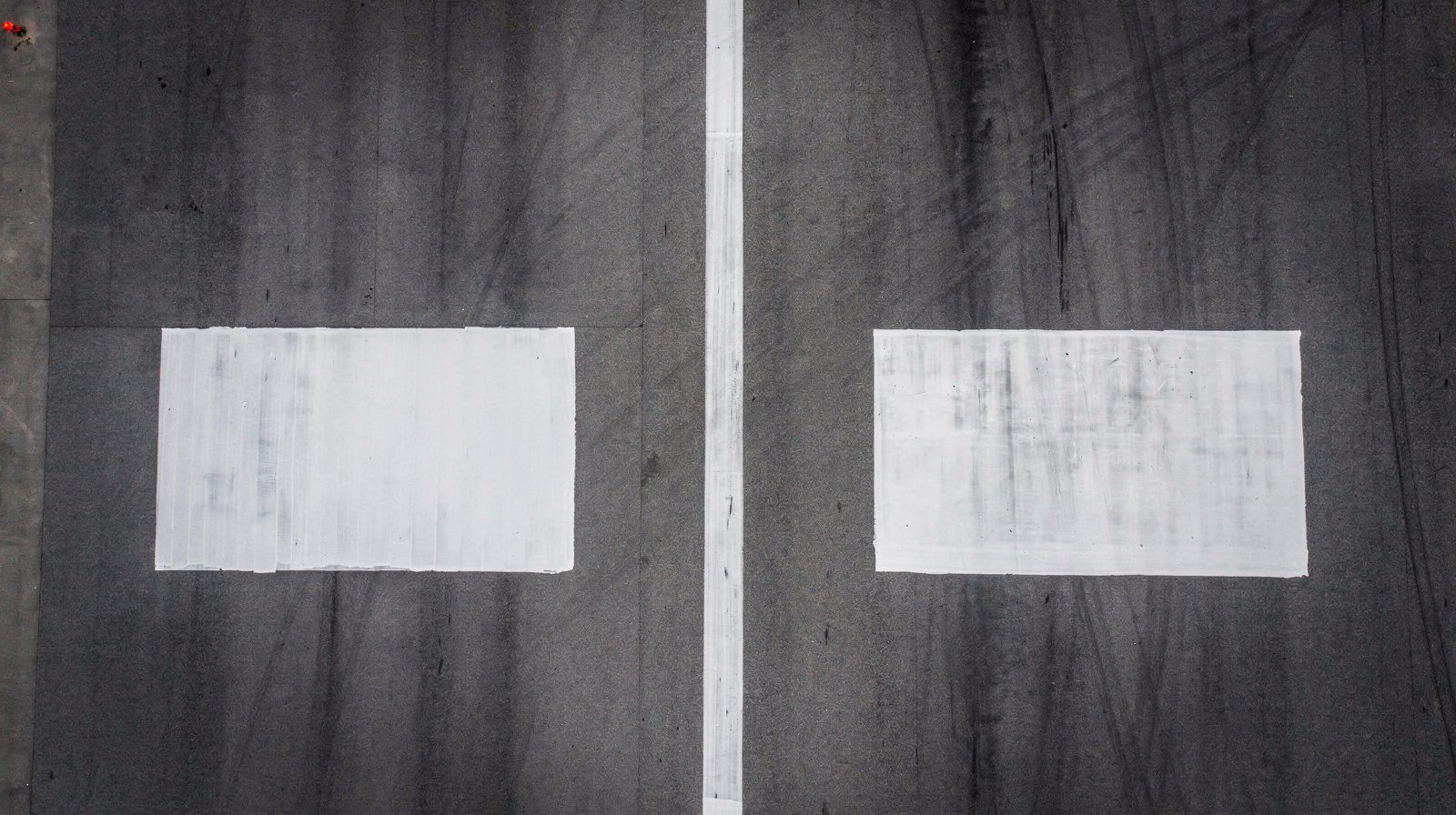
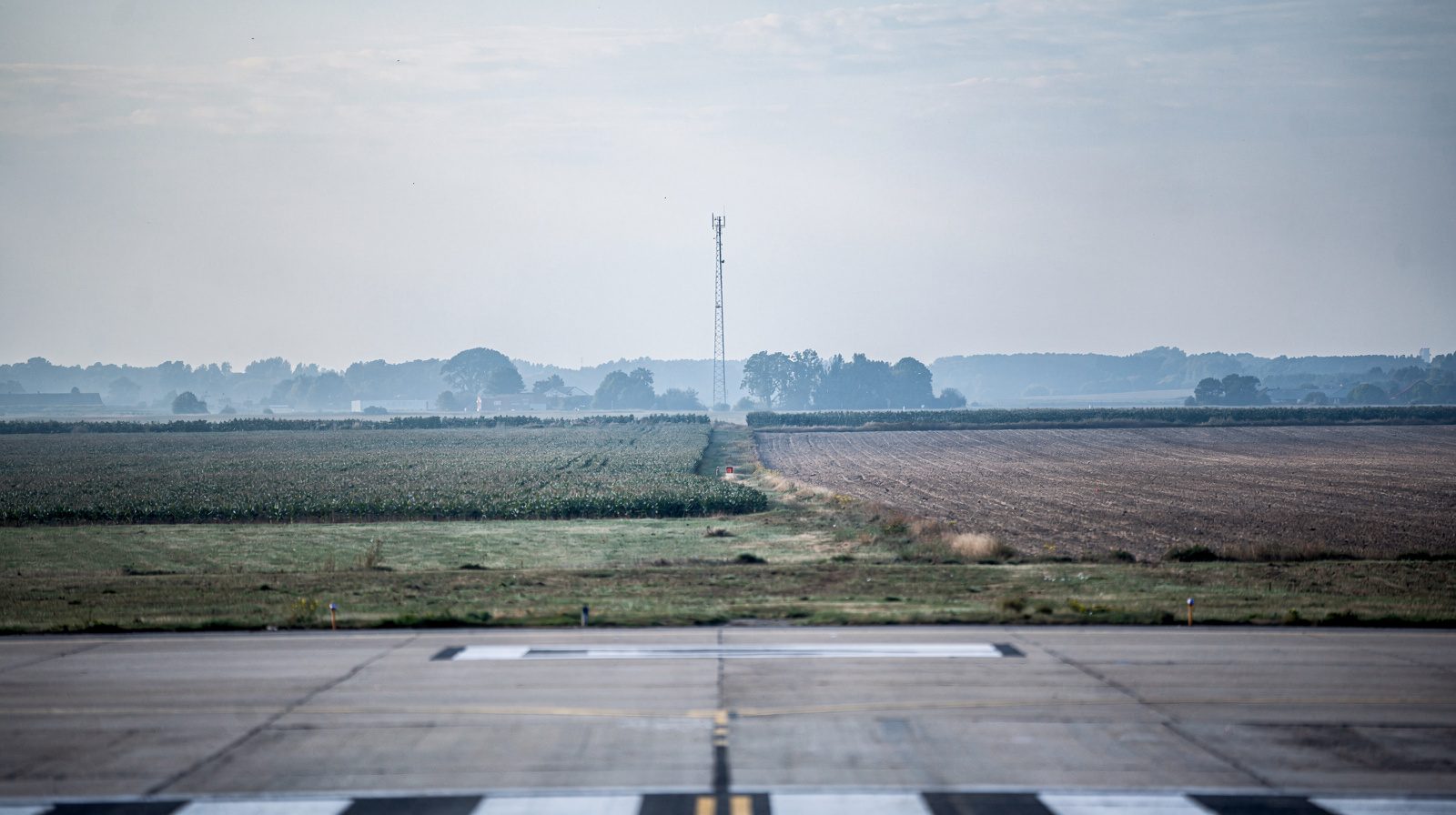
A runway is a defined, rectangular surface on an aerodrome, engineered for the landing and takeoff of aircraft. Runways are constructed of durable materials (asphalt, concrete) and marked with clear identifiers (runway numbers, centerlines, thresholds). They feature advanced lighting, edge lights, threshold lights, and sometimes centerline lights, for night and low-visibility use.
Runway Markings
- Runway designation numbers: show magnetic orientation
- Centerlines: dashed white lines for alignment
- Thresholds: longitudinal stripes at each end
- Aiming points & touchdown zones: guide landings
Runway Lighting
- Edge lights (white)
- Threshold lights (green)
- End lights (red)
- Centerline lights (for precision runways)
Safety Considerations
Access is strictly controlled, unauthorized entry can result in dangerous runway incursions.
Taxiway
A taxiway is a paved path connecting runways, aprons, hangars, and other facilities. Taxiways are marked with distinctive yellow centerlines and often have blue edge lights and green centerline lights for visibility.
Taxiway Features
- Alphanumeric designations (e.g., “A”, “B1”)
- Hold position markings at runway/taxiway intersections
- Standard widths and turning radii to accommodate various aircraft
Access and Safety
Entry into taxiways within the movement area requires ATC clearance, and all personnel must have received specialized training.
Helipad/Heliport
A helipad is a landing and takeoff zone for helicopters, marked with a large “H”. A heliport may have multiple helipads and support facilities.
Features
- Markings: “H” inside a circle or square
- Lighting: perimeter and floodlights for night ops
- Safety zones: obstacle-free areas per ICAO/FAA standards
Helipads within the movement area are subject to the same clearance requirements as runways and taxiways.
Safety Areas
Runway Safety Area (RSA) and Taxiway Safety Area are graded surfaces adjacent to runways and taxiways, designed to minimize the risk of damage if an aircraft runs off the pavement.
Runway Safety Area (RSA)
- Typically extends 150 feet (45m) each side of the centerline, 1,000 feet (300m) beyond runway ends (at large airports)
- Obstacle-free except for frangible, navigation-related objects
- Supports rescue vehicles
Taxiway Safety Area
- Generally 49 feet (15m) wide, centered on taxiway
- No fixed objects, properly graded
Vehicle Service Road (VSR)
VSRs are marked roads for authorized vehicles, usually outside the movement area but sometimes crossing or running adjacent to taxiways/runways.
- Marked with solid lines and signage
- ATC clearance required if crossing into the movement area
Foreign Object Debris (FOD)
FOD includes any unwanted material (rocks, bolts, litter) that threatens aircraft safety. Strict FOD management programs are vital for movement area safety.
Movement Area vs. Non-Movement Area
Non-Movement Area
The non-movement area includes aprons, ramps, and parking stands, where ATC clearance is not required. Operations are governed by airport operator rules.
Separated from the movement area by a boundary marking: solid yellow line (non-movement side) and dashed yellow line (movement area side).
Marking Example:
Access violations (crossing into the movement area without clearance) are serious safety violations.
Common Hazards and Incident Types
Runway Incursion
A runway incursion is any unauthorized presence of an aircraft, vehicle, or person on a runway. Causes include miscommunication and failure to comply with ATC instructions, and these incidents are classified by severity.
Surface Incident
A surface incident is any unauthorized movement in the movement area that does not result in a runway incursion but could impact safety (e.g., entering a taxiway without clearance).
Hold Position Marking
These markings (two solid, two dashed yellow lines) indicate where aircraft or vehicles must stop and get clearance to enter a runway or specific taxiway.
Security and Access
Air Operations Area (AOA)
The AOA includes all ground areas supporting aircraft movement, servicing, and parking. Access is restricted and monitored by security systems and personnel.
Training and Compliance
- All personnel must receive movement area driver training
- Ongoing assessments and refresher courses are required
- Violation of movement area rules can result in disciplinary action and loss of airport access privileges
FOD Prevention and Management
- Routine inspections and “FOD walks”
- Reporting and removal by all personnel
- Use of specialized equipment (sweepers, vacuums, detection systems)
Best Practices for Movement Area Safety
- Always obtain and read back ATC clearance before entering/crossing the movement area
- Maintain situational awareness, monitor radio, signage, and markings
- Do not assume clearance, if in doubt, stop and ask ATC
- Regularly inspect and maintain pavement markings and lighting
- Report FOD and hazards immediately
Summary
The movement area is fundamental to safe and efficient airport operations. It’s a strictly controlled environment requiring coordinated efforts among ATC, airport operators, pilots, and ground personnel. Adherence to regulations, markings, and clearance procedures minimizes risks and ensures the safe flow of aircraft and vehicles on the airfield.
See Also
For more information on training, compliance, and airfield technology, contact our experts or schedule a live demo .
Frequently Asked Questions
- What is included in the movement area at an airport?
- The movement area includes all runways, taxiways, and certain safety zones designated for aircraft movement under Air Traffic Control (ATC) authority. It excludes aprons, ramps, and parking stands, which are non-movement areas.
- Why is ATC clearance required to enter the movement area?
- ATC clearance is necessary to enter the movement area to ensure the safe and orderly movement of aircraft and vehicles, prevent collisions, and maintain strict separation between different operations on the airfield.
- How are movement and non-movement areas separated?
- They are separated by boundary markings: a solid yellow line (non-movement side) and a dashed yellow line (movement side). Entry into the movement area requires ATC authorization.
- Who can operate vehicles in the movement area?
- Only personnel with specialized training and certification, and who have received explicit ATC clearance, are authorized to operate vehicles in the movement area.
- What happens if someone enters the movement area without clearance?
- Unauthorized entry into the movement area without ATC clearance is a serious safety violation, potentially leading to runway incursions, operational disruptions, and disciplinary or legal action.
This is a reference entry. TarmacView provides drone inspection services and doesn't sell the equipment or materials described in this glossary.