What is Performance Grade (PG) Asphalt Binder?
What is Performance Grade (PG) Asphalt Binder?
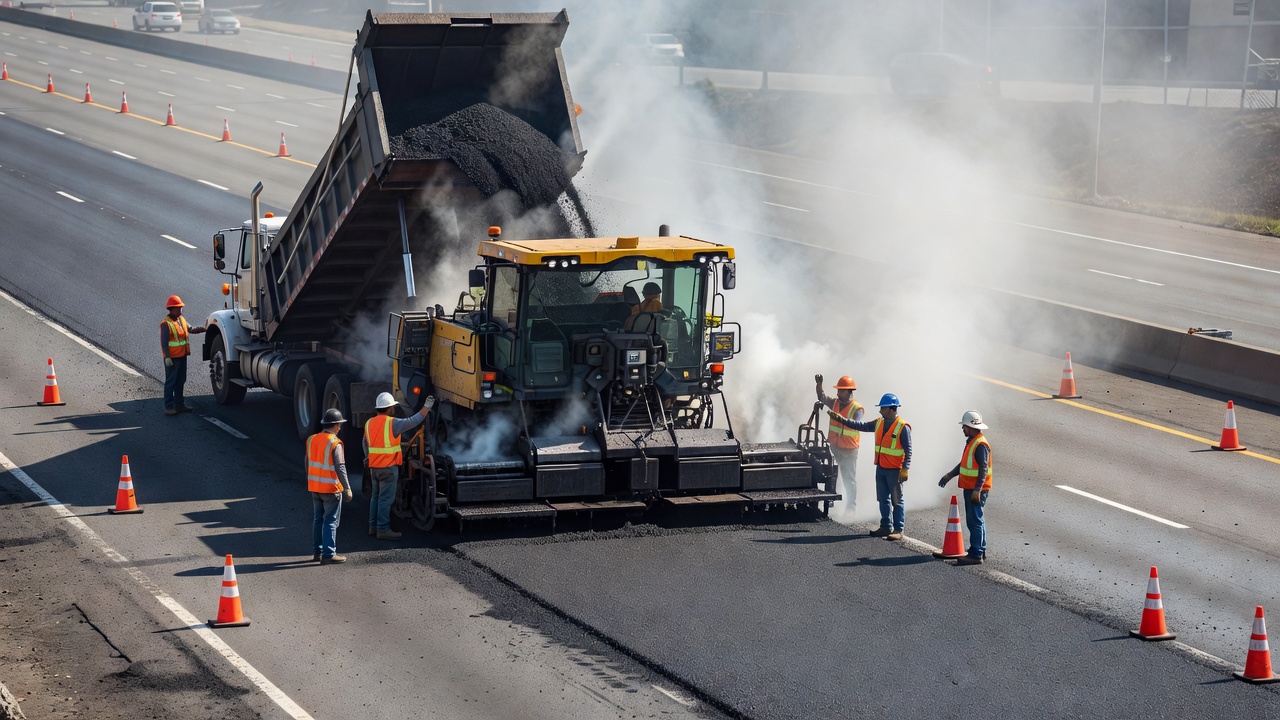
Performance Grade (PG) asphalt binder is a classification system for asphalt cement developed under the Strategic Highway Research Program (SHRP) from 1987 to 1993 as a core component of the Superpave (Superior Performing Asphalt Pavements) system. The PG system represents a fundamental paradigm shift from empirical binder grading methods, penetration grade (AASHTO M 20) and viscosity grade (AASHTO M 226), to a performance-based specification that classifies binders by the temperature range in which they are expected to perform in the field.
A PG binder designation consists of two numbers separated by a dash, such as PG 64-22, PG 70-22, or PG 76-28. The first number indicates the high-temperature grade in degrees Celsius, the average seven-day maximum pavement design temperature at a depth of 20 mm below the pavement surface that the binder can withstand without excessive rutting. The second number indicates the low-temperature grade in degrees Celsius, the minimum pavement design temperature that the binder can withstand without thermal (low-temperature) cracking. A PG 64-22 binder is therefore suitable for locations where the pavement reaches 64°C in summer and -22°C in winter.
The PG specification is documented in AASHTO M 320 (Standard Specification for Performance-Graded Asphalt Binder), the original Superpave specification, and AASHTO M 332 (Standard Specification for Performance-Graded Asphalt Binder Using Multiple Stress Creep Recovery [MSCR] Test), the updated specification that incorporates the MSCR test for improved rutting characterization. The ASTM equivalents are ASTM D6373 (Standard Specification for Performance-Graded Asphalt Binder) and ASTM D8239 (Standard Specification for Performance-Graded Asphalt Binder Using the Multiple Stress Creep Recovery [MSCR] Test).
The PG system uses a common set of rheological tests, the Dynamic Shear Rheometer (DSR), the Bending Beam Rheometer (BBR), and the Direct Tension Test (DTT), to measure binder properties at temperatures that correspond to the specific climatic conditions of the project location. Acceptance limits remain constant, but the temperature at which tests are performed changes depending on the desired PG grade. This is fundamentally different from penetration and viscosity grading where the test temperature is fixed (25°C for penetration, 60°C for absolute viscosity) and the acceptance limits vary.
The PG system recognizes three critical binder ages that correspond to different stages of pavement life: original (unaged) binder, representing the binder as delivered to the asphalt plant, short-term aged binder, simulated by the Rolling Thin-Film Oven Test (RTFOT) per AASHTO T 240, representing the binder after mixing, transport, placement, and compaction, and long-term aged binder, simulated by the Pressure Aging Vessel (PAV) per AASHTO R 28, representing the binder after 5 to 10 years of in-service oxidative aging.
PG System Concept: High and Low Temperature Grades
The PG system is built on the fundamental understanding that asphalt binder is a viscoelastic material whose behavior is governed by both temperature and rate of loading. At high pavement temperatures (typically > 46°C), the binder becomes soft and viscous, making the pavement susceptible to rutting (permanent deformation) under traffic loading. At low pavement temperatures (typically < 0°C), the binder becomes stiff and brittle, making the pavement susceptible to thermal cracking when the pavement contracts and tensile stresses exceed the binder’s tensile strength. At intermediate temperatures (typically 15°C to 35°C), the binder’s fatigue resistance governs the pavement’s resistance to load-associated fatigue cracking.
High Temperature Grade
The high-temperature grade is the first number in the PG designation and ranges from PG 46 to PG 82 in 6°C increments. The high-temperature grade corresponds to the average seven-day maximum pavement design temperature at 20 mm below the pavement surface. The pavement temperature is calculated from air temperature data using algorithms developed under the SHRP program and incorporated into the LTPP Bind weather database.
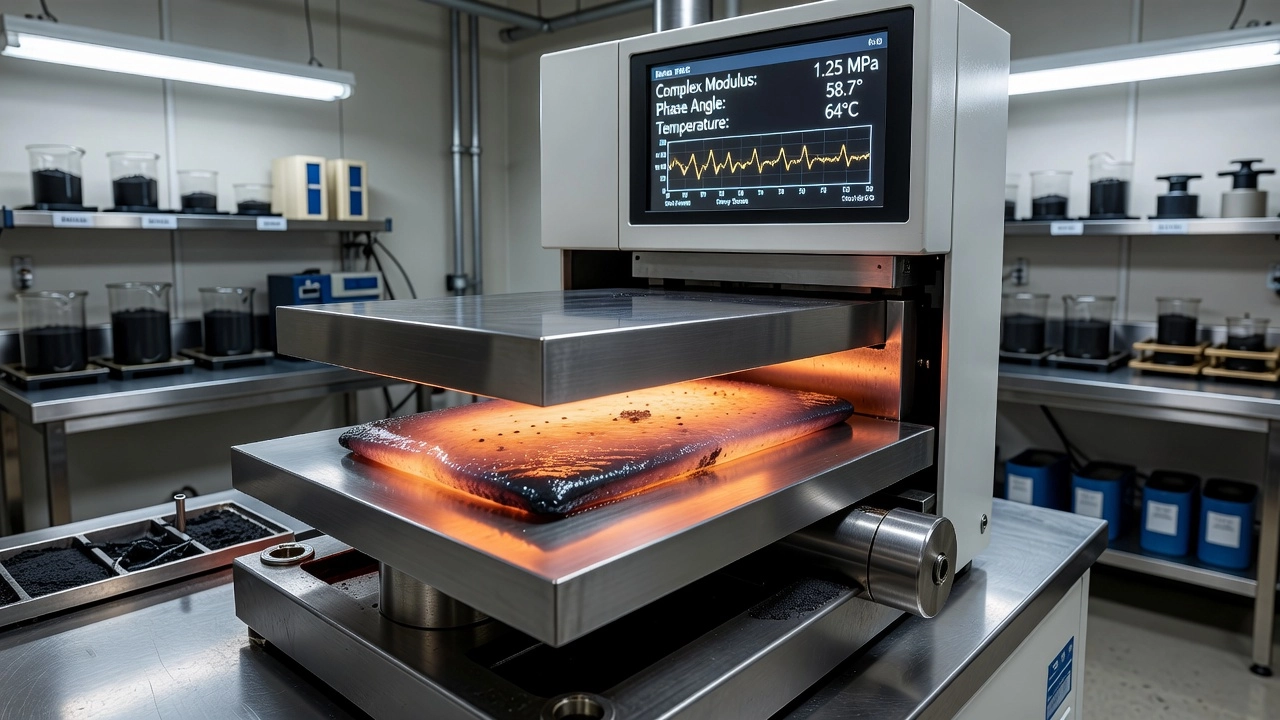
The Dynamic Shear Rheometer (DSR) per AASHTO T 315 is the primary test instrument for the high-temperature grade. The DSR measures the complex shear modulus (G)* and the phase angle (δ) of the binder at a loading frequency of 10 radians per second (approximately 1.59 Hz), which simulates a vehicle traveling at 55 mph (90 km/h). The complex shear modulus represents the total resistance of the binder to deformation under shear loading, while the phase angle represents the time lag between applied stress and resulting strain, indicating the viscoelastic balance of the material. A phase angle of 0° indicates perfectly elastic behavior (no energy dissipation), while a phase angle of 90° indicates purely viscous behavior (Newtonian fluid).
The rutting parameter is G/sin δ*. On the original binder, G*/sin δ must be ≥ 1.00 kPa at the high pavement temperature. On the RTFO-aged residue, G*/sin δ must be ≥ 2.20 kPa at the same high pavement temperature. The higher requirement on RTFO-aged binder accounts for the stiffening that occurs during construction. A higher G*/sin δ value indicates a stiffer binder that is more resistant to rutting. The sin δ in the denominator reflects that binder elasticity contributes to rutting resistance, for the same G*, a lower δ (more elastic material) gives a higher G*/sin δ value.
Low Temperature Grade
The low-temperature grade is the second number (with a minus sign) in the PG designation and ranges from PG XX-10 to PG XX-46 in 6°C increments (i.e., -10°C, -16°C, -22°C, -28°C, -34°C, -40°C, -46°C). The low-temperature grade corresponds to the minimum pavement design temperature at the pavement surface. This is the coldest temperature the pavement is expected to experience, calculated from historical minimum air temperature data with solar radiation adjustments.
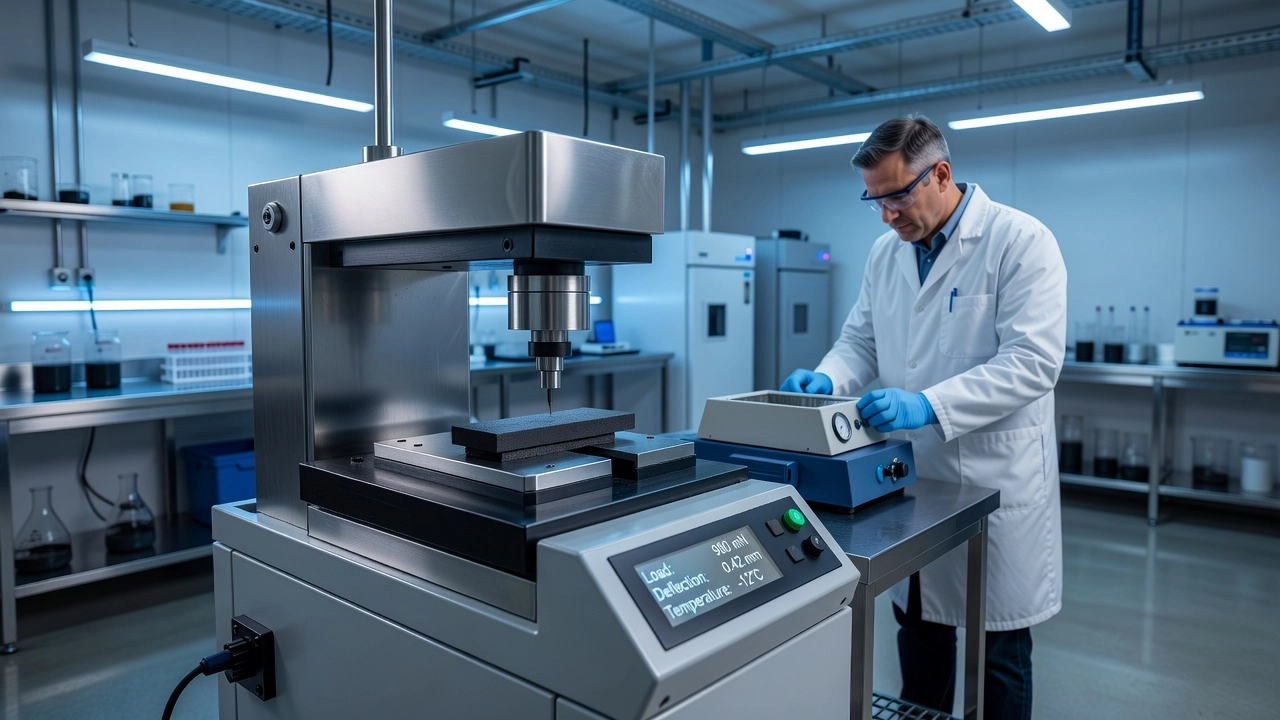
The Bending Beam Rheometer (BBR) per AASHTO T 313 is the primary test instrument for the low-temperature grade. The BBR measures the creep stiffness (S) and the m-value of a PAV-aged binder beam (125 mm × 12.7 mm × 6.35 mm) subjected to a constant 100g load at the center for 240 seconds. The test is performed at the low pavement temperature plus 10°C (e.g., for a PG XX-22 binder, the BBR test is performed at -12°C).
The BBR provides two critical parameters. The creep stiffness (S), the flexural modulus of the binder beam after 60 seconds of loading, must be ≤ 300 MPa. A lower stiffness indicates a softer binder that can better relax thermal stresses. The m-value, the absolute value of the slope of the log stiffness versus log time curve at 60 seconds, must be ≥ 0.300. A higher m-value indicates that the binder can more rapidly relax stresses as they develop during thermal contraction.
For binders where the BBR creep stiffness at 60 seconds is between 300 and 600 MPa, the Direct Tension Test (DTT) per AASHTO T 314 is required as an additional evaluation. The DTT measures the failure strain of a PAV-aged binder specimen at the low pavement temperature. The failure strain must be ≥ 1.0%. The DTT provides a direct measure of the binder’s ability to stretch without fracturing, which is the fundamental property governing thermal cracking resistance.
Intermediate Temperature, Fatigue Grade
The intermediate temperature is not directly specified in the PG designation but is derived from the high and low temperature grades. The intermediate test temperature for fatigue evaluation is calculated as: (High Temp + Low Temp)/2 + 4°C, with an upper limit of (High - 22)°C and a lower limit of (High - 40)°C in practice. For a PG 64-22 binder, the intermediate temperature would be approximately 25°C (calculated as (64 + (-22))/2 + 4 = 25°C).
At the intermediate temperature, the DSR is used with the fatigue parameter G × sin δ* on PAV-aged binder. The requirement is G × sin δ ≤ 5000 kPa*. A lower G* × sin δ value indicates a softer, more ductile binder that can better withstand repeated loading without fatigue cracking. The sin δ in the numerator reflects that a more viscous (less elastic) material with higher δ is actually beneficial for fatigue resistance, it allows more energy dissipation before fracture. This is the opposite of the rutting requirement and illustrates the fundamental conflict in binder design: properties that improve rutting resistance (high stiffness, high elasticity) may reduce fatigue and thermal cracking resistance.
Temperature Spread
The temperature spread of a PG binder, the difference between the high and low temperature grades, indicates the temperature range over which the binder is expected to provide adequate performance. A PG 64-22 has a spread of 86°C (64 - (-22) = 86°C). A PG 70-28 has a spread of 98°C. A PG 76-34 has a spread of 110°C. In general, polymer modification is required to achieve temperature spreads of 90°C or more because unmodified (neat) binders cannot achieve such a wide performance range. The standard Superpave specification includes binders up to PG 82-46.
PG Binder Laboratory Tests
The PG binder specification uses a battery of rheological and physical tests to characterize the binder at different stages of aging and at temperatures corresponding to the expected service conditions. The following table summarizes the key tests and their purposes:
| Test (Standard) | Binder Age | Parameter | Temperature | Purpose |
|---|---|---|---|---|
| Flash Point (AASHTO T 48) | Original | Flash point | ≥ 230°C | Safety, prevents fire during hot mixing |
| Rotational Viscosity (AASHTO T 316) | Original | Viscosity | ≤ 3 Pa·s at 135°C | Workability, ensures pumpability and mixability |
| Dynamic Shear Rheometer (AASHTO T 315) | Original | G*/sin δ | ≥ 1.00 kPa | Rutting resistance, unaged binder |
| Dynamic Shear Rheometer (AASHTO T 315) | RTFO residue | G*/sin δ | ≥ 2.20 kPa | Rutting resistance, after construction aging |
| Dynamic Shear Rheometer (AASHTO T 315) | PAV residue | G*×sin δ | ≤ 5000 kPa | Fatigue cracking resistance |
| Bending Beam Rheometer (AASHTO T 313) | PAV residue | S ≤ 300 MPa, m ≥ 0.300 | Low temp + 10°C | Thermal cracking resistance |
| Direct Tension Test (AASHTO T 314) | PAV residue | Failure strain | ≥ 1.0% | Thermal cracking (supplemental to BBR) |
| MSCR (AASHTO T 350) | RTFO residue | Jnr3.2, %R | High temp | Rutting (replaces DSR in M 332) |
Rotational Viscometer (RV)
The Rotational Viscometer (RV) test per AASHTO T 316 is performed on the original (unaged) binder at 135°C. The test measures the viscosity of the binder by rotating a spindle in a heated sample of asphalt binder and measuring the torque required to maintain a constant rotational speed. The RV provides a measure of the binder’s workability at typical hot-mix plant production temperatures. The maximum allowable viscosity is 3 Pa·s (3,000 cP) at 135°C. Binders with viscosity exceeding this limit cannot be easily pumped, transferred, or mixed with aggregate at typical hot-mix plant operating temperatures. If a binder fails the viscosity requirement, the mixing temperature may be increased (typically by 5-10°C) to reduce the viscosity to within the acceptable range.
Rolling Thin-Film Oven Test (RTFOT)
The Rolling Thin-Film Oven Test (RTFOT) per AASHTO T 240 simulates the short-term aging that occurs during hot-mix production, transport, and placement. A moving film of asphalt binder is subjected to heat (163°C) and airflow in a rotating glass bottle for 85 minutes. The RTFOT simulates the oxidation that occurs when binder is heated and exposed to air during the relatively short period (typically 2-4 hours) between production and compaction.
The RTFO test produces conditioned binder residue that is used for subsequent DSR rutting testing and is also the starting material for PAV long-term aging. The mass loss during RTFO conditioning must be ≤ 1.00% for most PG grades. Excessive mass loss indicates the presence of volatile components that may evaporate during production, leading to a stiffer, more brittle binder than intended. The RTFO-aged binder residue also serves as the test sample for the MSCR test (AASHTO T 350) in the M 332 specification.
Pressure Aging Vessel (PAV)
The Pressure Aging Vessel (PAV) per AASHTO R 28 simulates the long-term oxidative aging that occurs over 5 to 10 years of in-service pavement life. RTFO-aged binder residue is placed in a pressurized vessel at 2.07 MPa (300 psi) and 100°C (or 110°C for PG 76 and higher grades) for 20 hours. The high pressure and temperature accelerate the oxidation process, producing residue that represents the binder’s aged condition after years of exposure to air and temperature.
PAV-aged residue is used for three critical tests: the DSR fatigue test (G* × sin δ at intermediate temperature), the BBR creep test (S and m-value at low temperature), and the DTT failure strain test (when required). These tests characterize the binder’s resistance to the two distress mechanisms that become critical in aged pavements, fatigue cracking and thermal cracking.
Dynamic Shear Rheometer (DSR)
The Dynamic Shear Rheometer (DSR) per AASHTO T 315 is arguably the most important instrument in the PG binder testing suite. The DSR is a rheometer that applies oscillatory shear loading to a thin asphalt binder specimen sandwiched between two parallel plates (25 mm diameter for original/RTFO binder, 8 mm diameter for PAV-aged binder). The test is performed at a loading frequency of 10 radians per second (approximately 1.59 Hz), simulating the shear loading rate of a vehicle traveling at 55 mph.
The DSR measures two fundamental parameters. The complex shear modulus (G)* represents the total resistance of the binder to deformation under repeated shear loading, expressed in kPa. A higher G* indicates a stiffer binder. The phase angle (δ) represents the lag between applied stress and resulting strain, expressed in degrees. A perfectly elastic material has δ = 0° (stress and strain perfectly in phase), while a purely viscous Newtonian fluid has δ = 90° (stress leads strain by 90°). Asphalt binders are viscoelastic, with δ values typically ranging from 50° to 85°.
The DSR is used for three different evaluation parameters depending on the binder age and the distress mechanism being evaluated. For the original (unaged) binder and RTFO-aged binder, the rutting parameter G/sin δ* must meet minimum values (1.00 kPa and 2.20 kPa respectively) at the high pavement temperature. For the PAV-aged binder, the fatigue parameter G×sin δ* must be ≤ 5,000 kPa at the intermediate pavement temperature.
The DSR is a precision instrument that requires careful calibration and temperature control. The gap setting between plates is critical, typical gaps are 1.0 mm for 25 mm plates and 2.0 mm for 8 mm plates. The specimen must be carefully trimmed at the test temperature to remove excess binder that would create a bulge (barreling effect) and cause erroneous results. The DSR test is temperature-swept or performed at a single temperature depending on whether the goal is grading verification or PG grade determination.
Bending Beam Rheometer (BBR)
The Bending Beam Rheometer (BBR) per AASHTO T 313 is the instrument used to evaluate the low-temperature cracking resistance of PAV-aged asphalt binders. The BBR test subjects a prismatic beam of PAV-aged binder (127 mm × 12.7 mm × 6.35 mm) to a constant 100 g (980 mN) creep load at the midpoint of a 102 mm simple span. The beam deflection is measured as a function of loading time (0 to 240 seconds) at the test temperature, which is 10°C warmer than the low pavement design temperature.
The BBR provides two parameters after 60 seconds of loading. The creep stiffness (S) is the ratio of the constant stress to the measured strain at 60 seconds, expressed in MPa. The creep stiffness must be ≤ 300 MPa. The m-value is the absolute value of the slope of the log creep stiffness versus log time curve at 60 seconds. The m-value must be ≥ 0.300.
The BBR test is performed 10°C above the low pavement temperature because thermal cracking in the field occurs not only at the minimum pavement temperature but also during the cooling process, the binder must be able to relax stresses as they build during thermal contraction. The 10°C safety margin accounts for this phenomenon. If a binder has S = 350 MPa and m = 0.280 at -12°C (for a PG XX-22 grade), it fails the low-temperature requirements. The engineer must either select a softer binder (PG XX-28) or accept the risk of thermal cracking.
Direct Tension Test (DTT)
The Direct Tension Test (DTT) per AASHTO T 314 is a supplemental low-temperature test required when the BBR creep stiffness is between 300 and 600 MPa. The DTT directly measures the tensile failure properties of PAV-aged binder at the low pavement design temperature. A dogbone-shaped binder specimen is elongated at a constant rate of 1.0 mm/minute, and both the stress and strain at failure are recorded.
The critical parameter is the failure strain, the percentage elongation at the point of fracture. The failure strain must be ≥ 1.0% (i.e., the specimen must stretch at least 1% of its original length before breaking). The DTT provides a direct measure of the binder’s ductility at low temperature, which is the fundamental material property governing thermal cracking resistance. A binder with a failure strain of 1.5% is more resistant to thermal cracking than one with a failure strain of 0.8%.
When the BBR creep stiffness is ≤ 300 MPa, the binder meets the low-temperature requirement without DTT testing. When the BBR stiffness is between 300 and 600 MPa AND the DTT failure strain is ≥ 1.0%, the binder also meets the low-temperature requirement. When the BBR stiffness exceeds 600 MPa, the binder fails regardless of DTT results.
Multiple Stress Creep Recovery (MSCR) Test
The Multiple Stress Creep Recovery (MSCR) test, standardized as AASHTO T 350 (Standard Method of Test for Multiple Stress Creep Recovery of Asphalt Binder Using a Dynamic Shear Rheometer), is the most significant advancement in PG binder specification since the original SHRP program. The MSCR test was developed to address limitations in the original DSR-based G*/sin δ rutting parameter, particularly for polymer-modified binders.
The MSCR test uses the same Dynamic Shear Rheometer (DSR) equipment as the standard DSR test but with a fundamentally different loading protocol. Instead of the oscillatory (sinusoidal) loading used in the standard DSR test, the MSCR test applies creep loading, a constant shear stress is applied for 1 second, followed by a 9-second recovery period at zero stress. This creep-recovery cycle is repeated 10 times at a stress level of 0.1 kPa (representing lower traffic levels), followed by 10 cycles at 3.2 kPa (representing higher traffic levels and slow-moving loads).
The MSCR test measures two primary parameters. The non-recoverable creep compliance (Jnr) at 3.2 kPa is the residual strain after recovery divided by the applied stress. Jnr is expressed in kPa-1 and represents the binder’s contribution to permanent deformation, it is a direct measure of rutting potential. A lower Jnr indicates better rutting resistance. The percent recovery (%R) at 3.2 kPa is the percentage of the total strain that is recovered during the 9-second recovery period. %R indicates the degree of elastic behavior in the binder, higher recovery indicates more elastic response, which is characteristic of polymer modification.
The MSCR test has three critical advantages over the DSR G*/sin δ test. First, the MSCR test measures non-recoverable deformation directly rather than inferring it from an oscillatory test. G*/sin δ correlates with rutting resistance for unmodified binders but does not correlate well for modified binders. Second, the MSCR test is not sensitive to steric hardening, a reversible molecular stiffening that occurs in some binders during storage at ambient temperature. Steric hardening can cause the DSR G*/sin δ test to produce falsely high values that overestimate rutting resistance. Third, the MSCR test provides information about the elastic response of polymer-modified binders through the %R parameter, which helps identify the type and quality of polymer modification.
AASHTO M 332, MSCR-Based PG Specification
AASHTO M 332 (Standard Specification for Performance-Graded Asphalt Binder Using the Multiple Stress Creep Recovery [MSCR] Test) is the modern PG specification that replaces the DSR G*/sin δ rutting requirement with the MSCR test. AASHTO M 332 introduces a traffic level designation system that replaces the grade bumping approach of AASHTO M 320. The traffic level is appended to the PG grade designation as a suffix:
| Traffic Designation | Jnr3.2 Maximum (kPa-1) | Typical Application |
|---|---|---|
| S (Standard) | 4.5 | < 10 million ESALs, standard traffic speed |
| H (Heavy) | 2.0 | 10-30 million ESALs, slow traffic |
| V (Very Heavy) | 1.0 | > 30 million ESALs, standing traffic |
| E (Extreme) | 0.5 | > 30 million ESALs, very slow/standing loads |
Under AASHTO M 332, a binder designated as PG 64-22 H would be a PG 64-22 binder that meets the Jnr requirement of ≤ 2.0 kPa-1 for heavy traffic applications. The M 332 specification also includes percent recovery requirements that increase as Jnr decreases, ensuring that highly traffic-loaded binders have adequate elastic response.
The MSCR test is performed on RTFO-aged binder residue at the high pavement temperature. The stress sensitivity of the binder is also evaluated by comparing Jnr at 0.1 kPa and 3.2 kPa. The stress sensitivity (% difference) must be ≤ 75% for S and H grades and ≤ 75% for V and E grades (some specifications allow up to 100% for V and E for field-blended binders).
PG Grade Selection by Climate and Traffic

PG binder grade selection for a project follows a systematic process that integrates climate data, traffic conditions, and pavement structural considerations. The process is documented in AASHTO M 323 (Standard Specification for Superpave Volumetric Mix Design) and in state-specific guidelines such as the TxDOT Pavement Manual Section 5 and the FHWA LTPP Bind program.
Climate-Based Grade Selection
The base PG grade is determined from the project location’s climatic conditions using the LTPP Bind weather database (available through the FHWA website or incorporated into state-specific tools). The database contains records from approximately 8,000 weather stations in the United States and Canada, providing minimum air temperature, maximum air temperature, and solar radiation data.
The pavement design temperature calculations convert air temperatures to pavement temperatures using algorithms developed during the SHRP program. The high pavement design temperature is the average of the highest seven consecutive days of maximum pavement temperature at 20 mm depth. This accounts for the fact that pavement temperatures can be 20-35°C higher than air temperatures due to solar radiation absorption by the dark pavement surface. The low pavement design temperature is the minimum pavement temperature at the surface, typically 1-3°C warmer than the minimum air temperature depending on wind speed and cloud cover.
The reliability level represents the probability that the pavement temperature will not exceed the design value during any given year. Common reliability levels are:
- 50%, standard pavements, allowing statistical risk
- 95%, higher risk mitigation for high-traffic pavements
- 98%, critical pavements (interstates, airport runways)
Higher reliability levels result in more conservative (higher high-temperature grade, lower low-temperature grade) binder selections. For example, a location in central Texas might require PG 64-22 at 50% reliability but PG 70-22 at 98% reliability.
Traffic-Based Grade Bumping
Grade bumping is the practice of increasing the high-temperature rating of the binder by one or more 6°C increments to provide additional rutting resistance for higher traffic volumes, slower traffic speeds, or standing loads. The grade bumping recommendations are based on the anticipated 20-year design traffic in millions of Equivalent Single Axle Loads (ESALs) :
| Traffic (million ESALs) | Traffic Speed | High-Temperature Grade Bump |
|---|---|---|
| < 0.3 | Free-flowing | None |
| 0.3 to < 10 | Free-flowing | None |
| 10 to < 30 | Free-flowing | None to +1 grade |
| ≥ 30 | Free-flowing | +1 grade |
| Any | Slow (< 70 km/h) | +1 grade |
| Any | Standing (intersections, toll plazas) | +2 to +3 grades |
The low-temperature grade may also be bumped downward by one grade (e.g., from -22 to -28) when thermal cracking is a known problem in the area, even when the climate alone would not demand the softer grade. This practice, sometimes called low-temperature cushioning, increases the binder’s cold-temperature flexibility without significantly affecting high-temperature performance.
Grade dumping is the opposite practice, decreasing the binder high-temperature grade (and possibly increasing the low-temperature grade) to mitigate the stiffening effects of Reclaimed Asphalt Pavement (RAP) and Recycled Asphalt Shingles (RAS) . When high RAP/RAS contents are used (≥ 25%), the recycled binder in the RAP/RAS adds stiffness to the total binder blend. Using a softer virgin PG binder (e.g., PG 58-28 instead of PG 64-22) compensates for this stiffening and maintains the performance grade of the total binder blend at the target level.
State-Specific PG Selection
Each state highway agency implements PG binder selection differently, with modifications based on local climate, construction practices, and performance history. The Asphalt Institute maintains a U.S. State Asphalt Binder Specifications Database that documents the specific PG specifications and requirements adopted by each state transportation department.
For example, Texas (TxDOT) uses a combination of climate-based selection per the LTPP Bind program and the TxDOT PG-SPG Grade Selection spreadsheet. TxDOT’s practice, documented in its Pavement Manual, uses PG 64-22 as the base binder for most locations at 95% confidence level. Desert areas in West Texas may require PG 70-32, while colder northern areas may require PG 64-28. For Stone Matrix Asphalt (SMA) and Permeable Friction Course (PFC) , TxDOT requires a minimum PG 76-XX binder to ensure adequate rutting resistance in these open-graded mixtures. For high-traffic surface mixes (≥ 30 million ESALs), PG 70 or PG 76 binders are commonly used.
Minnesota (MnDOT) implemented the MSCR-based AASHTO M 332 specification with Jnr limits for different traffic levels. Minnesota’s climate requires binders such as PG 58-28, PG 58-34, PG 64-28, and PG 64-34 depending on geographic location within the state. The MSCR test provides MnDOT with improved confidence in the rutting resistance of polymer-modified binders used in high-traffic urban applications.
PG Plus Specifications
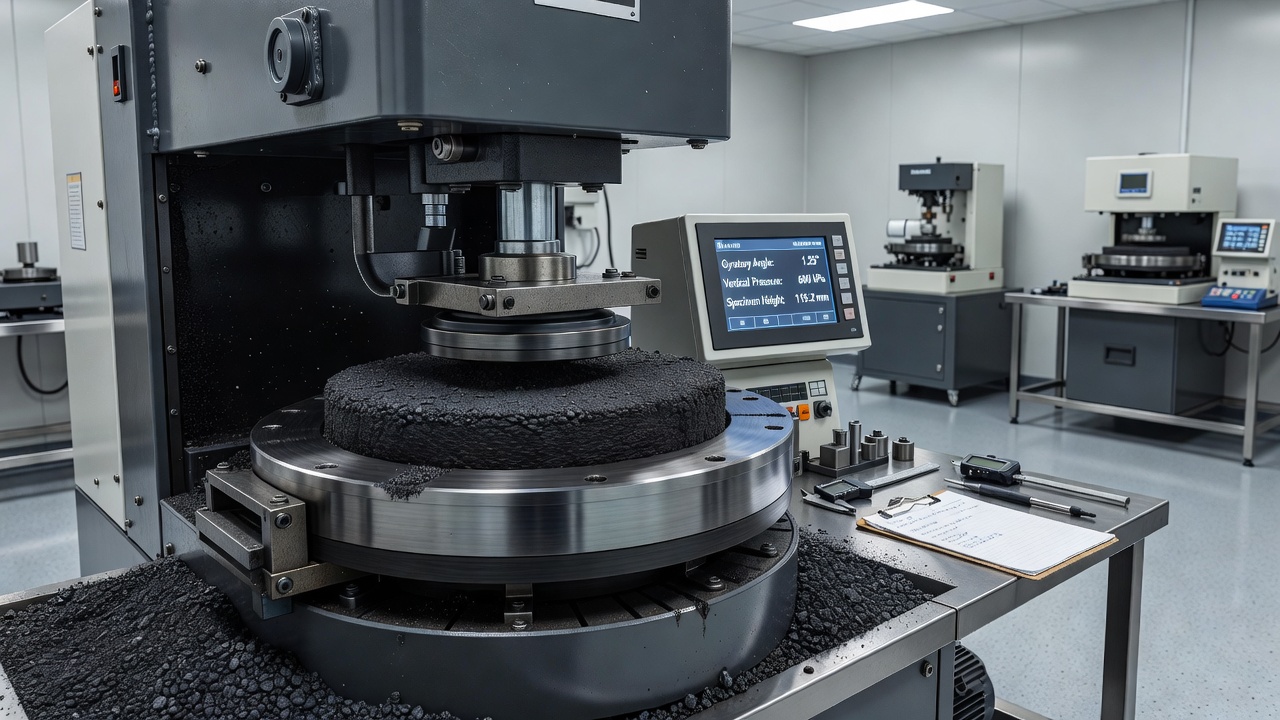
PG Plus specifications are supplemental tests that many agencies add to the base AASHTO M 320 or M 332 requirements to provide additional characterization of polymer-modified binders or binders with wide temperature spreads. The term “PG Plus” was originally coined during the implementation of Superpave when state agencies recognized that the standard PG specification did not adequately differentiate between binders modified with different polymer types or between polymer-modified and chemically modified binders.
PG Plus testing is typically required for binders with a temperature spread of 92°C or greater (e.g., PG 76-22 has a spread of 98°C, PG 70-28 has a spread of 98°C, PG 82-22 has a spread of 104°C). These binders are almost always polymer-modified to achieve the wide performance range.
Elastic Recovery Test
The Elastic Recovery Test per AASHTO T 301 or ASTM D 6084 measures the percentage of recovery of an RTFO-aged binder specimen after it has been elongated in a ductilometer. The specimen is pulled apart at 50 mm/min at 25°C until it reaches a specified elongation (typically 200 mm or 100 mm depending on the standard). The specimen is then cut at the midpoint, and the recovery of the two halves is measured after 30 or 60 minutes.
The elastic recovery is calculated as: (Original Length, Recovered Length) / (Elongated Length, Original Length) × 100%. Most agencies require a minimum elastic recovery of 60-70% for modified binders. The elastic recovery test provides an indication of the elastomeric nature of the polymer modification, SBS (styrene-butadiene-styrene) modified binders typically show high elastic recovery (≥ 70%), while other modifiers (e.g., polyolefins, crumb rubber, chemical modifiers) may show lower recovery even though they provide adequate field performance.
Force Ductility Test
The Force Ductility Test per ASTM D 113 or AASHTO T 300 measures the force required to elongate a PAV-aged binder specimen at 4°C and 50 mm/min. During the ductility test, the force is continuously measured and recorded, generating a force-elongation curve. The key parameters include the force at peak ductility and the work done (area under the force-elongation curve).
The force ductility test is particularly useful for identifying SBS polymer modification. SBS-modified binders exhibit a characteristic force-elongation curve with an initial peak force followed by a plateau and then a final peak before fracture. This behavior is distinct from unmodified binders, which show a relatively flat force-elongation curve. Some state specifications require a minimum force at a specific elongation (e.g., 50 N at 200 mm elongation) as an acceptance criterion for modified binders.
Separation of Polymer (Storage Stability)
The Separation of Polymer Test per ASTM D 7173 or AASHTO T 317 evaluates the storage stability of polymer-modified binders. The test involves placing a sample of the modified binder in a vertical tube (25 mm diameter × 140 mm height) and storing it at 163°C (or 180°C for certain modified binders) for 48 hours. After cooling, the tube is cut into three sections, and the softening point (AASHTO T 53) of the top and bottom sections is measured.
The difference in softening point between the top and bottom sections must not exceed 2.5°C to 5.5°C, depending on the specification. A large difference indicates that the polymer has separated (floated to the top) during storage, this is a sign of poor compatibility between the base binder and the polymer modifier, which can lead to inconsistent field performance. Storage-stable modified binders maintain uniform properties throughout the storage tank.
PG Binders for Airport Pavements
Airport pavements impose unique demands on asphalt binders that differ significantly from highway applications. Aircraft tire pressures range from 100 psi (general aviation) to over 250 psi (large commercial aircraft such as Boeing 777 and Airbus A380), compared to typical highway truck tire pressures of 100-120 psi. Aircraft loads are also much higher, a fully loaded Airbus A380 can impose a single-wheel load of over 25,000 kg, compared to a standard highway truck axle load of 8,200 kg. The channelized traffic patterns on runways and taxiways concentrate loading in narrow zones, increasing the potential for rutting.
The Federal Aviation Administration (FAA) addresses asphalt binder selection for airport pavements through its Advisory Circular 150/5370-10H, Standards for Specifying Construction of Airports, specifically Item P-401 (Plant Mix Bituminous Pavements). The FAA’s approach to PG binder selection for airport pavements includes:
Base Grade Selection, The base PG grade is determined from the project location’s climate using the LTPP Bind weather database, consistent with highway practice. The FAA uses a 98% reliability level for commercial service airports and 95% for general aviation airports, reflecting the safety-critical nature of airport pavements.
Traffic Grade Bumping, The FAA guidance on grade bumping for airport pavements differs from highway practice because aircraft loading is fundamentally different from truck loading. The FAA considers the design aircraft (the critical aircraft that determines pavement thickness) and the annual departures (the number of take-off operations per year). For heavy aircraft pavements (≥ 30,000 annual departures of aircraft weighing > 60,000 kg), a grade bump of one to two grades may be recommended, particularly for hot climates.
Fuel-Resistant Binders, Airport pavements are exposed to jet fuel (Jet A, Jet A-1, JP-8) spills during refueling operations. Jet fuel is a hydrocarbon solvent that can dissolve conventional asphalt binders, causing surface raveling, disintegration, and foreign object debris (FOD) hazards. For fuel-resistant applications (typically within 2-4 meters of fuel hydrant pits and refueling positions), the FAA specifies Special Fuel Resistant (SFR) binders that are chemically cross-linked to resist fuel dissolution. These binders are typically high-performance polymer-modified binders or thermosetting binders that meet the same PG requirements as conventional binders but provide additional resistance to fuel immersion.
Performance Testing, The FAA requires loaded wheel testing for airport pavement mix design approval. The Asphalt Pavement Analyzer (APA) per AASHTO T 340 is the default method, with testing at 250 psi hose pressure and 64°C run to 4,000 passes with a maximum allowable rut depth of 10 mm. For binders where the high temperature grade is ≥ 76°C, alternative test temperatures may be used. The APA test temperature may also be adjusted for the binder’s high temperature PG grade, for example, a PG 76-22 binder may be tested at 76°C instead of 64°C.
The FAA Engineering Brief No. 83A provides additional guidance on the use of asphalt binder performance grading for airport pavements. The brief recommends that engineers use the AASHTO M 332 MSCR-based specification for airport pavements with appropriate Jnr limits for aircraft traffic levels. The brief also provides guidance on PG Plus testing for modified binders, binders with a grade spread of 92°C or more require elastic recovery testing.
PG vs. Penetration Grade vs. Viscosity Grade
Penetration grade (AASHTO M 20) classifies binders based on the penetration test (AASHTO T 49), which measures the depth (in 1/10 mm units) that a standard needle penetrates a binder specimen at 25°C under a 100 g load for 5 seconds. Common grades include 40/50, 60/70, 80/100, and 120/150. The penetration test is an empirical measurement that does not relate directly to any fundamental engineering property of the binder. It provides no information about binder behavior at high pavement temperatures (rutting resistance) or low pavement temperatures (thermal cracking resistance).
Viscosity grade (AC grade) (AASHTO M 226) classifies binders based on the absolute viscosity test at 60°C (AASHTO T 201) and the kinematic viscosity test at 135°C (AASHTO T 201). Common grades include AC-5, AC-10, AC-20, AC-30, and AC-40. The AC number represents the absolute viscosity in hundreds of poises (e.g., AC-20 = 2000 poises = 200 Pa·s at 60°C). The viscosity grade system improved on penetration grading by measuring binder stiffness at a temperature closer to the maximum pavement temperature, but still did not account for low-temperature performance, fatigue resistance, or long-term aging.
AR viscosity grade (AASHTO M 226) is a variant of the viscosity grade system where the binder is tested after Rolling Thin-Film Oven (RTFO) aging. AR grades (e.g., AR-4000, AR-8000) classify binders based on their viscosity at 60°C after simulated short-term aging. While AR grading accounts for aging effects at the high temperature, it still does not address low-temperature or fatigue performance.
The following table provides a comparison of the three grading systems:
| Characteristic | Penetration Grade | Viscosity Grade | PG Grade |
|---|---|---|---|
| Test temperature | 25°C (fixed) | 60°C and 135°C (fixed) | Variable, based on climate |
| Low-temperature test | None | None | BBR at low temp + 10°C |
| Aging simulation | None | None (AR grade: RTFO) | RTFO (short-term), PAV (long-term) |
| Modified binders | Not suitable | Not suitable | Suitable |
| Performance relationship | Empirical | Empirical | Direct (engineering properties) |
| Typical grade examples | 60/70, 80/100 | AC-20, AC-30 | PG 64-22, PG 70-22 |
| Approximate equivalent | 60/70 ≈ AC-20 ≈ PG 64-22 | 80/100 ≈ AC-10 ≈ PG 58-28 | N/A, location-specific |
A key limitation of the penetration and viscosity systems is that binders from different crude oil sources can have the same penetration or viscosity grade at the test temperature but behave very differently at other temperatures. For example, two binders both graded as 60/70 penetration can have dramatically different rutting resistance at 70°C or different thermal cracking resistance at -20°C. The PG system eliminates this ambiguity by specifying performance at temperatures relevant to the project location.
The temperature susceptibility of asphalt binders is characterized by the Penetration Index (PI) , the Viscosity-Temperature Susceptibility (VTS) , and now the PG grade spread. Binders with lower temperature susceptibility (flatter stiffness-temperature curves) have wider PG grade spreads and can be used in climates with larger temperature ranges.
PG Binder and Pavement Performance
The PG binder grade directly controls pavement resistance to the three primary structural distress mechanisms: rutting (permanent deformation at high pavement temperatures), fatigue cracking (load-associated cracking at intermediate temperatures), and thermal cracking (non-load associated cracking at low temperatures). Understanding these relationships is essential for both pavement design and condition assessment.
Rutting Resistance, Rutting occurs when the asphalt binder becomes too soft to resist the shear stresses imposed by traffic loading at high pavement temperatures. A binder with a high-temperature grade that is too low for the climate and traffic conditions will exhibit excessive permanent deformation in wheel paths. The DSR G*/sin δ parameter (or the MSCR Jnr parameter) quantifies the binder’s contribution to rutting resistance. For any given high temperature grade, the binder is specified to provide adequate rutting resistance up to that temperature. Grade bumping for higher traffic provides additional margin.
Fatigue Cracking Resistance, Fatigue cracking occurs when repeated traffic loading at intermediate temperatures causes the accumulation of micro-damage that eventually coalesces into interconnected cracks. The binder contributes to fatigue resistance through its stiffness and ductility at intermediate temperatures. The DSR G*×sin δ parameter on PAV-aged binder quantifies the fatigue resistance. A binder that is too stiff (high G*×sin δ) at intermediate temperatures will be susceptible to fatigue cracking. This is why using a binder with an excessively high PG grade (e.g., PG 76-22 where PG 64-22 would suffice based on climate alone) can cause premature fatigue cracking, the binder is too stiff at intermediate temperatures for the actual stress levels in the pavement.
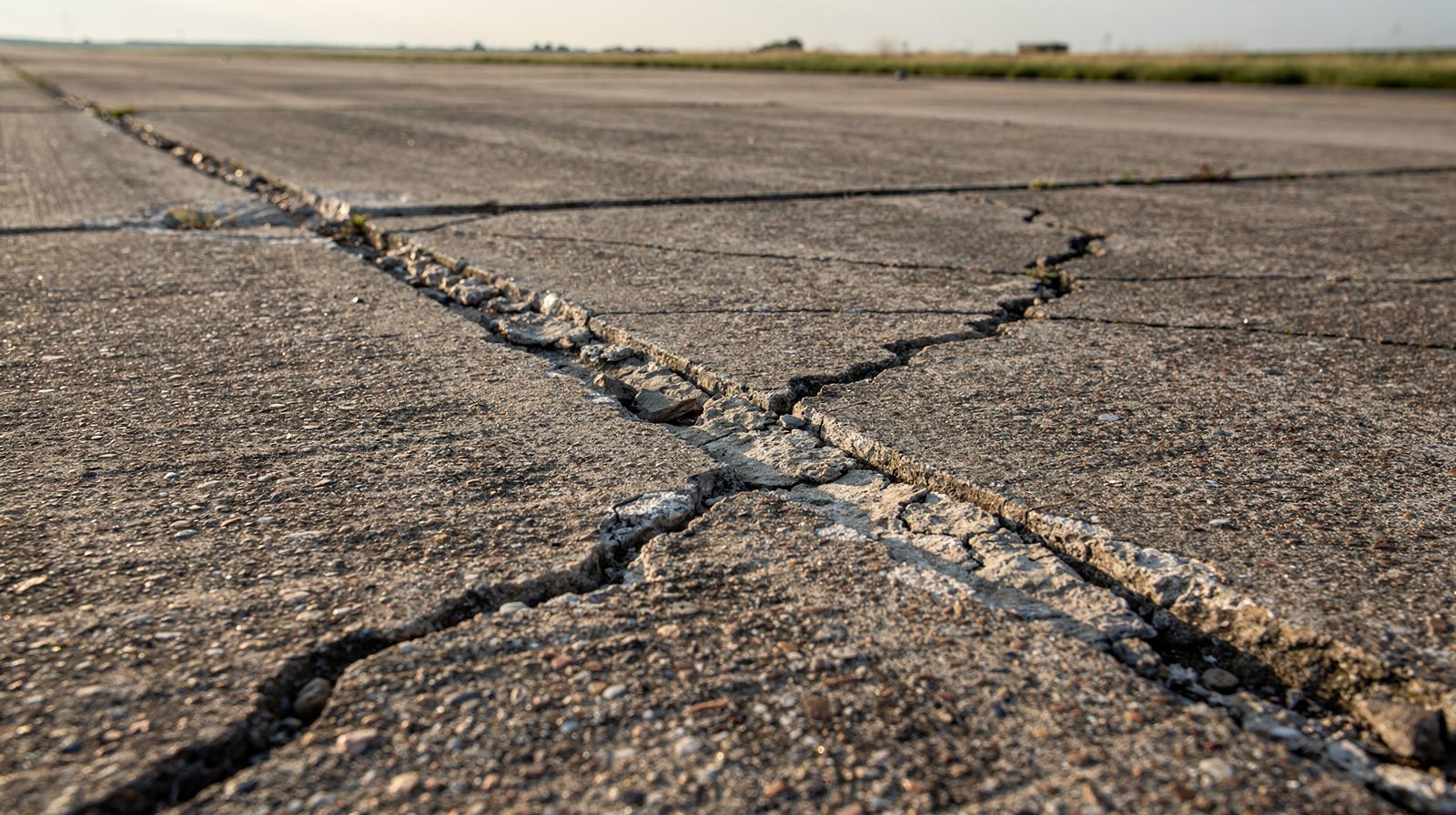
Thermal Cracking Resistance, Thermal cracking occurs when the pavement contracts during cold weather and the tensile stresses induced by contraction exceed the tensile strength of the binder. The BBR creep stiffness and m-value, along with the DTT failure strain, quantify the binder’s thermal cracking resistance. A binder with a low-temperature grade that is too high for the climate (e.g., PG 64-22 where PG 64-28 is needed) will exhibit transverse cracks at regular intervals (typically 5-20 m spacing) as the binder becomes too stiff to relax thermal stresses.
Aging Effects, As binder ages in service, it becomes stiffer and more brittle. The PAV aging simulates 5-10 years of field aging. A binder that passes the PAV-aged tests will generally provide adequate performance for at least the first decade of pavement life. Beyond this point, oxidative aging continues, and the binder may eventually become embrittled to the point where fatigue or thermal cracking initiates, even with a properly selected PG grade. This is the normal end-of-life mechanism for properly designed and constructed asphalt pavements.
Inspection Relevance: How PG Binder Grade Affects Distress Patterns
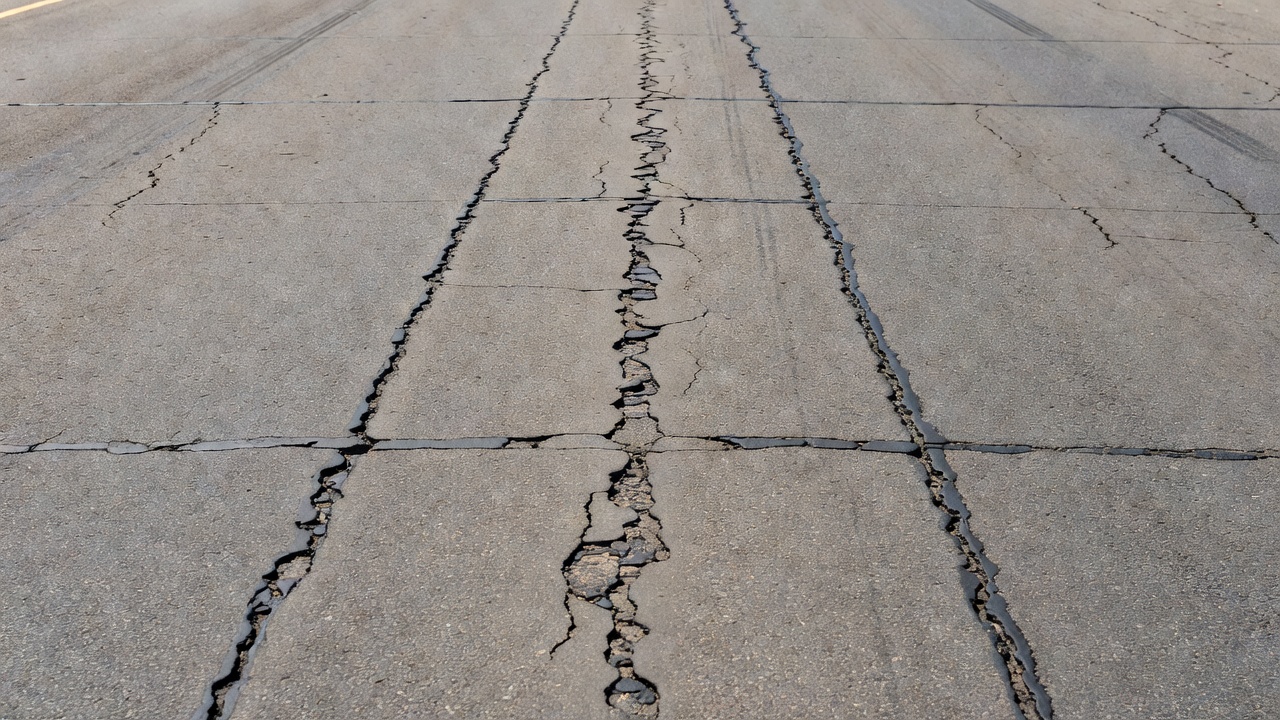
For pavement inspectors and condition assessment professionals, understanding the PG binder grade is essential for correctly diagnosing the root causes of observed distress patterns. The following distress-binder relationships guide inspection interpretation:
Rutting in wheel paths, When rutting is observed within 2-5 years of construction, the most likely binder-related cause is that the high-temperature PG grade is too low for the climate and traffic conditions. The inspector should: (1) verify the specified PG grade from project records, (2) check the LTPP Bind climate data for the project location, (3) determine if proper grade bumping was applied for traffic volume and speed, (4) if using M 320 versus M 332, look for possible steric hardening affecting DSR results, and (5) consider whether the actual binder delivered to the project matched the specification (binder certification review). Rutting may also be caused by insufficient VMA (too dense aggregate structure), excessive binder content, or tender mix due to excessive natural sand, these should be considered in the differential diagnosis.
Fatigue (alligator) cracking in wheel paths, Premature fatigue cracking (appearing within 3-8 years rather than the expected 10-15+ years) may indicate that the binder is too stiff at intermediate temperatures for the actual pavement stress levels. This can occur when: (1) the binder PG grade has been over-bumped for traffic without considering the pavement structural section, a common problem in thin HMA overlays (2-3 inches) on resilient bases where high stiffness actually reduces fatigue life, (2) a high RAP/RAS content has stiffened the total binder blend without corresponding virgin binder grade dumping, or (3) the binder was over-aged during production (excessive mixing temperature or prolonged silo storage). The inspector should evaluate the cracking pattern (wheel-path confined versus lane-wide), the structural number of the pavement, and the binder certification documents.
Transverse (thermal) cracking at regular intervals, Transverse cracks perpendicular to the pavement centerline, spaced at 5-20 m intervals, are the classic signature of thermal cracking due to a low-temperature PG grade that is too high for the climate. The inspector should: (1) verify the specified low temperature grade against the LTPP Bind minimum pavement temperature for the project location, (2) check if the low-temperature grade was bumped for traffic (over-bumping the high temperature grade without considering the low temperature grade may have inadvertently selected a binder with inadequate low-temperature properties), (3) look for whether the cracks appeared after the first winter season (suggesting immediate thermal stress failure) or after several years (suggesting progressive aging embrittlement), and (4) consider the pavement age, if the pavement is > 10 years old, some thermal cracking is normal due to binder aging, but if it occurred within 2-5 years, the binder grade or quality is suspect.
Bleeding (flushing), The presence of excess binder on the pavement surface, appearing as a shiny, sticky film, can be related to: (1) excessively low binder viscosity at high pavement temperatures (binder high-temperature grade too low, causing the binder to migrate to the surface under traffic), (2) excessive binder content in the mix, (3) inadequate VMA causing the aggregate structure to be overfilled with binder, or (4) tender mix compacted to excessively low air voids during construction (< 2% in-place air voids). The inspector should evaluate the relationship between bleeding and wheel path location.
Raveling (aggregate loss), Raveling can indicate: (1) binder that is too stiff and brittle at ambient temperatures (excessively high PG high temperature grade or over-aging of the binder), (2) poor binder-aggregate adhesion (moisture damage or stripping, which is related to binder chemistry as well as aggregate mineralogy), (3) binder content that is too low (inadequate film thickness around aggregate particles), or (4) inadequate compaction (excessive in-place air voids allowing moisture infiltration and accelerated binder aging).
For all distress types, the inspector should document the pavement age at the time of distress appearance, the severity and extent of the distress per ASTM D6433 (Standard Practice for Roads and Parking Lots Pavement Condition Index Surveys), and the environmental conditions (local climate zone, freeze-thaw cycles, precipitation). This documentation, combined with binder grade verification, enables the engineer to determine whether the distress is a materials specification issue (wrong PG grade), a construction quality issue (production or placement deficiencies), a design issue (inadequate structural section), or normal end-of-life deterioration.
The PG binder specification has revolutionized asphalt pavement technology by providing engineers with a rational, performance-based method for selecting binders that match the specific climatic and traffic conditions of each project. Understanding PG grades, their meaning, selection, testing, and relationship to field performance, is essential knowledge for any pavement engineer, inspector, or materials specialist involved in the design, construction, maintenance, or evaluation of asphalt pavements.
Frequently Asked Questions
- What does PG 64-22 mean in asphalt binder grading?
- PG 64-22 is a Performance Grade asphalt binder designation where the first number (64) represents the high pavement temperature grade in degrees Celsius, the average seven-day maximum pavement design temperature at 20 mm depth that the binder can withstand without excessive rutting. The second number (-22) represents the low pavement temperature grade in degrees Celsius, the minimum pavement design temperature that the binder can withstand without thermal cracking. A PG 64-22 binder is the most commonly specified grade in the United States, suitable for climates where the average 7-day maximum pavement temperature reaches 64°C and the minimum pavement temperature drops to -22°C. The high temperature grade is tested using the Dynamic Shear Rheometer (DSR) which measures G*/sin δ (rutting factor), and the low temperature grade is tested using the Bending Beam Rheometer (BBR) which measures creep stiffness (S) and m-value.
- How is the PG binder grade selected for a specific project location?
- PG binder grade selection uses climatic data from the Long-Term Pavement Performance (LTPP) Bind weather database, which contains historical temperature records from thousands of weather stations across North America. The user inputs the project geographic location and the desired reliability level (typically 50% for standard pavements, 98% for critical pavements). The database calculates the average 7-day maximum pavement temperature at 20 mm depth and the minimum pavement temperature using algorithms developed under the SHRP program. The base PG grade is then adjusted (grade bumping) for higher traffic volumes, increasing the high-temperature grade by one grade (6°C) for high traffic, two grades (12°C) for slow traffic, or three grades (18°C) for standing traffic. The low temperature grade may also be bumped downward by one temperature grade in areas experiencing premature thermal cracking.
- What is the difference between AASHTO M 320 and AASHTO M 332 for PG binders?
- AASHTO M 320 is the original Superpave PG binder specification developed during the SHRP program, which uses the DSR parameter G*/sin δ to evaluate rutting resistance on original and RTFO-aged binder. AASHTO M 332 is the newer specification that replaces the G*/sin δ rutting parameter with the Multiple Stress Creep Recovery (MSCR) test (AASHTO T 350). The MSCR test measures the non-recoverable creep compliance (Jnr) and percent recovery (%R) of the binder at 0.1 kPa and 3.2 kPa stress levels. AASHTO M 332 is specifically designed to better characterize polymer-modified binders and is not sensitive to steric hardening effects that can lead to erroneous PG grade assignments with M 320. AASHTO M 332 also introduces traffic level designations ('S' for standard, 'H' for heavy, 'V' for very heavy, 'E' for extreme) that replace the grade bumping approach of M 320.
- What is the MSCR test and why is it important for PG grading?
- The Multiple Stress Creep Recovery (MSCR) test, standardized as AASHTO T 350, is an improved binder test for evaluating rutting resistance that has replaced the DSR G*/sin δ test in the latest PG specifications. The test uses the Dynamic Shear Rheometer (DSR) to apply creep loading cycles at 0.1 kPa stress (10 cycles of 1-second creep followed by 9-second recovery) followed by 10 cycles at 3.2 kPa stress. The MSCR test measures the non-recoverable creep compliance (Jnr) at 3.2 kPa, which directly quantifies the binder's contribution to permanent deformation. Lower Jnr values indicate better rutting resistance. The MSCR test also measures percent recovery (%R), which identifies the presence of elastic polymer modification. Unlike the G*/sin δ test, the MSCR is not affected by steric hardening (molecular stiffening during storage) and provides a more accurate evaluation of modified binders. Traffic level grades (S, H, V, E) in AASHTO M 332 correspond to Jnr maximum values of 4.5, 2.0, 1.0, and 0.5 kPa-1 respectively.
- How are PG binders used in airport pavement construction per FAA standards?
- The Federal Aviation Administration (FAA) incorporates PG binder requirements in its P-401 specification (Item P-401, Plant Mix Bituminous Pavements) per Advisory Circular 150/5370-10H. For airport pavements, the base PG grade is selected based on climate using the same LTPP Bind database used for highways. However, additional considerations include grade bumping for heavy aircraft loads and high tire pressures (100-250 psi). The FAA requires performance testing including the Asphalt Pavement Analyzer (APA) per AASHTO T 340 for rutting evaluation, typically at 250 psi hose pressure and 64°C. Common airport PG grades include PG 64-22 for general aviation, PG 70-22 for medium commercial service, and PG 76-22 for heavy commercial service airfields. For binders with a temperature spread of 92°C or greater between high and low grade (indicating polymer modification), the FAA requires PG Plus testing including elastic recovery and forced ductility. The FAA also recognizes the MSCR-based AASHTO M 332 specification for airfield applications, with appropriate Jnr limits corresponding to aircraft traffic levels.
- What is the difference between PG, penetration grade, and viscosity grade binder specifications?
- Penetration grade (e.g., 60/70, 80/100) classifies binders using the penetration test (AASHTO T 49) which measures the depth a standard needle penetrates a binder sample at 25°C under a 100g load for 5 seconds, an empirical test at a single fixed temperature that does not relate to field performance at either high or low temperatures. Viscosity grade (e.g., AC-20, AC-30) classifies binders using the absolute viscosity test at 60°C (AASHTO T 201) and kinematic viscosity at 135°C (AASHTO T 201), measuring flow resistance at two fixed temperatures. Both older systems do not directly measure resistance to rutting, fatigue cracking, or thermal cracking at service temperatures. The PG system improves on both by: (1) testing binders at the actual pavement temperatures they will experience in the field, the high temperature grade is based on average 7-day maximum pavement temperature and the low temperature grade on minimum pavement temperature, (2) using rheological tests (DSR, BBR, DTT) that directly measure engineering properties related to performance, (3) simulating both short-term aging (RTFO) and long-term aging (PAV) to characterize binder behavior throughout its service life, and (4) being applicable to both modified and unmodified binders.
- What tests are required to verify a PG binder grade?
- Verifying a PG binder grade requires a suite of tests per AASHTO R 29 (Grading or Verifying the Performance Grade of an Asphalt Binder). On the original (unaged) binder: Flash Point (AASHTO T 48), minimum 230°C for safety, Rotational Viscosity (AASHTO T 316), maximum 3 Pa·s at 135°C for workability, Dynamic Shear Rheometer (AASHTO T 315), G*/sin δ ≥ 1.00 kPa at the high pavement temperature. On RTFO-aged residue (simulating short-term aging during production): DSR, G*/sin δ ≥ 2.20 kPa at the high pavement temperature, mass loss ≤ 1.00%. On PAV-aged residue (simulating long-term aging after 5-10 years in service): DSR, G*×sin δ ≤ 5000 kPa at the intermediate test temperature, Bending Beam Rheometer (AASHTO T 313), creep stiffness S ≤ 300 MPa and m-value ≥ 0.300 at the low pavement temperature + 10°C, Direct Tension Test (AASHTO T 314), failure strain ≥ 1.0% at the low pavement temperature (required only if BBR stiffness is between 300-600 MPa). If using AASHTO M 332, the MSCR test (AASHTO T 350) replaces the DSR rutting requirement, with Jnr3.2 limits of 4.5 (S), 2.0 (H), 1.0 (V), or 0.5 (E) kPa-1.
- What is PG Plus testing and when is it required?
- PG Plus testing refers to supplemental specification requirements that many state highway agencies and the FAA impose on top of the standard AASHTO M 320 or M 332 PG requirements, particularly for highly modified binders (typically those with a temperature spread of 92°C or greater between the high and low temperature grades, such as PG 76-22 or PG 82-28). Common PG Plus tests include: Elastic Recovery (AASHTO T 301 / ASTM D 6084), measures the percentage of recovery after elongating an RTFO-aged binder specimen at 25°C, indicating the presence of elastomeric polymer modification, typically requiring ≥ 60-70% recovery, Force Ductility (AASHTO T 300 / ASTM D 113), measures the force required to elongate a binder specimen at 4°C and identifies polymer modification through the force-elongation curve shape, and Separation of Polymer (ASTM D 7173 / AASHTO T 317), evaluates the storage stability of polymer-modified binders by measuring the difference in softening point between the top and bottom of a vertically stored sample. PG Plus tests are needed because the standard Superpave binder tests do not always differentiate between binders modified with different polymer types or between polymer-modified and binder-modified-with-crumb-rubber, which may perform differently in the field despite having the same PG grade designation.
- How does the PG binder grade relate to pavement distress patterns observed during inspection?
- The PG binder grade is directly linked to the three primary distress mechanisms that pavement inspectors evaluate: rutting, fatigue cracking, and thermal cracking. A binder with a high-temperature grade that is too low for the climate and traffic (e.g., using PG 64-22 where PG 76-22 is needed) will exhibit rutting, permanent deformation in the wheel paths from traffic loading at high pavement temperatures, visible as longitudinal depressions with lateral upheaval. Conversely, a binder with an excessively high-temperature grade (over-graded for the climate, such as using PG 76-22 where PG 64-22 is sufficient) can contribute to fatigue cracking, interconnected cracks (alligator cracking) in the wheel paths caused by the binder becoming too stiff and brittle at intermediate temperatures, reducing its ability to withstand repeated tensile strains. A binder with a low-temperature grade that is too high for the climate (e.g., using PG 64-22 where PG 64-28 is needed) will exhibit thermal (transverse) cracking, regularly spaced cracks perpendicular to the pavement centerline caused by the binder becoming too stiff and brittle when the pavement contracts during cold weather, exceeding its tensile strength. During inspection, the presence of these distress patterns, particularly when they occur prematurely (within 2-5 years of construction), should trigger a review of the specified versus actual PG binder grade used in the project. The inspector should verify binder certification documents, check LTPP Bind climate data for the project location, and consider if proper grade bumping was applied for traffic volume and speed conditions.