What is a Pilot (Aviation)?
Pilot (Aviation) – A Comprehensive Guide
Introduction
A pilot is a highly trained and licensed individual responsible for operating an aircraft safely and efficiently. Pilots manipulate the controls of airplanes, helicopters, drones, or other types of aircraft, ensuring compliance with aviation regulations and the safety of passengers, crew, and cargo. The role of a pilot is vital to the functioning of the global aviation industry, encompassing commercial airlines, private flights, cargo transport, military operations, and specialized aviation services.
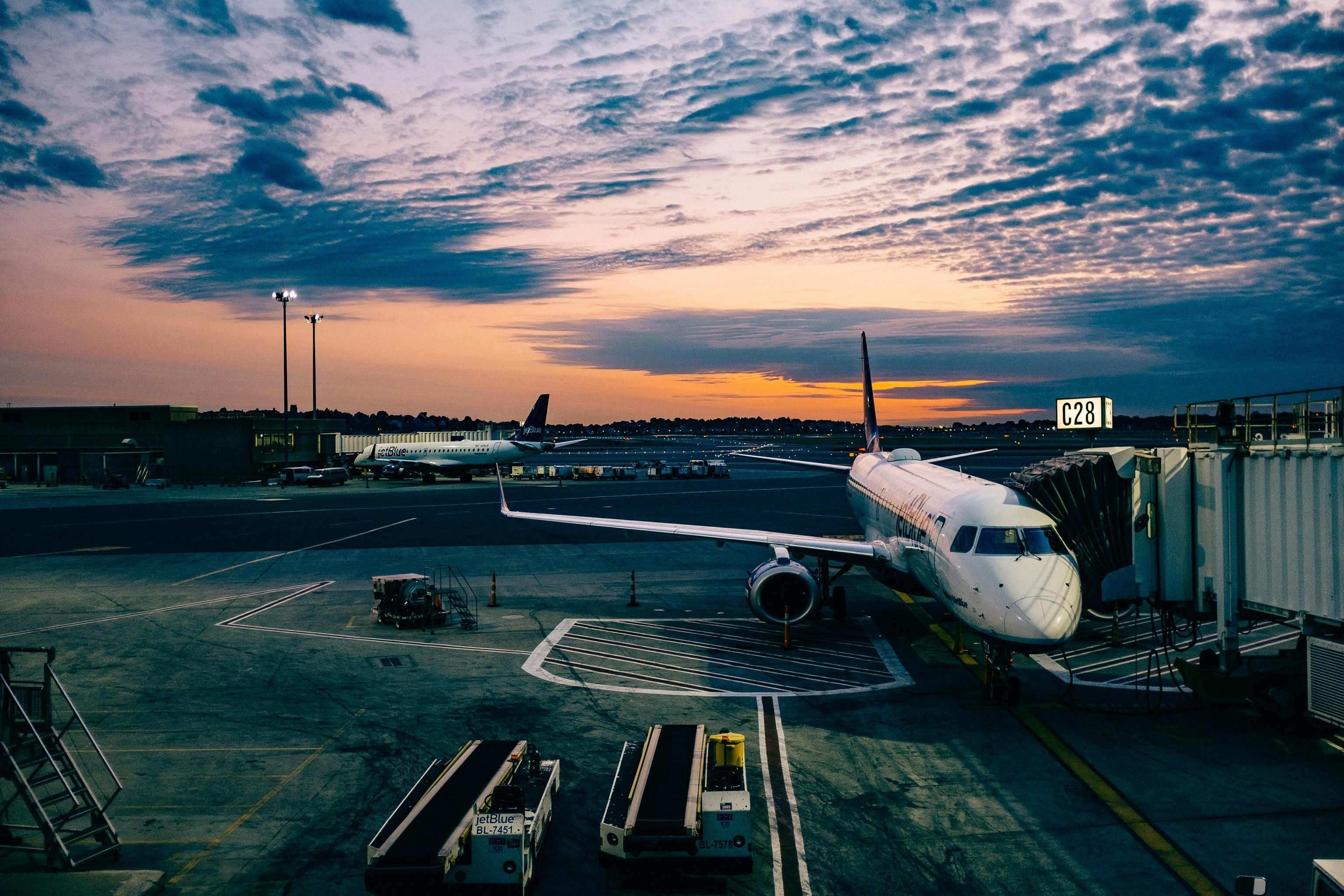
The Role and Duties of a Pilot
Pilots are entrusted with a wide array of responsibilities throughout every flight phase. Their duties begin long before takeoff and continue after landing. The following outlines the core responsibilities expected of pilots worldwide:
Pre-Flight Duties
- Aircraft Inspection: Conducting thorough pre-flight checks of the aircraft, examining control surfaces, engines, avionics, fuel, and emergency equipment.
- Flight Planning: Reviewing weather data, NOTAMs, and charts, calculating fuel requirements, determining weight and balance, and selecting alternate airports.
- Briefings: Coordinating with co-pilots, cabin crew, dispatchers, and maintenance staff regarding operational details and contingencies.
In-Flight Operations
- Aircraft Control: Taking off, cruising, navigating, and landing the aircraft safely, using both manual controls and automation systems.
- Navigation: Utilizing visual references, radio navigation aids, GPS, and onboard avionics to maintain the intended flight path.
- Communication: Maintaining clear, standardized communication with air traffic control, ground handlers, and crew.
- Systems Monitoring: Continuously checking engine performance, fuel status, electrical and hydraulic systems, and environmental controls.
- Decision-Making: Responding to weather changes, technical malfunctions, or passenger emergencies using standardized procedures and crew resource management (CRM) principles.
Post-Flight Duties
- Logging and Reporting: Completing flight and maintenance logs, reporting discrepancies, and participating in debriefings.
- Safety Compliance: Ensuring all actions comply with aviation regulations, operational policies, and safety standards.
Types of Pilots
Aviation recognizes numerous pilot categories, each with unique training and operational contexts:
Airline Pilots
Operate scheduled passenger or cargo flights for commercial airlines, often as part of a multi-crew cockpit. They hold the Airline Transport Pilot Licence (ATPL) and undergo recurrent training and proficiency checks.
Commercial Pilots
Fly aircraft for compensation or hire, performing roles such as charter flights, aerial photography, or sightseeing tours. They hold a Commercial Pilot Licence (CPL) and may operate single-pilot or multi-pilot flights.
Military Pilots
Serve in national defense forces, flying fighters, bombers, transport planes, helicopters, or drones. They receive specialized tactical and mission-based training.
Helicopter Pilots
Operate rotary-wing aircraft for diverse missions including medical evacuation, law enforcement, offshore support, firefighting, and tourism.
Cargo Pilots
Transport freight, mail, and goods, often flying overnight or time-sensitive routes for logistics companies.
Flight Instructors
Train student pilots and provide advanced instruction, evaluations, and recurrent training for licensed pilots.
Test Pilots
Conduct experimental flights for new or modified aircraft, providing feedback to engineers and regulatory authorities.
Corporate Pilots
Fly executives or clients on business jets or turboprops, handling a combination of flight operations and customer service.
Agricultural Pilots
Spray crops with fertilizers, pesticides, or seeds using specialized low-level flying techniques.
Bush Pilots
Operate in remote or undeveloped areas, requiring advanced airmanship and survival skills.
Drone (RPA) Pilots
Operate unmanned aerial vehicles for military, commercial, or research purposes, often from ground control stations.
Training and Certification
Becoming a pilot involves a structured progression of training and certification:
Basic Requirements
- Age: Minimum age varies by license (often 16–18).
- Language: English proficiency (ICAO Level 4 or higher) for international operations.
- Medical Fitness: Passing aviation medical exams tailored to license class.
Training Path
- Student Pilot Certificate: Allows solo practice under supervision.
- Private Pilot Licence (PPL): Minimum 40 flight hours (U.S.), covers basic flight skills and knowledge.
- Instrument Rating (IR): Enables flight in low visibility using instruments only.
- Commercial Pilot Licence (CPL): Advanced maneuvers, emergency operations, and higher flight hours.
- Multi-Engine/Type Ratings: Specialized endorsements for specific aircraft.
- Airline Transport Pilot Licence (ATPL): Highest level, required for airline captains and first officers.
Ongoing Requirements
- Recurrent training (annual or biennial), including simulator sessions and emergency drills.
- Medical renewals and periodic proficiency checks.
- Additional ratings for new aircraft or operations (e.g., night, seaplane, aerobatics).
Work Environment and Conditions
- Cockpit: Ergonomic, technology-rich space demanding focus and teamwork.
- Variable Schedules: Irregular hours, night shifts, weekends, and frequent travel.
- Physical Demands: Long periods of sitting, exposure to noise and varying cabin pressures.
- Stress Factors: High responsibility, time pressure, and emergency preparedness.
- Regulatory Oversight: Strict adherence to safety, operational, and security protocols.

Career Outlook and Advancement
- Job Growth: Stable demand, with increases tied to industry expansion and pilot retirements.
- Advancement: Progression from instructor or regional roles to major airlines or specialized operations.
- Seniority System: Most airlines use seniority for promotions, preferred routes, and schedules.
- Specialization: Opportunities in helicopters, seaplanes, test flights, and management.
- Retirement: Mandatory at age 65 for airline pilots in most regions.
Use Cases
- Airline Passenger Transport: Pilots flying scheduled passengers across domestic and international routes.
- Air Cargo: Overnight or time-sensitive delivery of freight.
- Medical Evacuation: Helicopter pilots transporting patients in emergencies.
- Military Operations: Pilots executing combat or reconnaissance missions.
- Survey/Inspection: Drone pilots conducting aerial mapping or infrastructure checks.
- Remote Logistics: Bush pilots supplying isolated communities.
Conclusion
The pilot profession is at the heart of aviation, demanding a unique blend of technical expertise, discipline, decision-making, and teamwork. Pilots enable global connectivity, commerce, defense, and emergency response, making their role indispensable in modern society. Whether flying commercial jets, helicopters, or drones, pilots uphold the highest standards of safety and professionalism.
Related Terms
- Airline Transport Pilot Licence (ATPL)
- Crew Resource Management (CRM)
- Instrument Flight Rules (IFR)
- Visual Flight Rules (VFR)
- Type Rating
- Flight Instructor
- Drone Pilot
- Commercial Pilot Licence (CPL)
- Private Pilot Licence (PPL)
For more information about aviation careers, training, and regulations, contact us or schedule a demo today.
Frequently Asked Questions
- What qualifications are required to become a pilot?
- To become a pilot, you must meet age and medical requirements, complete ground and flight training, and pass written and practical exams. Depending on your goals, you may pursue certifications such as Private Pilot Licence (PPL), Commercial Pilot Licence (CPL), or Airline Transport Pilot Licence (ATPL). Additional ratings are needed for specialized operations or aircraft types.
- What are the main responsibilities of a pilot?
- Pilots are responsible for pre-flight planning, weather analysis, aircraft inspection, navigation, communication with air traffic control, safe operation of the aircraft, in-flight decision-making, and post-flight duties. They ensure the safety of passengers, crew, and cargo, and comply with all applicable aviation regulations.
- What types of pilots exist in aviation?
- There are various types of pilots, including airline pilots, commercial pilots, private pilots, military pilots, helicopter pilots, cargo pilots, flight instructors, test pilots, corporate pilots, agricultural (crop-dusting) pilots, bush pilots, and drone (remotely piloted aircraft) operators. Each type requires specific training and certification.
- How long does it take to become a commercial airline pilot?
- Becoming a commercial airline pilot typically takes several years. After earning a Private Pilot Licence, additional hours, advanced training, and certifications are needed to reach the Airline Transport Pilot Licence (ATPL), which generally requires at least 1,500 total flight hours. The timeline varies based on training intensity and local regulations.
- Are pilots required to undergo ongoing training?
- Yes, pilots must complete recurrent training, including simulator sessions, emergency procedures, and proficiency checks at regular intervals. Medical examinations are also required to maintain licensing, and additional training is necessary for new aircraft types or specialized operations.
This is a reference entry. TarmacView provides drone inspection services and doesn't sell the equipment or materials described in this glossary.