What is a Pothole in Asphalt and Flexible Pavements?
Potholes in Asphalt and Flexible Pavements, Pavement Cavity Distress
Definition and Description of Potholes
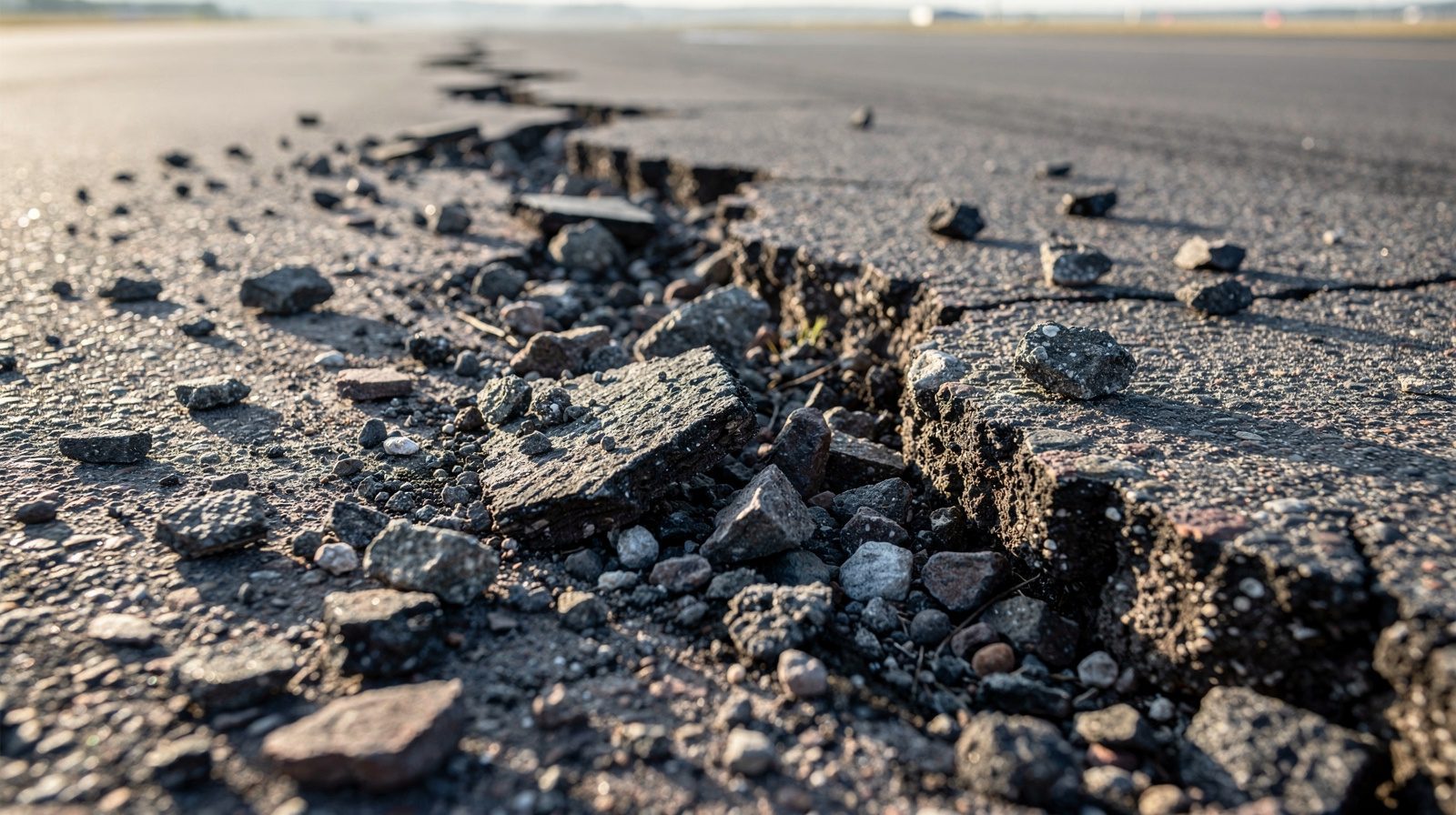
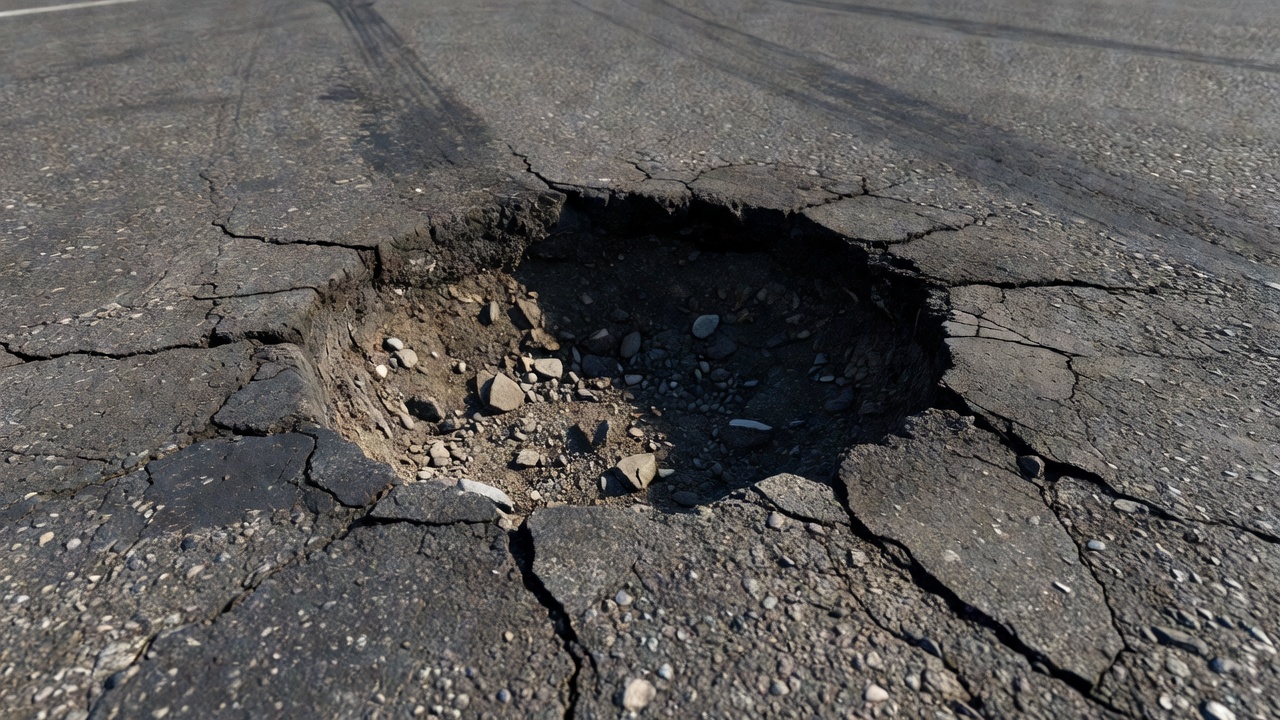
A pothole is a bowl-shaped cavity in the pavement surface that results from the progressive disintegration of the asphalt layers. Per the Federal Highway Administration (FHWA) Long-Term Pavement Performance (LTPP) Distress Identification Manual, potholes are formally classified under distress code ACP-8 for asphalt concrete pavements. The defining characteristics of a pothole include a minimum plan dimension of 150 mm in any direction, for circular potholes this means a minimum diameter of 150 mm, while irregular-shaped potholes must accommodate a 150 mm diameter circle within their boundary. The minimum surface area for a recorded pothole is approximately 0.02 m². Potholes smaller than these thresholds are noted on distress maps but are not included in measurement summaries.
In the ASTM D6433 standard for Pavement Condition Index (PCI) surveys, potholes are designated as distress type AC-13 and are counted individually per sample unit. This distinguishes potholes from area-based distresses like alligator cracking or raveling, which are measured in square feet or square meters of affected surface. The unit of measurement for potholes in PCI surveys is the count, combined with the affected area in square feet. Each pothole entry must record the severity level (Low, Moderate, or High) alongside the quantity.
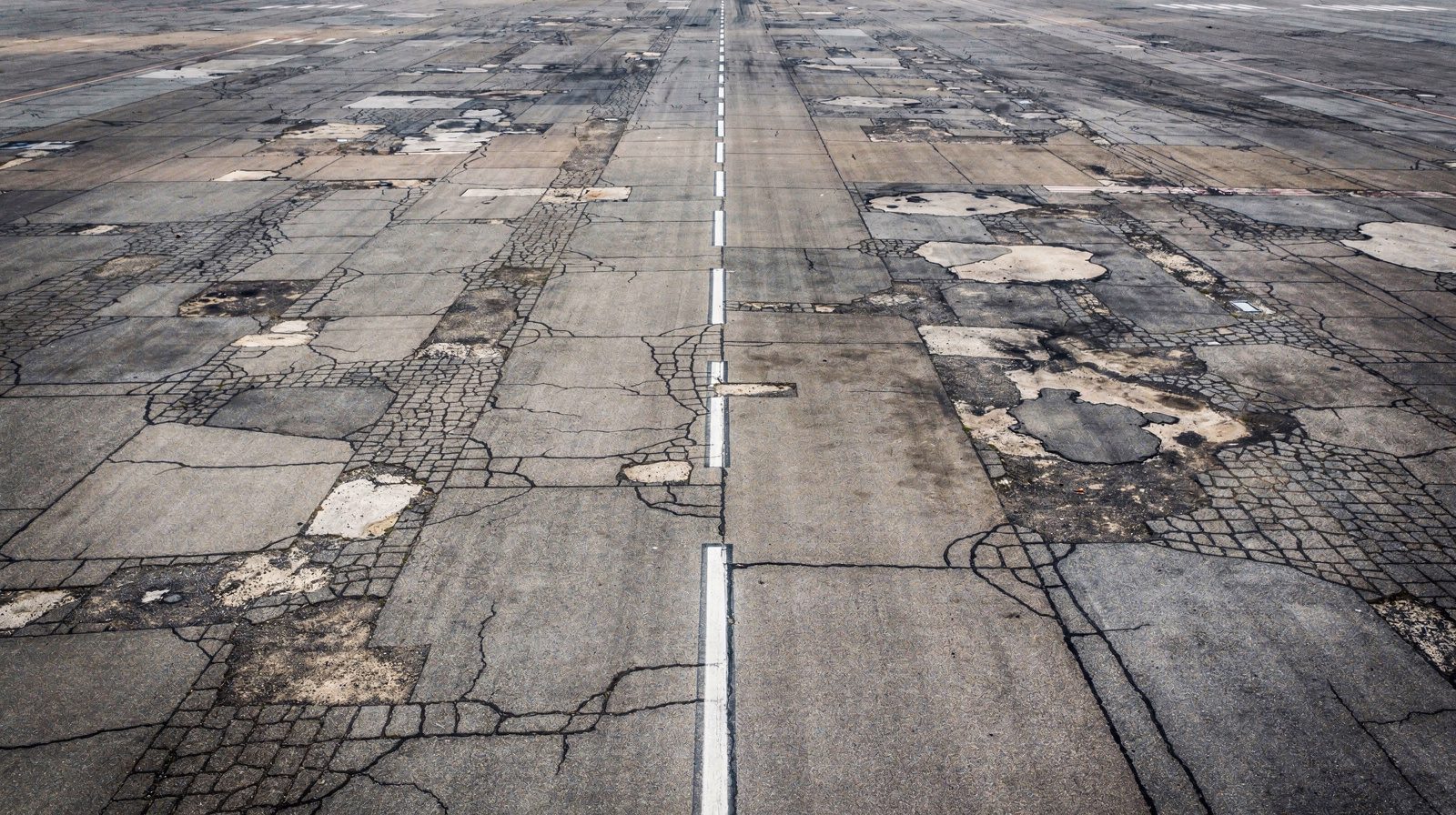
Potholes represent one of the most advanced stages of pavement deterioration. They are not a primary failure mode but rather the culmination of a chain of distress mechanisms that begin with surface cracking and progress through water infiltration, base weakening, and material dislodgement. In the hierarchy of pavement distress severity, a pothole indicates that the pavement structure has lost its integrity at that location and that repair or rehabilitation is overdue. The presence of even a single pothole in a pavement section can reduce the Pavement Condition Index (PCI) by 20 to 40 points depending on its severity, often dropping the section from “Good” or “Satisfactory” directly into “Poor” or “Very Poor” condition.
Pothole Formation Mechanism
Pothole formation follows a well-documented five-stage mechanistic process that transforms an intact pavement surface into a structural cavity. Understanding this mechanism is critical for selecting appropriate prevention and repair strategies.
Stage 1: Crack Initiation
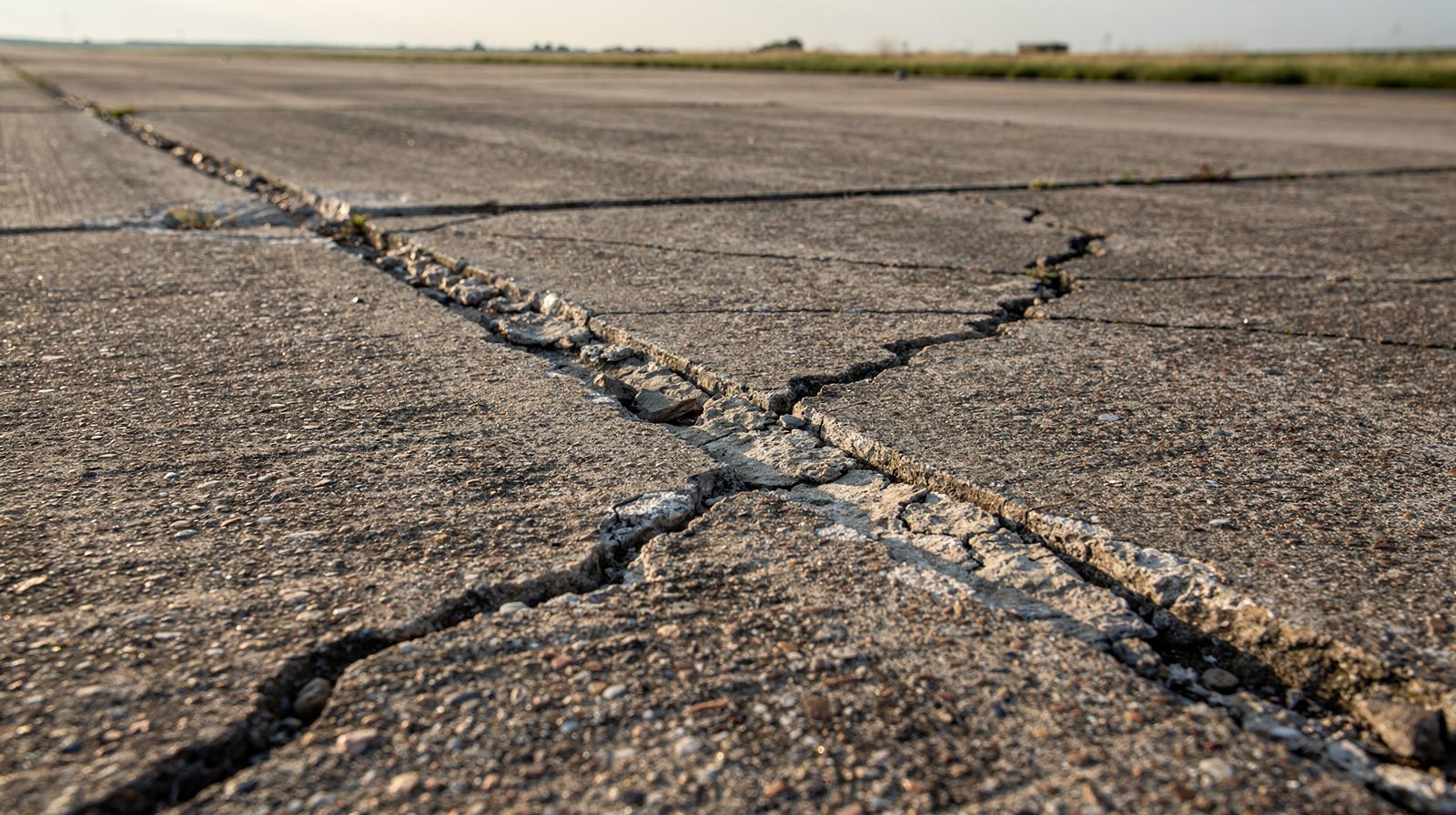
The process begins with the formation of cracks in the asphalt surface. These cracks may originate from multiple sources: fatigue (alligator) cracking from repeated traffic loading, thermal cracking from temperature-induced contraction, reflection cracking from underlying concrete joints, or longitudinal/transverse cracking from construction joints or subgrade movement. Once a crack develops, it creates a preferential pathway for water to enter the pavement structure. Cracks as narrow as 3 mm are sufficient to allow significant water infiltration under hydraulic pressure from moving vehicle tires.
Stage 2: Water Infiltration
Rainwater, snowmelt, or groundwater migrates through the crack network into the base course, subbase, and subgrade layers. The water accumulates within the granular base materials and beneath the asphalt surface layer. The presence of water in the base dramatically reduces its load-bearing capacity, saturated granular materials can lose 50% or more of their structural support compared to dry conditions. This is particularly pronounced in pavements constructed on fine-grained subgrade soils such as silts and clays, which are highly susceptible to moisture weakening.
Stage 3: Freeze-Thaw Cycling
In climates where temperatures cycle above and below freezing, the trapped water undergoes repeated freeze-thaw cycles. Water expands by approximately 9% in volume when it freezes into ice. This expansion exerts significant tensile stress on the surrounding pavement structure, forcing cracks wider and propagating new fissures. Upon thawing, the ice melts and leaves behind voids in the base and subgrade that cannot support the overlying asphalt. Each freeze-thaw cycle progressively weakens the pavement structure. Research has demonstrated that a single winter season with 50 to 100 freeze-thaw cycles can reduce pavement structural capacity by 30% to 50% compared to a season with no freeze-thaw activity. This explains the well-documented phenomenon of pothole formation accelerating dramatically in late winter and early spring.
Stage 4: Traffic Loading and Pumping Action
As vehicles pass over the cracked, water-weakened pavement, the dynamic loading creates a pumping action. When a tire rolls over a water-filled crack, the hydraulic pressure forces water and fine soil particles upward through the crack and out onto the pavement surface. This phenomenon, known as pumping, is visible as muddy water ejecting from cracks under passing traffic. The loss of these fine particles from the base and subgrade creates voids beneath the asphalt layer, leaving the surface unsupported. The unsupported asphalt then flexes excessively under load, accelerating crack propagation and fatigue failure.
Stage 5: Cavity Formation
Once the subsurface support is compromised, the asphalt surface layer begins to break apart under traffic loads. Individual pieces of asphalt become dislodged from the surrounding pavement and are ejected from the cavity by the action of passing tires. The resulting hole grows progressively larger and deeper as more material is removed. The characteristic bowl shape of a pothole, wider at the surface and narrower at the bottom, derives from the fact that the asphalt surface layer acts as a structural arch that collapses progressively from the center outward. As the cavity deepens, it may penetrate through the full depth of the asphalt layer and into the base course, creating a depression that can exceed 100 mm in depth in advanced cases.
The total time from initial crack formation to a fully developed pothole varies widely depending on traffic volume, climate, drainage conditions, and pavement thickness. Under heavy traffic with frequent freeze-thaw cycles, a pothole can develop in as little as 2 to 4 weeks after crack initiation. In milder climates with lighter traffic, the process may take 6 to 12 months.
| Stage | Description | Duration | Key Factor |
|---|---|---|---|
| 1. Crack Initiation | Surface cracking from fatigue, thermal, or reflection | Months to years | Traffic loading, temperature |
| 2. Water Infiltration | Water enters through cracks into base/subgrade | Hours to days | Rainfall, drainage quality |
| 3. Freeze-Thaw Cycling | Ice expansion widens cracks, creates voids | Days to weeks | Number of freeze-thaw cycles |
| 4. Traffic Pumping | Hydraulic action ejects fines from base | Weeks to months | Traffic volume, load magnitude |
| 5. Cavity Formation | Asphalt fragments dislodge, hole forms | Days to weeks | Traffic impact, material condition |
Severity Classification of Potholes
Pothole severity is classified according to standardized criteria defined in ASTM D6433 and the FHWA LTPP Distress Identification Manual. The severity classification is essential for consistent condition assessment, repair priority determination, and PCI calculation.
Severity Levels per ASTM D6433 and FHWA LTPP
Low Severity: Potholes with a maximum depth of less than 25 mm (approximately 1 inch). Low-severity potholes typically represent the early stages of cavity formation where only the surface course has been affected. The sides of the pothole may be relatively vertical and the bottom may still retain some pavement material. At this severity level, the pothole is primarily a surface defect rather than a structural failure. The surrounding pavement may show associated cracking but the base and subgrade are likely intact. Low-severity potholes generate limited FOD but still require prompt attention to prevent progression.
Moderate Severity: Potholes with a depth between 25 mm and 50 mm (1 to 2 inches). Moderate-severity potholes have typically penetrated through the full surface course and into the binder course. The cavity is well-defined with steep sides and a clearly distinguishable bottom. The surrounding pavement often exhibits secondary cracking and some loss of edge integrity. At this severity level, significant FOD generation occurs as loose aggregate and asphalt fragments are continuously dislodged by traffic. The structural capacity of the pavement at the pothole location is substantially compromised.
High Severity: Potholes with a depth greater than 50 mm (2 inches). High-severity potholes represent complete structural failure of the pavement at that location. The cavity extends through the full depth of the asphalt layers and may penetrate into the base course. The pothole has steep to overhanging sides, a clearly defined bottom, and significant loss of surrounding pavement material. High-severity potholes produce substantial quantities of FOD, large asphalt fragments that can cause immediate damage to vehicle tires, suspension components, and in the case of airports, jet engines. High-severity potholes constitute an immediate safety hazard requiring urgent repair.
Depth Measurement Protocol
The depth of a pothole is measured as the maximum vertical distance from the pavement surface to the bottom of the cavity at its deepest point. The measurement is taken at the deepest location within the pothole, not at the edges. For PCI survey purposes, if a pothole contains standing water, the depth must be measured by inserting a probe to the bottom of the cavity and measuring from the pavement surface elevation. The affected area is recorded by measuring the length and width of the pothole opening at the pavement surface and calculating the elliptical or irregular area as appropriate.
Severity and PCI Deduct Values
The impact of potholes on PCI is significant due to the high deduct values assigned to this distress type. ASTM D6433 provides standardized deduct value curves for potholes at each severity level. A single high-severity pothole in a standard 2,500 ft² sample unit can yield a deduct value exceeding 50 points, meaning the sample unit PCI would be reduced by more than half from its maximum of 100. Even a low-severity pothole typically carries a deduct value of 15 to 25 points, sufficient to move a pavement section from “Satisfactory” (PCI 71–85) to “Fair” (PCI 56–70) or lower.
| Severity | Depth | Typical Deduct Value (per pothole in 2,500 ft² unit) | PCI Impact | FOD Risk | Repair Urgency |
|---|---|---|---|---|---|
| Low | < 25 mm | 15–25 | Moderate | Low | Scheduled |
| Moderate | 25–50 mm | 25–40 | High | Medium | Priority |
| High | > 50 mm | 40–55+ | Severe | High | Immediate |
Potholes in Airport Pavements, FOD Hazard
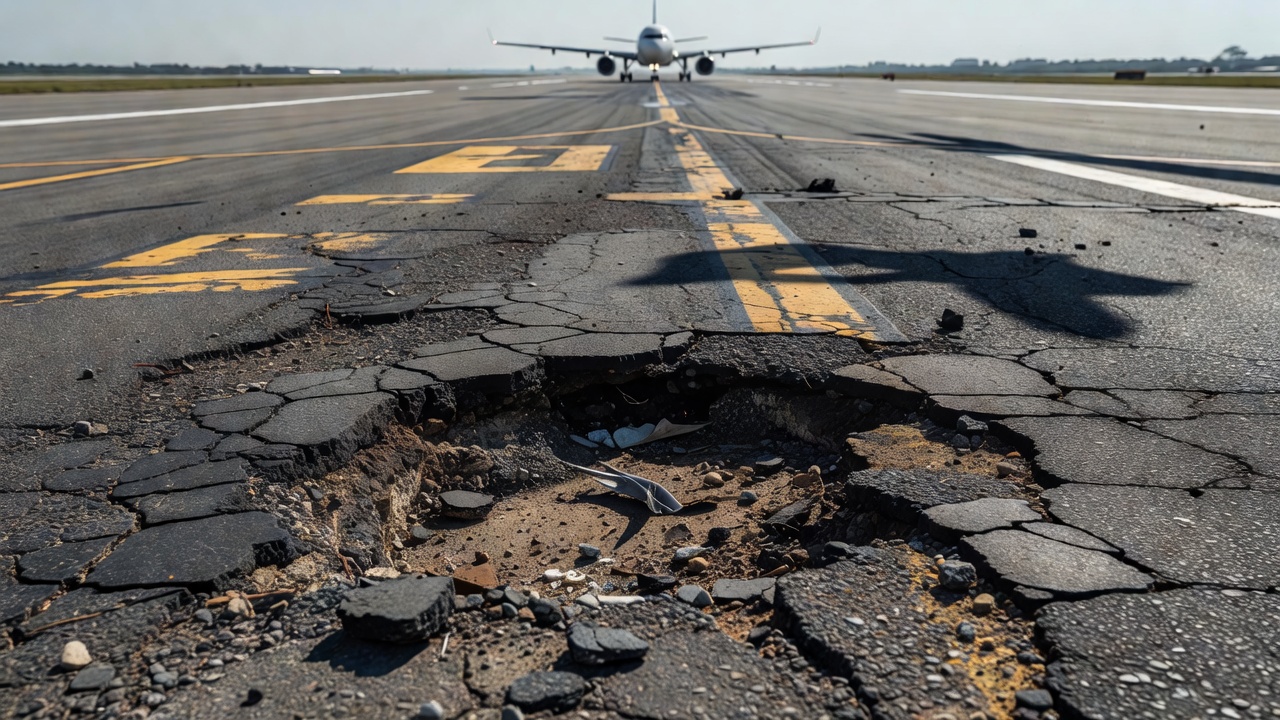
Potholes on airport runways, taxiways, and aprons present a unique and critical safety risk that distinguishes them from potholes on public roads. In the airport environment, potholes are not merely a ride-quality issue or a vehicle maintenance concern, they are a direct Foreign Object Debris (FOD) hazard with the potential to cause catastrophic damage to aircraft.
The FOD Generation Mechanism
When an aircraft tire rolls through a pothole at high speed, the impact forces dislodge asphalt fragments and aggregate particles from the cavity edges and bottom. These fragments, ranging in size from fine sand particles to pieces weighing several kilograms, are ejected from the pothole at velocities approaching the aircraft speed. The debris can be ingested into jet engines (causing fan blade damage, compressor stall, or catastrophic engine failure), impact the aircraft fuselage or wing surfaces (causing dents, cracks, or system damage), or be thrown into the path of following aircraft. The risk is amplified during takeoff and landing when engines operate at maximum thrust and are most susceptible to FOD ingestion.
Regulatory Requirements
ICAO Annex 14, Volume I, Section 9.3 mandates that the surface of runways, taxiways, and aprons shall be maintained in a condition that does not adversely affect the safe operation of aircraft. This specifically requires that pavement surfaces be free from irregularities, loose stones, or other debris that could cause damage to aircraft or impair braking action. Potholes are explicitly cited as a condition requiring immediate corrective action.
FAA Advisory Circular 150/5380-6C (Guidelines and Procedures for Maintenance of Airport Pavements) provides detailed guidance for airport operators on the identification and repair of pavement distress, including potholes. The AC classifies pothole repair under “urgent maintenance”, meaning a condition that could immediately affect the safety of aircraft operations and requires corrective action before the next aircraft movement. Table 6-1 of AC 150/5380-6C provides a quick reference guide linking observed pavement problems to recommended repairs and probable causes, with potholes addressed under the broader categories of alligator/fatigue cracking and patches.
FAA 14 CFR Part 139 (Certification of Airports) requires that all airports serving air carrier operations maintain a FOD management program and conduct regular pavement condition inspections. The regulation mandates that any pavement defect capable of generating FOD must be addressed within specified timeframes, with potholes requiring the most urgent response.
Pothole-Induced Aircraft Incidents
The aviation industry has documented numerous incidents where pothole-generated FOD has caused significant aircraft damage. The most notable is the 2000 Air France Concorde accident (Flight 4590), where a metal strip on the runway, technically a FOD object, not a pothole, caused a tire rupture that ultimately led to the crash. While this incident involved metallic debris, it underscores the catastrophic potential of any FOD on airport pavements. Pavement-sourced FOD from potholes has been implicated in numerous engine ingestion events, tire failures, and airframe damage incidents across the global aviation fleet. The Aerospace Industries Association estimates that pavement-related FOD costs the aviation industry hundreds of millions of dollars annually in direct damage, flight delays, and maintenance.
Detection Methods for Potholes
Pothole detection has evolved from exclusively manual visual inspection to incorporate a range of automated technologies that improve speed, accuracy, and consistency. Modern detection approaches span four categories: traditional visual inspection, 2D computer vision, 3D LiDAR-based detection, and deep learning-based automated recognition.
Manual Visual Inspection
The traditional method for pothole detection involves trained inspectors walking or driving the pavement section and recording potholes by observation. Inspectors use measuring tapes, straightedges, depth gauges, and digital data collection devices to record location, dimensions, depth, and severity. The inspector notes the approximate area, measures the maximum depth, and counts the number of potholes within each sample unit per the ASTM D6433 protocol. While manual inspection provides direct human judgment and can identify subtle distress features, it is labor-intensive, subjective, and limited by line-of-sight constraints. Large network-level surveys are time-consuming and costly, and inspector fatigue can lead to missed or inconsistently classified potholes.
2D Computer Vision Detection
2D image-based detection uses cameras mounted on inspection vehicles to capture pavement surface images, which are then processed using computer vision algorithms. Traditional image processing techniques include Otsu’s thresholding (which separates the darker pothole region from the lighter pavement background), histogram-based segmentation (analyzing pixel intensity distributions), morphological operations (erosion and dilation to isolate pothole shapes), and spectral clustering (grouping similar pixels to identify damaged areas). These methods work well under controlled lighting conditions but can struggle with shadows, water puddles, oil stains, and varying pavement textures that create false positives.
3D LiDAR-Based Detection
LiDAR (Light Detection and Ranging) sensors mounted on survey vehicles emit laser pulses and measure the return time to create a high-resolution 3D point cloud of the pavement surface. Potholes appear as localized depressions in the point cloud data with characteristic bowl-shaped geometry. Advanced algorithms process the point cloud using surface normal analysis, geometric modeling, and region-growing segmentation to identify, measure, and classify potholes. LiDAR offers the advantage of providing accurate depth and volume measurements independent of lighting conditions and surface color. The technology can detect potholes at speeds up to 100 km/h with a vertical accuracy of ±2 mm and horizontal resolution of 5 mm. The primary limitation is the cost of equipment and the computational processing required for large point cloud datasets. Recent advances in solid-state LiDAR technology are reducing costs and enabling wider deployment.
Accelerometer-Based Detection (Smartphone)
A cost-effective approach uses the accelerometers and GPS sensors in smartphones mounted on vehicles. As the vehicle passes over a pothole, the vertical acceleration measured by the phone’s inertial sensors exceeds a threshold, triggering an event recording. The GPS coordinates are logged, and the severity of the pothole is estimated from the magnitude of the acceleration peak. Crowdsourced data from multiple vehicles can be aggregated to build a real-time pothole map. This approach is inexpensive and scalable but lacks the precision of dedicated inspection systems and cannot distinguish potholes from other road irregularities like manhole covers, speed bumps, or expansion joints.
Automated Pothole Recognition, AI and Deep Learning
The application of artificial intelligence, particularly deep learning, has revolutionized pothole detection by enabling automated, real-time recognition with accuracy exceeding 95% in controlled conditions. Modern AI-based pothole detection systems represent the state of the art in pavement condition assessment.
Convolutional Neural Networks (CNNs)
Deep CNN architectures are trained on large annotated datasets of pavement images containing potholes at various severity levels, textures, and lighting conditions. The network learns hierarchical features, from low-level edge and texture detectors in early layers to high-level shape and context detectors in deeper layers, that distinguish potholes from other pavement features. Pre-trained models such as ResNet-50, VGG-19, and Inception-V3 are commonly used as backbone networks, fine-tuned on pavement-specific datasets. These models achieve classification accuracy between 90% and 98% depending on dataset quality and environmental variability.
YOLO (You Only Look Once) Object Detection
The YOLO family of object detection algorithms has become the dominant framework for real-time pothole detection. YOLO processes the entire image in a single forward pass, dividing it into a grid and predicting bounding boxes, class probabilities, and confidence scores for each grid cell. Recent implementations using YOLOv8 and YOLOv9 achieve detection speeds exceeding 100 frames per second on GPU-equipped hardware, enabling real-time detection from vehicle-mounted cameras at normal driving speeds. Mean Average Precision (mAP) scores for YOLO-based pothole detectors range from 0.85 to 0.95 on benchmark datasets. The bounding boxes produced by YOLO provide both the location and approximate size of each detected pothole, enabling automated severity classification based on pixel dimensions and depth estimation.
Segmentation-Based Approaches
U-Net, Mask R-CNN, and DeepLab architectures perform pixel-level segmentation that precisely delineates pothole boundaries rather than providing rectangular bounding boxes. Segmentation provides the exact shape and area of each pothole, enabling more accurate severity assessment and volume estimation. The output segmentation mask can be overlaid on the original image to calculate the plan area, and combined with depth estimation from a second camera or LiDAR to compute the volume of material loss. Segmentation models are more computationally intensive than object detectors but provide richer information for maintenance planning.
Hybrid Detection Systems
The most robust pothole detection systems combine multiple sensing modalities and algorithmic approaches. A typical hybrid system integrates: a high-resolution visible-spectrum camera for color and texture information, an infrared camera for night operation and thermal contrast detection, a LiDAR sensor for precise 3D geometry, and IMU (inertial measurement unit) data for vehicle motion compensation. The data streams are fused at the feature level or decision level using a multi-modal neural network that exploits the complementary strengths of each sensor. Hybrid systems achieve the highest detection accuracy with the lowest false positive rates, making them suitable for airport pavement inspection where missed potholes or false alarms carry significant operational consequences.

Pothole Repair Methods
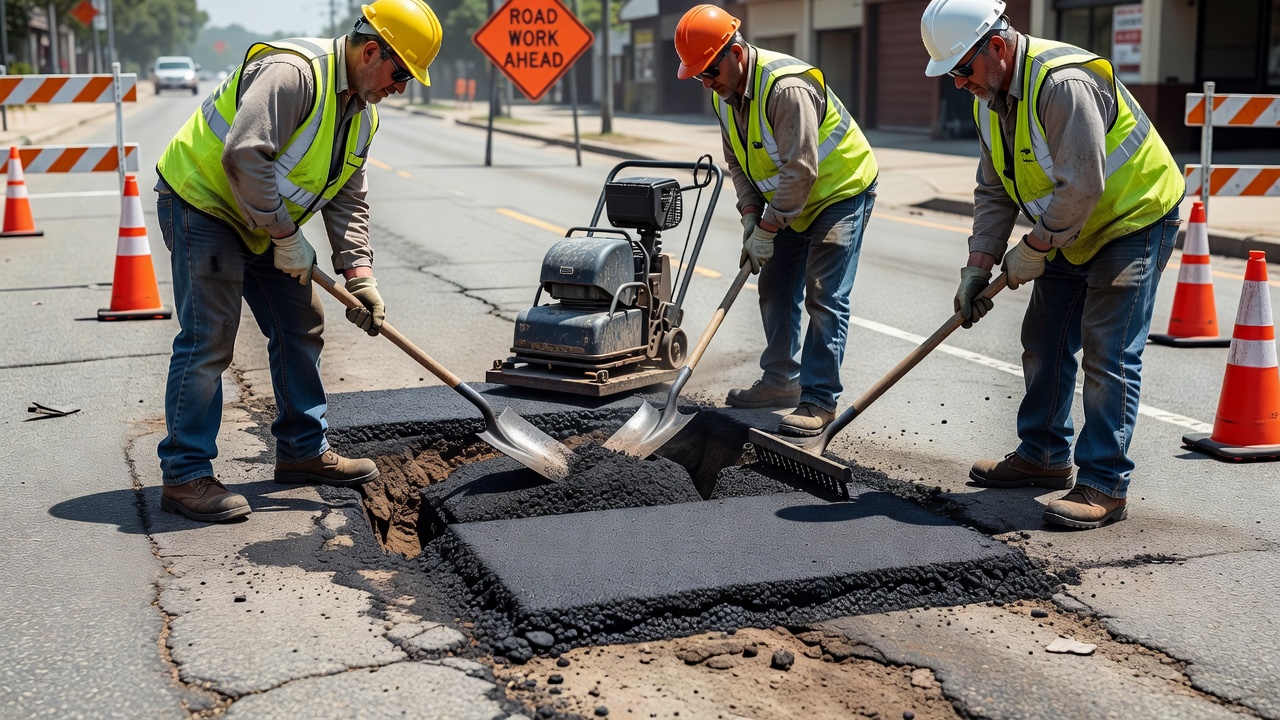
Pothole repair is classified into four primary methods, each with specific applications, material requirements, expected service life, and cost implications. The choice of method depends on the severity of the pothole, traffic conditions, weather, available equipment, and the required speed of repair. The Federal Highway Administration and FAA provide detailed guidance on the selection and execution of these methods.
Throw-and-Roll Method
The throw-and-roll method is one of the oldest and simplest pothole repair techniques. Workers shovel cold-mix or hot-mix asphalt patching material into the pothole without cleaning out water or debris. After filling, a work vehicle drives over the patch to compact it using the vehicle’s tire pressure. The crew then ensures a visible crown of material 3 to 6 mm (0.125 to 0.25 inches) above the surrounding pavement surface, this crown is essential because traffic will compact the patch slightly below the pavement surface as it cures. The entire process takes 1 to 2 minutes per pothole. Throw-and-roll is commonly used for emergency repairs during wet or cold weather when more permanent methods are impractical. The expected service life is 3 to 12 months. While inexpensive and fast, throw-and-roll repairs tend to deteriorated rapidly because the lack of cleaning prevents adequate bonding between the patch material and the existing pavement.
Semi-Permanent Method
The semi-permanent method is considered by many agencies to be the most effective pothole repair technique for achieving durable, long-lasting results. The procedure follows a strict sequence: the pothole is cleaned of all water, debris, and loose material using compressed air or manual tools, the sides of the pothole are squared off by saw-cutting or chipping to the full depth of sound pavement, creating a vertical edge that provides a mechanical interlock with the patch material, hot-mix asphalt is placed in the cavity in lifts not exceeding 75 mm, each lift is compacted using a vibratory plate compactor, single-drum roller, or pneumatic tire roller, and the final surface is finished with a slight crown to allow for traffic compaction. The semi-permanent method produces patches with expected service lives of 2 to 5 years, depending on traffic volume and weather conditions. The primary disadvantage is the increased time and equipment cost, 15 to 30 minutes per pothole plus the cost of saw-cutting equipment, compaction equipment, and hot-mix delivery.
Spray-Injection Method
Spray-injection patching uses specialized equipment mounted on a truck to perform the entire repair sequence automatically. The operator positions the truck over the pothole, a compressed air wand cleans the cavity of water and debris, the same wand then sprays a layer of bituminous emulsion (tack coat) onto the cavity walls and bottom, a mixture of aggregate and emulsion is sprayed into the cavity, filling it from the bottom up, a final layer of dry aggregate is applied on top to absorb excess binder and provide immediate skid resistance. The entire process takes 2 to 5 minutes per pothole and requires only one operator. No separate compaction equipment is needed as the material is placed with sufficient kinetic energy to achieve compaction. Spray-injection repairs have expected service lives of 1 to 3 years. The method performs best in dry conditions with ambient temperatures above 4°C and is particularly suitable for transverse cracks that have deteriorated into potholes. The cost per pothole is moderate to high due to the specialized equipment required.
Edge Seal Method
The edge seal method is a variation of the semi-permanent method that adds a band of bituminous tack coat material around the patch perimeter to prevent water intrusion. After completing the semi-permanent repair, a 100 to 150 mm wide band of emulsified asphalt or polymer-modified sealant is applied around the edges of the patch. A layer of cover aggregate is placed on top of the sealant to prevent tracking. The edge seal prevents water from infiltrating the interface between the patch and the existing pavement, which is the most common failure mode for pothole repairs. The additional step adds 5 to 10 minutes per pothole and extends the service life to 4 to 7 years. The edge seal method is recommended for airport pavements and high-traffic roads where extended closure intervals between repairs are essential.
| Method | Equipment | Cleaning | Compaction | Service Life | Cost per Pothole | Best Use |
|---|---|---|---|---|---|---|
| Throw-and-Roll | Shovel, dump truck | None | Vehicle tires | 3–12 months | Low | Emergency, wet/cold weather |
| Semi-Permanent | Saw-cut, compactor, hot box | Compressed air or manual | Vibratory plate or roller | 2–5 years | Moderate to High | Standard permanent repair |
| Spray-Injection | Specialized truck with spray wand | Compressed air integral | Pneumatic (self-compacting) | 1–3 years | Moderate | Rapid repair, transverse cracks |
| Edge Seal | Semi-permanent equipment plus sealant applicator | Compressed air or manual | Vibratory plate or roller | 4–7 years | High | Airports, high-traffic roads |
Pothole Repair Priority and Urgency
The prioritization of pothole repairs is governed by severity, location, and risk assessment. For airport pavements, the urgency is substantially higher than for public roads due to the potential for catastrophic aircraft damage.
Road Pavement Priority
For public road networks, pothole repair priority is typically classified into three categories:
Emergency Priority: High-severity potholes (> 50 mm depth) on high-speed roads, highways, or intersections where vehicle damage or loss of control is likely. Repair is required within 2 to 24 hours depending on traffic volume and accident history. The affected lane or section may need to be closed to traffic until repair is completed.
Urgent Priority: Moderate-severity potholes (25–50 mm depth) on roads with speed limits above 50 km/h or with heavy traffic volumes. Repair is required within 1 to 7 days. Temporary cold-mix patching may be used until permanent repair can be scheduled.
Routine Priority: Low-severity potholes (< 25 mm depth) or potholes on low-speed, low-volume roads. Repair is scheduled as part of regular maintenance cycles, typically within 14 to 30 days. Monitoring is required to ensure the pothole does not progress to a higher severity level.
Airport Pavement Priority
Airport pothole repair priority follows a more stringent framework per FAA AC 150/5380-6C and ICAO guidance:
Immediate Response (Before Next Movement): Any pothole on the runway pavement surface, regardless of severity, requires immediate assessment and, unless the pothole is confirmed to be low severity with minimal FOD potential, repair before the next aircraft operation. The runway may need to be closed for inspection and emergency repair. This category reflects the zero-tolerance approach to FOD-generating defects on operational runways.
Same-Day Response: Potholes on taxiways and apron areas are prioritized for repair within the same operational day or during the next scheduled maintenance closure. Barricades, markings, and NOTAM (Notice to Air Missions) issuance are required to warn pilots and ground personnel.
Scheduled Response: Potholes in non-movement areas or low-traffic apron zones may be scheduled for repair within 1 to 7 days, provided they do not generate significant FOD and are not located in areas where jet blast could propagate debris onto active movement areas.
PCI-Based Prioritization
Within a Pavement Condition Index (PCI) management program, pothole repair priority is integrated into the overall maintenance and rehabilitation strategy. Sections with PCI below 40 (“Very Poor” or “Failed” condition) that contain high-severity potholes are prioritized for immediate rehabilitation or reconstruction. Sections with PCI between 40 and 70 that contain moderate-severity potholes are scheduled for targeted repair within the current maintenance cycle. Sections with PCI above 70 that contain low-severity potholes are monitored and scheduled for preventive maintenance. The PCI methodology ensures that pothole repair decisions are based on objective condition data rather than subjective judgment, enabling efficient allocation of maintenance resources.
Pothole Prevention Strategies
Preventing pothole formation is substantially more cost-effective than repairing potholes after they form. Effective prevention strategies target each stage of the pothole formation mechanism.
Crack Sealing
Timely sealing of cracks prevents water infiltration, the critical initiating event in pothole formation. Crack sealing should be performed when cracks reach a width of approximately 3 mm, before they have propagated through the full asphalt layer. Hot-applied rubberized asphalt sealant is the preferred material for crack sealing in both road and airport pavements. The annual cost of a comprehensive crack sealing program is typically 5% to 10% of the cost of pothole repair for the same pavement area.
Surface Treatments
Fog seals, slurry seals, chip seals, and micro-surfacing are applied at regular intervals (typically 3 to 7 years depending on traffic and climate) to seal the pavement surface, restore surface friction, and prevent water intrusion. Surface treatments are most effective when applied before the onset of significant cracking, typically when the PCI is in the “Satisfactory” range (71–85). The cost of surface treatment is approximately 10% to 20% of the cost of structural overlay or reconstruction.
Drainage Improvements
Proper pavement drainage is the single most effective long-term strategy for pothole prevention. Drainage improvements include: maintaining proper pavement cross-slope (1.5% to 2.0% for asphalt surfaces), cleaning and maintaining edge drains, catch basins, and outfalls, grading shoulders to direct water away from the pavement edge, and installing subsurface drainage systems (edge drains, underdrains, permeable bases) in areas with poor natural drainage or high water tables. Drainage improvements have a high initial cost but extend pavement service life by 5 to 10+ years in areas with high precipitation or problematic subgrade soils.
Structural Overlay
When a pavement section has extensive cracking but has not yet developed potholes, a structural overlay of hot-mix asphalt (typically 50 to 100 mm thickness) can restore structural capacity and seal the existing surface. Overlays are most cost-effective when applied before potholes develop, typically at PCI levels between 50 and 70. The overlay design must address reflective cracking from underlying cracks through the use of stress-absorbing membrane interlayers (SAMI), geotextiles, or crack-and-seat techniques.
Conclusion
Potholes represent a critical pavement distress that spans the spectrum from a minor surface irregularity to a catastrophic structural failure with life-safety implications. The bowl-shaped cavity that defines a pothole is the end result of a predictable mechanistic chain: crack initiation, water infiltration, freeze-thaw weakening, traffic pumping, and material dislodgement. The severity classification system, Low (< 25 mm depth), Moderate (25–50 mm depth), and High (> 50 mm depth), provides a standardized framework for condition assessment, repair prioritization, and PCI calculation across both road and airport pavement networks.
In airport environments, potholes carry an elevated risk profile as FOD generators capable of causing catastrophic aircraft damage. The regulatory frameworks of ICAO Annex 14, FAA AC 150/5380-6C, and 14 CFR Part 139 mandate immediate response to potholes on operational surfaces, reflecting the aviation industry’s zero-tolerance approach to pavement-generated debris.
Modern pothole detection has evolved from manual visual inspection to sophisticated automated systems incorporating 2D computer vision, 3D LiDAR scanning, and deep learning object detection using YOLO and CNN architectures. These technologies enable network-level survey coverage with accuracy exceeding 95% and real-time severity classification. Repair technology offers four primary methods, throw-and-roll, semi-permanent, spray-injection, and edge seal, each with specific performance characteristics, cost profiles, and service life expectations ranging from 3 months to 7 years.
The most effective approach to pothole management is prevention through crack sealing, surface treatments, drainage improvements, and timely structural overlays applied before the formation mechanism progresses to cavity development. An integrated pavement management system that combines regular PCI surveys, automated pothole detection, severity-based repair prioritization, and preventive maintenance scheduling is essential for cost-effective preservation of pavement assets in both road and airport networks.
Frequently Asked Questions
- What is a pothole in pavement engineering?
- A pothole is a bowl-shaped cavity in the pavement surface resulting from the progressive disintegration of the asphalt layers. Potholes form when water infiltrates through cracks into the pavement structure, weakens the base and subgrade, and combined with freeze-thaw cycles and traffic loading, causes the surface material to dislodge and erode. Potholes are classified as a distinct distress type in ASTM D6433 (code AC-13) and are measured individually by count, affected area, and depth severity.
- How do potholes form in asphalt pavements?
- Pothole formation follows a five-stage mechanism: (1) crack initiation from traffic loading or thermal stress, (2) water infiltration through cracks into the base and subgrade layers, (3) freeze-thaw cycling where expanding ice weakens the pavement structure, (4) traffic loading that pumps water and fines and breaks apart the unsupported asphalt, and (5) cavity formation as material is ejected by passing wheels, producing the characteristic bowl-shaped hole.
- How are pothole severity levels classified?
- Per ASTM D6433 and the FHWA LTPP Distress Identification Manual, potholes are classified into three severity levels: Low (less than 25 mm deep), Moderate (25 to 50 mm deep), and High (more than 50 mm deep). The depth is measured as the maximum vertical distance from the pavement surface to the bottom of the cavity. The minimum plan dimension for a pothole is 150 mm, and the minimum area is approximately 0.02 m².
- Why are potholes particularly dangerous on airport pavements?
- On airport runways, taxiways, and aprons, potholes generate Foreign Object Debris (FOD), loose asphalt fragments, aggregate particles, and dislodged material that can be ingested by jet engines, puncture aircraft tires, or damage airframes. Potholes also create abrupt surface irregularities that can cause loss of control during takeoff and landing. FAA Advisory Circular 150/5380-6C classifies pothole repair as urgent maintenance requiring immediate action before the next aircraft operation.
- What are the main methods for repairing potholes?
- The four primary pothole repair methods are: throw-and-roll (cold mix placed and compacted by vehicle tires), semi-permanent (hole cleaned, sides squared, hot mix placed and compacted with vibratory equipment), spray-injection (compressed air cleaning followed by emulsion and aggregate spray), and edge seal (semi-permanent repair with additional sealant around the patch perimeter). The semi-permanent method using hot mix asphalt produces the longest-lasting repairs.
- How can potholes be detected automatically?
- Potholes can be detected using automated systems including: 2D computer vision (image thresholding, morphological analysis, deep learning object detection with YOLO or CNN architectures), 3D LiDAR scanning (point cloud analysis measuring depth and volume), and hybrid approaches combining imagery with laser profiling. Modern AI-based detection achieves over 95% accuracy and can classify severity in real-time from vehicle-mounted cameras.
- What is the relationship between potholes and Pavement Condition Index (PCI)?
- In the ASTM D6433 PCI methodology, potholes are distress type AC-13 and are counted individually per sample unit. Each pothole is assigned a severity level (Low, Moderate, High) and its presence contributes deduct values that lower the overall PCI score. Even a single high-severity pothole in a sample unit can significantly reduce the PCI and trigger an urgent repair recommendation, typically when PCI falls below 40 (Very Poor condition).