What is Precipitation in Aviation Meteorology?
Precipitation: Aviation Meteorology Glossary – An In-Depth Guide
Precipitation: Definition, Role, and Aviation Relevance
Precipitation refers to any form of water, liquid or solid, that descends from clouds in the atmosphere and reaches the Earth’s surface. This includes rain, snow, sleet, hail, drizzle, graupel, and ice pellets. In aviation meteorology, precipitation is a critical weather phenomenon affecting visibility, runway conditions, aircraft performance, and operational safety. The International Civil Aviation Organization (ICAO) classifies precipitation as a key parameter in weather observation and reporting, ensuring it is systematically included in METAR and TAF reports. Understanding precipitation’s formation, classification, and operational effects is essential for pilots, air traffic controllers, meteorologists, and airport ground staff.
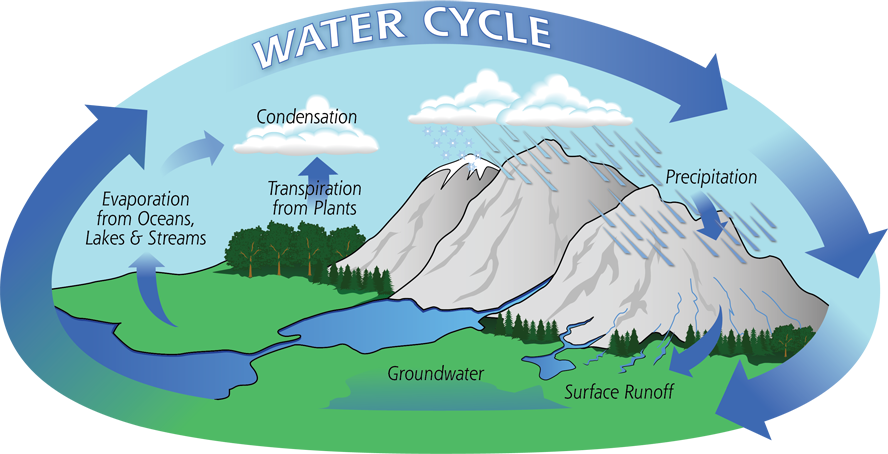
The Water Cycle and Its Aviation Implications
The water cycle, evaporation, transpiration, condensation, precipitation, runoff, and infiltration, drives all precipitation events. For aviation, these processes determine the frequency, type, and intensity of weather disruptions:
- Evaporation and transpiration add water vapor to the atmosphere.
- Condensation forms clouds as vapor cools, relying on cloud condensation nuclei (CCN).
- Precipitation occurs when droplets or ice crystals coalesce and fall to the surface.
- Runoff and infiltration return water to rivers, lakes, and aquifers.
Rapid changes in evaporation and condensation can trigger thunderstorms and turbulence, affecting flight operations. ICAO guidance recommends monitoring hydrometeorological trends to support airport and airspace management.
Importance of Precipitation in Aviation Operations
Precipitation directly impacts aviation by:
- Reducing visibility, often necessitating instrument landing systems (ILS) and potentially causing delays or diversions.
- Contaminating runways with water, slush, snow, or ice, reducing braking efficiency and increasing the risk of hydroplaning or excursions.
- Driving the need for de-icing and anti-icing operations as per ICAO and national regulations.
- Generating weather hazards such as microbursts, low-level wind shear, and turbulence, monitored by Terminal Doppler Weather Radar (TDWR) and Low Level Wind Shear Alert Systems (LLWAS).
- Supporting infrastructure planning, as long-term precipitation data informs drainage, flood risk, and climate resilience at airports.
Accurate observation and reporting of precipitation enable timely operational decisions to maintain safety and efficiency.
Classifications and Types of Precipitation: Aviation Weather Codes
Aviation weather uses standardized codes for precipitation, as defined by ICAO and WMO:
| Precipitation Type | ICAO Code | Description |
|---|---|---|
| Rain | RA | Liquid drops >0.5 mm, reduces visibility |
| Drizzle | DZ | Fine droplets <0.5 mm, persistent low visibility |
| Snow | SN | Ice crystals/flakes, accumulates on surfaces |
| Freezing Rain | FZRA | Supercooled drops freeze on contact |
| Freezing Drizzle | FZDZ | Supercooled fine drizzle, hazardous ice |
| Ice Pellets/Sleet | PL | Frozen pellets, increase landing/taxi risk |
| Hail | GR | Ice >5 mm, risk of airframe damage |
| Small Hail/Snow Pellets | GS | Ice/snow <5 mm, slippery surfaces |
Other forms include graupel (soft hail) and virga (precipitation that evaporates before reaching the ground, often signaling wind shear or downdrafts).
Physical Processes: Formation of Precipitation
Precipitation forms via two main microphysical processes:
- Bergeron-Findeisen (Ice Crystal) Process: Dominant in cold clouds, vapor deposits onto ice crystals, which grow and fall as snow or, if melted, as rain. This process is key for understanding winter precipitation and transitions between snow, sleet, and freezing rain.
- Collision-Coalescence Process: In warm clouds, larger droplets merge with smaller ones, forming raindrops that fall when heavy enough. This process is efficient in tropical and maritime environments, often producing heavy showers.
Both processes rely on cloud condensation nuclei (CCN), tiny particles that facilitate droplet or ice formation. The vertical temperature profile determines if precipitation reaches the ground as rain, snow, or ice pellets.
Environmental and Aeronautical Impacts of Precipitation
Precipitation:
- Sustains ecosystems and groundwater, but also causes droughts and floods.
- Reduces runway friction, increasing accident risk. Regulatory bodies (FAA, EASA, ICAO) require continuous monitoring and reporting of runway contamination.
- Affects instrument landing systems, decreasing signal integrity during heavy precipitation.
- Overloads airport drainage, causing local flooding and delays.
- Requires intensive snow and ice removal during winter operations.
- Poses a direct threat from hail, which can damage aircraft and infrastructure.
- Cleanses the atmosphere of pollutants, but acid rain can corrode surfaces and infrastructure.
Measurement and Reporting of Precipitation in Aviation
Aviation uses several tools and standards for precipitation measurement:
- Rain Gauges: Calibrated cylinders, tipping-bucket, and weighing-bucket models.
- Snow Boards and Stakes: For real-time snow depth and water equivalent measurements.
- Radar and Satellite Sensors: Doppler, dual-polarization radar, and satellite sensors (such as NASA GPM) provide real-time and global precipitation data.
- Automated Weather Observing Systems (AWOS/ASOS): Integrate multiple sensors, providing continuous updates for METAR and SPECI reports.
- Runway Condition Reporting: Uses the Runway Condition Assessment Matrix (RCAM) to standardize reporting of surface contamination.
METAR codes indicate precipitation type and intensity (e.g., “-RA” for light rain, “+SN” for heavy snow), forming the backbone of operational weather decision-making.
Precipitation Chemistry: Acid Rain and Aviation Implications
Acid rain is rain with a pH below 5.6, formed by pollutants such as sulfur dioxide (SO₂) and nitrogen oxides (NOx) dissolving into precipitation. In aviation, acid rain:
- Accelerates corrosion of aircraft surfaces and airport infrastructure.
- Damages runway and taxiway surfaces, especially concrete or limestone.
- Affects stormwater management and environmental compliance at airports.
- Requires increased maintenance and monitoring as recommended by ICAO’s environmental guidelines.
Airports in industrial regions or under frequent inversions are at higher risk.
Meteorological Services and Precipitation Forecasting for Aviation
Aviation meteorology services, as defined by ICAO, include:
- Nowcasting: Short-term (0–2 hours) localized precipitation forecasts, crucial for managing arrivals, departures, and ground operations during rapidly changing weather.
- Terminal Aerodrome Forecasts (TAFs): 24–30 hour forecasts specifying precipitation type, intensity, and timing.
- SIGMETs and AIRMETs: Warnings for hazardous precipitation events (severe storms, heavy snow, freezing rain).
- Numerical Weather Prediction (NWP): High-resolution models for medium- and long-range planning.
- Pilot Reports (PIREPs): Real-time in-flight updates on precipitation, supplementing ground observations.
These services support flight planning, contingency management, and airport resource allocation.
Human Influences and Climate Change: Trends in Precipitation
Human activity has altered precipitation patterns, with implications for aviation:
- Urbanization increases local convective precipitation (urban heat island effect) and can influence cloud microphysics near airports.
- Climate change raises atmospheric water vapor, leading to more intense precipitation events and longer dry periods, complicating operational planning and resilience strategies.
- Weather modification (e.g., cloud seeding) is used in some regions to enhance rainfall or snowpack but requires careful airspace coordination and regulatory oversight.
ICAO and WMO provide guidance for reporting and managing weather modification activities in aviation environments.
Conclusion
Precipitation is a complex, multifaceted meteorological phenomenon with critical implications for aviation safety, efficiency, and infrastructure. Understanding its physical formation, measurement, classification, and operational impacts enables safer flight operations, more resilient airports, and better environmental stewardship. By adhering to ICAO and WMO standards, the aviation industry ensures global consistency and effective response to precipitation-related challenges.
For advanced precipitation monitoring, reporting solutions, or to enhance your airport’s weather resilience, contact us or schedule a demo .
Frequently Asked Questions
- Why is precipitation monitoring important for aviation?
- Precipitation monitoring is crucial for aviation as it directly affects visibility, aircraft performance, runway friction, and operational safety. Accurate information on precipitation type, intensity, and accumulation supports safe landings, takeoffs, de-icing, and timely weather-related decisions.
- What are the primary types of precipitation reported in aviation weather?
- Aviation weather reports (METAR/TAF) include rain (RA), drizzle (DZ), snow (SN), sleet or ice pellets (PL), freezing rain (FZRA), freezing drizzle (FZDZ), hail (GR), and small hail or snow pellets (GS). Each type has specific operational implications and is coded for global standardization.
- How does precipitation affect runway safety?
- Precipitation can reduce runway friction by depositing water, slush, snow, or ice, increasing the risk of hydroplaning, runway excursions, and overruns. Accurate, real-time reporting ensures timely surface treatment, de-icing, and safe aircraft operations.
- How is precipitation measured and reported at airports?
- Precipitation is measured using rain gauges, snow boards, radar, and automated weather systems (AWOS/ASOS). Data is reported in METARs using ICAO codes, indicating type, intensity, and accumulation, and is critical for operational planning and safety compliance.
- What is acid rain and how does it affect aviation?
- Acid rain is precipitation with elevated acidity from dissolved pollutants. It can corrode aircraft components, damage airport infrastructure, and require increased maintenance for environmental compliance, especially in regions with high industrial emissions.
This is a reference entry. TarmacView provides drone inspection services and doesn't sell the equipment or materials described in this glossary.