What is Raveling?
Raveling of Asphalt and Concrete Pavement Surfaces
Definition and Fundamental Mechanism
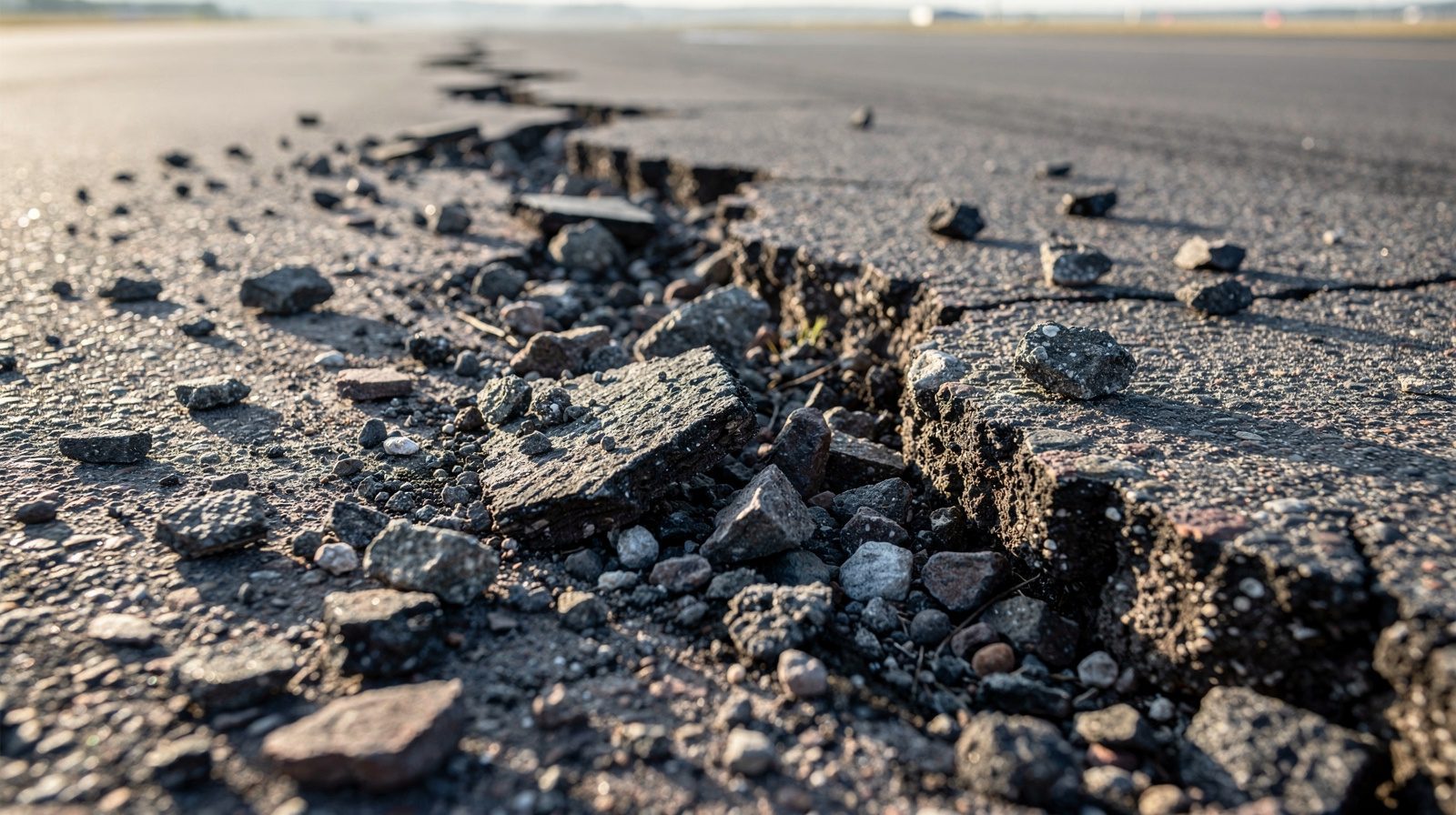
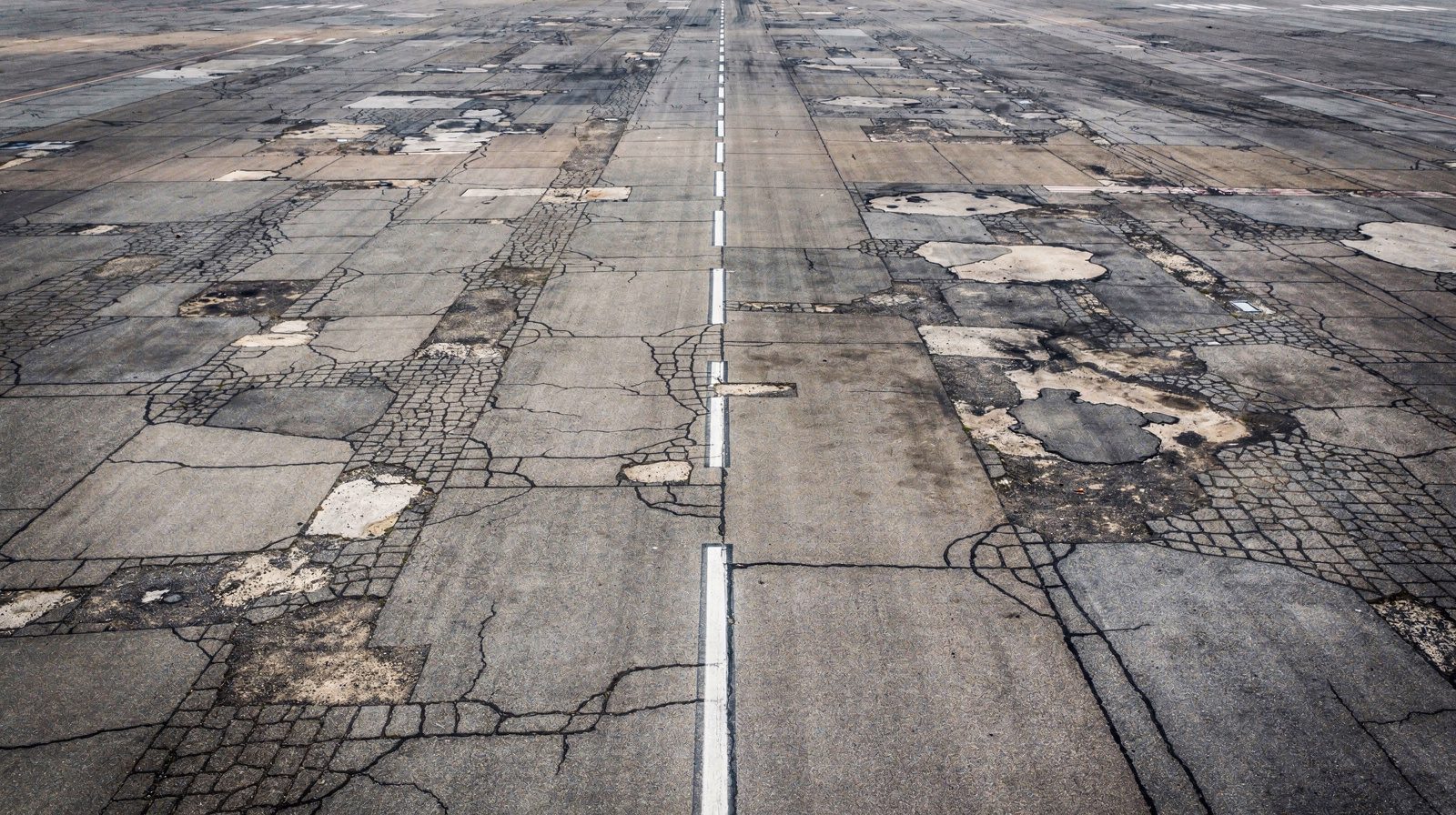
Raveling is the progressive wearing away and disintegration of a pavement surface through the dislodgement and loss of aggregate particles and binding material. The Federal Highway Administration (FHWA) Distress Identification Manual for the Long-Term Pavement Performance (LTPP) program, Fifth Revised Edition (FHWA-HRT-13-092), formally defines raveling as the “wearing away of the pavement surface caused by the dislodging of aggregate particles and loss of asphalt binder.” The distress is classified under Category D, Surface Defects in the ACP (Asphalt Concrete Pavement) distress taxonomy, alongside bleeding (Distress Type 11) and polished aggregate (Distress Type 12). The unit of measure for raveling in the LTPP protocol is square meters, and unlike cracking distresses, the LTPP manual does not assign defined formal severity levels to raveling, though individual state DOTs have developed their own severity classification frameworks.
The mechanism of raveling operates at the microstructural interface between the asphalt binder film and the aggregate surface. In a properly constructed hot-mix asphalt (HMA) pavement, each aggregate particle is coated with a continuous film of asphalt binder approximately 6 to 15 microns thick. This binder film provides both adhesive bonding to the aggregate surface and cohesive strength within the binder itself. Raveling initiates when this binder film begins to degrade, either through cohesive failure within the binder (the binder itself fractures or erodes) or through adhesive failure at the binder-aggregate interface (the bond between binder and stone fails). The failure mode depends on the specific chemical and physical conditions: oxidative aging typically causes cohesive failure as the binder becomes brittle and fractures at the thin-film edges, while moisture-induced stripping causes adhesive failure as water molecules displace the binder from the aggregate surface.
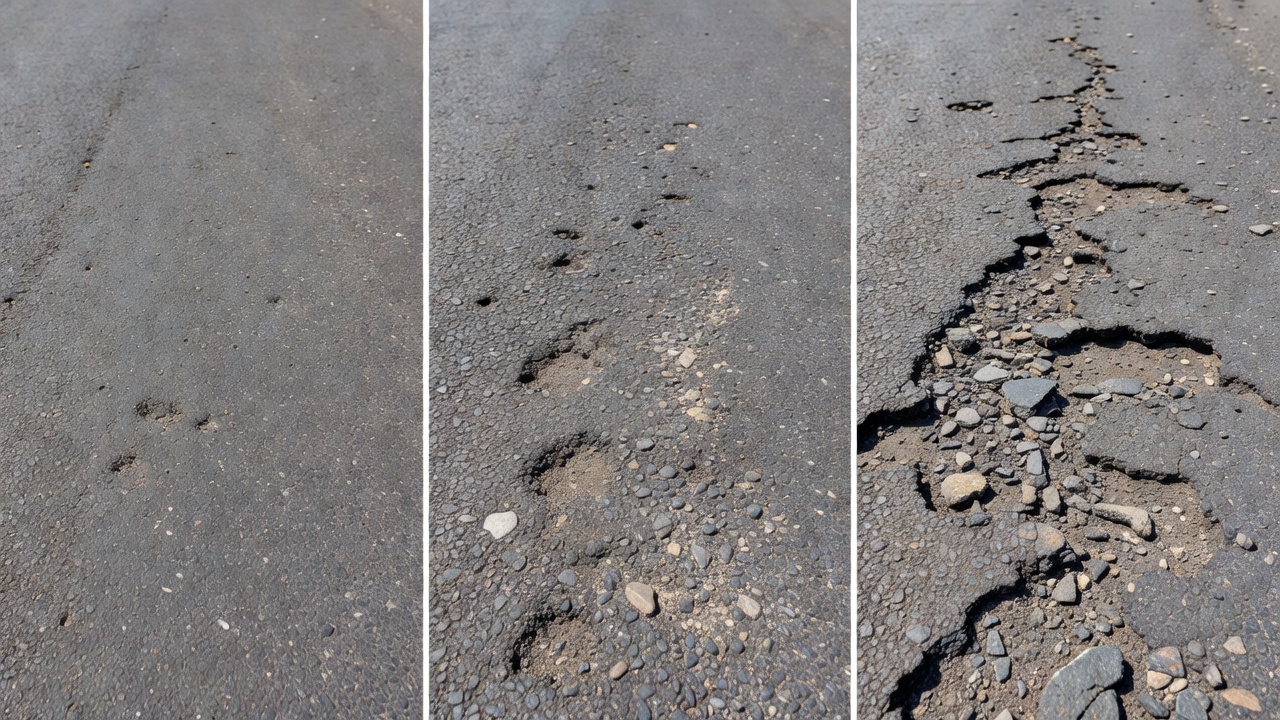
The progression of raveling follows a characteristic sequence. Initially, fine aggregate particles (those passing the No. 4 sieve, smaller than 4.75 mm) and mineral filler are lost from the surface, producing a slightly rough texture and exposing the tips of larger coarse aggregate particles. As the binder continues to deteriorate, the coarse aggregate skeleton loses lateral support. Individual coarse aggregate particles begin to loosen and are eventually plucked from the surface by traffic action, the suction and shear forces generated by rolling tires are particularly effective at extracting partially loosened stones. In advanced stages, the pavement surface becomes deeply pitted with visible sockets where coarse aggregate particles have been removed, and the surface macrotexture becomes extremely rough and porous. This porous surface then accelerates further deterioration by allowing water and oxygen to penetrate deeper into the pavement structure, creating a feedback loop of accelerating damage.
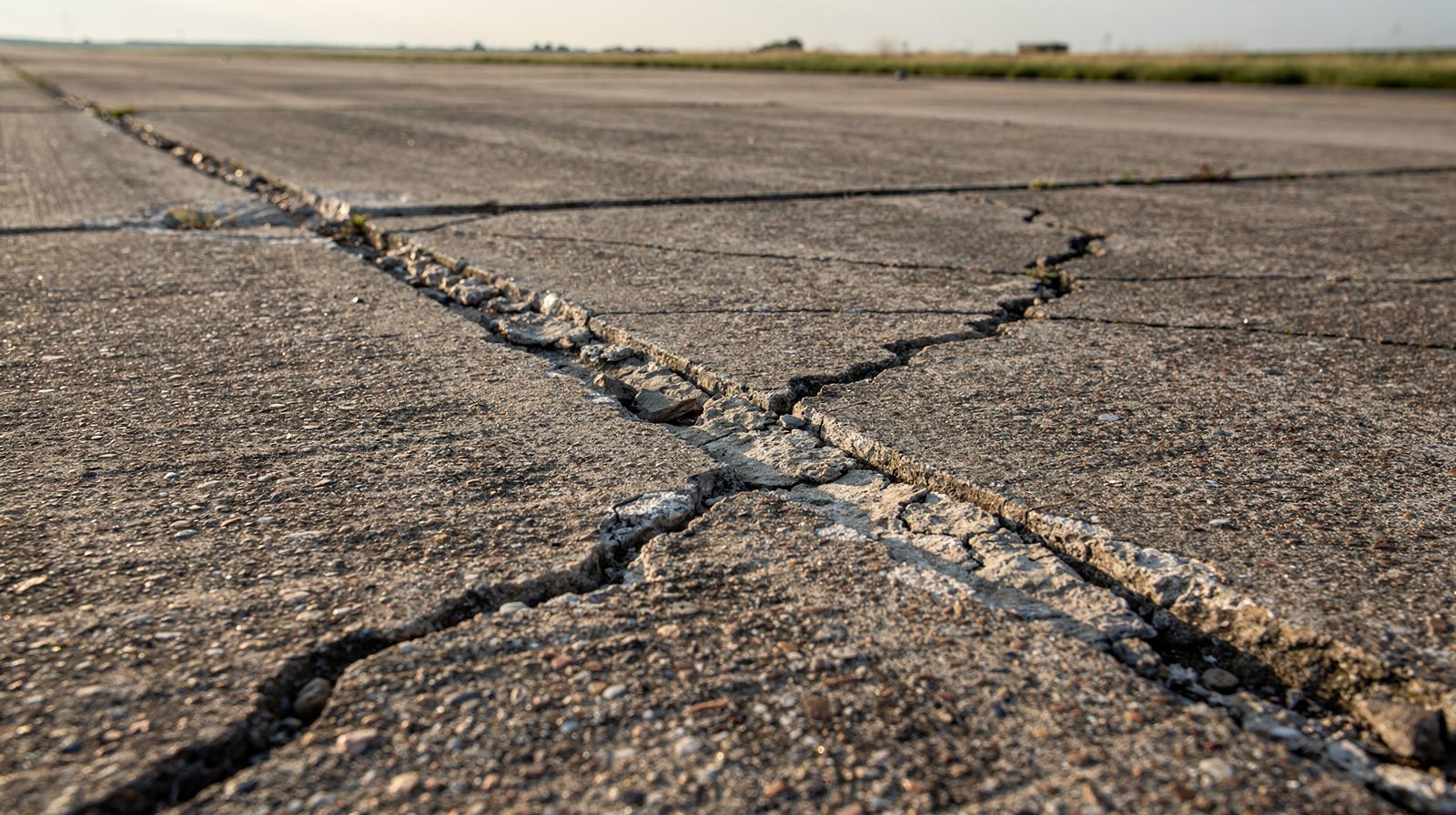
In portland cement concrete (PCC) pavements, an analogous distress mechanism exists but is typically classified under different terminology. The loss of surface mortar and exposure of coarse aggregate in concrete is often described as surface mortar loss or aggregate popouts. True raveling in concrete pavements is less common and is distinguished from scaling, which involves the loss of thin mortar flakes, by the depth and mechanism of material loss. Concrete raveling, when it occurs, is generally associated with alkali-silica reactivity (ASR) that weakens the aggregate-cement paste bond, poor curing that results in a weak surface layer, or de-icing chemical attack that dissolves the cement paste matrix.
Primary Causes of Raveling
Binder Oxidation and Age-Hardening
Binder oxidation is the most pervasive cause of raveling in asphalt pavements. Asphalt binder is a complex mixture of hydrocarbons that can be fractionated into two broad chemical groups: asphaltenes (high molecular weight, polar, aromatic compounds that provide stiffness and elasticity) and maltenes (lower molecular weight, less polar compounds that provide flexibility, adhesion, and ductility). Over time, exposure to atmospheric oxygen, ultraviolet radiation, and elevated temperatures causes the maltene fraction to oxidize and polymerize into asphaltenes. This chemical transformation increases the asphaltene-to-maltene ratio, resulting in a binder that is stiffer, more brittle, and less capable of adhering to aggregate surfaces.
The rate of oxidation is strongly temperature-dependent, approximately doubling for every 10°C increase in pavement temperature. In hot climates or on south-facing pavement surfaces (in the Northern Hemisphere), binder oxidation can progress rapidly. The oxidation process also preferentially occurs at the pavement surface where oxygen concentration is highest, creating a depth-dependent aging gradient. The top 3 to 5 millimeters of binder can become critically brittle while the binder at greater depths retains adequate flexibility. This surface-specific aging makes raveling a particularly surface-localized distress, the thin, oxidized surface skin of binder fractures under traffic-induced stresses, releasing aggregate particles that were securely bound at depth.
The visual signature of oxidative raveling includes a characteristic color change. Fresh asphalt binder is dark brown to black. As oxidation progresses, the binder lightens to gray, and the pavement surface takes on a gray, dried-out appearance. This color change is a reliable proxy for the degree of binder oxidation and, by extension, raveling susceptibility. Air void content is a critical controlling factor: pavements compacted to low air void content (below approximately 6%) limit the availability of oxygen within the pavement matrix and slow the oxidation rate. Pavements with high air void content (above approximately 8%) allow oxygen to circulate freely through interconnected void networks, dramatically accelerating oxidative aging throughout the pavement depth.
Moisture-Induced Stripping
Stripping is the loss of adhesion between the asphalt binder and the aggregate surface caused by the preferential affinity of water molecules for the aggregate surface. Most aggregates used in pavement construction have a greater chemical affinity for water than for asphalt binder, they are termed hydrophilic. When water penetrates the pavement through surface cracks, interconnected voids, or from the underlying layers through capillary action, it can reach the binder-aggregate interface. Water molecules, being highly polar, displace the less polar asphalt molecules from the aggregate surface, breaking the adhesive bond. This process is particularly aggressive in pavements with poor drainage, in freeze-thaw environments where expanding ice mechanically separates the binder from aggregate, and in pavements using moisture-susceptible aggregates such as certain granites and quartzites.
The combination of moisture and traffic loading is especially destructive. Traffic-induced pore water pressure, the hydraulic pressure generated within saturated pavement voids under the rapid compression of a passing wheel load, can physically strip binder from aggregate surfaces and pump water deeper into the pavement structure. This mechanism, known as pore pressure-induced stripping, can accelerate raveling dramatically in water-saturated pavements. The presence of de-icing chemicals further exacerbates the problem: salt solutions lower the surface tension of water, allowing it to penetrate more effectively into the binder-aggregate interface, and certain de-icing compounds chemically react with aggregate minerals to weaken the bond.
Poor Compaction and Construction Deficiencies
Compaction deficiencies during construction establish the conditions for premature raveling. Hot-mix asphalt must be compacted while the binder is still fluid enough to allow aggregate particle rearrangement and air void reduction. If compaction is performed when the mix temperature has dropped below the cessation temperature (typically around 80°C to 90°C for conventional binders), adequate density cannot be achieved regardless of the compactive effort applied. The resulting pavement will have high in-place air voids, often exceeding 10%, that accelerate oxidative aging and provide pathways for water infiltration.
Temperature segregation during paving operations is a related construction defect. When hot-mix asphalt is transported, the material in contact with the truck bed cools more rapidly than the interior mass. If this cooler material is not adequately remixed before placement, localized areas of cooler, less compactable mix are deposited in the pavement mat. These cooler areas compact to higher air void contents and are visually distinguishable as slightly rougher, more open-textured zones. Temperature-differential-induced segregation is one of the most common causes of localized raveling, with the raveling appearing as isolated patches or streaks corresponding to the locations where cooler mix was placed.
Insufficient binder content in the mix design is another construction-related cause. If the asphalt binder content is below the optimum determined by the mix design process, the binder film thickness on aggregate particles will be inadequate to provide durable, long-term adhesion. Film thickness below approximately 6 microns is generally considered insufficient for long-term durability, and thin films oxidize through their entire thickness more quickly than thicker films. Mix segregation, the physical separation of coarse and fine aggregate fractions during handling and placement, produces areas with reduced binder content and increased air voids that are highly susceptible to raveling.
Aggregate Properties and Compatibility
The mineralogical and physical properties of the aggregate have a substantial influence on raveling resistance. Aggregate-binder adhesion is a function of the surface chemistry of the aggregate minerals. Aggregates with high silica content (quartzites, granites) tend to be acidic and hydrophilic, forming weaker bonds with asphalt binder. Aggregates with high calcium carbonate content (limestones, dolomites) tend to be basic and form stronger chemical bonds with the acidic components of asphalt binder. The presence of certain clay minerals coating aggregate surfaces, even in very thin layers, can dramatically reduce adhesion and promote moisture-induced stripping and raveling.
Aggregate shape and surface texture also affect raveling resistance. Angular, rough-textured aggregate particles provide greater mechanical interlock and higher surface area for binder adhesion than rounded, smooth-textured particles. Cubical aggregates produced by impact crushing generally provide better raveling resistance than flat and elongated particles produced by compression crushing. The aggregate gradation, the distribution of particle sizes, affects the packing density and void structure of the aggregate skeleton. Dense-graded mixes with a continuous distribution of particle sizes achieve better aggregate interlock and lower permeability than gap-graded or open-graded mixes, providing greater resistance to raveling.
Raveling Versus Other Surface Defects
Distinguishing raveling from other visually similar surface defects is essential for accurate pavement condition assessment and appropriate treatment selection. The three most commonly confused surface defects are raveling, polished aggregate, and scaling (in concrete pavements). Each of these distresses has a fundamentally different mechanism, visual appearance, and implication for pavement performance.
Raveling vs. Polished Aggregate
Polished aggregate (FHWA LTPP Distress Type 12) is a surface defect in which the exposed aggregate particles on the pavement surface have been worn smooth by traffic abrasion, but the aggregate particles remain firmly embedded in the pavement matrix. There is no loss of material, the particles are still present, but their surface microtexture has been abraded away. The visual appearance is a smooth, shiny surface where individual aggregate particles appear glazed or polished. The primary performance consequence is reduced skid resistance (friction), particularly in wet conditions, because the smooth aggregate surfaces cannot provide adequate microtexture for tire-pavement friction.
Raveling, by contrast, involves the actual loss of aggregate particles from the surface. The aggregate is not merely smoothed, it is completely dislodged, leaving behind sockets or craters in the pavement surface. The visual appearance is rough and irregular, not smooth. While both raveling and polishing are age-related processes associated with traffic, the key diagnostic difference is the presence or absence of the aggregate particles themselves. In polishing, the aggregate is present but worn, in raveling, the aggregate is missing. A simple field test helps distinguish the two: if the surface feels smooth to the touch and aggregate particles are visible but not protruding, it is likely polishing. If the surface feels rough and pitted with visible gaps where stones have been removed, it is raveling.
The two distresses can coexist on the same pavement surface. In early-stage raveling where only fine aggregate has been lost, the remaining coarse aggregate particles may simultaneously undergo polishing from continued traffic exposure. The combined condition, a rough surface from fine aggregate loss with polished coarse aggregate, presents both FOD risk (from continuing raveling) and friction deficiency (from polishing), compounding the safety hazard.
Raveling vs. Scaling
Scaling is a distress specific to portland cement concrete pavements, characterized by the loss of the surface mortar layer, the cement paste and fine aggregate fraction, typically as thin flakes or small patches. Scaling is most commonly caused by freeze-thaw damage in the presence of de-icing chemicals, inadequate air entrainment in the concrete mix, or over-finishing of the concrete surface during construction that brings excessive water and cement paste to the surface and creates a weak surface layer. Scaling appears as shallow, irregular depressions where the surface mortar has flaked away, exposing the coarse aggregate but without the aggregate particles themselves being dislodged.
Raveling in asphalt pavements involves the loss of full aggregate particles along with their binder coating, extending deeper into the pavement than scaling typically does. In concrete pavements, true raveling (as opposed to scaling) is relatively uncommon and is characterized by the loosening and loss of coarse aggregate particles along with the surrounding mortar, creating deeper and more irregular surface voids than scaling. The key diagnostic distinction is depth: scaling is generally shallow (2 to 10 mm) and affects only the mortar fraction, while raveling in concrete extends through the full depth of surface coarse aggregate particles (typically 10 to 25 mm).
The following table summarizes the key distinctions among these three surface defects:
| Feature | Raveling | Polished Aggregate | Scaling |
|---|---|---|---|
| Material Loss | Yes, aggregate particles dislodged | No, aggregate remains in place | Yes, surface mortar only |
| Surface Texture | Rough, pitted, irregular | Smooth, glazed, shiny | Shallow flaking, shallow depressions |
| Primary Mechanism | Binder failure, adhesive loss | Abrasive wear | Freeze-thaw, poor curing |
| Pavement Type | Asphalt primarily | Asphalt | Concrete primarily |
| FOD Risk | High (loose particles) | Low | Moderate (mortar flakes) |
| Friction Impact | Variable (rough but loose) | Reduced (smooth) | Reduced (surface irregularity) |
| FHWA LTPP Type | Distress Type 13 | Distress Type 12 | N/A (PCC distress) |
Severity Classification Systems
FHWA LTPP Classification
The FHWA LTPP Distress Identification Manual (FHWA-HRT-13-092) classifies raveling as a surface defect under Distress Type 13 and prescribes measurement in square meters of affected area. Unlike cracking distresses in the LTPP protocol, raveling is not assigned defined formal severity levels. The manual’s approach reflects the program’s focus on quantitative, repeatable distress measurement for long-term performance monitoring rather than the operational maintenance decision-making that drives most state DOT severity classification systems.
Under the LTPP protocol, the entire raveled area is recorded as a single quantity without severity differentiation. This approach has the advantage of measurement simplicity and reproducibility, but it provides limited information about the progression of raveling severity. The NCHRP IDEA Project 163 report, “Development of an Asphalt Pavement Raveling Detection Algorithm Using Emerging 3D Laser Technology and Macrotexture Analysis” (Tsai and Wang, 2015), notes that “the current raveling classification method (Severity Levels 1, 2 and 3) is pretty coarse for depicting the loss of aggregate on asphalt pavements, which might not be sufficient for pavement preservation.” This observation has driven the development of more refined severity classification systems and automated detection methods.
Georgia DOT (GDOT) Severity Classification
The Georgia Department of Transportation classifies raveling into three severity levels based on visual assessment of aggregate loss extent and surface condition. The classification system, as documented in the Georgia Tech NCHRP IDEA Project 163 research, defines:
Severity Level 1 (Low): Loss of fine aggregate particles and small coarse aggregate particles from the surface. The surface appears slightly rough with the tips of larger aggregate becoming exposed. There is no significant loss of coarse aggregate, and the pavement remains structurally sound. The surface retains adequate macrotexture for friction but may show early signs of texture degradation. At this level, preventive treatments such as fog seals or rejuvenators are most effective and economical.
Severity Level 2 (Medium): Progressive loss of fine aggregate and increasing loss of coarse aggregate particles. The surface shows pronounced pitting with visible sockets where individual stones have been dislodged. The surface texture is distinctly rough and irregular. FOD generation becomes a concern, as loose aggregate particles are regularly produced by traffic action. At this severity, more aggressive surface treatments such as chip seals, micro-surfacing, or thin overlays may be required.
Severity Level 3 (High): Extensive loss of coarse aggregate with deep erosion of the pavement surface. Large sockets and craters are visible across the surface where multiple adjacent aggregate particles have been lost. The surface is severely rough, and continued aggregate loss is rapid. FOD accumulation on the pavement surface is visible. At this severity, simple surface treatments may be inadequate, and partial or full-depth pavement repair may be necessary, particularly in high-speed or high-traffic locations.
TxDOT Severity Classification
The Texas Department of Transportation (TxDOT) Pavement Manual addresses raveling primarily in the context of seal coat deterioration. Under Section 2.2, Flexible Pavement Visual Survey Condition Categories, TxDOT rates raveling (associated with seal coats) in terms of the percent of total lane area affected and by degree of severity at three levels: low, medium, and high. The TxDOT approach differs from GDOT in its emphasis on the percentage of affected area, recognizing that in seal coat applications, raveling often begins in localized areas such as wheel paths or construction joints and expands progressively across the lane.
TxDOT’s seal coat raveling assessment is integrated into the broader pavement condition scoring system used for network-level pavement management. The raveling distress data, combined with other surface distress measurements (rutting, cracking, patching, failures), feeds into the calculation of a pavement condition score that drives maintenance and rehabilitation prioritization at the statewide network level. The severity classification thresholds for raveling in the TxDOT system are primarily defined by the visual prominence of the distress and the degree of aggregate loss rather than by quantitative measurements.
Comparison of Classification Approaches
The table below summarizes the key characteristics of the major raveling severity classification systems:
| Agency | Levels | Basis of Classification | Unit of Measure | Application |
|---|---|---|---|---|
| FHWA LTPP | None formal | Presence/absence of raveling | Square meters | Research, long-term monitoring |
| GDOT | 1, 2, 3 | Aggregate loss extent, surface condition | Visual assessment, area | Maintenance decision-making |
| TxDOT | Low, Medium, High | Percent of lane area affected | Percent of total lane area | Network-level pavement management |
| MDOT | Low, Moderate, High | Aggregate loss, surface texture | Visual assessment | Maintenance prioritization |
Raveling in Airport Pavements and FOD Risk
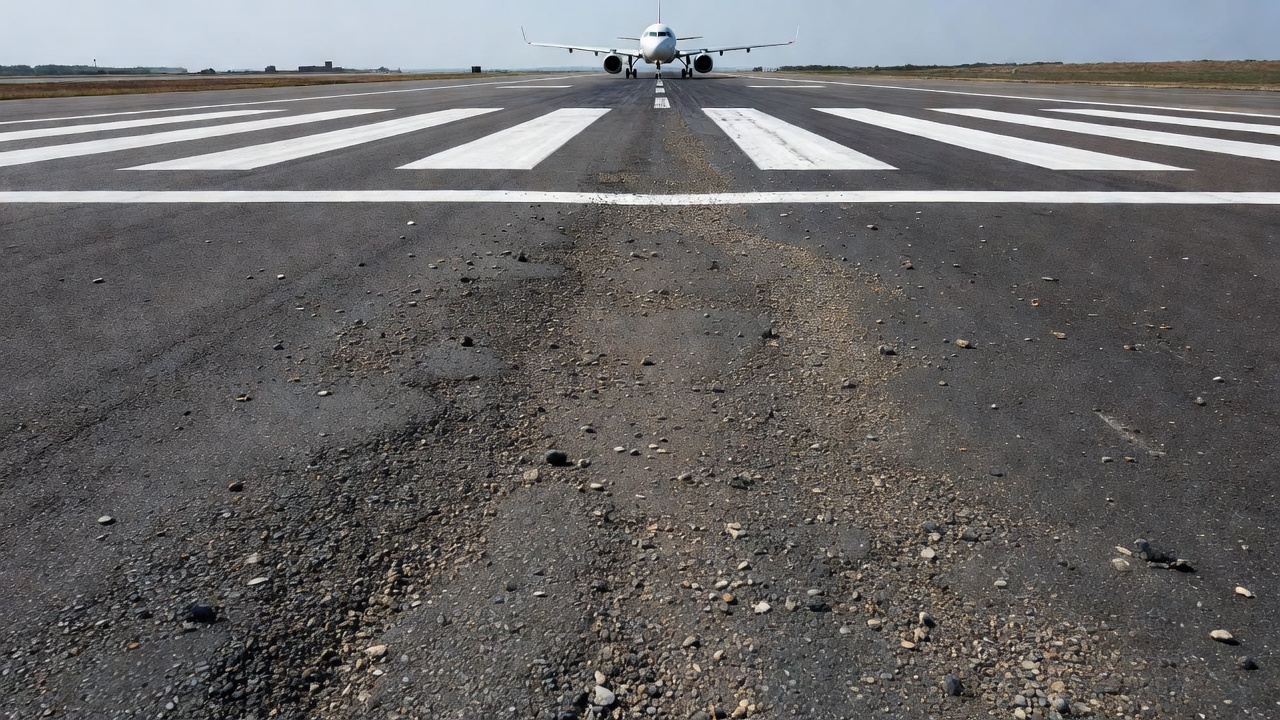
Raveling on airport pavements represents a fundamentally different hazard profile than raveling on highway pavements. On highways, the primary consequences of raveling are reduced ride quality, accelerated pavement deterioration through water infiltration, and potential vehicle damage from loose aggregate. At airports, the consequences escalate dramatically because loose aggregate particles become Foreign Object Debris (FOD), and FOD ingestion by jet engines can cause catastrophic damage ranging from compressor blade erosion to uncontained engine failure.
FOD Generation from Raveling
The process of FOD generation from raveling involves two distinct mechanisms. First, traffic-induced dislodgement, the direct mechanical action of aircraft tires passing over a raveled surface extracts partially loosened aggregate particles. The high tire pressures of commercial aircraft (typically 1.4 to 1.6 MPa or 200 to 230 psi for main landing gear tires on large transport aircraft) generate substantial contact stresses at the tire-pavement interface, and the shear component of these stresses is particularly effective at extracting aggregate particles that have lost adequate binder adhesion. Second, jet blast and propeller wash, the high-velocity exhaust from jet engines and the prop wash from turboprop aircraft can physically mobilize loose aggregate particles already present on the surface, propelling them across the airfield at dangerous velocities.
The FAA Advisory Circular 150/5210-24A, Airport Foreign Object Debris (FOD) Management (February 2024), identifies deteriorated pavement surfaces as a primary source of FOD and mandates that FOD management programs address four areas: prevention, detection, removal, and evaluation. Within the prevention component, the AC emphasizes the importance of pavement maintenance programs that identify and repair surface defects including raveling before they become FOD sources. The AC also notes that “the outboard engines of four-engine aircraft can move debris from the runway edge and shoulder areas, where it tends to accumulate, back onto the runway”, meaning that raveling debris from runway shoulders and adjacent taxiway edges can be mobilized onto active runway surfaces, expanding the effective hazard zone beyond the immediate area of pavement deterioration.
ICAO Annex 14, Volume I, Aerodrome Design and Operations, requires that “the surface of a paved runway shall be maintained in a condition so as to provide good friction characteristics and low rolling resistance.” Raveling degrades both of these required characteristics: the rough, irregular surface reduces friction characteristics, and the loose debris increases rolling resistance and presents impact hazards. Airport operators are required to conduct regular runway surface condition assessments and to take corrective action when surface conditions, including raveling, degrade below acceptable thresholds.
FOD Damage Mechanisms
When a jet engine ingests loose aggregate from a raveled pavement, the damage mechanism depends on the particle size relative to the engine’s internal clearances. Fine aggregate particles (typically less than 2 mm) may pass through the engine without causing significant damage or may gradually erode compressor blade leading edges, reducing engine efficiency over time. Coarse aggregate particles (typically greater than 4.75 mm) can cause immediate mechanical damage: nicking or bending compressor blades, eroding stator vanes, and in severe cases, causing blade fracture that can cascade through subsequent compressor stages. Particles larger than approximately 10 mm pose a risk of causing Foreign Object Damage (the damage resulting from FOD) that can require immediate engine inspection or, in worst cases, in-flight engine shutdown.
The economic cost of FOD to the aviation industry is substantial. Industry estimates suggest that FOD-related damage costs the global aerospace industry several billion dollars annually, encompassing direct engine repair costs, aircraft downtime, flight delays and cancellations, and the cost of FOD management programs. Raveling-induced FOD is particularly insidious because it is a progressive, ongoing source of debris, unlike a single FOD event such as a dropped tool, a raveling pavement continuously generates new debris particles as traffic continues to stress the deteriorating surface.
Airport-Specific Inspection Requirements
Airport pavement inspections for raveling must be conducted at higher frequency and with greater scrutiny than typical highway inspections. The FAA recommends that runways be inspected at least daily, with more frequent inspections during periods of known pavement deterioration or adverse weather conditions that may accelerate raveling. These inspections must specifically identify areas of aggregate loss that could generate FOD and must document the location, extent, and severity of raveling for maintenance planning.
The inspection protocol for airport pavements goes beyond simple visual assessment. Runway surface condition is quantitatively evaluated using Continuous Friction Measuring Equipment (CFME) that measures the friction coefficient (Mu value) along the runway length. A declining friction trend can indicate progressive surface texture degradation that may be associated with early-stage raveling before the distress becomes visually apparent. ICAO Doc 9137, Airport Services Manual, Part 2, Pavement Surface Conditions, provides detailed guidance on friction measurement procedures, minimum acceptable friction levels, and the relationship between surface texture degradation and raveling progression.
Visual Detection and AI-Based Analysis
Traditional Visual Inspection Methods
Traditional raveling detection relies on trained pavement inspectors who visually assess the surface and classify the distress by severity and extent. Visual inspection is inherently subjective, different inspectors may classify the same pavement surface differently based on their individual experience, the lighting conditions at the time of inspection, and the specific classification criteria they apply. The NCHRP IDEA Project 163 research confirmed significant inter-rater variability in raveling severity classification, finding that even trained inspectors from the same agency could disagree on severity level assignment for borderline cases.
Visual inspection for raveling focuses on several diagnostic indicators. The color of the pavement surface is a primary cue: a gray, oxidized appearance suggests binder aging consistent with raveling susceptibility. The surface texture is assessed by observing the pattern of light and shadow across the pavement, a raveled surface creates irregular shadow patterns as light catches the edges of exposed aggregate particles and the voids where particles have been lost. The presence of loose aggregate on the pavement surface is a definitive indicator, though this can be confused with construction debris or material tracked onto the pavement from adjacent areas.
The limitation of visual inspection becomes particularly acute at the early stages of raveling when aggregate loss is confined to fine particles that may not create visually prominent surface features. Early-stage raveling can be essentially invisible to the human eye under diffuse lighting conditions, yet the loss of fine aggregate and surface binder represents the initiation of a progressive deterioration cycle that will eventually produce more severe damage. This detection gap is a key motivation for the development of automated, sensor-based raveling detection systems.
RGB Imaging and 2D Computer Vision
Automated raveling detection using digital imaging emerged from the broader field of pavement distress detection by computer vision. Conventional 2D imaging systems mounted on survey vehicles capture high-resolution pavement surface images at highway speeds (typically at resolutions of 1 to 2 mm per pixel). These images are then processed using image analysis algorithms designed to identify the visual signatures of raveling.
The image processing approach to raveling detection leverages several visual characteristics of raveled surfaces. Raveling creates a distinctive texture pattern in digital images: the irregular distribution of exposed aggregate edges, voids, and surface irregularities produces a higher spatial frequency content than intact pavement surfaces. Image texture analysis techniques, including Gray Level Co-occurrence Matrix (GLCM) features, Local Binary Patterns (LBP), and Gabor filter responses, have been applied to quantify this texture difference. A study by Tsai and Wang (2015) from Georgia Tech investigated the capability of image processing based approaches for raveling recognition and found that texture-based features could distinguish raveled from non-raveled surfaces with reasonable accuracy, but the approach was sensitive to lighting conditions, surface moisture, and the presence of other surface features such as crack sealant and pavement markings.
A more recent study published in Automation in Construction (2019) constructed and investigated an image processing based approach for raveling recognition using convolutional neural networks (CNNs). The deep learning approach achieved significant improvements over conventional texture analysis, with the CNN automatically learning the hierarchical visual features that characterize raveling without requiring manual feature engineering. The study demonstrated that deep learning models could achieve classification accuracies exceeding 90% for raveling detection under controlled imaging conditions, though performance degraded when applied to images captured under variable natural lighting, surface moisture conditions, and pavement ages.
3D Laser Technology and Macrotexture Analysis
The most significant advance in automated raveling detection has been the application of 3D laser scanning technology to pavement surface characterization. The NCHRP IDEA Project 163, conducted by Georgia Tech researchers Tsai and Wang and completed in December 2015, developed a raveling detection algorithm using emerging 3D laser technology and macrotexture analysis. The fundamental advantage of 3D laser scanning over 2D imaging is its independence from ambient lighting conditions and surface color variations, the laser measures the physical geometry of the pavement surface directly, producing a three-dimensional point cloud that captures surface texture at sub-millimeter resolution.
The 3D laser approach measures the Mean Profile Depth (MPD) and related macrotexture parameters that directly quantify surface roughness. A raveled surface exhibits higher MPD values and greater spatial variability in surface profile compared to an intact surface. The Georgia Tech algorithm processes the 3D laser data to extract texture parameters within analysis windows of approximately 100 mm × 100 mm, then applies statistical classification to identify raveled areas and assign severity levels. The algorithm was validated against ground-truth data collected by GDOT inspectors across multiple test sections in Georgia, and the results demonstrated that the automated method could classify raveling severity at accuracy levels comparable to or exceeding manual visual inspection.
Beyond the Georgia Tech research, several state DOTs and commercial pavement survey providers have implemented 3D laser-based raveling detection systems in production. These systems typically integrate laser profilers operating at frequencies of 4,000 to 16,000 Hz with high-resolution line-scan cameras, mounted on vehicles traveling at speeds up to 100 km/h. The combined sensor package captures both the geometric surface profile (from the lasers) and the visual surface appearance (from the cameras), enabling multi-modal data fusion for raveling detection. The practical value of these systems lies in their ability to survey entire road networks rapidly and repeatedly, building a time-series database of pavement surface condition that reveals deterioration trends before they become visually apparent to human inspectors.
AI-Based Texture Analysis and Deep Learning
Recent developments in artificial intelligence have pushed automated raveling detection beyond simple classification toward quantitative severity assessment and predictive modeling. A 2025 study published in Scientific Reports demonstrated a framework for detecting polished and degraded asphalt pavement surfaces by integrating texture-based image analysis with interpretable machine learning. Using 24 texture features derived from the Gray Level Co-occurrence Matrix (GLCM) and a Backpropagation Neural Network (BPNN) optimized with the Hyperopt framework, the study achieved classification accuracy of 96.1% for polished pavement detection. The use of SHapley Additive exPlanations (SHAP) provided physical insight into which texture features were most diagnostic of surface degradation, a critical capability for engineering acceptance of AI-based methods.
The Computer Vision-Based Severity Classification of Asphalt Pavement Raveling research, published in the context of Vietnamese and international pavement management, applied advanced gradient boosting machines (XGBoost, LightGBM, CatBoost) combined with lightweight texture descriptors to classify raveling severity into multiple levels. This approach demonstrated that machine learning models trained on relatively simple texture features could achieve high classification accuracy while maintaining computational efficiency suitable for deployment on survey vehicles with limited onboard processing capability.
Deep learning approaches using convolutional neural networks, including architectures such as ResNet-50, have been applied to raveling detection with reported accuracies approaching 99% under controlled conditions. However, the Scientific Reports study noted that while a ResNet50-based CNN achieved slightly higher accuracy than the GLCM-ML approach, its “high computational cost limits practical deployment.” This trade-off between accuracy and computational efficiency is a central consideration in the operational deployment of AI-based raveling detection systems, particularly for network-level surveys that must process terabytes of image data within practical time and cost constraints.
Raveling as a Proxy for Binder and Aggregate Loss
Raveling is valuable beyond its direct characterization as a surface defect, it serves as a proxy indicator for the broader condition of the asphalt binder and aggregate system. The presence and severity of raveling on a pavement surface provides diagnostically useful information about the state of binder aging, the quality of aggregate-binder adhesion, and the rate of pavement surface deterioration that cannot be directly measured by nondestructive surface evaluation methods.
Binder Aging Proxy
Raveling is one of the few pavement distresses that provides direct visual evidence of binder aging without requiring destructive sampling. The progressive loss of aggregate from the surface is a mechanical manifestation of the chemical changes occurring within the asphalt binder: as the binder oxidizes and embrittles, its ability to retain aggregate particles diminishes, and raveling initiates. The extent and severity of raveling therefore correlates with the degree of binder oxidation at the pavement surface. Pavements exhibiting widespread raveling at relatively young ages (less than 8 to 10 years) may indicate either an inappropriate binder grade selection for the climate, inadequate compaction during construction that accelerated oxidation, or a binder formulation with poor oxidative aging resistance.
The relationship between raveling and binder aging has practical implications for pavement preservation. When raveling is detected at low severity across a pavement section, it signals that the surface binder has aged to a point where adhesive failure is beginning. This early warning allows pavement managers to apply preventive treatments, such as rejuvenating fog seals, before the raveling progresses to a severity that requires more extensive and costly rehabilitation. The raveling-as-proxy concept thus enables a condition-based maintenance approach: rather than applying treatments on a fixed schedule (e.g., every 5 years), treatments are triggered by the observed onset of raveling, which is itself triggered by the progression of binder aging beyond a critical threshold.
Aggregate-Binder Adhesion Indicator
Raveling severity also reflects the quality of the aggregate-binder bond, which is influenced by both the chemical compatibility of the aggregate and binder and the presence of moisture at the interface. Pavement sections that ravel prematurely despite adequate binder content and compaction may indicate aggregate-binder compatibility problems, the aggregate mineralogy may be inherently moisture-sensitive, or the binder may lack adequate anti-stripping additives. In such cases, the raveling pattern provides diagnostic information about the specific failure mechanism: raveling that initiates in wheel paths and areas of ponding water suggests moisture-induced stripping, while raveling that is uniformly distributed across the pavement surface suggests generalized oxidative aging.
The diagnostic value of raveling as an adhesion indicator is enhanced when raveling data is correlated with other pavement condition data. For example, raveling that co-occurs with fatigue cracking in wheel paths suggests a combined moisture-and-load failure mechanism: water enters through cracks, strips binder from aggregate at depth, and the weakened pavement structure then ravels under traffic loading. Raveling that occurs independently of cracking and is concentrated in areas of high solar exposure (e.g., south-facing slopes in the Northern Hemisphere) suggests a primarily oxidation-driven mechanism. This diagnostic interpretation guides the selection of appropriate treatments, moisture-related raveling may require drainage improvements in addition to surface treatments, while oxidation-related raveling may be adequately addressed with surface rejuvenation alone.
Prevention of Raveling
Seal Coats
Seal coats are thin surface treatments applied to existing asphalt pavements to seal the surface, protect the underlying binder from oxidation and moisture, and restore surface texture. The two primary types of seal coats used for raveling prevention are fog seals and chip seals.
A fog seal is a light application of diluted asphalt emulsion sprayed onto the pavement surface. The emulsion penetrates surface voids and cracks, coating exposed aggregate particles and restoring the binder film that has been lost to oxidation. Fog seals are most effective as a preventive treatment applied before significant raveling has developed, ideally at the first signs of surface oxidation (graying color) and fine aggregate loss. The application rate for a fog seal is typically 0.2 to 0.7 liters per square meter of undiluted emulsion, depending on the surface texture and porosity. Fog seals provide 2 to 4 years of additional pavement life when applied at the appropriate time in the pavement deterioration curve.
A chip seal combines an application of asphalt emulsion or hot asphalt binder with a layer of cover aggregate that is immediately spread and rolled into the binder. Chip seals provide both surface sealing and a new wearing surface with fresh aggregate for friction. They are appropriate for pavements with more advanced raveling where a fog seal alone would not provide adequate surface restoration. The cover aggregate used in chip seals must be clean, angular, and properly sized to provide good embedment into the binder while maintaining adequate surface texture for friction. Chip seals typically provide 5 to 8 years of additional pavement life.
Asphalt Rejuvenators
Asphalt rejuvenators are specifically formulated products designed to penetrate the pavement surface and restore the chemical and physical properties of aged asphalt binder. Unlike seal coats that primarily provide a protective barrier on the surface, rejuvenators actively diffuse into the aged binder, replenishing the maltene fraction that has been lost to oxidation. This chemical restoration reverses, to some degree, the embrittlement of the surface binder, improving its flexibility and adhesion to aggregate.
Rejuvenators are typically formulated as maltene-rich emulsions with low viscosity to facilitate penetration into the pavement surface. The active ingredients include aromatic oils, naphthenic oils, or bio-based oils that are chemically compatible with aged asphalt binder. When applied to the pavement surface, the water phase of the emulsion evaporates, and the rejuvenating oil diffuses into the binder over a period of days to weeks. The depth of penetration depends on the surface porosity, the viscosity of the rejuvenator, and the ambient temperature during and after application, warmer temperatures promote deeper penetration. Typical penetration depths range from 3 to 10 mm, which corresponds to the depth of the most severely oxidized surface binder layer.
The effectiveness of rejuvenators for raveling prevention has been demonstrated in multiple field studies. Research at Auburn University’s National Center for Asphalt Technology (NCAT) has shown that rejuvenating fog seals can reduce the rate of oxidative aging in the surface binder by 30% to 50% compared to untreated pavements, effectively delaying the onset of oxidative raveling. The key to successful rejuvenator application is timing: the treatment must be applied before the binder has aged to the point where cohesive and adhesive failure has already occurred. Once significant raveling has developed, the effectiveness of rejuvenators diminishes because the aggregate-binder bond has already been compromised, and simply restoring the chemical properties of the remaining binder cannot recreate bonds that no longer exist.
Mix Design and Construction Quality Control
The most fundamental prevention strategy for raveling is built into the pavement during design and construction. Key mix design parameters for raveling resistance include:
Adequate binder content: The optimum binder content determined by the mix design process (typically using the Superpave or Marshall methods) must provide sufficient binder film thickness to coat all aggregate particles and provide a durable bond. Film thickness calculations based on aggregate surface area (using the method developed by the Asphalt Institute) should yield film thickness values of at least 8 to 10 microns for high-traffic pavements.
Air void control: In-place air voids in the compacted pavement should be maintained in the range of 6% to 8% immediately after construction. Air voids below 3% risk rutting and bleeding, air voids above 8% accelerate oxidative aging and moisture infiltration, both of which promote raveling. Achieving consistent in-place density requires proper compaction equipment, adequate compaction effort, and timely compaction while the mix temperature remains above the cessation temperature.
Anti-stripping additives: For pavements using moisture-susceptible aggregates or located in wet climates, liquid anti-stripping additives (amines, polyamines) or hydrated lime should be incorporated into the mix. Hydrated lime, added at approximately 1% to 1.5% by weight of aggregate, is particularly effective at improving moisture resistance and reducing stripping-induced raveling. The lime chemically modifies the aggregate surface, reducing its hydrophilicity and improving binder adhesion.
Maintenance Treatments for Raveling
The appropriate maintenance treatment for raveling depends on the severity of the distress, the extent of affected area, and the functional requirements of the pavement surface (particularly friction for runways and high-speed roadways).
Low-Severity Raveling Treatments
For low-severity raveling where only fine aggregate has been lost and the surface remains structurally sound, the following treatments are appropriate:
Rejuvenating fog seal: Application of a maltene-based rejuvenating emulsion that penetrates the surface, restores binder properties, and coats exposed aggregate. Application rate: 0.2 to 0.5 L/m². This treatment is most cost-effective when applied at the first signs of surface oxidation and fine aggregate loss. It can extend pavement life by 2 to 4 years and costs approximately 10% to 15% of the cost of a thin overlay.
Conventional fog seal: Application of diluted asphalt emulsion (typically SS-1, CSS-1, or CQS-1) to seal the surface without the rejuvenating chemistry. This provides a protective barrier that slows further oxidation and helps retain remaining fine aggregate. Application rate: 0.5 to 1.0 L/m² of diluted emulsion.
Medium-Severity Raveling Treatments
For medium-severity raveling with visible loss of coarse aggregate and pronounced surface pitting:
Chip seal: Application of asphalt binder followed by cover aggregate. The chip seal provides a new wearing surface that covers the raveled area and restores surface texture. Single-chip seals use one application of binder and one size of cover aggregate, double-chip seals use two applications for more severe surface conditions. Chip seals provide 5 to 8 years of additional service life.
Micro-surfacing: A polymer-modified, cold-applied asphalt emulsion mixed with fine aggregate, mineral filler, water, and additives. Micro-surfacing is placed as a thin layer (6 to 10 mm) that fills surface voids, restores surface profile, and provides a new wearing surface. It is more expensive than a chip seal but provides better surface smoothness, lower noise, and longer service life (6 to 10 years). Micro-surfacing is particularly appropriate for airfield pavements where loose aggregate from chip seals would present an unacceptable FOD hazard.
Slurry seal: Similar to micro-surfacing but using conventional (non-polymer-modified) emulsion. Slurry seals are less durable than micro-surfacing but are lower cost. They are appropriate for low-to-moderate traffic pavements with medium-severity raveling.
High-Severity Raveling Treatments
For high-severity raveling with extensive coarse aggregate loss and deep surface erosion:
Thin hot-mix overlay: Placement of 25 to 50 mm of new hot-mix asphalt over the existing surface. The overlay provides a completely new wearing surface and restores full structural and functional performance. A tack coat must be applied to the existing surface to ensure bond between the old and new layers. Thin overlays typically provide 8 to 12 years of additional service life.
Mill and fill: Milling (cold planing) of the raveled surface layer to a depth of 25 to 75 mm, followed by placement of new hot-mix asphalt. This treatment is necessary when the raveling extends deeper than can be effectively treated by surface applications alone, or when the surface profile has been significantly altered by aggregate loss. Mill and fill provides 10 to 15 years of additional service life.
Full-depth repair: For isolated areas of extreme raveling that extend through the full depth of the asphalt layer, full-depth patching is required. The deteriorated material is removed by saw-cutting and excavation, and the area is replaced with new hot-mix asphalt compacted to match the surrounding pavement elevation.
The table below summarizes the treatment selection matrix for raveling:
| Raveling Severity | Primary Treatments | Expected Life Extension | Relative Cost |
|---|---|---|---|
| Low | Rejuvenating fog seal, conventional fog seal | 2–4 years | Low (10–15% of overlay) |
| Medium | Chip seal, micro-surfacing, slurry seal | 5–10 years | Medium (25–50% of overlay) |
| High | Thin overlay (25–50 mm), mill and fill | 8–15 years | High (60–100% of overlay cost) |
| Extreme (isolated) | Full-depth patching | 10–15 years | Very high (per unit area) |
Airport-Specific Maintenance Considerations
Airport pavement maintenance for raveling must account for the unique operational constraints and safety requirements of the airfield environment. Any surface treatment applied to an active runway, taxiway, or apron must meet the following criteria:
Friction characteristics: The treated surface must provide friction levels meeting ICAO minimum requirements. New surface treatments, particularly chip seals, may require a curing period before friction levels stabilize at acceptable values. Micro-surfacing and thin overlays generally provide acceptable friction immediately after curing.
FOD-free operation: The treatment must not itself become a source of FOD. Chip seals, despite their effectiveness on highways, are generally not used on active runway surfaces because of the risk of loose cover aggregate. Micro-surfacing and slurry seals, which cure to a cohesive surface without loose aggregate, are preferred for airfield applications.
Rapid return to service: Airport maintenance windows are typically measured in hours, not days. Treatments must cure sufficiently rapidly to allow aircraft operations to resume within the available closure window. Polymer-modified emulsions used in micro-surfacing are formulated for rapid curing and can typically support aircraft traffic within 4 to 6 hours of application under favorable weather conditions.
Chemical resistance: The treated surface must resist damage from jet fuel, hydraulic fluid, and de-icing chemicals. Polymer-modified binders and chemically resistant surface treatments are specified for airfield applications where chemical exposure is expected, particularly on aprons and fueling areas.
Frequently Asked Questions
- What is raveling in pavement?
- Raveling is the progressive dislodgement and loss of aggregate particles from the pavement surface caused by the deterioration of the binding material that holds those aggregates in place. It manifests as a rough, pitted surface texture where fine particles are lost first, followed by coarse aggregate particles. The FHWA Distress Identification Manual for the Long-Term Pavement Performance (LTPP) program defines raveling as the 'wearing away of the pavement surface caused by the dislodging of aggregate particles and loss of asphalt binder.' Raveling is classified as a surface defect and is measured in square meters of affected area.
- What causes raveling in asphalt pavement?
- Raveling is primarily caused by the loss of adhesion between the asphalt binder and aggregate particles. The most common causative mechanisms are: (1) binder oxidation and age-hardening, where the asphalt binder becomes brittle over time through exposure to oxygen, ultraviolet radiation, and heat, (2) stripping, where moisture penetrates the asphalt-aggregate interface and breaks the adhesive bond, (3) poor compaction during construction, leaving high air void content that accelerates oxidation, (4) mix segregation, where localized areas lack sufficient binder, and (5) insufficient binder content or use of an inappropriate binder grade for the climate and traffic conditions.
- How does raveling differ from polishing and scaling?
- Raveling, polishing, and scaling are distinct surface defects. Raveling involves the physical dislodgement and loss of aggregate particles from the surface, producing a rough, pitted texture. Polishing involves the abrasion and smoothing of exposed aggregate surfaces without loss of particles, the aggregate remains in place but becomes smooth, reducing skid resistance. Scaling refers to the loss of the surface mortar or binder layer in concrete pavements, typically as thin flakes or patches, and is more associated with freeze-thaw damage or poor curing in portland cement concrete rather than asphalt binder failure.
- Why is raveling dangerous at airports?
- Raveling at airports presents a critical Foreign Object Debris (FOD) hazard. Loose aggregate particles dislodged from the pavement surface can be ingested by jet engines, causing Foreign Object Damage that ranges from compressor blade nicking to catastrophic engine failure. The FAA Advisory Circular 150/5210-24A on Airport FOD Management identifies deteriorated pavement surfaces as a primary source of FOD. Additionally, raveling degrades surface texture and reduces friction, compromising aircraft braking performance on runways. Airport operators must monitor and repair raveled surfaces to maintain the pavement in a condition providing good friction characteristics and low rolling resistance, as required by ICAO Annex 14.
- How is raveling severity classified?
- Raveling severity is classified by multiple agencies. The Georgia Department of Transportation (GDOT) classifies raveling into Severity Levels 1, 2, and 3 based on the degree of aggregate loss: Level 1 (low) involves loss of fines and small aggregate particles with surface starting to become rough, Level 2 (medium) involves progressive loss of coarse aggregate particles with pronounced pitting, Level 3 (high) involves extensive loss of coarse aggregate with deep erosion and very rough surface. The Mississippi DOT (MDOT) uses a similar low-moderate-high classification. The FHWA LTPP manual does not define formal severity levels for raveling but measures it in square meters of affected area. TxDOT associates raveling primarily with seal coat deterioration and measures it as a percentage of total lane area at low, medium, and high severity.