What is an Asphalt Rejuvenator?
Asphalt Rejuvenators and Recycling Agents
Asphalt rejuvenators are specialized low-viscosity additives formulated to restore the chemical, rheological, and mechanical properties of aged, oxidized asphalt binder. These agents reverse the embrittlement caused by oxidative aging, rebalancing the binder’s colloidal structure and returning it to a state resembling its original performance grade. Rejuvenators are indispensable in modern pavement recycling, enabling the use of high Reclaimed Asphalt Pavement (RAP) and Recycled Asphalt Shingles (RAS) content in hot-mix asphalt (HMA), warm-mix asphalt (WMA), cold in-place recycling (CIR), and hot in-place recycling (HIR). Understanding rejuvenator chemistry, classification, dosage methodology, and performance implications is critical for airport and roadway engineers pursuing sustainable, cost-effective pavement solutions.
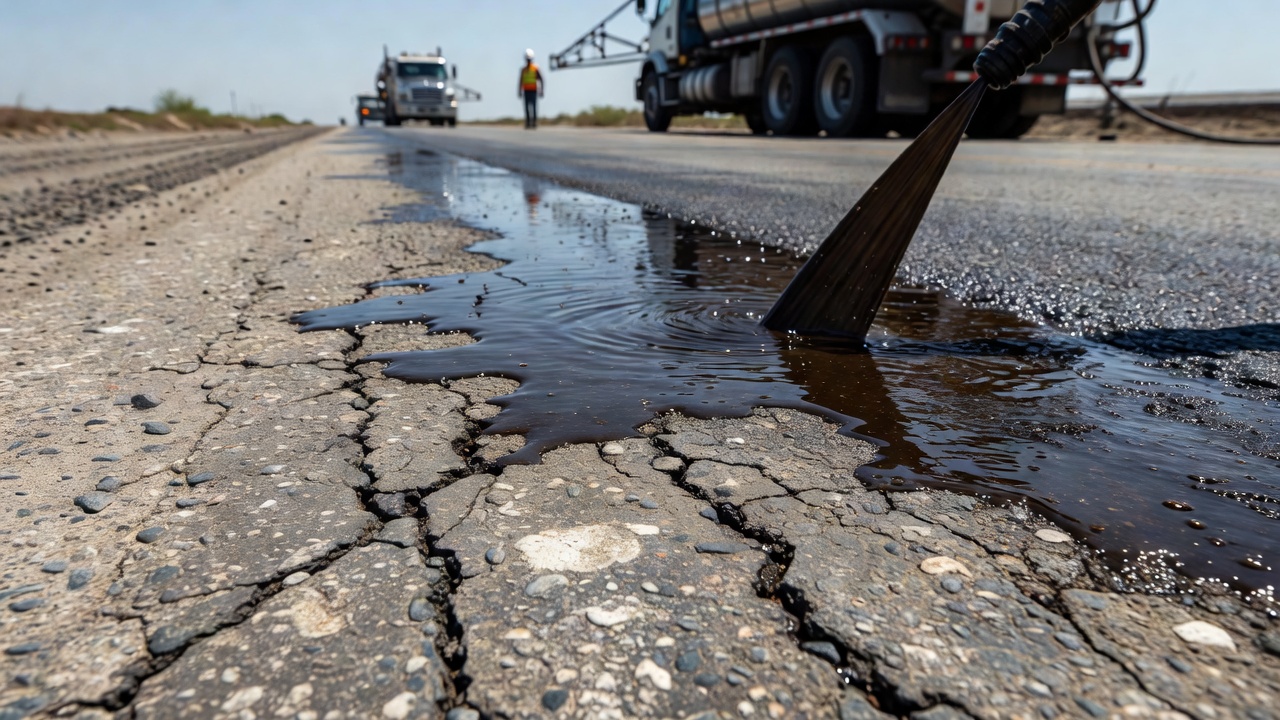
Definition and Function
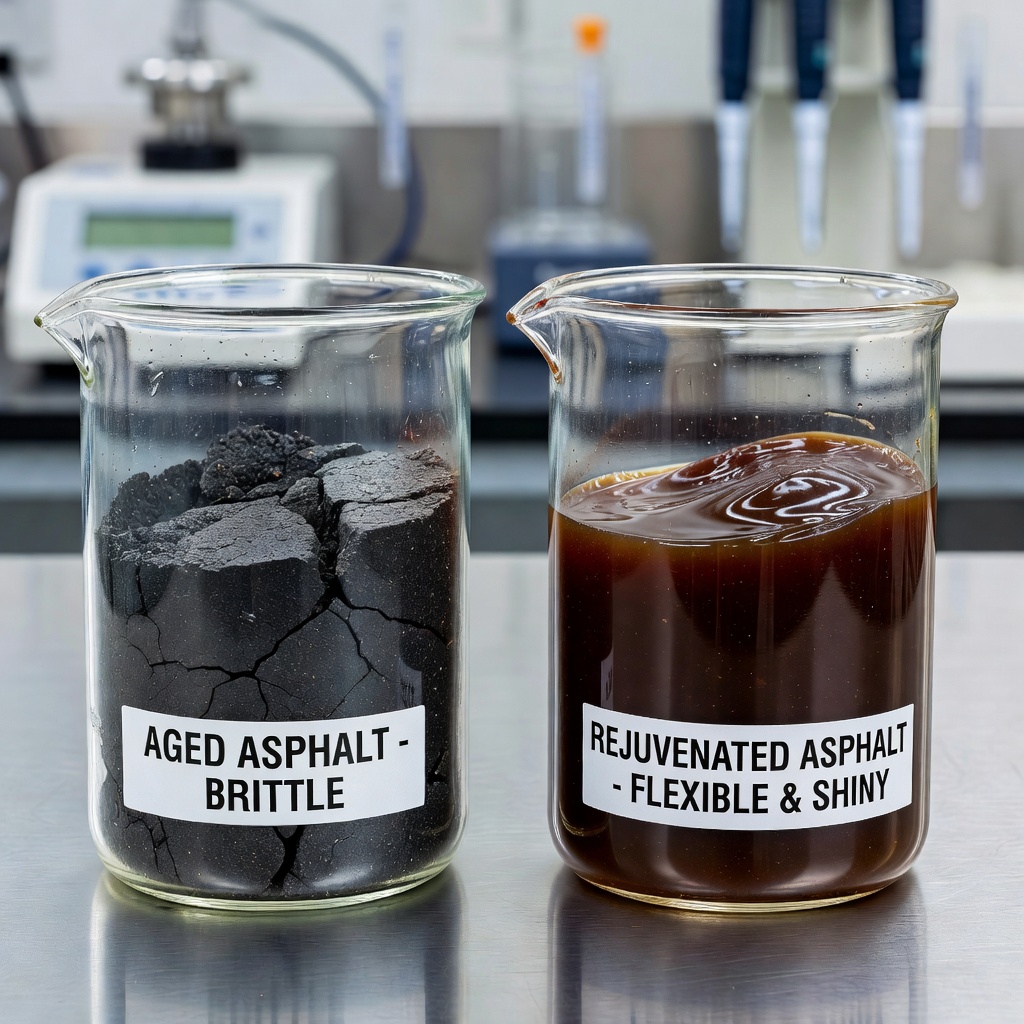
An asphalt rejuvenator, also referred to as a recycling agent or rejuvenating agent, is defined as a low-viscosity hydrocarbon oil or engineered chemical formulation that, when added to aged asphalt binder, restores its physical and chemical properties toward its pre-aged state. The primary function of a rejuvenator is to replenish the maltene fraction, the lighter, oily components of bitumen that are progressively lost during oxidative aging. As asphalt binder oxidizes over time, the maltenes (saturates, aromatics, and resins) convert into asphaltenes, disrupting the colloidal balance and causing the binder to become stiff, brittle, and less ductile.
The aging process in asphalt pavements occurs in two distinct stages. Short-term aging happens during production and construction: volatilization of light oil components, oxidation at high mixing temperatures (typically 150–180°C), and absorption of oily fractions into aggregate pores. Long-term aging occurs over the pavement service life, driven by atmospheric oxygen, ultraviolet radiation, thermal cycling, and moisture exposure. The combined effect transforms a flexible, ductile binder into a hardened, low-penetration material with significantly reduced stress relaxation capacity.
Rejuvenators counteract these aging effects by introducing a high-maltene content oil that diffuses into the aged binder, effectively reducing the asphaltene-to-maltene ratio. This rebalancing restores the binder’s viscoelastic properties, lowering viscosity, increasing penetration, improving ductility, and enhancing resistance to both thermal and fatigue cracking. The target is to return the aged binder’s performance grade to match or approximate the original virgin binder grade, enabling the recycled mixture to meet the same specification requirements as a 100% virgin mix.
Most rejuvenators are designed for use with RAP and RAS in hot-mix and warm-mix asphalt plants. They can be pre-blended with the virgin binder at the tank terminal, injected inline into the binder line at the plant, or added directly to the mixing drum or pugmill. In surface treatment applications, rejuvenators may also be applied as a fog seal directly onto in-service pavements to restore surface flexibility and seal microcracks, extending pavement preservation intervals by 3–8 years.
Rejuvenator Types
Rejuvenators are broadly classified into several categories based on their chemical origin, refining process, and composition. The classification system defined in ASTM D4552/D4552M (Standard Classification for Hot-Mix Recycling Agents) categorizes recycling agents by viscosity at 60°C, with grades ranging from RA-1 (lowest viscosity) to RA-5 (highest viscosity). This specification addresses physical properties including viscosity, flash point, saturates content, and compatibility, serving as the primary quality control tool for asphalt plant operations.
Petroleum-Based Aromatic Extracts
Petroleum-based rejuvenators are refined from crude oil processing streams and have been used since the 1960s. They include aromatic extracts (e.g., Reclamite, Cyclogen L, Hydrolene, ValAro 130A) and naphthenic oils (e.g., SonneWarmix RJ, Ergon HyPrene). These products contain high concentrations of polar aromatic compounds, which provide excellent compatibility with asphaltenes in aged binder. Aromatic extracts have a high solvency power, enabling deep penetration into the aged binder matrix and effective rebalancing of the colloidal structure.
Aromatic extract rejuvenators are characterized by their viscosity classification according to ASTM D4552. The RA-1 grade (lowest viscosity, 50–175 mm²/s at 60°C) is suitable for heavily aged binders requiring significant softening, while RA-5 (highest viscosity, 3200–10000 mm²/s at 60°C) is used for moderately aged binders where less softening is required. Petroleum-based rejuvenators have a well-documented track record spanning over five decades, with extensive laboratory and field performance data available.
Bio-Based Rejuvenators
Bio-based rejuvenators are derived from renewable, sustainable sources and have gained significant market share since the early 2000s. They offer reduced environmental footprint and lower volatility compared to many petroleum-based products. Key types include:
Vegetable Oil Rejuvenators: Derived from soybean, rapeseed, sunflower, or palm oils. These products consist primarily of triglycerides and fatty acids that interact with aged binder components. Soy oil-based rejuvenators have shown particular promise, with studies demonstrating effective restoration of binder rheological properties at moderate dosage rates (4–8% by weight of RAP binder).
Waste Cooking Oil (WCO): A widely researched rejuvenator source due to its abundance and low cost. WCO contains free fatty acids and polar compounds that soften aged binder effectively. Optimal dosage typically ranges from 3–12% by weight of aged binder, depending on the oxidation level of the RAP. WCO-based rejuvenation has been shown to improve fatigue life and low-temperature cracking resistance, though long-term aging susceptibility requires attention.
Tall Oil Rejuvenators: Tall oil is a byproduct of the kraft pulping process in the paper industry, extracted from pine wood. Tall oil derivatives (e.g., Sylvaroad RP1000, Hydrogreen, Delta S) are chemically complex mixtures of fatty acids, rosin acids, and neutral compounds. They belong to the same chemical family as liquid antistrip agents and emulsifiers, providing excellent compatibility with bitumen. Tall oil rejuvenators offer superior aging resistance compared to many waste oil products, with field performance comparable to petroleum-based aromatic extracts.
Waste Engine Oil (WEO) and Waste Engine Oil Bottoms (WEOB)
WEO and WEOB have been extensively studied as potential rejuvenators due to their abundance, low cost, and chemical similarity to the maltene fraction of bitumen. WEO is collected from vehicle oil changes, while WEOB is the heavy residue from the re-refining process. Research indicates that WEO can effectively reduce the viscosity and stiffness of aged binders at dosage rates of 10–20% by weight of aged binder.
However, WEO presents specific challenges. Used motor oils contain trace heavy metals (zinc, lead, chromium), soot particles, and degraded additive packages that may pose environmental leaching concerns. The oxidation level of the source oil significantly influences its performance, oils with lower oxidation levels (e.g., gasoline engine oil after one oxidation cycle) demonstrate better compatibility and long-term stability. The Multiple Stress Creep Recovery (MSCR) test data indicates that WEO-treated binders can achieve satisfactory rutting resistance when properly dosed, but fatigue crack resistance requires careful optimization.
Paraffinic and Naphthenic Oils
Paraffinic oils (e.g., Valero VP 165, Storbit) are refined from selected crude oil fractions with high wax content. Naphthenic oils have a cyclic molecular structure with lower wax content than paraffinic types. These products are generally less effective as true rejuvenators, they function primarily as softening agents that reduce viscosity without fully restoring the colloidal balance between asphaltenes and maltenes. Some researchers distinguish between softening agents and true rejuvenating agents on this basis. Softening agents are suitable when only marginal viscosity reduction is needed, while true rejuvenation requires chemical restoration of the maltene fraction.
Comparison of Rejuvenator Types
| Rejuvenator Category | Source | Key Advantages | Typical Dosage (% of RAP binder) | Environmental Profile |
|---|---|---|---|---|
| Aromatic Extracts | Petroleum refining | Proven track record, excellent compatibility | 5–15% | Non-renewable, established |
| Vegetable Oil | Agricultural crops | Renewable, low toxicity | 4–12% | Sustainable, biodegradable |
| Waste Cooking Oil | Food industry waste | Low cost, waste utilization | 3–12% | Waste valorization |
| Tall Oil | Paper industry byproduct | Superior aging resistance | 5–15% | Industrial byproduct reuse |
| Waste Engine Oil | Automotive waste | Very low cost, high availability | 10–20% | Potential heavy metal concerns |
| Paraffinic/Naphthenic | Petroleum refining | Good softening, low cost | 5–10% | Non-renewable, limited rejuvenation |
Mechanism of Action
The rejuvenation mechanism involves a complex diffusion process wherein the low-viscosity rejuvenator oil penetrates the aged binder film coating RAP aggregates, progressively reducing the binder’s viscosity and restoring its chemical equilibrium. This process occurs in four distinct phases as described by Carpenter and Wolosick (1980) and subsequent researchers.
Phase 1, Surface Wetting: Upon contact with RAP particles, the rejuvenator forms a thin, low-viscosity layer on the surface of the aged binder film. This initial contact is driven by capillary action and the concentration gradient between the rejuvenator and the aged binder.
Phase 2, Diffusion Front Propagation: The rejuvenator molecules begin migrating into the aged binder layer, driven by Brownian motion and chemical potential gradients. The diffusion front advances at a rate proportional to the square root of time, following Fick’s second law of diffusion. The diffusion coefficient depends on the rejuvenator’s molecular weight (lower molecular weight = faster diffusion), temperature (higher temperature = faster diffusion), and the viscosity of the aged binder (stiffer binder = slower diffusion). Typical diffusion periods at ambient temperatures range from several hours to days, while at conventional HMA mixing temperatures (150–170°C), diffusion is substantially accelerated, occurring within minutes.
Phase 3, Viscosity Gradient Layer Formation: As the rejuvenator penetrates progressively deeper, a gradient of viscosity develops through the binder film thickness. The outer layer becomes significantly softer than the inner portion closer to the aggregate surface. This transitional gradient is critical, it must be sufficiently deep to reduce the effective stiffness of the binder film while avoiding over-softening that could compromise rutting resistance. The depth of penetration relative to the total binder film thickness determines the degree of mechanical restoration achieved.
Phase 4, Equilibrium and Blending: Over extended time (weeks to months at ambient temperature), the rejuvenator reaches a relatively uniform distribution throughout the binder film, achieving chemical equilibrium. At this stage, the colloidal structure has been rebalanced: the rejuvenator’s maltenes have intermingled with the aged binder’s asphaltenes, creating a stable colloidal dispersion. The resulting binder exhibits restored viscoelastic properties, with penetration and viscosity values approaching those of the original virgin binder.
The colloidal stability of the rejuvenated binder is quantified through parameters such as the Gaestel Index (Ic), computed from saturate, aromatic, resin, and asphaltene (SARA) fractions. A well-rejuvenated binder should achieve an Ic value between 0.5 and 1.0, indicating a stable sol-gel structure that provides both flexibility and load-bearing capacity. Rejuvenators that over-soften (Ic too low) may cause rutting, while under-rejuvenation (Ic too high) leaves the binder overly stiff and susceptible to cracking.
Recent research using Gel Permeation Chromatography (GPC) and Fourier Transform Infrared Spectroscopy (FTIR) has provided molecular-scale evidence of rejuvenation. GPC traces show a decrease in the large molecular size (LMS) fraction after rejuvenation, confirming the breakup of asphaltene clusters. FTIR spectra show reduced carbonyl (C=O) and sulfoxide (S=O) indices in rejuvenated binders relative to aged controls, indicating partial reversal of oxidative chemical changes. Field Emission Scanning Electron Microscopy (FESEM) images reveal that rejuvenated binders have smoother, more homogenous surface morphology compared to the rough, aggregated structure of aged binder.
Dosage Determination
Determining the optimum rejuvenator dosage is the most critical step in designing recycled asphalt mixtures with rejuvenators. Insufficient dosage leaves the binder overly stiff and prone to cracking, excessive dosage causes over-softening, leading to rutting, flushing, and stability loss. The dosage determination process follows a structured methodology, typically based on ASTM D4552 and NCHRP Project 09-58 guidelines.
Step 1, Binder Extraction and Recovery
RAP (and/or RAS) samples are collected and the aged binder is extracted using solvent extraction per AASHTO T 164 (centrifuge method) or ASTM D2172. The binder is then recovered using the Abson recovery method (ASTM D1856) or rotary evaporation. The recovered binder is graded according to AASHTO M320 or AASHTO M332 (PG grading system), determining its high-temperature (PGH), intermediate-temperature (PGI), and low-temperature (PGL) performance grades.
Step 2, Rheological Fingerprinting
The recovered binder undergoes comprehensive rheological testing to establish its baseline properties. Tests include Dynamic Shear Rheometer (DSR) for high-temperature stiffness and fatigue resistance, Bending Beam Rheometer (BBR) for low-temperature stiffness (S) and m-value (stress relaxation rate), and ΔTc (the difference between S-grade and m-grade low temperatures). A highly aged binder will exhibit high DSR complex modulus (G*), low BBR m-value, and a significantly negative ΔTc (typically below -5°C).
Step 3, Dosage-Response Relationship
Blends of the recovered aged binder with the candidate rejuvenator are prepared at multiple dosage levels (typically 4%, 8%, 12%, 16%, and 20% by weight of aged binder). Each blend is subjected to DSR and BBR testing. A dosage-response curve is developed, typically plotting critical low temperature (or ΔTc) against rejuvenator content. The target is to identify the dosage at which the rejuvenated binder meets the critical low-temperature requirement of the target PG grade.
For example, in NCAT Research Synopsis 12-05, an optimum rejuvenator content of 12% by weight of recycled binders was selected to restore the performance properties of the recycled binders to meet PG 67-22 requirements. This dosage restored the critical low temperature of a 50% RAP binder blend from -18.2°C to -21.2°C, approaching the target of -22°C.
Step 4, Verification with Blended Binders
The selected rejuvenator dosage is verified by blending the rejuvenator with the virgin binder first, then combining this rejuvenated virgin blend with the recovered RAP binder in proportions matching the target mix design. The resulting blend is graded to confirm it meets the target PG specification. This step also assesses compatibility between the rejuvenator and the specific aged binder chemistry.
Step 5, Mixture Performance Validation
The final dosage is validated at the mixture level using Balanced Mix Design (BMD) principles. Performance tests include the Hamburg Wheel Tracking Test for rutting and moisture susceptibility, Disc-Shaped Compact Tension (DCT) test or Semi-Circular Bend (SCB) test for low-temperature cracking resistance, and Overlay Tester or IDEAL-CT for intermediate-temperature fatigue cracking resistance. The mix is adjusted as needed to meet all volumetric and performance criteria.
Typical Dosage Ranges
| RAP Content (%) | Rejuvenator Dosage (% of total binder) | Expected Critical Low-Temp Improvement |
|---|---|---|
| 15–25% | 0.3–1.0% | 1–3°C |
| 25–40% | 1.0–2.0% | 3–6°C |
| 40–60% | 2.0–3.0% | 6–10°C |
| 60–100% | 3.0–6.0% | 10–15°C |
The dosage-temperature relationship is also an important consideration. Higher mixing temperatures accelerate diffusion and may permit slightly lower dosages. Lower production temperatures (as in WMA) require careful monitoring of diffusion completeness to ensure adequate blending.
Rejuvenator in High-RAP Mixes
The use of rejuvenators in high-RAP asphalt mixtures (defined as mixtures containing more than 25% RAP by weight of total aggregate) has become standard practice in progressive jurisdictions. Laboratory research and field performance monitoring consistently demonstrate that properly rejuvenated high-RAP mixes can achieve performance equivalent to or better than virgin mixes, while delivering significant economic and environmental benefits.
Performance Grade Dumping is a critical concept in high-RAP mix design without rejuvenators. When conventional “grade bumping” is applied (e.g., using PG 58-28 instead of PG 64-22 to offset RAP binder stiffness), the virgin binder must be softened by one full grade. This approach reduces rutting resistance at high service temperatures. Rejuvenators provide an alternative, they chemically rebalance the blend without excessively softening the high-temperature grade. Studies by the National Center for Asphalt Technology (NCAT) have demonstrated that rejuvenated 50% RAP mixes can use the same virgin PG grade as the control (e.g., PG 67-22) while achieving target performance across all temperature ranges.
Workability and Compactability improvements are among the most tangible benefits of rejuvenators in high-RAP mixes. RAP particles are coated with stiff, aged binder that resists complete consolidation during compaction. Rejuvenators reduce the effective viscosity of the combined binder system, enabling better particle coating, improved lubricity, and reduced air voids at a given compactive effort. Field data from plant-produced 50% RAP mixes with rejuvenator showed compaction temperatures could be reduced by 15–25°C while still achieving target density. This reduction in required compaction temperature translates to extended paving windows in cool weather and reduced fuel consumption for heating.
Moisture Damage Resistance is generally maintained or slightly improved in rejuvenated high-RAP mixes. The Tensile Strength Ratio (TSR) values for rejuvenated mixes typically meet the minimum 80% requirement per AASHTO T283. The addition of liquid antistrip agents alongside rejuvenators can further enhance moisture resistance. The key is to avoid excessive rejuvenator dosage that could strip the binder from the aggregate surface.
Rutting Resistance is widely reported as adequate in rejuvenated high-RAP mixes. The APA (Asphalt Pavement Analyzer) rut depths for rejuvenated 50% RAP mixes are typically below 5.5 mm, meeting the acceptance threshold. The residual stiffness contributed by the aged binder, even after rejuvenation, provides enhanced resistance to permanent deformation at high service temperatures. Over-rejuvenation (excessive dosage) is the primary risk that must be controlled.
Cracking Resistance Improvements are the principal benefit of rejuvenators in high-RAP mixes. The critical low-temperature cracking temperature (determined from IDT testing per AASHTO TP 10) is significantly reduced. The Energy Ratio (ER) and Dissipated Creep Strain Energy (DCSEf) values are substantially improved. Overlay Tester cycles to failure typically increase by 100–300% compared to non-rejuvenated high-RAP mixes. These improvements translate directly to extended service life and reduced maintenance intervals.
Rejuvenator in Cold In-Place Recycling and Hot In-Place Recycling
In-place recycling methods, Cold In-Place Recycling (CIR) and Hot In-Place Recycling (HIR), rely heavily on rejuvenators to restore the functional properties of the in-situ aged pavement material. These processes are among the most sustainable pavement rehabilitation techniques, achieving 70–100% material reuse and eliminating hauling and disposal costs.
Hot In-Place Recycling (HIR)
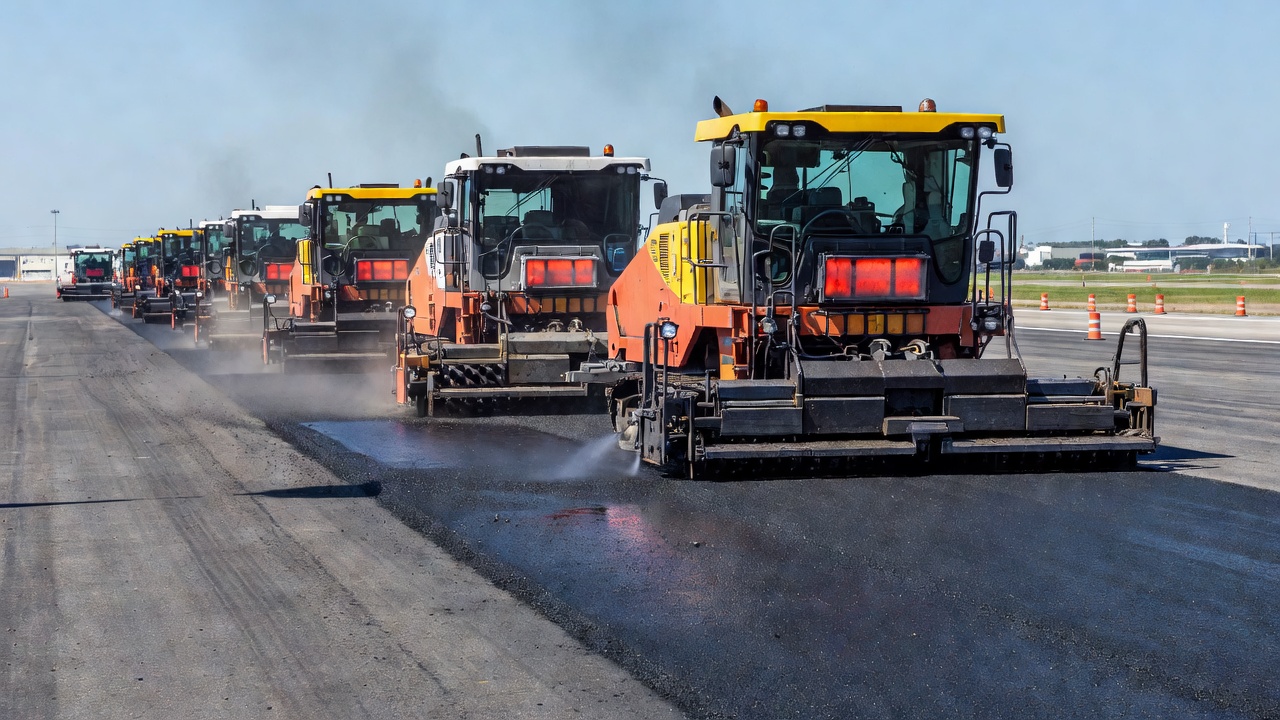
HIR is a continuous process using a self-contained train of specialized equipment. The pavement surface is heated to 250–300°F (120–150°C) using infrared or propane heaters, scarified or milled to a depth of ¾–2 inches (19–50 mm), mixed with a rejuvenating agent (and possibly virgin aggregates and binder), and re-laid and compacted in a single pass. The recycled pavement layer can be higher quality than the original, with rejuvenator oils restoring the chemical composition of the oxidize aged asphalt.
The Asphalt Recycling and Reclaiming Association (ARRA) recognizes three HIR processes:
Heater-Scarification: Multiple passes apply heat to the surface, which is then scarified (mechanical raking), treated with rejuvenator, and recompacted. Suitable for depths up to 1 inch.
Repaving: Combines the HIR recycled layer with a simultaneous overlay of new hot-mix asphalt placed directly behind the HIR operation, creating a thermal bond between the new and recycled layers. This is the most commonly specified HIR method.
Remixing: The scarified material is collected into a windrow, mixed with rejuvenator (and optionally virgin HMA) in a pugmill, then laid as a single homogeneous mix. This allows more precise rejuvenator dosage control and permits the addition of virgin aggregate to adjust gradation.
Rejuvenator selection for HIR must account for the short contact time between rejuvenator and aged binder, typically 30 seconds to 2 minutes, before the recycled mix must be compacted. This requires a rejuvenator with fast diffusion characteristics, achieved through lower viscosity and higher aromatic content. Bio-based rejuvenators specifically formulated for HIR are now available.
The amount of rejuvenator that can be incorporated in HIR is limited by the air voids content of the existing pavement. If air voids are too low to accommodate the required rejuvenator volume without causing flushing (excess binder rising to the surface), additional fine aggregate or virgin HMA must be blended in to increase air voids in the recycled mix.
Cold In-Place Recycling (CIR)
CIR processes the existing asphalt pavement at ambient temperature without heat. The pavement is milled to a depth of 3–6 inches (75–150 mm), the RAP is crushed and screened, and a stabilizing agent (rejuvenating emulsion, foamed asphalt, or chemical additive) is mixed in. The recycled material is laid and compacted, typically followed by a wearing course overlay.
Rejuvenators in CIR are usually incorporated as part of a recycling emulsion, a specially formulated asphalt emulsion designed to soften and rejuvenate the aged RAP binder. The emulsified rejuvenator provides both the softening action of the rejuvenating oil and the binding action of the residual asphalt cement after the water evaporates. The optimum emulsion content is determined through mix design testing (Marshall or Hveem procedures) adjusting for binder content, air voids, and stability.
Recent research has explored combining rejuvenators (such as waste cooking oil or proprietary bio-rejuvenators) directly into the mixing water or pre-blending with the emulsion to enhance the activation of RAP binder. Studies on cold recycled foam asphalt mixes show that rejuvenator-treated CIR mixes achieve 20–40% improved indirect tensile strength and 30–60% better cracking resistance compared to untreated CIR mixes.
Life Extension: HIR surface treatments (without overlay) provide 3–8 years of additional service life. When overlaid with hot-mix asphalt, HIR plus overlay extends pavement life by 10–12 years or more. CIR treatments, depending on pavement condition and overlay thickness, extend life by 8–15 years. In both cases, the quality of rejuvenation directly correlates with achieved life extension.
Performance Testing of Rejuvenated Mixes
Comprehensive performance testing is essential to validate that rejuvenated mixes meet all specification requirements across the full temperature range of service. The testing framework follows Balanced Mix Design (BMD) principles as defined in AASHTO PP 105 and AASHTO M 323.
Mixture Volumetric Properties
Volumetric testing ensures proper air void content, voids in mineral aggregate (VMA), voids filled with asphalt (VFA), and dust-to-binder ratio. Rejuvenator addition may slightly reduce the effective binder viscosity, potentially affecting VMA and VFA values. The mix design is adjusted by modifying aggregate gradation or binder content to restore target volumetric properties.
Rutting Resistance
Hamburg Wheel Tracking Test (AASHTO T 324): A loaded steel wheel (158 lb / 703 N) tracks across compacted specimens submerged in 50°C water for up to 20,000 passes. The rut depth and stripping inflection point are measured. Rejuvenated high-RAP mixes typically exhibit rut depths of 2.5–5.0 mm, well below the typical 12.5 mm maximum.
Flow Number Test (AASHTO TP 79): A dynamic creep test at 54°C measuring the number of load cycles to tertiary flow. Rejuvenated mixes should achieve a minimum flow number consistent with traffic level requirements.
Fatigue Cracking Resistance (Intermediate Temperature)
SCB Test at Intermediate Temperature (AASHTO TP 124): The Semi-Circular Bend test at 25°C measures fracture energy (Gf) and flexibility index (FI). Rejuvenated high-RAP mixes should achieve a flexibility index of 4–8 or higher, compared to values below 2 for non-rejuvenated high-RAP mixes.
Overlay Test (AASHTO T 387): Simulates reflective crack propagation by opening and closing a joint beneath the specimen at 0.25 mm displacement, 10-second cycle time. The number of cycles to failure is recorded. Rejuvenated mixes typically achieve 300–1500+ cycles, compared to 50–200 cycles for non-rejuvenated high-RAP mixes.
IDEAL-CT Test (ASTM D8225): The Indirect Tensile Asphalt Cracking Test at 25°C uses a simple cylindrical specimen (gyratory compacted) loaded diametrally at 50 mm/min. The cracking tolerance index (CTindex) is computed. Rejuvenated mixes with CTindex above 70–100 are considered acceptable for most applications.
Low-Temperature Cracking Resistance
Disc-Shaped Compact Tension (DCT) Test (ASTM D7313): Performed at 10°C above the PG low-temperature grade. The fracture energy (Gf) is measured. Rejuvenated high-RAP mixes typically achieve fracture energy values above 400–500 J/m², meeting recommended minimums.
Semi-Circular Bend (SCB) Test at Low Temperature (AASHTO TP 105): Performed at the PG low-temperature grade. The critical stress intensity factor (KIC) and fracture energy are measured.
Moisture Damage Susceptibility
Tensile Strength Ratio (TSR) Test (AASHTO T 283): Sets of conditioned (vacuum-saturated, freeze-thaw cycle) and unconditioned specimens are tested for indirect tensile strength. TSR must meet or exceed 80%. Rejuvenated mixes typically achieve TSR values of 80–95%.
Dynamic Modulus
Dynamic Modulus Test (AASHTO TP 132): The E* master curve is developed for the rejuvenated mix to verify that stiffness across a wide temperature range matches or approaches the target envelope. Rejuvenated mixes should have E* values at high temperatures (rutting control) within acceptable limits (not excessively low) and at low temperatures (cracking control) lower than non-rejuvenated high-RAP mixes.
Rejuvenator vs Soft Binder
A fundamental distinction exists between using a rejuvenator and using a softer virgin binder grade (also called “grade bumping” or “grade dumping”) to compensate for the stiffness of aged RAP binder.
Soft binders (e.g., PG 58-28 replacing PG 64-22) are simply lower-viscosity versions of standard paving asphalts. They work through mechanical dilution, blending a soft binder with a stiff aged binder produces an intermediate viscosity that may meet the target PG grade. However, soft binders do not restore the chemical colloidal balance of the aged binder. The asphaltenes remain in their oxidized, clustered state, the soft binder merely provides dilution without breaking down the asphaltene agglomerations.
Rejuvenators, by contrast, supply specific maltene fractions (particularly aromatic oils and resins) that chemically interact with the aged asphaltenes, redispersing them into a stable colloidal suspension. This chemical restoration provides superior performance benefits:
| Property | Soft Binder (Grade Dump) | Rejuvenator |
|---|---|---|
| Mechanical restoration | Reduced stiffness via dilution | Chemical restoration of colloidal balance |
| Fatigue resistance | Moderate improvement | Significant improvement (200–400% better) |
| Low-temperature cracking | Moderate improvement | Significant improvement (3–8°C lower critical temp) |
| Rutting resistance | Reduced (softer binder at high temps) | Maintained (targeted restoration) |
| Aging susceptibility | Similar to virgin binder | Potentially improved with proper selection |
| Workability | Moderate improvement | Significant improvement (better coating, compaction) |
| Cost impact | No significant additional cost | Small additional cost (0.3–1.5% of total mix cost) |
| Compatibility with high RAP | Limited (effective up to ~25% RAP) | Effective up to 100% RAP |
For low RAP contents (15–25%), grade bumping with a soft binder may be sufficient and is the simpler approach. For medium to high RAP contents (25%+), rejuvenators provide measurably superior performance. For very high RAP (50–100%), rejuvenators are essential, grade bumping alone cannot achieve adequate performance across the full temperature range.
Long-Term Performance
The long-term performance of rejuvenated asphalt pavements is influenced by the rejuvenator’s aging susceptibility, the initial dosage accuracy, and the post-rejuvenation oxidative aging rate.
Re-Aging Behavior
After rejuvenation, the binder begins to oxidize again from its restored state. The rate of re-aging depends on the chemical composition of the rejuvenator. Bio-based rejuvenators (vegetable oils, waste cooking oil) tend to have higher rates of oxidative aging due to the presence of unsaturated fatty acid chains that readily react with oxygen. Petroleum-based aromatic extracts and tall oil derivatives generally exhibit slower re-aging rates. This differential aging behavior must be considered when predicting long-term pavement life.
Studies using Pressure Aging Vessel (PAV) aging of rejuvenated binders (simulating 5–10 years of in-service aging) show that rejuvenated binders aged from their restored state reach a similar final aged stiffness as virgin binders aged from their initial state, provided the initial rejuvenation was properly executed. The rate of approach to terminal stiffness is the key variable, a rejuvenated binder with slower aging will maintain its performance advantage longer.
Field Performance Monitoring
Field projects in Texas, Alabama, Wisconsin, and Minnesota have provided valuable long-term data:
NCHRP Project 09-58 evaluated multiple rejuvenators in field projects across the United States, monitoring cracking development, rutting, ride quality, and friction over 3–7 years. Results showed that properly rejuvenated high-RAP sections performed comparably to control sections with lower RAP content, with some rejuvenators achieving statistically significant reductions in cracking.
Japan’s Extensive HIR Program: Japan has been successfully using rejuvenators in high-RAP mixes and HIR operations for over two decades. Japanese specifications require that high-RAP mixtures with rejuvenators meet the same performance criteria as virgin mixtures. Field performance data from Japanese projects confirms that rejuvenated pavements achieve service life equal to or greater than virgin pavements.
Wisconsin DOT BMD Program: Wisconsin’s implementation of Balanced Mix Design with rejuvenators for high-RAP surface mixes has tracked over 100 projects since 2018. The CTindex values from quality control testing show consistent year-over-year performance, with average CTindex values of 80–140 for rejuvenated mixes versus 40–70 for non-rejuvenated high-RAP mixes.
Inspection Relevance
For pavement inspection professionals and airport engineers, understanding the behavior of rejuvenated pavements is essential for accurate condition assessment and maintenance planning.
Visual Inspection Indicators: Rejuvenated pavements exhibit certain characteristics during their service life:
- Surface texture is typically denser and less porous than non-rejuvenated high-RAP mixes due to improved compaction
- Crack development is delayed compared to non-rejuvenated high-RAP pavements of similar RAP content, crack initiation typically occurs 2–4 years later
- When cracking does occur, rejuvenated pavements tend to develop hairline thermal cracks rather than wide, open cracks, indicating better stress relaxation capacity
- Rejuvenated pavements may show slightly less surface friction initially if over-treated, but friction recovers as surface binder wears away under traffic
Testing Considerations: Standard pavement evaluation tests yield different results for rejuvenated sections:
- FWD deflection measurements will show lower deflections (stiffer pavement) compared to virgin sections of equal thickness, but higher deflections (more flexible) compared to non-rejuvenated high-RAP sections of equal RAP content
- Core extraction and binder recovery for penetration or PG testing is the most definitive method to verify continued rejuvenation effectiveness, if the recovered binder stiffness approaches that of the virgin target grade, the rejuvenation is performing as designed
- Gravimetric binder content testing may show slightly higher effective binder content in rejuvenated mixes due to the added rejuvenator, which must be accounted for in the total binder calculation
- Friction testing (mu values) on rejuvenated runways should be within normal specification ranges, significant deviation suggests dosage issues
Maintenance Planning: Rejuvenated pavements require adapted maintenance strategies:
- Crack sealing intervals may be extended by 1–3 years compared to non-rejuvenated high-RAP pavements
- Surface treatments (fog seals, slurry seals) should account for the rejuvenator’s continued diffusion, over-application of additional oils may cause flushing
- Rubber removal frequency on runways is generally comparable to virgin pavements
- Life-cycle cost projections should use a service life extension factor of 1.2–1.5 for properly rejuvenated high-RAP mixes compared to conventional high-RAP mixes without rejuvenator
ICAO and FAA Guidance: ICAO Annex 14 and FAA Advisory Circulars recognize the use of recycled materials in airport pavements, requiring that recycled mixtures meet the same performance specifications as virgin mixtures. For FAA P-401/P-501 specifications, the use of rejuvenators is permitted provided the final mix meets all volumetric and performance criteria. The PCN (Pavement Classification Number) reporting system does not distinguish between rejuvenated and non-rejuvenated asphalt, the critical factor is the structural equivalent performance. Airport engineers should document rejuvenator use in the pavement management system to inform future rehabilitation planning.
Standard Specifications and Quality Control
ASTM D4552/D4552M-20 (2025): The definitive standard for classifying hot-mix recycling agents in the United States. The 2020 revision expanded the classification to include bio-based oils, which previous editions did not explicitly cover. The standard evaluates: viscosity at 60°C (determining RA grade), flash point (minimum 232°C for safety), saturates by Iatroscan (maximum 25% for bio-oils, ensuring adequate aromatic content), and compatibility with aged binder by a spot test. Each RA grade (RA-1 through RA-5) has a defined viscosity range:
| RA Grade | Viscosity at 60°C (mm²/s) | Typical Application |
|---|---|---|
| RA-1 | 50–175 | Heavily aged binder, HIR |
| RA-25 | 175–900 | High RAP content (40–70%) |
| RA-5 | 900–4500 | Moderate RAP content (25–50%) |
| RA-75 | 2000–5000 | Low RAP content (15–30%) |
| RA-100 | 3200–10000 | Marginal aging, preservation |
AASHTO R 14: Offers an alternative classification system for hot-mix recycling agents that is largely harmonized with ASTM D4552 but includes additional provisions for sampling frequency and supplier certification.
Quality Control Testing: On an ongoing production basis, rejuvenator quality is verified through a Certificate of Analysis (COA) from the supplier. Key QC parameters include: viscosity at 60°C (to confirm RA grade), flash point, and density. Periodic sampling (typically every 20th load or monthly) is recommended for independent verification by the agency or contractor.
Storage and Handling: Rejuvenators should be stored in heated tanks (40–80°C) to maintain pumpable viscosity. Transfer lines should be insulated and heat-traced in cold climates. Compatibility with the existing binder storage and injection system must be verified, some bio-based rejuvenators have different density and miscibility characteristics compared to petroleum-based products. Tank level monitoring and inventory management are essential to ensure uninterrupted production.
Frequently Asked Questions
- What is an asphalt rejuvenator and how does it work?
- An asphalt rejuvenator is a low-viscosity additive engineered to restore aged, oxidized asphalt binder to a condition closer to its original viscoelastic state. It works by replenishing the maltene fraction lost during oxidation, reducing the asphaltene-to-maltene ratio, consequently decreasing binder stiffness and restoring ductility. The rejuvenator diffuses into the aged binder film through a multi-phase process: first forming a low-viscosity surface layer, then penetrating the binder, reducing viscosity gradually, and reaching chemical equilibrium.
- What types of asphalt rejuvenators are available?
- Rejuvenators fall into several categories: petroleum-based aromatic extracts (e.g., Reclamite, Cyclogen L), bio-based oils (vegetable oils, waste cooking oil, tall oil from paper industry byproducts), waste engine oil (WEO) and waste engine oil bottoms (WEOB), tall oil derivatives (e.g., Sylvaroad RP1000, Hydrogreen), and paraffinic or naphthenic oils. Each type has distinct chemical composition, viscosity, compatibility with aged binders, and long-term aging characteristics. Bio-based rejuvenators are increasingly popular for sustainability.
- How is rejuvenator dosage determined?
- Rejuvenator dosage is determined through a systematic process per standards like ASTM D4552 and NCHRP 09-58 methodology. Steps include extracting and recovering RAP/RAS binder, grading the recovered binder (PG grading), establishing a dosage-response relationship using critical low-temperature (PG) or ΔTc changes, selecting the dosage that restores binder properties to the target grade, and validating with balanced mix design (BMD) on the full mixture. Typical dosages range from 0.3% to 3% by weight of total binder, depending on RAP content and aged binder stiffness.
- What is the difference between a rejuvenator and a soft binder?
- A rejuvenator is a specialized maltene-rich oil that chemically rebalances the aged binder by replenishing specific aromatic fractions lost during oxidation, restoring both physical and chemical properties. A soft binder (e.g., PG 58-28 instead of PG 64-22) is simply a lower-viscosity virgin asphalt that mechanically reduces stiffness through blending without restoring the chemical colloidal balance. Rejuvenators provide superior fatigue and low-temperature cracking resistance in high-RAP mixes compared to soft binders alone.
- How do rejuvenators perform in high-RAP and recycled mixes?
- Laboratory and field studies consistently demonstrate that properly dosed rejuvenators improve cracking resistance, reduce stiffness, and restore ductility in asphalt mixtures containing up to 50-100% RAP. In high-RAP mixes (over 25% RAP), rejuvenators can offset the brittleness of aged binder, improve workability and compactability, and maintain or improve rutting resistance. In cold-in-place recycling (CIR) and hot-in-place recycling (HIR), rejuvenators are essential for restoring binder properties and enabling the reuse of existing pavement materials with performance equal to or better than virgin mixes.