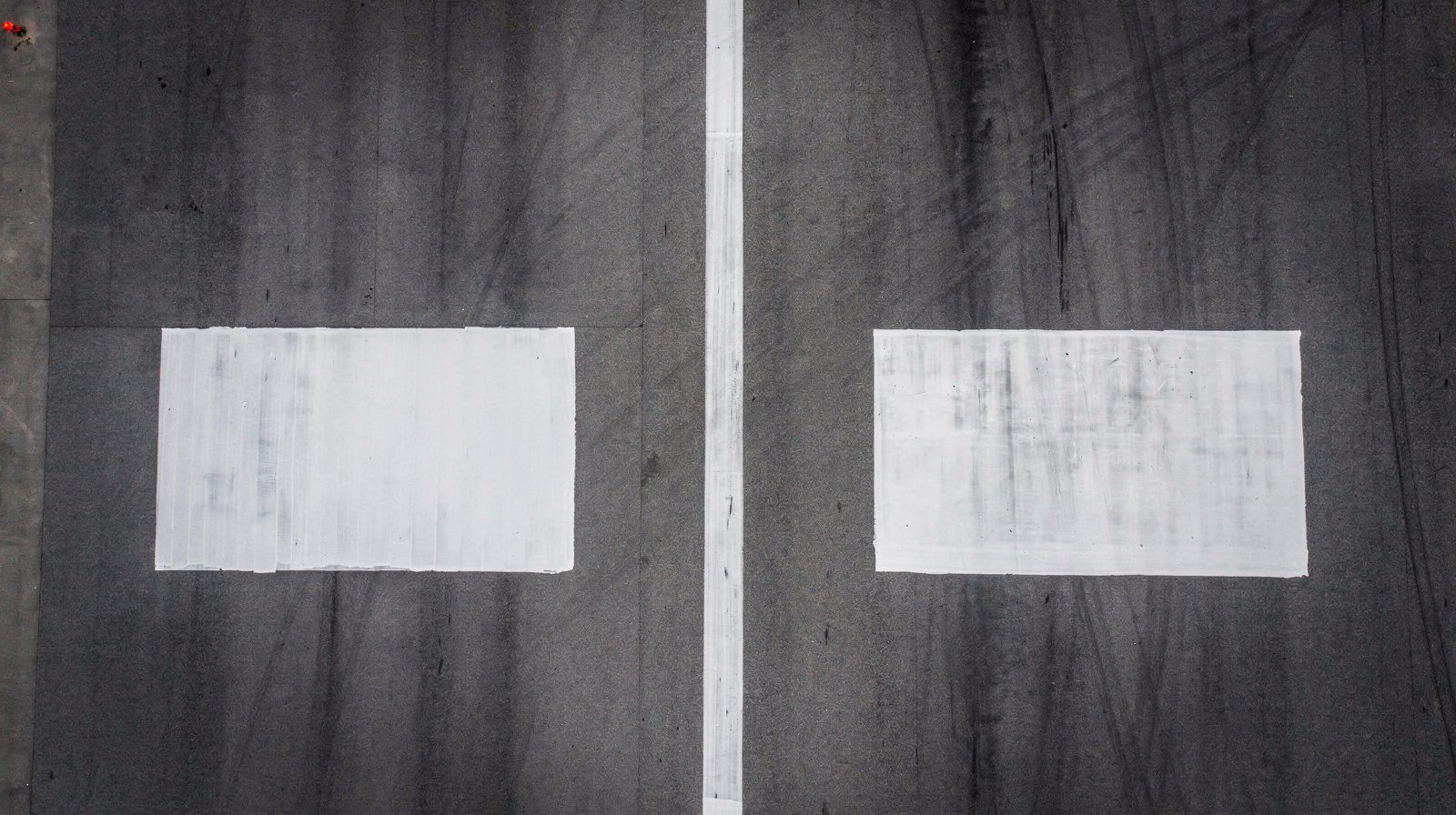
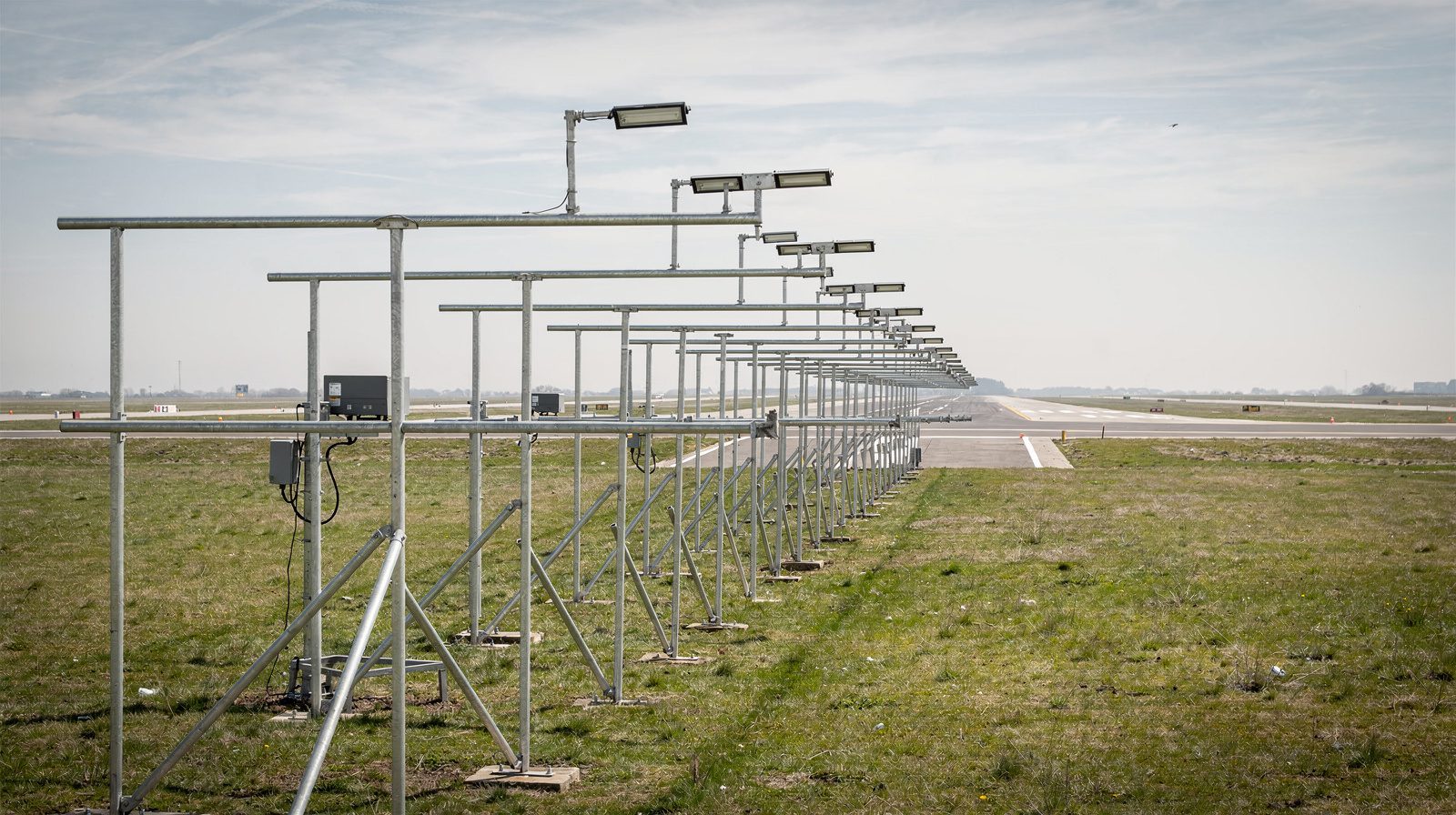
What is a Runway End?
Runway End: Extremity of Runway in Airport Operations
Introduction
The runway end, sometimes known as the extremity of the runway, is fundamental to airport design, operations, and safety. It marks the limit of the prepared, usable runway surface for aircraft movement. This geodetic point is a reference for takeoff and landing distances, the placement of lighting systems, and the determination of safety and object-free zones. Its exact definition, location, and documentation are governed by international and national standards, ensuring operational safety and regulatory compliance at airports worldwide.
Understanding the runway end is crucial for airport engineers, surveyors, air traffic controllers, pilots, and regulatory bodies. Its identification underpins declared distances in aeronautical publications and database systems that drive flight planning, navigation, and airfield maintenance.
Definitions and Key Terminology
Runway End
The runway end is the precise physical limit of the declared, usable runway surface. It is the last point of pavement prepared for aircraft operations in each direction. This point is established by regulatory guidance (FAA AC 150/5340-1M, ICAO Annex 14) and is not always the same as the landing threshold, especially when a displaced threshold is present.
Runway Threshold
The threshold is the beginning of that part of the runway usable for landing. It may coincide with the runway end or be displaced further along the runway to provide obstacle clearance or avoid unserviceable pavement.
Displaced Threshold
A displaced threshold is a threshold not located at the physical runway end. The area between the runway end and the displaced threshold cannot be used for landing, but may be used for takeoff or rollout. It is marked by white arrows and a threshold bar.
Stopway End
A stopway is a prepared surface beyond the runway, usable for decelerating an aircraft during an aborted takeoff. The stopway end marks its extremity.
Related Terms
- Runway Safety Area (RSA): Cleared area beyond the runway end to reduce damage risk during overruns.
- Obstacle Free Zone (OFZ): Airspace above the runway and surrounding area kept clear of obstacles.
- Object Free Area (OFA): Ground area around the runway kept free of obstacles except for those necessary for navigation.
- Declared Distances: Published lengths for takeoff and landing, measured from the runway end and threshold.
Key Terms Table
| Term | Definition | Reference |
|---|---|---|
| Runway End | Physical extremity of usable runway surface in each direction. | FAA AC 150/5340-1M, ICAO |
| Runway Threshold | Start of landing portion of runway. | FAA, ICAO |
| Displaced Threshold | Threshold not at runway end, surface between runway end and threshold is not available for landing. | FAA, ICAO |
| Stopway End | End of stopway surface, beyond runway end. | FAA |
Regulatory Standards
FAA (Federal Aviation Administration)
The FAA defines the runway end as the intersection of the runway centerline and the physical limit of the usable surface. No dedicated surface marking is required at the runway end itself, marking focuses on the threshold, which may be displaced. FAA standards mandate the use of red runway end lights for night operations, and the exact position of the runway end is the basis for declared distances (TORA, TODA, LDA, ASDA) and safety area boundaries.
ICAO (International Civil Aviation Organization)
ICAO Annex 14 requires the runway end to be the reference for declared distances, runway end safety areas, and obstacle limitation surfaces. No specific surface marking is mandated at the runway end, but red runway end lights are required at the extremity for runways used at night or in low visibility. The threshold, which may be displaced, is marked by a white bar and green lights.
CAA/UK (Civil Aviation Authority, United Kingdom)
The CAA/UK adopts standards consistent with FAA and ICAO: the runway end is the extremity of the usable surface, without a dedicated marking. Red runway end lights and green threshold lights are required, and runway end coordinates must be surveyed and published in aeronautical data.
Marking and Lighting Requirements
Marking
- Runway End: Not marked on the surface.
- Threshold: Marked with a wide white bar and threshold stripes.
- Displaced Threshold: Marked with white arrows between the runway end and the threshold bar.
- Demarcation Bar: Wide yellow bar separating non-usable (e.g., blast pad) from usable runway surface.
Lighting
- Runway End Lights: Red, unidirectional lights at the extremity, visible to departing and landing aircraft.
- Threshold Lights: Green, unidirectional lights at the threshold (not at the runway end if the threshold is displaced).
- Stopway End Lights: Red edge or end lights at the far end of stopways.
Surveying and Identification Procedures
Runway End Survey Point (SP)
Surveyors identify the runway end by measuring the intersection of the centerline and the edge of the prepared surface. In cases of deteriorated pavement, the SP is placed at the first usable point perpendicular to the centerline. Displaced thresholds and stopway ends are similarly surveyed, and all surveyed points are recorded with high-precision GPS or total station equipment.
Survey Steps
- Pre-survey Coordination: Confirm runway designation, threshold, and stopway information with airport authorities.
- Physical Inspection: Locate the physical end of pavement, threshold bars, arrows, and lighting.
- SP Marking: Mark the intersection of centerline and pavement edge with survey equipment.
- Data Collection: Record latitude, longitude, and elevation for publication and database integration.
- Verification: Cross-check against airport layout plans and declared distances.
Operational and Safety Implications
The runway end is pivotal in:
- Declared distances (TORA, TODA, ASDA, LDA) for aircraft performance.
- Placement of runway end and threshold lighting.
- Establishment of Runway Safety Areas (RSA) and Runway End Safety Areas (RESA).
- Design of approach, departure, and missed approach procedures.
- Maintenance of obstacle limitation surfaces and object free zones.
Accurate runway end data ensures that pilots and controllers have the correct information for safe takeoff and landing calculations, and helps prevent runway overruns or misalignment during critical phases of flight.
Common Scenarios
Displaced Threshold Example
- If a landing threshold is displaced 100 meters from the physical runway end, the area between the end and the threshold is marked with arrows and not available for landing. It may be used for the takeoff roll or rollout. Lighting and declared distances are updated accordingly.
Stopway Example
- If a stopway is present beyond the runway end, its end is also surveyed and marked with red lights. The stopway may be used for decelerating after a rejected takeoff but not for normal landings.
Modern Data and Technology
Runway end coordinates are published in Aeronautical Information Publications (AIP) and international databases for use in:
- Flight management systems
- Instrument approach and departure procedure design
- Electronic Flight Bags (EFBs)
- Obstacle analysis and airspace protection
Conclusion
The runway end is a critical, precisely defined point that underpins airport infrastructure, safety, and operations. Its correct identification, marking, lighting, and documentation are essential for regulatory compliance, operational efficiency, and the prevention of hazards such as runway overruns. Harmonized international standards ensure interoperability and safe operations at airports worldwide.
For airport operators, engineers, and regulators, maintaining up-to-date, accurate runway end data is a core responsibility. Modern surveying, marking, and lighting practices, aligned with FAA, ICAO, and CAA/UK standards, help sustain the global aviation system’s safety and reliability.
Further Reading
- FAA AC 150/5340-1M: Standards for Airport Markings
- ICAO Annex 14, Volume I: Aerodrome Design and Operations
- UK CAA CAP 637: Visual Aids Handbook
Visual Reference
This glossary entry provides an authoritative overview of the runway end, its operational significance, regulatory requirements, and implications for airport safety and efficiency.
Frequently Asked Questions
- What is the runway end in airport operations?
- The runway end is the physical extremity of the declared usable runway surface. It marks where the prepared pavement ceases and is a primary reference point for declared distances, the start of safety areas, and placement of runway end lighting. It is not always the same as the threshold, especially if a displaced threshold is marked.
- How is the runway end marked and lit?
- There is typically no surface marking at the physical runway end itself. Instead, the threshold is marked with a white bar, and any displaced threshold is indicated with arrows and a bar. Runway end lights, red, unidirectional lights, are installed at the extremity for night or low-visibility operations as per FAA, ICAO, and CAA standards.
- Why is accurate runway end surveying important?
- Accurate surveying of the runway end ensures safe aircraft operations, correct calculation of takeoff and landing distances, and proper placement of safety zones and lighting. Errors can lead to hazardous situations like overruns or misaligned landings.
- What regulatory standards apply to runway ends?
- FAA, ICAO, and CAA/UK provide harmonized standards for defining, lighting, and documenting runway ends. These standards govern survey methods, marking and lighting requirements, and the integration of runway end data into aeronautical databases.
- How does a displaced threshold affect the runway end?
- A displaced threshold moves the start of the landing portion of a runway further from the physical end. The area between the runway end and the displaced threshold is not available for landing but may be used for takeoff or rollout. Both points must be clearly documented and marked in accordance with regulations.
This is a reference entry. TarmacView provides drone inspection services and doesn't sell the equipment or materials described in this glossary.