What is Runway Lighting?
Runway Lighting: Comprehensive Glossary and In-Depth Guide
Runway Lighting – Definition
Runway lighting refers to a meticulously regulated network of lights installed along airport runways, taxiways, and approach zones. These lighting systems provide essential visual cues for pilots during landing, takeoff, and ground movement, especially when visibility is limited by night, fog, precipitation, or smoke. The design, color, intensity, and placement of these lights are standardized globally by organizations such as the International Civil Aviation Organization (ICAO) and the Federal Aviation Administration (FAA).
Runway lighting is more than just illumination, it is a sophisticated integration of hardware and control systems. Its categories include runway edge lights, centerline lights, touchdown zone lights, threshold lights, approach lighting systems, and visual slope guidance indicators like PAPI and VASI. Each type plays a distinct role in creating a consistent visual language, ensuring pilots can safely operate at airports anywhere in the world.
Purpose and Function
Runway lighting systems serve to:
- Provide Visual Guidance: Clearly outline runway and taxiway geometry, allowing pilots to identify surfaces and features even in poor visibility.
- Ensure Safety: Mark boundaries, transitions, and critical points to prevent incursions, overruns, or misalignments.
- Enhance Operational Efficiency: Enable airports to operate safely in all lighting and weather conditions.
- Support Regulatory Compliance: Satisfy strict requirements for instrument and visual approaches, especially under low-visibility conditions.
By integrating these functions, runway lighting systems underpin the safety and efficiency of modern air travel.
Types of Runway Lighting Systems
Approach Lighting Systems (ALS)
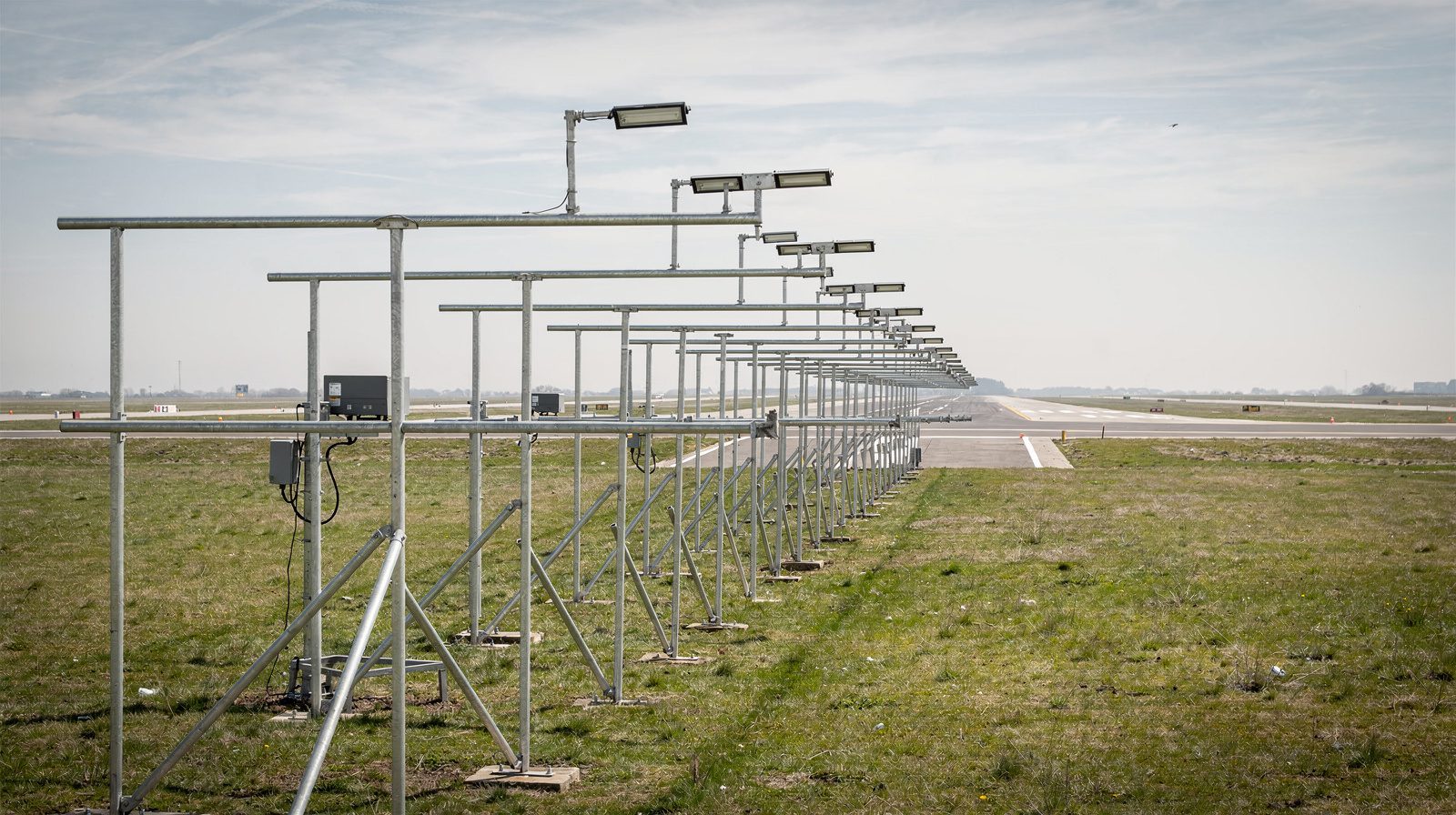
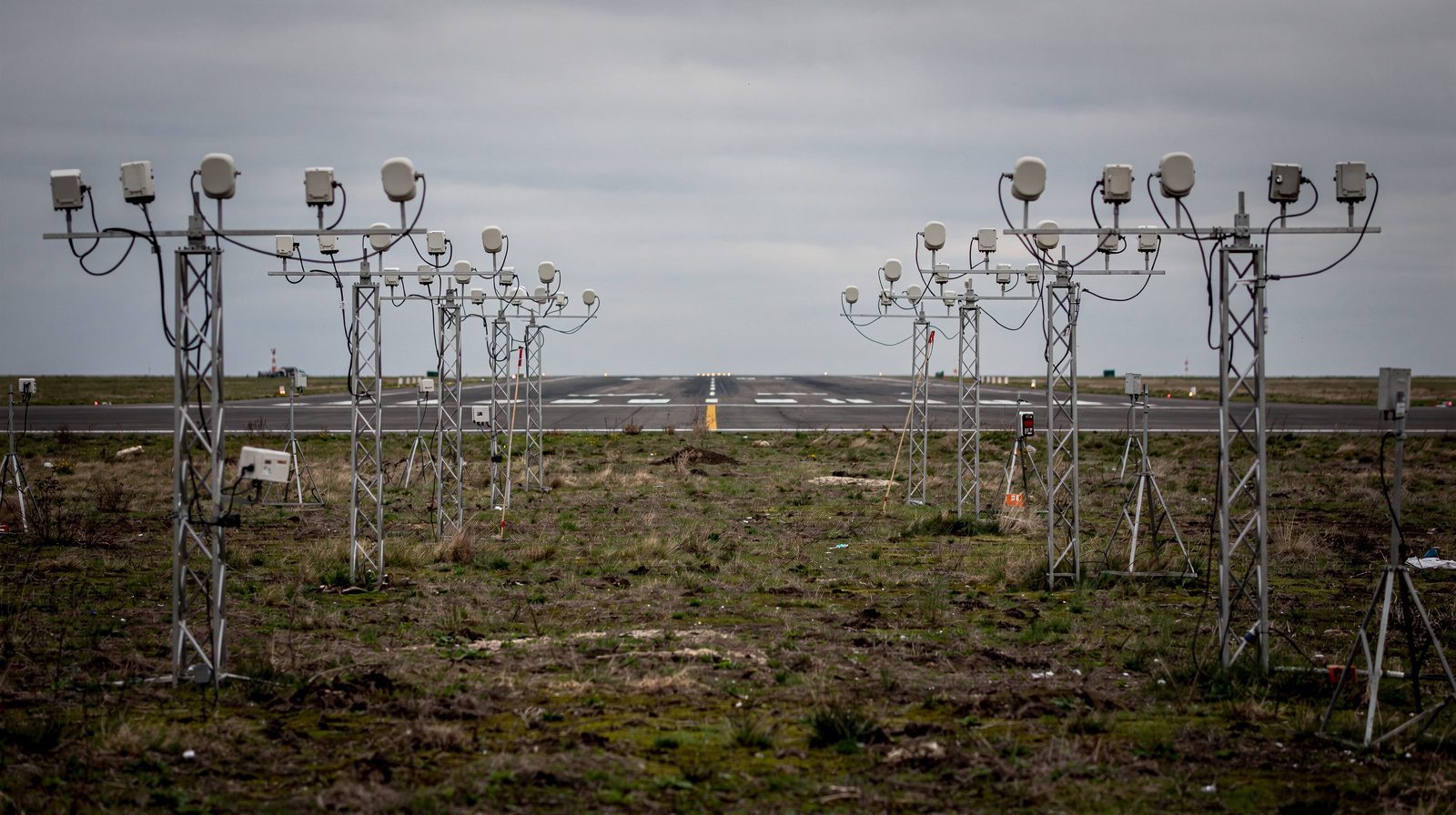
Approach Lighting Systems (ALS) are complex arrays of lights extending from the runway threshold into the approach area. Their primary role is to provide pilots with early visual contact with the runway environment during final approach, especially under instrument meteorological conditions (IMC).
- ALS Types: ALSF-1/2 (precision approach), MALSR, MALS, SSALS (medium intensity), and ODALS (basic).
- Features: Steady-burning light bars, strobe lights, and sequenced flashing lights (“rabbit”).
- Role: Help pilots align with the runway, judge height and descent rate, and transition from instrument to visual flight.
Runway Edge Lights
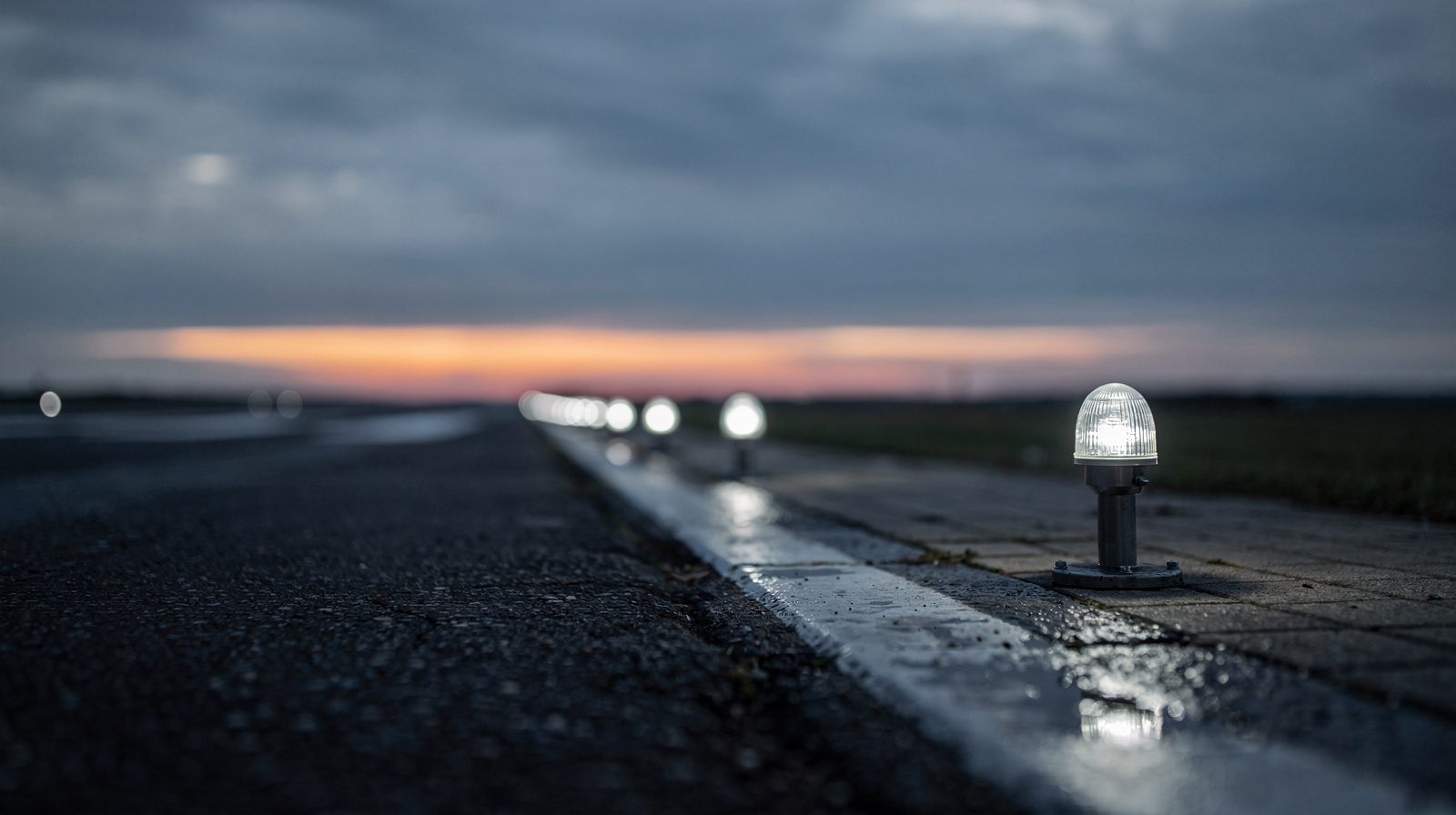
Runway edge lights outline the lateral boundaries of the runway. Their standard color is white, but the last 600 meters (or one-third the length) on instrument runways use yellow (amber) to signal the approaching runway end.
- Intensity Classes: High (HIRL), Medium (MIRL), and Low (LIRL).
- Spacing: Usually not exceeding 60 meters (200 feet).
- Durability: Designed to withstand jet blast, snow removal, and occasional contact.
Threshold Lights
Threshold lights mark the beginning of the usable runway for landing. They appear green from the approach direction, indicating “safe to land.” For displaced thresholds, lights are green toward approach and red in the opposite direction.
- Spacing: Intervals not exceeding 3 meters (10 feet).
- Purpose: Provide a clear and unmistakable signal for landing zone identification.
Runway End Identifier Lights (REILs)
REILs are high-intensity, synchronized flashing lights placed on either side of the runway threshold. They rapidly identify the runway end, particularly where the threshold is difficult to distinguish due to environmental clutter.
- Flashing Frequency: Typically 2–3 flashes per second.
- Role: Enhance visibility of the runway end for both straight-in and circling approaches.
Runway Centerline Lights
Installed in-pavement along the runway’s longitudinal axis, centerline lights are required for runways supporting low-visibility operations (Category II/III).
- Color Coding: White for most of the runway, alternating red/white for the next 600 meters, and red for the final 300 meters.
- Spacing: 15 meters (50 feet) intervals.
Touchdown Zone Lights (TDZLs)
TDZLs are white light bars placed symmetrically on either side of the centerline, beginning 30 meters (100 feet) beyond the threshold and extending 900 meters (3,000 feet) or to the runway midpoint.
- Role: Mark the optimal touchdown area, crucial for safe landings in low visibility.
Taxiway Lights
Taxiway lighting ensures safe aircraft movement on the ground.
- Edge Lights: Blue, spaced up to 60 meters (200 feet).
- Centerline Lights: Green, in-pavement, spaced at 15 meters (50 feet).
- Lead-on/Lead-off Lights: Alternate green/yellow at runway/taxiway transitions.
- Stop Bars: Red in-pavement lights, ensuring aircraft do not enter active runways without clearance.
Visual Slope Guidance: VASI and PAPI
- VASI (Visual Approach Slope Indicator): Light bars in rows perpendicular to the runway, displaying red or white to indicate whether the approach is above, below, or on the correct glide path.
- PAPI (Precision Approach Path Indicator): A row of two or four lights on one side of the runway. The combination of red and white lights allows pilots to maintain the ideal glide slope.
Both systems are essential at airports lacking precision instrument approach aids and are highly visible by day and night.
Runway Light Colors and Their Meanings
| Color | Location/Usage | Meaning/Function |
|---|---|---|
| White | Edges, centerline, touchdown zone | Usable runway surface |
| Yellow | Edge (last 600m), runway/taxiway crossings | Caution, runway end approaching |
| Red | Runway end, stop bars, centerline (last 300m) | End of runway, stop, no entry |
| Green | Threshold, taxiway centerline | Start of landing area, taxi path |
| Blue | Taxiway edges | Outline of taxiway |
Technical Specifications
Spacing and Placement
- Runway Edge Lights: ≤ 60 meters (200 feet).
- Runway Centerline Lights: 15 meters (50 feet) intervals.
- Touchdown Zone Lights: Begin 30 meters (100 feet) from threshold, extend 900 meters (3,000 feet) or to runway midpoint.
- Threshold/End Lights: 3 meters (10 feet) apart.
- Taxiway Edge Lights: 60 meters (200 feet) intervals.
- Taxiway Centerline Lights: 15 meters (50 feet) intervals.
Intensity and Adjustability
Runway and taxiway lights are available in high, medium, and low intensity. Many systems feature adjustable intensity levels, controlled by air traffic control or pilots to match ambient conditions.
Runway Lighting in Practice
Control and Monitoring
Modern runway lighting systems are centrally controlled, often from the airport’s air traffic control tower or operations center. Lighting intensity can be adjusted based on visibility, time of day, and operational needs. Advanced systems include remote diagnostics, automatic fault detection, and even pilot-controlled lighting for smaller airports (using radio signals).
Maintenance and Reliability
Runway lighting fixtures are designed for high reliability, with durable construction and frangible mounts to minimize damage in the event of impact. Regular inspections, cleaning, and photometric testing are mandated by aviation authorities to ensure consistent performance.
Energy Efficiency and Sustainability
LED technology is becoming standard for runway and taxiway lighting, offering energy savings, reduced maintenance, and superior performance over traditional incandescent lamps. Solar-powered options are also emerging, especially at remote or temporary airstrips.
Regulatory Standards
- ICAO Annex 14, Volume I: Global standards for airport lighting, including photometric and colorimetric properties, placement, and control.
- FAA Advisory Circulars (e.g., AC 150/5340-30J): U.S. standards detailing installation, maintenance, and operational procedures.
Compliance ensures pilots encounter the same lighting cues at any airport, enhancing safety and efficiency worldwide.
Future Trends in Runway Lighting
- Smart Lighting Systems: Integration with airport management systems for dynamic control, energy optimization, and predictive maintenance.
- Enhanced Visual Guidance: Augmented reality and heads-up displays leveraging runway lighting data.
- Sustainability: Continued shift toward LED and solar-powered fixtures.
Conclusion
Runway lighting is the backbone of safe airport operations, providing pilots with clear, standardized visual information in all conditions. The complexity and precision of these systems reflect their vital role in aviation safety and efficiency.
Whether you’re an airport operator, pilot, or aviation enthusiast, understanding runway lighting is key to appreciating the sophistication behind every safe takeoff and landing.
Further Reading
- ICAO Annex 14 – Aerodromes
- FAA Advisory Circulars: Airport Lighting
- Airfield Lighting: A Guide to Design and Operations (UK CAA)
Frequently Asked Questions
- Why is runway lighting important in aviation?
- Runway lighting ensures pilots have clear visual guidance during landing, takeoff, and taxiing, particularly in night or low-visibility conditions. This reduces the risk of accidents, supports safe aircraft movement, and enables airports to operate regardless of weather or time of day.
- What types of runway lights are there?
- Major types include runway edge lights, centerline lights, threshold lights, touchdown zone lights, approach lighting systems, runway end identifier lights (REILs), and visual slope indicators such as PAPI and VASI. Each serves a unique function in guiding pilots and marking runway features.
- How are runway lighting systems regulated?
- Runway lighting systems are regulated by international bodies like ICAO and national authorities such as the FAA. Regulations specify light color, intensity, placement, and operational standards to ensure uniformity and safety at airports worldwide.
- What do different runway light colors indicate?
- White lights mark usable runway surfaces and centerlines, yellow indicates caution (runway end approaching), red marks runway ends or stop bars, green signals the runway threshold or taxiway centerlines, and blue outlines taxiway edges.
- Are runway lighting systems adjustable?
- Yes. Many runway lights, especially at major airports, feature adjustable intensity settings. Air traffic controllers or pilots can change brightness levels to match visibility conditions, ensuring optimal guidance at all times.
This is a reference entry. TarmacView provides drone inspection services and doesn't sell the equipment or materials described in this glossary.