What is Seal Coat Condition Inspection?
Seal Coat Condition Inspection – Evaluating Surface Treatment Performance and Retreatment Timing
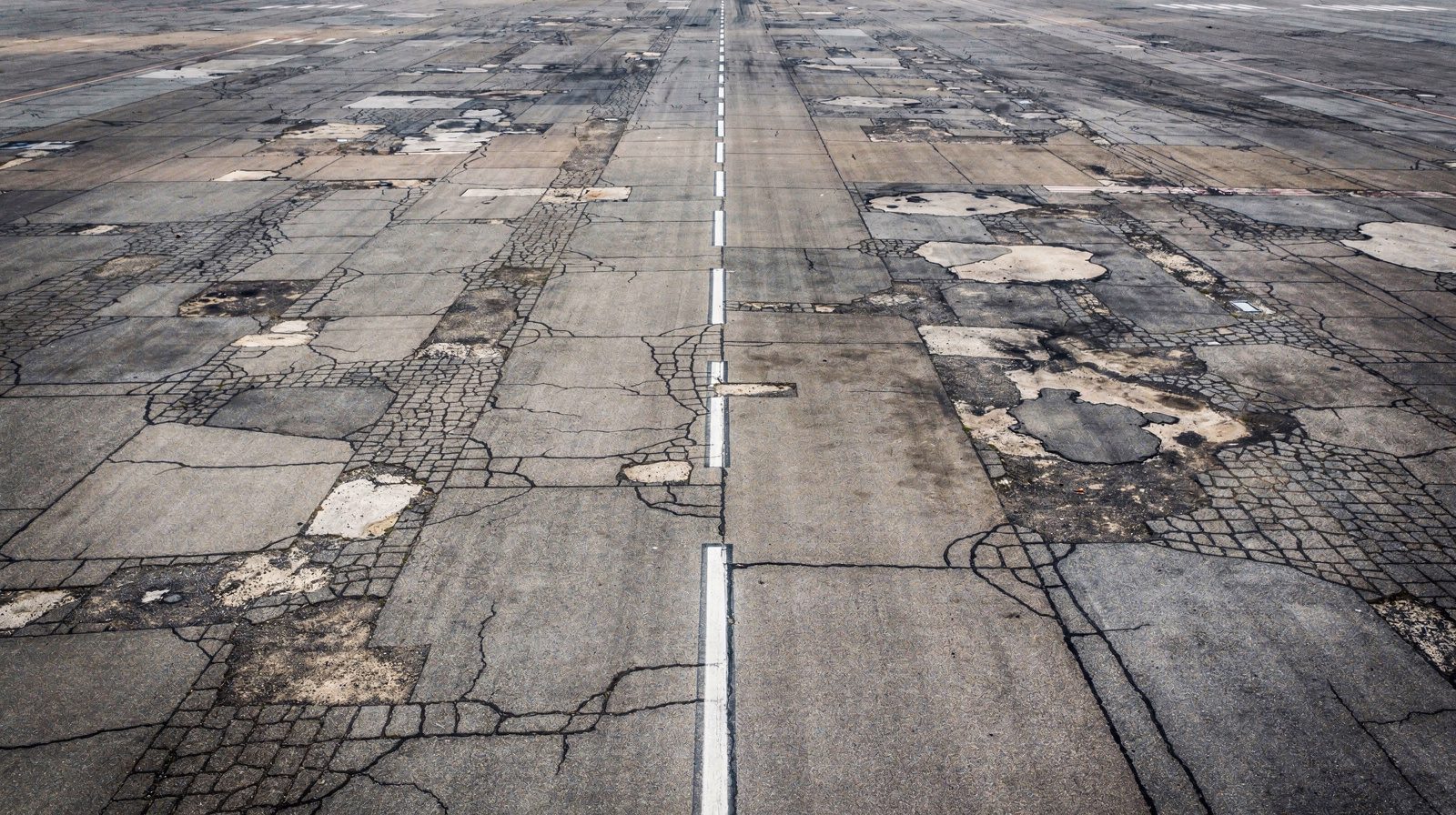
Seal coat condition inspection is the systematic process of evaluating the physical state, functional performance, and deterioration level of pavement surface treatments. Unlike structural pavement evaluation, which focuses on load-bearing capacity and subgrade integrity, seal coat condition inspection concentrates exclusively on the thin wearing layer applied as part of a pavement preservation strategy. The inspection targets chip seals, slurry seals, microsurfacing, fog seals, scrub seals, and cape seals, all of which serve as sacrificial layers designed to protect the underlying pavement structure from environmental degradation and traffic wear.
Seal coat inspection serves a distinct purpose within pavement management. While a hot-mix asphalt overlay is evaluated for structural cracking, rutting, and fatigue failure, a seal coat is assessed primarily for functional deterioration mechanisms: loss of cover aggregate (ravelling), oxidation embrittlement and associated cracking, bleeding or flushing of binder to the surface, delamination from the underlying pavement, and general surface wear from traffic abrasion and snowplow action. The International Civil Aviation Organization (ICAO) and the Federal Aviation Administration (FAA) include seal coat condition as part of their airfield pavement evaluation criteria, specifically addressing surface treatment distress in their inspection protocols.
The importance of regular seal coat condition inspection cannot be overstated. Seal coats have a finite service life typically ranging from 3 to 10 years depending on treatment type, traffic volume, climate, and construction quality. Once a seal coat begins to fail, it no longer provides waterproofing protection, oxidation resistance, or skid resistance to the underlying pavement. If left unaddressed, the underlying pavement structure begins to deteriorate rapidly, turning what was a $2–$5 per square yard preservation treatment into a $20–$50 per square yard rehabilitation requirement. Regular condition inspection ensures timely retreatment, maximizing the return on the preservation investment.
Seal Coat Inspection Items and Distress Identification
Seal coat condition inspection follows a structured distress identification protocol that varies slightly depending on the type of surface treatment under evaluation. The inspection items fall into several categories: aggregate retention (for chip seals and cape seals), surface integrity (for slurry seals and microsurfacing), binder condition (for all treatment types), bond to substrate (for all treatment types), and surface texture and friction characteristics.
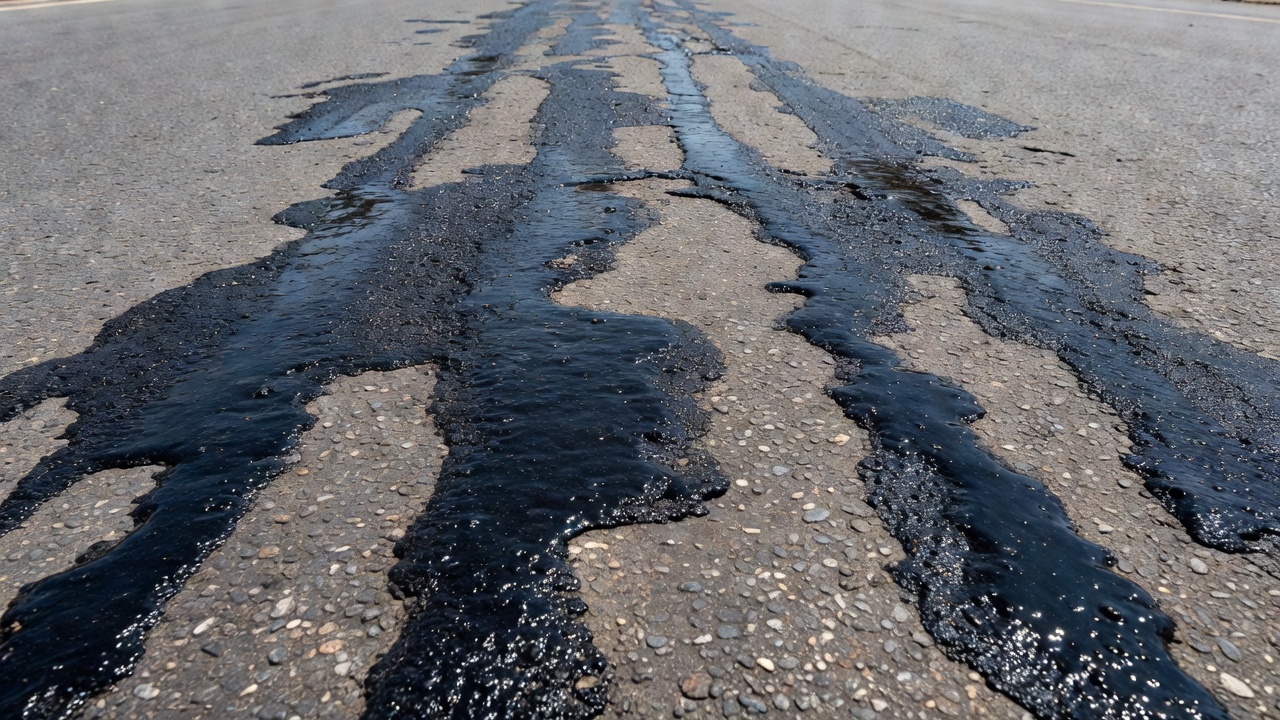
The Texas Department of Transportation (TxDOT) Seal Coat and Surface Treatment Manual identifies five principal defects: loss of aggregate, poor adhesion or bond to the road surface, streaking, flushing, and surface treatment defects including potholing and base failure. The Minnesota Seal Coat Handbook (MnDOT, revised 2021) adds oxidation, raveling, and bleeding to this list, providing specific inspection criteria for each distress type. The International Slurry Surfacing Association (ISSA) publishes an Inspector’s Manual that defines acceptance criteria for slurry seal and microsurfacing condition including surface uniformity, color consistency, edge condition, and joint quality.
During a seal coat condition inspection, the inspector documents the following for each distress type: distress type as defined by the applicable standard, severity level (low, moderate, high) based on quantitative or qualitative descriptors, extent expressed as percentage of affected area or linear feet per section, and location within the pavement section (wheelpath, centerline, edge, full width). This data feeds directly into Pavement Condition Index (PCI) calculation per ASTM D5340 for airports or ASTM D6433 for roads and parking lots.
Standardized inspection forms and mobile data collection applications are now widely used. The inspector walks or drives the pavement section, recording distresses at consistent intervals (typically every 100–500 feet depending on the survey level). For network-level surveys, sampling rates of 10–20% of the total lane-miles may be sufficient, while project-level inspections require 100% coverage. The FAA Advisory Circular 150/5380-6B specifies that detailed PCI surveys for airport pavements should include 20 sample units per pavement section for reliable condition estimation.
Aggregate Loss in Chip Seals, Raveling and Stone Dislodgement
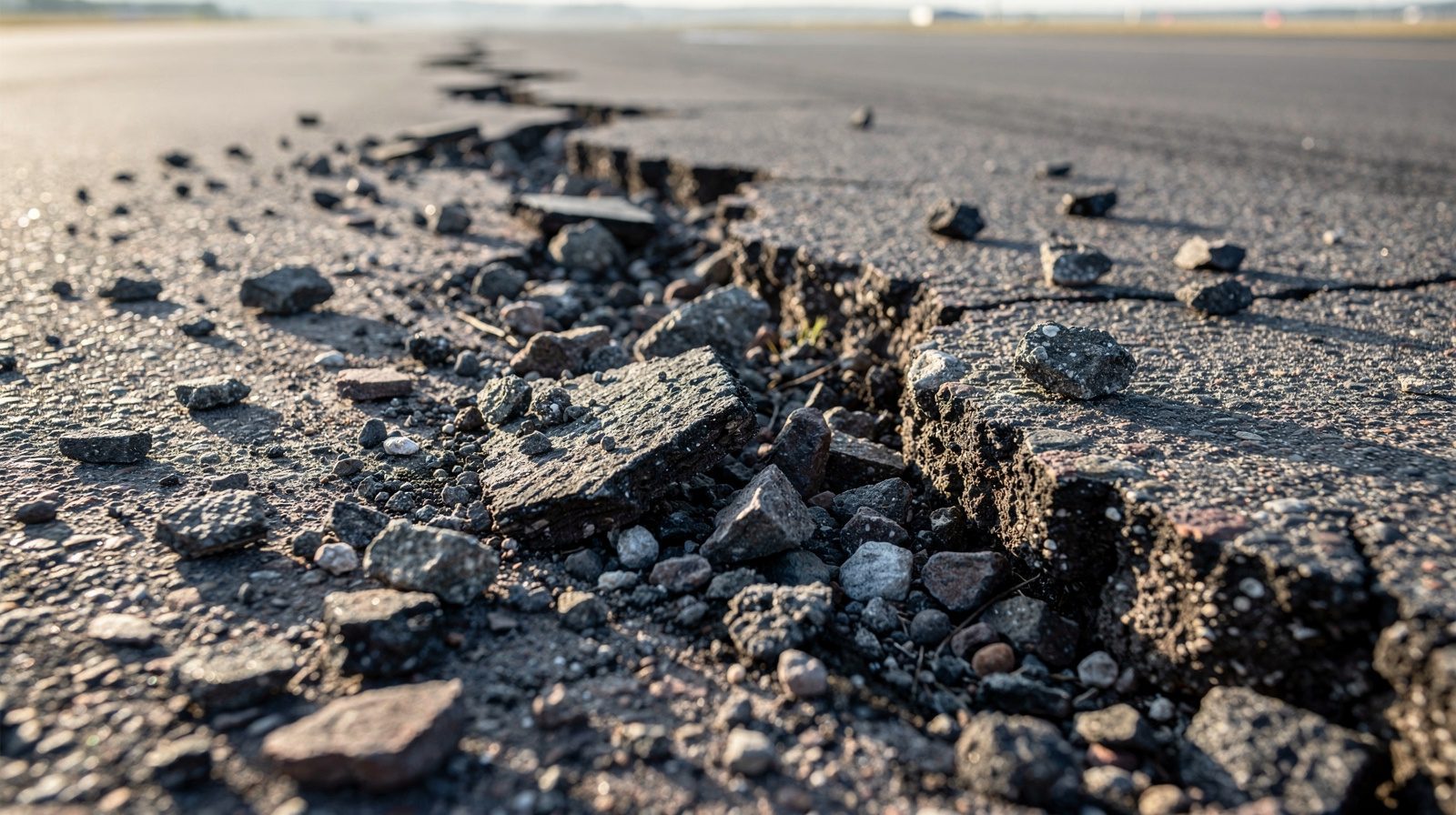
Aggregate loss, also called ravelling or stone dislodgement, is the most common distress observed in chip seal surface treatments. It occurs when the cover aggregate particles become detached from the asphalt binder and are removed by traffic, wind, or water. Aggregate loss compromises the chip seal’s ability to provide skid resistance and waterproofing, and it exposes the underlying binder to direct UV radiation and tire abrasion. Once aggregate loss exceeds approximately 20–30% of the surface area, the chip seal is considered functionally failed and requires retreatment.
The TxDOT Seal Coat Manual identifies eight primary causes of aggregate loss. The most common is insufficient binder application, when the emulsion application rate is too low to fully embed and retain the cover aggregate particles. The relationship between binder application rate and aggregate retention is governed by the aggregate’s median particle size (M), flakiness index (FI), and the average least dimension (ALD) of the aggregate. A properly designed chip seal should achieve embedment of approximately 50–70% of the aggregate particle height into the binder after rolling. If binder application is inadequate, the aggregate sits too high in the binder film and is easily dislodged.
Delayed aggregate application after binder spraying is another major cause. Emulsion binders begin to break (the process where asphalt particles separate from water) within seconds to minutes of application, depending on ambient temperature, humidity, and wind conditions. If aggregate is not applied within the proper window, typically 30–90 seconds for rapid-set emulsions like CRS-2P, the binder may have already begun curing on the surface, preventing proper embedment of the cover stone. The MnDOT Seal Coat Handbook specifies that aggregate must be spread immediately behind the asphalt distributor, with the chip spreader operating no more than 50–100 feet behind the distributor at normal operating speeds.
Dusty or dirty aggregate prevents adhesion between the binder and the aggregate surface. Dust coats the aggregate particles, creating a physical barrier that the emulsion cannot penetrate. The ISSA specifies that aggregate for chip seals should have a dust content (percentage passing the No. 200 sieve) of no more than 1–2% by weight. Moist aggregate also causes adhesion problems, a film of water on the aggregate surface interferes with the electrostatic bond between the cationic emulsion and the negatively charged aggregate surface.
Inadequate rolling contributes to aggregate loss as well. Pneumatic tire rolling embeds the aggregate into the binder, achieving the necessary particle orientation and embedment depth. The MnDOT handbook specifies a minimum of three to four complete coverages with a pneumatic roller immediately after aggregate spreading. Insufficient rolling leaves aggregate particles poorly embedded and vulnerable to traffic dislodgement. Premature trafficking before the emulsion has fully cured also causes aggregate loss. Most chip seals require 2–4 hours of curing time before being opened to traffic, and even then, speed restrictions (typically 30 mph or less) are recommended for the first 24–48 hours.
During inspection, aggregate loss is quantified by estimating the percentage of the surface area from which cover aggregate has been removed. Low severity aggregate loss (less than 10% of the area) may not warrant retreatment but signals that the seal coat is aging. Moderate severity (10–30%) indicates declining performance, and high severity (greater than 30%) constitutes functional failure. Aggregate loss is typically most severe in the wheelpaths, where tire abrasion is concentrated, and may be more pronounced on curves and intersections where turning actions scuff the surface.
Oxidation and Cracking in Slurry Seals and Microsurfacing
Oxidation is the chemical reaction between oxygen in the atmosphere and the asphalt binder in a seal coat. Over time, oxidation causes the asphalt to harden, become brittle, and lose its ability to flex under thermal and traffic loading. The process is driven by UV radiation from sunlight, high surface temperatures, and the diffusion of oxygen into the thin asphalt film. Because seal coats are thin, typically 3/8 to 1/2 inch for slurry seals and microsurfacing, and single-stone thickness (approximately 1/4 to 3/8 inch) for chip seals, they are particularly susceptible to rapid oxidation compared to thicker HMA overlays.
Slurry seals and microsurfacing are both asphalt emulsion–aggregate mixtures applied as thin surface treatments. While slurry seals rely on the evaporation of water from the emulsion to break and cure, microsurfacing uses chemical break control additives (typically Portland cement or aluminum sulfate) to accelerate the curing process regardless of ambient conditions. Both treatment types form a dense, mortar-like surface that seals cracks and provides a new wearing surface. However, both are subject to oxidation cracking as the binder ages.
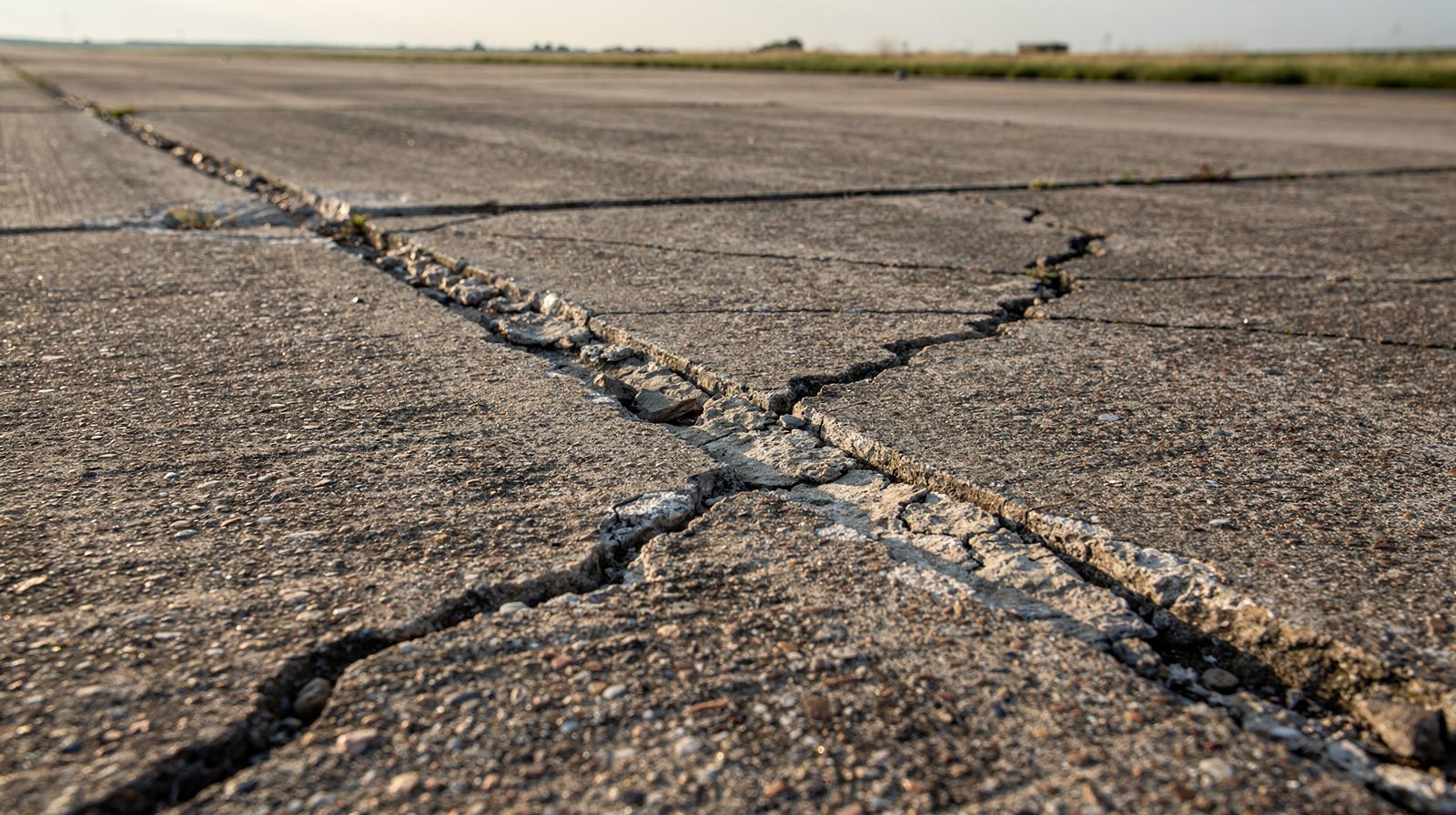
Oxidation cracking in slurry seals and microsurfacing appears as a pattern of fine, interconnected cracks on the surface, often described as crazing or map cracking. In the early stages, these cracks are hairline in width (less than 1 mm) and only visible on close inspection. As oxidation progresses, the cracks widen to 1–3 mm, may become interconnected, and begin to follow the wheelpath pattern. At advanced stages, oxidation cracks can exceed 3 mm in width, form alligator-style patterns, and allow water infiltration into the underlying pavement.
The rate of oxidation is influenced by several factors. Climate is the dominant factor, pavements in hot, sunny climates (sunshine belt states, equatorial regions) oxidize 2–4 times faster than pavements in cool, cloudy climates. Binder selection also matters, polymer-modified emulsions (CRS-2P, PM-CQS-1h) show significantly slower oxidation rates than unmodified emulsions because the polymer network provides additional flexibility and oxidative resistance. Treatment age is the third factor, oxidation accelerates as the treatment ages because the hardened surface layer becomes more permeable, allowing deeper oxygen penetration.
During inspection, the inspector assesses oxidation by examining surface color (dark black indicates fresh binder, gray or brown indicates oxidative aging), surface texture (loss of flexibility evident in surface checking), and the presence of pattern cracking. The PCI distress classification for surface treatment cracking distinguishes between block cracking (interconnected cracks forming large polygons) and crocodile cracking (fatigue-related interconnected cracks in wheelpaths). In seal coats, block cracking is more common and is directly associated with oxidation embrittlement rather than structural fatigue.
Inspection criteria for oxidation cracking follow severity and extent thresholds. Low severity: hairline cracks less than 1 mm wide, cracks difficult to see without close inspection, and less than 10% of the surface area affected. Moderate severity: cracks 1–3 mm wide, clearly visible, forming a pattern covering 10–30% of the surface. High severity: cracks wider than 3 mm, interconnected pattern covering more than 30% of the surface, with edges beginning to ravel and spall. A slurry seal or microsurfacing with moderate to high severity oxidation cracking is a candidate for retreatment, typically with a fog seal, rejuvenator seal, or a new slurry seal/microsurfacing application.
Bleeding and Flushing, Excess Binder at the Surface
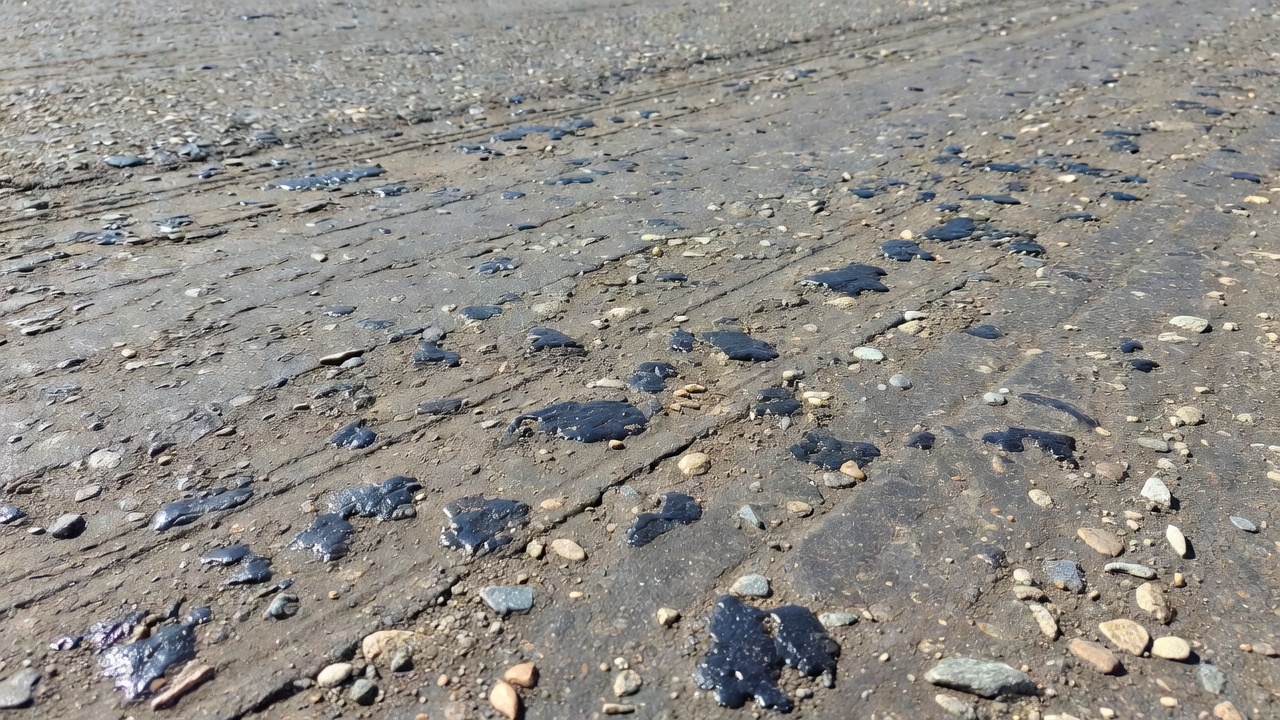
Bleeding and flushing are the terms used to describe the condition where excess asphalt binder rises to the pavement surface, creating a dark, shiny, and often sticky surface condition. The terms are often used interchangeably, but research by the Texas Department of Transportation (Lawson, Leaverton, and Senadheera, 2007) makes a distinction: flushing is the past-tense condition of a pavement that already has excess binder at the surface, while bleeding is the active process of binder rising to the surface, typically under traffic loading and high temperatures.
The fundamental mechanism of bleeding is straightforward: excess binder fills the void spaces between aggregate particles in the seal coat. When the voids are completely filled, the binder has nowhere else to go and extrudes upward onto the surface. The TxDOT manual states, “Too much bituminous binder used during the construction of seal coats and surface treatments is one of the most common defects.” Bleeding is typically worst in the wheelpaths, where traffic compaction and the kneading action of tires force binder upward, and at intersections, where turning actions and stopping/starting create additional binder migration.
Causes of bleeding and flushing fall into five categories as identified by the Texas Tech research. Aggregate issues include using aggregate that is too small for the binder application rate, dirty aggregate that reduces the effective void space, and excessive fines that fill voids. Binder issues include excessive binder application rate, using binder that is too soft for the traffic and climate conditions, and applying binder at too high a temperature. Traffic issues include high traffic volumes that compact the seal coat beyond design expectations, heavy truck traffic that exerts higher contact pressures, and turning movements at intersections that create shear forces on the binder. Environmental issues include high ambient temperatures that soften the binder, and multiple days of sustained heat that allow binder migration. Construction issues include inadequate curing time before opening to traffic, placing seal coats too late in the season (insufficient traffic before cold weather), and applying fog seals over chip seals before the underlying chip seal has fully cured.
Bleeding is a safety-critical distress because it reduces skid resistance. When excess binder covers the aggregate surface, the microtexture and macrotexture that provide friction are lost. Wet-weather skid resistance is particularly compromised because water cannot drain through the surface texture, leading to hydroplaning risk. The FAA requires airport pavements to maintain minimum friction values, and bleeding seal coats can fall below these thresholds, requiring immediate corrective maintenance.
During inspection, bleeding severity is classified by the extent of binder visible at the surface and its impact on surface texture. Low severity: binder visible in isolated areas, typically less than 10% of the wheelpath area, surface texture still discernible. Moderate severity: binder covers 10–25% of the wheelpath, aggregate particles partially submerged in binder, surface texture reduced. High severity: binder covers more than 25% of the wheelpath, aggregate particles fully submerged, surface appears smooth and glassy, significant loss of skid resistance. A bleeding seal coat with moderate or high severity requires corrective treatment, options include applying blotter sand or chat to absorb excess binder, applying a small-sized aggregate (Grade 4 or 5) to bridge over the bleeding binder, applying cold water or lime water to cool the surface and stop active bleeding, or in severe cases, cold milling the surface and replacing the seal coat.
The research report “Maintenance Solutions for Bleeding and Flushed Pavements Surfaced with a Seal Coat or Surface Treatment” (FHWA/TX-06/0-5230-1) provides detailed procedures for each corrective option. For example, applying lime water to active bleeding has been shown to create a crust over the bleeding binder, preventing it from tracking onto vehicle tires while allowing the pavement to cool. Ultra-high pressure water cutting (UHPWC) has emerged as a promising technique for removing excess binder from flushed surfaces without damaging the underlying aggregate structure.
Delamination, Loss of Bond Between Seal Coat and Pavement
Delamination is the separation of the seal coat layer from the underlying pavement surface. It is the most severe failure mode for a seal coat because it represents a complete loss of function, the seal coat is no longer bonded to the pavement and can peel away in sheets, exposing the underlying surface to traffic and environmental damage. Delamination is different from aggregate loss, in delamination, the entire treatment (binder plus aggregate) detaches, whereas in aggregate loss only the cover stone is removed while the binder remains bonded to the pavement.
Research by the Minnesota Local Road Research Board (LRRB), published in 2021 as report 2020-34, investigated delamination of seal coats in cold climates. The study, titled “Investigation of Asphalt Pavement Stripping Under Seal Coats,” confirmed that freeze-thaw cycles are the primary driver of delamination in northern climates. As temperatures cycle above and below freezing, moisture trapped at the interface between the seal coat and the underlying pavement expands and contracts, progressively weakening the bond. The research found that bond strength at the interface decreased with increasing numbers of freeze-thaw cycles due to microstructural damage from ice expansion in interfacial voids.
Mechanisms of delamination include: Moisture intrusion, water penetrates through cracks in the seal coat or at the pavement edges and accumulates at the interface. When this water freezes, it expands and weakens the bond. Poor surface preparation, dust, dirt, moisture, or vegetation on the pavement surface before seal coat application prevents proper adhesion. The TxDOT manual notes “a film or layer of dust” as a primary cause of poor bond. Incompatible binder and substrate, if the existing pavement is highly oxidized, the fresh emulsion may not achieve adequate mechanical or chemical bond. Excessively thick binder application, too much binder creates a thick film that can shear under traffic loading. Traffic shear forces, turning and braking actions at intersections and curves can shear the seal coat from the pavement, particularly if the bond is already compromised.
The Minnesota LRRB study tested 48 field cores from eight sites across the state and prepared nearly 300 laboratory samples for bond testing. The results showed that partial damage to seal coats leads to accelerated deterioration, once delamination begins in localized areas, the rate of bond loss accelerates as water penetrates the exposed edges. The study identified polymer-modified emulsion with granite aggregate as the optimal combination for freeze-thaw resistance. The polymer modification improves the binder’s elasticity and adhesion, while the granite aggregate offers better resistance to stripping than some other aggregate types.
During inspection, delamination is identified by: Hollow sound when tapped, an inspector using a hammer or steel rod can hear a hollow or drum-like sound where the seal coat has debonded. Edge peeling, the edges of the seal coat may curl upward, particularly at pavement joints or along longitudinal construction joints. Traffic-induced peeling, traffic action may peel away sections of the seal coat, creating bare patches. Moisture blistering, water trapped beneath the seal coat may create blisters that are visible on the surface. Width of debonding, the extent of debonding can be estimated by striking the surface and listening for hollow sounds, or by using infrared thermography to detect temperature differentials between bonded and debonded areas.
Delamination severity is classified by extent. Low severity: less than 5% of the treated area affected, isolated patches of debonding. Moderate severity: 5–15% of the treated area, peeling at edges, hollow-sounding areas in wheelpaths. High severity: greater than 15% of the treated area, visible peeling and loss of seal coat, exposed underlying pavement requiring repair. A seal coat with any delamination requires immediate investigation and likely retreatment, as delamination will only worsen with time and traffic.
Expected Service Life by Treatment Type
The service life of a seal coat varies significantly by treatment type, construction quality, traffic loading, climate, and the condition of the underlying pavement at the time of application. Expected service life is a critical parameter in pavement management systems because it determines the optimal retreatment interval and the life-cycle cost of the preservation strategy.
| Treatment Type | Expected Service Life | Typical Application | Key Performance Factors |
|---|---|---|---|
| Fog Seal | 2–4 years | Low-volume roads, parking lots, chip seal top dressing | Light traffic, moderate climate, full curing before opening |
| Chip Seal | 5–7 years | Rural roads, highways, airport secondary pavements | Polymer modification extends life, high truck traffic reduces life |
| Slurry Seal | 4–7 years | Residential streets, parking lots, low-volume roads | Surface preparation critical, requires 4–6 hours curing |
| Microsurfacing | 7–10 years | Highways, intersections, high-traffic areas | Polymer-modified, can be opened to traffic within 1 hour |
| Scrub Seal | 6–7 years | Cracked pavements, oxidized surfaces | Rejuvenator additive extends life by restoring flexibility |
| Cape Seal | 8–12 years | Moderate to high traffic roads | Chip seal + slurry seal combination, excellent durability |
| Rejuvenator Seal | 4–6 years | Oxidized pavements, aging surfaces | Reapplied every 4–6 years, restores surface flexibility |
These service life estimates are based on data from the Federal Highway Administration (FHWA), the International Slurry Surfacing Association (ISSA), and multiple state DOT studies including the MnDOT Seal Coat Handbook (2021) and the Iowa SUDAS manual. The FHWA’s Pavement Preservation Treatment Construction Guide (2019) reports that crack and fog seals extend pavement life by 1–4 years, chip seals by 5–7 years, and microsurfacing by 7–10 years.
Factors that reduce seal coat service life include: High traffic volume, pavements with average daily traffic (ADT) exceeding 10,000 vehicles per day experience accelerated wear. Research from the Oregon DOT (ODOT) found a weighted average service life of only 4 years for chip seals on high-volume roads. Heavy truck traffic, single-axle and tandem-axle truck loads exert significantly higher contact pressures than passenger cars, accelerating aggregate loss and binder flushing. Cold climate freeze-thaw cycles, multiple freeze-thaw cycles per winter (common in the upper Midwest and mountain states) reduce bond strength and accelerate delamination. Poor underlying pavement condition, seal coats applied over pavements with existing structural distresses (alligator cracking, rutting, potholes) will fail prematurely regardless of treatment quality. Construction quality defects, inadequate binder application, dusty aggregate, poor rolling, and premature trafficking all shorten service life.
Factors that extend seal coat service life include: Polymer-modified binders, polymer modification improves elasticity, adhesion, and oxidative resistance, extending chip seal life by 1–3 years. Fog seal top dressing, applying a fog seal over a chip seal within 1–2 weeks of construction increases aggregate retention and improves resistance to snowplow damage. Proper surface preparation, crack sealing and pothole repair before seal coat application prevents localized failures. Timely application, seal coats perform best when applied to pavements in good to excellent condition (PCI 80–100), not after significant deterioration has occurred.
The concept of remaining service life (RSL) is central to seal coat management. RSL is the estimated number of years a seal coat will continue to provide adequate performance before requiring retreatment. Inspection data on aggregate loss, cracking, bleeding, and delamination are used to update RSL estimates. For example, a 3-year-old chip seal with less than 5% aggregate loss and no cracking has an RSL of 2–4 years (assuming a 5–7 year total life). A 3-year-old chip seal with 15% aggregate loss and moderate cracking has an RSL of 0–1 year and requires retreatment.
Retreatment Decision Triggers
The decision to retreat a seal coat is based on condition thresholds that indicate the treatment no longer provides adequate protection to the underlying pavement. Retreatment timing is critical, applied too early, and the full economic benefit of the previous treatment is not realized, applied too late, and the underlying pavement deteriorates to the point where preservation is no longer feasible and rehabilitation is required.
Quantitative retreatment triggers based on distress extent provide objective criteria for retreatment decisions:
| Distress Type | Low Severity (No action needed) | Moderate Severity (Monitor) | High Severity (Retreat) |
|---|---|---|---|
| Aggregate Loss | < 10% of area | 10–30% of area (plan retreatment within 1 year) | > 30% of area (retreat immediately) |
| Oxidation Cracking | Cracks < 1 mm, < 10% area | Cracks 1–3 mm, 10–30% area | Cracks > 3 mm, > 30% area |
| Bleeding | < 10% of wheelpath | 10–25% of wheelpath | > 25% of wheelpath |
| Delamination | < 5% of area (investigate) | 5–15% of area | > 15% of area |
| Alligator Cracking | None present | Fine cracks in isolated wheelpath areas | Structural failure, not retreatable with seal coat |
These thresholds are derived from the TxDOT Seal Coat Manual, the MnDOT Seal Coat Handbook, the ISSA Inspector’s Manual, and various state DOT pavement management guidelines. The specific thresholds may vary by agency and treatment type.
PCI-based retreatment triggers offer a second decision framework. Pavements with PCI values of 70–85 (Very Good to Good) are excellent candidates for seal coat retreatment. Pavements with PCI values of 50–70 (Fair to Satisfactory) may still be candidates but require more extensive preparation such as crack sealing and patching. Pavements with PCI values below 50 (Poor to Very Poor) are generally not suitable for seal coat retreatment and require structural rehabilitation (overlay or reconstruction). The FHWA’s Pavement Preservation treatment selection guidelines emphasize that preservation treatments including seal coats should only be applied to pavements in “good” condition (typically defined as PCI 70 or above).
Timing-based retreatment triggers may also be used for network-level management. Many agencies apply seal coats on a cyclical basis, for example, reapplying every 5–7 years on a given route regardless of condition, because this approach simplifies program management and ensures that no pavement section falls too far below the optimal treatment window. However, condition-based retreatment (adjusting the timing based on actual observed distresses) is more cost-effective because it avoids both under-treatment (allowing deterioration) and over-treatment (applying seal coats before they are needed).
Economic retreatment triggers consider the cost-effectiveness of retreatment versus alternative strategies. The concept of life-cycle cost analysis (LCCA) compares the present worth of retreatment sequences (e.g., chip seal every 6 years for 30 years) against rehabilitation sequences (e.g., overlay at year 15 and year 30). Seal coat retreatment is economically justified as long as the pavement can be maintained in good condition, the point at which the pavement transitions from “good” to “fair” is the latest acceptable retreatment trigger. The Pavement Preservation and Recycling Alliance (PPRA) provides life-cycle cost calculators that help agencies identify the optimal retreatment timing for their specific conditions.
Seal Coat Condition and Pavement Condition Index (PCI)
The Pavement Condition Index (PCI) is the most widely used pavement condition rating system in the world. Developed by the U.S. Army Corps of Engineers in the late 1970s and standardized under ASTM D5340 (for airport pavements) and ASTM D6433 (for roads and parking lots), PCI provides a numerical rating from 0 to 100 based on the type, severity, and extent of observed distresses. Seal coat condition is explicitly captured in the PCI methodology through several distress categories.
PCI distress types applicable to seal coats include: Raveling (Weathering), the loss of aggregate and binder from the surface, directly corresponding to aggregate loss in chip seals and surface wear in slurry seals/microsurfacing. Block Cracking, interconnected cracks forming large polygons, associated with oxidation embrittlement. Longitudinal and Transverse Cracking, individual cracks that may reflect through the seal coat from the underlying pavement. Bleeding, excess binder at the surface, captured as a separate distress category. Patching, repair patches in the seal coat area. Slippage Cracking, crescent-shaped cracks indicating delamination or bond failure at the treatment interface.
Each distress type has a deduct value curve that assigns points based on severity and extent. The deduct values are summed and adjusted using a correction factor to produce the final PCI score. For example, raveling (weathering) of a chip seal at moderate severity over 20% of the sample unit area carries a deduct value of approximately 15–20 points. If bleeding is also present at moderate severity over 15% of the area, the combined deduct may be 25–35 points, potentially reducing a sample unit from a PCI of 85 (Good) to 55 (Fair).
The relationship between seal coat condition and PCI follows a consistent pattern. A newly applied seal coat typically has a PCI of 95–100 (Excellent). After 1–2 years of service, minor wear and oxidation may reduce the PCI to 85–95 (Excellent to Very Good). At 3–5 years, aggregate loss, oxidation cracking, and surface wear may reduce the PCI to 70–85 (Good). At 6–8 years, advancing deterioration may bring the PCI to 50–70 (Fair), which is the typical trigger point for retreatment in most pavement management systems.
PCI surveys specifically for seal coats must distinguish between the condition of the seal coat itself and the condition of the underlying pavement. Some distresses visible on the seal coat surface, such as alligator cracking or rutting, are structural distresses that indicate failure of the underlying pavement, not the seal coat. In these cases, seal coat retreatment alone is insufficient, structural rehabilitation is required. The PCI methodology accounts for this by allowing multiple distress types to coexist, and the PCI score reflects the combined condition. An experienced inspector distinguishes between seal coat surface distress and structural distress to ensure appropriate treatment recommendations.
The PCI inspection frequency specified by the FAA for airport pavements is annual visual inspections with formal PCI surveys every 3 years for pavements in good condition. Higher frequency is recommended for rapidly deteriorating pavements. The data from multiple PCI survey cycles provides the condition trend, the rate of PCI decline over time, which allows agencies to predict when the pavement will reach retreatment thresholds and to budget accordingly.
Inspection Frequency
The frequency of seal coat condition inspection depends on the pavement’s functional classification, traffic volume, the criticality of the facility, available budget, and regulatory requirements. Different inspection frequencies apply at the network level (broad condition assessment for budgeting and planning) versus the project level (detailed condition assessment for treatment selection and design).
Annual visual inspections are the minimum recommended frequency for all paved surfaces with seal coat treatments. These inspections can be performed as windshield surveys (drive-by inspection at 15–25 mph) or walking inspections on critical sections. The FAA recommends that airport operators conduct annual visual inspections of all paved surfaces, including seal coat treatments on runways, taxiways, and aprons. The annual inspection captures rapid changes in condition caused by winter damage, spring thaw, construction activities, or unusual traffic events.
Formal PCI surveys every 2–3 years are recommended for network-level condition assessment. The PCI survey provides a statistically valid estimate of pavement condition with known confidence intervals, enabling defensible budget requests and treatment prioritization. The FAA allows airports with a history of PCI surveys to extend the interval between formal surveys to 3 years for pavements in good condition. For pavements in fair or poor condition, annual surveys are recommended to track deterioration rates.
Project-level inspections are performed immediately before seal coat retreatment. These inspections provide 100% coverage of the treatment area with detailed distress mapping, including crack locations and widths, delamination zones, patching requirements, and any structural deficiencies that must be addressed before retreatment. The pre-treatment inspection typically includes destructive testing (coring) to verify layer thickness and bond condition, particularly for airfield pavements where load-bearing requirements are stringent.
Post-construction inspections are performed immediately after seal coat application to verify construction quality. The ISSA Inspector’s Manual specifies that post-construction inspection checks include: application rate verification (binder and aggregate), surface uniformity, longitudinal and transverse joint quality, edge condition, aggregate embedment, and surface texture. The inspection also verifies that the treatment meets the specified acceptance criteria before payment is authorized.
Special inspections may be triggered by: extreme weather events (flooding, freeze-thaw cycles, heat waves), unusual traffic events (detours, construction traffic, overweight vehicles), pavement condition complaints from users, or routine maintenance observations (bleeding noted during mowing, aggregate loss observed during sweeping). Special inspections should be performed within 30 days of the triggering event to capture condition changes before additional deterioration occurs.
Technology-enhanced inspection is changing the traditional frequency paradigm. Continuous monitoring systems using cameras and sensors mounted on airport vehicles or municipal fleet vehicles can provide daily condition data at minimal incremental cost. The University of Texas Center for Transportation Research has demonstrated that vehicle-mounted imaging systems can detect aggregate loss, cracking, and bleeding with accuracies exceeding 90% when validated against manual inspections. As these technologies mature, the concept of “inspection on every trip” may replace the annual inspection cycle for seal coat condition assessment.
Drone-Based Seal Coat Assessment
Drone-based seal coat assessment is one of the most significant advances in pavement inspection technology in the past decade. Unmanned Aerial Systems (UAS) equipped with high-resolution cameras, thermal sensors, and LiDAR can capture detailed pavement condition data over large areas in a fraction of the time required for traditional manual inspections. The technology has been validated by the FAA, ICAO, and multiple research institutions for seal coat condition assessment.
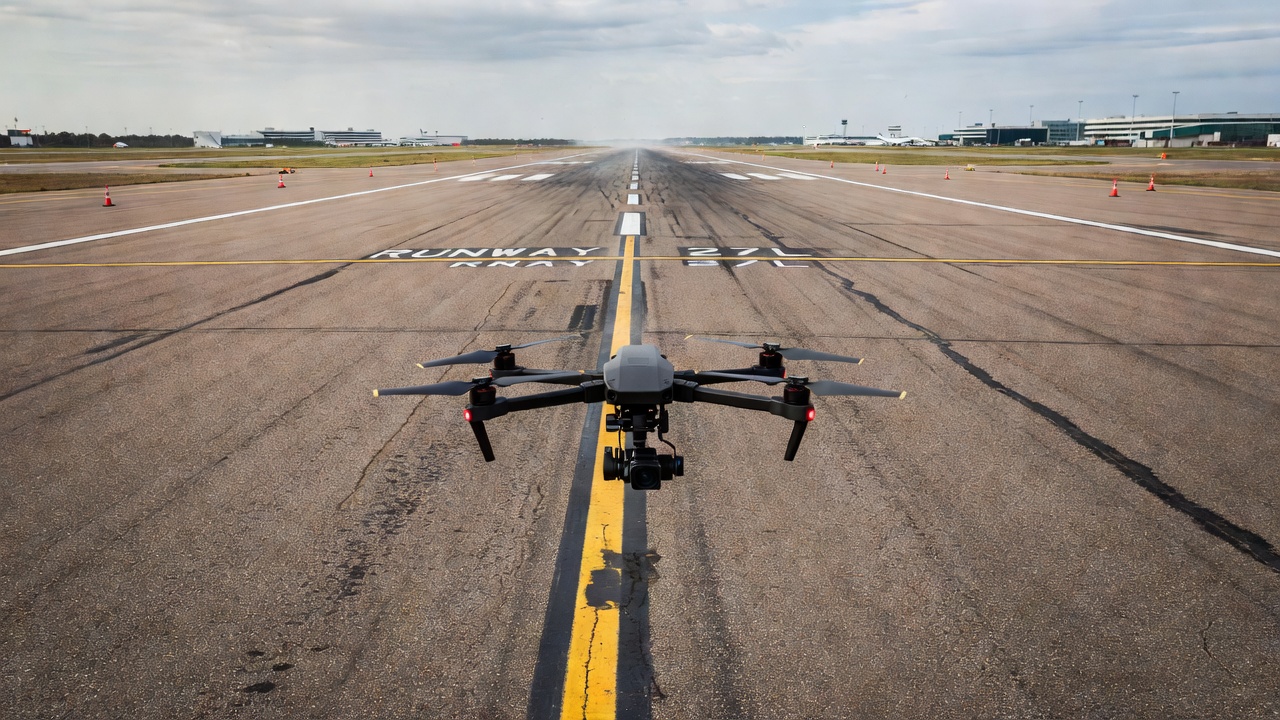
Resolution requirements for drone-based seal coat inspection are well established. The FAA’s Airport Technology R&D Branch conducted multi-airport trials from 2020–2022, flying 97 missions across five airports and collecting approximately 1.5 TB of imagery data. The study concluded that orthophotos with a ground sample distance (GSD) of 1.5–2.0 mm/pixel are required for reliable detection of seal coat distresses including aggregate loss, fine cracking, and surface wear. Achieving this resolution typically requires flying at altitudes of 8–15 meters above the pavement surface, depending on camera sensor specifications. Higher altitudes (30–60 meters) produce GSD of 10–15 mm/pixel, which is adequate for detecting major distresses like potholes and structural cracking but insufficient for fine crack detection and aggregate loss quantification.
Sensor types for drone-based seal coat assessment include: RGB (visible light) cameras, 20+ megapixel sensors capture color imagery for standard distress identification. The imagery is processed into orthomosaics (georeferenced composite images) using photogrammetry software. Thermal (infrared) cameras, detect temperature differentials between bonded and debonded seal coat areas. Delaminated areas heat and cool differently than bonded areas because the air gap at the debonded interface acts as an insulator. Thermal imaging can detect delamination 1–3 years before it becomes visible to the naked eye. LiDAR scanners, provide precise surface elevation data for measuring rut depth, surface texture, and pavement profile. LiDAR data is particularly useful for measuring macrotexture (mean texture depth) which correlates with skid resistance.
Case studies demonstrate the effectiveness of drone-based seal coat inspection. At Paris Charles de Gaulle Airport in 2016, ADP conducted one of the world’s first large-scale drone pavement inspections. A surface area of over 200,000 square meters was captured in approximately 1 hour 45 minutes of flight time, divided into nine short segments coordinated with air traffic control. The resulting orthomosaic had millimeter-level resolution and was analyzed against ICAO and EASA standards for permissible distress limits. The inspection identified distresses with greater detail and consistency than traditional foot-on-ground surveys, and the permanent digital record enabled year-over-year comparison for deterioration rate tracking.
At London Heathrow Airport, drone trials focused on FOD detection and surface condition assessment. The drones identified cracks and debris with AI-assisted object detection, reducing runway inspection time significantly. The FAA’s multi-airport trials confirmed that drone-based PCI surveys produce condition assessments equivalent to traditional methods when GSD is 2 mm/pixel or better. The study reported that drone-based surveys actually detected 42% more crocodile cracking area than manual surveys in one trial, suggesting that the elevated perspective and consistent imagery analysis reduce inspector-to-inspector variability.
Advantages of drone-based seal coat assessment include: Reduced inspection time, a 3000-meter runway that requires 2–3 hours for a walking inspection can be imaged in 20–30 minutes of flight time. Improved safety, inspectors are not exposed to live traffic, airfield operations, or hazardous pavement conditions. Consistent documentation, high-resolution orthophotos provide permanent records that can be re-analyzed with improved algorithms in the future. Objective analysis, automated distress classification using machine learning eliminates the subjective variability inherent in manual inspection. Comprehensive coverage, 100% of the surface is captured, eliminating the sampling errors inherent in manual PCI surveys that typically inspect only 20% of sample units.
Limitations include: Weather sensitivity, drones cannot operate in rain, high winds (typically above 20–25 mph), or low visibility. Regulatory restrictions, drone flights at airports require coordination with air traffic control and may require Special Airworthiness Certificates or waivers. Data processing requirements, high-resolution imagery generates large datasets (1–2 TB per 200,000 square meters) that require significant processing time and storage capacity. Resolution tradeoffs, lower altitude flights provide better resolution but cover less area per flight, requiring more flights to cover large pavement sections. Surface condition requirements, dry, clean pavement surfaces produce the best imagery, wet pavements obscure cracks and surface distresses.
Despite these limitations, drone-based seal coat assessment is rapidly becoming standard practice for major airports and highway agencies. The technology enables more frequent, more detailed, and more objective inspections, which in turn enables more timely and cost-effective seal coat retreatment decisions. As AI-based distress classification improves and regulatory frameworks evolve, drone-based inspection is expected to become the default method for seal coat condition assessment within the next decade.
Summary of Seal Coat Condition Inspection Protocol
A comprehensive seal coat condition inspection protocol includes the following elements: Pre-inspection preparation, review of previous inspection reports, treatment history, traffic data, and climate records, selection of inspection type (network-level vs. project-level), calibration of inspection equipment. Field data collection, systematic documentation of distress types, severity, extent, and location using standardized forms or mobile data collection software, photographic documentation of representative distresses. Data analysis, calculation of PCI or equivalent condition index, identification of retreatment candidates, estimation of remaining service life. Reporting, summary of inspection findings, condition maps, retreatment recommendations, cost estimates, and priority rankings. Integration with pavement management system, update of pavement condition database, projection of future condition trends, and refinement of retreatment schedule.
The seal coat condition inspection is a cornerstone of effective pavement preservation. By identifying deterioration early, when aggregate loss first reaches 10%, when oxidation cracks first appear, when bleeding first becomes visible, the inspector enables timely, cost-effective retreatment that preserves the underlying pavement. A successful preservation program depends on the quality, consistency, and frequency of seal coat condition inspections.
The inspection processes described in this article are referenced in the ICAO Airport Services Manual Part 2, the FAA Advisory Circular 150/5380-6B, the ASTM D5340 and D6433 standards, the TxDOT Seal Coat and Surface Treatment Manual, the MnDOT Seal Coat Handbook, and the ISSA Inspector’s Manual for Slurry Systems. These documents provide the detailed procedures, distress definitions, severity thresholds, and acceptance criteria that form the technical foundation of seal coat condition inspection worldwide.
Frequently Asked Questions
- What is a seal coat condition inspection?
- A seal coat condition inspection is a specialized pavement evaluation focused on surface treatments such as chip seals, slurry seals, microsurfacing, and fog seals. It documents distress types including aggregate loss, oxidation cracking, bleeding/flushing, and delamination, and determines whether the seal coat is still functional or requires retreatment. The inspection is distinct from structural pavement evaluation and concentrates on surface-level preservation performance.
- How often should seal coats be inspected?
- Seal coats should be visually inspected annually as part of a routine pavement condition survey. Detailed condition assessments are recommended every 2–3 years or when observable distresses reach moderate levels. For airport pavements, FAA Advisory Circular 150/5380-6B recommends annual inspections, with formal PCI surveys every 3 years for pavements in good condition. High-traffic areas may require more frequent inspections.
- What are the main distress types in seal coat inspection?
- The principal distress types are: aggregate loss (raveling) where cover stones dislodge from the binder, oxidation and cracking caused by UV aging and embrittlement of the asphalt, bleeding or flushing where excess binder rises to the surface, delamination where the seal coat debonds from the underlying pavement, streaking from non-uniform binder application, and general surface wear from traffic abrasion and snowplow damage.
- When should a seal coat be retreated?
- A seal coat should be retreated when aggregate loss exceeds 20–30% of the surface area, when oxidation cracking becomes moderate to severe with cracks wider than 3 mm, when bleeding covers more than 15–25% of the wheelpath area causing skid resistance loss, or when delamination exceeds 5–10% of the treated area. Pavements with PCI values dropping below 70 are generally excellent candidates for a new seal coat treatment.
- How does seal coat condition affect PCI ratings?
- Seal coat condition directly influences PCI through distress types such as aggregate loss (raveling), surface cracking, bleeding, patching, and weathering. Each distress type carries a deduct value based on severity and extent. A seal coat in good condition contributes to PCI values of 85–100. Once distresses accumulate to a PCI below 70, retreatment is typically warranted. The PCI methodology from ASTM D5340 (airports) and D6433 (roads) explicitly includes surface treatment distresses.
- Can drones be used for seal coat inspection?
- Yes, drone-based inspections are increasingly used for seal coat assessment. High-resolution orthophotos with a ground sample distance of 1–3 mm/pixel can detect aggregate loss, cracking, and surface wear. Thermal cameras can identify delamination zones through temperature differentials. FAA and ICAO have validated drone inspections as equivalent to traditional visual PCI surveys when imagery resolution is adequate. Benefits include reduced runway closure time, improved safety, and detailed permanent records.