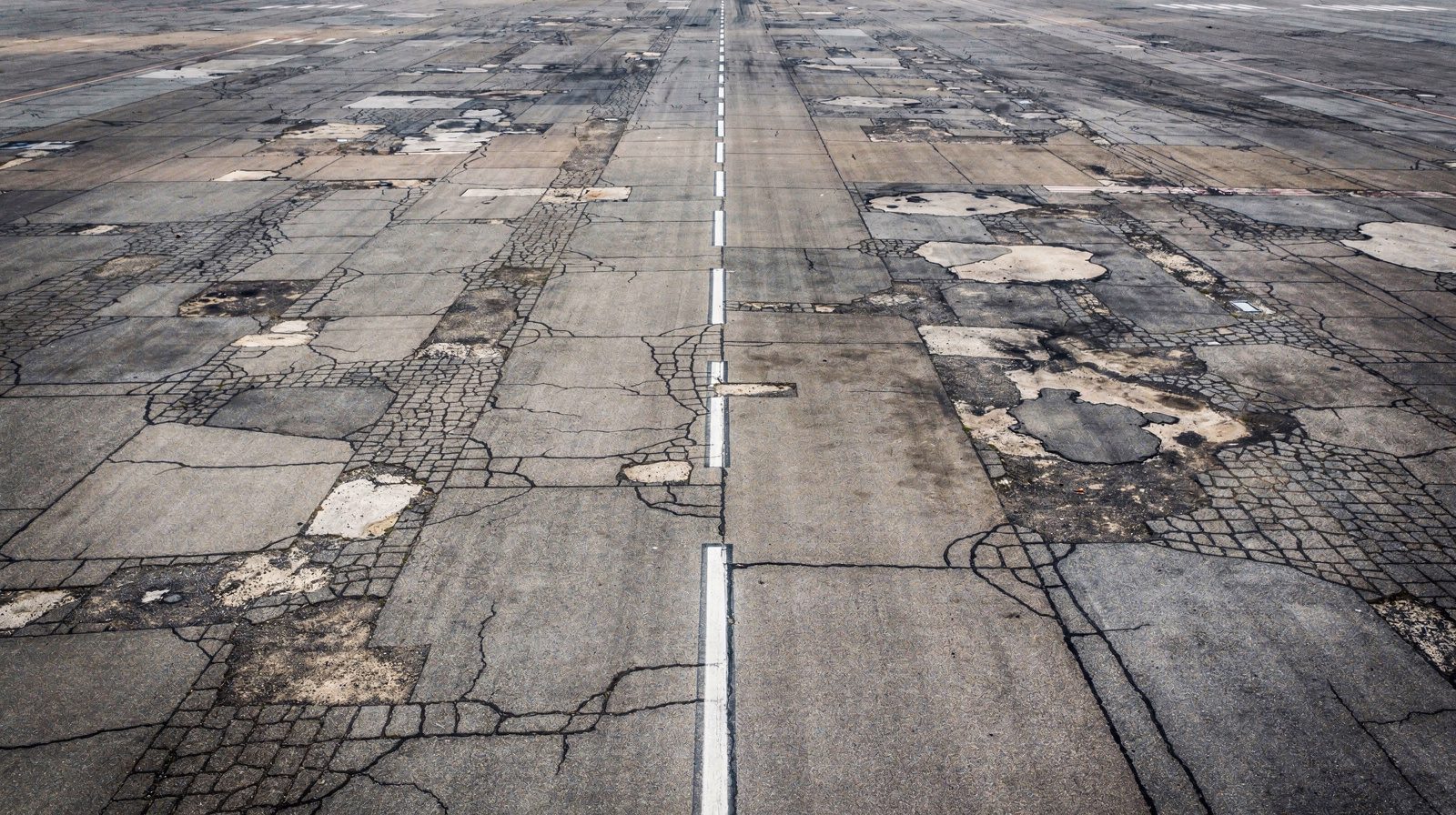
What is Slurry Seal?
Definition and Mix Design
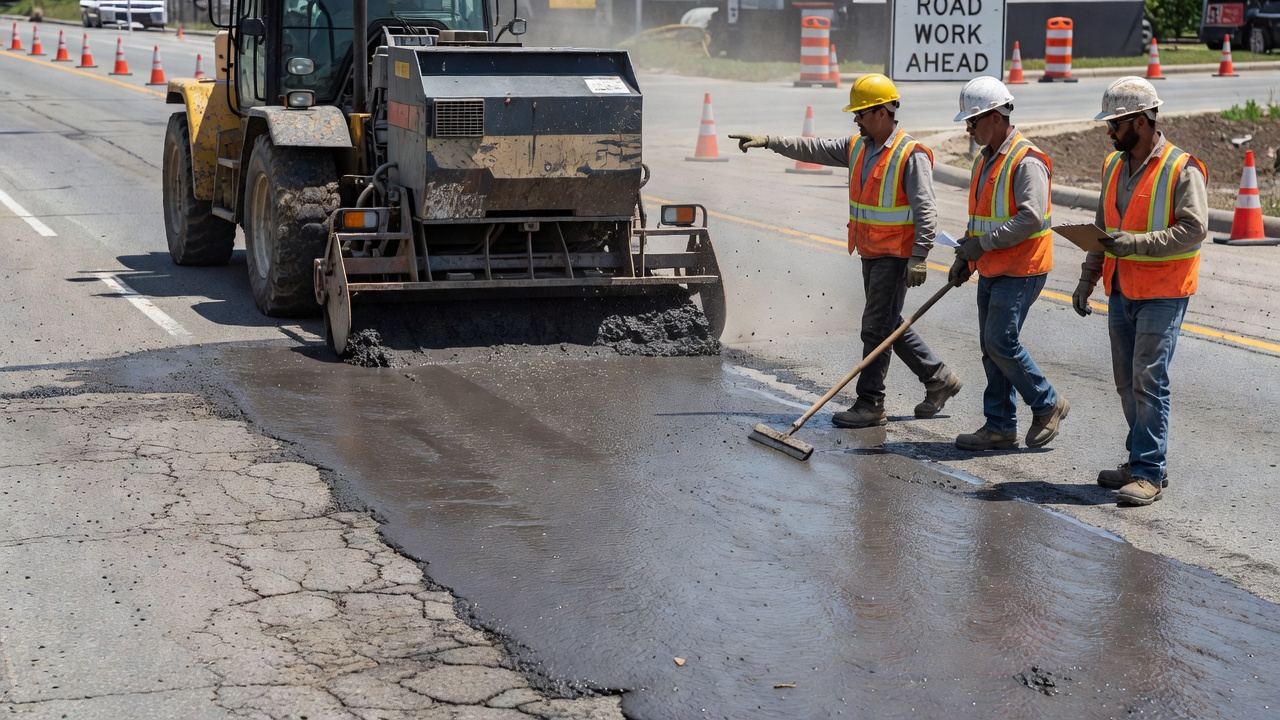
A slurry seal is a cold-mixed, cold-applied pavement surface treatment consisting of a homogeneous blend of emulsified asphalt, mineral aggregate, water, mineral filler, and chemical additives. The mixture is proportioned, mixed in a continuous-flow mixer, and spread uniformly over a prepared asphalt concrete pavement surface at a thickness ranging from 3 mm to 10 mm (approximately 1/8 to 3/8 inch). Once applied, the slurry seal cures primarily through evaporation of the water phase from the emulsion, leaving a residual asphalt binder that coats the aggregate particles, fills surface voids, and bonds the treatment firmly to the existing pavement. The curing process transforms the fluid slurry into a dense, skid-resistant wearing surface that protects the underlying pavement from oxidation, water infiltration, and traffic abrasion.
Slurry seal is classified as a pavement preservation or preventive maintenance treatment, not a structural overlay. It is applied to pavements that are still structurally sound but have begun to exhibit surface-level distresses such as oxidation, raveling, loss of friction, and minor cracking. The treatment is not designed to carry structural loads, the existing pavement structure must be adequate for the anticipated traffic. Slurry seal extends pavement life by sealing the surface against moisture and oxygen, restoring surface texture, and providing a renewed wearing course. When applied at the optimal time, typically when the pavement condition index (PCI) is between 70 and 90, slurry seal can extend the life of an asphalt pavement by 3 to 7 years at a cost significantly lower than hot mix asphalt overlays or reconstruction. The cost-effectiveness of slurry seal is well documented: agencies typically achieve a benefit-cost ratio of 4:1 to 10:1 when the treatment is applied at the correct pavement age and condition.
The functional objectives of slurry seal are multiple and interrelated. The primary function is sealing, the fine aggregate and asphalt binder fill surface voids, hairline cracks, and interconnecting pores in the aged pavement surface, creating a continuous moisture barrier that prevents water from penetrating to the pavement base and subgrade. The secondary function is surface restoration, the new wearing surface restores skid resistance that has been lost through years of traffic polishing, provides a uniform dark appearance that improves visibility of pavement markings, and corrects minor surface irregularities such as raveling and weathering. The tertiary function is protection, the slurry layer shields the underlying asphalt binder from ultraviolet radiation and atmospheric oxygen, both of which accelerate the oxidation and embrittlement that lead to cracking and raveling. These three functions together make slurry seal one of the most cost-effective tools in the pavement preservation arsenal, provided it is applied to the right pavement at the right time.
The mix design process for slurry seal is governed by ISSA A105 (Recommended Performance Guidelines for Emulsified Asphalt Slurry Seal), revised most recently in May 2020 by the International Slurry Surfacing Association, and by ASTM D3910 (Standard Practices for Design, Testing, and Construction of Slurry Seal). The design begins with pre-screening of materials to verify compatibility between the aggregate, emulsified asphalt, water, and additives. A series of trial mixes are prepared at varying emulsion contents to determine the optimum asphalt content that balances cohesion development, abrasion resistance, and sand adhesion. The laboratory must clearly report the proportions of aggregate, mineral filler, and emulsified asphalt based on the dry weight of the aggregate, including the quantitative effects of moisture content on the unit weight of the aggregate through the bulking effect test according to AASHTO T 19 (ASTM C 29).
Laboratory evaluation of the mix design follows a structured protocol using ISSA test methods. The Mix Time test (ISSA TB 113) determines the workable life of the mixture at 25°C (77°F), which must be controllable to a minimum of 180 seconds to allow adequate mixing and placement. This test is performed at expected field humidity and temperature conditions, and the selected proportions must result in mixing times exceeding 180 seconds with good aggregate coating over the full range of climatic conditions expected during placement. The Consistency test (ISSA TB 106) uses a flow cone to measure slurry flow, targeting a range of 2.0 to 3.0 cm to ensure proper spreadability without excessive fluidity that would cause segregation. The Wet Cohesion test (ISSA TB 139) evaluates the rate of strength gain using a cohesion tester, requiring a minimum of 12 kg-cm at 30 minutes for set time and 20 kg-cm at 60 minutes before traffic can be permitted. This test differentiates between quick-set and slow-set systems and between quick-traffic and slow-traffic mixes. The Wet Stripping test (ISSA TB 114) must pass with a minimum 90% coating retention to verify that the emulsion properly coats the aggregate and resists moisture damage even under wet conditions. The Wet Track Abrasion Loss test (ISSA TB 100) measures abrasion resistance of three test specimens after a one-hour soak, with a maximum acceptable loss of 75 g/ft² (807 g/m²). This test determines the minimum asphalt content required in the slurry seal system by testing at the selected emulsion content and at ±2% from that content, plotting abrasion loss versus emulsion content to identify the optimal range. The Loaded Wheel Test for Sand Adhesion (ISSA TB 109) determines the maximum emulsion content by measuring excess asphalt pickup on three specimens at the selected emulsion content and at ±2%, capped at 50 g/ft² (538 g/m²) for heavy-traffic areas. The optimum emulsion content is selected where the abrasion loss curve and sand adhesion curve intersect within the allowable range.
The component material limits specified in ISSA A105 for residual asphalt content (based on dry weight of aggregate) are 10-16% for Type I, 7.5-13.5% for Type II, and 6.5-12% for Type III. Mineral filler is permitted at 0.0-3.0%. After determination, a variation of ±1% residual asphalt by weight of dry aggregate is permitted in the field. The slurry consistency must not vary more than ±0.2 inches (±0.5 cm) from the job mix formula after field adjustments. The application rate must not vary more than ±2 lb/yd² (±1.1 kg/m²) when surface texture does not vary significantly.
Slurry Seal Types by Aggregate Gradation
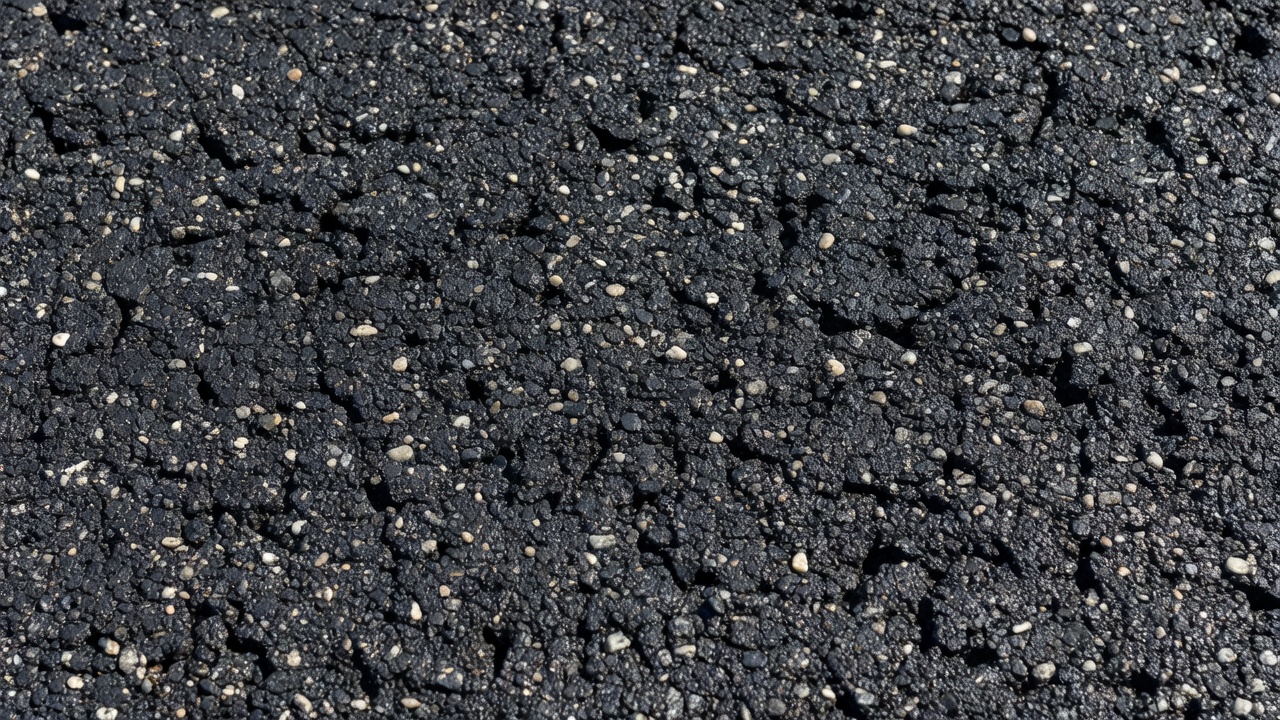
The International Slurry Surfacing Association (ISSA) defines three standard aggregate gradation types in ISSA A105 Section 4.2.3, each designed for specific pavement conditions and traffic applications. The aggregate gradation is the defining characteristic that determines the functional properties of the slurry seal, finer gradations provide better sealing and crack penetration, while coarser gradations provide superior skid resistance and wearing course durability. The selection of the appropriate type depends on the existing pavement condition, traffic volume, desired surface texture, and performance objectives.
Type I (Fine Gradation) uses the smallest aggregate particles. The full ISSA A105 gradation band for Type I requires 100% passing the 3/8-inch (9.5 mm) sieve, 100% passing the #4 (4.75 mm) sieve, 90-100% passing the #8 (2.36 mm) sieve, 65-90% passing the #16 (1.18 mm) sieve, 40-65% passing the #30 (600 µm) sieve, 25-42% passing the #50 (300 µm) sieve, 15-30% passing the #100 (150 µm) sieve, and 10-20% passing the #200 (75 µm) sieve. This high proportion of fine particles, with fully one-third of particles passing the #50 sieve and 10-20% passing the #200, produces a smooth, tight surface texture that effectively seals aged and oxidized pavements. The fineness of Type I allows the slurry to penetrate hairline cracks and surface voids, making it particularly effective for treating pavements with moderate surface distress, raveling, and oxidation. Type I is applied at 8 to 12 lb/yd² (4.3 to 6.5 kg/m²) of dry aggregate on parking areas, urban and residential streets, and airport runways where maximum sealing is the primary objective. The residual asphalt content for Type I ranges from 10 to 16 percent by weight of dry aggregate, the highest of the three types because the greater surface area of the fine particles requires more binder to achieve proper coating. Type I produces the quietest and smoothest riding surface of the three types but provides the least improvement in skid resistance.
Type II (Medium Gradation) features a coarser aggregate structure with 100% passing the 3/8-inch sieve, 90-100% passing the #4 sieve, 65-90% passing the #8 sieve, 45-70% passing the #16 sieve, 30-50% passing the #30 sieve, 18-30% passing the #50 sieve, 10-21% passing the #100 sieve, and 5-15% passing the #200 sieve. Type II provides a balanced compromise between surface sealing capability and wearing course durability. It is the most commonly specified type for general pavement preservation applications on urban and residential streets. Type II seals the surface, fills existing voids, addresses more severe surface distresses, and provides a durable wearing surface with moderate improvement in skid resistance. Type II is applied at 10 to 18 lb/yd² (5.4 to 9.8 kg/m²) on urban and residential streets and airport runways. The residual asphalt content ranges from 7.5 to 13.5 percent by weight of dry aggregate. The surface texture of Type II is noticeably coarser than Type I, providing better friction characteristics while remaining quieter and smoother than Type III.
Type III (Coarse Gradation) is the coarsest slurry seal aggregate with 100% passing the 3/8-inch sieve, 70-90% passing the #4 sieve, 45-70% passing the #8 sieve, 28-50% passing the #16 sieve, 19-34% passing the #30 sieve, 12-25% passing the #50 sieve, 7-18% passing the #100 sieve, and 5-15% passing the #200 sieve. The significantly coarser gradation, with only 70-90% passing the #4 sieve meaning 10-30% of particles are retained on the #4 (4.75 mm), provides maximum skid resistance and an improved wearing surface for high-traffic applications. Type III is the recommended choice for primary routes, interstate highways, and any roadway where friction characteristics are the primary performance requirement. The coarser texture creates a more open surface that provides superior water drainage and higher macrotexture for wet-weather friction. Application rates range from 15 to 22 lb/yd² (8.1 to 12.0 kg/m²), significantly higher than Type I or II because the coarser particles require greater depth to achieve full particle embedment. Residual asphalt content for Type III ranges from 6.5 to 12 percent by weight of dry aggregate, the lowest of the three types because the coarser particles have less total surface area requiring binder coating. Type III produces a louder and rougher surface than Type I or II and is not recommended for residential areas or locations where noise is a concern.
The full ISSA A105 gradation bands with stockpile tolerances are presented below for reference:
| Sieve Size | Type I (% Passing) | Type II (% Passing) | Type III (% Passing) | Stockpile Tolerance |
|---|---|---|---|---|
| 3/8" (9.5 mm) | 100 | 100 | 100 | – |
| #4 (4.75 mm) | 100 | 90-100 | 70-90 | ±5% |
| #8 (2.36 mm) | 90-100 | 65-90 | 45-70 | ±5% |
| #16 (1.18 mm) | 65-90 | 45-70 | 28-50 | ±5% |
| #30 (600 µm) | 40-65 | 30-50 | 19-34 | ±5% |
| #50 (300 µm) | 25-42 | 18-30 | 12-25 | ±4% |
| #100 (150 µm) | 15-30 | 10-21 | 7-18 | ±3% |
| #200 (75 µm) | 10-20 | 5-15 | 5-15 | ±2% |
Caltrans and other state agencies may specify variations within these bands. For example, Caltrans uses 94-100% passing the #4 for Type II and restricts Type I to 100% passing the #4, as documented in their Maintenance Technical Advisory Guide (MTAG) Chapter 8. The stockpile tolerance from the mix design gradation ensures that the delivered aggregate remains consistent with the approved design throughout the project. Aggregate acceptance at the job location or stockpile is based on an average of five gradation tests sampled according to AASHTO T 2 (ASTM D 75). If the average of the five tests is within the stockpile tolerance from the mix design gradation while also remaining within the specification band, the material is accepted. If the average is out of specification or tolerance, the contractor must either remove the material or blend additional aggregate to bring it into compliance, blending may require a new mix design.
The percentage of aggregate passing any two successive sieves must not change from one end of the specified range to the other end, this requirement prevents gap-graded aggregates that would produce poor surface texture and reduced performance. Oversized materials in the stockpile that cause problems in the spreader box require screening of the aggregate before loading into the slurry machine.
Materials
The emulsified asphalt used in slurry seal is a two-phase system consisting of asphalt cement droplets suspended in water through the use of an emulsifying agent. The emulsion grade is selected based on three factors: aggregate type and chemistry, climatic conditions during the placement window, and the desired breaking (curing) rate. Anionic emulsions (SS-1, SS-1h) carry a negative electrical charge and are compatible with positively charged (basic) aggregates such as limestone. Cationic emulsions (CSS-1, CSS-1h, CQS-1h) carry a positive charge and are compatible with negatively charged (acidic) aggregates such as siliceous sands and granites. The CQS-1h (Cationic Quick Set) grade is the most commonly specified for modern slurry seal applications because it provides faster curing and greater tolerance to marginal weather conditions.
Each load of emulsified asphalt delivered to the project must be accompanied by a Certificate of Analysis/Compliance (COA) from the manufacturer. The COA documents the results of tests performed on the emulsion including: viscosity at 50°C by Saybolt Furol (15-90 SSF seconds for CQS-1h), sieve test for oversized particles (less than 0.30%), settlement at 5 days (less than 5%), storage stability at 1 day (less than 1%), residue by distillation (greater than 57%), particle charge test (positive for cationic), and penetration of the residue at 25°C (40-90 dmm). The COA is delivered to the engineer or RPR before work begins. The furnishing of the vendor’s certified test report is not interpreted as a basis for final acceptance, the material delivered for use on the project may be verified by independent testing at any time.
The mineral aggregate is the structural skeleton of the slurry seal and its quality directly determines the performance of the treatment. The aggregate must be 100% crushed stone such as granite, slag, limestone, chat, or other high-quality material. The parent aggregate from which the grading is produced must be larger than the largest stone in the specified gradation band to ensure that every particle in the slurry is a crushed face with angular shape, rounded particles do not interlock and reduce the skid resistance and durability of the treatment. Aggregate shape and texture are critical: angular, rough-textured particles provide better interlock and higher friction than round, smooth particles. The geology of the aggregate source affects its polishing characteristics, some aggregates polish smooth under traffic, reducing long-term skid resistance, while others maintain their microtexture.
Aggregate quality is verified through a battery of standardized tests. The Sand Equivalent test (AASHTO T 176 / ASTM D 2419) measures the proportion of clay-like fines in the aggregate, values below the minimum indicate excessive fines that can prevent proper emulsion coating and reduce durability. Minimum sand equivalent values are 45 for Type I, 55 for Type II, and 60 for Type III. The Soundness test (AASHTO T 104 / ASTM C 88) evaluates the aggregate’s resistance to weathering by subjecting it to repeated immersion in sodium sulfate or magnesium sulfate solutions, which crystallize in the pore spaces and simulate freeze-thaw expansion. The maximum permitted loss is 15% with sodium sulfate or 25% with magnesium sulfate. The Los Angeles Abrasion test (ASTM C 131) measures the aggregate’s resistance to degradation by impact and abrasion in a rotating steel drum with steel spheres, the maximum wear loss is 35% by weight. Caltrans additionally requires the Durability Index (CT 229) with a minimum value of 55 for all slurry seal aggregate types, which measures the aggregate’s resistance to breakdown during handling and mixing.
Mineral filler serves multiple critical functions in the slurry seal mixture beyond simply filling void space. Portland cement, hydrated lime, limestone dust, and fly ash meeting ASTM D 242 are the most common fillers. The filler absorbs water from the emulsion, causing the emulsion to thicken and break more rapidly after placement, this accelerates the curing process and allows earlier opening to traffic. The filler adds fine particles that improve the gradation of the aggregate, filling the gap between the finest sieve sizes and the asphalt binder. The filler acts as a mixing aid, improving the workability and consistency of the slurry during mixing and placement. The dosage of mineral filler is typically 0.0 to 3.0 percent by weight of dry aggregate, and it is considered part of the aggregate gradation for mix design purposes. Too much filler can make the mix too stiff and cause premature breaking in the spreader box, too little filler can result in a slow-curing mix that segregates and does not develop adequate early strength.
Water used in slurry seal mixing and curing must be from potable water sources with a minimum temperature of 10°C (50°F). Non-potable water sources must be tested in accordance with ASTM C 1602 before use to verify that they do not contain harmful salts, acids, or organic compounds that could destabilize the emulsion. The water content in the mix is adjusted during the day to compensate for changing temperature and humidity conditions, more water may be needed in hot, dry conditions to prevent premature breaking, while less water is used in cool, humid conditions. The water content must be carefully controlled to achieve the target consistency specified in the mix design.
Additives are chemical compounds used in small quantities to modify the breaking and curing characteristics of the slurry. Retardants such as emulsifier solutions, aluminum sulfate, and aluminum chloride slow the break of the emulsion, which is useful when ambient temperatures rise during the day and would otherwise cause the mix to break too quickly in the spreader box. Accelerators such as Portland cement or hydrated lime (also functioning as mineral filler) speed up the break. The laboratory specifies the type and dosage of each additive as part of the approved mix design, and these dosages are verified during field calibration. The additive type must be approved in writing by the emulsion supplier to ensure compatibility, as different emulsion chemistries respond differently to the same additive.
Application Equipment and Process
Slurry seal application requires specialized equipment designed and manufactured specifically for the purpose. The mixing machine must be an automatic-sequenced, self-propelled unit of either truck-mounted or continuous-run design, capable of accurately delivering and proportioning mix components through a continuous-flow mixer. Truck-mounted machines integrate aggregate, emulsion, water, and additive storage compartments on a single truck chassis with an onboard pugmill mixer. These units are suited for cul-de-sacs, narrow roadways, and parking lots where maneuverability is critical and project sizes are smaller. Continuous-run machines are equipped with self-loading devices that allow them to receive aggregate and emulsion from supply trucks while continuing to apply slurry without stopping, reducing start-up joints and providing uninterrupted application on long roadway segments. Continuous-run machines provide full operator control of forward and reverse speeds during application and are equipped with opposite-side driver stations.
The spreader box is attached to the rear of the paver and mechanically equipped with augers or paddles to agitate and distribute the material evenly across the full width of the box. A front seal made of flexible material prevents loss of mixture at the road contact point on varying grades, while an adjustable rear seal acts as the final strike-off of the slurry. The spreader box must remain clean at all times, buildup of emulsion and aggregate on the box is not permitted as it causes streaking and non-uniform application. A burlap drag or other approved screed is attached to the rear of the spreader box to produce a uniform textured surface. The drag must be replaced immediately when it becomes stiffened by hardened slurry, as a stiff drag becomes ineffective at producing proper texture. The spreader box side-shifts to compensate for variations in pavement width and is adjustable in width for different lane configurations. Spraying of additional water into the spreader box is not permitted as it disrupts the mix consistency, causing segregation and poor texture.
Calibration of all proportioning devices is mandatory before project start and is documented using the ISSA Inspector’s Manual method or manufacturer-provided procedures. Each mixing unit must be calibrated in the presence of the Buyer’s Authorized Representative (B.A.R.) using the exact materials proposed for the project, or using calibration documentation from within the previous 60 days if the same materials are being used. ISSA A105 requires that individual calibration of each material at various settings, aggregate gate openings, emulsion pump speeds, water flow rates, and additive metering, be documented and relatable to the machine’s metering devices. Any equipment replacement affecting material proportioning requires recalibration. No machine is permitted to work on the project until calibration has been accepted by the B.A.R.
The application process follows a strict sequence of operations. Surface preparation begins with sweeping or power washing to remove all loose material, oil spots, vegetation, dirt, and any other objectionable surface film. Cracks wider than 6 mm (0.25 inch) must be sealed with an approved crack sealant compatible with the slurry emulsion. Manholes, valve boxes, drop inlets, and other service entrances are protected from the slurry using roofing felt or heavy plastic sheeting. The pavement surface may be dampened with a light fog spray of water ahead of the spreader box to promote adhesion, but the rate of water spray must be adjusted during the day to suit temperature, surface texture, humidity, and dryness of the pavement. Standing water is not permitted as it prevents adhesion and causes delamination. The slurry seal mixture must be of the desired consistency upon exiting the mixer, not too dry (causing streaking, lumping, and roughness) and not too wet (causing excessive flow, segregation, and asphalt-rich surfaces). The spreader box maintains sufficient material in all parts at all times to ensure complete coverage without overloading.
Longitudinal joints must not exceed 150 mm (6 inches) of overlap and should not be placed in wheel paths where turning stresses are highest. Typically, three passes are required on a two-lane roadway. When possible, longitudinal joints are butt-jointed rather than overlapped. Less than full-box-width passes are used only when required for tapered pavement sections, and these narrower passes must not be the last pass of any paved area. Transverse joints are started and ended on roofing felt or heavy plastic to produce clean, uniform edges. The felt prevents the slurry from adhering to the pavement at start and stop points, allowing easy removal and producing a straight, clean joint. Handwork using squeegees is limited to areas inaccessible to the mechanized equipment, turnouts, tight radius curves, and intersections, and must produce the same finish quality as the spreader box.
Weather limitations require strict compliance: slurry seal must not be applied when pavement or air temperature is below 10°C (50°F) and falling. Application may proceed when both temperatures are above 7°C (45°F) and rising. No application is permitted when freezing temperatures are anticipated within 24 hours, rain is imminent, or atmospheric humidity exceeds 60%. A slight breeze is beneficial for evaporation. Sunlight is necessary for proper curing, slurry seal must not be applied at night because evaporation cannot occur without solar radiation. The mixture must not be applied when weather conditions prolong opening to traffic beyond a reasonable time.
Rolling is not typically required for roadways but is recommended for airports and parking areas using a self-propelled 10-ton maximum pneumatic tire roller equipped with a water spray system to prevent pick-up. All tires must be inflated per manufacturer specifications. Rolling should start only after the slurry has cured sufficiently to avoid damage from the roller. A minimum of two full coverage passes is required. Sweeping is performed just prior to opening to traffic and at intervals determined by the level of stone loss to prevent windshield damage. Sanding may be used at cross streets and intersections to reduce closure times.
Post-construction considerations include the vulnerability of fresh slurry to damage from heavy rain within hours of placement and from freezing temperatures within two weeks of placement. Heavy traffic coupled with heavy rain can wash out the fresh treatment. Freezing causes the water in the emulsion to expand, damaging the bond between aggregate particles and between the treatment and the pavement. Tire marks from sharp turning movements are common in freshly opened areas but typically diminish over time with rolling traffic.
Performance Expectations and Service Life
A properly designed and constructed slurry seal provides a service life of 3 to 7 years under typical conditions, with 3 to 5 years being the most commonly reported range in agency specifications and research studies. The Pavement Preservation Association’s research on slurry seal timing reports performance life ranging from 2.0 to 4.0 years when applied at appropriate pavement ages, with significantly shorter life when applied prematurely. The performance life is directly correlated with the quality of the pre-application pavement condition, the better the existing pavement, the longer the slurry seal will perform. Slurry seal applied to pavements in excellent condition (PCI above 85) may achieve 5-7 years of service, while application to pavements in fair condition (PCI 60-70) typically achieves only 2-4 years.
Service life variability depends on multiple interacting factors. Traffic volume and loading is the dominant variable controlling wear rate. Low-volume residential streets carrying fewer than 500 vehicles per day (AADT) often achieve 5-7 years of service life because the abrasive forces from traffic are minimal. Medium-volume collectors carrying 500-5,000 AADT typically achieve 3-5 years. High-volume arterials carrying more than 5,000 AADT may only achieve 2-4 years due to continuous tire abrasion, turning stresses at intersections, and braking forces at stop locations. Heavy truck traffic accelerates wear significantly more than passenger car traffic, a single loaded truck axle applies 5,000-20,000 pounds of load versus 1,000-2,000 pounds for a passenger car. Climate significantly affects durability through multiple mechanisms. Freeze-thaw cycles cause expansion and contraction of the slurry and underlying pavement, accelerating microcracking and delamination. Regions with 50+ freeze-thaw cycles annually (northern U.S. states, Canada, northern Europe) typically see 20-30% shorter service life than mild climates. Rainfall intensity and duration affect the rate of binder oxidation and water infiltration through any cracks that develop. UV exposure from intense sunlight oxidizes the asphalt binder, making it brittle and less able to hold aggregate particles, this is particularly significant in high-altitude and desert climates.
Construction quality directly impacts service life. Proper surface preparation, removal of all loose material, cleaning of cracks, oil spot treatment, and appropriate moisture conditioning of the surface, is essential for achieving the stated service life. Accurate proportioning of all mix components within the approved job mix formula tolerances ensures that the material has the correct asphalt content, consistency, and breaking characteristics. Uniform application at the specified rate without streaks, segregation, or variation in thickness produces consistent performance across the entire treated area. Adequate curing time before opening to traffic, verified by cohesion testing to at least 20 kg-cm at 60 minutes, prevents premature damage from turning and braking vehicles. Projects where any of these quality factors are compromised can expect 50-75% of the design service life.
Pavement condition at application is the factor most within the agency’s control. Slurry seal applied to pavements with a Pavement Condition Index (PCI) of 70-90 out of 100 is optimal, the pavement has sufficient remaining life to benefit from the protection provided by the treatment, and the surface distresses are limited to those that slurry seal can correct (raveling, weathering, oxidation, loss of friction, surface voiding). Application to pavements with PCI below 60 is ineffective because the underlying structural and functional problems exceed the capability of the thin slurry surface treatment. The pavement age at first application is also critical. Research shows that slurry seal applied to pavements aged 2 to 4 years significantly outperforms application to pavements aged 0 to 1 year. The study showed performance life of 2.0 to 4.0 years extended life when applied at the appropriate age, versus 0.0 to 1.0 years when applied prematurely to new pavements. This confirms that slurry seal is a preventive maintenance treatment for aging but structurally sound pavements, not a new-construction finish or warranty item.
| Factor | Impact on Service Life |
|---|---|
| Traffic < 500 AADT | 5-7 years |
| Traffic 500-5000 AADT | 3-5 years |
| Traffic > 5000 AADT | 2-4 years |
| Optimal timing (PCI 70-90) | 3-5 years extended life |
| Late application (PCI < 60) | 1-3 years extended life |
| Polymer-modified emulsion | +1-2 years over standard |
Slurry Seal vs Microsurfacing
Slurry seal and microsurfacing are frequently confused because they look similar during application, are placed by similar machines, and serve overlapping functions in the pavement preservation toolbox. However, they are fundamentally different treatments with distinct chemistry, performance characteristics, and appropriate applications. Selecting the correct treatment for a given pavement condition is the difference between a cost-effective preservation treatment that achieves 5-7 years of service and a misapplied treatment that fails within 1-2 years.
The most critical difference is the emulsion type and curing mechanism. Slurry seal uses a slow-set emulsion (SS-1, SS-1h, CSS-1, CSS-1h, or CQS-1h) that cures primarily through water evaporation to the atmosphere. This makes the curing process entirely dependent on sunlight, temperature, humidity, and wind, environmental factors over which the contractor has no control. In shaded areas under trees or adjacent to buildings, cool overcast conditions, or high humidity (above 60%), the evaporation rate slows dramatically and slurry seal may take 4 to 8 hours or longer to cure sufficiently for traffic. In extreme cases, the slurry may not develop adequate cohesion for 12-24 hours. Microsurfacing uses a polymer-modified, quick-set emulsion with chemical additives that trigger a chemical break independent of evaporation. The emulsion destabilizes on contact with the aggregate surface through the chemical reaction between the cationic emulsion and the anionic aggregate surface, releasing the water and depositing the asphalt binder. This break is largely independent of weather conditions, microsurfacing can cure in under 1 hour even in marginal weather, at night, or in shaded areas. The polymer modification also provides greater flexibility and durability, particularly at low temperatures where unmodified emulsions become brittle.
The mix consistency and equipment differ accordingly because of the fundamentally different rheology of the two mixtures. Slurry seal produces a softer, more fluid mix with a consistency similar to heavy cream. This fluidity allows the mix to flow and level under the spreader box without mechanical assistance. Slurry seal uses a drag spreader box with a simple strike-off plate and a burlap drag that textures the surface as the machine moves forward. The drag box relies on the fluidity of the mix to spread evenly. Microsurfacing produces a stiffer, more viscous mix with a consistency similar to mortar or stiff concrete. The stiffness is necessary to maintain the mix on grades, prevent flow into gutters, and allow the material to be placed in thicker applications for rut filling. Microsurfacing equipment requires augers in the spreader box to forcibly distribute the stiff mix across the full width of the box. The augers are powered and provide positive displacement of the material. Microsurfacing machines must handle significantly higher torque loads and more demanding mix handling than slurry seal machines. Some modern pavers, such as the Macropaver series, are designed to handle both treatments by offering precise emulsion control, on-the-fly adjustments, and interchangeable spreader box configurations.
Aggregate requirements also differ substantially between the two treatments. Slurry seal can use Type I, II, or III aggregate gradations as defined in ISSA A105, including the fine Type I gradation that provides maximum sealing. Microsurfacing typically uses only Type II or Type III gradations because the coarser aggregate provides the interlock and structural stability required for the stiffer mix and thicker placement. The aggregate quality requirements for microsurfacing are stricter, particularly the sand equivalent value, which must be a minimum of 65 for microsurfacing versus 45-60 for slurry seal depending on the type. The higher sand equivalent ensures that the aggregate contains minimal clay fines that could interfere with the chemical break of the quick-set emulsion. The aggregate in microsurfacing is generally coarser, stronger, and cleaner than slurry seal aggregate.
Applications diverge significantly in scope and capability. Slurry seal is appropriate for correcting raveling and weathering, sealing oxidized pavements, restoring skid resistance on low to moderate traffic roads, filling surface voids, and providing aesthetic improvement. It is specifically indicated for pavements with surface cracking (early longitudinal and hairline), raveling, polishing (loss of skid resistance), and patched potholes where the base has been repaired. Microsurfacing can perform all of these functions plus a set of additional capabilities that slurry seal cannot match. Microsurfacing is the only thin surface treatment capable of rut filling up to 40 mm (1.5 inches) in depth, the stiff mix can be placed in multiple layers to restore cross-slope and remove wheel-path ruts. Microsurfacing can correct minor surface profile irregularities such as washboarding and surface depressions. Microsurfacing can be applied at night because the chemical break mechanism does not require sunlight, making it the preferred treatment for high-traffic urban arterials and highways where daytime lane closures are unacceptable. Microsurfacing can also treat pavements with bleeding where slurry seal would flush and fail. The distress condition tables from Caltrans MTAG Chapter 8 confirm that slurry seal cannot correct full-depth cracking (thermal, transverse, fatigue, alligator, block, or reflective), slippage from tack failure, corrugation or shoving, or rutting of any depth without a sound base.
| Parameter | Slurry Seal | Microsurfacing |
|---|---|---|
| Emulsion type | Slow-set (SS, CSS, CQS) | Polymer-modified, quick-set |
| Curing mechanism | Water evaporation | Chemical break |
| Cure time | 4-8 hours | < 1 hour |
| Aggregate types permitted | I, II, III | II, III only |
| Sand equivalent minimum | 45-60 (by type) | 65 |
| Mix consistency | Soft, fluid | Stiff, requires augers |
| Spreader box type | Drag box with burlap | Auger box with strike-off |
| Rut filling capability | Not suitable | Up to 40 mm |
| Night work feasibility | Not recommended | Suitable |
| Traffic applicability | Low to moderate | Low to high |
| Structural correction | None | Minor profile only |
| Bleeding correction | Not suitable | Suitable |
| Service life | 3-5 years | 5-10 years |
| Typical application rate | 8-22 lb/yd² | 10-30 lb/yd² |
| Relative cost | Lower | Higher |
Inspection of Slurry Seal Condition
Inspection of slurry seal condition is performed by evaluating a set of defined distress types that indicate functional or material failure. The Caltrans MTAG Chapter 8 and ISSA A105 provide the basis for field inspection criteria. Inspectors must be familiar with the materials, equipment, and application of slurry seal, with local conditions and specific project requirements considered when determining inspection parameters. Proper mix consistency during placement should be one of the major areas of inspector concern, mixes that are too dry produce streaking, lumping, and roughness while mixes applied too wet flow excessively and fail to hold straight lane lines.
Delamination appears as separation of the slurry seal mat from the underlying pavement surface in patches or sheets. Primary causes include inadequate surface preparation (dust, dirt, or moisture trapped beneath the slurry), presence of oil or grease not properly cleaned and primed, excessive water in the mix that prevents proper adhesion, application over a wet or damp surface despite specification prohibitions, or incompatibility between the emulsion and the existing pavement surface. Delamination progresses from isolated patches to widespread loss of the treatment, particularly in wheel paths. Field inspection involves tapping the surface with a hammer or dragging a chain over the treated area, hollow-sounding areas indicate delamination that requires removal and replacement. Core samples may be taken to verify the bond interface condition.
Raveling is the progressive loss of aggregate from the slurry seal surface, appearing as a rough, pitted texture with loose stones on the surface. Causes include insufficient emulsion content in the mix design (below the minimum determined by the Wet Track Abrasion Test), poor aggregate coating due to incompatibility between emulsion and aggregate, premature opening to traffic before adequate cohesion has developed (typically before the minimum 20 kg-cm at 60 minutes), or freezing temperatures within 2 weeks of placement. Early stone shedding in the first few days following construction is normal and should not exceed 3% of the surface area. Stone loss beyond this threshold requires investigation of the mix design or construction practices. In severe cases, raveling can progress to complete loss of the treatment in wheel paths within months.
Flushing or bleeding manifests as an excess of asphalt binder on the surface, creating a shiny, glossy black appearance with complete loss of surface texture. The surface becomes sticky in hot weather and may pick up on vehicle tires. Causes include excessive emulsion content in the mix design (above the maximum determined by the Loaded Wheel Test for Sand Adhesion), application over a rich or bleeding existing surface without proper surface neutralization, or placement in hot weather without adjusting the emulsion content downward. Flushing critically reduces skid resistance, creating a safety hazard particularly in wet conditions and on curves. Field evaluation uses the sand adhesion concept, if sand sprinkled on the surface does not adhere, an excess of binder is present. Flushed sections may require fog seal with fine sand to restore texture, or in severe cases, removal and reapplication.
Segregation occurs when the aggregate separates from the emulsion during mixing or spreading, resulting in visible areas of bare aggregate with insufficient binder or areas of pure asphalt binder with no aggregate. Primary causes include too much water in the mix causing the aggregate to settle out of suspension, insufficient mineral filler to maintain the aggregate in suspension, improper setting of the spreader box, or material standing too long in the spreader box before application. Segregated areas appear as non-uniform patches that lack the homogeneous, uniform texture of properly placed slurry. The segregated material does not perform as designed, asphalt-rich areas flush while aggregate-rich areas ravel.
Joint deterioration is evaluated at both longitudinal and transverse joints. Longitudinal joints are defective when they exceed 150 mm (6 inches) of overlap, leave uncovered areas between passes, show buildup along the joint line, or are placed in wheel paths. Transverse joints are defective when they show bumps at the start or stop points, uneven texture at the transition, or uncovered gaps. ISSA A105 requires that starts, stops, and handwork on turnouts be performed on roofing felt to ensure sharp, uniform joints. The felt is removed after placement, leaving a clean edge.
Washboarding appears as a series of closely spaced transverse ridges in the fresh slurry surface, resembling a washboard. Causes include a mix that is too stiff (insufficient water or excessive filler), a spreader box that is incorrectly set up with improper rear seal adjustment, or excessive forward speed of the paver causing the spreader box to bounce. Washboarding creates an uneven riding surface that collects water and accelerates deterioration in the ridge troughs.
Surface texture uniformity is assessed visually across the entire treated area. The finished surface must present a uniform texture without significant streaks, oversized aggregate drag marks, unmixed aggregate lumps, or areas of different texture and color. Streaks of broken mix or oversized aggregate require stopping the operation until the cause, typically aggregate screening issues at the stockpile, is corrected. The open to traffic criteria require that the slurry seal has turned uniformly black (indicating the emulsion has fully broken throughout the depth) and possesses sufficient cohesion to resist abrasion from turning and braking vehicles. A general rule of thumb for slurry seal is that it can be opened when it has uniformly turned from brown to black. In areas subject to increased rates of sharp-turning vehicles, additional curing time may be required.
Airport Pavement Applications
Slurry seal is a recognized surface treatment for airport pavements under FAA Advisory Circular AC 150/5370-10H (Standard Specifications for Construction of Airports). The FAA specifies Item P-626, Emulsified Asphalt Slurry Seal Surface Treatment for application on airport runways, taxiways, and aprons constructed of asphalt concrete. P-626 covers materials testing, mix design approval, equipment calibration, control strip placement, and quality control procedures. The FAA requires that all materials conform to applicable ASTM or AASHTO standards and that the contractor furnish certificates of analysis for each consignment of emulsion. A qualified manufacturer’s representative must be present in the field to assist in applying control areas and determining optimum application rates.
For airport aprons serving aircraft weighing 60,000 lbs (27,216 kg) or less that require fuel resistance due to fuel spill exposure, the FAA provides Item P-631, Refined Coal Tar Emulsion with Additives, Slurry Seal Surface Treatment. P-631 requires the coal tar emulsion to conform to ASTM D490 (Grade 11-12 road tar) and ASTM D5727 for emulsified refined coal tar (mineral colloid type). The use of oil and water gas tar is prohibited. The aggregate must be washed dry silica sand or boiler slag free of dust, trash, clay, and organic materials, meeting a specific fine gradation ranging primarily through sieves #20 through #200. Sand loadings must not exceed 10 pounds per gallon of refined coal tar emulsion to maintain fuel resistance and adhesion, specifications that have historically allowed higher sand loadings have produced poor fuel resistance and loss of adhesion in the field. P-631 requires a fuel resistance test in accordance with ASTM D5727 as part of the mix design verification.
P-631 mandates a control strip of minimum 250 square yards (209 m²) placed on a representative section of the pavement to be treated, separate test sections with a minimum of 200 feet (61 m) between them. The control strip is used to verify the adequacy of the mix design and determine the actual application rate, which depends on the surface texture. Full production cannot begin without the Resident Project Representative’s (RPR) approval of the control strip. P-631 specifies application rates not to exceed 0.20 gallons per square yard (0.91 L/m²) per coat, with total coats not to exceed 0.51 gallons per square yard (2.3 L/m²). Two coats are typical, first coat and second coat, each using 100 gallons of refined coal tar emulsion with 25-70 gallons of water, 2-6 gallons of additive, and 300-700 pounds of aggregate per 100 gallons of emulsion.
The FAA temperature requirements for P-626 state that slurry seal shall be applied only when atmospheric or pavement temperature is 10°C (50°F) and rising, with no freezing temperatures expected within 24 hours. The pavement surface must be cleaned immediately before placement by sweeping, flushing with water (leaving no standing water), or a combination of both. Oil and grease that has not penetrated the asphalt pavement must be removed by scraping or scrubbing with detergent and then washed thoroughly. After cleaning, these areas are treated with oil spot primer certified for compatibility with the slurry emulsion.
Rolling with pneumatic rollers is required for airport applications, using a self-propelled 10-ton maximum pneumatic tire roller equipped with a water spray system. Rolling must not start until the slurry has cured sufficiently to avoid pick-up by the roller. A minimum of two full coverage passes is required. The finished surface must present a uniform texture and skid-resistant surface meeting FAA requirements for friction characteristics as specified in AC 150/5320-6 (Airport Pavement Design and Evaluation) and AC 150/5370-12 (Measurement, Construction and Maintenance of Skid-Resistant Airport Pavement Surfaces).
The ICAO Aerodrome Design Manual (Part 3, Pavements) references surface treatments including slurry seal as acceptable maintenance measures for airfield pavements. The manual notes that sealing cracks and surface voids with thin treatments reduces moisture infiltration into pavement layers and prevents additional damage from water ingress. The ICAO manual emphasizes that surface treatments must not reduce the surface friction characteristics below the minimum specified for the aerodrome reference code. The ICAO Airport Services Manual (Part 2, Pavement Surface Conditions) provides guidance on the evaluation of surface friction and the selection of maintenance treatments including slurry seal to restore friction levels on runways and taxiways. For airports, the friction characteristics of the slurry seal surface must be verified after curing using continuous friction measuring equipment (CFME) in accordance with ICAO Annex 14, Volume I, Chapter 2 standards.
The FAA Airport Pavement Surface Treatment summary published on the Airport Technology Research & Development Branch website (ROSA P repository) documents case studies of P-626 slurry seal used on a range of pavements at various U.S. airports between 2019 and 2021. The largest applications were at Utah airports where P-626 was applied to airfield pavements including runways, taxiways, and aprons. The study notes that slurry seal for airfield pavements is particularly effective for sealing oxidized surfaces, restoring surface texture, and providing a uniform appearance. The FAA study confirms that slurry seal is a cost-effective preventive maintenance treatment for airports when applied to pavements in good condition with low to moderate surface distress, typically when the Pavement Condition Index (PCI) is between 70 and 90.
The coal tar emulsion specification (P-631) includes important environmental and safety requirements. The contractor must provide a complete Safety Data Sheet (SDS) in accordance with OSHA 29 CFR 1910.1200 including Chemical Abstracts Service (CAS) registry numbers for all applicable hazardous ingredients. The manufacturer must certify compliance with 40 CFR, Protection of Environment for Air Programs (Part 59, National Volatile Organic Compound Emission Standards) and Water Programs (Part 116, Designation of Hazardous Substances). It is important to note that many local and state environmental regulations prohibit the use of coal tar products, the engineer must verify that selected materials comply with all applicable federal, state, and local authority requirements before specifying P-631.
When to Reapply
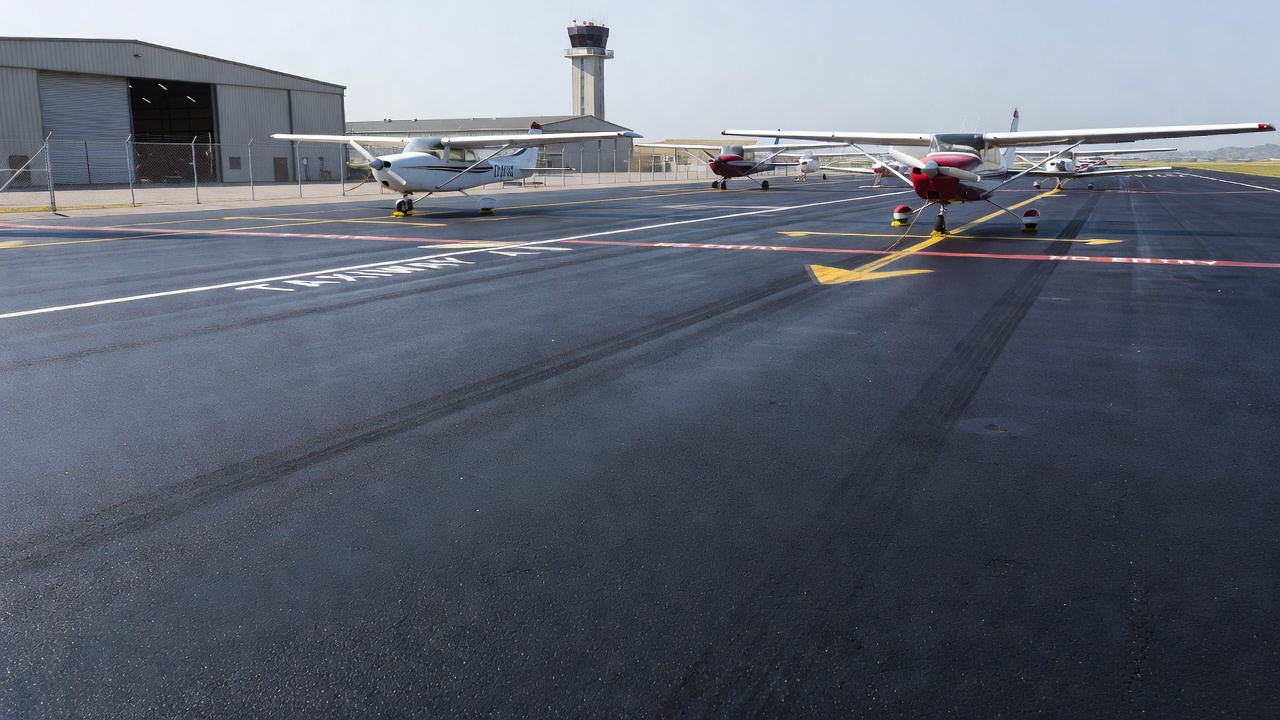
The decision to reapply slurry seal is based on pavement condition assessment using standard pavement condition indexes (PCI) and distress surveys conducted in accordance with ASTM D5340 (Standard Test Method for Airport Pavement Condition Index Surveys) or ASTM D6433 (Standard Practice for Roads and Parking Lots Pavement Condition Index Surveys). The optimal time for slurry seal application is when the pavement condition index is between 70 and 90 out of 100, indicating low to moderate surface distress without structural damage. Application at this stage seals the surface before oxidation and water infiltration cause significant deterioration, maximizing the cost-effectiveness of the treatment. Each dollar spent on slurry seal at the optimal time extends the pavement’s service life by $4 to $10 in deferred rehabilitation costs, depending on the agency’s cost structure.
For cyclic application programs, agencies typically schedule slurry seal every 5 to 7 years on residential streets and low-volume roads, and every 3 to 5 years on higher-volume collectors and arterials. These intervals are based on the typical time required for the slurry surface to wear to the point where raveling exceeds 10% of the surface area, skid resistance drops below threshold values (typically friction number below 0.35 for roadways), or oxidation reaches a level where the surface color changes from black to a light gray or brown. The Caltrans MTAG recommends that slurry seal not be applied to pavements exhibiting alligator cracking, rutting deeper than 6 mm (0.25 inch), bumps, depressions, or potholes, these conditions require structural repairs before any surface treatment.
Maturity before first application is equally important and frequently overlooked. Research published by the Pavement Preservation Association demonstrates that slurry seal applied to pavements aged 2 to 4 years significantly outperforms application to pavements aged 0 to 1 year. New pavements undergo a period of initial oxidation and binder hardening during the first 1-2 years of service, during which the surface develops the microtexture required for proper slurry adhesion. Application to brand-new pavement results in the slurry acting as a surface seal on a surface that is not yet oxidized, the slurry wears off within 0-1 years because the underlying pavement does not benefit from sealing and the slurry surface offers no advantage over the new pavement surface. The study specifically showed performance life of 2.0 to 4.0 years when applied at the appropriate age versus 0.0 to 1.0 years when applied prematurely. This confirms that slurry seal is a preventive maintenance treatment for aging but structurally sound pavements, not a new-construction finish.
Performance monitoring triggers for reapplication include a set of quantifiable distress thresholds. Surface oxidation becomes visible when the binder has aged to the point where the color changes from black to a light gray or brown tone, this indicates that the asphalt binder has oxidized and become brittle, losing its ability to hold aggregate particles. When oxidation is visible on more than 20% of the surface, reapplication should be scheduled within 6-12 months. Raveling extending beyond 3% stone loss in wheel paths indicates that the binder has lost its adhesive properties in high-stress areas, if left untreated, raveling will progress to complete loss of the slurry in wheel paths within 1-2 years. Loss of skid resistance below agency threshold values is a safety-critical trigger. For roadways, the typical minimum friction number is 0.35 measured at 40 mph (64 km/h) using a locked-wheel skid tester (ASTM E274). For airport runways, the FAA minimum friction levels are specified in AC 150/5320-6 and vary by runway type and aircraft approach speed, typically not less than 0.5 for runways serving turbine-engine aircraft. Water infiltration becomes evident through the appearance of new cracking, pumping of fines at cracks, and accelerated deterioration around existing cracks. When water infiltration is observed, the slurry seal has lost its primary function as a moisture barrier. Aesthetic deterioration with uneven color, patchy texture, or visible joint lines indicates that the surface has worn unevenly and reapplication is needed for appearance and uniform performance.
When any of these indicators reach threshold values, the pavement should be evaluated for reapplication using a full PCI survey. If the PCI remains above 60 and the distresses are limited to surface-level problems (raveling, oxidation, friction loss), reapplication of slurry seal is appropriate. If the PCI has dropped below 60 or structural distresses (alligator cracking, rutting, base failure) have developed since the previous treatment, the slurry seal approach must be reconsidered in favor of more intensive rehabilitation such as milling and overlay or full-depth reconstruction. The cost-effectiveness of slurry seal diminishes rapidly when applied to pavements with PCI below 60 because the extended life is typically less than 3 years versus 5-7 years for optimal timing.
Frequently Asked Questions
- What is the difference between slurry seal and microsurfacing?
- The primary difference lies in the emulsion type and curing mechanism. Slurry seal uses a slow-set emulsion that relies on water evaporation to cure, taking 4 to 8 hours before traffic can be allowed. Microsurfacing uses a quick-set, polymer-modified emulsion with chemical additives that trigger a chemical break independent of weather conditions, curing in under 1 hour. Microsurfacing can also accommodate coarser aggregate (Type II and III only), requires augers in the spreader box for stiffer mix handling, and can correct minor surface profile irregularities like rutting up to 40 mm. Slurry seal uses a softer mix with a drag spreader box and is not suitable for rut-filling.
- How long does a slurry seal last?
- A properly designed and applied slurry seal has a typical service life of 3 to 7 years, with 3 to 5 years being the most commonly reported range for roadways. Performance life depends on traffic volume and loading, climate (freeze-thaw cycles, rainfall, UV exposure), existing pavement condition before application, quality of materials and mix design, application rate and construction quality, and timing of the treatment. Research from the Pavement Preservation Association shows slurry seal performance ranging from 2.0 to 4.0 years when applied at the appropriate pavement age.
- What pavement conditions can slurry seal correct?
- Slurry seal can correct raveling and weathering, oxidation and embrittlement of aged asphalt, loss of frictional properties and skid resistance, surface void filling, hairline and early longitudinal cracking, and aesthetic deterioration. It CANNOT correct alligator or fatigue cracking, thermal or transverse cracking, reflective cracking, rutting deeper than 6 mm, bumps, depressions, or potholes, slippage from tack coat failure, corrugation or shoving, or any structural deficiency in the pavement layers.
- What are the ISSA Type I, II, and III slurry seal gradations?
- ISSA A105 defines three aggregate gradation types: Type I uses the finest aggregate (100% passing #4 sieve, 10-20% passing #200) for filling surface voids and moderate distress, applied at 8-12 lb/yd² for parking areas and low-traffic streets. Type II is a medium gradation (90-100% passing #4, 5-15% passing #200) for sealing and providing a durable wearing surface, applied at 10-18 lb/yd² for urban streets. Type III is the coarsest (70-90% passing #4, 5-15% passing #200) for maximum skid resistance on high-traffic primary routes, applied at 15-22 lb/yd².
- What is the FAA specification for slurry seal on airports?
- The FAA specification for slurry seal on airport pavements is Item P-626 (Emulsified Asphalt Slurry Seal Surface Treatment) as defined in Advisory Circular AC 150/5370-10. P-626 covers materials, mix design, equipment, application, and quality control for slurry seal on airport runways, taxiways, and aprons. For aprons serving aircraft 60,000 lbs or less requiring fuel resistance, FAA Item P-631 (Refined Coal Tar Emulsion Slurry Seal) may be specified instead. Both specifications require control strips, calibration, certified mix designs, and compliance with ASTM and AASHTO standards.