What is Stone Mastic Asphalt (SMA)?
Definition and Stone-on-Stone Concept
Stone Mastic Asphalt (SMA), also referred to as Stone Matrix Asphalt, is a gap-graded hot-mix asphalt mixture engineered to create a stone-on-stone aggregate skeleton that carries compressive and shear loads through direct aggregate-to-aggregate contact. SMA was developed in Germany in the 1960s and 1970s to address rutting problems on high-volume roadways subjected to studded tire wear. By the 1980s, it had become the standard surface course on the German Autobahn network. The technology was introduced to the United States in the early 1990s under the Strategic Highway Research Program (SHRP) and has since been codified in AASHTO M 325 and numerous state Department of Transportation specifications.
The fundamental structural philosophy of SMA differs radically from conventional dense-graded Hot-Mix Asphalt (HMA). In dense-graded HMA, the aggregate particles are suspended within the asphalt binder matrix, meaning that the binder itself is the primary load-transfer medium under shear stress. At elevated pavement temperatures (60–70°C), binder viscosity drops significantly, making the mixture susceptible to rutting under heavy loads. SMA eliminates this vulnerability by ensuring that the coarse aggregate particles are in direct contact with one another, forming a load-bearing skeleton. Loads are transferred through aggregate interlock and friction at particle contact points rather than through the binder, so rutting resistance is governed by the mechanical properties of the stone rather than the temperature-dependent properties of the binder.
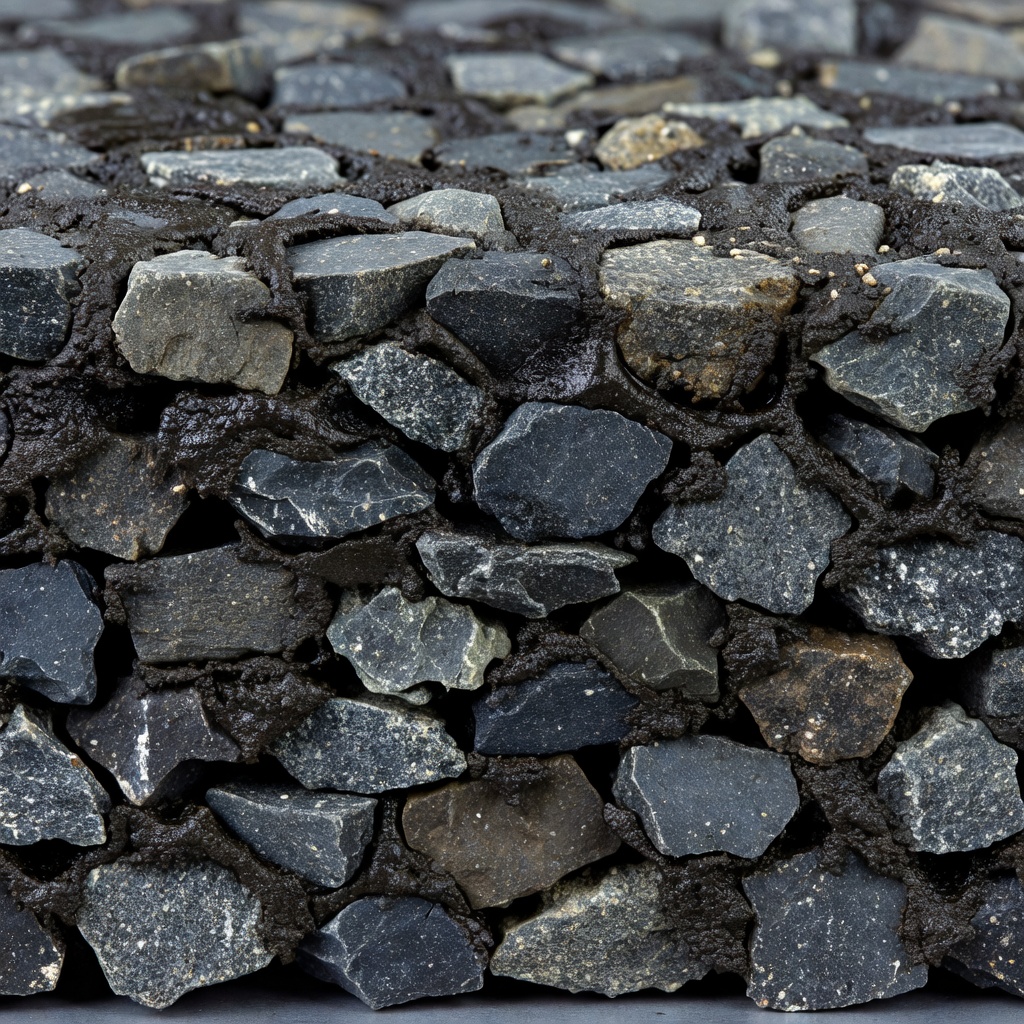
The stone-on-stone skeleton is verified using the Voids in Coarse Aggregate (VCA) criterion, defined in AASHTO R 46. The test compares the VCA of the compacted SMA mixture (VCAₘᵢₓ) to the VCA of the dry-rodded coarse aggregate fraction alone (VCA_DRC). For a true stone-on-stone skeleton to exist, VCAₘᵢₓ must be less than or equal to VCA_DRC. This condition ensures that the coarse aggregate particles are in contact with each other rather than being pushed apart by excess mortar. Typical VCA_DRC values for crushed stone range from 38% to 44%, and the compacted SMA mixture must achieve a VCAₘᵢₓ equal to or below this threshold.
The SMA skeleton relies on angular, crushed aggregate particles with a high angle of internal friction. Rounded river gravel or uncrushed particles cannot develop adequate interlock and are unsuitable for SMA production. AASHTO M 325 requires that 100% of the coarse aggregate in SMA have at least one fractured face, and a minimum of 90% have two or more fractured faces.
SMA Composition
The composition of Stone Mastic Asphalt is carefully balanced between coarse aggregate, mastic (binder and filler), and stabilizing fibers. Each component plays a defined role in the mixture’s structural, durability, and construction performance.
Coarse Aggregate
Coarse aggregate constitutes 70–80% of the total aggregate mass in SMA, significantly higher than the 50–60% typical of dense-graded HMA. The nominal maximum aggregate size (NMAS) commonly ranges from 9.5 mm to 19 mm, with 12.5 mm and 14 mm being the most common for highway and airport applications respectively. The aggregate must be 100% crushed with high angularity to maximize stone-on-stone interlock.
The quality requirements for SMA aggregates are more stringent than for conventional HMA. AASHTO M 325 and FAA specifications mandate:
| Property | Required Value | Test Standard |
|---|---|---|
| Los Angeles Abrasion | ≤30–45% (varies by agency) | AASHTO T 96 |
| Flat and Elongated Particles (3:1 ratio) | ≤20% | ASTM D 4791 |
| Flat and Elongated Particles (5:1 ratio) | ≤5% | ASTM D 4791 |
| Soundness (sodium sulfate) | ≤15–20% | AASHTO T 104 |
| Fine Aggregate Angularity | ≥45% | AASHTO T 304 |
| Sand Equivalent | ≥45–55% | AASHTO T 176 |
The coarse aggregate skeleton provides the mechanical resistance to shear deformation. Research from the National Center for Asphalt Technology (NCAT) has demonstrated that SMA mixtures with granite and traprock aggregates achieve rutting depths of less than 5 mm after 10 million equivalent single axle loads (ESALs), performance levels unattainable by conventional dense-graded HMA under identical conditions.
Mastic, Binder and Filler
The inter-particle voids in the stone skeleton are filled with a rich mastic composed of asphalt binder, mineral filler (particles passing the 0.075 mm sieve), and stabilizing fibers. The binder content in SMA typically ranges from 6.0% to 7.0% by total mix mass, compared to 4.5% to 5.5% in dense-graded HMA. Despite the higher binder content, the gap-graded aggregate structure has less total surface area, resulting in a substantially thicker binder film coating on the aggregate particles. Average binder film thickness (BFT) in SMA ranges from 9 to 12 μm, versus 6 to 8 μm in dense-graded mixes.
The Shell Bitumen Handbook identifies a minimum BFT of 6 to 8 μm for satisfactory long-term durability. Below this threshold, binder oxidation accelerates exponentially, leading to embrittlement, cracking, and raveling. The thicker binder films in SMA provide a significant aging buffer, extending the pavement’s functional service life by 20–30% compared to conventional mixtures.
Mineral filler is added at 8% to 12% of the total aggregate mass, substantially higher than the 2% to 5% typical of dense-graded HMA. The filler particles stiffen the binder, increasing the mastic viscosity at service temperatures and contributing to the mixture’s resistance to permanent deformation. The filler-to-binder ratio (by mass) in SMA is typically between 1.2 and 2.0, compared to 0.6 to 1.2 in dense-graded mixes. This high filler ratio is critical for preventing binder draindown during production, storage, transport, and placement.
Polymer-modified binders are frequently specified for SMA in high-demand applications. The most common modification uses styrene-butadiene-styrene (SBS) block copolymers to produce a PG 76-22 or higher performance grade binder. The polymer network within the binder enhances elasticity, increases the softening point, and improves the binder’s ability to recover from load-induced deformation. For airport runways subjected to aircraft tire pressures exceeding 1.5 MPa, polymer modification is considered essential.
Stabilizing Fibers
Fibers are the third essential component of the SMA mastic system. They serve two primary functions: (1) physically stabilizing the binder during production, storage, and placement to prevent draindown, and (2) providing micro-reinforcement within the mastic to improve crack resistance and cohesive strength.
Fiber dosage rates are low (typically 0.1% to 0.4% by total mix mass) but their effect on mixture performance is substantial. Without fibers, the high binder content of SMA would drain from the mixture during storage in silos or during transport in haul trucks, creating a pavement with non-uniform binder distribution, fat spots, and lean areas prone to raveling.
Fiber Types
Three principal fiber types are used in SMA production globally, each with distinct physical properties, handling characteristics, and performance attributes.
Cellulose Fibers
Cellulose fibers are the most widely used fiber type in SMA, accounting for an estimated 80% of SMA production worldwide. These fibers are manufactured from shredded wood pulp or recycled paper that is processed into short, discrete fibers typically 0.1 to 1.5 mm in length. The fibers are chemically treated to resist thermal degradation at asphalt production temperatures (160–180°C) and to provide surface characteristics that promote binder adhesion.
The standard dosage rate for cellulose fibers is 0.3% by total mix mass (approximately 3 kg per metric ton of mixture). The fibers are typically supplied in pelletized form, compressed pellets approximately 6 mm in diameter and 10–15 mm long, composed of approximately 65% fiber and 35% binder. The pellets are introduced into the mixing drum through a dedicated fiber dispensing system, where they break apart under mechanical action and heat to disperse uniformly throughout the mixture.
Cellulose fibers create a three-dimensional network within the mastic that mechanically traps the binder through capillary action and surface adhesion. The fibers also increase the viscosity of the mastic, reducing the binder’s tendency to flow at elevated temperatures. AASHTO M 325 specifies that cellulose fibers must be incapable of absorbing water (to prevent moisture damage) and must be free from visible impurities.
Mineral Fibers
Mineral fibers (also called rock wool or slag wool fibers) are manufactured by melting basalt, diabase, or blast furnace slag at 1400–1600°C and spinning the molten material into fine filaments typically 5 to 20 μm in diameter and 0.1 to 5 mm in length. The fibers are then crushed, graded, and packaged for use in asphalt production.
The dosage rate for mineral fibers is 0.3% to 0.4% by total mix mass, slightly higher than cellulose because the greater density of mineral fibers means fewer fibers per unit mass. Mineral fibers offer superior thermal stability compared to cellulose, withstanding temperatures up to 700°C without degradation. This makes them advantageous in regions where very high production temperatures are used with highly modified binders.
Mineral fibers are hydrophobic, meaning they do not absorb moisture, eliminating the risk of moisture-induced fiber degradation in storage. However, they are significantly denser than cellulose fibers, making them more prone to settling during handling and requiring more aggressive dispensing systems to achieve uniform distribution. Mineral fibers also have lower oil absorption capacity than cellulose, meaning they may require slightly higher dosage rates to achieve equivalent draindown control.
Polymer Fibers
Polymer fibers (synthetic fibers) are manufactured from thermoplastic polymers such as polypropylene, polyester, polyacrylonitrile, or aramid. These fibers are typically 0.02 to 0.05 mm in diameter and 2 to 20 mm in length, with dosage rates of 0.1% to 0.3% by total mix mass.
Polymer fibers provide both draindown stabilization and structural reinforcement to the mastic. Unlike cellulose fibers, which function primarily through physical entanglement, polymer fibers bond with the binder through molecular adhesion and provide tensile reinforcement that can bridge micro-cracks and delay the onset of fatigue cracking. Aramid fibers, in particular, offer tensile strengths exceeding 2,700 MPa, making them effective at reinforcing the mastic against cracking.
The primary limitation of polymer fibers is cost, they are typically 3 to 5 times more expensive than cellulose fibers on a per-kilogram basis. However, the lower dosage rate required (0.1–0.3% vs. 0.3% for cellulose) partially offsets the cost difference. Some SMA specifications allow the use of hybrid fiber systems (e.g., cellulose + polymer) to achieve both draindown control and structural reinforcement.
| Fiber Type | Dosage Rate | Density (g/cm³) | Max Service Temp | Relative Cost |
|---|---|---|---|---|
| Cellulose | 0.3% | 0.2–0.5 (bulk) | 200°C | Low |
| Mineral (Rock Wool) | 0.3–0.4% | 2.5–2.9 | 700°C | Medium |
| Polymer (Polyester) | 0.1–0.3% | 1.2–1.4 | 250°C | High |
| Aramid | 0.1–0.2% | 1.44 | 450°C | Very High |
Preventing Binder Draindown, Schellenberg Test
Binder draindown is the most critical quality control issue in SMA production. Because SMA contains 6.0–7.0% binder and a gap-graded aggregate structure with limited fine aggregate to retain the binder, the mixture has a natural tendency to drain binder during storage, transport, and placement. Binder draindown results in: fat spots and bleeding on the pavement surface, reduced binder film thickness on aggregate particles (leading to raveling), non-uniform asphalt content across the mat, and compromised structural performance and durability.
The Schellenberg Binder Drainage Test (also known as the draindown test or basket test) is the standard method for evaluating a mixture’s resistance to binder draindown. The test is specified by AASHTO T 305 and European Standard EN 12697-18. The procedure involves placing a loose SMA sample (approximately 1,000 to 1,200 grams) in a wire basket with 6.3 mm openings and suspending the basket over a pre-weighed catch plate or paper. The assembly is placed in a forced-draft oven at the mixture’s production temperature (typically 160–175°C) for 60 minutes ± 1 minute. After the heating period, the material that has drained through the basket onto the catch plate is weighed. The draindown percentage is calculated as the mass of drained material divided by the initial sample mass, multiplied by 100.
The maximum allowable draindown for SMA is 0.3% for all fiber types per AASHTO M 325. Some agencies (including many European authorities) specify tighter limits of 0.2% for critical applications such as airport runways. SMA mixtures failing the draindown test cannot be accepted for production and require adjustment of the binder content, filler content, fiber dosage, or fiber type.
Factors that influence draindown results include: fiber type and dosage (cellulose and mineral fibers provide best draindown control), filler content and filler-to-binder ratio (higher filler increases mastic viscosity), binder grade (stiffer binders reduce draindown), production temperature (higher temperatures increase draindown risk), and storage time (longer silo storage increases draindown).
The Schellenberg test is performed during mix design and verified during production quality control. QC testing frequency typically requires one draindown test per 500 to 1,000 metric tons of SMA production.
SMA Mix Design Procedure
The SMA mix design process follows AASHTO M 325 (Standard Specification for Stone Matrix Asphalt) and AASHTO R 46 (Standard Practice for Designing SMA). The design procedure uses the Superpave Gyratory Compactor (SGC) to compact specimens and evaluate volumetric properties. The design process comprises the following sequential steps:
Step 1, Aggregate Selection and Gradation: Select coarse and fine aggregates meeting quality requirements (LA abrasion, fractured faces, flat/elongated, soundness). Establish a target gradation that falls within the specified gradation band. For 12.5 mm NMAS SMA, typical gradation requires 90–100% passing the 19 mm sieve, 30–60% passing the 4.75 mm sieve, and 10–20% passing the 0.075 mm sieve.
Step 2, Determine VCA of Dry-Rodded Coarse Aggregate (VCA_DRC): Perform AASHTO T 19 (Standard Test Method for Bulk Density and Voids in Aggregate) on the coarse aggregate fraction only. Compact the coarse aggregate using standard rodding procedures in a calibrated container and calculate VCA_DRC.
Step 3, Estimate Trial Binder Content: Select an initial trial binder content, typically 6.0% for 12.5 mm NMAS SMA. Prepare trial specimens at binder contents bracketing the estimate (e.g., 5.5%, 6.0%, 6.5%, 7.0%).
Step 4, Compact Specimens: Compact specimens in the Superpave Gyratory Compactor at 50 gyrations (design compaction level per AASHTO R 46 for medium traffic). Two specimens per binder content are standard.
Step 5, Measure Volumetric Properties: Determine bulk specific gravity (Gmb), maximum theoretical specific gravity (Gmm), air voids (Va), voids in mineral aggregate (VMA), voids filled with asphalt (VFA), and VCAₘᵢₓ. Calculate VCAₘᵢₓ using aggregate bulk specific gravity data.
Step 6, Verify Stone-on-Stone Contact: Ensure VCAₘᵢₓ ≤ VCA_DRC. If VCAₘᵢₓ exceeds VCA_DRC, adjust the gradation to increase coarse aggregate content or reduce mastic volume.
Step 7, Evaluate at Design Binder Content: The design binder content is selected at the target air void level. SMA is designed at 3.0–4.0% air voids, lower than the 4.0% typical of dense-graded Superpave mixtures. At the design binder content, verify all volumetric criteria:
| Parameter | AASHTO M 325 Requirement |
|---|---|
| Air Voids (Va) | 3.0–4.0% |
| Voids in Mineral Aggregate (VMA) | ≥17.0% (12.5 mm NMAS) |
| Voids Filled with Asphalt (VFA) | 70–85% |
| VCAmix ≤ VCADRC | Required |
| Binder Draindown (AASHTO T 305) | ≤0.3% |
| Tensile Strength Ratio (TSR) | ≥80% |
Step 8, Moisture Susceptibility Testing: Perform AASHTO T 283 (Resistance of Compacted Asphalt Mixtures to Moisture-Induced Damage) to verify TSR ≥ 80%. SMA typically passes this requirement readily due to the thick binder films and superior aggregate coating.
Step 9, Binder Draindown Verification: Test the design mixture using the Schellenberg procedure. If draindown exceeds 0.3%, increase fiber dosage, increase filler content, or consider polymer-modified binder.
Step 10, Finalize Job Mix Formula (JMF): Document the approved gradation, binder content, fiber type and dosage, and production temperature range. The JMF serves as the quality control target during production.
SMA Performance Characteristics
SMA delivers superior performance across multiple metrics compared to conventional dense-graded HMA, making it the material of choice for high-demand applications.
Rutting Resistance
The stone-on-stone skeleton provides SMA with 30–40% less rutting than conventional HMA under equivalent loading and temperature conditions. In an extensive monitoring program by the NCAT, over 86 SMA projects across the United States were evaluated for rutting performance. After 2 to 6 years of service, more than 90% of the projects exhibited measured rutting of less than 4 mm. At the NCAT Test Track facility, a 12.5 mm NMAS SMA section with granite aggregate withstood more than 10 million ESALs with total rutting under 5 mm, the majority of which was attributable to initial consolidation during the first few months of trafficking rather than long-term shear deformation.
The mechanism underlying this performance is fundamental: in dense-graded HMA, the aggregates are dispersed in the binder, so shear deformation is controlled by binder viscosity at the pavement service temperature. At 60°C, unmodified binder viscosity is orders of magnitude lower than at 25°C, leading to rapid rutting under heavy loads. In SMA, the load is carried by the aggregate skeleton through particle contact forces, which are independent of temperature. Binder properties become secondary to aggregate interlock in controlling rutting resistance.
Durability and Fatigue Life
SMA demonstrates 3 to 5 times greater fatigue life than dense-graded HMA based on data from the Georgia Department of Transportation (GDOT). The thicker binder films (9–12 μm vs. 6–8 μm) provide more oxidation resistance and maintain flexibility longer. Predicted service lives from multiple state DOTs illustrate the advantage:
| State / Agency | SMA Service Life | Superpave Service Life | Pavement Type |
|---|---|---|---|
| Georgia DOT | 16.0 years | 11.0 years | Flexible |
| Virginia DOT | 19.0 years | 14.4 years | Flexible |
| Minnesota DOT | 16.6 years | 11.3 years | Flexible |
| Maryland SHA | 32.2 years | 24.0 years | Flexible |
| Illinois Tollway | 13.5 years | 9.0 years | Composite |
| Virginia DOT | 23.1 years | 12.8 years | Composite |
The extended service life of SMA translates directly into lower life-cycle costs despite the 20–25% higher initial construction cost. When evaluated on an equivalent uniform annual cost basis, SMA is cost-competitive with or superior to dense-graded HMA over a 30–40 year analysis period.
The Thornton Quarry intersection in Illinois, carrying approximately 1,000 fully-loaded trucks per day (approximately 1 million ESALs per year), performed with minimal maintenance for over two decades after being surfaced with SMA incorporating steel slag aggregate and polymer-modified binder. This case exemplifies the extreme durability achievable with properly designed SMA.
Surface Texture and Friction
SMA provides significantly higher macrotexture than dense-graded HMA due to its coarse, gap-graded surface. Typical mean texture depth (MTD) values measured by the sand patch method (ASTM E 965) are:
| Mix Type | Typical MTD |
|---|---|
| Dense-graded HMA (14 mm NMAS) | 0.4–0.6 mm |
| SMA 10 mm NMAS | 0.8–1.2 mm |
| SMA 14 mm NMAS | 1.0–1.5 mm |
| SMA 19 mm NMAS | 1.2–1.8 mm |
This high macrotexture provides effective drainage pathways for water at the tire-pavement interface, preventing hydroplaning and maintaining friction at high speeds (60+ km/h). The ICAO Annex 14 requirement for runway surface friction can be satisfied by achieving ≥1.0 mm macrotexture depth or minimum friction levels measured by continuous friction measuring equipment (CFME). Dense-graded HMA typically cannot achieve 1.0 mm MTD without grooving, while SMA 14 mm NMAS routinely meets this requirement ungrooved.
NCAT Test Track research demonstrated that SMA surface characteristics (International Roughness Index and mean texture depth) remained unchanged through a two-year trafficking cycle of heavy loading. This surface durability is not seen in open-graded friction courses, which tend to clog with debris and ravel over time.
Noise Reduction
SMA provides measurable noise reduction of −2 to −4 dB compared to dense-graded HMA. The mechanisms include reduced tire impact noise from the coarser macrotexture (less contact area between tire rubber and pavement), pressure release through the surface voids (3–4% air voids provide some air compression pathways), and sound absorption at the pavement surface. While less effective than porous asphalt (which achieves −4 to −10 dB with 15–25% air voids), SMA offers a favorable balance of structural performance and noise reduction.
Campuzano-Ríos (2026) demonstrated that increasing crumb rubber or polymeric additive content in SMA by 1% reduced Close Proximity (CPX) noise levels by approximately 1.18 dB in Mediterranean climate conditions. None of the analyzed SMA sections showed noise increases greater than 3 dB within 24 months of service.
SMA for Airport Runways
SMA is the most commonly reported alternate asphalt mixture for airport pavement surfaces and has been successfully deployed on aircraft runways and taxiways in Europe, China, Australia, and the United States since the 1990s.
The key drivers for SMA adoption in airport applications are threefold. First, SMA eliminates the need for runway grooving. Dense-graded asphalt runways must be transversely grooved (saw-cut grooves typically 6 mm wide, 6 mm deep, spaced 25–32 mm apart) to meet ICAO friction requirements. Grooving introduces operational risks including groove closure under heavy aircraft loading in hot climates. Ungrooved SMA with ≥14 mm NMAS typically achieves ≥1.0 mm macrotexture depth.
Second, SMA resists high shear stresses from modern aircraft. The Airbus A380 produces tire pressures exceeding 1.5 MPa, more than double the 0.7 MPa typical of heavy truck tires. The Boeing 777 produces similar contact pressures. SMA’s stone-on-skeleton and high binder film thickness provide the shear resistance and durability needed for these extreme loads.
Third, SMA extends the maintenance interval on high-traffic runways. Runway closures for maintenance cause significant operational disruption and financial loss at major airports. SMA’s extended service life (reported at 16–32 years in highway applications) translates into fewer resurfacing events over the airport pavement life cycle.
Documented airport SMA installations include: Norway, over 15 runways surfaced with SMA since 1992, including Oslo International Airport’s western runway (11 mm SMA, resurfaced 2015), Germany, Hamburg Airport and Spangdahlem Air Force Base surfaced with 11 mm SMA, Australia, research validation by Jamieson and White (2021) confirmed 14 mm SMA as superior to 10 mm for airport applications, and United States, FHWA reports SMA used on multiple airfields and evaluated by the FAA as suitable for airfield pavement surfaces.
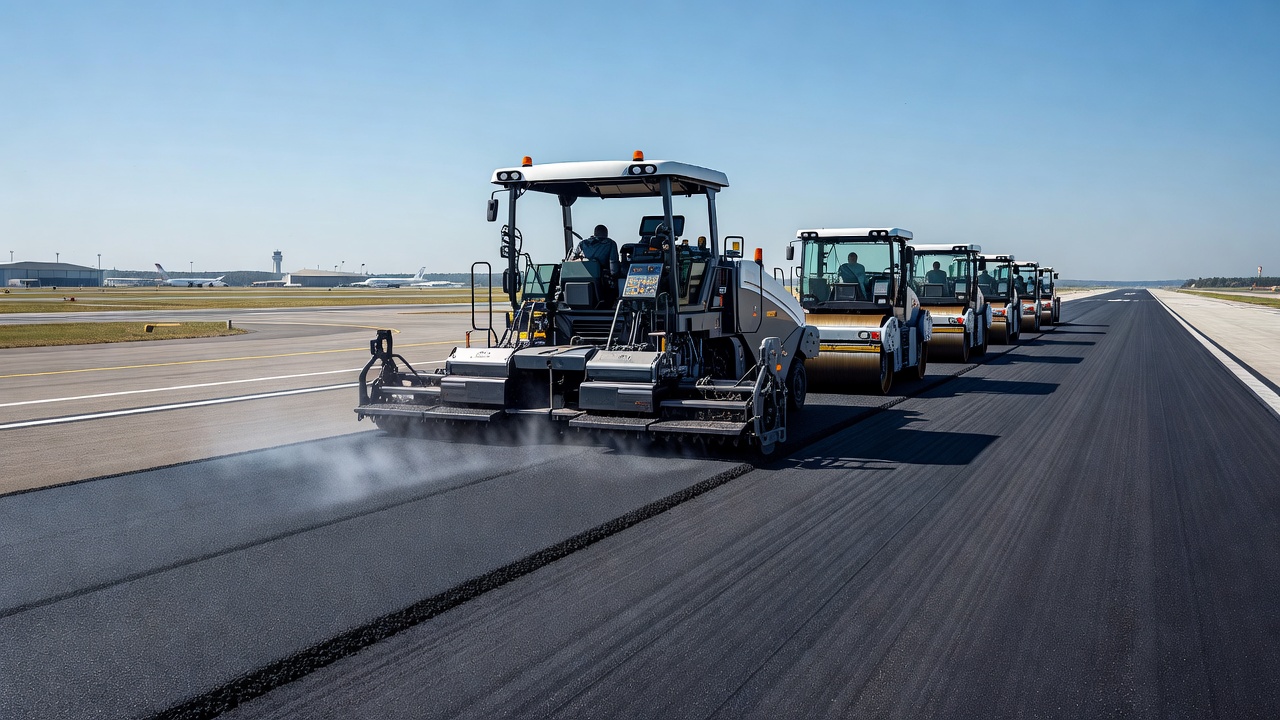
Airport-specific SMA design considerations include: 14 mm NMAS preferred over 10 mm for runways to achieve optimal macrotexture, polymer-modified binder (PG 76-22 or higher) required for high-temperature performance, cellulose or mineral fibers for draindown prevention, higher-quality aggregate specifications than road SMA (lower LA abrasion, stricter F&E limits), and performance-related specifications requiring wheel tracking tests, fatigue tests, and particle loss tests specific to airport loading conditions.
SMA vs Dense-Graded HMA
The following table provides a comprehensive comparison of SMA and dense-graded HMA across all relevant performance, construction, and economic parameters:
| Property | SMA | Dense-Graded HMA |
|---|---|---|
| Gradation Type | Gap-graded (omits sand fraction) | Continuous gradation |
| Coarse Aggregate Content | 70–80% | 50–60% |
| Asphalt Binder Content | 6.0–7.0% | 4.5–5.5% |
| Binder Film Thickness | 9–12 μm | 6–8 μm |
| Target Air Voids | 3.0–4.0% | 3.0–5.0% |
| Stone-on-Stone Contact | Yes (VCAₘᵢₓ ≤ VCA_DRC) | No |
| Rutting Resistance | Excellent (30–40% less than HMA) | Good to moderate |
| Fatigue Life | 3–5× greater than HMA | Baseline |
| Predicted Service Life | 13–32 years (agency-dependent) | 9–27 years |
| Surface Macrotexture (MTD) | 0.8–1.5 mm | 0.4–0.6 mm |
| Skid Resistance | High, meets ICAO ≥1.0 mm ungrooved | Requires grooving for runway compliance |
| Noise Reduction vs. Baseline | −2 to −4 dB | Baseline |
| Permeability | Low (3–4% air voids) | Low (3–5% air voids) |
| Initial Cost | 20–30% higher | Baseline |
| Life-Cycle Cost | Cost-competitive (equivalent annual cost) | Baseline |
| Fiber Content Required | 0.1–0.4% | Not required |
| Draindown Risk | Yes, requires fiber stabilization | No |
| Aggregate Angularity | 100% fractured faces minimum | 85–95% fractured faces typical |
| Filler Content | 8–12% | 2–5% |
| Polymer Modification | Frequently specified for high-demand | Less common |
| Typical Applications | Airports, interstates, racetracks, truck terminals | General roadways |
The higher initial cost of SMA (20–30%) is driven by: higher binder content (additional binder cost), fiber addition (materials and dispensing equipment), higher aggregate quality (selective quarrying or processing), and more stringent quality control during production. However, the extended service life and reduced maintenance frequency make SMA the economically superior choice for high-traffic applications when evaluated on a life-cycle cost basis.
SMA Construction
SMA construction requires specific attention to production temperature, compaction procedures, and quality control to achieve the desired in-place density and surface characteristics.
Production Temperature
SMA is produced at temperatures that ensure adequate binder viscosity for coating and workability. For neat (unmodified) binders, the mixing temperature targets a binder viscosity of 170 ± 20 centistokes (cSt), typically corresponding to 155–175°C. For polymer-modified binders, production temperatures follow manufacturer recommendations, typically 165–185°C. Fiber pellets (cellulose) require sufficient temperature and mixing time to fully break apart and disperse, typically 15–25 seconds of dry mixing before binder addition, followed by 30–45 seconds of wet mixing.
Compaction Temperature and Rolling
The compaction temperature target is 140–165°C (280–320°F), corresponding to a binder viscosity of 280 ± 30 cSt. For polymer-modified binders, the compaction window is narrower and requires strict temperature management. Initial compaction must begin immediately behind the paver with the mat temperature not lower than 160°C.
The rolling sequence follows a three-stage process:
Breakdown rolling begins immediately behind the paver using a 10–12 ton steel drum vibratory roller operating in vibratory mode. This provides the majority of density (targeting 92–96% of maximum theoretical density). Roller speed is maintained at 3–5 km/h with the temperature window of 140–165°C.
Intermediate rolling follows breakdown rolling using a pneumatic-tired roller (rubber-tired) that closes the surface and works the remaining density. The temperature range during intermediate rolling is 100–140°C. Multiple passes are made as needed to achieve target density.
Finish rolling uses a static steel drum tandem roller operating in static mode to remove roller marks from intermediate rolling. Finish rolling continues while the mat temperature remains above 80°C.
SMA typically rolls down 10–15% of the uncompacted lift thickness, which is similar to dense-graded HMA.
Lift Thickness
The lift thickness for SMA must be at least 2 to 3 times the nominal maximum aggregate size (NMAS) to ensure proper compaction and surface finish:
| SMA Mix Type (NMAS) | Minimum Lift Thickness |
|---|---|
| 19 mm | 50–75 mm (2–3 inches) |
| 12.5 mm | 38–50 mm (1.5–2 inches) |
| 9.5 mm | 25–38 mm (1–1.5 inches) |
Critical Construction Considerations
Fat spots are the most commonly reported construction problem with SMA. These localized areas of excess binder on the pavement surface result from segregation, binder draindown during transport, low VMA, high asphalt content, or improper stabilizer type or dosage. Mitigation includes verifying fiber content in the production quality control plan, maintaining uniform mix handling, and avoiding prolonged silo storage.
Segregation avoidance requires uniform handling of the SMA mixture during loading, transport, and placement. SMA can segregate if dumped improperly into the paver hopper or if the paver augers run at excessive speed.
Compaction quality control uses nuclear density gauges or non-nuclear density gauges calibrated specifically for SMA’s coarse surface texture. Core verification is used to confirm gauge calibration.
Temperature management during transport is less critical than for dense-graded HMA because SMA’s higher binder content retains heat better, but temperature differentials in the mat still cause density variations.
SMA Inspection and Condition Assessment
Regular inspection of SMA pavements extends service life and identifies developing distress before it requires major rehabilitation.
Common Distress Modes
| Distress | Description | Primary Causes | Severity Assessment |
|---|---|---|---|
| Fat Spots / Bleeding | Localized shiny, sticky patches of excess binder on surface | Draindown, segregation, high binder content, low VMA, fiber deficiency | Measure affected area, treatment required if >5% of surface area |
| Raveling | Progressive loss of aggregate particles from surface | Binder aging, insufficient binder content, poor aggregate coating, moisture damage | Measure loose aggregate density, moderate if >5% weight loss |
| Reflective Cracking | Cracks mirroring underlying pavement or PCC joint pattern | Thermal cycling, underlying layer movement | Crack width and propagation rate |
| Rutting | Longitudinal depression in wheel paths | Insufficient stone-on-skeleton, aggregate breakdown, inadequate compaction | Rare in properly designed SMA, treat if >6 mm depth |
| Stripping | Loss of binder-aggregate bond (may appear as raveling) | Moisture damage, poor aggregate-binder adhesion | Verify with TSR testing on cores |
| Groove Closure (airport) | Transverse grooves closing under load | Heavy aircraft loading in high temperatures | Only applicable to grooved runways, prevented by using SMA ungrooved |
Non-Destructive Testing Methods
Friction testing using continuous friction measuring equipment (CFME) is the primary regulatory compliance method for airport runways. Runway friction levels must remain above ICAO minimum thresholds throughout the pavement life.
Macrotexture measurement using the sand patch method (ASTM E 965) provides MTD values, while laser profilometry measures Mean Profile Depth (MPD) for continuous assessment.
Ground Penetrating Radar (GPR) detects layer thickness, delamination, and moisture trapping within the SMA layer and underlying pavement structure.
Falling Weight Deflectometer (FWD) measures structural capacity and allows back-calculation of layer moduli for structural evaluation.
International Roughness Index (IRI) monitoring tracks ride quality deterioration and identifies areas requiring surface treatment.
Maintenance Strategies
Fat spots and minor bleeding require immediate application of blotter sand or fine aggregate to absorb excess binder, followed by monitoring. Light raveling is treated with crack sealing, fog seal, or rejuvenating emulsion applied before aggregate loss accelerates. Moderate to severe raveling requires milling and replacement of the wearing course. Reflective cracking is managed through annual crack sealing and filling, with overlay when crack density exceeds acceptable thresholds. Structural cracking requires structural overlay or mill-and-replace treatment. Rutting exceeding 6 mm requires milling and replacement of the affected layer.
SMA typically requires less frequent maintenance than dense-graded HMA due to its superior aging resistance, thicker binder films, and stone-on-stone structural capacity. The Thornton Quarry intersection case, with over 20 years of minimal maintenance under 1 million ESALs per year, exemplifies the low-maintenance life cycle achievable with properly designed and constructed SMA.
Key Inspection Points for SMA
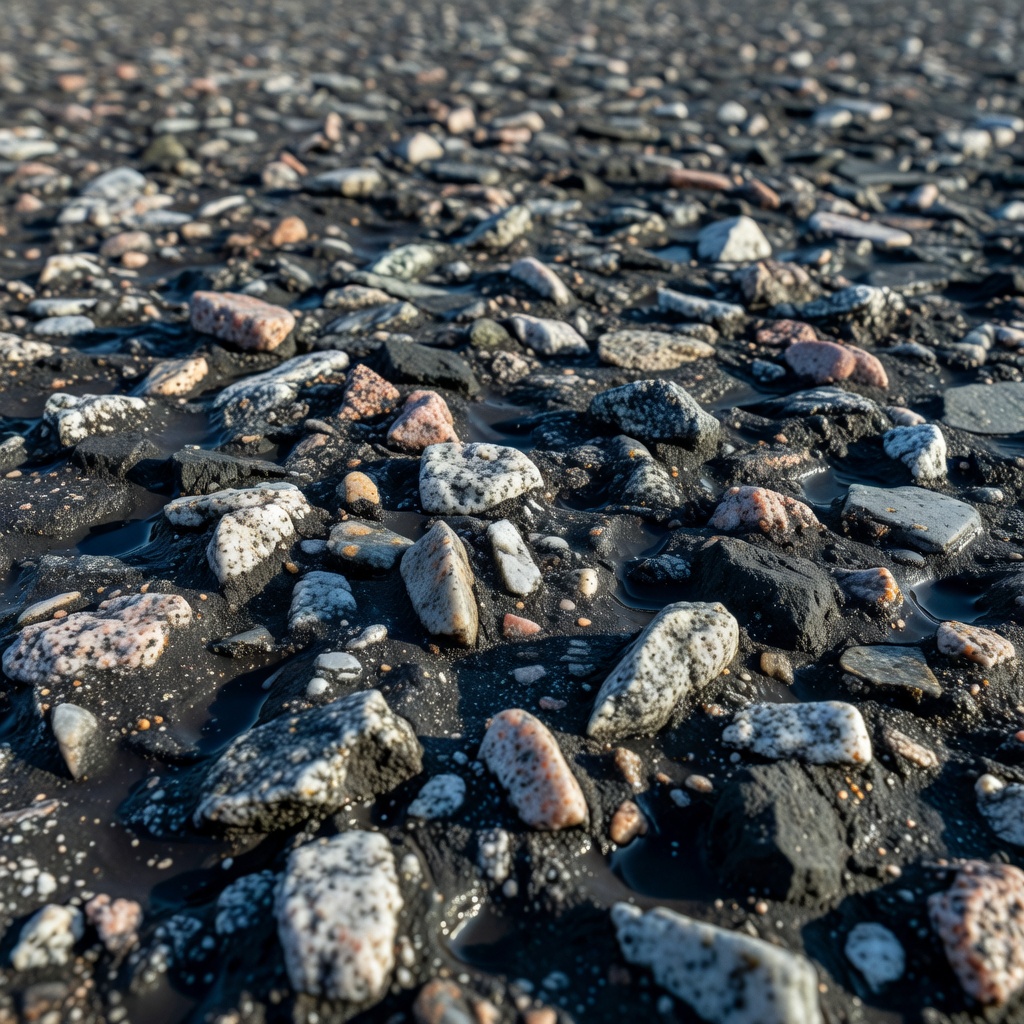
Inspection should focus on fat spot detection (most common SMA distress, often from production and placement issues), texture depth monitoring over time (aging may reduce macrotexture as binder hardens), verification of ungrooved friction levels above regulatory minimums for airport SMA, evaluation of VMA and air voids during construction QC (low VMA is a root cause of many performance issues), and monitoring of fiber content in production (under-dosage of fibers is the most common cause of draindown-related distress).
Frequently Asked Questions
- What is Stone Mastic Asphalt (SMA)?
- Stone Mastic Asphalt (SMA) is a gap-graded asphalt mixture containing 70–80% coarse aggregate that forms a stone-on-stone skeleton, with the voids filled by a rich mastic composed of asphalt binder, mineral filler, and stabilizing fibers. This structure provides superior rutting resistance, durability, and surface macrotexture compared to conventional dense-graded asphalt.
- How is SMA different from conventional hot-mix asphalt?
- SMA differs from conventional HMA in four key respects: (1) it uses a gap-graded aggregate structure that omits most sand-sized particles to force stone-on-stone contact, (2) it contains significantly higher binder content (6.0–7.0% vs 4.5–5.5%), (3) it requires stabilizing fibers to prevent binder draindown, and (4) it delivers 30–40% better rutting resistance, 3–5 times greater fatigue life, and surface macrotexture depths exceeding 1.0 mm.
- What fibers are used in SMA?
- Three fiber types are used in SMA: cellulose fibers (shredded wood pulp, dosed at 0.3% by total mix mass), mineral fibers (rock wool or slag wool, dosed at 0.3–0.4%), and polymer fibers (synthetic, dosed at 0.1–0.3%). Cellulose fibers are most common globally. All serve to stabilize the binder, prevent draindown during storage and transport, and provide structural reinforcement to the mastic.
- Why is SMA used for airport runways?
- SMA is used for airport runways because its stone-on-stone skeleton resists high shear stresses from aircraft with tire pressures exceeding 1.5 MPa (e.g., A380), and its high macrotexture (≥1.0 mm MTD) can meet ICAO friction requirements without runway grooving. It has been successfully installed on over 15 runways in Norway since 1992, and at airports in Germany, China, Australia, and the USA.
- How is SMA constructed and compacted?
- SMA is produced at 160–180°C and compacted at 140–165°C. Compaction uses a three-stage rolling process: breakdown rolling immediately behind the paver with a 10–12 ton vibratory steel drum roller, intermediate rolling with a pneumatic-tired roller, and finish rolling with a static steel drum roller. Lift thickness must be at least 2–3 times the nominal maximum aggregate size.