What is Superpave in Asphalt Pavement Engineering?
What is Superpave?
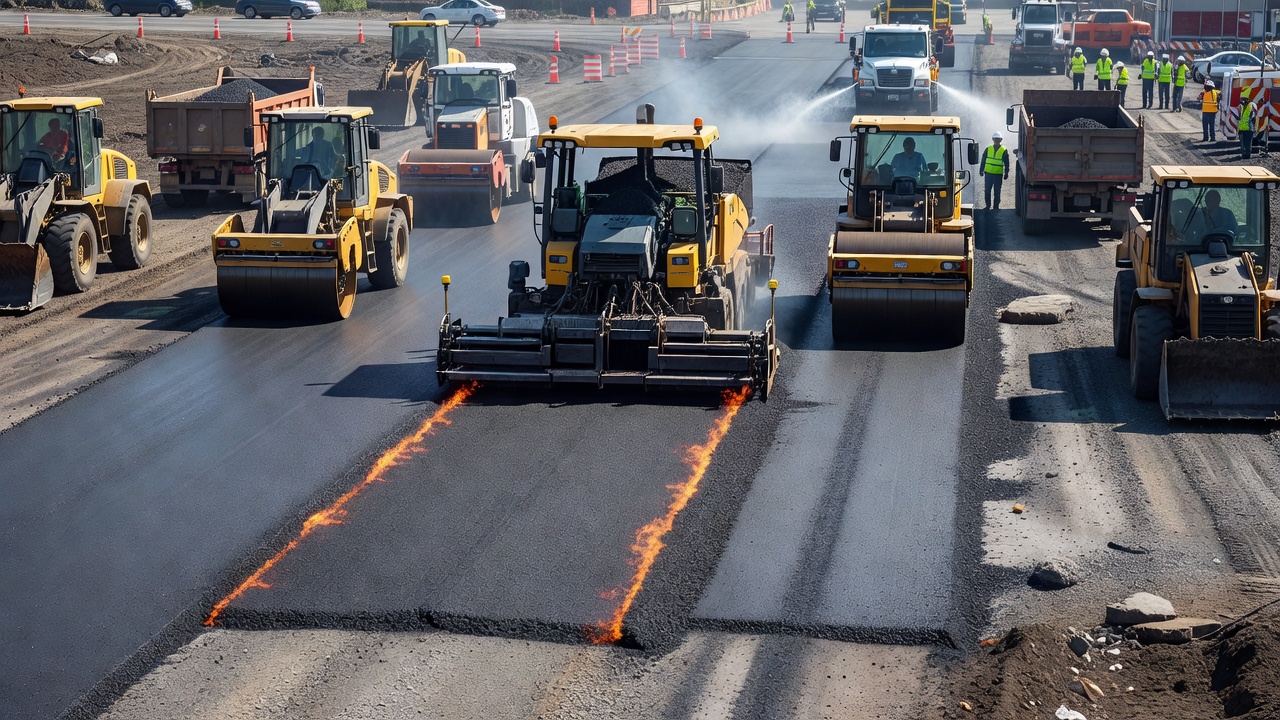
Superpave, an acronym for SUperior PERforming Asphalt PAVEments, is a performance-based asphalt mix design and analysis system developed as the principal asphalt product of the Strategic Highway Research Program (SHRP) conducted from October 1987 through March 1993. The SHRP program invested $50 million in research to develop improved methods for specifying, testing, and designing asphalt materials, culminating in the Superpave system. The system was designed to replace the older Marshall and Hveem mix design methods that had been in use since the 1940s and 1950s respectively.
Superpave is not merely a single test or specification but an integrated system that addresses three essential components of asphalt pavement technology: binder specification, aggregate requirements, and mixture design and analysis. The binder component introduced the Performance Grade (PG) specification system that classifies asphalt binders based on the temperature range in which they will perform in the field. The aggregate component introduced consensus properties, standardized physical requirements for aggregate angularity, shape, and clay content that are tied to traffic loading levels. The mixture design component introduced the Superpave Gyratory Compactor (SGC) as the laboratory compaction device and established volumetric mix design criteria based on air voids, voids in mineral aggregate (VMA), voids filled with asphalt (VFA), and dust-to-binder ratio.
The system was designed to produce asphalt pavements that resist three primary distress mechanisms: permanent deformation (rutting) caused by traffic loading at high pavement temperatures, fatigue cracking caused by repeated traffic loading at intermediate temperatures, and low-temperature (thermal) cracking caused by pavement contraction during cold weather. By tying binder selection, aggregate properties, and compaction effort to the specific traffic and climate conditions of each project, Superpave allows engineers to tailor the mix design to the actual service conditions the pavement will experience over its design life.
The Federal Highway Administration (FHWA) assumed a leadership role in the implementation of SHRP research through the establishment of the National Asphalt Training Center (NATC) at the Asphalt Institute in Lexington, Kentucky. Demonstration Project 101 was established to train laboratory technicians and engineers in the practical application of Superpave binder and mixture design technologies. Since its introduction, the Superpave volumetric mix design method has been adopted by all 50 U.S. state highway agencies and by numerous international road authorities, making it the predominant mix design method in North America.
History of the Strategic Highway Research Program (SHRP)
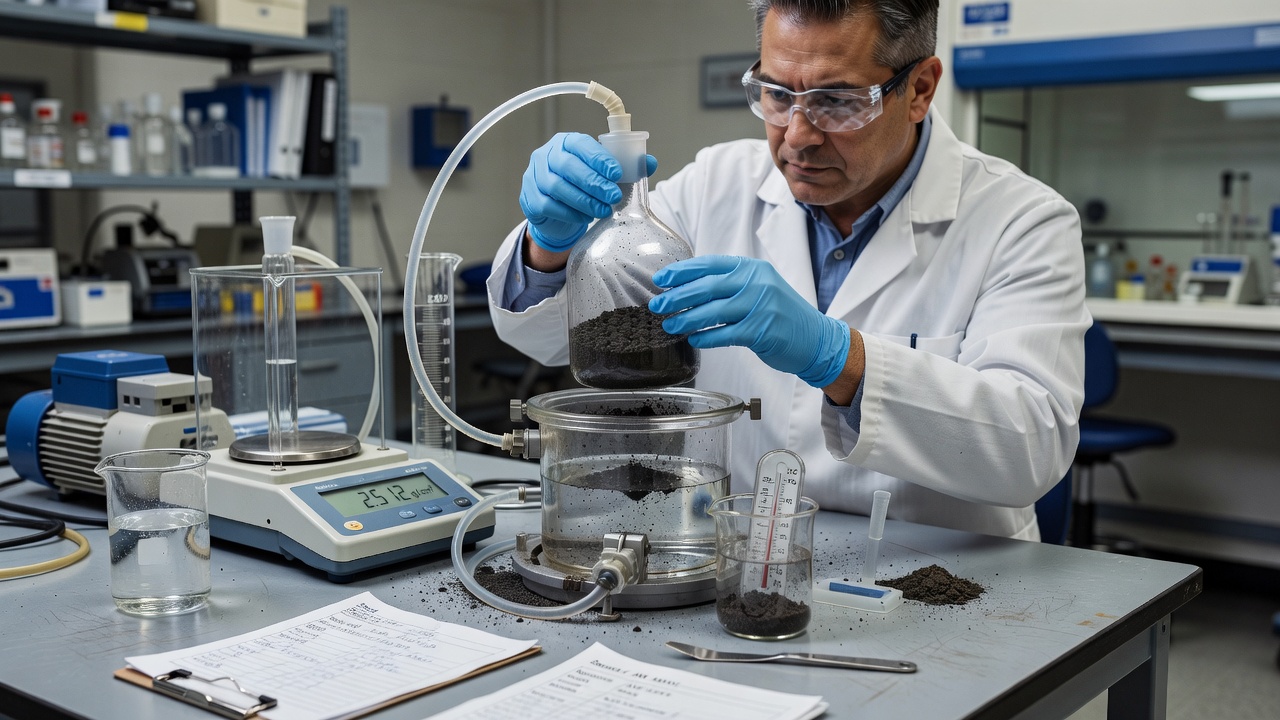
The roots of Superpave trace back to the Transportation Research Board (TRB) Special Report 202, published in 1984 under the title “America’s Highways: Accelerating the Search for Innovation.” This report identified a critical need for increased research funding to develop better, longer-lasting highway materials. In response, the United States Congress authorized the Strategic Highway Research Program (SHRP) in the Surface Transportation and Uniform Relocation Assistance Act of 1987. SHRP was established as a unit of the National Research Council and was funded at $150 million over five years, with $50 million specifically allocated to asphalt research.
The SHRP Asphalt Research Program was organized into four technical areas: asphalt binder characterization, asphalt mixture design and analysis, accelerated performance testing, and field validation. The research was conducted through a coordinated effort involving the Asphalt Institute, the University of Texas at Austin, Pennsylvania State University, the National Center for Asphalt Technology (NCAT) at Auburn University, and numerous other research institutions. The program involved the construction and monitoring of Long-Term Pavement Performance (LTPP) test sections across North America to validate laboratory findings with field performance data.
The SHRP program concluded in March 1993 with the delivery of the Superpave system, which incorporated three major innovations. The first was the Performance Grade (PG) Binder Specification (AASHTO M 320), which replaced the older penetration grade and viscosity grade systems by directly measuring binder properties at temperatures relevant to field performance. The second was the Superpave Gyratory Compactor (SGC) and the associated volumetric mix design procedure, which replaced the Marshall drop hammer and the Hveem kneading compactor. The third was a set of performance prediction models that used laboratory test results to predict pavement distress over the design life.
Following the completion of SHRP, the FHWA launched an aggressive implementation program, establishing the NATC and developing the training curriculum that became the basis for nationwide adoption of Superpave technology. The AASHTO Subcommittee on Materials adopted provisional standards for Superpave binder testing and mix design, which were later elevated to full standard status. The Intermodal Surface Transportation Efficiency Act (ISTEA) of 1991 provided additional funding support for the implementation of SHRP products.
Despite the successful implementation of Superpave Level 1 (volumetric mix design), the original vision of a fully performance-based system with Levels 2 and 3 was never fully realized. The performance tests and prediction models developed during SHRP were found to be too complex and time-consuming for routine use by state highway agencies. However, subsequent research under the National Cooperative Highway Research Program (NCHRP) led to the development of the Simple Performance Test (SPT), now standardized as the Asphalt Mix Performance Tester (AMPT), which provides practical performance testing capabilities for routine mix design and quality control applications.
Superpave Design Levels
The original Superpave system defined three hierarchical levels of mix design and analysis, each providing increasing sophistication in performance prediction at the cost of additional testing complexity and expense. These design levels were developed during the SHRP program but only Level 1 has been widely implemented in routine practice.
Level 1, Volumetric Mix Design
Level 1 is the basic volumetric mix design procedure that forms the foundation of the Superpave system. It is the only level that has been fully implemented by state highway agencies and is the level described in AASHTO R 35 (Superpave Volumetric Design for Hot-Mix Asphalt) and AASHTO M 323 (Standard Specification for Superpave Volumetric Mix Design). Level 1 involves four main steps: material selection (aggregate and binder), selection of design aggregate structure (gradation blending to meet consensus properties and gradation control points), selection of design asphalt binder content (determined by achieving 4% air voids at Ndesign gyrations), and evaluation of moisture susceptibility using AASHTO T 283 (Resistance of Compacted Asphalt Mixtures to Moisture-Induced Damage).
Level 1 does not include any mechanical performance testing beyond the moisture sensitivity evaluation. The volumetric criteria, air voids, VMA, VFA, and dust-to-binder ratio, serve as surrogate measures of mixture quality and expected performance. The compaction effort, expressed as the number of gyrations (Ndesign), is determined from the anticipated 20-year traffic loading in millions of Equivalent Single Axle Loads (ESALs) .
Level 2, Intermediate Performance Analysis
Level 2 was designed to provide intermediate-level performance analysis by incorporating laboratory performance testing and distress prediction models. In Level 2, the volumetric mix design from Level 1 is subjected to additional testing using the Superpave Shear Tester (SST) and the Indirect Tensile Tester (IDT) . The test results are used with performance prediction models to estimate the amount of rutting and fatigue cracking expected over the pavement design life at a 50% reliability level.
The SST tests used in Level 2 include the repeated shear test at constant height for rutting evaluation, the frequency sweep test at constant height for dynamic modulus determination, and the simple shear test at constant height for shear properties. The IDT tests include creep compliance and strength testing for low-temperature cracking evaluation. Level 2 requires testing at the design binder content as well as at 0.5% above and below the design content to evaluate the sensitivity of performance to binder content variations.
Level 2 was never widely implemented by state agencies because the SST was expensive, complex to operate, and the testing protocols were time-consuming. The performance prediction models also required calibration to local conditions that was not available to most agencies. However, the concept of Level 2 testing influenced the subsequent development of the Simple Performance Test (NCHRP Project 9-29) which led to the development of the Asphalt Mixture Performance Tester (AMPT) now used for dynamic modulus and flow number testing.
Level 3, Advanced Performance Analysis
Level 3 represented the most sophisticated level of Superpave analysis, incorporating comprehensive performance testing and advanced distress prediction models at a 95% reliability level. Level 3 required the same SST and IDT testing as Level 2 but with more extensive testing protocols and more rigorous data analysis requirements. The higher reliability level (95% versus 50%) was intended for pavements on critical high-volume highways where the cost of premature failure would be extremely high.
Level 3 required testing at multiple temperatures, multiple loading frequencies, and multiple confining pressures to fully characterize the viscoelastic properties of the mixture. The performance models for Level 3 incorporated more sophisticated constitutive relationships, including the VECD (Viscoelastic Continuum Damage) model for fatigue cracking and the viscoplastic model for permanent deformation.
Like Level 2, Level 3 was never implemented in routine practice due to the complexity of testing, the expense of equipment, and the lack of validated, calibrated performance models. However, the research conducted during the development of Levels 2 and 3 contributed significantly to the understanding of asphalt mixture behavior and laid the foundation for the Mechanistic-Empirical Pavement Design Guide (MEPDG) and the development of the AASHTOWare Pavement ME Design software, which now uses the dynamic modulus (E*) as the primary mixture stiffness input for flexible pavement structural design.
Performance Grade (PG) Binder Specification
The Performance Grade (PG) binder specification is arguably the most significant innovation of the Superpave system. Unlike the older penetration grade and viscosity grade specifications that classified binders based on empirical tests at arbitrary temperatures, the PG system classifies binders based on the actual temperature range in which they are expected to perform in the field. This fundamental shift from empirical to performance-based classification was a revolutionary change in asphalt binder technology.
The PG binder designation uses a two-number system, such as PG 64-22. The first number (64) represents the high-temperature grade in degrees Celsius, corresponding to the average seven-day maximum pavement design temperature at a depth of 20 mm below the surface. The second number (-22) represents the low-temperature grade in degrees Celsius, corresponding to the minimum pavement design temperature expected at the surface. A binder graded PG 64-22 is therefore suitable for applications where the average seven-day maximum pavement temperature is 64°C and the minimum pavement temperature is -22°C.
The PG specification is documented in AASHTO M 320 (Standard Specification for Performance-Graded Asphalt Binder) and AASHTO M 332 (Standard Specification for Performance-Graded Asphalt Binder Using Multiple Stress Creep Recovery [MSCR] Test). AASHTO M 332 is a newer specification that incorporates the Multiple Stress Creep Recovery (MSCR) test (AASHTO T 350) to better characterize the rutting resistance of binders, particularly polymer-modified binders. The ASTM equivalents are ASTM D6373 and ASTM D8239.
The PG binder selection process uses the LTPP Bind weather database, which contains climatic data from thousands of weather stations across North America. The engineer inputs the project location and desired reliability level (typically 50% for standard pavements, 98% for critical pavements), and the database returns the appropriate high and low pavement design temperatures. The reliability level represents the probability that the pavement temperature will not exceed the specified values during the design life. Higher reliability levels result in more conservative binder grade selections.
The tests required for PG binder grading include:
| AASHTO Standard | Test Name | Purpose | Equipment |
|---|---|---|---|
| T 48 | Flash Point | Safety (minimum 230°C) | Cleveland Open Cup |
| T 316 | Rotational Viscosity | Workability (max 3 Pa·s at 135°C) | Rotational Viscometer |
| T 315 | Dynamic Shear Rheometer (DSR) | Rutting and fatigue resistance | DSR |
| T 240 | Rolling Thin-Film Oven (RTFO) | Short-term aging simulation | RTFO Oven |
| R 28 | Pressure Aging Vessel (PAV) | Long-term aging simulation | PAV |
| T 313 | Bending Beam Rheometer (BBR) | Low-temperature cracking resistance | BBR |
| T 314 | Direct Tension Test (DTT) | Low-temperature failure strain | Direct Tension Device |
The Dynamic Shear Rheometer (DSR) measures the complex shear modulus (G*) and phase angle (δ) of the binder at high and intermediate temperatures. The parameter G/sin δ* (rutting factor) is measured on original and RTFO-aged binder and must be at least 1.0 kPa (original) and 2.2 kPa (RTFO residue) to ensure rutting resistance. The parameter G×sin δ* (fatigue factor) is measured on PAV-aged binder and must not exceed 5000 kPa to ensure fatigue cracking resistance.
The Bending Beam Rheometer (BBR) measures the creep stiffness (S) and m-value of PAV-aged binder at the low pavement design temperature plus 10°C. The creep stiffness must not exceed 300 MPa and the m-value (rate of change of stiffness with loading time) must be at least 0.300 to ensure thermal cracking resistance. The Direct Tension Test (DTT) measures the failure strain of PAV-aged binder at the low pavement design temperature, required when the BBR stiffness is between 300 and 600 MPa.
For higher traffic levels, slow-moving traffic, or critical pavements, the PG grade may be bumped to a higher high-temperature grade. For example, a PG 64-22 binder might be bumped to PG 70-22 or PG 76-22 for a high-volume interstate highway. The grade bumping provides additional rutting resistance at the cost of potentially reduced fatigue and low-temperature performance. Polymer-modified binders (such as SBS-modified PG 70-22 or PG 76-22) are commonly used for grade-bumped applications.
Aggregate Requirements
Aggregates constitute approximately 95% of the mass of an asphalt mixture, making aggregate quality critical to pavement performance. The Superpave system specifies aggregate acceptability through two categories of requirements: consensus properties and source properties. Additionally, Superpave imposes gradation control points that define acceptable gradation ranges for each nominal maximum aggregate size.
Consensus Properties
Consensus properties are four aggregate physical requirements that were developed during the SHRP program through a consensus process involving industry and agency representatives. These properties are considered essential for obtaining good pavement performance regardless of geographic location or aggregate source. The consensus properties are tied to traffic level (in millions of ESALs) and depth from the pavement surface.
Coarse Aggregate Angularity, measured as the percentage by mass of aggregate particles retained on the 4.75 mm sieve that have one or more fractured faces, as determined by ASTM D 5821. A fractured face is defined as a broken surface with an area at least equal to 25% of the maximum cross-sectional area of the particle. Higher traffic levels require higher percentages of fractured faces. For traffic greater than 30 million ESALs, 100% of coarse aggregate must have at least one fractured face and 95% must have at least two fractured faces. For low traffic levels (less than 0.3 million ESALs), the requirements are reduced to 55-85% with one fractured face and 50-80% with two fractured faces, depending on depth.
Fine Aggregate Angularity, measured as the uncompacted void content of the fine aggregate fraction (passing the 2.36 mm sieve) using AASHTO T 304 (Method A). The test measures the percentage of air voids in a loosely poured sample of fine aggregate. Higher uncompacted void content indicates more angular, cubical particles with greater internal friction and rutting resistance. For traffic greater than 30 million ESALs, the uncompacted void content must be at least 45%. For low traffic levels, the requirement may be as low as 40% for surface courses. Natural (uncrushed) sands typically have uncompacted void contents of 38-42%, while manufactured (crushed) sands can achieve values of 44-48% or higher.
Flat and Elongated Particles, measured using ASTM D 4791 (Proportional Caliper method) for aggregate particles retained on the 9.5 mm sieve. A particle is considered flat and elongated when its length-to-thickness ratio exceeds a specified value, typically 5:1 or 3:1 depending on the specification. For Superpave, the maximum allowable percentage of flat and elongated particles (5:1 ratio) is 10% for all traffic levels. Flat and elongated particles are undesirable because they tend to break during compaction and traffic loading, creating fines that reduce the effective binder content and may cause premature cracking.
Clay Content, measured as the Sand Equivalent (SE) value using AASHTO T 176. The sand equivalent test measures the proportion of clay-like fines in the aggregate fraction passing the 4.75 mm sieve. A sand equivalent value of 45 is the minimum typically required, meaning that 45% of the sediment column height consists of clean sand particles after flocculation. Higher traffic levels may require sand equivalent values of 50 or higher. Low sand equivalent values indicate the presence of clay minerals that can cause moisture damage and reduce binder-aggregate adhesion.
Source Properties
Source properties are aggregate characteristics that are not unique to Superpave but are inherited from traditional agency specifications. These properties are considered source-specific because they depend on the geological origin of the aggregate rather than the manufacturing process. Common source properties include:
Toughness (L.A. Abrasion), measured using AASHTO T 96 (Los Angeles Abrasion Test). The test measures the percentage of aggregate mass lost during tumbling with steel spheres. Maximum allowable loss is typically 35-45% depending on agency specifications. Aggregates with high L.A. abrasion loss are susceptible to breakdown during construction and under traffic.
Soundness, measured using AASHTO T 104 (Soundness of Aggregate by Use of Sodium Sulfate or Magnesium Sulfate). The test simulates freeze-thaw weathering by immersing aggregate in a saturated salt solution and subjecting it to repeated cycles of soaking and drying. Maximum allowable loss is typically 10-20% for sodium sulfate testing.
Deleterious Materials, limitations on the percentage of shale, clay lumps, friable particles, chert, and other undesirable materials that can cause popouts, raveling, or stripping in the pavement. Testing is performed according to AASHTO T 112 (Clay Lumps and Friable Particles in Aggregate) and visual inspection methods.
Gradation Requirements
Superpave defines gradation control points for each Nominal Maximum Aggregate Size (NMAS), the largest sieve size that retains less than 10% of the aggregate. The control points establish the permitted range of percent passing for key sieve sizes, defining an envelope through which the aggregate gradation must pass. The available NMAS options are: 37.5 mm, 25.0 mm, 19.0 mm, 12.5 mm, 9.5 mm, and 4.75 mm.
In addition to control points, Superpave specifies a Restricted Zone, a region of the gradation curve that the blend should avoid passing through. The restricted zone was intended to prevent the use of excessive natural sand and to ensure adequate stone-on-stone contact in the aggregate structure. However, subsequent research demonstrated that the restricted zone was not consistently related to performance, and many agencies have since modified or eliminated the restricted zone requirement. The FHWA TechBrief on Superpave Mix Design (FHWA-HIF-11-031) notes that the restricted zone is no longer considered a mandatory requirement in AASHTO M 323.
Aggregate blending is typically required to achieve the target gradation, as most projects use aggregates from multiple stockpiles (coarse aggregate, intermediate aggregate, manufactured sand, natural sand, and mineral filler). The blending process involves proportioning each stockpile to produce a combined gradation that passes through the control points while meeting all consensus and source property requirements.
Superpave Gyratory Compactor (SGC)
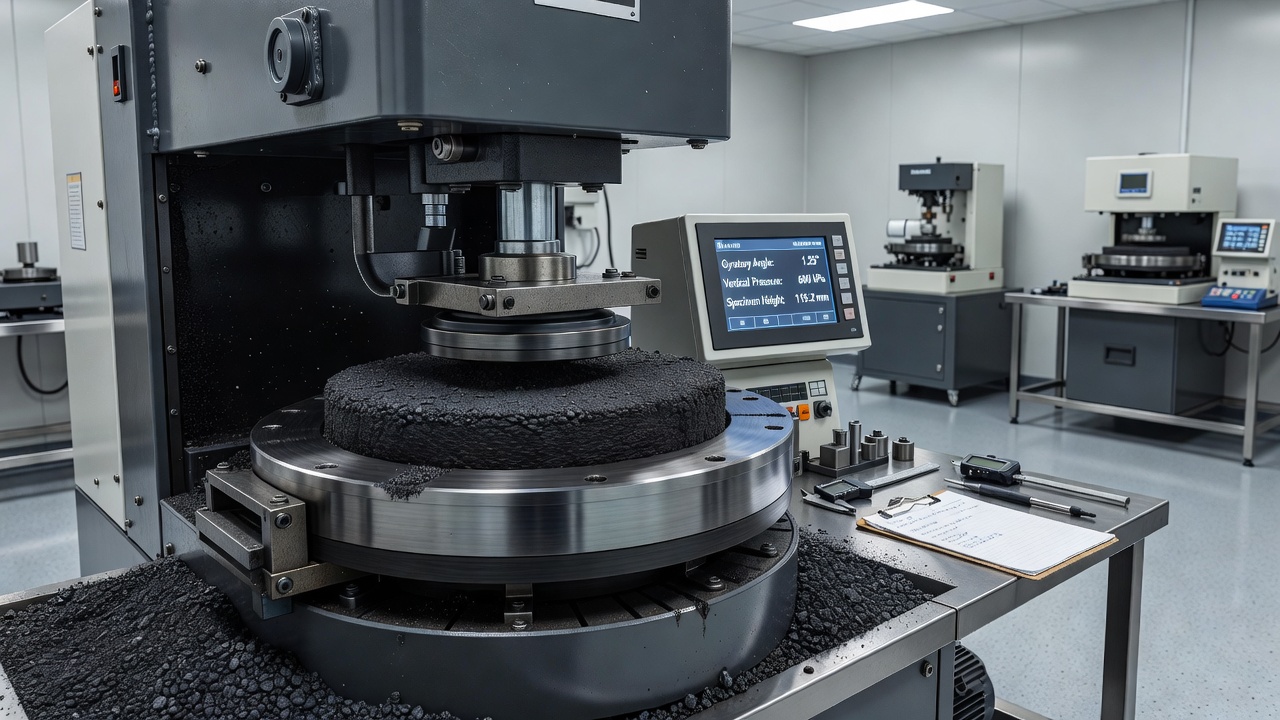
The Superpave Gyratory Compactor (SGC) is the most significant mechanical innovation of the Superpave system. The SGC replaced the Marshall drop hammer (impact compaction) and the Hveem kneading compactor as the standard laboratory compaction device for preparing asphalt specimens. The SGC produces specimens that more closely replicate the density and aggregate orientation achieved by field compaction equipment (steel-wheel and pneumatic-tire rollers).
The SGC operates by placing a loose asphalt mixture sample into a cylindrical mold (150 mm diameter for standard testing, 100 mm for smaller specimens) and applying a constant vertical pressure of 600 kPa (87 psi) while the mold is tilted at a gyration angle of 1.25 degrees and rotated at 30 gyrations per minute. The combination of vertical pressure and gyratory motion creates a kneading action that reorients aggregate particles into a dense configuration similar to that achieved by roller compaction in the field.
The primary operating parameters specified by AASHTO T 312 (Preparing and Determining the Density of Hot-Mix Asphalt [HMA] Specimens by Means of the Superpave Gyratory Compactor) include:
| Parameter | Specification Value |
|---|---|
| Vertical pressure | 600 kPa ± 18 kPa |
| Gyration angle | 1.25° ± 0.02° (internal angle) |
| Gyration speed | 30.0 ± 0.5 gyrations per minute |
| Mold diameter | 149.90 - 150.00 mm (new) |
| Specimen height | 115 mm ± 5 mm (target) |
The SGC defines three critical gyration numbers that relate to traffic level:
Ninitial (Nini), the number of gyrations used to evaluate the compactability of the mixture during early-stage construction. This is typically 6-9 gyrations depending on traffic level. At Ninitial, the specimen density must be at or below a specified percentage of the Theoretical Maximum Density (TMD), typically ≤91.5% for low traffic (<0.3 million ESALs) and ≤89.0% for high traffic (≥30 million ESALs). If the density at Ninitial is too high, the mixture is considered tender, it will compact too quickly during construction and may be unstable under traffic, particularly if it contains excessive natural sand.
Ndesign (Ndes), the design number of gyrations that produces a specimen density equivalent to the expected field density after traffic compaction. This is the primary compaction level used for mix design. At Ndesign, the target air void content is 4.0%. The number of gyrations at Ndesign ranges from 50 for low traffic (<0.3 million ESALs) to 125 for traffic ≥30 million ESALs per AASHTO R 35.
Nmax, the maximum number of gyrations that produces a density that should never be exceeded in the field. At Nmax, the air void content must be ≥2.0%. If the air voids at Nmax are below 2.0%, the mixture is considered too compactable, it will densify excessively under traffic, reducing the air void content below the minimum required for stability and potentially causing rutting and flushing (bleeding).
The SGC design gyration levels per AASHTO R 35 are:
| 20-Year Traffic (million ESALs) | Ninitial | Ndesign | Nmax |
|---|---|---|---|
| < 0.3 | 6 | 50 | 75 |
| 0.3 to < 3 | 7 | 75 | 115 |
| 3 to < 10 | 8 (7) | 100 (75) | 160 (115) |
| 10 to < 30 | 8 | 100 | 160 |
| ≥ 30 | 9 | 125 | 205 |
Note: For 3 to <10 million ESALs, agencies may use values in parentheses at their discretion.
The SGC also provides valuable information during compaction through the densification curve, a plot of specimen height (or density) versus the number of gyrations. The slope of the densification curve provides insight into the compactability of the mixture and its sensitivity to compactive effort. Mixtures that compact very rapidly (steep slope at low gyration numbers) may be tender, while mixtures that compact very slowly (shallow slope throughout) may be difficult to compact in the field.
Calibration of the SGC is critical for achieving consistent and reproducible results. A key development in SGC calibration was the adoption of internal angle measurement technology, which measures the gyration angle from sensors located inside the specimen mold rather than from the external frame of the compactor. The FHWA TechBrief on Superpave Gyratory Compactors (FHWA-HIF-11-032) documents that frame compliance under load can affect external angle measurements, making internal angle measurement essential for consistent specimen density. The presence of debris under the base plate, worn molds, and excessive gaps between the mold and base plate can all affect the effective internal gyration angle and must be controlled through regular maintenance and calibration.
Volumetric Mix Design
The Superpave volumetric mix design procedure is the core of Level 1 mix design. It establishes the optimum asphalt binder content that achieves 4.0% air voids at Ndesign while meeting all volumetric criteria for VMA, VFA, and dust-to-binder ratio. The procedure is detailed in AASHTO R 35 (Superpave Volumetric Design for Hot-Mix Asphalt) and AASHTO M 323 (Standard Specification for Superpave Volumetric Mix Design).
Air Voids (Va)
Air Voids (Va) , also expressed as Voids in Total Mix (VTM) , is the volume of air pockets between the coated aggregate particles in a compacted asphalt mixture, expressed as a percentage of the total volume of the specimen. In Superpave mix design, the target air void content at Ndesign is fixed at 4.0%. This value represents a balance between having sufficient voids for durability and resistance to flushing (if too low) versus having too many voids that would allow moisture infiltration and accelerated oxidation (if too high).
The air void content is determined from the bulk specific gravity (Gmb) and the theoretical maximum specific gravity (Gmm) of the mixture:
Va (%) = 100 × [1 - (Gmb / Gmm)]
The bulk specific gravity (Gmb) is measured on the compacted specimen using AASHTO T 166 (Standard Method of Test for Bulk Specific Gravity of Compacted Hot-Mix Asphalt Using Saturated Surface-Dry Specimens) or AASHTO T 275 (Paraffin-Coated Method) for absorptive aggregates. The theoretical maximum specific gravity (Gmm) is measured on the loose (uncompacted) mixture using AASHTO T 209 (Theoretical Maximum Specific Gravity and Density of Hot-Mix Asphalt), commonly known as the Rice test.
Voids in Mineral Aggregate (VMA)
Voids in Mineral Aggregate (VMA) is the volume of intergranular void space between the aggregate particles in a compacted paving mixture, expressed as a percentage of the total volume of the specimen. The VMA includes both the air voids and the volume occupied by the effective asphalt binder. In other words, VMA represents the total void space available within the aggregate skeleton, which must be filled with a combination of asphalt binder and air.
The minimum VMA requirements are a function of the Nominal Maximum Aggregate Size (NMAS) and are specified in AASHTO M 323 as follows:
| NMAS (mm) | Minimum VMA (%) |
|---|---|
| 37.5 | 11.0 |
| 25.0 | 12.0 |
| 19.0 | 13.0 |
| 12.5 | 14.0 |
| 9.5 | 15.0 |
| 4.75 | 16.0 |
VMA is calculated using the following formula:
VMA (%) = 100 - (Gmb × Ps / Gsb)
Where:
- Gmb = bulk specific gravity of compacted specimen
- Ps = aggregate content (% by total mass of mixture)
- Gsb = bulk specific gravity of the combined aggregate
Inadequate VMA (below the minimum) means the aggregate structure is too dense to accommodate sufficient asphalt binder for durability. The asphalt binder film thickness around the aggregate particles will be too thin, leading to premature aging, raveling, and cracking. Excessive VMA means the aggregate structure is too open, requiring high binder contents that may lead to flushing, bleeding, or stability problems.
The VMA requirement is the single most important volumetric criterion for the aggregate structure, as it directly controls the space available for the asphalt binder. Changing the gyration level does not change the VMA requirement, the aggregate gradation must be adjusted to provide adequate VMA regardless of the compactive effort.
Voids Filled with Asphalt (VFA)
Voids Filled with Asphalt (VFA) is the percentage of the VMA that is filled with asphalt binder (excluding absorbed binder). VFA is a derived parameter calculated from air voids and VMA:
VFA (%) = 100 × [(VMA - Va) / VMA]
The VFA requirements are a function of traffic level as specified in AASHTO M 323:
| 20-Year Traffic (million ESALs) | VFA Range (%) |
|---|---|
| < 0.3 | 70 - 80 |
| 0.3 to < 3 | 65 - 78 |
| 3 to < 10 | 65 - 75 |
| 10 to < 30 | 65 - 75 |
| ≥ 30 | 65 - 75 |
For high traffic levels, the VFA range is narrower and shifted to lower values, providing more room within the VMA for air voids and ensuring the mixture does not become overfilled with binder under additional traffic compaction. For low traffic levels, the VFA range allows for higher binder content, improving durability.
Dust-to-Binder Ratio
The Dust-to-Binder Ratio (P0.075/Pbe) is the ratio of the percentage of aggregate passing the 0.075 mm (No. 200) sieve (P0.075) to the percentage of effective asphalt binder content (Pbe) by mass of mixture. The effective binder content is the total binder minus the binder absorbed into the aggregate pores:
P0.075/Pbe = P0.075 / Pbe
The required dust-to-binder ratio for Superpave mixes is typically 0.6 to 1.2. For mixes with NMAS ≤ 25 mm, if the gradation passes beneath the primary control sieve (PCS) control point, the agency may accept an extended range of 0.8 to 1.6. A ratio below 0.6 indicates insufficient fines (dust) in the mixture, which can result in a low-stiffness binder-filler mastic and increased rutting potential. A ratio above 1.6 indicates excessive dust, which can produce a stiff, brittle mastic that is prone to cracking and may also absorb too much binder.
Optimum Asphalt Binder Content Selection
The process for selecting the optimum binder content involves:
- Preparing trial mixtures at four to five different binder contents, typically at 0.5% intervals bracketing the estimated optimum.
- Conditioning the loose mixture to simulate short-term aging (typically 2 hours at the compaction temperature).
- Compacting specimens to Ndesign using the SGC.
- Measuring Gmm (theoretical maximum specific gravity) and Gmb (bulk specific gravity).
- Calculating volumetric properties (Va, VMA, VFA, dust-to-binder ratio).
- Plotting volumetric properties versus binder content and selecting the binder content that yields 4.0% air voids.
- Verifying that at the selected binder content, all volumetric criteria are satisfied (VMA ≥ minimum, VFA within range, dust-to-binder ratio within range).
- Checking densification requirements at Ninitial (density ≤ specified maximum percentage of TMD) and Nmax (air voids ≥ 2.0%).
- Evaluating moisture susceptibility using AASHTO T 283 with a minimum Tensile Strength Ratio (TSR) of 80%.
Superpave vs. Marshall Mix Design
The Marshall and Superpave mix design methods represent fundamentally different approaches to asphalt mixture design. While both methods ultimately determine an optimum binder content, they differ in equipment, philosophy, performance indicators, and the scope of the design process.
| Parameter | Marshall Method | Superpave Method |
|---|---|---|
| Compaction method | Impact hammer (50 or 75 blows per face) | Gyratory (50-125 gyrations) |
| Specimen size | 102 mm diameter × 63.5 mm height | 150 mm diameter × 115 mm height |
| Performance criteria | Stability (kN) and Flow (mm) | Volumetric properties only (Level 1) |
| Binder grading | Penetration or viscosity grade | Performance Grade (PG) |
| Traffic consideration | Fixed compaction (all mixes) | Variable compaction (Ndesign by traffic) |
| Climate consideration | None | PG binder selection by climate |
| Aggregate properties | Not specified in design method | Consensus properties by traffic level |
| Moisture sensitivity | Optional | Required (AASHTO T 283) |
| Field density target | ≥95% of lab Marshall density | 92-98% of Gmm (4% target air voids) |
The Marshall method was developed by Bruce Marshall of the Mississippi Highway Department in 1939 and refined by the U.S. Army Corps of Engineers during World War II for airfield pavement design. It uses impact compaction with a 4.54 kg sliding hammer dropped from 457 mm, applying 50 or 75 blows per face of the specimen. The compacted specimen is loaded in a Marshall testing machine at 60°C to determine stability (peak load in kN) and flow (vertical deformation in mm). The optimum binder content is selected as the binder content that achieves 4% air voids (or 3-5% depending on specification) while meeting minimum stability and flow range requirements.
The Marshall method, despite its widespread use and simplicity, has several acknowledged limitations. The impact compaction does not simulate the kneading action of field rollers, producing specimens with different aggregate orientation than field-compacted pavement. The stability test does not adequately measure shear strength but rather a combination of shear and compression. The method does not account for climate or traffic level in the design process, a mix designed for a low-volume road receives the same compaction effort as a mix for an interstate highway. These limitations led to the growing recognition among asphalt technologists that the Marshall method had outlived its usefulness for modern, high-traffic pavement applications.
Superpave addresses these limitations directly. The Performance Grade (PG) binder system ensures that the binder is selected based on the actual temperature range of the project location. The gyratory compactor applies a kneading action that better replicates field compaction. The variable compaction effort (Ndesign) ranges from 50 to 125 gyrations depending on traffic level, so high-traffic pavements receive more compactive effort. The aggregate consensus properties ensure adequate aggregate quality for the traffic level. The focus on volumetric properties (VMA and VFA) rather than stability and flow provides a more fundamental basis for mixture quality.
Research comparing Marshall and Superpave mixes has demonstrated that Superpave-designed mixes typically exhibit superior resistance to rutting, improved fatigue life, and better moisture damage resistance. A study by Farooq et al. reported that Superpave mixtures had higher indirect tensile strength (ITS) and resilient modulus (MR) than Marshall mixtures. Zumrawi and Edrees found that conventional Marshall mixes provided poorer rutting and thermal crack resistance compared to Superpave mixes in hot climate regions. The NCHRP Report 573 provided extensive field validation data demonstrating that Superpave mixtures generally perform well under real-world traffic and environmental conditions.
However, there has been concern that the Superpave system produces mixes that are “too dry”, that is, with lower asphalt binder content than desirable for long-term durability. The FHWA Mix Expert Task Group (ETG) acknowledged that there are cases where the Superpave requirements may be excessive, producing mixes that are hard to construct and potentially less durable. The solution, as recommended in the FHWA TechBrief (FHWA-HIF-11-031), is not simply to reduce gyration levels but to carefully evaluate the impact of any changes on mixture performance using performance testing such as the Hamburg Wheel Tracking Test or the Asphalt Pavement Analyzer (APA) .
Superpave for Airport Pavements
The application of Superpave technology to airport pavements follows standards established by the Federal Aviation Administration (FAA) , which incorporates Superpave principles within its Item P-401 specification for Plant Mix Bituminous Pavements (AC 150/5370-10H). Airport pavements present unique challenges compared to highway pavements due to the higher loads, higher tire pressures, and safety-critical nature of aircraft operations.
The FAA P-401 specification recognizes three gradation types for airport mixes:
| Gradation | NMAS | Minimum Lift Thickness | Primary Application |
|---|---|---|---|
| Gradation 1 | 19.0 mm | 3 inches (75 mm) | Heavy-load runways and taxiways |
| Gradation 2 | 12.5 mm | 2 inches (50 mm) | Medium-load pavements |
| Gradation 3 | 9.5 mm | 1.5 inches (38 mm) | Leveling courses, light-load areas |
The P-401 specification incorporates FAA-specific Superpave requirements including:
Gyratory Compaction Levels, Airport Superpave mixes typically use lower gyration levels than highway applications due to the different loading characteristics of aircraft. For general aviation and lighter aircraft pavements, 50 gyrations are commonly used. For commercial service airfields serving heavy aircraft, 75 gyrations may be specified. The FAA has funded research at NCAT (National Center for Asphalt Technology) to validate appropriate gyration levels for airport applications, recognizing that the relationship between laboratory gyration levels and field densification differs for airport pavements.
PG Binder Selection with Grade Bumping, The FAA specifies PG binder selection based on climate with additional grade bumping to account for the higher tire pressures of aircraft. The guidance provides that base grade is determined from climate only, with no bumping for traffic. When bumping a grade, PG Plus testing is required if the upper temperature limit is 92°C or greater (indicating a modified binder). The Asphalt Institute’s binder specification database is used for reference. Common airport binder grades include PG 64-22, PG 70-22, PG 76-22, and PG 76-28 depending on climate and operational requirements.
Performance Testing Requirements, The P-401 specification now includes a loaded wheel test requirement for mix design evaluation. The default method uses the Asphalt Pavement Analyzer (APA) with 250 psi hose pressure at 64°C per AASHTO T 340, with a maximum rut depth of 10 mm at 4,000 passes. Alternative methods include APA testing at 100 psi and 64°C (max 5 mm at 8,000 passes) or Hamburg Wheel Tracking Test per AASHTO T 324 (max 10 mm at 20,000 passes). These performance testing requirements ensure that airport mixes are evaluated for rutting resistance under simulated aircraft loading conditions.
Quality Control and Acceptance, The P-401 specification places significant emphasis on quality control, making the contractor’s QC program a separate pay item. The specification requires a QC/QA workshop before construction begins, involving the engineer, resident project representative, contractor, subcontractors, testing laboratories, and the owner’s representative. Acceptance is based on Percent Within Limits (PWL) methodology, with joint density pay items for longitudinal and transverse construction joints.
Compaction Measurement, The FAA now specifies compaction as a percentage of Theoretical Maximum Density (TMD), consistent with highway practice, rather than the previous method of percentage of laboratory bulk density. The target density range is typically 92-98% of Gmm, corresponding to 2-8% air voids in the field.
The ICAO (International Civil Aviation Organization) references FAA and ASTM standards for airport pavement materials through its Annex 14, Aerodromes and Aerodrome Design Manual (Doc 9157, Part 3) . While ICAO does not write its own detailed materials specifications, it requires that airport pavements be constructed and maintained to standards that ensure the safety of aircraft operations, which effectively mandates the use of performance-based mix design methods such as Superpave for critical airfield pavements.
Quality Control and Acceptance
Quality control (QC) and quality assurance (QA) for Superpave mixes follow established statistical quality control procedures that are essential for ensuring that the produced mixture meets the design requirements and will perform as intended in the field.
The standard acceptance framework for Superpave production uses Percent Within Limits (PWL) methodology per AASHTO R 9 (Acceptance Sampling Plans for Highway Construction) and AASHTO R 42 (Standard Practice for Developing a Quality Assurance Plan for Hot-Mix Asphalt). PWL estimates the percentage of the production lot that falls within the specification limits based on statistical analysis of test results from random samples.
Key QC/QA parameters for Superpave production include:
| Parameter | Typical Specification | Test Method |
|---|---|---|
| Asphalt binder content | ±0.3-0.5% of JMF | AASHTO T 308 (ignition oven) or AASHTO T 164 (extraction) |
| Gradation (% passing each sieve) | ±4-8% of JMF | AASHTO T 30 / AASHTO T 27 |
| Air voids at Ndesign | 4.0% ± 1.0% | AASHTO T 166, T 209, T 312 |
| VMA | ≥ minimum specified | Calculated from volumetric data |
| VFA | Within specified range | Calculated from volumetric data |
| Mat density | 92-98% of Gmm | AASHTO T 166 (cores) or nuclear gauge |
Acceptable Quality Level (AQL), Most agencies specify a minimum PWL of 90% for key parameters such as density and air voids. This means that at least 90% of the production must fall within the specification limits for the lot to be accepted at 100% payment. Lower PWL values result in reduced pay factors (price reductions), while higher PWL values may qualify for incentive payments.
Verification Testing, The agency typically performs independent verification testing on samples obtained separately from the contractor’s QC samples. Statistical comparison using F-tests (for variance) and t-tests (for means) determines whether the contractor’s test results can be used for acceptance. If the F-test or t-test indicates a significant difference between contractor and agency results, resolution testing or independent laboratory testing may be required.
Production Lot Structure, Superpave production is typically divided into lots of 500-1000 tons (depending on agency specification), with each lot subdivided into 4-5 sublots. One random sample is taken from each sublot, providing 4-5 samples per lot for statistical analysis.
Process Control, The contractor maintains process control through continuous monitoring of plant production parameters including aggregate feed rates, burner temperatures, baghouse fines return, mix temperature, and storage silo conditions. Nuclear asphalt content gauges are commonly used for real-time binder content monitoring, while periodic laboratory testing provides verification.
Performance Testing
While Level 1 Superpave mix design relies on volumetric criteria as surrogate performance indicators, performance testing provides direct measurement of mixture resistance to specific distress mechanisms. The development of practical performance tests for routine use has been the subject of extensive research under NCHRP Projects 9-19, 9-29, and 9-33.
Asphalt Pavement Analyzer (APA)
The Asphalt Pavement Analyzer (APA) per AASHTO T 340 is a loaded-wheel rutting test that evaluates the rutting resistance of compacted asphalt specimens. The APA uses a pressurized rubber hose (typically 100-250 psi) that bears against a rectangular specimen as a wheel passes back and forth. The rut depth is measured after a specified number of passes (typically 4,000-8,000). The APA is widely used by state agencies and is the performance test specified in the FAA P-401 specification for airport mixes.
Hamburg Wheel Tracking Test
The Hamburg Wheel Tracking Test per AASHTO T 324 evaluates both rutting resistance and moisture susceptibility. Steel wheels (47 mm wide) roll across compacted specimens submerged in a hot water bath at 50°C. The test tracks rut depth as a function of wheel passes up to 20,000 passes. The Hamburg test provides two key parameters: the creep slope (rutting under dry conditions) and the stripping inflection point (number of passes at which moisture damage begins to accelerate rutting). A minimum of 10,000-20,000 passes before the stripping inflection point is typically required.
Asphalt Mix Performance Tester (AMPT)
The Asphalt Mix Performance Tester (AMPT) per AASHTO TP 79 (Dynamic Modulus Test) and AASHTO TP 107 (Flow Number Test) provides comprehensive performance characterization. The Dynamic Modulus (E)* test measures the stiffness of the mixture over a range of temperatures (4°C to 54°C) and loading frequencies (0.1 to 25 Hz), producing a master curve that characterizes the viscoelastic behavior of the mixture. The Flow Number (Fn) test applies a repeated haversine axial load to an unconfined specimen and measures the accumulated permanent strain as a function of load cycles. The Flow Index at the tertiary flow point is a measure of rutting resistance.
Indirect Tensile (IDT) Testing
The Indirect Tensile Test (IDT) per AASHTO T 322 is used to determine the creep compliance and tensile strength of asphalt mixtures at low temperatures for thermal cracking evaluation. The IDT test loads a cylindrical specimen across its diameter, creating a relatively uniform tensile stress in the vertical plane. The creep compliance (D(t)) parameter is used in the Thermal Cracking Model of the MEPDG to predict low-temperature cracking performance.
Moisture Susceptibility
Moisture susceptibility testing per AASHTO T 283 (Modified Lottman Test) is the only performance test required in the Level 1 Superpave mix design. Six specimens are prepared and divided into two subsets: one subset is tested dry, and the other is subjected to partial vacuum saturation followed by a freeze-thaw cycle and warm-water conditioning. Both subsets are tested for indirect tensile strength. The Tensile Strength Ratio (TSR) is calculated as the ratio of conditioned to unconditioned tensile strength, expressed as a percentage. A minimum TSR of 80% is typically required.
The integration of performance testing into routine Superpave mix design and production QC represents the ongoing evolution of the system toward the original vision of a fully performance-based specification. The Balanced Mix Design (BMD) approach, currently under development and implementation by multiple state highway agencies, seeks to directly measure and balance rutting resistance, cracking resistance, and moisture susceptibility in the mix design process, moving beyond the current reliance on volumetric criteria alone.
Frequently Asked Questions
- What does Superpave stand for?
- Superpave is an acronym for Superior Performing Asphalt Pavements. It is a performance-based asphalt mix design system developed under the Strategic Highway Research Program (SHRP) from 1987 to 1993, representing a $50 million research investment by the United States Congress. The system introduced three major innovations: the Performance Grade (PG) binder specification system, the Superpave Gyratory Compactor (SGC) for laboratory compaction, and new volumetric mix design criteria tied to traffic loading and climate.
- What is the difference between Superpave and Marshall mix design?
- The Marshall method uses impact compaction with a drop hammer (blows), while Superpave uses the gyratory compactor which applies a kneading action that better simulates field compaction. Marshall evaluates stability and flow as pass/fail criteria, while Superpave relies on volumetric properties (air voids, VMA, VFA) and does not use stability/flow testing. Superpave integrates binder and aggregate selection into the design process, while Marshall primarily addresses optimum binder content. Superpave also accounts for traffic level and climate, whereas Marshall uses fixed compaction levels regardless of traffic.
- What are the Superpave design levels?
- Superpave originally defined three design levels: Level 1 (volumetric mix design), uses material selection and volumetric analysis to select optimum binder content at 4% air voids, with Ndesign gyrations based on traffic. Level 2 (intermediate analysis), adds performance testing and pavement distress predictions at a 50% reliability level for rutting and fatigue cracking. Level 3 (advanced analysis), incorporates comprehensive performance testing using the Superpave Shear Tester (SST) and Indirect Tensile Tester (IDT) with 95% reliability predictions. Levels 2 and 3 were never fully implemented in routine practice.
- How are PG binders selected for a Superpave mix?
- PG (Performance Grade) binders are selected based on the climatic conditions of the project site using the LTPP Bind weather database. The PG grade designation, such as PG 64-22, indicates the high-temperature grade (64°C, average 7-day maximum pavement temperature) and low-temperature grade (-22°C, minimum pavement design temperature). The binder grade may be adjusted (grade bumping) for higher traffic levels, slow-moving traffic, or critical pavements. AASHTO M 320 and M 332 govern PG binder specifications.
- What are aggregate consensus properties in Superpave?
- Aggregate consensus properties are four physical requirements that Superpave specifies for acceptable aggregate quality: coarse aggregate angularity (percentage of fractured faces), fine aggregate angularity (uncompacted void content), flat and elongated particles (shape requirement), and clay content (sand equivalent value). These properties are tied to traffic level and depth from the pavement surface. Higher traffic levels require more angular aggregates with fewer flat/elongated particles and lower clay content.
- What is the Superpave Gyratory Compactor (SGC)?
- The Superpave Gyratory Compactor (SGC) is the laboratory compaction device used in the Superpave mix design system. It applies 600 kPa of vertical pressure while gyrating the mold at 1.25 degrees and 30 gyrations per minute. The SGC produces specimens 150 mm in diameter that more closely simulate field compaction than Marshall hammers. The SGC uses three gyration levels: Ninitial (compactability), Ndesign (design compactive effort based on traffic), and Nmax (maximum expected density). The device also records densification data throughout compaction.
- What volumetric properties are used in Superpave mix design?
- Superpave uses four key volumetric parameters: Air Voids (Va), target of 4% at Ndesign, Voids in Mineral Aggregate (VMA), minimum values based on nominal maximum aggregate size, ranging from 11% for 37.5 mm to 15% for 9.5 mm, Voids Filled with Asphalt (VFA), specified range based on traffic level, from 65-80% for low traffic to narrower ranges for high traffic, and Dust-to-Binder Ratio (P0.075/Pbe), typically 0.6-1.2, representing the ratio of material passing the No. 200 sieve to effective asphalt content.
- How does Superpave address airport pavements?
- The FAA uses Superpave methodology within its P-401 specification for airport pavement construction. Airport Superpave specifications modify aggregate angularity requirements, use lower gyration levels (typically 50 gyrations for general aviation and 75 for commercial service), and require loaded wheel testing using the Asphalt Pavement Analyzer (APA) for rut resistance. PG binder grade selection accounts for grade bumping due to high tire pressures (100-250 psi). Airport mixes must meet minimum VMA requirements similar to highway applications.
- What performance tests are used with Superpave?
- Superpave incorporates several performance tests: the Asphalt Pavement Analyzer (APA) per AASHTO T340 for rutting evaluation, the Hamburg Wheel Tracking Test per AASHTO T324 for rutting and moisture sensitivity, the Dynamic Modulus test (E*) per AASHTO TP79 using the Asphalt Mix Performance Tester (AMPT), the Flow Number test (Fn) for permanent deformation, the Bending Beam Rheometer (BBR) for low-temperature cracking, and the Indirect Tensile (IDT) creep and strength test. Moisture susceptibility is evaluated using AASHTO T283 (Modified Lottman test).
- What quality control methods are used for Superpave production?
- Superpave quality control (QC) and quality assurance (QA) programs use Percent Within Limits (PWL) methodology per AASHTO R 9 and R 42. Key QC parameters include: asphalt binder content (extraction or nuclear gauge), gradation (washed sieve analysis), air voids at Ndesign, VMA, VFA, dust-to-binder ratio, and mat density. Acceptance testing typically uses PWL with minimum acceptable quality levels (AQL) of 90% for key parameters. Statistical process control with F-tests and t-tests is used for verification between contractor and agency testing.