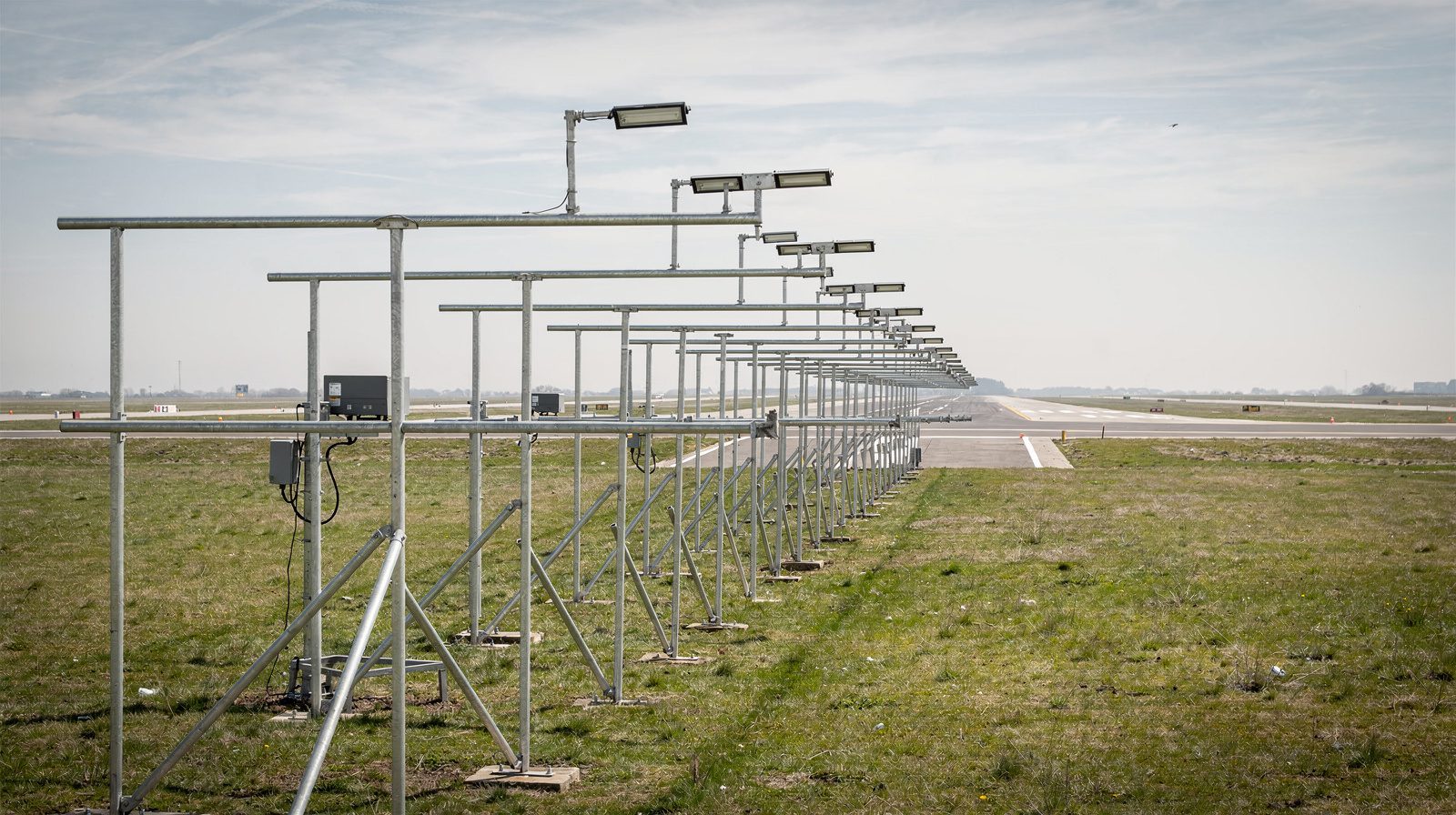
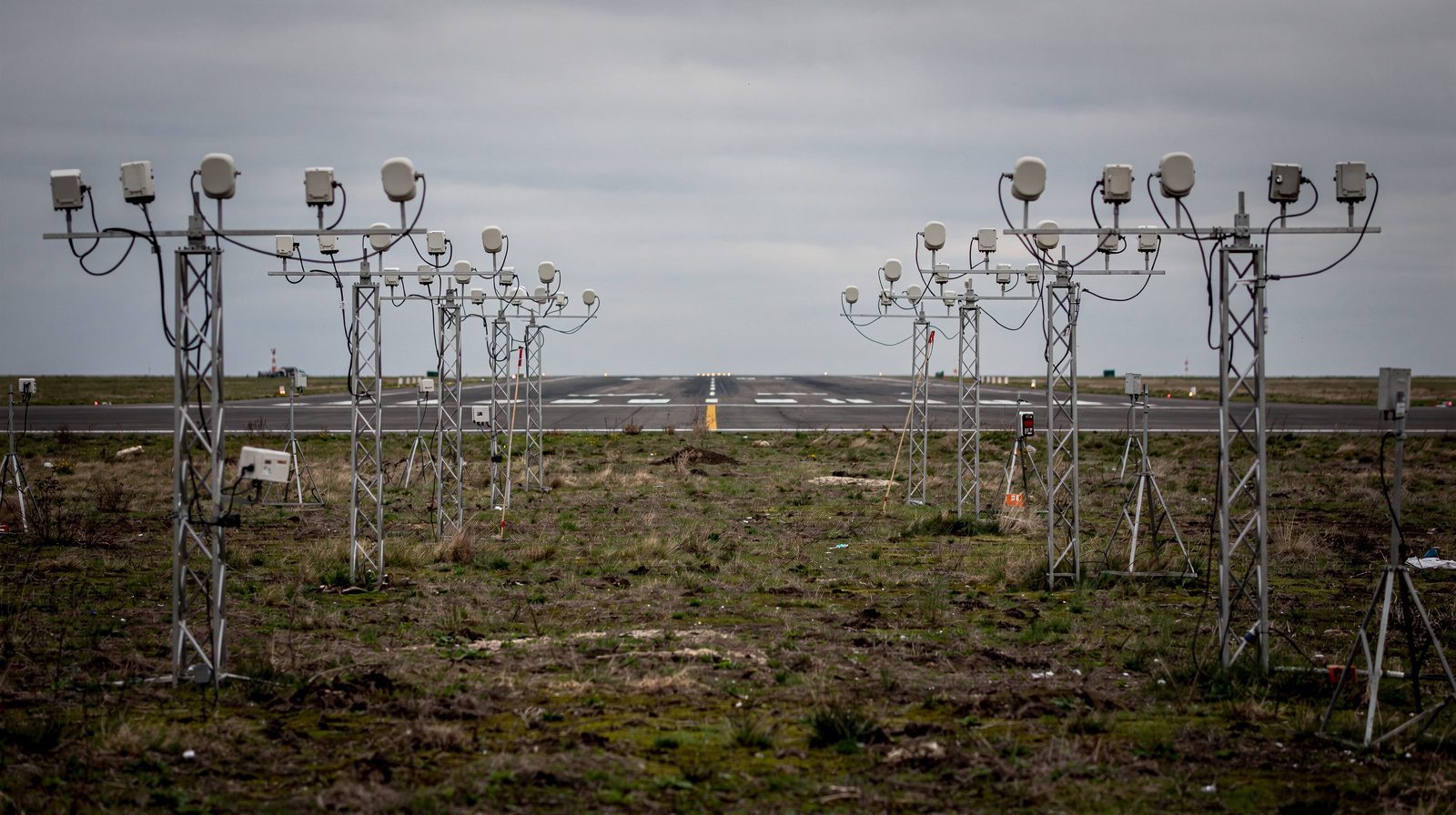
What is TALAR?
TALAR – Taxiway and Approach Lighting Removal
TALAR (Taxiway and Approach Lighting Removal) is a comprehensive process involving the technical, operational, and regulatory management of removing, deactivating, or upgrading taxiway and approach lighting systems at airports. These lighting systems, mandated by the ICAO and FAA, are essential visual aids for aircraft movements, especially in low-visibility or nighttime conditions.
TALAR encompasses more than extracting light fixtures. It includes electrical isolation, updating power and control interfaces, environmental safeguards, and regulatory compliance. Removal may be temporary (during routine maintenance or repairs) or permanent (due to decommissioning, reconfiguration, or upgrades). The process also covers the removal or safe isolation of associated infrastructure: cabling, transformers, and control panels.
Purpose and Scope
TALAR is undertaken for several reasons:
- Maintenance: Fixtures are removed for servicing, repair, or inspection, ensuring reliability.
- Upgrades: Airports transition from legacy systems (like incandescent) to energy-efficient LEDs, improving performance and reducing costs.
- Operational Changes: Taxiway realignment, runway extensions, or traffic pattern changes necessitate lighting removal or repositioning to match current layouts and maintain compliance.
- Decommissioning: When runways or taxiways are closed or repurposed, lighting and associated infrastructure are removed to eliminate hazards and reflect new operational realities.
Scope: TALAR covers all taxiway and approach lighting systems, centerline lights, edge lights, clearance bars, stop bars, approach lighting arrays (ALSF, MALSR, ODALS), and their control/power systems. Whether affecting a single fixture or an entire airport, TALAR must balance technical precision, regulatory requirements, and operational continuity.
Regulatory Framework
TALAR is governed by a matrix of international and national standards:
- ICAO Annex 14, Volume I: Sets global baseline for design, installation, removal, and compliance of airport lighting.
- FAA Advisory Circulars (e.g., 150/5340-30J): Define technical specs and procedures in the U.S.
- NOTAMs: Required for any removal/alteration, keeping pilots and controllers informed.
- Safety and Environmental Compliance: Includes handling/disposal of hazardous materials (e.g., mercury), occupational health regulations, and rigorous documentation.
Lighting Systems Affected
Taxiway Lighting
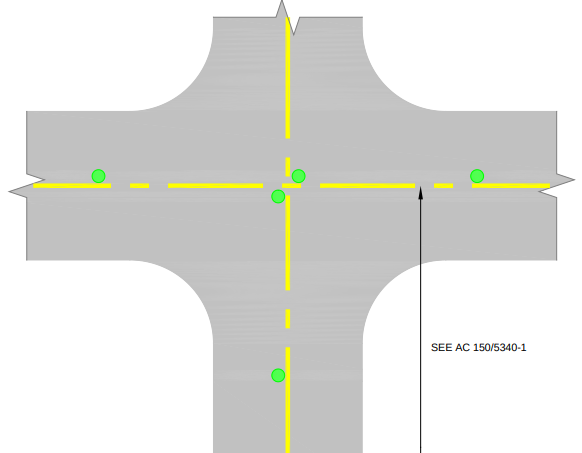
- Centerline Lights: Green, in-pavement, spaced typically 15m apart, critical for night/low-visibility taxiing.
- Edge Lights: Blue, elevated/inset, spaced up to 60m apart.
- Clearance Bar Lights: Yellow, in-pavement, used at holding positions.
- Runway Guard Lights: Yellow, flashing/steady, at runway/taxiway intersections.
- Stop Bar Lights: Red, in-pavement, controlled by ATC, prevent unauthorized runway entry.
- Lead-On/Lead-Off Lights: Alternate green/yellow, guide aircraft between taxiways and runways.
Approach Lighting Systems (ALS)
- ALSF-1/2: High-intensity, extend up to 900m, used for instrument approaches.
- MALSR: Medium-intensity, scalable, for non-precision and precision runways.
- ODALS: Compact flashing lights, used where space is limited.
- REIL: White strobes at runway thresholds.
- RWSL: Automated red lights at runway entrances/intersections.
Runway Lighting (Contextual)
- Runway Centerline/Edge Lights: White/yellow/red as appropriate.
- Threshold Lights: Green (approach), red (departure).
TALAR Procedures
1. Assessment and Planning
- Survey affected systems, plan operational impacts, coordinate with ATC and regulators.
- Issue NOTAMs and develop detailed work plans (timelines, safety, contingencies).
2. Isolation and Safety
- De-energize circuits (lockout/tagout), secure zones with barriers/signage.
- Handle hazardous materials per environmental laws, use PPE.
3. Physical Removal
- Technicians disconnect and remove fixtures, associated hardware, and infrastructure.
- Catalog removed materials for compliance and inventory.
- Remove debris to prevent FOD.
4. Replacement and Upgrades
- Install new fixtures per layout plans (especially for LED upgrades).
- Test alignment, color, intensity, calibrate control systems.
5. Restoration and Verification
- Re-energize circuits, inspect, and test systems.
- Update/cancel NOTAMs, log all work for compliance.
Tools, Equipment, and Personnel
- Tools: Insulated hand tools, torque wrenches, hoists, multimeters, optical alignment tools, PPE.
- Personnel: Airfield electrical technicians, airport operations staff, ATC liaisons, safety/environmental officers, manufacturer reps/installers as needed.
Operational and Safety Considerations
- Minimize Occupancy: Work during low-traffic periods, with ATC coordination.
- Weather: Avoid in low-visibility or adverse weather unless urgent.
- FOD Prevention: Account for all materials before reopening movement areas.
- Temporary Solutions: Use portable lighting or markers if needed.
Common Use Cases and Examples
LED Upgrade
A major airport replaces all taxiway/incandescent lights with LEDs. Teams de-energize, swap fixtures, recalibrate systems, and restore service, reducing energy use and improving reliability.
Taxiway Reconfiguration
Taxiways are realigned for new aircraft types, existing lights are removed and repositioned, with new guard and clearance bar lights installed and operational impacts carefully managed.
Approach Lighting Decommission
A runway is closed, its MALSR system is fully removed, power isolated, NOTAMs issued, and charts updated.
Emergency Repair
Flooding damages taxiway edge lights. Teams isolate, remove, replace, and test fixtures, restoring service quickly.
TALAR in Simulation Environments
Flight simulation platforms (e.g., MSFS, X-Plane) use TALAR principles to modify airport lighting for realism and performance:
- Scenery Modification: Developers remove/replace default lights using SDKs.
- Performance Optimization: Reduce lighting objects for better simulation performance.
- Visual Accuracy: Update colors, spacing, and intensity per real-world diagrams.
Documentation and NOTAM-like updates mirror real-world procedures.
Summary
TALAR is vital for maintaining safe, compliant, and efficient airport operations during lighting changes. With precise procedures, regulatory oversight, and a focus on operational continuity, TALAR supports the evolving needs of modern airports, whether for maintenance, upgrades, or decommissioning.
For expert guidance or project support, contact us or schedule a demo .
Frequently Asked Questions
- Does TALAR require runway or taxiway closure?
- Not always. Taxiway lighting removal can often be done during off-peak hours or with partial closures. Active runway lighting work usually requires brief closures coordinated with ATC and NOTAMs for safety.
- Are bulbs changed in the field, or is the whole fixture replaced?
- Usually, entire fixtures are swapped with pre-tested hot spares for reliability, especially in-pavement lights. For some systems, like PAPI, bulbs may be replaced on-site. LED units are typically replaced as sealed modules.
- What are the color codes for taxiway and approach lighting?
- | Lighting Type | Color | |------------------------------|---------| | Taxiway centerline | Green | | Taxiway edge | Blue | | Clearance bar | Yellow | | Guard lights | Yellow | | Stop bar | Red | | Approach lighting (ALS) | White | | Runway threshold (approach) | Green | | Runway end | Red |
- What regulatory notifications are required during TALAR?
- NOTAMs are mandatory for any lighting outages or changes. Updates to airport charts, operational documents, and maintenance records are also required to ensure situational awareness and compliance.
- What are the main safety risks during TALAR?
- Risks include airfield incursions, electrical hazards, FOD, and operational disruptions. These are mitigated by ATC coordination, proper isolation procedures, PPE use, and thorough site inspections.
- Can TALAR be performed during low visibility or adverse weather?
- Generally avoided unless urgent for safety. Lighting is most critical in low-visibility, removal is scheduled for clear weather when possible.
This is a reference entry. TarmacView provides drone inspection services and doesn't sell the equipment or materials described in this glossary.