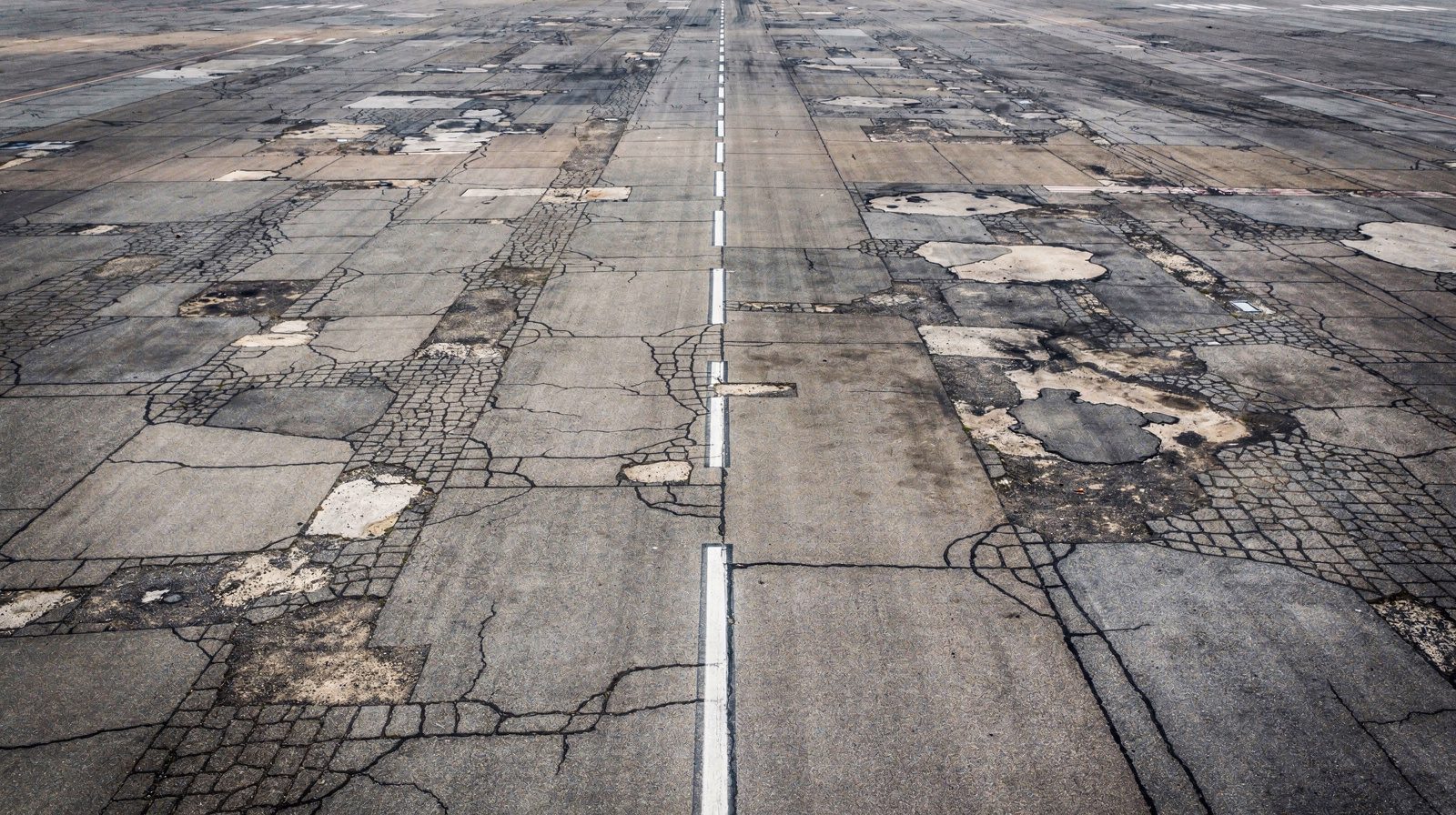
What is a Taxiway?
Taxiway
A taxiway is a specially constructed, paved pathway at an airport, designed exclusively for the ground movement of aircraft between runways, aprons, terminals, hangars, and other operational areas. Unlike runways, taxiways are not used for takeoff or landing. Instead, they facilitate the safe and efficient routing of aircraft as they transition between various ground locations.
Taxiways are engineered to support the considerable weight and wheel loads of aircraft, often featuring reinforced pavement and precise geometric layouts to accommodate large commercial jets and smaller general aviation aircraft alike. Their design is governed by international and national standards, notably ICAO Annex 14 and FAA Advisory Circulars, ensuring uniformity in dimensions, markings, lighting, and navigational aids.
Taxiways form the backbone of an airport’s ground movement network, directly influencing capacity, efficiency, and safety. Standard naming conventions involve alphabetical identifiers (e.g., Taxiway A, B, C), often supplemented by numbers (e.g., A1, B2), to facilitate precise ATC instructions and pilot navigation.
Taxiway Markings
Taxiway markings are standardized globally to provide clear visual cues for pilots and ground vehicle operators. Key markings include:
- Centerline Markings: Continuous yellow lines guiding aircraft along the taxiway.
- Enhanced Centerline Markings: Alternating dashed and solid lines before runway holding positions, warning of an approaching runway.
- Edge Markings: Double yellow lines (continuous for edges, dashed for transition zones).
- Runway Holding Position Markings: Two solid and two dashed yellow lines at points where aircraft must hold before entering a runway.
- Intermediate Holding Position Markings: Single dashed lines at intersections or holding bays.
- ILS Critical Area Markings: Ladder or railroad track patterns around sensitive instrument landing system areas.
- Non-Movement Area Boundary Markings: Solid and dashed yellow lines, separating ATC-controlled areas from ramps/aprons.
- Direction, Location, and Destination Markings: Yellow and black color schemes help identify the current taxiway, directions, and destinations.
- Geographic Position Markings: Pink circles with black letters/numbers for low-visibility position reporting.
Taxiway Signs
Taxiway signage is standardized for clarity and visibility, especially in complex or busy airfields:
- Location Signs: Black background, yellow inscription and border. Indicate the current taxiway.
- Direction Signs: Yellow background, black inscription and arrows. Point to intersecting or connecting taxiways.
- Mandatory Instruction Signs: Red background, white inscription. Indicate holding positions and areas requiring ATC clearance.
- Destination Signs: Yellow background, black inscription and arrows. Point to runways, terminals, aprons, or other key locations.
- Information Signs: Black on yellow/yellow on black, for additional instructions.
Signs are illuminated for night/low visibility, positioned per ICAO and FAA standards.
Taxiway Lighting
Taxiway lighting systems provide guidance during night and low-visibility operations:
- Edge Lights: Blue, outlining the taxiway.
- Centerline Lights: Green, embedded in the pavement on major taxiways.
- Clearance Bar Lights: Yellow, at holding positions/intersections.
- Stop Bar Lights: Red, across taxiway at runway holding positions, controlled by ATC.
- Lead-On/Lead-Off Lights: Alternating green and yellow at runway-taxiway intersections.
Lighting forms part of the wider Aeronautical Ground Lighting (AGL) infrastructure, essential for safety in adverse conditions.
Types of Taxiways
Taxiways are categorized by function and location:
- Parallel Taxiways: Run alongside runways, allowing efficient queuing and rapid runway exit.
- Exit (Rapid-Exit/High-Speed) Taxiways: Angled for quick runway exit after landing.
- Connector Taxiways: Link various airport areas.
- Apron Taxiways: Connect taxiway network to parking and service areas.
- Bypass Taxiways: Allow aircraft to circumvent congestion or blocked areas.
- Helicopter Taxiways (Helitaxi Routes): Marked and sized for helicopter movements, distinguished from fixed-wing taxiways.
Aircraft Taxiing Procedures
Taxiing is the controlled ground movement of an aircraft under its own power, excluding takeoff and landing rolls. Procedures are coordinated by ATC for safety and efficiency:
- Arrival: After landing, aircraft vacate the runway via assigned taxiways and follow ATC instructions to the gate.
- Departure: Aircraft push back, start engines, and taxi to the departure runway via a prescribed route.
- Low Visibility Operations (LVOs): Use of enhanced markings, signage, lighting, and SMGCS protocols.
- Runup Areas and Holding Bays: Designated for engine checks and system tests before departure.
- Helicopter Operations: Utilize specialized helitaxi routes, coordinated with ATC.
- Emergency Procedures: Taxiways serve as access for emergency response, with traffic cleared as needed.
Taxiway Design Considerations
Design balances efficiency, safety, and regulatory compliance:
- Aircraft Size/Type: Determines width, strength, turning radii, and clearances. The ICAO Aerodrome Reference Code (ARC) classifies requirements.
| ICAO Code | Taxiway Width (min) | Shoulder Width (min) | Examples |
|---|---|---|---|
| A | 7.5 m | 1.5 m | Cessna 172 |
| C | 18 m | 3.5 m | Boeing 737, A320 |
| E | 23 m | 10.5 m | Boeing 777, A340 |
| F | 25 m | 17.5 m | Airbus A380, B747-8 |
- Runway Configuration: Affects taxiway network complexity.
- Traffic Volume: High-traffic airports need multiple taxiways and holding bays.
- Terminal/Apron Proximity: Influences alignment and connectors.
- Pavement Strength: Engineered for heavy, frequent loads.
- Safety Margins: Defined clearances prevent collisions.
- Signage/Markings: Optimized for all conditions.
- Environment: Routing, drainage, and wildlife management minimize impacts.
Safety and Runway Incursion Prevention
Multiple safeguards prevent incidents:
- ATC Control: Pilots must obtain and comply with taxi clearances.
- Runway Incursion Prevention: Enhanced markings, hold short lines, stop bars, and runway status lights.
- Separation/Spacing: Strictly maintained.
- Situational Awareness: Pilots use diagrams, maps, and visual cues.
- Communication: Clear, continuous with ATC.
- Non-Movement Area Vigilance: Extra caution in areas outside ATC control.
- Low Visibility/Emergency Protocols: SMGCS procedures and reporting.
Taxiway Maintenance and Pavement Management
Essential for safety and compliance:
- Pavement Maintenance: Inspections for cracks, rutting, FOD removal.
- Lighting Upkeep: Daily checks, prompt repairs, snow/ice removal.
- Marking Renewal: Regular repainting for visibility.
- Pavement Rehabilitation: Resurfacing/rebuilding as needed.
- Environmental Management: Efficient layouts, drainage, and emission reduction.
Environmental Impact of Taxiways
Taxiways influence airport environmental performance:
- Taxi Time/Fuel Burn: Modern layouts and sequencing systems reduce fuel use and emissions.
- Noise Pollution: Routing and shielding mitigate noise for communities.
- Stormwater Management: Drainage and water quality systems prevent pollution.
- Wildlife Hazard Reduction: Fencing, habitat management, and deterrents lower strike risks.
Summary
Taxiways are essential infrastructure at every airport, enabling safe, efficient ground movement of aircraft. Their design, markings, signage, lighting, and maintenance are governed by stringent regulations to ensure optimal performance in all conditions. Proper taxiway planning and management directly impact airport capacity, safety, environmental performance, and the overall passenger experience.
For airports seeking to enhance ground operations, investing in advanced taxiway systems, regular maintenance, and environmental management yields significant operational and sustainability benefits.
Frequently Asked Questions
- What is the difference between a taxiway and a runway?
- A taxiway is a path designed for aircraft to move around the airport on the ground, connecting runways, aprons, terminals, and hangars. Unlike runways, taxiways are not used for takeoff or landing, runways are specifically designed and marked for those flight operations.
- How are taxiways named and identified?
- Taxiways are typically identified with single or double alphabetical characters, such as 'A', 'B', 'AA', or with numbers for branches and connectors (e.g., 'A1', 'B2'). These conventions help pilots follow ATC instructions and navigate the airport surface efficiently.
- What markings are found on taxiways?
- Taxiways feature standardized markings, including centerlines (solid yellow lines), edge markings (double yellow lines), runway holding position markings (solid and dashed lines), direction and location signs, and special symbols for low visibility operations. These markings guide aircraft and vehicles safely on the ground.
- How do taxiway lighting systems work?
- Taxiway lighting includes blue edge lights, green centerline lights, yellow clearance bar lights, and red stop bar lights. These are used at night or in low-visibility conditions to guide pilots and indicate holding positions or stop points, helping prevent runway incursions.
- What are the main types of taxiways?
- Key types include parallel taxiways (run alongside runways), rapid-exit or high-speed taxiways (allow quick runway exit after landing), connector taxiways (link airport areas), apron taxiways (connect to parking areas), bypass taxiways (route around congestion), and helicopter taxiways (for rotorcraft).
- How is taxiway safety ensured?
- Safety is maintained through a combination of ATC control, standardized markings and signs, lighting systems, clear communication, strict operating procedures, and regular inspections. Runway incursions are prevented using hold short lines, stop bars, and runway status lights.
- How do taxiways impact airport efficiency?
- Efficient taxiway layouts reduce taxi times, minimize fuel burn and emissions, and increase runway throughput. Parallel taxiways and high-speed exits, for example, allow for simultaneous arrivals and departures, reducing congestion and delays.
- What environmental considerations are involved in taxiway design?
- Taxiway design aims to reduce emissions by minimizing taxi times, manage stormwater runoff, limit noise pollution, and prevent wildlife hazards. Features like efficient routing, permeable pavements, and drainage systems help mitigate environmental impacts.
- How are taxiways maintained?
- Taxiways undergo regular inspections for pavement integrity, marking visibility, lighting functionality, and removal of foreign object debris (FOD). Maintenance includes resurfacing, repainting, lighting repairs, and ensuring clear drainage to support safe operations.
- What is an SMGCS and when is it used?
- A Surface Movement Guidance and Control System (SMGCS) is a set of procedures, markings, lights, and signs used in low-visibility conditions to ensure safe ground movement of aircraft and vehicles. It is activated when visibility is below specified thresholds.
This is a reference entry. TarmacView provides drone inspection services and doesn't sell the equipment or materials described in this glossary.