What is a Terminal Building?
Terminal Building – Structure for Passenger and Cargo Handling in Airport Infrastructure
Overview
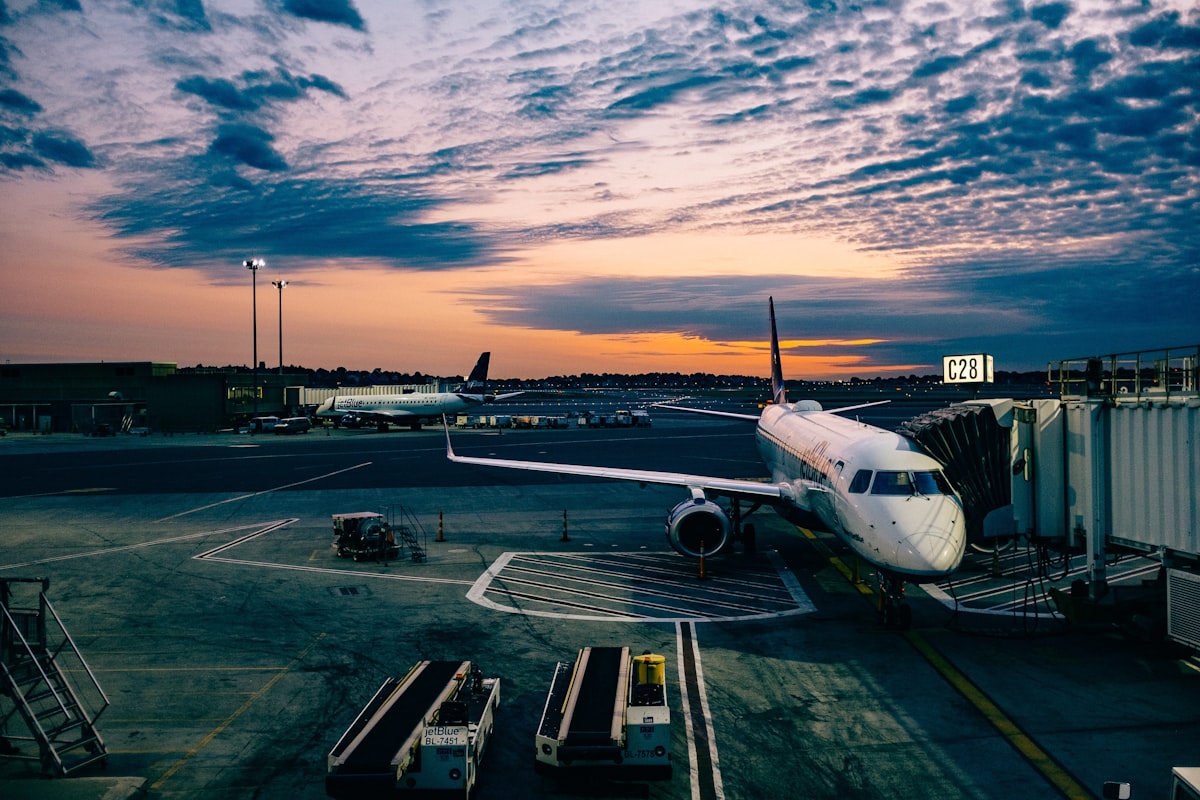
A terminal building is the central facility within an airport that manages the complex transfer and processing of passengers, baggage, and cargo between ground transportation and aircraft. Serving as the primary interface between public access (landside) and secure flight operations (airside), terminal buildings are meticulously designed to optimize flows, ensure security, and provide essential passenger and logistical services. Their configuration and scale vary widely, from compact regional terminals to vast, multi-level international complexes. Regardless of size, terminal buildings must comply with strict regulatory standards, incorporate robust security, and adapt to evolving aviation trends.
Scope and Functions of Terminal Buildings
Terminal buildings are operational hubs encompassing a broad range of functions:
- Passenger Processing: From curbside drop-off to boarding gate, including check-in, security, customs, baggage claim, and amenities.
- Cargo Handling: Acceptance, inspection, storage, and dispatch of air freight, with specialized facilities for perishables, hazardous goods, and high-value items.
- Support Services: Administrative offices, airline operations, emergency services, and technical infrastructure.
- Amenities: Retail, dining, lounges, and information services enhance passenger experience and generate non-aeronautical revenue.
The scope is determined by regulatory standards, anticipated passenger and cargo volumes, and the airport’s strategic role within the air transport network.
Passenger Handling in Terminal Buildings
Passenger handling is a core terminal function, comprising a sequence of well-orchestrated processes:
Landside Interface
- Access Points: Clearly marked entrances for pedestrians, vehicles, and public transport ensure efficient passenger flow.
- Drop-off and Pick-up Zones: Designed for minimal congestion and safety.
- Parking: Short-term, long-term, and accessible parking connect seamlessly with entry points.
Check-In and Ticketing
- Staffed Counters & Self-Service Kiosks: Facilitate boarding pass and baggage tag issuance.
- Remote and Online Check-In: Reduces on-site congestion and speeds up processing.
Security Screening
- Advanced Screening Lanes: Metal detectors, imaging, and trace detection ensure regulatory compliance.
- Segregation of Flows: Domestic and international passengers routed as per requirements.
Customs, Immigration, and Health
- International Arrivals/Departures: Integration of customs and immigration (CIQ) zones.
- Health and Quarantine: Facilities for health screening as required.
Boarding and Arrival
- Holdrooms and Lounges: Comfortable waiting areas with amenities, digital display boards, and clear wayfinding.
- Baggage Claim: Automated systems for efficient and secure delivery of checked luggage.
- Accessible Features: Elevators, ramps, tactile flooring, and assistance counters ensure inclusivity.
Cargo Handling in Terminal Buildings
Terminal buildings dedicated to cargo are designed for efficiency, security, and regulatory compliance:
Cargo Acceptance and Processing
- Loading Docks: Secure, weather-protected interfaces for trucks and freight forwarders.
- Inspection Areas: For customs, regulatory checks, and security screening.
- Specialized Storage: Cold rooms for perishables, hazardous goods handling, animal care, and secure vaults.
Automation and Security
- Automated Sorting: Barcode scanners, conveyors, and real-time inventory tracking.
- Screening Technologies: X-ray, ETD, and canine units for security compliance (ICAO Annex 17).
- Customs Clearance: Dedicated spaces for documentation, inspection, and regulatory agency interaction.
Airside Transfer
- Secure Corridors and Vehicles: Direct movement of cargo to/from aircraft stands.
- Rapid Offloading/Loading: Minimized dwell time and handling errors.
Support and Administration
- Staff Facilities: Offices, break rooms, and operations centers for 24/7 logistics management.
Integration with Airport Infrastructure
Terminal buildings are at the heart of airport infrastructure, linking:
- Airside: Direct connections to aircraft stands, gates (via boarding bridges or buses), aprons, taxiways, and runways.
- Landside: Access to roads, parking, mass transit (rail, bus), and intermodal facilities.
- Utility Networks: Robust support for water, electricity, communications, and IT.
- Emergency and Security: Planned access routes, fire lanes, and secure perimeters for rapid response and compliance.
This integration is carefully planned to ensure safe, efficient, and seamless movement for all airport users and goods.
Regulatory Compliance and Security
Terminal buildings are governed by a strict framework of international, national, and local regulations:
- ICAO Standards: Annexes 9 (Facilitation), 14 (Aerodromes), 17 (Security) set global benchmarks.
- National Authorities: FAA (US), EASA (EU), TSA (US), and equivalents enforce regional requirements.
- Security Protocols: Layered access controls, surveillance, credentialing, and advanced screening for passengers, baggage, and cargo.
- Customs and Immigration: Facilities designed for efficient, legal processing of international traffic.
- Building Codes and Accessibility: Compliance with fire safety (e.g., NFPA 415), ADA/ABA, and local codes ensures safety and inclusivity.
- Ongoing Audits: Regular inspections and certification processes maintain standards and respond to evolving threats.
Types of Terminal Buildings
Terminal buildings are classified by function:
Passenger Terminals
- International: With customs, immigration, and quarantine (CIQ) facilities.
- Domestic: For in-country flights, emphasizing rapid processing.
- Hub Terminals: Central nodes in airline networks, optimized for connections.
- O&D Terminals: Focused on origin and destination passengers, with efficient landside connections.
Cargo Terminals
- Dedicated Facilities: For freight acceptance, storage, inspection, and secure transfer.
- Automated Systems: Enhance throughput and minimize errors.
Multi-Use Terminals
- Flexible Design: Especially in regional airports, blending passenger and cargo functions for optimal resource use.
Key Components and Spaces
Terminal buildings comprise several core functional areas:
- Landside Entry/Exit: Curbside, parking, vestibules, public transport links.
- Check-In/Ticketing: Airline counters, kiosks, baggage drop points.
- Security Screening: Lanes, equipment, and personnel for compliance.
- Customs & Immigration: Controlled zones for document and security checks.
- Boarding Gates/Holdrooms: Secure, amenity-rich waiting spaces.
- Baggage Handling: Conveyors, sorters, and claim carousels.
- Cargo Processing: Docks, storage, inspection, and dispatch areas.
- Support Services: Offices, staff spaces, and technical infrastructure.
- Concessions: Retail, F&B, lounges, and customer service.
Spatial relationships are optimized for flow, security, and passenger comfort, with flexibility for expansion and evolving needs.
Spatial Programming and Facility Requirements
Sizing and Allocation
- Based on Peak Demand: Area allocations guided by ICAO, FAA, and industry best practices.
- Level of Service (LOS): Targets for wait times, comfort, and throughput.
- Flexibility: Modular spaces, expansion capability, and adaptability to airline or regulatory change.
Passenger and Cargo Flow
- Logical Sequencing: Minimizes walking distances, cross-traffic, and confusion.
- Wayfinding: Signage and digital information systems support easy navigation.
Example Passenger Flow
- Entry
- Check-In
- Security Screening
- Departure Lounge
- Boarding Gate
- Aircraft
Reverse for arrivals, with customs/immigration as required.
Planning and Design Considerations
Stakeholder Engagement
- Collaboration: Involves airport operators, airlines, regulators, consultants, and the public.
- Needs Assessment: Identifies capacity shortfalls, operational bottlenecks, and future growth.
Regulatory Compliance
- Codes and Standards: Early integration of ICAO, FAA, EASA, and local building/fire/accessibility codes.
Phasing and Flexibility
- Modular Construction: Allows adaptation to changing demand.
- Expansion Planning: Site selection and design accommodate future growth.
Passenger Experience
- Amenities: Diverse retail, dining, and lounge options.
- Accessibility: Inclusive design for all users.
- Technology: Real-time information, self-service, biometric screening, and advanced baggage systems.
Sustainability
- Green Building: Energy efficiency, waste reduction, and sustainable materials are increasingly prioritized.
Trends in Terminal Building Design
- Automation: Self-service kiosks, automated border control, and baggage handling.
- Smart Technology: IoT, biometrics, and AI for personalized experiences and operational efficiency.
- Sustainability: Eco-friendly designs, renewable energy, and green certifications.
- Resilience: Designs robust against evolving security, operational, and health threats.
- Intermodality: Seamless links to rail, bus, and other transport modes.
Conclusion
A terminal building is far more than a transit space, it is the operational, architectural, and symbolic heart of an airport. Its design and management require a careful balance of efficiency, security, comfort, and adaptability, all within a rigorous regulatory framework. Whether serving millions of international travelers or regional cargo needs, the terminal building shapes the airport experience and is crucial to the safe, secure, and efficient movement of people and goods in global aviation.

Frequently Asked Questions
- What is the main purpose of a terminal building in an airport?
- A terminal building facilitates the seamless transfer of passengers, baggage, and cargo between ground transportation and aircraft. It is the operational and logistical heart of the airport, integrating security, customs, amenities, and support services for efficient airport operations.
- How are terminal buildings designed for both passengers and cargo?
- Terminal buildings may be dedicated to passengers, cargo, or both. Passenger terminals focus on check-in, security, boarding, and amenities, while cargo terminals are equipped for freight acceptance, storage, inspection, and transfer. Multi-use terminals combine these functions, with spaces adaptable for varying demand.
- What international standards govern terminal building design?
- Terminal building design is guided by ICAO standards (including Annexes 9, 14, and 17), as well as national regulations from authorities like the FAA or EASA. These standards cover safety, security, accessibility, spatial requirements, and operational procedures.
- How do terminal buildings integrate with other airport infrastructure?
- Terminal buildings are closely connected to runways, taxiways, aircraft stands, aprons, parking, roads, and public transport. Their placement and design ensure efficient flow of passengers and cargo, supported by utilities, IT, and security networks.
- What are the key components of a terminal building?
- Key components include landside entry/exit zones, check-in and ticketing areas, security screening, customs and immigration (for international terminals), boarding gates, baggage handling systems, cargo processing areas, staff support spaces, and passenger amenities such as lounges and retail.
- How do terminal buildings ensure security and regulatory compliance?
- They implement advanced screening technologies, controlled access, surveillance, and compliance with national and international regulations for security, fire safety, and accessibility. Regular audits and updates ensure ongoing compliance.
This is a reference entry. TarmacView provides drone inspection services and doesn't sell the equipment or materials described in this glossary.