What is a Visual Approach?
Visual Approach – Approach Conducted by Visual Reference (Aviation Operations)
Definition and Regulatory Context
A visual approach is an air traffic control (ATC)-authorized procedure during which a pilot operating under Instrument Flight Rules (IFR) is permitted to transition from instrument navigation and proceed to land using visual cues. This transition is permitted only if the pilot has the airport or the preceding aircraft in sight and can remain clear of clouds. While conducted during IFR operations, a visual approach is not a published instrument approach procedure (IAP) and does not include a defined missed approach segment.
ATC may offer visual approaches to expedite traffic flow, simplify pilot/controller workload, and increase runway throughput, especially during favorable weather. According to FAA Order 7110.65 and ICAO Doc 4444, visual approaches are only available to IFR flights under positive ATC control and when weather minimums are met (usually 1,000-foot ceiling and 3 statute miles visibility). The pilot must maintain visual reference with the airport or preceding traffic, and if visual reference is lost, must immediately advise ATC.
Visual approaches allow for flexible, direct routing into airports, making them a preferred option in busy terminal environments when weather permits. However, pilots must always be prepared to revert to instrument procedures if conditions deteriorate or if instructed by ATC.
Purpose and Operational Use
The primary purpose of a visual approach is to expedite arrivals and sequencing of IFR traffic, particularly in busy or complex airspace, or when weather conditions permit safe visual navigation. By allowing pilots to proceed to the airport visually, ATC can reduce vectoring, minimize altitude and heading changes, and sequence arrivals more efficiently. This flexibility is invaluable during periods of high traffic or when rapid changes in weather create opportunities for visual operations.
Visual approaches are commonly used at both towered and non-towered airports. At towered airports, ATC maintains separation until the pilot assumes it visually. At non-towered airports, pilots are cleared to the advisory frequency to self-announce and coordinate with other traffic. In either case, the approach is only used if the weather allows for safe, continuous visual reference to the airport or preceding aircraft.
Benefits of visual approaches include reduced controller and pilot workload, decreased fuel consumption (due to shorter and more direct paths), and improved airport throughput. However, they require increased vigilance by pilots, who assume responsibility for terrain and obstacle clearance once visual reference is established.
Regulatory and Weather Prerequisites
To ensure safety, both regulatory and meteorological prerequisites must be met for a visual approach:
- Weather Minimums: The reported ceiling must be at least 1,000 feet above ground level (AGL) with visibility of at least 3 statute miles. If official weather reporting is unavailable, ATC may rely on area or pilot reports.
- IFR Flight Plan: Only aircraft operating under an active IFR flight plan are eligible for visual approaches.
- Positive ATC Control: The approach is always under ATC control. Self-initiated visual approaches are not permitted without ATC clearance.
- Visual Reference: The pilot must have the airport, runway, or assigned traffic in sight at the time of clearance and maintain it throughout the approach.
- Cloud Clearance: The aircraft must remain clear of clouds at all times during the approach.
These requirements mitigate the risk of collision with terrain, obstacles, or other traffic, especially in unfamiliar or complex terminal areas. Once visual reference is established and the clearance is received, the pilot is responsible for maintaining safe terrain and obstacle clearance.
ATC and Pilot Responsibilities
Pilot Responsibilities
- Advise ATC immediately if a visual approach cannot be accomplished or if visual reference is lost.
- Maintain visual contact with the airport or assigned traffic.
- Remain clear of clouds at all times during the approach.
- Ensure safe separation from other traffic, especially when instructed to follow another aircraft (including wake turbulence spacing).
- Assume responsibility for terrain and obstacle clearance upon accepting the visual approach, except as specified by ATC.
- Promptly inform ATC if unable to continue visually or if a go-around is necessary.
ATC Responsibilities
- Verify weather conditions meet minimums before issuing a visual approach clearance.
- Issue clearance only after the pilot reports the airport or assigned traffic in sight, or when confident the pilot will acquire visual contact in time.
- Maintain IFR separation until the pilot assumes visual separation.
- Advise pilots of wake turbulence risk when following heavy or B757-type aircraft.
- At non-towered airports: Instruct the pilot to switch to the advisory frequency and terminate radar service.
- Retain responsibility for separation and traffic advisories until the pilot assumes it visually.
Procedural Steps: How a Visual Approach is Conducted
- ATC Initiation or Pilot Request: ATC may offer, or pilots may request, a visual approach if the airport or preceding traffic is in sight and weather minima are met.
- Weather Verification: ATC confirms weather meets the minimum requirements.
- Establish Visual Reference: The pilot reports the airport or preceding traffic in sight.
- Clearance Issuance: ATC issues the clearance, e.g., “N123AB, cleared visual approach Runway 28R.”
- Pilot Execution: The pilot transitions to visual navigation for landing, maintaining visual reference and cloud clearance.
- Transition to Advisory Frequency: At non-towered airports, ATC instructs the pilot to switch to CTAF, radar service is terminated.
- Landing or Go-Around: The approach is completed visually. If a go-around is required, the pilot must remain clear of clouds and coordinate with ATC.
Communication Examples and Phraseology
Pilot has airport in sight:
- Pilot: “Approach, N456CD, airport in sight.”
- ATC: “N456CD, cleared visual approach Runway 17.”
Following traffic:
- ATC: “N789EF, traffic is a Boeing 737 on a 5-mile final, report traffic in sight.”
- Pilot: “Traffic in sight, N789EF.”
- ATC: “N789EF, follow that traffic, cleared visual approach Runway 22.”
Non-towered airport:
- ATC: “N321GH, cleared visual approach to the airport, change to advisory frequency approved.”
Standardized phraseology is essential for clarity and safety, especially in busy or complex airspace.
Visual Approach vs. Contact Approach
| Feature | Visual Approach | Contact Approach |
|---|---|---|
| Initiation | ATC may offer, pilot may request | Pilot must request, ATC cannot initiate |
| Weather Minimums | 1,000 ft ceiling, 3 SM visibility | 1 SM visibility, clear of clouds |
| Visual Reference | Airport or preceding aircraft in sight | Ground references, airport not required |
| Cloud Clearance | Remain clear of clouds | Remain clear of clouds |
| Missed Approach | No published, coordinate with ATC | No published, coordinate with ATC |
| ATC Role | Maintains separation until pilot assumes | Maintains separation, pilot assumes terrain clearance |
| Use Case | Expedite traffic in VMC under IFR | Expedite in marginal VMC, pilot request |
A contact approach is more limited, available only by pilot request and in certain jurisdictions (e.g., the US). Visual approaches are preferred when weather permits.
Use Cases and Operational Scenarios
- Busy Terminal Airspace: Expedites arrivals at major airports during good weather.
- Multiple Runway Operations: Allows flexible sequencing and direct routing for parallel or intersecting runways.
- Non-Towered Airports: Enables transition from ATC control to local traffic advisory for IFR arrivals.
- Pilot Familiarity: Favorable when pilots are familiar with the airport and terrain.
- High-Altitude/High-Energy Arrivals: Enables efficient descent profiles and energy management for jets.
Example: ATC vectors an aircraft to a downwind, instructs “Report airport in sight.” Once reported, the pilot is cleared for the visual approach and maneuvers visually for landing.
Risks, Pitfalls, and Safety Considerations
- Unstabilized Approaches: Risk of excessive speed or altitude, high sink rates, or late configuration changes.
- Visual Illusions: Night, sloping terrain, water, or poor lighting can distort glide path or runway alignment.
- Loss of Situational Awareness: Transitioning to visual cues can lead to confusion, particularly in unfamiliar environments.
- Wake Turbulence: Following heavy aircraft too closely on final.
- Terrain and Obstacle Clearance: Pilot is responsible once visual approach clearance is accepted.
Safety Mitigations:
- Ensure a stabilized approach by 500 feet AGL in VMC.
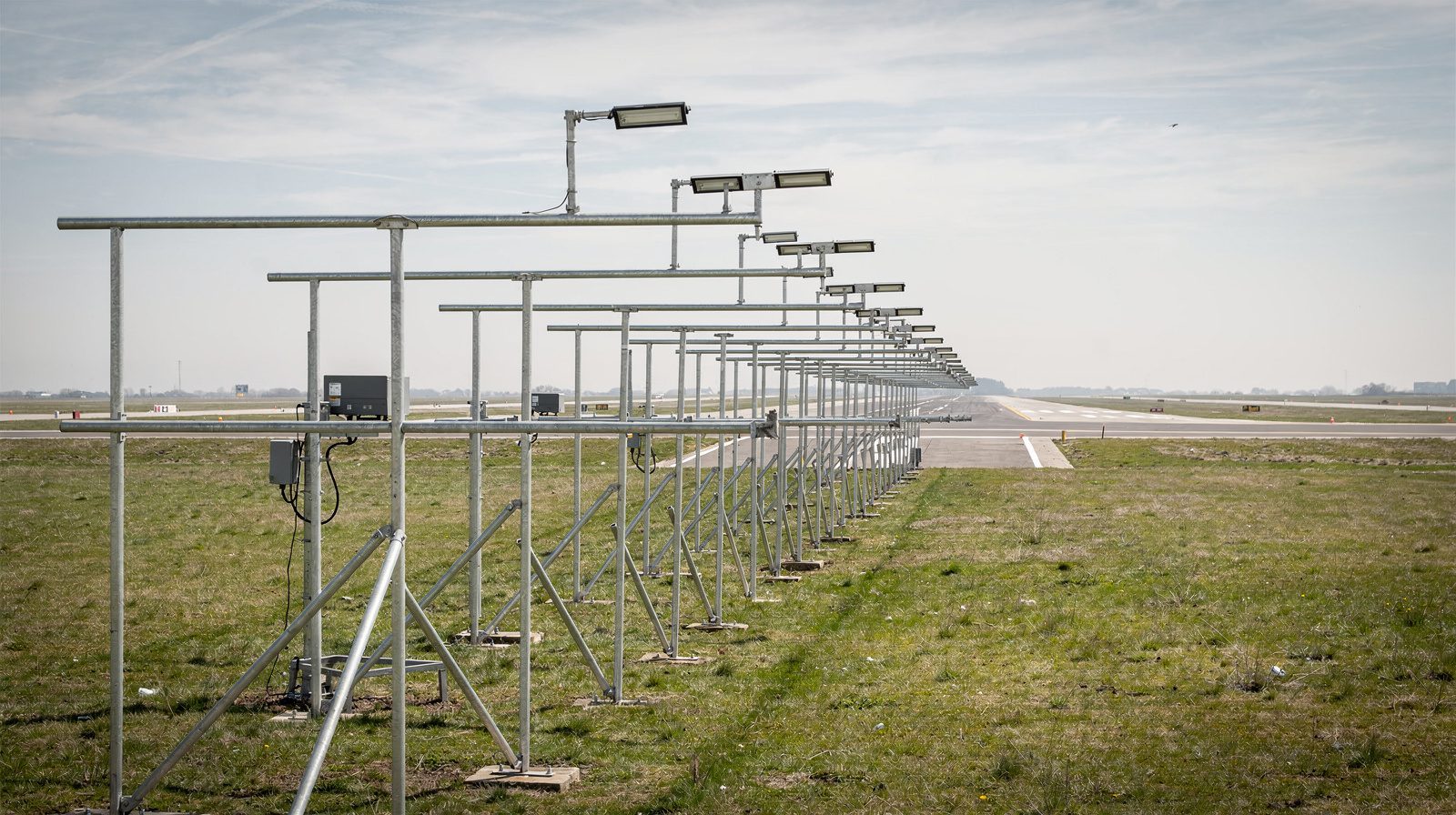
- Use FMS, autopilot, and visual aids like PAPI/VASI to maintain correct glide path.
- Prefer instrument approaches at night or when unfamiliar with the airport.
- Maintain clear and prompt communication with ATC.
Best Practices and Tips for Pilots
- Load the instrument approach in FMS: Even if cleared for a visual, it provides backup guidance.
- Use PAPI/VASI: Visual glide path aids help maintain a safe descent profile.
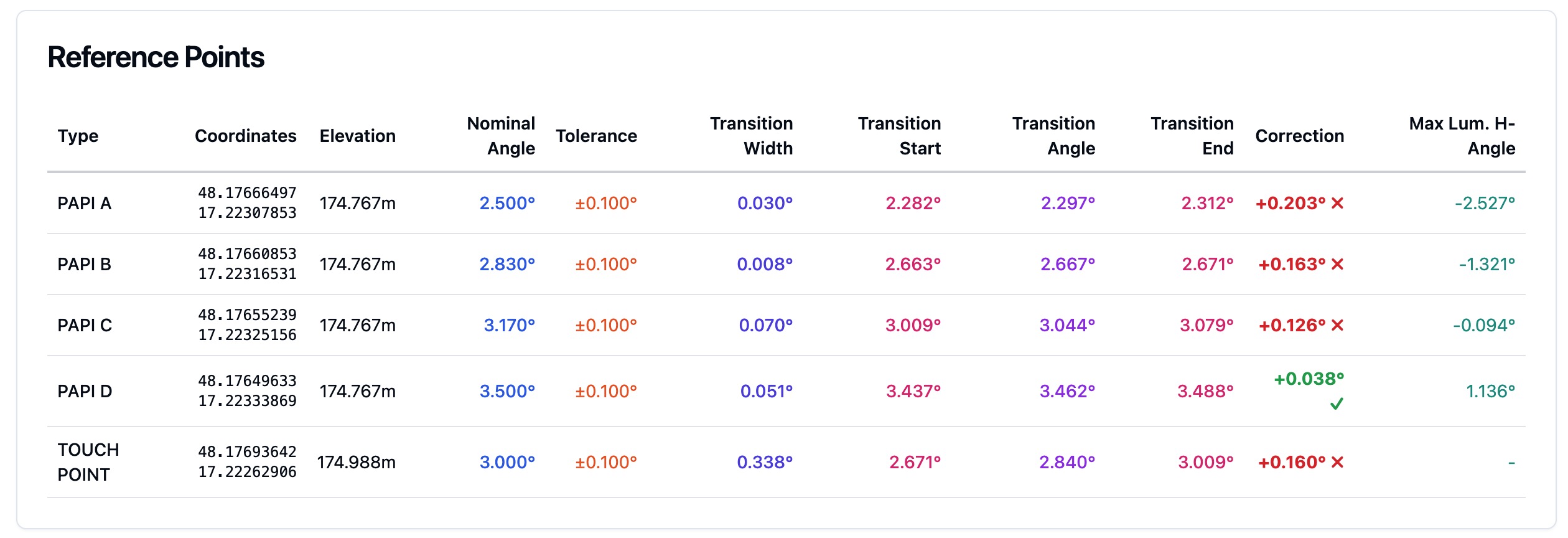
- Plan for a 3° glide slope: Cross 5 NM from runway at 1,500 ft AGL, 3 NM at 1,000 ft, 1 NM at 500 ft.
- Early configuration: Extend gear/flaps early to manage energy and avoid high-speed approaches.
- Be go-around ready: If unstable or visual reference is lost, initiate a go-around and advise ATC.
- Monitor traffic and wake turbulence: Maintain safe separation.
- Prefer instrument approaches at night or unfamiliar fields: Reduces risk from visual illusions.
- Communicate clearly: Especially if unable to continue visually.
Checklist: Visual Approach Execution
| Step | Action/Consideration |
|---|---|
| Weather | Confirm 1,000 ft ceiling and 3 SM visibility |
| Visual Reference | Acquire and maintain sight of airport/traffic |
| Clearance | Obtain and read back visual approach clearance |
| Navigation | Load instrument approach for backup guidance |
| Descent Planning | Target 3–5 NM final at 1,000–1,500 ft AGL |
| Configuration | Early extension of gear/flaps as needed |
| Glide Path | Use PAPI/VASI, FMS, or visual cues for descent |
| Go-Around Ready | Be prepared to execute if unstable or visual lost |
| ATC Coordination | Maintain communication as required |
Conclusion
A visual approach is a vital IFR procedure that enhances operational efficiency, flexibility, and airport throughput when weather and traffic conditions permit. It requires strict adherence to regulatory minimums, clear communication, and heightened situational awareness from both pilots and ATC. By understanding the risks, leveraging best practices, and maintaining disciplined approach criteria, pilots and controllers can safely maximize the benefits of visual approaches in modern aviation operations.
Frequently Asked Questions
- What is a visual approach in aviation?
- A visual approach is an ATC-authorized procedure under IFR where pilots transition from instrument navigation to land visually, provided they have the airport or preceding aircraft in sight and remain clear of clouds. It streamlines arrivals and reduces workload when weather conditions permit.
- What weather minimums are required for a visual approach?
- Typically, a ceiling of at least 1,000 feet above ground and visibility of at least 3 statute miles are required, as verified by ATC or pilot reports. The pilot must remain clear of clouds throughout the approach.
- How does a visual approach differ from a contact approach?
- A visual approach requires the airport or traffic to be in sight and is usually offered by ATC, while a contact approach can only be requested by the pilot (not offered by ATC), uses ground references for navigation, and requires only 1 mile visibility and clear of clouds.
- Are visual approaches available at non-towered airports?
- Yes. ATC may clear IFR aircraft for a visual approach at non-towered airports. Pilots then switch to the local advisory frequency to self-announce and coordinate with other traffic.
- What are key pilot responsibilities during a visual approach?
- Pilots must maintain visual contact with the airport or preceding traffic, remain clear of clouds, ensure terrain and obstacle clearance, maintain safe separation (including wake turbulence spacing), and advise ATC immediately if unable to continue visually.
This is a reference entry. TarmacView provides drone inspection services and doesn't sell the equipment or materials described in this glossary.