What is Warm Mix Asphalt (WMA) Additive?
Warm Mix Asphalt (WMA) Additives and Technologies
Warm Mix Asphalt (WMA) represents one of the most significant technological advances in asphalt pavement production since the development of Superpave. WMA encompasses a group of technologies developed to reduce the production and placement temperatures of asphalt mixtures by 20 to 40 degrees Celsius compared to conventional Hot Mix Asphalt (HMA). Temperature reduction is achieved through the incorporation of specialized additives, organic waxes, chemical surfactants, or foaming agents, each operating through distinct mechanisms to maintain workability at lower temperatures.
The asphalt industry’s transition toward WMA began in the late 1990s, initially driven by environmental concerns in Europe. Germany and Norway were early adopters, with additive trials and the WAM-Foam process developed in Norway. Since then, WMA has expanded globally, with adoption rates exceeding 40 percent of all asphalt production in some European countries and growing steadily in the United States, Canada, Australia, and Asia. The technology is now recognized as a mature, proven alternative to HMA for most pavement applications, including heavy-duty pavements, airport runways, and high-traffic highways.
1. The WMA Temperature Reduction Goal
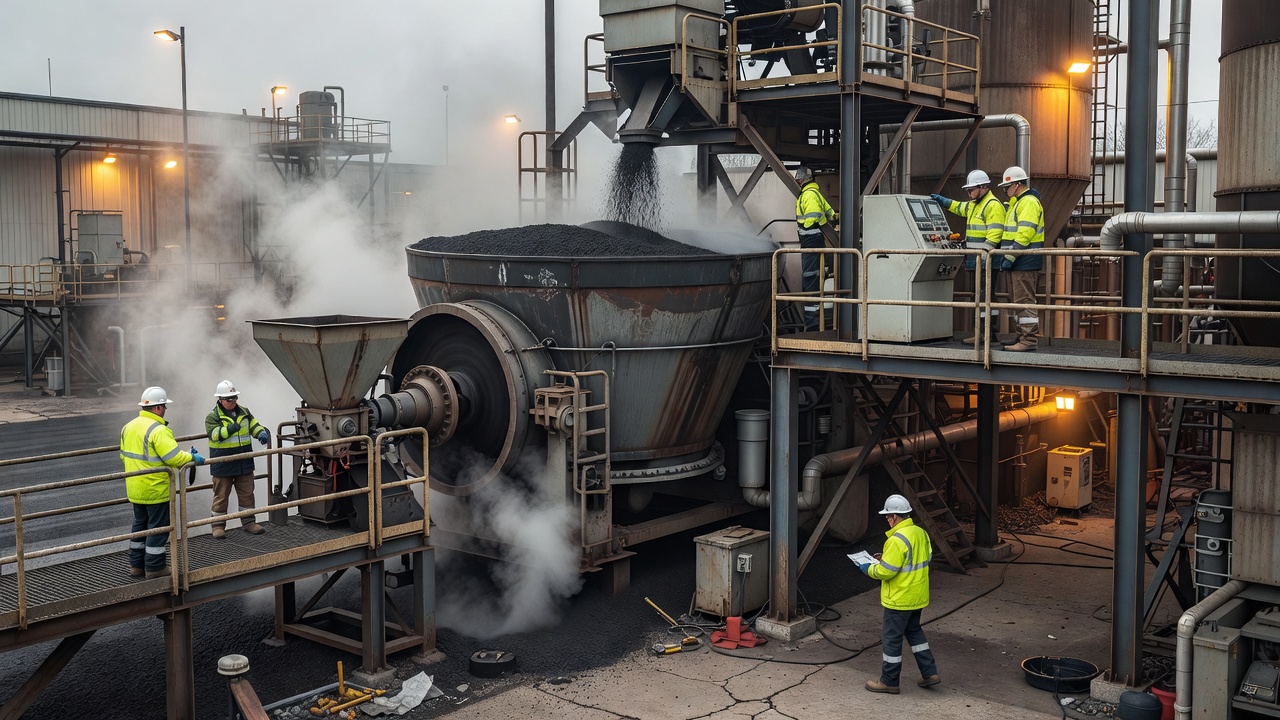
The fundamental objective of WMA technology is to achieve a significant reduction in the temperature at which asphalt mixtures are produced, placed, and compacted while preserving the engineering properties and performance characteristics expected from conventional HMA. WMA production temperatures typically range from 100 to 140 degrees Celsius, compared with 150 to 190 degrees Celsius for traditional HMA. The EAPA classifies asphalt mixtures by temperature: cold mixes are produced below 70°C, half-warm asphalt between 70°C and 100°C, warm mix asphalt between 100°C and 150°C, and hot mix asphalt above 150°C.
Temperature reduction serves multiple purposes that extend well beyond energy conservation. Lower production temperatures reduce the rate of oxidative aging of the bitumen binder during manufacturing, preserving the binder’s ductility and cracking resistance over the pavement service life. Reduced thermal stress on plant components extends equipment lifespan. Lower mix temperatures at placement extend the allowable haul distance from the plant to the paving site and increase the time window available for compaction, particularly beneficial in cool weather paving operations.
The viscosity of paving-grade bitumen decreases exponentially with increasing temperature. At typical HMA production temperatures (160-180°C), bitumen viscosity drops sufficiently to allow complete coating of aggregate particles. At WMA temperatures (100-140°C), the bitumen is more viscous, which would normally impair coating and compaction. WMA additives bridge this viscosity gap through three distinct mechanisms: viscosity reduction via melting (organic additives), interfacial friction reduction (chemical additives), or temporary volume expansion (foaming). The target temperature reduction of 20-40°C represents the operating window within which these mechanisms must function effectively.
2. Foaming Technologies
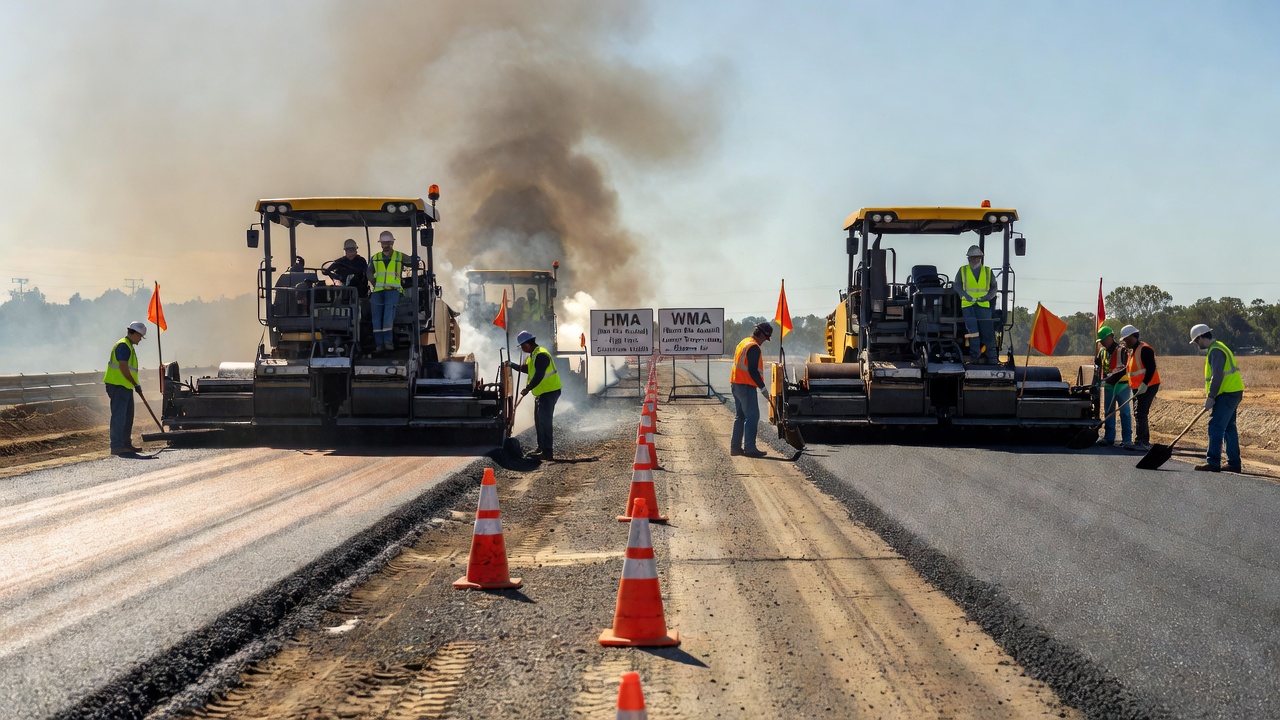
Foaming technologies represent the largest category of WMA methods by volume of production. The principle is straightforward: a small, controlled amount of water is introduced into hot bitumen, where it vaporizes into steam. The steam becomes encapsulated within the bitumen, creating a foam with dramatically increased volume, typically 10 to 20 times the original volume, and temporarily reduced viscosity. This low-viscosity foam state persists for a limited duration (usually 30 to 60 seconds), during which the bitumen effectively coats the aggregate particles at lower temperatures.
2.1 Direct Water Injection Foaming
The direct method injects a precisely metered quantity of cold water directly into the hot bitumen stream through specialized foaming nozzles located at the mixing tower or pugmill. The injected water, typically 1 to 5 percent by mass of the bitumen, instantly vaporizes upon contact with bitumen at 160-180°C. The sudden expansion creates a thin-film foam that reduces the apparent viscosity of the binder by several orders of magnitude. The foam collapses as the steam condenses and escapes, returning the binder to its normal state.
Modern water injection systems use positive displacement pumps and precise nozzle designs to achieve consistent foam properties. Key parameters include the foaming water content, the bitumen temperature at the nozzle, the air pressure in the foaming chamber, and the back pressure at the injection point. The foam half-life, the time required for the foam volume to decrease by 50 percent, is a critical quality metric, with typical values of 10 to 30 seconds being sufficient for adequate aggregate coating in continuous drum mixers.
Equipment manufacturers such as Ammann (Ammann Foam System), Astec (Green System), and Benninghoven (EVO Foam) have developed proprietary water injection systems that integrate seamlessly with conventional asphalt plants. These systems add minimal capital cost compared to plant modifications required for other WMA additive technologies. The foaming process uses water exclusively, requiring no ongoing additive procurement or storage costs. The water foaming equipment can achieve temperature reductions of 20 to 40°C without any chemical additives.
2.2 Zeolite Additives (Aspha-Min and Advera)
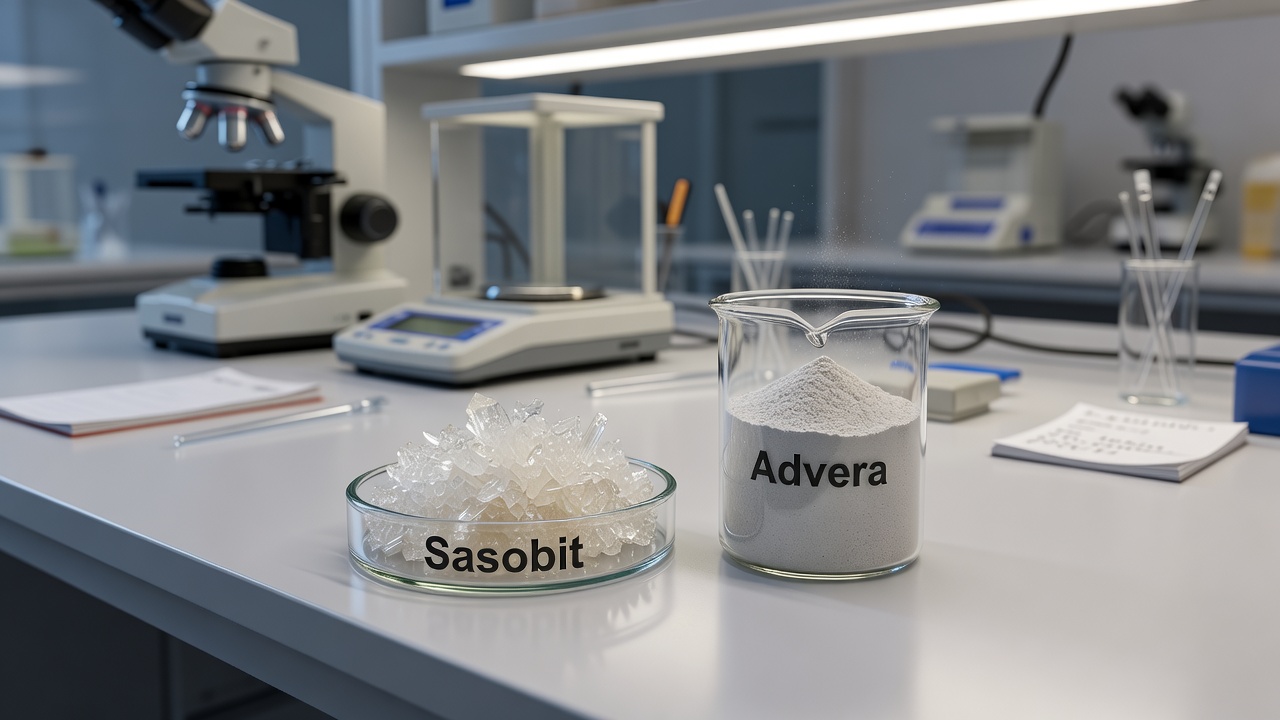
Zeolite-based WMA additives use a different mechanism to introduce water into the mix. Synthetic zeolites, crystalline sodium aluminum silicates manufactured through hydrothermal crystallization, contain approximately 18 to 21 percent water by mass within their internal pore structure. When added to the asphalt mixture during production, the zeolite particles release this crystalline water as steam when the temperature exceeds approximately 100°C, creating a controlled, sustained foaming effect.
Aspha-Min, produced by Eurovia Services GmbH of Germany, was among the first commercial zeolite WMA additives. It is supplied as a fine white powder in 25 or 50 kg bags, or in bulk for silo storage. The recommended dosage rate is 0.3 percent by mass of the total mix. At this rate, Aspha-Min releases water gradually over a temperature range of 85°C to 180°C, with peak release occurring between 100°C and 140°C. The sustained release provides a longer period of enhanced workability, typically 6 to 7 hours from the time of mixing, compared to the brief foaming from direct water injection.
Advera WMA, produced by PQ Corporation in the United States, is a similar synthetic zeolite product. Advera is a fine white powder with a particle size distribution designed to disperse uniformly throughout the mix. The recommended dosage is 0.25 to 0.30 percent by weight of the total mix. Advera releases its 21 percent internal water content between 75°C and 175°C. Like Aspha-Min, it creates a micro-foaming effect that reduces binder viscosity and improves mixture workability throughout the production, transport, and placement process.
The mechanism of zeolite action differs from water injection in two important respects. First, the water release is gradual rather than instantaneous, providing lubricity through the entire construction sequence. Second, the zeolite particles themselves remain in the mix after water release, acting as a mineral filler that can contribute to the aggregate gradation. Some research suggests that the residual zeolite particles may have a slight stiffening effect on the mastic, potentially improving rutting resistance. However, this effect is minor at typical dosage rates.
3. Organic Additives
Organic additives for WMA function by altering the temperature-viscosity relationship of the bitumen binder. These additives are crystalline materials with well-defined melting points in the range of 85 to 115°C. Above their melting temperature, the additives liquefy and blend with the bitumen, reducing the overall viscosity of the binder phase. This viscosity reduction enables aggregate coating and mixture workability at lower production temperatures. Below their melting temperature, the additives recrystallize within the cooled binder, forming a lattice structure that can increase binder stiffness and resistance to permanent deformation.
3.1 Fischer-Tropsch Waxes (Sasobit)
Sasobit, produced by Sasol Wax (South Africa), is the most widely used organic WMA additive worldwide. Sasobit is a fine crystalline, long-chain aliphatic hydrocarbon produced through the Fischer-Tropsch (FT) process. The FT process converts carbon monoxide and hydrogen (synthesis gas, derived from coal gasification or natural gas reforming) into a mixture of hydrocarbons in the presence of an iron or cobalt catalyst. The resulting FT paraffin wax has a molecular chain length typically ranging from 40 to 115 carbon atoms, significantly longer than conventional petroleum waxes found naturally in bitumen.
Sasobit has a melting point range of 85°C to 115°C, with a congealing point typically around 99°C. At typical WMA production temperatures (120-140°C), Sasobit is fully molten and forms a homogeneous solution with the bitumen. The dissolved wax disrupts the spatial organization of asphaltenes and maltenes in the bitumen, reducing the apparent viscosity. At the same temperature, Sasobit-treated bitumen exhibits a viscosity reduction of 30 to 60 percent compared to untreated bitumen, depending on the dosage rate and base binder grade.
The standard dosage rate for Sasobit is 1.5 to 3.0 percent by mass of the bitumen binder. At these rates, Sasobit can achieve mix temperature reductions of 18°C to 30°C. Sasobit is supplied in several forms: prilled (small pellets), flakes, or powder, packaged in 2 kg, 5 kg, 20 kg, or 600 kg bags. It can be added directly to the bitumen at the refinery or terminal, blended into the binder at the asphalt plant via a separate dosing system, or added to the pugmill as a solid during batch plant production.
A distinctive characteristic of Sasobit-modified binders is their improved high-temperature performance. The recrystallized wax network that forms upon cooling increases the stiffness of the binder at service temperatures (50-70°C for pavements in hot climates). This results in a measurable increase in the Performance Grade (PG) high-temperature grade by 6°C to 12°C, providing improved rutting resistance. Some agencies account for this when specifying binder grades for WMA pavements, allowing the use of a one grade softer base binder when Sasobit is used, maintaining the same final in-service binder grade.
3.2 Fatty Acid Amides and Other Organic Waxes
Beyond Fischer-Tropsch waxes, other organic compounds have been developed as WMA additives. Asphaltan B, produced by Romonta GmbH of Germany, is a low molecular weight esterified wax derived from montan wax (a fossilized plant wax extracted from lignite). Asphaltan B has a melting point of approximately 85°C to 105°C and is used at dosage rates of 2 to 4 percent by mass of binder. It provides temperature reductions of 15°C to 25°C.
Licomont BS 100, produced by Clariant, is a fatty acid amide-based additive. It functions similarly to FT wax but has a different crystalline structure that can provide improved storage stability when blended with bitumen. Its melting point is approximately 140°C, which is at the upper end of WMA temperature ranges. The recommended dosage is 2 to 4 percent by weight of binder.
Organic additives are not limited to wax chemistry. Some hybrid products combine wax with other functional components, such as anti-strip agents or polymers, to address multiple binder performance requirements simultaneously. The selection of a specific organic additive depends on the target temperature reduction, the base bitumen grade, local availability, cost, and the specific performance requirements of the pavement layer.
4. Chemical Additives
Chemical WMA additives are fundamentally different from organic additives and foaming technologies in their mechanism of action. Rather than reducing binder viscosity, chemical additives work at the microscopic interface between the aggregate surface and the bitumen binder. These additives are typically surfactant-based formulations that reduce interfacial tension and improve the lubricity of the binder-aggregate system. This enables aggregate coating and mixture compaction at lower temperatures without altering the bulk rheological properties of the bitumen.
4.1 Surfactant Additives (Evotherm)
Evotherm, produced by Ingevity Corporation (formerly MeadWestvaco), is the most prominent chemical WMA additive worldwide. Evotherm is an emulsion-based technology that uses a package of surfactants, adhesion promoters, and other proprietary chemicals delivered in a water-based emulsion. The original Evotherm formulation (Evotherm DAT - Dispersed Asphalt Technology) was diluted with water and injected into the mixing process separately from the binder. Later versions include Evotherm 3G (third generation) and Evotherm M1, which are engineered for simplified plant integration.
The surfactant molecules in Evotherm have a dual nature: a hydrophilic (water-attracting) head and a hydrophobic (water-repelling) tail. During mixing, these surfactant molecules orient themselves at the bitumen-aggregate interface, with the hydrophilic head attracted to the aggregate surface and the hydrophobic tail extending into the bitumen phase. This orientation reduces the frictional forces between aggregate particles and the binder, allowing the mixture to flow and compact more readily at lower temperatures.
Evotherm is typically used at dosage rates of 0.5 to 0.7 percent by mass of the total mix, corresponding to approximately 5 to 7 percent of the binder mass. The emulsion typically contains approximately 70 percent bitumen emulsion solids. In addition to its WMA function, Evotherm acts as an adhesion promoter, improving the moisture resistance of the mixture. Manufacturers report that Evotherm can reduce mix and compaction temperatures by 20°C to 40°C, making it one of the most effective WMA technologies in terms of temperature reduction.
One of the advantages of Evotherm is that it does not require significant plant modifications. The liquid additive can be stored in tanks and injected into the mixing process using pumps and spray bars. This makes it particularly attractive for plants that cannot accommodate the equipment modifications required for water injection foaming or the storage and handling of solid additives.
4.2 Other Chemical Additives
Rediset WMX, produced by AkzoNobel (now Nouryon), is a cationic surfactant-based WMA additive that also functions as an anti-strip agent. It is available as a liquid or granular solid. Rediset WMX reduces the surface energy at the aggregate-binder interface, improving both coating and compaction at temperatures 20°C to 35°C below conventional HMA. The dual functionality (WMA plus moisture resistance) can eliminate the need for a separate liquid anti-strip additive in many mix designs.
Cecabase RT, produced by Arkema (now CECA), is an organo-metallic chemical additive that acts as a surfactant at the aggregate-binder interface. It is added at a dosage rate of 0.2 to 0.5 percent by mass of the binder. Cecabase is compatible with polymer-modified binders and has been used in demanding applications including high-traffic highways and heavy-duty pavements.
Chemical additives generally provide an advantage in terms of flexibility. Because they do not change the fundamental viscosity of the binder, the same binder grade can be used as in the HMA control mixture (except for adjustments for polymer modification, if applicable). The performance grade of the binder remains unchanged, which simplifies mix design and quality control. However, the temperature reduction achieved through chemical additives depends more heavily on mix design parameters, aggregate gradation, binder content, and moisture conditions, than foaming or organic additive technologies.
5. WMA Performance Characteristics
The performance of WMA mixtures has been the subject of extensive laboratory and field research over the past two decades. The consensus from this body of work is that properly designed WMA mixtures achieve performance equivalent to HMA across most engineering metrics, with specific advantages in some areas and acceptable trade-offs in others.
5.1 Rutting Resistance
Rutting, permanent deformation of the pavement surface under repeated wheel loads, is a primary concern for WMA because the lower production temperature could theoretically result in a less aged, softer binder that is more susceptible to deformation. In practice, rutting performance depends on the WMA technology type.
Organic additives, particularly Sasobit, improve rutting resistance. The recrystallized wax network stiffens the binder at high service temperatures (50-70°C), increasing the binder’s complex modulus and resistance to flow. Multiple studies have documented improved rutting resistance for Sasobit-modified WMA compared to the HMA control using the Hamburg Wheel Tracking Test and the Asphalt Pavement Analyzer.
Chemical additives (Evotherm, Rediset) show a more nuanced performance picture. Some studies report slightly reduced rutting resistance for Evotherm WMA compared to HMA, while others find equivalent performance. The variability appears to relate to the specific dosage rate, aggregate gradation, and the test temperature selected. At high temperatures above 64°C, chemical additive WMA may exhibit slightly greater rutting potential than HMA because the binder viscosity is unchanged.
Foamed WMA (water injection) generally exhibits rutting resistance equivalent to HMA. The water used for foaming evaporates during mixing and compaction, leaving no residual material to modify binder properties. The short-term aging reduction from lower production temperatures may marginally reduce binder stiffness, but this effect is typically offset by the improved compaction achieved with foamed WMA.
5.2 Moisture Sensitivity
Moisture damage is the degradation of the bond between aggregate and binder due to water ingress, often leading to stripping and raveling. WMA mixtures raise two concerns regarding moisture susceptibility: first, the lower production temperature may result in incomplete drying of aggregates, second, some WMA technologies (foaming and zeolites) introduce additional water into the mix that may not fully escape.
Research consistently shows that WMA mixtures can achieve tensile strength ratios and moisture resistance comparable to HMA when properly designed. However, WMA generally requires careful attention to moisture resistance during mix design. The use of anti-strip additives, either as separate liquid anti-strip agents (amines) or hydrated lime, is standard practice for WMA in most specifications. Chemical additives like Evotherm and Rediset serve a dual role as WMA agents and adhesion promoters, providing inherent moisture resistance.
The retained tensile strength ratio (TSR) is the standard metric for evaluating moisture susceptibility in North America. Most specifications require a minimum TSR of 0.80 (80 percent retained strength after moisture conditioning). WMA mixtures that meet this criterion through appropriate additive selection and dosage demonstrate field performance equivalent to HMA in terms of moisture resistance.
5.3 Aging and Cracking Resistance
WMA’s lower production temperature reduces the oxidative aging that occurs during mixing and placement. The binder in WMA retains more of its original ductility and relaxation capability compared to HMA binder exposed to higher temperatures. This reduced aging has direct implications for cracking resistance.
Fatigue cracking resistance is generally improved in WMA mixtures because the less-aged binder maintains greater flexibility. Laboratory beam fatigue tests and semi-circular bend (SCB) tests have demonstrated that WMA can achieve 10 to 30 percent more fatigue cycles to failure than HMA controls, depending on the specific WMA technology and binder type.
Low-temperature cracking resistance is also improved in WMA due to reduced binder aging. The less-stiff binder at low temperatures (typically below -10°C) is better able to relax thermal stresses, reducing the likelihood of thermal cracking. This benefit is most pronounced in cold climate regions where thermal cracking is a primary distress mechanism.
6. Compaction Benefits of WMA
Improved compaction is one of the most practically significant benefits of WMA technology. Compaction, the process of densifying the asphalt mixture to achieve the target air void content, is directly linked to pavement performance. Inadequate compaction results in higher air voids, which accelerate oxidative aging, reduce fatigue life, and increase permeability to water and air.
WMA achieves better compaction through two mechanisms. First, the reduced viscosity of the binder (either through wax melting, foaming, or surfactant action) lowers the internal friction of the mixture during rolling. The roller energy transmitted into the mat is more effective at rearranging aggregate particles into a dense configuration. Second, the longer cooling time relative to the lower starting temperature means that the mixture remains at compactable temperatures for a longer period during the compaction process. This extended compaction window is particularly valuable in cool weather paving.
The density improvement with WMA is measurable. Studies using nuclear density gauges and core samples from field projects have documented that WMA achieves 1 to 3 percent higher density than HMA compacted at the same temperature, or equivalent density at temperatures 10°C to 20°C lower. The improved density translates directly into reduced permeability, slower aging, and improved fatigue resistance.
The practical implications for paving operations include:
- Extended paving season: WMA can be successfully placed and compacted at ambient temperatures as low as freezing (0°C), compared to the typical 10°C minimum for HMA. This extends the paving season by several weeks in temperate climates.
- Longer haul distances: WMA produced at 120°C retains sufficient workability for haul times of 2 to 4 hours, compared to 1 to 2 hours for HMA at 160°C. This allows plants to serve more distant project sites without mixture cooling issues.
- Thick lift paving: The extended workability enables compaction of thicker lifts (up to 150 mm or more) without the mixture cooling below the minimum compaction temperature before rolling is complete.
- Reduced roller passes: The easier compaction of WMA may reduce the number of roller passes required to achieve target density, improving production rates and reducing equipment requirements.
7. WMA in Airport Specifications
The use of WMA in airport pavements has been the subject of extensive study but remains more restricted than in highway applications, primarily due to the higher performance requirements and safety-critical nature of airfield pavements.
7.1 FAA Position and Research
The Federal Aviation Administration (FAA) has conducted significant research on WMA for airfield applications through the Airport Technology Research and Development Branch at the William J. Hughes Technical Center in Atlantic City, New Jersey. Studies by Mejias-Santiago and others evaluated three WMA technologies (foamed asphalt, Sasobit organic additive, and Evotherm chemical additive) for airfield pavements, comparing their performance to conventional HMA.
The FAA studies found that WMA mixtures could achieve comparable strength, stiffness, and moisture resistance to HMA when properly designed. Two of the three WMA mixes (chemical and organic additives) showed slightly lower rutting resistance than HMA, while the foamed asphalt WMA showed comparable rutting performance. All WMA mixtures met the minimum performance criteria for airfield applications.
Despite positive research findings, the FAA’s current specification for airport pavement construction (AC 150/5370-10H, Item P-401) does not generally permit WMA on Airport Improvement Program (AIP) funded runway projects without special approval. The FAA has allowed WMA on a case-by-case basis for demonstration projects and research studies. As of 2025, there is no blanket approval for WMA on airport runways, though its use on taxiways and aprons (non-runway surfaces) has been more permissive.
7.2 ICAO Guidance
The International Civil Aviation Organization (ICAO) provides guidance on aerodrome design and construction through Annex 14 (Aerodromes) and the Aerodrome Design Manual (Doc 9157). These documents establish performance-based requirements for pavement surfaces, including friction characteristics, load-bearing capacity, and surface evenness, without specifying the production method or temperature for asphalt mixtures.
ICAO does not preclude the use of WMA. The standards require that any pavement material achieve the specified engineering performance regardless of its production temperature. This performance-based approach means that WMA can be used on ICAO-compliant aerodromes provided the contractor can demonstrate equivalent performance through testing and quality control documentation.
7.3 Adoption in European and Other Airports
European airports have been more proactive in adopting WMA for airfield pavements. Several major European airports, including Amsterdam Schiphol, Frankfurt, and London Heathrow, have used WMA for airfield pavement construction and maintenance. The European Asphalt Pavement Association (EAPA) actively promotes WMA use, citing the dual benefits of reduced worker exposure to fumes and lower carbon emissions.
Countries including Australia, New Zealand, and South Africa have also adopted WMA for airport pavement construction. The trend toward WMA acceptance is expected to continue as the evidence base for equivalent performance grows and environmental pressures increase.
8. WMA Inspection
One of the most important facts about WMA from the inspection perspective is that there is no visual distinction between a properly constructed WMA pavement and an HMA pavement. Once placed, compacted, and cooled, WMA and HMA pavements appear identical. The inspection and acceptance testing procedures for WMA are essentially the same as for HMA, but there are specific considerations that quality assurance personnel should understand.
8.1 Visual Inspection
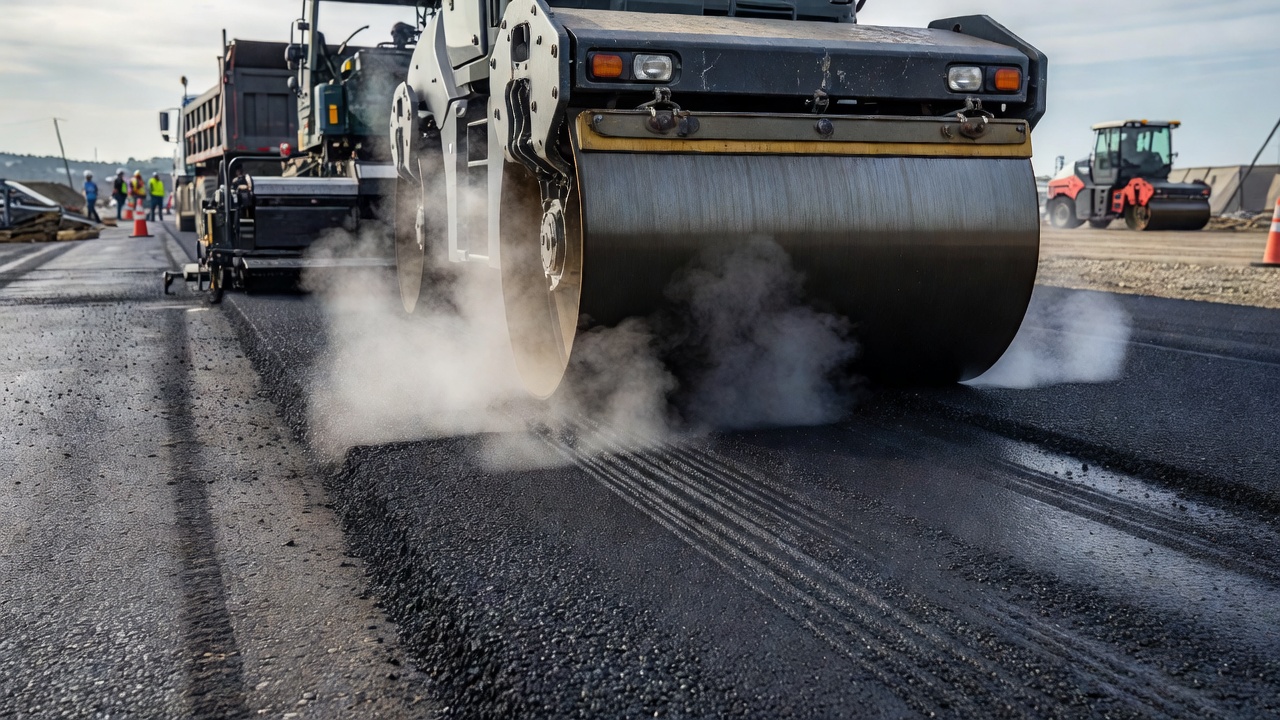
During placement, WMA produces noticeably less visible steam and odor than HMA. The reduced fuming is the most obvious visual cue of WMA in operation. The mat texture during compaction should be uniform and similar to HMA. Segregation, tearing, or surface defects are evaluated using the same criteria as HMA.
One difference that may be observed is the tackiness of the mixture at lower temperatures. WMA may appear less tender or sticky during initial breakdown rolling, which can actually improve the quality of the initial compaction pass. The roller operators may notice that the mat is more workable and requires fewer passes to achieve target density.
8.2 Sampling and Testing
Samples should be taken from behind the paver at the same frequency specified for HMA projects. Key acceptance tests for WMA include:
- Air voids: Measured from laboratory-compacted specimens (Marshall or Superpave gyratory) and field cores. Target air voids are typically 3-5 percent for dense-graded mixtures. WMA often achieves lower air voids in field cores than HMA at equivalent compaction effort.
- Binder content: Determined through ignition oven or solvent extraction. WMA additives may slightly affect the ignition correction factor, so a separate calibration for WMA mixtures is recommended.
- Gradation: Determined after binder extraction. WMA should meet the same gradation specifications as HMA.
- Moisture content: Measured by oven drying. This is a critical test for WMA. Residual moisture above 0.5 percent may indicate incomplete drying or excessive water from the WMA process. Some specifications have a lower moisture limit for WMA.
- Compaction temperature: Measured with an infrared thermometer or temperature probe behind the paver and at each roller. WMA should be compacted within the manufacturer’s recommended temperature range for the specific additive used.
8.3 Density Testing
Density acceptance for WMA follows the same procedures as HMA, typically nuclear density gauge measurements correlated to core densities. However, there are nuances. WMA may achieve higher initial densities than HMA, which could result in acceptance test results that show lower air voids than specified. Engineers should review the target density for WMA projects and consider whether to adjust the target air voids based on the improved compactability.
The key inspection consideration is that WMA pavements that meet density, binder content, and gradation specifications will perform equivalently to HMA pavements. No special inspection procedures are required for WMA beyond those specified for HMA.
9. WMA Environmental and Worker Benefits
The environmental advantages of WMA are among the most compelling drivers for its adoption. These benefits span energy consumption, greenhouse gas emissions, air quality, worker health and safety, and alignment with sustainability goals in the construction industry.
9.1 Energy Consumption Reduction
Producing WMA at temperatures 20-40°C lower than HMA directly reduces the fuel required to heat the aggregates and binder. Fuel savings of 20 to 35 percent have been documented across numerous studies and field projects. For a typical asphalt plant producing 200 tons per hour, a temperature reduction of 30°C translates to fuel savings of approximately 2 to 3 liters of fuel oil per ton of mix produced. At the industry level, widespread WMA adoption could save millions of liters of fuel annually.
The energy savings are not limited to the production phase. WMA’s longer haul distance capability reduces the number of plant relocations required for projects in remote areas, and the faster cooling of WMA lifts can allow earlier opening to traffic, reducing user delay costs associated with construction.
9.2 Emission Reductions
Lower combustion temperatures at the plant and the reduced fuel consumption result in proportional reductions in emissions. Published data document the following average reductions for WMA compared to HMA:
| Pollutant | Typical Reduction |
|---|---|
| Carbon dioxide (CO2) | 17-30% |
| Carbon monoxide (CO) | 10-30% |
| Nitrogen oxides (NOx) | 20-35% |
| Sulfur dioxide (SO2) | 15-25% |
| Volatile organic compounds (VOCs) | 30-50% |
| Polycyclic aromatic hydrocarbons (PAHs) | 40-70% |
| Particulate matter (PM10) | 10-25% |
The reduction in PAHs and VOCs is particularly significant for worker health because these compounds are known carcinogens and respiratory irritants. At the paving site, WMA reduces fume and odor emissions by approximately 50 percent for every 12°C reduction in temperature. A temperature reduction of 30°C therefore reduces fume exposure by approximately 75 to 80 percent.
9.3 Worker Health and Safety
The working conditions for paving crews are substantially improved with WMA. Reduced fume and vapor emissions create a more comfortable breathing environment around the paver and rollers. The lower mat temperature reduces radiant heat exposure, which is particularly important in hot summer conditions when HMA pavement temperatures can exceed 160°C at the paver. The cooler working environment reduces worker fatigue and heat stress.
European asphalt industry organizations, including EAPA, cite worker health as the primary motivation for WMA adoption. The reduction in bitumen fume exposure levels during paving operations supports the goal of minimizing occupational exposure to potentially hazardous emissions while maintaining asphalt’s position as a premier paving material.
10. WMA Adoption and Standards
The adoption of WMA has grown steadily since its introduction in the late 1990s, supported by the development of standards, specifications, and quality assurance protocols at national and international levels.
10.1 Standards Coverage
The European standards for bituminous mixtures (EN 13108 series) do not preclude the use of WMA. These standards include maximum temperatures for specific mixture types but establish no minimum temperatures. The minimum delivery temperature is declared by the manufacturer based on the specific WMA technology and mix design. The standards include provisions for mixtures containing additives, subject to demonstration of equivalent performance through testing.
The American Association of State Highway and Transportation Officials (AASHTO) has developed the NTPEP (National Transportation Product Evaluation Program) work plan for evaluating WMA technologies and anti-strip additives. This standardized testing protocol allows WMA products to be evaluated and listed for use across multiple state highway agencies, simplifying the approval process.
In the United States, the FHWA has supported WMA research and implementation since the early 2000s. The FHWA’s Every Day Counts initiative included WMA as one of its key innovation deployment programs, accelerating adoption across state DOTs. As of 2025, most state highway agencies have specifications that either allow WMA on a per-project basis or have incorporated WMA into their standard specifications.
10.2 Current Adoption Rates
WMA adoption varies significantly by region. In Europe, several countries report WMA production exceeding 40 percent of total asphalt production. Germany, France, and Norway are leaders in WMA adoption. In the United States, WMA production has grown from less than 5 percent of total asphalt production in 2010 to approximately 40 percent in 2025, driven by cost savings, environmental benefits, and the widespread availability of foaming equipment.
The National Asphalt Pavement Association (NAPA) surveys U.S. asphalt producers annually on WMA use. The 2024 survey documented that over 85 percent of asphalt plants in the United States have the capability to produce WMA, and approximately 185 million tons of WMA were produced in 2023, representing nearly 40 percent of total U.S. asphalt production.
10.3 Technology Trends
The market has seen a shift toward foaming technologies (water injection) as the most widely used WMA method, driven by the low capital cost of equipment installation and the elimination of ongoing additive costs. Organic additives maintain a significant market share, particularly in applications requiring improved high-temperature performance. Chemical additives are preferred where the combination of WMA and moisture resistance is desired with minimal plant modifications.
Hybrid technologies combining multiple WMA approaches are emerging. For example, some producers combine a small dose of organic wax with water injection foaming to achieve the benefits of both technologies. Additive manufacturers are also developing products that combine WMA function with other performance enhancements, such as polymer modification, rejuvenation for RAP mixtures, and recycled materials compatibility.
Summary of WMA Additive Types and Properties
| Technology | Mechanism | Temperature Reduction | Typical Dosage | Key Benefit |
|---|---|---|---|---|
| Water Injection Foaming | Volume expansion via steam | 20-40°C | 1-5% water by binder | Low cost, no chemical procurement |
| Zeolites (Aspha-Min, Advera) | Controlled water release | 20-30°C | 0.3% by mix | Sustained workability (6-7 hours) |
| Organic Wax (Sasobit) | Viscosity reduction via melting | 18-30°C | 1.5-3% by binder | Improved rutting resistance |
| Chemical Surfactant (Evotherm) | Interfacial friction reduction | 20-40°C | 0.5-0.7% by mix | Built-in moisture resistance |
| Fatty Acid Amides | Viscosity reduction via melting | 15-25°C | 2-4% by binder | Storage stability |
The technological maturity of WMA, combined with its demonstrated environmental, economic, and performance benefits, positions it as a standard practice for asphalt pavement construction. As research continues and specifications evolve, WMA is expected to become the default production method, with HMA reserved for specialized applications where higher temperatures are specifically required by engineering constraints.
Frequently Asked Questions
- What is a warm mix asphalt (WMA) additive and how does it work?
- A warm mix asphalt additive is a material added to asphalt mixtures to reduce the viscosity of the bitumen binder or improve lubricity at the aggregate-binder interface, allowing mixing and compaction at temperatures 20-40°C lower than conventional Hot Mix Asphalt (HMA). Three main types exist: organic additives (waxes like Sasobit that melt and reduce viscosity above their melting point), chemical additives (surfactants like Evotherm that reduce frictional forces at the aggregate-binder interface), and foaming technologies (water injection or zeolites like Advera that create steam within the binder to temporarily reduce viscosity).
- What are the different types of WMA technologies available?
- WMA technologies fall into three main categories: (1) Foaming technologies - including direct water injection into hot bitumen (creating foam bitumen) and synthetic zeolites (Aspha-Min, Advera) that release crystalline water above 100°C to create a foaming effect, (2) Organic additives - Fischer-Tropsch paraffin waxes (Sasobit), fatty acid amides, and esterified waxes that lower binder viscosity above their melting point (typically 85-115°C), and (3) Chemical additives - surfactant and emulsifier packages (Evotherm) that improve workability by reducing surface tension at the binder-aggregate interface without changing the binder's fundamental viscosity properties.
- How does WMA performance compare to conventional HMA?
- WMA performance is generally equivalent to HMA, with some notable differences. WMA can exhibit improved compaction (higher density at lower temperatures), reduced binder aging due to lower production temperatures, and better fatigue cracking resistance. However, some studies show that certain chemical additives may slightly reduce rutting resistance compared to HMA, while organic wax additives can improve rutting resistance by increasing binder stiffness at high service temperatures. Moisture susceptibility can be a concern if the WMA process retains more water in the mix, but this is addressed through the use of anti-strip additives and proper mix design. Overall, properly designed WMA mixtures achieve comparable or superior long-term performance to HMA.
- Can WMA be used in airport pavements?
- The use of WMA in airport pavements has been studied extensively by the FAA and other agencies. As of current regulations, the FAA does not universally allow WMA on Airport Improvement Program (AIP) funded runway projects without special approval, though it has been permitted on a case-by-case basis for demonstration projects. Studies by the FAA's Airport Technology Research and Development Branch have evaluated WMA for airfield pavements, finding that properly designed WMA can perform comparably to HMA. ICAO does not specifically preclude WMA but requires demonstration of equivalent performance. Many airports outside the US have successfully used WMA for airfield pavements, and adoption continues to grow.
- What are the environmental and economic benefits of using WMA additives?
- WMA additives yield significant environmental and economic benefits. Environmental benefits include: 20-35% reduction in energy consumption (fuel savings), 17-30% reduction in CO2 emissions, 30-50% reduction in fumes and odors at the paving site, and reduced emissions of volatile organic compounds (VOCs), polycyclic aromatic hydrocarbons (PAHs), and other hazardous air pollutants. Economic benefits include: reduced fuel costs at the plant, potential for longer haul distances, extended paving season (ability to pave in cooler weather), faster cooling and earlier traffic opening, reduced wear and tear on plant equipment due to lower operating temperatures, and the ability to incorporate higher percentages of Reclaimed Asphalt Pavement (RAP).