What is a Cycle?
Cycle – Complete Sequence of States
A cycle is a rigorously defined, repeatable sequence of states, phases, or events that together form a closed process within domains governed by scientific principles, regulatory frameworks, or procedural requirements. Each state within a cycle is distinguished by measurable actions or conditions. Progression follows a prescribed order, with each transition governed by established criteria such as regulatory mandates, performance thresholds, or environmental cues. The completion of the cycle signals either readiness for repetition or advancement to a subsequent process, often with feedback mechanisms to initiate renewal or reset.
Cycles are foundational in natural and engineered systems. In regulated contexts, aviation, environmental monitoring, governance, cycles structure compliance, reporting, and process control. In scientific disciplines, cycles explain periodicity, renewal, and equilibrium. Administrative and industrial operations, such as fiscal cycles or manufacturing cycles, depend on cycle structures for accountability and efficiency.
Key Attributes of a Cycle
- Ordered Sequence: Each phase occurs in a set order, critical for process integrity and compliance.
- Definitive Boundaries: Clear start and end points support auditing and accountability.
- Criteria for Progression: Advancement between states is conditional, often requiring regulatory approvals, validation, or the achievement of goals.
- Repeatability & Feedback: Cycles are designed to recur, often with built-in feedback to enable continuous improvement.
Mastering cycles is crucial for regulatory compliance, predictive analytics, quality standards, and operational optimization.
General Structure of a Cycle
A typical cycle includes:
- Initiation State: Begins with a defined trigger (e.g., end of prior cycle, external signal, regulatory date).
- Intermediate Phases: Discrete stages, each with objectives and transition requirements. In regulated environments, these may demand documentation or inspection.
- Termination State: The cycle ends upon meeting all outcomes and completing validation or reporting.
- Criteria & Checkpoints: Transitions rely on task completion, approvals, or thresholds, enforced by embedded checkpoints (e.g., audits, inspections).
- Feedback/Reset Mechanism: Many cycles reset automatically or manually for the next iteration, often after performance assessment.
| Phase/State | Description | Typical Criteria for Progression |
|---|---|---|
| Initiation | Cycle begins with a trigger | Previous cycle complete, external event |
| Intermediate 1 | First action/condition | Checkpoint met, required data present |
| Intermediate 2 | Second action/condition | Next checkpoint, error-free status |
| Termination | Cycle concludes | All requirements met, output produced |
| (Optional) Reset | Prepares for next cycle | Automatic/manual trigger |
Election Cycle
The election cycle is a regulatory cycle: a complete sequence of events beginning the day after one general election and ending on the next general election date for an office. It governs candidate registration, campaign finance aggregation, and statutory reporting.
Structure
Initiation: Triggered by conclusion of the previous general election.
Candidate Registration: Candidates file a Statement of Candidacy (Form 2), stating the election year. Special elections require memo text to specify context.

Receipts & Disbursements Reporting: Candidate committees must aggregate and report all receipts and disbursements for the cycle on Form 3. Detailed itemization is required once thresholds (e.g., $200 from a single donor) are exceeded.
Cycle Conclusion: Ends on the next general election date, finalizing reporting and aggregation.
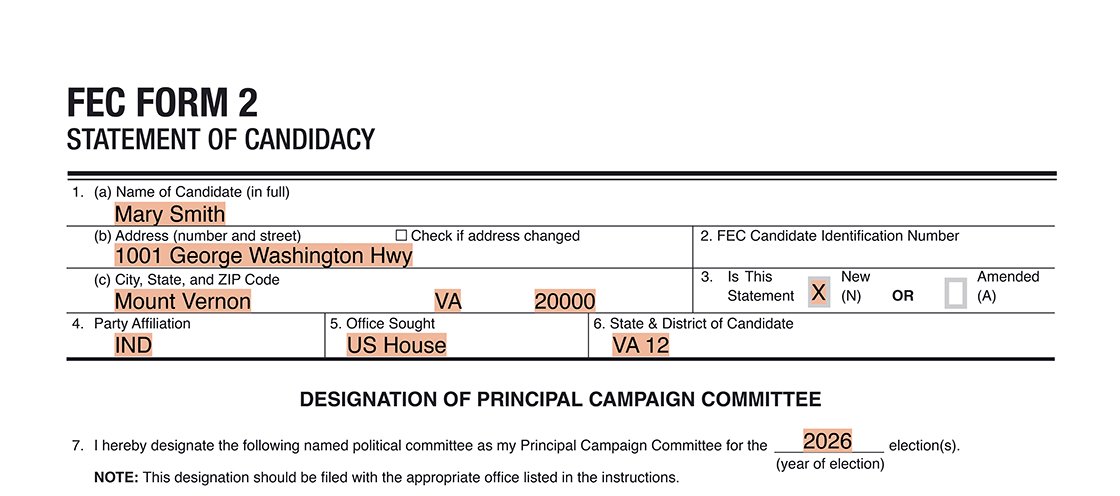
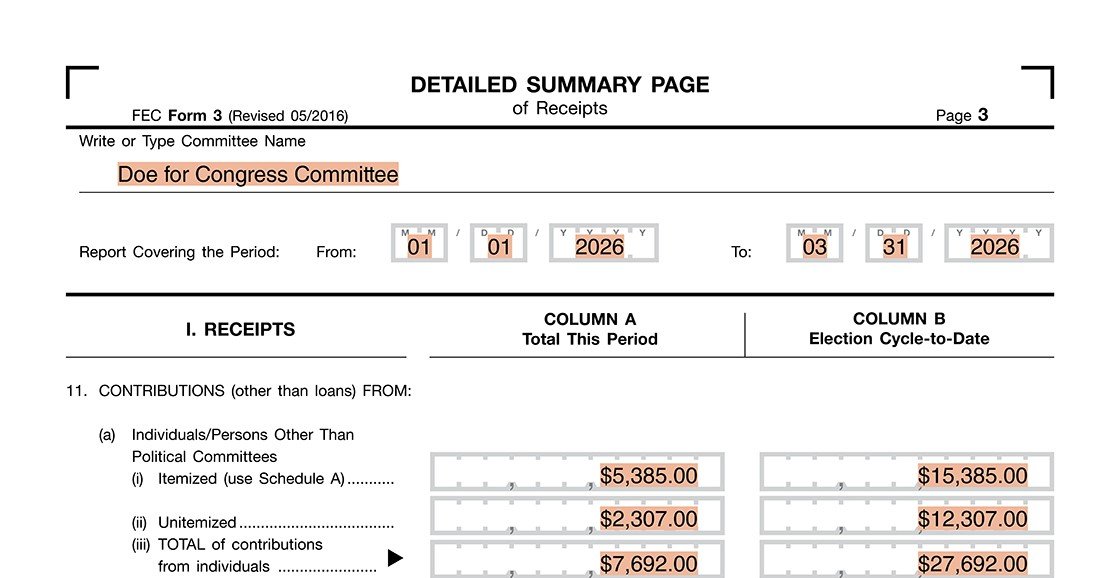
| Federal Office | Cycle Start | Cycle End |
|---|---|---|
| House of Representatives 2026 | 11/6/2024 | 11/3/2026 |
| Senate 2028 | 11/9/2022 | 11/7/2028 |
| Presidential 2028 | 11/6/2024 | 11/7/2028 |
Use Cases:
- Enforcing campaign finance law
- Transparent disclosure of contributions/expenditures
- Strategic planning and compliance
Cell Cycle
The cell cycle is a tightly regulated, cyclical process governing the life of eukaryotic cells, encompassing growth, DNA replication, and cell division.
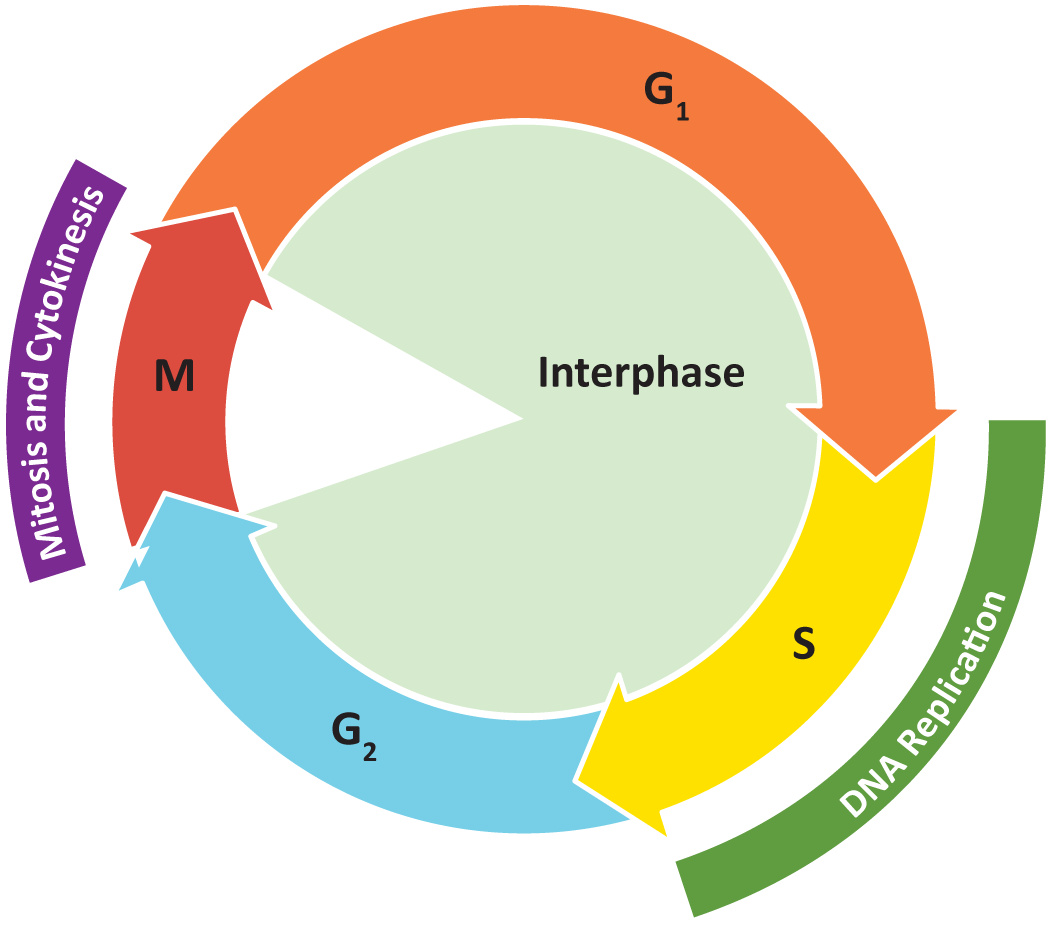
Phases
| Phase | Main Event | Key Checkpoint(s) | Criteria for Progression |
|---|---|---|---|
| G1 | Cell growth | G1/S checkpoint | Nutrients, size, no DNA damage |
| S | DNA synthesis | None | Completed G1/S, replication machinery active |
| G2 | Preparation for mitosis | G2/M checkpoint | DNA fully replicated, integrity confirmed |
| M | Mitosis/cytokinesis | Metaphase/Spindle | Chromosomes aligned, spindle attached |
Control: Progression is orchestrated by cyclins/CDKs, checkpoints halt the cycle for repair if damage is detected.
Use Cases:
- Ensuring genetic stability
- Regulating development and tissue repair
- Preventing disease (e.g., cancer)
Presidential Election Cycle (U.S.)
The presidential election cycle is a statutory, multi-year process defining the chronology and requirements for electing the President.
| Timeframe | Event |
|---|---|
| Spring (Year before election) | Candidate registration with FEC, announce candidacy |
| Summer (Year before) to Spring (Election Year) | Primary/caucus debates |
| January to June (Election Year) | State primaries/caucuses |
| July to September | Party nominating conventions |
| September–October | Presidential debates |
| Early November | General election (Election Day) |
| December | Electors vote in Electoral College |
| Early January (Next Year) | Congress counts electoral votes |
| January 20 | Inauguration Day |
Criteria: Each phase is governed by law, registration, fundraising, party nomination, and election procedures.
ICAO Cycle: Aviation Example
In aviation, the ICAO AIRAC cycle is a 28-day, globally standardized cycle for publishing and implementing aeronautical information. Defined in ICAO Annex 15 and Doc 8126, each cycle ensures all stakeholders access synchronized, up-to-date data on airspace, navigation, and procedures.
- Cycle Initiation: Global publication date.
- Intermediate Phases: Data collation, validation, publication.
- Termination: Effective implementation date (28 days post-publication).
- Criteria: Strict deadlines for data submission, validation, and distribution.
Purpose:
- Harmonizes international aviation data
- Minimizes risk of discrepancies
- Enhances safety and operational efficiency
Use Cases for Cycles
- Regulatory Compliance: Underpin frameworks for reporting, auditing, enforcement (e.g., elections, maintenance).
- Process Control: Structure workflows in industry, software, and administration.
- Scientific Analysis: Model periodic/recurring phenomena (e.g., nitrogen cycle, cardiac cycle).
- Resource Management: Plan and renew fiscal, academic, or maintenance resources.
Glossary of Key Terms
- Cycle: Complete, ordered sequence of states/phases forming a process.
- Phase/State: Distinct segment with specific actions or deliverables.
- Checkpoint: Control point ensuring compliance before progression.
- Aggregation: Collection and summation of data/actions over the cycle.
- Termination: Closing event/state of a cycle.
- Initiation: Event/condition marking the cycle’s start.
Comparison of Cycles Across Domains
| Domain | Cycle Name | Initiation Event | Key Phases/States | Termination Event | Criteria for Progression |
|---|---|---|---|---|---|
| Government/Elections | Election Cycle | End of previous general election | Registration, Campaign, Reporting | Next general election | Form filing, thresholds |
| Biology | Cell Cycle | Post-mitosis | G1, S, G2, M | Cell division | Checkpoints (DNA, nutrients) |
| Project Management | Project Life Cycle | Project charter approval | Initiation, Planning, Execution, Closure | Project completion | Deliverable acceptance |
| Finance | Fiscal Cycle | Start of accounting period | Budget, Spend, Audit | End of fiscal year | Reporting, audit |
| Aviation | AIRAC Cycle | Scheduled publication date | Data collation, validation, publication | Effective date | ICAO deadlines, data validation |
Illustrative Scenario: Election Cycle Aggregation
Scenario:
A candidate for the U.S. House of Representatives begins their campaign for the 2026 election (cycle: 11/6/2024–11/3/2026):
- Files Form 2 to register.
- Receives multiple contributions from a donor.
- Itemizes and publicly reports the donor once total contributions exceed $200.
- Aggregates all activity for Form 3 reporting at the end of the cycle.
Outcome:
Ensures legal compliance, financial transparency, and election integrity.
Summary Table: Key Attributes of Cycles
| Attribute | Description |
|---|---|
| Ordered Phases | Occur in a set sequence |
| Defined Boundaries | Fixed start and end |
| Progression Criteria | Checkpoints or requirements for advancement |
| Aggregation Period | Data/actions collected over cycle duration |
| Regulatory Context | Often established by law or protocol |
| Repeatability | Cycles repeat continuously or periodically |
Cycles provide the structural backbone for compliance, transparency, and process optimization across regulated, scientific, and industrial domains. Understanding and managing cycles is essential for organizations aiming for reliability, audit-readiness, and operational excellence.
Frequently Asked Questions
- What is a cycle?
- A cycle is a complete, ordered sequence of states or phases that make up a process. Each phase occurs in a set order, with clear criteria for moving to the next state and definitive start and end points. Cycles are fundamental for compliance, reporting, and system control.
- How are cycles applied in regulatory and scientific contexts?
- Cycles underpin compliance in areas like elections (election cycles), biology (cell cycles), and aviation (AIRAC cycles). They define the timing, structure, and reporting requirements, ensuring transparency, safety, and systematic operation.
- What are common examples of cycles?
- Common examples include the election cycle (regulates candidate activity and reporting), cell cycle (controls cell growth and division), project life cycles (structure project phases), and AIRAC cycles in aviation (synchronize aeronautical data updates).
- How do criteria and checkpoints work in cycles?
- Checkpoints are control mechanisms embedded in cycles. They verify that all requirements are met before moving to the next phase, ensuring, for example, that forms are filed, data are validated, or safety checks are complete.
- Why are cycles important for compliance and quality?
- Cycles provide structure, enforce rules, and enable aggregation over defined periods. This ensures transparent reporting, auditability, and continuous improvement in regulated environments and scientific research.
This is a reference entry. TarmacView provides drone inspection services and doesn't sell the equipment or materials described in this glossary.