What is Monitoring in Quality Assurance?
Monitoring – Continuous Observation of Parameters – Quality Assurance
Definition and Overview
What Is Monitoring?
Monitoring is the systematic, structured, and ongoing process of collecting, observing, and evaluating data or parameters within a system, process, or operational environment. Its primary goal is to ensure that processes operate within defined performance and quality limits, support compliance, and provide actionable insights for decision-makers. Monitoring can be manual or automated, leveraging sensors, software platforms, and intelligent systems for real-time data acquisition and analysis.
In regulated industries like aviation, pharmaceuticals, and healthcare, monitoring is not just a best practice but often a legal obligation. It underpins safety management, regulatory compliance, and continual process improvement, with requirements for traceability and auditability enforced by authorities such as EASA, FAA, and FDA.
Continuous Observation
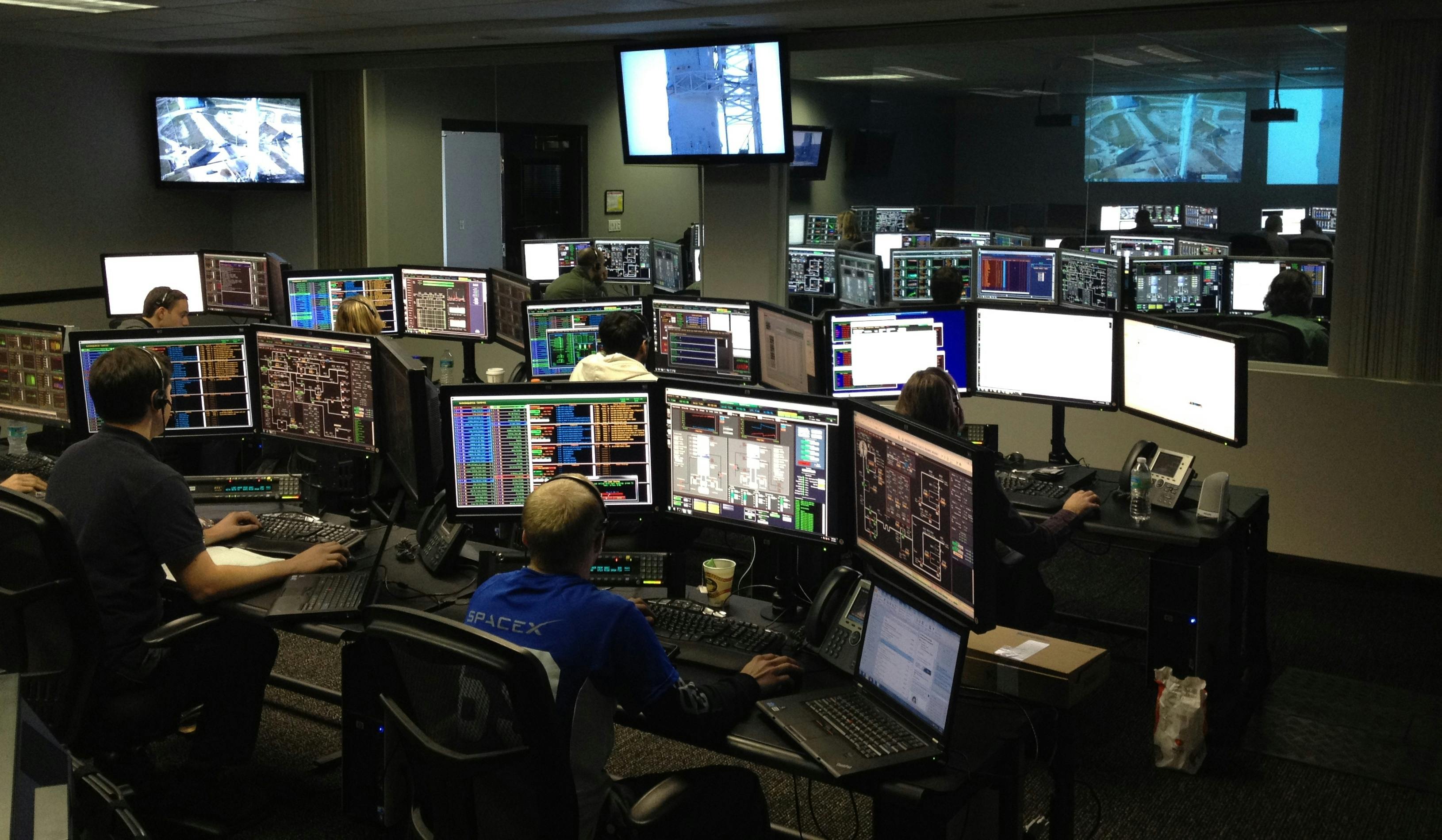
Continuous observation involves uninterrupted, real-time (or near-real-time) data collection and evaluation. Unlike periodic monitoring, which only captures data at intervals, continuous monitoring creates a live data stream that enables immediate detection of deviations, anomalies, or risks. Automated systems and digital technologies have made continuous observation feasible, efficient, and scalable, especially in high-reliability organizations like airlines and industrial manufacturers.
Quality Assurance (QA)
Quality Assurance (QA) is a comprehensive management approach that encompasses the policies, procedures, and controls necessary to ensure that products, services, or operational processes meet specified requirements. QA is preventive and embedded throughout the lifecycle, relying on process orientation, risk-based thinking, and evidence-based decision-making. Monitoring is a core pillar of QA, providing the data required for measurement, analysis, and improvement.
Continuous Monitoring in QA Context
In QA, continuous monitoring refers to ongoing, automated surveillance of critical parameters, processes, or systems. This supports rapid detection and correction of deviations, bridges compliance requirements and operational reality, and ensures sustained product and process integrity. It is essential for regulatory compliance, operational excellence, and continuous improvement initiatives.
Purpose and Benefits
Why Continuous Monitoring Is Used in Quality Assurance
Continuous monitoring closes the gap between traditional, periodic QA checks and the need for real-time oversight. It enables detection of deviations as soon as they occur, supporting immediate corrective or preventive action and reducing the risk of small issues escalating into major failures. This is critical in high-stakes industries, such as aviation and pharmaceuticals, where the cost of undetected errors is high.
Key Business Benefits
- Early detection of issues, minimizing cost and impact of defects or failures.
- Cost reduction by preventing rework, recalls, and regulatory penalties.
- Operational efficiency through real-time process adjustment and optimized resource allocation.
- Simplified compliance with audit trails and automated reporting.
- Enhanced customer satisfaction due to consistent, high-quality outcomes.
Impact on Operational Efficiency and Customer Satisfaction
Continuous monitoring transforms operational data into actionable intelligence, exposing inefficiencies and supporting dynamic process optimization. This improves productivity, reduces downtime, and delivers a better customer experience by ensuring issues are addressed before they affect end users.
Key Components
Performance Metrics
Performance metrics are quantifiable indicators that measure how effectively a process, system, or organization is achieving its quality objectives. They form the foundation of monitoring, guiding process evaluation, trend identification, and improvement initiatives. Metrics should be SMART: Specific, Measurable, Actionable, Relevant, and Time-bound.
Real-Time Data Collection and Analysis
Real-time data collection and analysis is essential for continuous monitoring. Data from sensors, IoT devices, and software logs is transmitted to centralized platforms and analyzed using algorithms and statistical methods, enabling predictive maintenance, anomaly detection, and process optimization.
Monitoring Tools and Technologies
A wide array of monitoring tools and technologies exists, from hardware sensors and data loggers to sophisticated software platforms and cloud-based analytics engines. Advanced solutions use artificial intelligence for pattern recognition, anomaly detection, and automated insight generation.
Compliance and Regulatory Monitoring
Compliance monitoring ensures that processes adhere to laws, standards, and regulations such as ISO 9001, EASA Part 145, FDA 21 CFR Part 11, and others. Automated compliance monitoring provides real-time checks, alerts, and audit trails to support both internal and external regulatory requirements.
Human Factors: Employee Involvement and Training
Despite automation, human expertise is crucial for interpreting monitoring data, making complex decisions, and driving corrective actions. Employee involvement and ongoing training foster a culture of accountability, ownership, and continuous improvement.
Technical Methods and Approaches
Statistical Process Monitoring (SPM)
SPM encompasses statistical tools for tracking, analyzing, and controlling process performance. Key techniques include:
- Control charts (e.g., X-bar, R, p, c charts) for detecting deviations.
- CUSUM (Cumulative Sum) charts for identifying small, persistent shifts.
- EWMA (Exponentially Weighted Moving Average) charts for trend sensitivity.
SPM enables early detection of process drift, supports compliance, and drives continuous improvement.
Cumulative Sum (CUSUM) Charts
CUSUM charts plot the cumulative sum of deviations from a target value, providing high sensitivity to small changes. Widely used in healthcare, manufacturing, and aviation, CUSUM aids real-time surveillance and early intervention.
Risk Adjustment
Risk adjustment accounts for case mix, environmental factors, or inherent variability, ensuring fair and meaningful performance comparisons. It refines control charts and KPI reporting, reducing false alarms and supporting accurate decision-making.
Automation and Artificial Intelligence
Automation and AI have revolutionized monitoring, enabling fast, accurate, and scalable data collection and analysis. AI-powered predictive maintenance forecasts equipment failures. Machine learning algorithms detect patterns and anomalies, supporting advanced visualization, root cause analysis, and prescriptive analytics.
Implementation Steps
Defining Objectives and Scope
Begin by clearly defining the objectives and scope, identifying critical processes, systems, or parameters and articulating desired outcomes. The scope should specify what will be monitored, at what frequency, and at what level of detail.
Selecting Tools and Technologies
Choose tools and technologies based on scalability, interoperability, security, and integration with existing systems. Consider hardware sensors, data platforms, analytics engines, and middleware.
Designing the Monitoring Process
Develop the process for data collection, transmission, analysis, and response. Determine roles, responsibilities, escalation paths, and documentation methods.
Integrating with Quality Management Systems
Ensure seamless integration with existing quality management systems (QMS), safety management systems (SMS), and regulatory frameworks for unified oversight and reporting.
Training and Change Management
Implement ongoing training programs to build competency in monitoring tools and procedures. Foster a culture of continuous improvement and encourage employee engagement.
Continuous Review and Improvement
Regularly review monitoring effectiveness, update metrics and processes, and leverage feedback for continuous improvement. Use data-driven insights to refine strategies and sustain compliance.
Best Practices
- Align monitoring objectives with business goals and regulatory requirements.
- Select meaningful, actionable metrics.
- Integrate monitoring with broader QA and risk management processes.
- Leverage automation and AI for scalability and efficiency.
- Ensure employee engagement through training and feedback.
- Maintain robust documentation and audit trails.
Challenges and Solutions
- Data overload: Focus on critical parameters and automate filtering.
- Integration complexity: Use middleware and standardized protocols.
- Alert fatigue: Calibrate thresholds and prioritize actionable alerts.
- Change resistance: Invest in training and communicate benefits.
- Security and privacy: Implement robust data protection measures.
Future Trends
- Advanced analytics and AI for deeper insights and predictive capabilities.
- Cloud-based monitoring for scalability and remote access.
- Digital twins for real-time simulation and optimization.
- Increased regulation driving more comprehensive monitoring requirements.
- Human-centric design balancing automation with expert oversight.
Conclusion
Monitoring is the backbone of quality assurance, compliance, and operational excellence. Through continuous observation, real-time data analysis, and integration with advanced technologies, monitoring empowers organizations to detect and address deviations early, drive continuous improvement, and meet the highest standards of safety, quality, and customer satisfaction.

References
- ICAO Doc 9859 – Safety Management Manual
- ISO 9001 – Quality Management Systems
- EASA Part 145 – Maintenance Organization Approvals
- FDA 21 CFR Part 11 – Electronic Records
- American Society for Quality (ASQ)
- McKinsey & Company: The Business Value of Quality
- Pexels.com (images)
For more information about implementing robust monitoring systems in your organization, contact us or schedule a demo .
Frequently Asked Questions
- What is the purpose of monitoring in quality assurance?
- Monitoring provides real-time oversight of processes and parameters to detect deviations from quality standards, enabling timely corrective actions. It supports compliance, improves operational efficiency, and ensures that products or services consistently meet stakeholder and regulatory requirements.
- How does continuous monitoring differ from periodic monitoring?
- Continuous monitoring involves real-time or near-real-time data collection and analysis, allowing immediate detection of anomalies. Periodic monitoring, by contrast, only reviews snapshots at set intervals, which can delay detection and response to emerging issues.
- What tools are used for continuous monitoring?
- Tools range from hardware sensors and IoT devices to advanced software platforms like SCADA, SIEM, SPC, and FDM systems. Integration with AI and machine learning enables predictive analytics, anomaly detection, and automated reporting.
- Why is monitoring critical for compliance?
- Regulatory bodies require organizations to demonstrate ongoing process control and data integrity. Monitoring ensures continuous adherence to standards like ISO 9001, EASA, or FDA regulations, providing the audit trails needed for legal and operational compliance.
- How do human factors influence monitoring systems?
- Human expertise is essential for interpreting data, making decisions, and responding to alerts. Employee training and engagement enhance the effectiveness of monitoring systems, supplementing automation with accountability and continuous improvement.
This is a reference entry. TarmacView provides drone inspection services and doesn't sell the equipment or materials described in this glossary.