¿Qué es una Aproximación de Precisión CAT II (Categoría II)?
Aproximación de Precisión CAT II (Categoría II) – Glosario de Operaciones de Aviación
Definición y Contexto
Una aproximación de precisión CAT II (Categoría II) es un procedimiento avanzado de aterrizaje instrumental diseñado para operaciones de aeronaves en condiciones de baja visibilidad. Definida por la Organización de Aviación Civil Internacional (OACI), una aproximación CAT II proporciona al piloto guía tanto lateral como vertical, permitiendo aterrizajes seguros cuando las referencias visuales naturales son insuficientes. El rasgo distintivo de CAT II es una altura de decisión (DH) inferior a 200 pies pero no menor a 100 pies sobre el umbral de la pista, combinada con un alcance visual de pista (RVR) no menor a 300 metros.
CAT II cubre la brecha operativa entre las aproximaciones básicas CAT I, que tienen mínimos más altos y requisitos menos exigentes, y los procedimientos altamente sofisticados CAT III, que permiten aterrizajes con visibilidad casi nula. Al hacer posibles los aterrizajes durante periodos de niebla, precipitación intensa o techos de nubes bajos, las aproximaciones CAT II son fundamentales para los grandes aeropuertos comerciales, los centros de carga y los operadores de aviación ejecutiva que buscan mantener la fiabilidad de sus horarios y minimizar las interrupciones relacionadas con el clima.
El éxito de las operaciones CAT II depende del estricto cumplimiento de las normas técnicas, operativas y regulatorias. Tanto la aeronave como la tripulación deben estar específicamente certificadas, el aeropuerto debe proporcionar ayudas a la navegación e iluminación de alta integridad, y los datos de RVR deben estar disponibles en tiempo real. Esto asegura que las aproximaciones CAT II se realicen de forma segura, incluso en condiciones meteorológicas adversas.
Mínimos CAT II y Categorías de Aproximación de Precisión
Las categorías de aproximación de precisión se definen por la DH y el RVR mínimos permitidos. La siguiente tabla resume las diferencias clave:
| Categoría | Altura de Decisión (DH) | Alcance Visual de Pista (RVR) |
|---|---|---|
| CAT I | ≥ 200 ft (60 m) | ≥ 550 m |
| CAT II | < 200 ft (60 m), ≥ 100 ft (30 m) | ≥ 300 m |
| CAT IIIA | < 100 ft (30 m) o ninguna | ≥ 175 m |
| CAT IIIB | < 50 ft (15 m) o ninguna | 50–175 m |
| CAT IIIC | Sin DH | Sin limitación de RVR |
Las aproximaciones CAT II requieren tecnología y formación de pilotos más avanzadas que CAT I, pero son menos exigentes que CAT III, que puede permitir aterrizajes incluso cuando no hay referencia visual disponible.
Marco Regulatorio
Normas Internacionales
El Anexo 6 (Operación de Aeronaves) y el Anexo 14 (Aeródromos) de la OACI establecen los requisitos globales para las aproximaciones CAT II, entre ellos:
- DH: Inferior a 200 ft pero no menor a 100 ft
- RVR: No menor a 300 metros
- Uso del radioaltímetro para la determinación de la DH
- Notificación de RVR en tiempo real
Regulaciones Nacionales
- Estados Unidos (FAA): Regulado por 14 CFR Partes 91, 97, 135, y la Circular de Asesoramiento AC 91-16. Requiere la certificación tanto de la aeronave como de la tripulación, manuales operativos y programas de mantenimiento.
- Europa (EASA): El Reglamento de Operaciones Aéreas de EASA refleja el de la OACI con mínimos y procesos de aprobación similares, y exige aprobaciones específicas para cada operador y una supervisión continua.
Estos marcos aseguran que solo operadores cualificados, tripulaciones formadas y aeronaves y aeropuertos debidamente equipados realicen aproximaciones CAT II.
Requisitos de Navegación e Iluminación en Tierra
Para dar soporte a las operaciones CAT II, los aeropuertos deben estar equipados con:
- Sistema de Aterrizaje Instrumental (ILS) certificado: Proporciona guía lateral (localizador) y vertical (senda de planeo) precisa, con mayor exactitud y monitoreo de integridad.
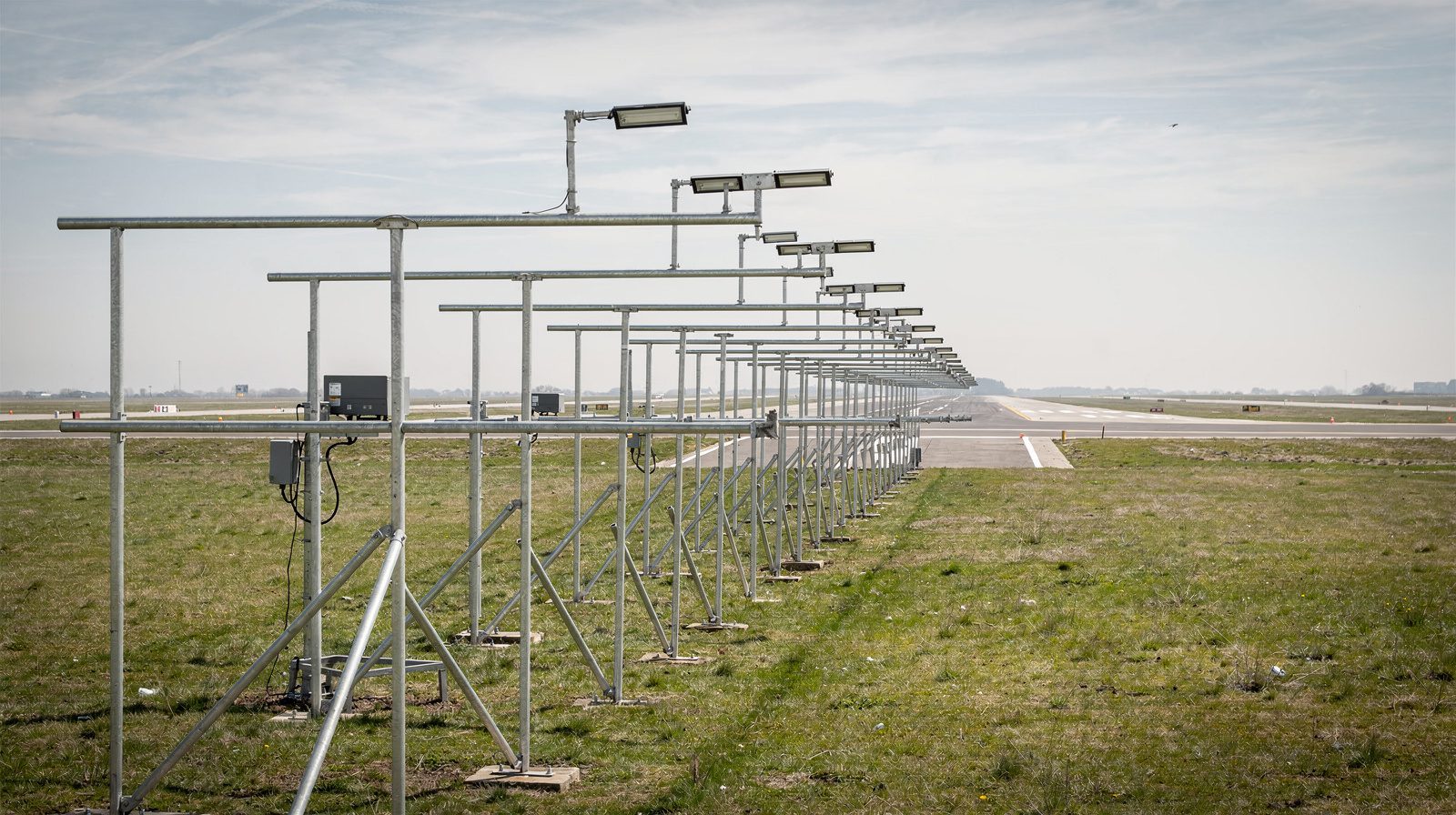
- Sistemas de iluminación de alta intensidad: Incluyendo iluminación de borde de pista, zona de toma de contacto, eje central y aproximación (ALSF-1/2), esencial para que los pilotos adquieran las referencias visuales necesarias para completar el aterrizaje desde la DH.
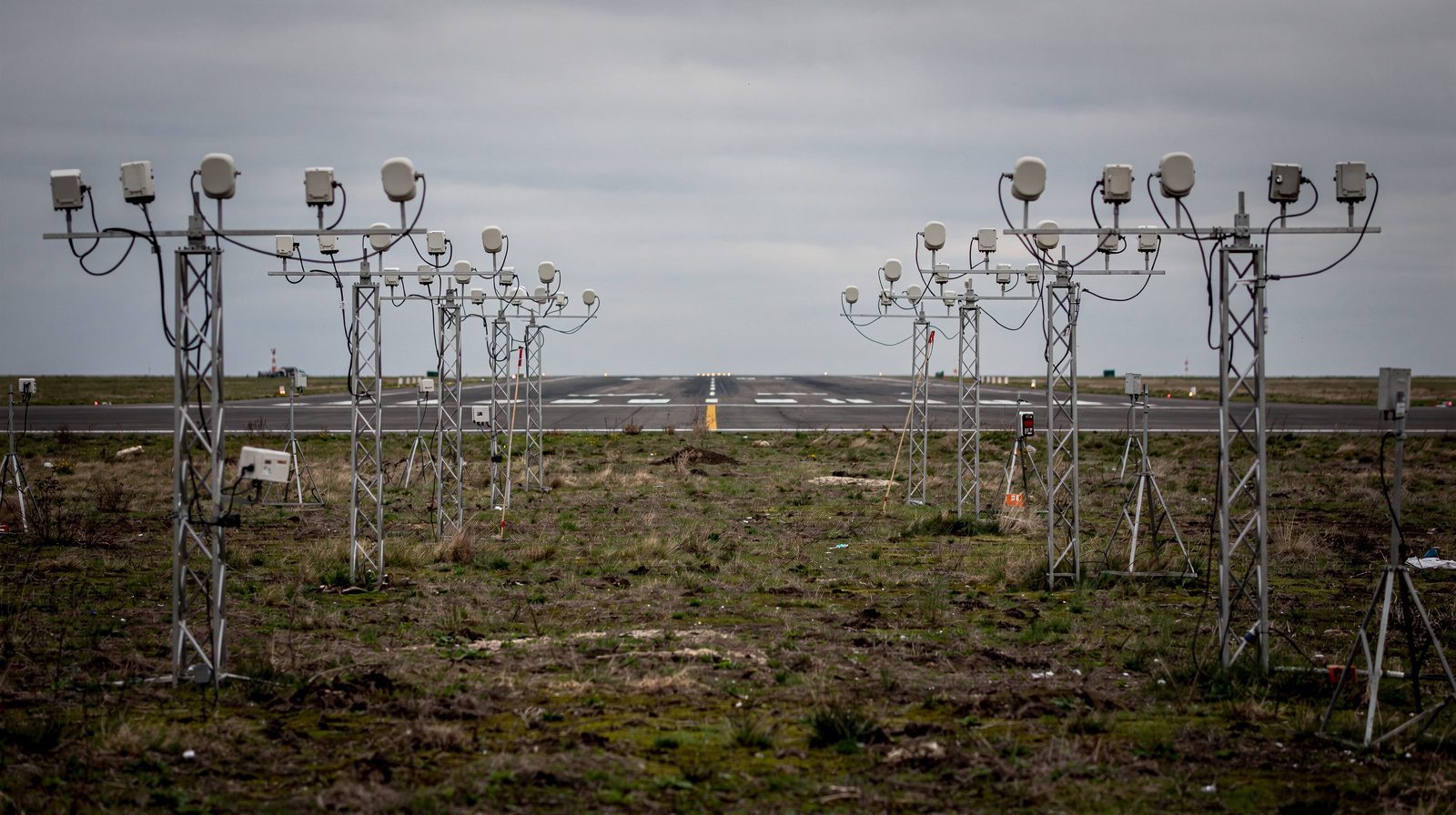
- Medición del Alcance Visual de Pista (RVR): Lograda mediante transmisómetros o dispersómetros de dispersión frontal en múltiples puntos de la pista (toma de contacto, punto medio, recorrido de aterrizaje), entregando datos de visibilidad en tiempo real a los pilotos.
Todos los sistemas deben ser monitoreados y mantenidos de forma continua, con notificación inmediata y suspensión de las operaciones CAT II si cualquier sistema crítico falla o se degrada.
Requisitos de Equipamiento a Bordo
Las aeronaves autorizadas para aproximaciones CAT II deben contar con:
- Receptor ILS certificado para CAT II: Seguimiento de alta precisión e integridad de la señal.
- Sistema de Guía de Control de Vuelo (piloto automático/director de vuelo): Aprobado para CAT II, a menudo con redundancia de doble canal.
- Radioaltímetro: Para una medición precisa de la altura sobre el terreno en la DH, con alertas audibles y visuales.
- Instrumentos de vuelo redundantes: Aseguran la fiabilidad en caso de falla de un sistema.
- Aviso de advertencia y de falla: Alertas inmediatas ante la degradación o el fallo de un sistema.
- Tubos pitot con calefacción y fuentes estáticas alternativas: Mantienen la fiabilidad de los datos aerodinámicos en clima adverso.
Todo el equipamiento está sujeto a una certificación rigurosa, comprobaciones funcionales periódicas y mantenimiento oportuno para asegurar la disponibilidad operativa.
Cualificación y Formación de Pilotos
Los pilotos deben obtener una autorización especial para CAT II mediante:
- Formación teórica y en simulador: Cubriendo la teoría de CAT II, los procedimientos, el uso del equipamiento y la gestión de emergencias.
- Verificaciones prácticas en vuelo: Demostrando la ejecución correcta, el uso del equipamiento y la toma de decisiones en la DH.
- Experiencia reciente: Realización periódica de aproximaciones CAT II en condiciones reales o simuladas.
- Cualificación del segundo al mando: Ambos pilotos deben estar formados y en vigencia, salvo que se apruebe específicamente la operación CAT II con un solo piloto.
La formación recurrente continua y las verificaciones de competencia son obligatorias para conservar los privilegios CAT II.
Aprobación del Operador y de la Aeronave
Los operadores deben presentar a su autoridad regulatoria:
- Manual de operaciones: Detallando los procedimientos específicos de CAT II, las listas de comprobación y los protocolos de emergencia.
- Programa de mantenimiento: Ciclos definidos de inspección y prueba para todo el equipamiento relacionado con CAT II.
- Registros de cualificación de la tripulación: Prueba de la formación, las verificaciones en vuelo y la experiencia reciente.
- Demostración del equipamiento: Si se requiere, una serie de aproximaciones CAT II observadas para validar el desempeño de los sistemas y el cumplimiento de los procedimientos.
La aprobación solo se concede tras una documentación exhaustiva y la demostración práctica de operaciones CAT II seguras, con supervisión continua y revalidación periódica.
Procedimientos Operativos y Seguridad
Una aproximación CAT II implica:
- Briefing previo a la aproximación: Revisión del clima, el estado del equipamiento y los planes de aproximación frustrada.
- Aproximación estabilizada: Estricto seguimiento del localizador y la senda de planeo utilizando el piloto automático/director de vuelo.
- Decisión en la DH: Si las referencias visuales requeridas son visibles, aterrizar, si no, iniciar una aproximación frustrada.
- Monitoreo continuo: Ambos pilotos (o el piloto y el sistema de monitoreo) supervisan todos los sistemas críticos durante toda la aproximación.
- Procedimientos de respaldo: Cualquier falla de un sistema exige recurrir a mínimos superiores o ejecutar una aproximación frustrada.
Estos procedimientos, combinados con la redundancia del equipamiento y la formación rigurosa de la tripulación, minimizan riesgos como el vuelo controlado contra el terreno (CFIT) y las salidas de pista.
Análisis Comparativo: CAT I vs. CAT II vs. CAT III
| Característica | CAT I | CAT II | CAT III (A/B/C) |
|---|---|---|---|
| Altura de Decisión (DH) | ≥ 200 ft | 100–200 ft | < 100 ft (A), < 50 ft (B), ninguna (C) |
| RVR mínimo | ≥ 550 m | ≥ 300 m | 175 m (A), 50 m (B), ninguno (C) |
| Radioaltímetro | No requerido | Requerido | Requerido |
| Piloto automático/Director de vuelo | No requerido | Requerido | Requerido (mayor redundancia) |
| Autorización de la tripulación | Habilitación de vuelo por instrumentos | CAT II adicional | Específica para CAT III |
| Redundancia del equipamiento | IFR estándar | Mejorada | Redundancia máxima |
| Casos de uso típicos | La mayoría de aeropuertos | Grandes aeropuertos, baja visibilidad | Grandes aeropuertos, muy baja visibilidad |
Casos de Uso y Ejemplos
- Aerolíneas regulares: Grandes centros de conexión como London Heathrow, Fráncfort y Chicago O’Hare dependen de las aproximaciones CAT II para mantener el flujo de tráfico durante niebla o mal tiempo, reduciendo retrasos y desvíos.
- Aviación ejecutiva: Los operadores que prestan servicio en aeropuertos propensos a cambios meteorológicos repentinos (por ejemplo, Teterboro, París Le Bourget) utilizan CAT II para garantizar los horarios y la seguridad de sus clientes.
- Carga/Mercancías: Las operaciones sujetas a plazos críticos (entrega nocturna) recurren a aeropuertos y aeronaves habilitados para CAT II con el fin de minimizar las interrupciones relacionadas con el clima.
Resumen
Una aproximación de precisión CAT II (Categoría II) es un pilar de la aviación moderna, que permite aterrizajes seguros y fiables en condiciones que de otro modo impedirían las aproximaciones visuales. Requiere la sinergia de una infraestructura aeroportuaria avanzada, equipamiento de aeronave certificado y tripulaciones especialmente formadas, todo ello regido por rigurosas regulaciones internacionales y nacionales. A medida que aumentan la imprevisibilidad del clima y la congestión aeroportuaria, las aproximaciones CAT II desempeñan un papel cada vez más vital en la eficiencia y la seguridad del transporte aéreo mundial.
Para más información, consulte las entradas de glosario relacionadas sobre el Sistema de Aterrizaje Instrumental (ILS), el Alcance Visual de Pista (RVR) y la Altura de Decisión (DH).
Si tiene preguntas adicionales o necesita apoyo con la implementación de CAT II, contacte a nuestros expertos en aviación o programe una consulta .
Preguntas Frecuentes
- ¿Cuál es la diferencia entre aproximaciones CAT I, CAT II y CAT III?
- Las principales diferencias se encuentran en la altura de decisión (DH) y el alcance visual de pista (RVR) requerido para cada categoría. CAT I permite aproximaciones hasta 200 pies de DH y 550 metros de RVR, requiriendo solo ILS básico y calificaciones estándar de los pilotos. CAT II baja la DH a entre 100 y 200 pies y el RVR a 300 metros, requiriendo equipamiento mejorado y entrenamiento adicional de la tripulación. CAT III permite aterrizajes con DH y RVR aún más bajos, en algunos casos permitiendo aterrizajes cuando casi no existe referencia visual, necesitando los sistemas más avanzados y controles operativos más estrictos.
- ¿Qué equipamiento se requiere para una aproximación CAT II?
- Tanto la aeronave como el aeropuerto deben estar equipados con sistemas certificados. En tierra, esto incluye un sistema de aterrizaje instrumental (ILS) de alta integridad, iluminación avanzada de pista (como luces de zona de toma de contacto, eje central y aproximación), y medición en tiempo real del alcance visual de pista (RVR). En la aeronave, los sistemas requeridos incluyen un receptor ILS certificado para CAT II, radioaltímetro, director de vuelo o piloto automático con acoplamiento de aproximación, instrumentos de vuelo redundantes y avisos de advertencia/falla. Todo el equipamiento debe ser revisado y mantenido regularmente.
- ¿Qué entrenamiento especial de pilotos se requiere para operaciones CAT II?
- Los pilotos deben completar cursos especializados teóricos, simulador y entrenamiento en aeronave enfocados en procedimientos CAT II, factores humanos y escenarios de emergencia. Deben demostrar competencia en la realización de aproximaciones CAT II, incluyendo el uso adecuado de la aviónica y el cumplimiento de los mínimos operacionales. Se requiere entrenamiento recurrente y experiencia reciente para mantener la autorización.
- ¿Cómo califican los aeropuertos para aproximaciones CAT II?
- Los aeropuertos deben instalar y mantener equipos ILS avanzados, sistemas de iluminación de alta intensidad y dispositivos certificados de medición RVR. Los sistemas deben cumplir con los estándares de precisión, redundancia y seguridad de la OACI y la autoridad nacional. Se requieren inspecciones regulares, comprobaciones en vuelo y mantenimiento para asegurar el cumplimiento continuo, y cualquier falla crítica de un sistema conlleva la suspensión de las operaciones CAT II hasta su resolución.
- ¿Qué sucede si el equipamiento requerido falla durante una aproximación CAT II?
- Si cualquier equipamiento crítico, ya sea a bordo o en tierra, falla durante una aproximación CAT II, la tripulación debe interrumpir inmediatamente la aproximación y ejecutar un procedimiento de aproximación frustrada. Si la falla ocurre antes de alcanzar la altura de decisión, la aproximación puede continuarse usando mínimos superiores (CAT I) si está permitido y las condiciones lo permiten, de lo contrario puede ser necesaria una desviación.
Esta es una entrada de referencia. TarmacView proporciona servicios de inspección con drones y no vende los equipos ni materiales descritos en este glosario.