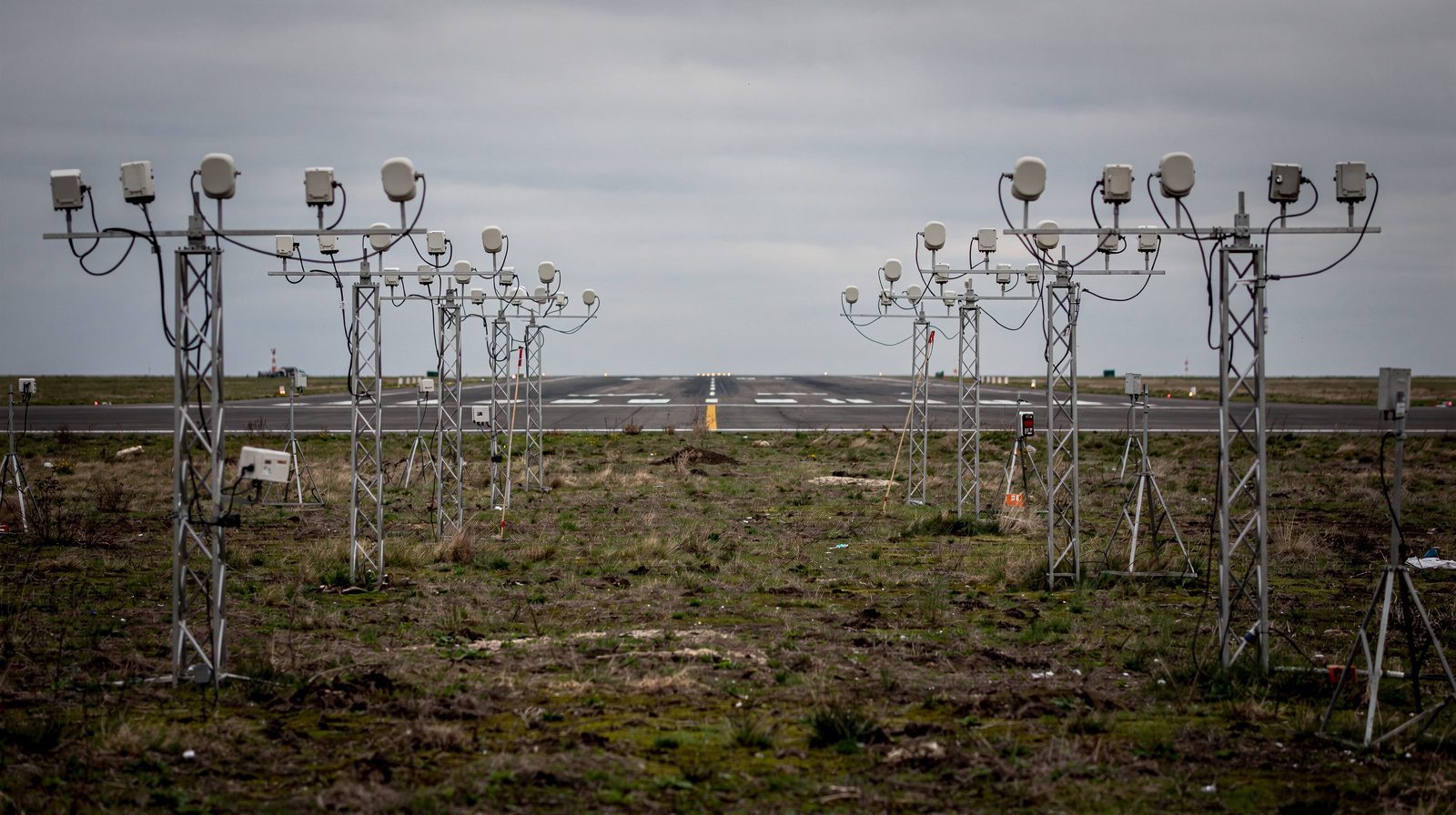
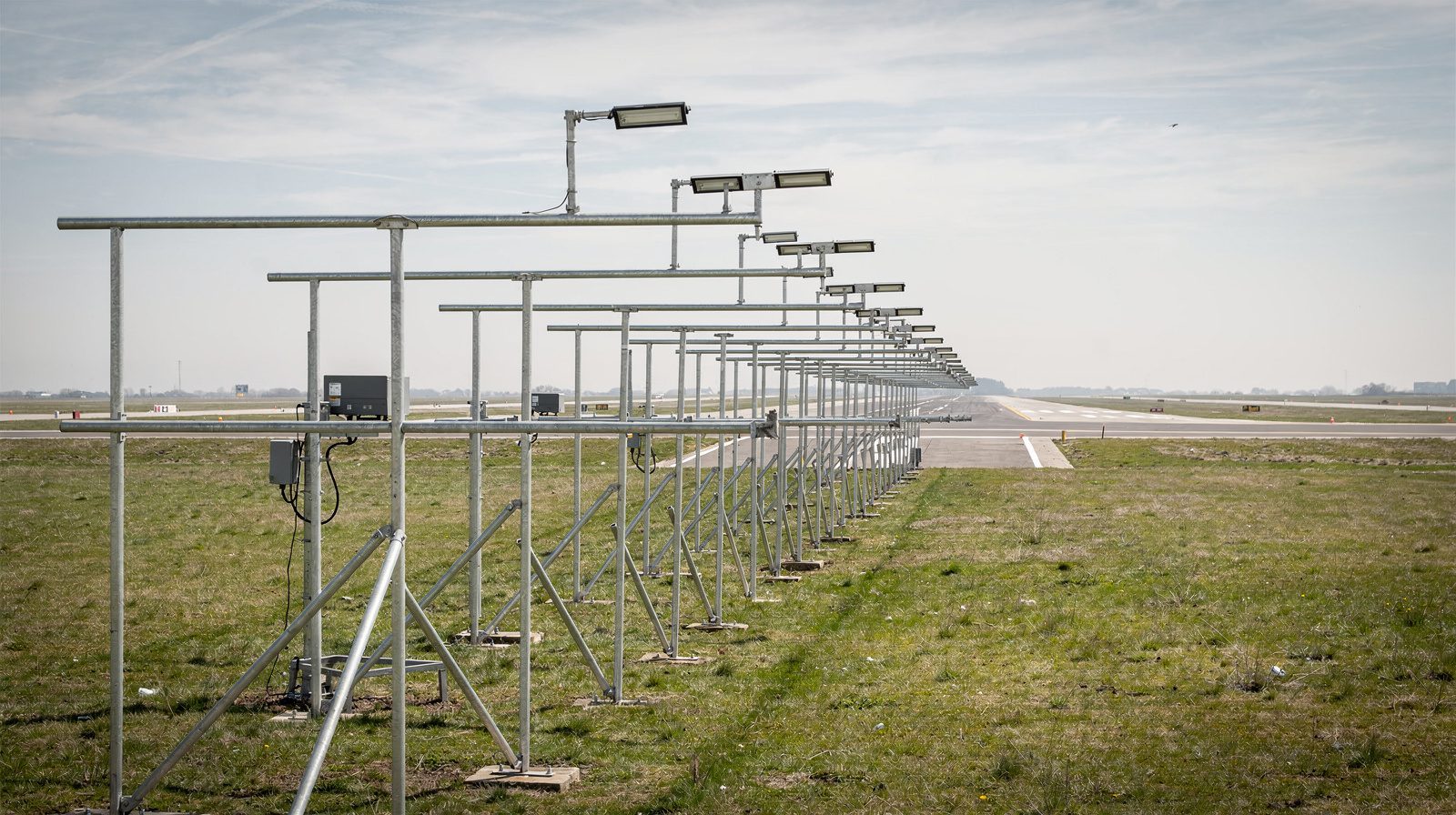
What is a Blinking Light (Light Alternating On and Off) in Airport Lighting?
Blinking Light (Light Alternating On and Off) in Airport Lighting
Definition and Technical Overview
A blinking light in aviation, more precisely termed as a flashing or intermittent light, is an electrical or electronic light source engineered to alternate between illuminated and non-illuminated states at a regular, pre-determined frequency. This cycling is controlled by timers, relays, or digital circuits, ensuring consistency and reliability as required by international standards such as ICAO Annex 14 and FAA regulations.
Blinking lights are fundamental components in both airfield lighting infrastructure and aircraft lighting systems. Their design involves parameters like luminous intensity, flash frequency (typically 30–120 flashes per minute, depending on application), chromaticity (color), beam spread, and synchronization for systems with multiple lights (such as sequenced approach flashers). The primary purpose is to enhance visual conspicuity, especially under low visibility conditions.
Blinking lights leverage the human visual system’s sensitivity to motion and transient changes, thereby improving detection, signaling, and safety across aviation operations.
Operational Uses and Contexts
Blinking lights are deployed in a range of aviation scenarios, each with a specific function:
On Aircraft
- Anti-collision beacons: Red, flashing lights on the upper/lower fuselage signal aircraft activity (engines on or moving).
- Strobe lights: High-intensity white flashes on wingtips/tail for in-flight conspicuity and anti-collision.
- Alternating/pulsating landing lights: “Wig-wag” systems pulse landing lights for increased recognition, especially during approach or departure.
All of these systems are mandated or recommended by ICAO Annex 6 and FAA CFR 91.209, with specific operational protocols to maximize safety and communication.
At Airports
- Rotating airport beacons: Alternate colored flashes identify airport type (land, water, heliport, military) and operational status (VFR/IFR).
- Sequenced approach flashers: Guide pilots visually along the approach path, especially in low visibility.
- Runway status lights and stop bars: Flashing red lights indicate when runway entry is unsafe, preventing incursions.
Blinking lights are also integrated with airfield lighting control systems for dynamic, automated operation based on weather, traffic, or remote pilot activation.
Human Factors and Visibility Science
Blinking lights are grounded in the science of human perception:
- Detection: The human eye is more likely to notice transient, moving, or flashing stimuli, especially in cluttered or dark environments.
- Flash frequency: Must be optimized (typically 40–70 flashes per minute) to balance attention-capturing without causing discomfort or distraction.
- Chromaticity: Red flashing signals warning/stop, white maximizes conspicuity, green/yellow combinations encode airport type or function.
Studies show blinking lights can be detected at significantly greater distances than steady lights, making them essential for safety-critical signaling.
Aircraft Anti-Collision Beacons
Red anti-collision beacons are required on all powered aircraft. Typically mounted on the upper and lower fuselage, these lights flash at 40–100 times per minute, emitting over 400 candelas for 360-degree coverage.
- Operation: Must be on before engine start and remain on until complete engine shutdown.
- Purpose: Warns ground personnel of engine/propeller danger and signals aircraft presence.
Aircraft Strobe Lights
High-intensity white strobe lights, placed on wingtips and tail, are used during takeoff, climb, approach, and landing for anti-collision.
- Flash Rate: 60–70 flashes per minute, with extremely high peak intensity.
- Usage: Activated on entering runway, off after vacating.
- Regulation: ICAO Annex 6, FAA AC 20-30B.
Alternating/Pulsating Landing Lights
“Wig-wag” systems alternate or pulse landing lights, boosting recognition.
- System: Controller alternates power between lamps at 1–2 Hz.
- Purpose: Visibility for other aircraft and ground staff.
- Certification: Often aftermarket, certified via TSO/STC.
Airport Rotating Beacons
Prominently installed on airport property, these beacons use powerful, rotating lamps with colored filters to indicate airport type and status.
- Land airport: Alternating white/green.
- Water airport: White/yellow.
- Heliport: White/green/yellow.
- Military: Two quick whites, one green (U.S.).
- Operation: Sunset to sunrise and in IFR conditions.
Runway Status Lights and Stop Bars
In-pavement or elevated red blinking lights prevent runway incursions by indicating when it is unsafe to enter or cross.
- Stop bars: Steady/flashing red at runway holding points, must not be crossed when lit.
- RWSL: Automated system illuminates red lights based on real-time runway occupancy and approach data.
Approach Lighting Systems and Sequenced Flashers
Sequenced flashers (“rabbit”) provide animated visual cues along the approach path, with high-intensity flashers firing in rapid succession to create a moving effect toward the runway.
- Flash frequency: 2–3 Hz, repeating every second.
- Control: Manual or pilot-activated, intensity adjustable.
Pilot-Controlled Airport Lighting (ARCAL)
At many non-towered airports, pilots can activate and adjust blinking and steady lights remotely using their radio (ARCAL/PCL).
- Activation: Specific number of mic clicks on ARCAL frequency.
- Benefits: Saves energy, reduces light pollution, ensures lighting is available on demand.
Regulatory Standards and Harmonization
- ICAO: Annex 14 (airport lighting), Annex 6 (aircraft lighting).
- FAA: AIM, 14 CFR 91.209, AC 150/5340-30, AC 150/5340-27.
- IEC/EASA: Additional electrical/photometric standards, harmonization with ICAO.
Compliance ensures interoperability, mutual recognition, and international safety consistency.
Aircraft Lighting Control: Cockpit Procedures and Automation
In modern cockpits, all external lights, including blinking systems, are managed via labeled switches, often with automation based on flight phase, weight-on-wheels sensors, or integration with flight management systems. SOPs dictate precise usage, ensuring regulatory compliance and optimal safety for each operational phase.
Blinking lights, whether on runways, in approach systems, or mounted on aircraft, are one of the most vital safety and communication tools in modern aviation. Their design, regulation, and operation are the result of decades of research in engineering, human factors, and international standardization, all aimed at keeping air travel visible, clear, and safe.
Frequently Asked Questions
- What is a blinking light in airport lighting?
- A blinking light, also called a flashing or intermittent light, is an electrical fixture designed to alternate between on and off states at a defined frequency. In aviation, these are used for beacons, anti-collision lights, approach lighting, and runway safety systems to maximize awareness and safety for pilots and ground personnel.
- Why are blinking lights used instead of steady lights in aviation?
- Blinking lights attract more visual attention than steady lights, making them easier to detect in low visibility, at night, or against visually complex backgrounds. Their dynamic nature helps pilots and ground crews quickly identify hazards, signals, or operational statuses, significantly enhancing safety.
- Where are blinking lights found at airports and on aircraft?
- You’ll find blinking lights as airport rotating beacons, sequenced approach flashers, runway status and stop bar lights, and on aircraft as anti-collision beacons, strobes, and alternating landing lights. Each application follows strict international standards to ensure effectiveness and clarity.
- What regulatory standards govern blinking lights in aviation?
- Blinking lights are regulated internationally by ICAO (Annex 14 for airports, Annex 6 for aircraft) and nationally by authorities like the FAA in the U.S. (AIM, AC 150/5340-30, CFR 91.209). These standards cover everything from flash frequency and color to installation, maintenance, and operational protocols.
- How do pilots control or interact with airport blinking lights?
- At some airports, pilots can activate and adjust blinking lights remotely via ARCAL (pilot-controlled lighting) systems using their radio. In aircraft, cockpit switches and SOPs govern when and how anti-collision and strobe lights are used, ensuring regulatory compliance and operational safety.