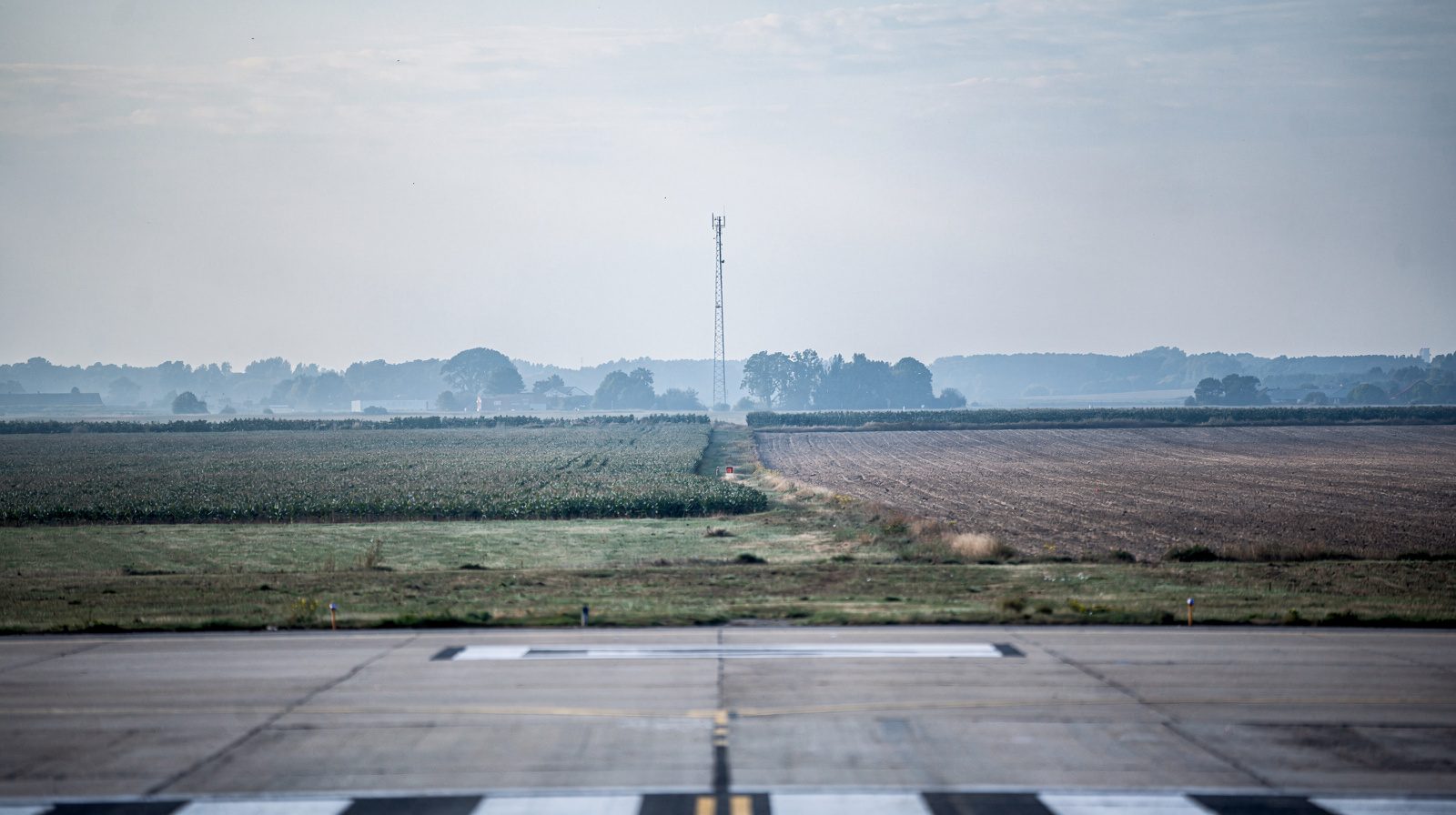
What is an Obstacle Free Zone (OFZ)?
Obstacle Free Zone (OFZ) – Comprehensive Airport Planning Glossary
Definition and Core Principles
The Obstacle Free Zone (OFZ) is a rigorously defined, three-dimensional volume of airspace centered on and above the runway and its immediate vicinity. Its purpose is to ensure that aircraft operating during the most critical phases, landing, takeoff, and missed approach, have an unimpeded path free from obstacles. The OFZ is established and regulated internationally by ICAO (Annex 14) and nationally by authorities such as the FAA (AC 150/5300-13A). The OFZ extends vertically up to 150 feet (46 meters) above the airport elevation and laterally/longitudinally as dictated by runway design, approach category, and visibility requirements.
Within the OFZ, no objects are permitted except for functionally essential, frangibly mounted navigation and visual aids, meaning they must be designed to break away or yield upon impact, minimizing potential hazard to aircraft. The OFZ must not contain taxiing or parked aircraft, vehicles, or permanent structures during runway operations, and even temporary penetrations are strictly controlled and regulated.
Regulatory Context: FAA, ICAO, and International Practice
United States (FAA) Standards
In the US, the OFZ is codified in FAA Advisory Circular AC 150/5300-13A and referenced in 14 CFR Part 77. Additional requirements are found in FAA Order 8260.3 (TERPS). The OFZ is one of several protected airspace and ground volumes designed to harmonize obstacle management for both ground and airspace, supporting safe instrument and visual procedures.
International (ICAO) Standards
Globally, ICAO Annex 14, Volume 1 defines the OFZ as part of the Obstacle Limitation Surfaces (OLS). ICAO requires the OFZ to be clear of all fixed obstacles except for low-mass, frangibly mounted navigation aids necessary for air navigation. While harmonized in concept, precise dimensions and terminology may vary by country and aerodrome reference code.
Implementation by Other National Authorities
Many national civil aviation authorities (e.g., Oman, New Zealand) adopt ICAO’s OFZ principles, often adapting criteria to suit local operations and environmental factors. Regulations are enforced through national guidance and inspection, ensuring conformity with ICAO’s OLS regime for runway airspace protection.
Purpose and Critical Safety Function
The primary function of the OFZ is to protect the flight path of aircraft during approach, landing, takeoff, and missed approach, especially under instrument meteorological conditions (IMC) or low visibility. The OFZ supports safe operations by:
- Ensuring the most critical portions of an aircraft’s path are free from obstacles.
- Supporting low approach minima for precision operations (e.g., ILS CAT II/III).
- Preventing operational restrictions, such as increased minimums or approach bans.
- Maintaining the effectiveness of the Runway Safety Area (RSA) and supporting declared runway distances.
OFZ Subcomponents: Structure and Applicability
The OFZ includes three principal subcomponents, each with specific criteria:
1. Runway OFZ
- Definition: Airspace above a surface centered on the runway centerline, extending longitudinally and laterally.
- Applicability: All runways, regardless of approach type or visibility.
- Typical Dimensions: 400 ft (122 m) wide, 200 ft (61 m) beyond each runway end, with elevation matching the runway centerline.
- Purpose: Protects aircraft during landing flare, takeoff, and initial/aborted climb.
2. Inner-Approach OFZ
- Definition: Airspace above a surface starting 200 ft (61 m) from the runway threshold and extending beyond the last approach light.
- Applicability: Only for runways with approach lighting systems (ALS) serving precision or instrument operations.
- Dimensions: Matches runway OFZ width, extends to 200 ft (61 m) beyond the ALS.
- Purpose: Protects critical approach lighting and glide path areas for precision approach runways.
3. Inner-Transitional OFZ
- Definition: Airspace above surfaces at the outer edges of the Runway and Inner-Approach OFZs, sloped upward and outward.
- Applicability: Only for runways with approach visibility minimums lower than 3/4 mile (1,200 m, usually CAT II/III ILS).
- Dimensions: Slope of 6:1 (horizontal:vertical), terminating at 150 ft (46 m) above airport elevation.
- Purpose: Protects aircraft transitioning laterally to/from the runway in low-visibility operations.
Table: OFZ Subcomponents
| Subcomponent | Applicability | Length Beyond End | Width | Special Criteria |
|---|---|---|---|---|
| Runway OFZ | All runways | 200 ft (61 m) | 400 ft (122 m) | Always applies |
| Inner-Approach OFZ | Instrument runways with ALS | 200 ft beyond ALS | Matches Runway OFZ | Only for runways with ALS |
| Inner-Transitional OFZ | <3/4 mile approach visibility | N/A | See AC/Annex 14 | Only for low-visibility precision |
Regulatory Requirements and Constraints
- No Penetrations: Only frangible, essential aids allowed.
- No Taxiing/Parked Aircraft or Vehicles: Except under direct ATC control for emergency/operational reasons.
- Vertical Limit: OFZ extends up to 150 ft (46 m) above airport elevation.
- Lateral/Longitudinal Limits: Per runway code, approach category, and visibility.
- Frangibility: All allowed objects must break/yield on impact and be at minimum practicable height.
Dimensional Examples
FAA (Typical for RDC C/D, >12,500 lbs MTOW)
- Runway OFZ: 400 ft (122 m) wide, 200 ft (61 m) beyond runway end.
- Inner-Approach OFZ: From 200 ft (61 m) from threshold to 200 ft (61 m) beyond last approach light.
- Inner-Transitional OFZ: 6:1 slope, up to 150 ft (46 m) above airport elevation.
ICAO (Annex 14)
- OFZ dimensions based on aerodrome reference code, principle is to protect inner approach, transitional, and balked landing surfaces.
Relationship to Other Airport Safety and Clearance Areas
| Safety Area / Surface | Focus | Object Limitations | Volume/Elevation | Applicability |
|---|---|---|---|---|
| OFZ | Airspace | No objects except frangible NAVAIDs | Up to 150 ft (46 m) AGL | All runways |
| ROFA | Ground area | No fixed objects except NAVAIDs | Surface only | All runways |
| RSA | Ground area | No objects (graded area only) | Surface only | All runways |
| OLS | Imaginary surface | Limited, subject to study | Varies by surface | All runways |
Operational and Planning Implications
- Compliance: All objects/activities in the OFZ require review and approval. Non-compliance may require object removal, redesign, or operational restrictions.
- Safety: OFZ protection is critical for safe approach/departure, especially under low-visibility or instrument conditions.
- Planning: OFZ requirements must be incorporated into airport master planning, runway/taxiway layout, and obstacle management programs. Expansion or procedural changes may trigger OFZ re-analysis and potential infrastructure modifications.
Use Cases and Examples
Siting of Approach Lighting Systems (ALS)
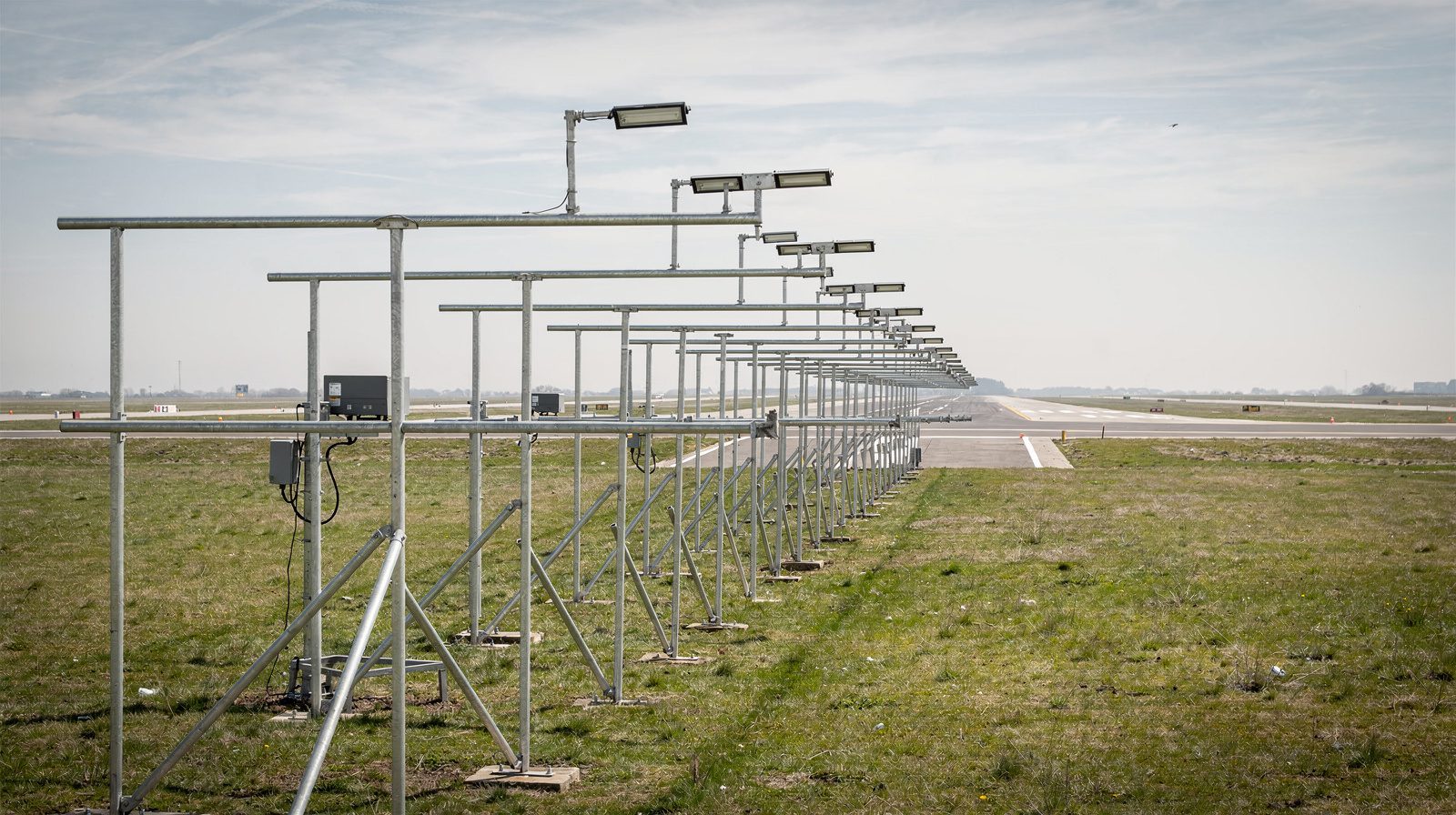
Installation of ALS requires careful placement of frangible components to avoid OFZ penetrations. Compliance supports the lowest possible approach minima.
Runway Expansion
Runway extensions trigger new OFZ analyses to ensure no existing or proposed infrastructure (taxiways, roads, buildings) intrudes into the expanded OFZ.
Temporary Construction
Active management of vehicles and equipment prevents OFZ penetrations during operations. Temporary access is controlled and coordinated with ATC.
FAA vs. ICAO Standards: Comparative Table
| Aspect | FAA (USA) | ICAO (International) |
|---|---|---|
| Terminology | Obstacle Free Zone (OFZ) | OFZ, part of Obstacle Limitation Surfaces (OLS) |
| Regulatory Reference | AC 150/5300-13A, 14 CFR 77, TERPS | Annex 14, PANS-OPS |
| Applicability | All runways/subcomponents as needed | Precision approach runways and related surfaces |
| Dimensional Criteria | Varies by runway code/design | By aerodrome reference code, harmonized in concept |
| Object Policy | Only essential frangible aids | Only essential, low-mass frangible aids |
| Operational Restriction | No taxiing/parked a/c or vehicles | No fixed or mobile objects, except essential aids |
Compliance, Safety, and Planning Considerations
Maintaining an unobstructed OFZ is essential for airport certification, safe operations, and enabling low-visibility approaches. All proposed activities or objects in the OFZ must be assessed and approved by competent authorities, with strict enforcement of frangibility and operational necessity. Any breach may result in operational restrictions, increased minima, or closure of critical procedures.
Related Terms
- Runway Safety Area (RSA)
- Runway Object Free Area (ROFA)
- Obstacle Limitation Surface (OLS)
- Approach Surface
- Runway Protection Zone (RPZ)
- Frangibility
- Declared Distances
- Aerodrome Reference Code
- Runway Threshold
- Instrument Approach

References:
- FAA AC 150/5300-13A: Airport Design
- FAA Order 8260.3 (TERPS)
- ICAO Annex 14, Volume 1: Aerodrome Design and Operations
- ICAO Doc 8168: Procedures for Air Navigation Services (PANS-OPS)
- Oman PACA Guidance for Obstacle Management
For in-depth regulatory guidance or tailored airport planning support, contact us or request a consultation .
Frequently Asked Questions
- What is the purpose of the Obstacle Free Zone (OFZ)?
- The OFZ provides a safeguarded airspace volume near runways to ensure aircraft have an unobstructed path during landing, takeoff, and missed approach. It prevents the presence of obstacles, except essential, frangibly mounted aids, thereby reducing collision risks and supporting low-visibility instrument approaches.
- How is the OFZ different from the Runway Safety Area (RSA) and the Runway Object Free Area (ROFA)?
- The OFZ is an airspace protection zone, prohibiting virtually all obstacles above ground near the runway. The RSA is a ground-based safety area designed to minimize aircraft damage in overruns or excursions, while the ROFA is a ground area kept clear of objects but allows some essential structures. The OFZ is the most restrictive in terms of what can be present within its boundaries.
- Who regulates OFZ standards and how do they differ internationally?
- In the US, the FAA sets OFZ standards via AC 150/5300-13A and related regulations. Internationally, ICAO defines OFZ as part of its Obstacle Limitation Surfaces (OLS) in Annex 14. Both require obstacle-free airspace near runways, but exact dimensions and details may differ by country or region.
- What objects are permitted within the OFZ?
- Only functionally essential, frangibly mounted navigation and visual aids are allowed. These must be at the lowest practicable height and designed to yield on impact. No parked or taxiing aircraft, vehicles, or permanent structures may be present during runway operations.
- What happens if the OFZ is penetrated by an object?
- Penetration of the OFZ by non-permitted objects can result in increased approach minima, temporary closure of instrument approaches, operational restrictions, or even runway closure. Immediate corrective actions, such as removal or relocation, are required to restore compliance and safety.
This is a reference entry. TarmacView provides drone inspection services and doesn't sell the equipment or materials described in this glossary.