What is an Aviation Obstruction?
Aviation Obstruction Glossary
Aviation safety depends on rigorous control of objects that could pose hazards to aircraft in the vicinity of airports and navigable airspace. Understanding aviation obstruction terminology, regulatory requirements, and operational implications is essential for airport authorities, developers, regulators, and aviation professionals. This glossary provides authoritative definitions and context for key terms related to aviation obstructions and airport safety, referencing standards like FAA 14 CFR Part 77, FAA AC 70/7460-1M, and ICAO Annex 14.
Aeronautical Study
An aeronautical study is a technical evaluation conducted by the FAA or a national aviation authority to determine the impact of a proposed or existing structure on safe and efficient use of airspace. Triggered by notification of construction via FAA Form 7460-1 (or equivalent), the study assesses effects on aircraft operations, instrument procedures, radar, and flight safety. Stakeholders such as airport operators and local authorities are consulted. The outcome is a formal “Determination of Hazard” or “Determination of No Hazard,” guiding compliance and potential mitigation.
Appurtenance
An appurtenance is any accessory or device attached to a primary structure, such as antennas, lightning rods, or weather sensors, that alters the total height or visibility of the structure. Regulatory filings must include appurtenances in the total height calculation to ensure complete obstruction evaluation. Appurtenances that significantly extend above a structure may require separate marking or lighting in accordance with FAA and ICAO standards.
Aviation Obstruction
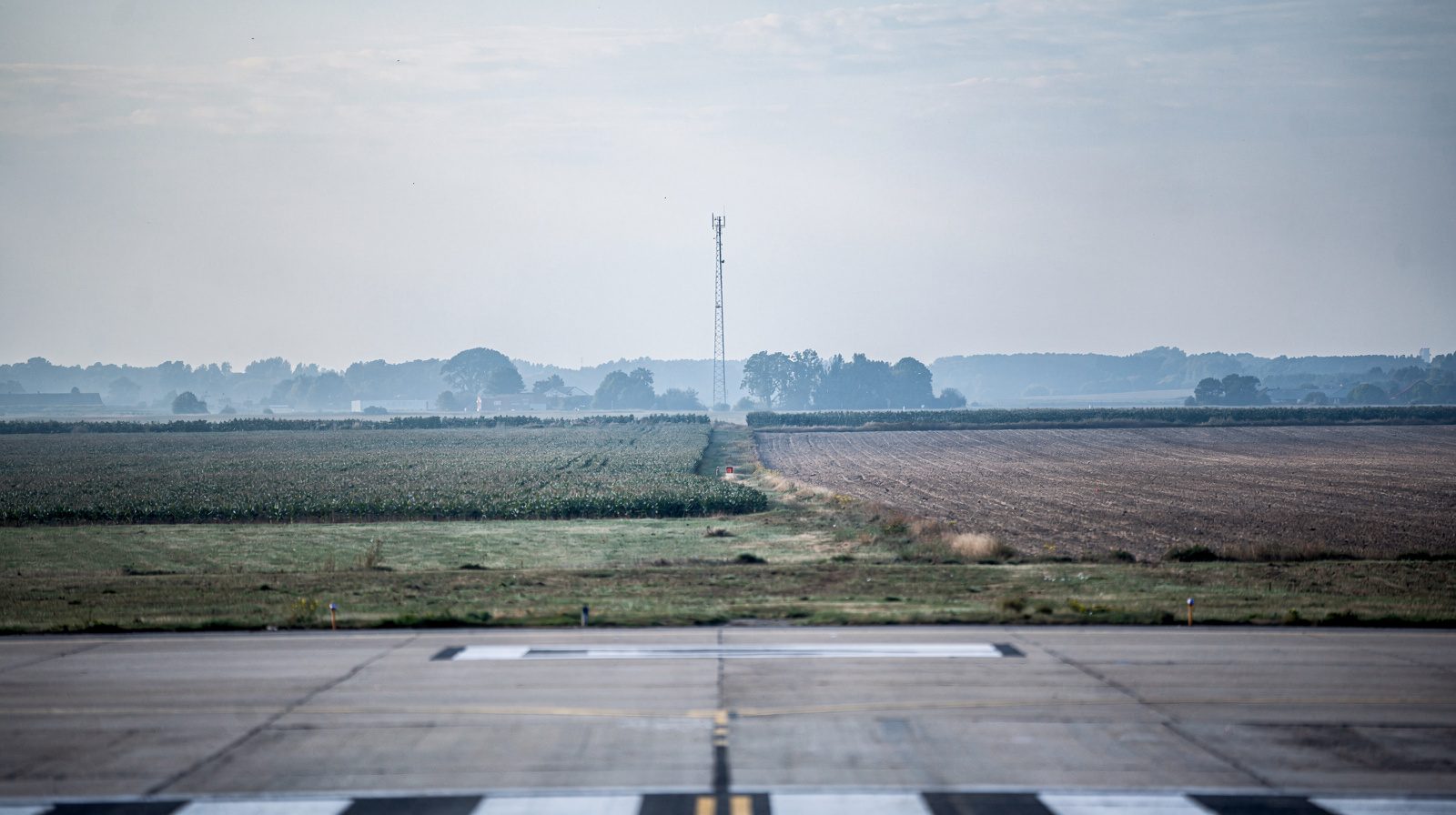
An aviation obstruction is any object, natural (trees, terrain) or man-made (buildings, towers, cranes), that exceeds height thresholds or penetrates protected airspace surfaces set by authorities like the FAA (14 CFR Part 77) or ICAO (Annex 14). These objects may endanger flight operations by posing collision hazards, interfering with procedures, or affecting radar and communication. Obstructions are identified, evaluated, and, if necessary, mitigated through marking, lighting, or height reduction.
Aviation Surface Orange and White
Aviation surface orange and white are standardized colors specified for marking obstructions. Aviation orange is a highly visible color within a specific chromatic range, paired with white to create alternating bands that help structures stand out against various backgrounds. These color patterns, detailed in FAA AC 70/7460-1M and ICAO Annex 14, are essential for daylight visibility and are applied to towers, tanks, and other tall structures to alert pilots.
Catenary
A catenary is the curve formed by suspended cables, such as power lines or communication wires, stretched between two points. These are hazardous to aviation, especially at low altitudes or near airports. Catenary wires are marked with high-visibility spheres (typically orange, yellow, or red) and sometimes lights to make them more conspicuous to pilots. Supporting towers and appurtenances are also included in obstruction evaluations.
Construction or Alteration Requiring Notice
Any construction or alteration that meets criteria in 14 CFR §77.9 (e.g., exceeding 200 feet AGL, proximity to airports, or penetration of protected surfaces) must be reported to aviation authorities. Filing notice, usually via FAA Form 7460-1, triggers evaluation to ensure airspace safety before work begins. This requirement applies to permanent and temporary structures, including cranes and scaffolding.
Control Device
A control device in obstruction lighting is an automated or manual mechanism that activates and deactivates lights based on ambient conditions. Common types include photocells (which respond to light levels), timers, and remote monitoring systems. These devices ensure obstruction lights operate from dusk to dawn and during low-visibility conditions, as required by regulations.
Determination of Hazard / Determination of No Hazard
A Determination of Hazard or Determination of No Hazard is the official FAA outcome after evaluating a structure’s impact on airspace. A “No Hazard” finding means the object does not significantly endanger aviation, while a “Hazard” determination specifies mitigation or may prevent construction. These decisions are public and guide compliance, permitting, and mitigation actions.
FAA Form 7460-1 (Notice of Proposed Construction or Alteration)
FAA Form 7460-1 is the required form for notifying the FAA of proposed construction or alteration of structures that might affect navigable airspace. The form collects detailed location, height (including appurtenances), and structure data, initiating the aeronautical study process. Filing is mandatory at least 45 days before work begins, and noncompliance can delay or halt projects.
FAA Form 7460-2 (Notice of Actual Construction or Alteration)
FAA Form 7460-2 is submitted to report the actual start, completion, or abandonment of a construction or alteration project previously filed with Form 7460-1. It ensures the FAA’s obstacle database is accurate and current, supporting safe navigation and airport planning. Timely submission is required to maintain regulatory compliance.
Federal Communications Commission (FCC)
The Federal Communications Commission (FCC) is the U.S. agency overseeing communications, including the regulation of antenna structures that may affect airspace. The FCC coordinates with the FAA to ensure such towers comply with marking, lighting, and notification requirements, integrating these controls into its licensing and registration processes.
Imaginary Surfaces
Imaginary surfaces are defined three-dimensional boundaries around airports (primary, approach, transitional, horizontal, and conical surfaces) used to determine if a structure constitutes an obstruction. These surfaces are specified in FAA Part 77 and ICAO Annex 14. Any penetration by an object triggers regulatory review and possible mitigation.
Marking and Lighting
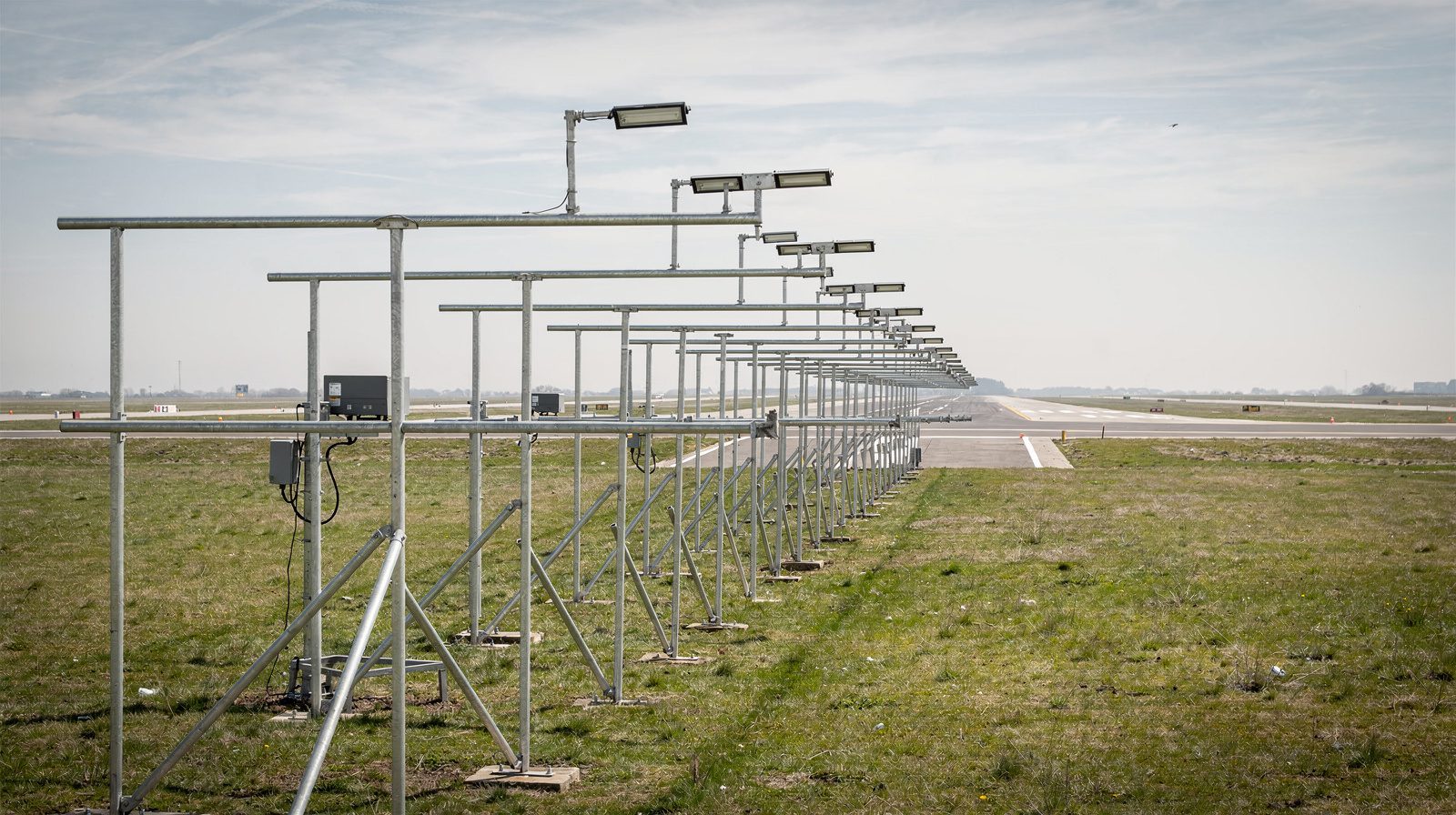
Marking and lighting refer to the visual treatments (color bands, spheres, beacons) applied to obstructions to make them visible to pilots by day and night. Requirements depend on object type, height, and location, following detailed specifications in FAA AC 70/7460-1M and ICAO Annex 14. Proper marking and lighting are critical for preventing midair collisions.
Obstacle Data
Obstacle data comprises surveyed information about all known obstructions, including their location, height, and characteristics. This data is published in aeronautical charts and digital databases, supporting flight planning, instrument procedure design, and air traffic control.
Obstacle Departure Procedure (ODP)
An Obstacle Departure Procedure is a published route designed to ensure aircraft avoid obstructions during departure. ODPs are based on a thorough review of obstacle data and are critical for safe takeoff, especially in instrument meteorological conditions.
Obstacle Evaluation
Obstacle evaluation is the process of analyzing proposed or existing objects for potential impact on navigable airspace and airport operations. The process includes notification, aeronautical study, stakeholder consultation, and determination of hazard status, with required mitigation measures as needed.
Temporary Obstruction
A temporary obstruction is any object, such as a crane or scaffolding, erected for a limited period that meets notification criteria. Temporary obstructions must be evaluated, marked, and lighted just like permanent structures, with their presence reported through the same regulatory process.
Summary
Aviation obstructions are any objects, natural or man-made, that could compromise the safety of air navigation by penetrating protected airspace or exceeding regulatory height thresholds. Rigorous notification, evaluation, and mitigation processes ensure hazards are identified and managed in accordance with global standards, safeguarding the efficiency and safety of airport operations.
For expert support in evaluating obstructions or ensuring compliance with marking and lighting requirements, contact us or schedule a demo .
Frequently Asked Questions
- What is considered an aviation obstruction?
- An aviation obstruction is any object, natural or man-made, that exceeds 200 feet above ground level or penetrates protected airspace surfaces around airports, as defined by regulatory bodies like the FAA (14 CFR Part 77) and ICAO (Annex 14). Examples include towers, buildings, cranes, and terrain features.
- Why must aviation obstructions be marked or lighted?
- Marking and lighting aviation obstructions increase their visibility to pilots, especially during low visibility or nighttime operations. This reduces the risk of midair collisions and ensures the safety and efficiency of airport operations, as mandated by FAA AC 70/7460-1M and ICAO standards.
- How are aviation obstructions identified and evaluated?
- Obstructions are typically identified through regulatory notifications, such as FAA Form 7460-1, when constructing or altering structures. The FAA or relevant authority conducts an aeronautical study to assess the impact on navigable airspace, airport operations, and safety, issuing a determination of hazard or no hazard.
- What happens if a structure is found to be a hazard to aviation?
- If a structure is determined to be a hazard, the authority may require mitigation measures such as height reduction, relocation, or enhanced marking and lighting. In some cases, construction permits may be denied to protect airspace safety.
This is a reference entry. TarmacView provides drone inspection services and doesn't sell the equipment or materials described in this glossary.