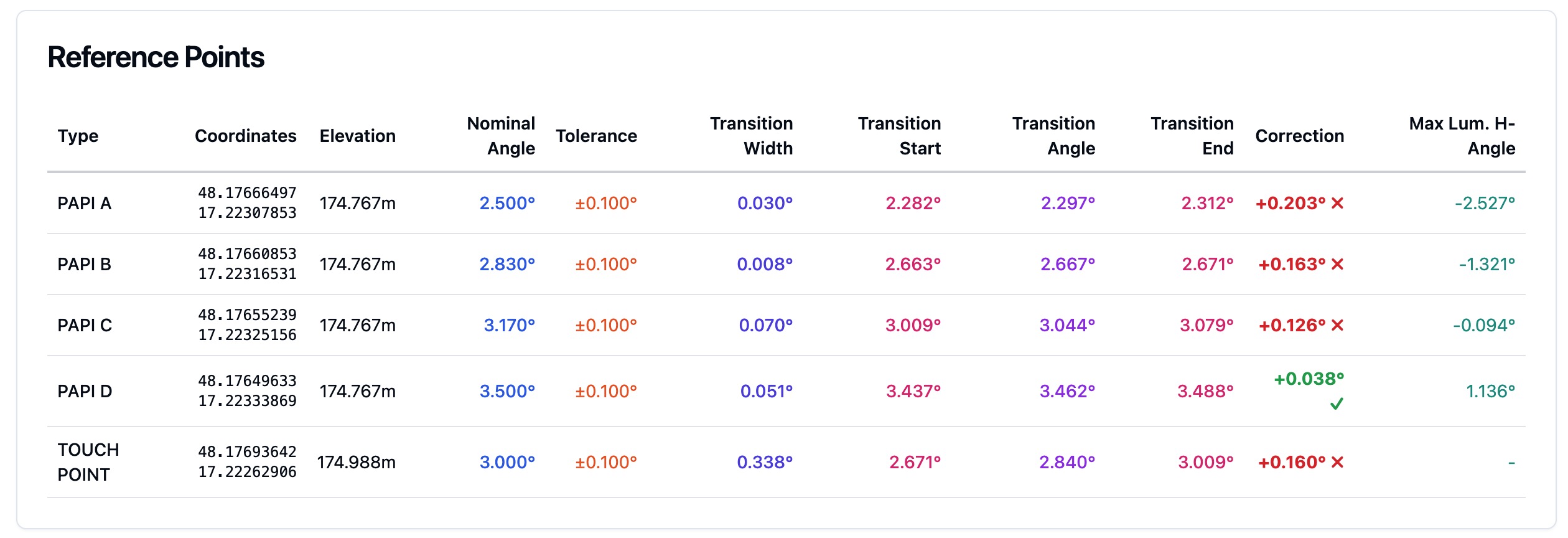
What is Validation in Quality Assurance?
Validation in Quality Assurance: Aviation Glossary
Definition of Validation in Quality Assurance
Validation in aviation quality assurance is the systematic, documented process of confirming, through objective evidence, that a system, process, product, or software fulfills its intended use and meets the needs, requirements, and expectations of users and stakeholders under real operational conditions. Validation is mandated by international aviation standards, such as the ICAO (International Civil Aviation Organization) Annexes and EASA regulations, and is a cornerstone for the introduction of new technologies, procedures, and safety assessments.
Validation ensures equipment, procedures, and systems function not only as specified but also as intended in the real world. For instance, when introducing a new navigation procedure or avionics system, validation confirms satisfactory performance in operational environments, not just in simulations or on paper. ICAO Doc 9906, the Quality Assurance Manual for Flight Procedure Design, requires validation activities to be planned, executed, and documented, including evidence of data integrity and operational suitability.
The process is iterative and may involve laboratory testing, field trials, pilot studies, and user acceptance testing (UAT), simulating the range of operational environments a product or process may face. Validation is tightly linked to risk management and is integral to the Safety Management System (SMS) required by ICAO Annex 19.
In essence, validation in quality assurance is the robust, evidence-based confirmation that the final deliverable is effective, safe, and compliant with both user and regulatory requirements, safeguarding aviation operations and supporting continuous improvement.
Validation vs. Verification: What’s the Difference?
Validation and verification are both required in aviation QA, but serve distinct purposes:
- Verification asks, “Are we building it right?” It checks whether a product, system, or process meets its specification through reviews, inspections, and static analysis.
- Validation asks, “Are we building the right thing?” It ensures the final deliverable fulfills its intended purpose and user needs in real operational conditions through dynamic testing and user acceptance.
| Aspect | Verification (Are we building it right?) | Validation (Are we building the right thing?) |
|---|---|---|
| Timing | During development, before final product is built | After development, before/during operational use |
| Methods | Reviews, inspections, static analysis | Dynamic testing, field trials, operational evaluations |
| Responsibility | Developers, engineers, QA teams | End users, operational staff, quality managers |
| Focus | Conformance to specifications | Fulfillment of user needs and intended use |
| Examples | Code review, design inspection, documentation checks | Flight procedure trials, UAT, simulation-to-live evaluation |
ICAO, EASA, and FAA all require both processes to be planned and documented, especially for safety-critical systems. Lack of either can result in non-compliance, inefficiency, or even catastrophic failures.
Objectives and Purpose of Validation
Validation in aviation quality assurance aims to:
- Confirm the system, product, or process meets all regulatory, functional, and performance requirements.
- Ensure safe and effective operation in intended environments.
- Verify that user and business needs, captured in requirements, are realized in practice.
- Support compliance with standards such as ICAO Annex 15 (Aeronautical Information Services) and ICAO Annex 19 (SMS).
- Serve as a risk management tool by identifying and mitigating hazards before they impact service.
- Provide documentation for feedback and continuous improvement.
This is vital because operational conditions in aviation often differ from controlled testing environments, and the consequences of unmet requirements can be severe.
Types of Validation
Process Validation
Process validation confirms that an operational or production process consistently yields outputs that meet quality requirements. In aviation, this applies to activities like aircraft maintenance, flight procedure design, and calibration of navigation aids.
Process validation typically involves:
- Installation Qualification (IQ): Verifying equipment/system installation matches design specs.
- Operational Qualification (OQ): Ensuring the process operates within defined limits.
- Performance Qualification (PQ): Confirming the process produces quality outputs in real conditions.
ICAO Doc 9906 and EASA Part-21 require documented, traceable process validation for compliance and safety.
Computer System Validation (CSV)
Computer System Validation (CSV) ensures that computerized systems, flight planning software, maintenance databases, ATC systems, function as intended and meet regulatory standards.
CSV involves:
- Requirements definition, design, implementation, testing, and ongoing maintenance.
- Documented evidence that the system performs intended functions, maintains data integrity, and provides reliable/auditable records.
ICAO Annex 15 and EASA Part-AR require CSV for safety-critical IT systems, with ongoing re-validation after significant changes.
Product Validation
Product validation confirms that a finished product, aircraft, avionics, digital charts, meets operational, regulatory, and user requirements before certification or release.
Product validation involves:
- Laboratory tests, simulations, field trials, and operational evaluations.
- Documentation of test plans, data, deviation reports, and compliance.
ICAO Annex 8 (Airworthiness) and EASA Part-21 mandate comprehensive product validation prior to certification.
Validation in Different Aviation Sectors
Aircraft Certification
Validation is key to aircraft certification. Before entering service, aircraft undergo:
- Structural tests (strength, fatigue)
- System-level validation (avionics, controls, propulsion)
- Cabin safety trials (emergency evacuation)
- Environmental tests (extreme temperatures, altitudes)
All results are submitted to authorities (FAA, EASA) as part of type certification.
Air Traffic Management (ATM)
In ATM, validation ensures new procedures, systems, or concepts integrate safely and efficiently. ICAO Doc 9854 and Doc 9426 require simulation, real-time trials, and human-in-the-loop testing before operational approval.
Aeronautical Information Management (AIM)
AIM validation covers digital terrain/obstacle data, NOTAMs, and navigation databases. ICAO Annex 15 and Doc 8126 require:
- Data cross-checks and format validation
- Operational trials and user feedback
- Continuous monitoring and re-validation
Maintenance and Continuing Airworthiness
Maintenance programs and IT systems are validated to support ongoing airworthiness. EASA Part-M and ICAO Annex 6 require:
- Trial runs of new maintenance tasks
- Assessing impacts on maintenance intervals
- Validation of tracking/recording software
Validation Activities and Methods
Dynamic Testing
Dynamic testing involves operating the system/product under real or simulated conditions:
- Flight tests for aircraft performance and handling
- Operational testing of ATC systems
- Simulation-based validation of new ATM concepts
- End-to-end testing of digital aviation systems
Dynamic testing provides direct evidence of operational suitability.
User Acceptance Testing (UAT)
UAT ensures systems, procedures, or tools meet real user needs. Examples in aviation:
- Pilots flying new procedures in simulators or aircraft
- ATC using new decision-support tools in operational trials
- Maintenance technicians trialing new reporting software
User feedback is analyzed and issues resolved before approval.
System and Integration Testing
System testing checks the complete integrated system, while integration testing focuses on component interfaces, for example, validating data exchange between a flight management system and a terrain database. Both are required for certification.
Process of Validation: Steps and Documentation
A typical aviation validation process:
- Requirements Definition: Document all operational, user, and regulatory requirements (e.g., User Requirements Specification).
- Validation Planning: Outline objectives, scope, test methods, acceptance criteria, and reference standards.
- Execution & Evidence Collection: Conduct validation activities (testing, trials, UAT), recording all results and deviations.
- Review & Reporting: Analyze outcomes, prepare validation summary reports, and obtain required approvals.
- Archiving & Traceability: Securely archive all documentation. Use traceability matrices to link requirements, tests, and evidence.
Comprehensive documentation is both a regulatory requirement and essential for future audits and improvements.
Benefits of Validation
- Enhanced Safety: Reduces risk of incidents from design or implementation flaws.
- Regulatory Compliance: Required for certification and operational approval.
- Operational Efficiency: Minimizes disruptions, errors, and costly rework.
- Risk Reduction: Early detection/mitigation of potential issues.
- Stakeholder Confidence: Builds trust with regulators, operators, and users.
- Continuous Improvement: Informs process, training, and future projects.
Challenges and Pitfalls in Validation
- System Complexity: Modern aviation systems are resource-intensive to validate.
- Changing Regulations: Requires repeated validation as standards evolve.
- Resource Constraints: Validation can be time-consuming and costly.
- Documentation Burden: Maintaining extensive records can be challenging.
- Integration Issues: Ensuring interoperability with legacy systems.
- Change Management: Modifications often require re-validation.
Robust planning, risk prioritization, and training help mitigate these challenges.
Best Practices and Regulatory Requirements
- Risk-Based Validation: Focus on safety-critical areas.
- Comprehensive Documentation: Use standardized templates and traceability matrices.
- Stakeholder Involvement: Engage users, regulators, and technical experts throughout.
- Continuous Review: Update validation processes as technology and regulations evolve.
- Alignment with Standards: Reference ICAO Annexes, EASA, ISO, and SAE standards.
- Periodic Re-Validation: Required after significant changes.
- Training and Competency: Ensure all validation personnel are skilled and knowledgeable.
Key regulatory sources:
- ICAO Annexes 6 (Operations), 8 (Airworthiness), 15 (AIS), 19 (SMS)
- ICAO Doc 9906 (Quality Assurance for Flight Procedure Design)
- EASA/FAA regulations
Validation is essential for aviation safety, compliance, and operational excellence.
Frequently Asked Questions
- What is the difference between validation and verification in aviation QA?
- Verification checks if a product or system meets specified requirements ("Are we building it right?") through reviews and inspections. Validation confirms it fulfills its intended use in real operational conditions ("Are we building the right thing?") via dynamic testing and user acceptance.
- Why is validation important in aviation?
- Validation is critical for ensuring that aviation systems, products, and procedures operate safely and effectively in real-world conditions. It is a regulatory requirement and helps prevent safety incidents, ensures compliance, and supports continuous improvement.
- What are common types of validation in aviation?
- Types include process validation (confirming procedures yield consistent quality), computer system validation (ensuring IT systems perform as intended), and product validation (confirming finished products meet operational and regulatory requirements).
- Which regulations require validation in aviation QA?
- Key regulations include ICAO Annexes 6, 8, 15, and 19, ICAO Doc 9906, and EASA/FAA requirements. These mandate validation for certification, new procedures, changes to systems, and ongoing safety management.
- What are typical validation activities?
- Activities include dynamic and operational testing, user acceptance testing (UAT), system and integration testing, field trials, and documentation review. All results are recorded and used to demonstrate compliance and suitability for use.
This is a reference entry. TarmacView provides drone inspection services and doesn't sell the equipment or materials described in this glossary.