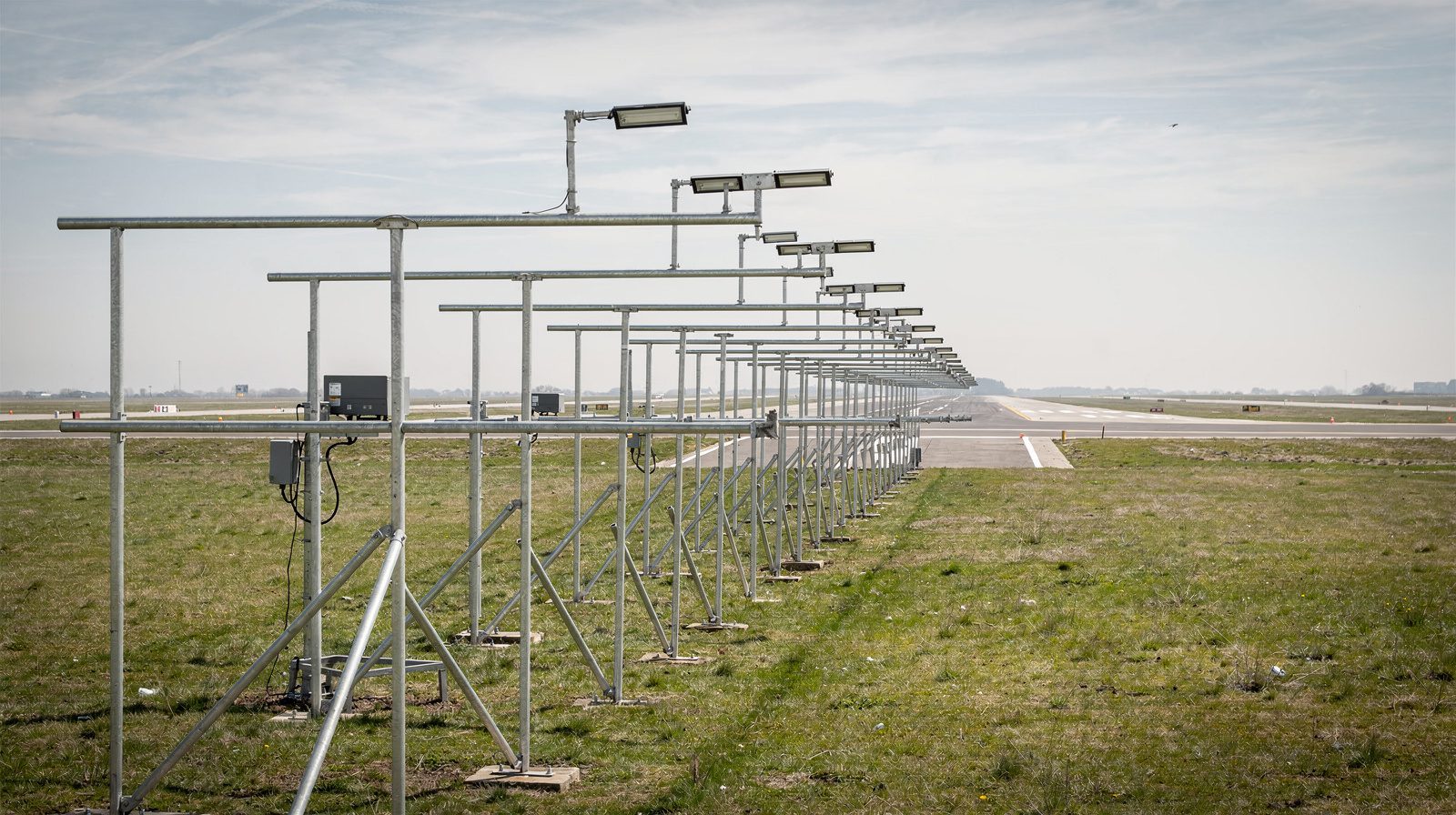
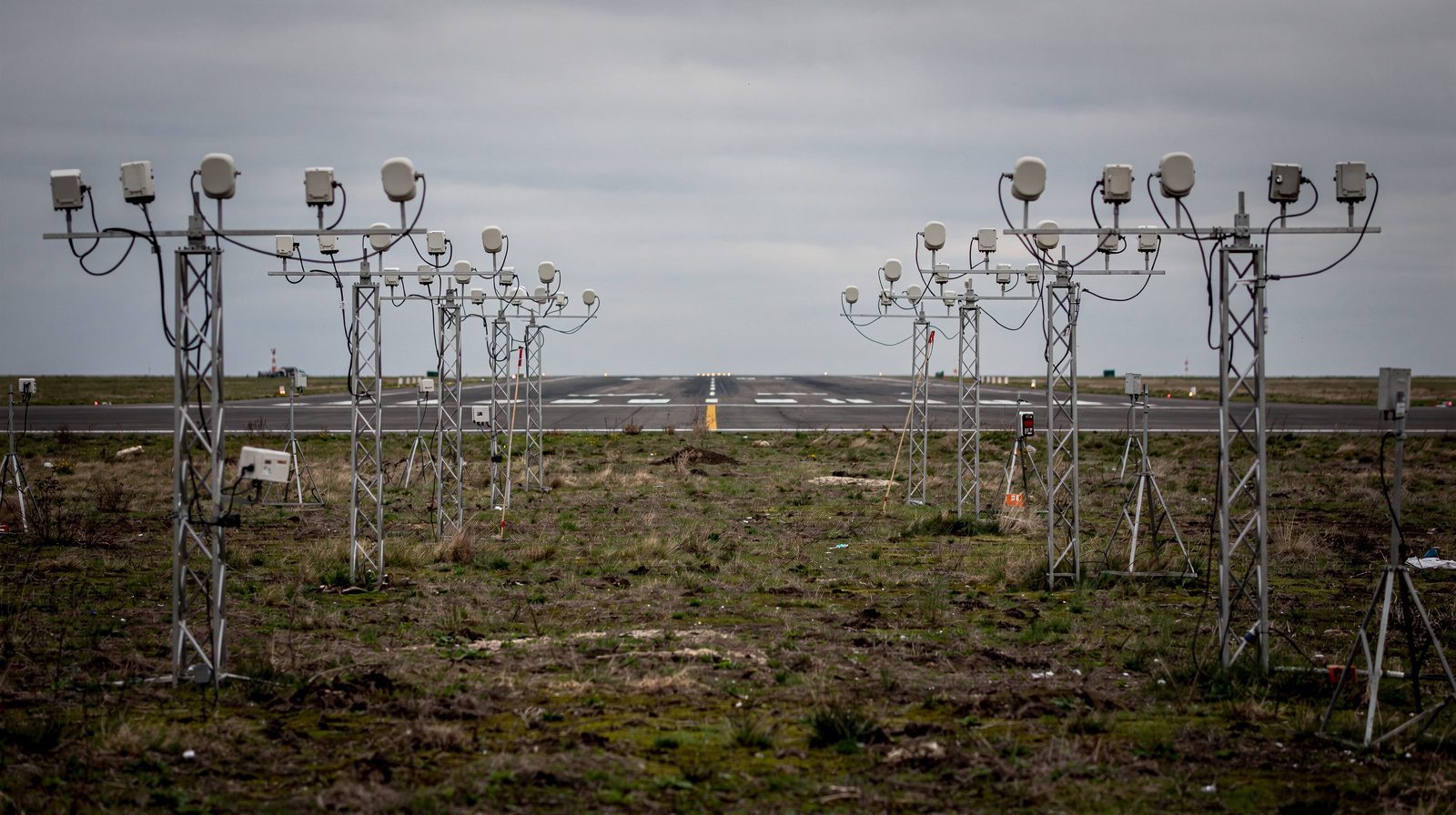
What is E-ALS (Extended Approach Lighting System)?
E-ALS – Extended Approach Lighting System (Airport Lighting)
Introduction
E-ALS (Extended Approach Lighting System) represents the next evolution in airfield approach lighting technology, offering a modular, rapidly deployable solution that delivers superior visual guidance for pilots approaching a runway. Designed to address the unique challenges of military, humanitarian, and temporary civil aviation operations, E-ALS provides robust performance, operational flexibility, and compliance with international standards. Whether installed at a major international airport or deployed at a remote expeditionary airstrip, E-ALS ensures safe and efficient landing operations in all visibility conditions.
What Is E-ALS?
E-ALS is a highly modular lighting system engineered to provide visual cues for pilots during final approach, especially when visibility is compromised due to night, fog, rain, or smoke. It expands upon traditional Approach Lighting Systems (ALS) by offering:
- Rapid deployment and removal (typically within hours)
- Adaptability for any runway length, surface, or location
- Wireless and pilot-controlled operation
- NVG-compatible and infrared lighting for covert and military use
- Environmental durability (IP68+ protection, extreme temperature resistance)
- Compliance with ICAO Annex 14 and FAA AC 150/5340-30
E-ALS is deployed in a wide range of scenarios:
- Major airports requiring temporary upgrades or maintenance support
- Remote or expeditionary airfields for military operations
- Disaster relief or humanitarian airstrips in undeveloped regions
- Emergency response for natural or man-made disasters
Key Components and Features
1. Modular Lighting Arrays
E-ALS comprises modular lighting units designed for fast installation and reliable performance. These typically include:
- Runway edge lights (white/amber)
- Threshold and end lights (green/red)
- Approach lights and crossbars (white, aligned along centerline and lateral bars)
- Sequenced flashing lights (SFL/RAIL) for dynamic “rabbit” guidance
- Taxiway and apron lights (blue or green)
- Obstruction lights (red/white for hazards)
All units are designed for physical robustness, with rugged enclosures and rapid-mount bases suitable for diverse surfaces (asphalt, gravel, sand, ice).
2. Power and Control Subsystems
E-ALS supports a variety of power sources:
- Commercial AC mains
- Diesel or petrol generators
- Solar panels with battery storage
- Portable battery packs
Control options include:
- ATC (air traffic control) managed systems
- Wireless encrypted remote control (up to 4 km)
- Pilot-Controlled Lighting (PCL) via VHF radio
- Health diagnostics and intensity adjustment
3. Environmental and Operational Resilience
E-ALS units are engineered for:
- IP68+ ingress protection (dust, water, sand, snow)
- Operating temperatures from -40°C to +80°C
- Shock, vibration, and corrosion resistance
- EMI shielding for military use
- Rapid deployment with foldable or stackable transport cases
4. NVG-Compatible and Infrared Lighting
For military and covert operations:
- Dual-mode visible/IR output
- NVG-compatible lighting in near-infrared spectrum
- Selectable visibility for unaided or NVG-equipped pilots
Approach Lighting System (ALS) and E-ALS: Comparison
Traditional ALS
A standard ALS is a permanent installation of high- or medium-intensity lights extending from the runway threshold, providing pilots with visual alignment and descent cues. ALS configurations include ALSF-1, ALSF-2, MALSR, SSALR, and ODALS, each serving different runway categories and operational needs.
E-ALS Enhancements
E-ALS builds on traditional ALS by offering:
- Portability and modularity
- Wireless and PCL operation
- Battery/solar power options
- Quick installation/removal
- Compliance with ICAO/FAA for temporary or non-standard airfields
Lighting Elements in Detail
Threshold and End Lights
- Threshold lights (green): Mark the runway’s usable start, highly visible even in poor conditions.
- End lights (red): Mark the runway’s end, ensuring pilots do not overrun.
Both are engineered for:
- Precise color and intensity (ICAO/FAA-compliant)
- Deployable enclosures with environmental sealing
- Wireless or remote activation
Approach Lights and Crossbars
- Longitudinal approach lights: Provide alignment and distance cues.
- Crossbars: Enhance depth perception, main “decision bar” at 300m from threshold.
Features:
- Spacing and intensity per ICAO Annex 14
- Modularity for any approach length
- NVG/IR compatibility options
Sequenced Flashing Lights (SFL/RAIL)
- Dynamic strobe (“rabbit”) effect runs toward the runway, aiding visual acquisition in low visibility.
- High-candela output, precise flash rate
- Selectable activation to reduce pilot distraction
- Portable, rugged, with independent power or integrated into E-ALS arrays
Runway Edge and Taxiway Lights
- White edge lights: Define runway sides, with last 600m or 1/3 of runway in amber/yellow for caution.
- Blue taxiway lights: Guide aircraft between runway and apron.
E-ALS provides:
- Quick-mount bases for any surface
- Variable intensity and wireless control
- Solar/battery options for off-grid use
Obstruction Lights
- Red (night) or white (day) warning lights for hazards near the airfield
- Portable or fixed, rugged enclosures
- Wireless and solar/battery powered options
- Critical for temporary or unfamiliar airfields
Control, Power, and Monitoring
Power Subsystems
- Constant current regulators (CCR): Ensure stable light output
- Generator, AC, solar, or hybrid sources
- Battery backup for resilience
Control Interfaces
- ATC control panels for permanent installations
- Wireless remote (handheld, vehicle, or ATC-integrated)
- Pilot-Controlled Lighting (PCL): Pilots activate/adjust lights via VHF radio microphone clicks
System Monitoring
- Health diagnostics for each light unit
- Battery/fault monitoring
- Remote reporting and maintenance alerts
Intensity and Photometric Performance
- Multiple intensity levels: Operator or pilot-selectable for conditions (dusk, night, fog, etc.)
- Photometric compliance: ICAO/FAA standards for candela, color, beam spread
- Automatic sensors (optional): Adjust output to ambient light
Environmental Adaptation and Durability
- IP68+ ingress protection: Fully sealed against water and dust
- Wide temperature range: -40°C to +80°C or more
- Chemical and EMI resistance: For military and industrial scenarios
- Quick-release and foldable mounts: For immediate deployment or extraction
NVG-Compatible and Infrared Lighting
- NVG/IR output modes: For military and covert use
- Visible to NVG-equipped pilots, invisible to unaided eye
- Selectable by control interface
Applications of E-ALS
Civil Airports
- Temporary operations during runway maintenance
- Emergency operations or disaster recovery
- Remote or undeveloped airports
Military and Expeditionary Use
- Rapid airfield setup in conflict or austere environments
- Night vision and covert operations
- Air mobility and humanitarian missions
Humanitarian and Disaster Relief
- Establishing safe airstrips in disaster zones
- Supporting evacuation and supply missions
Regulatory Compliance
- ICAO Annex 14: International standard for airport lighting
- FAA AC 150/5340-30: US standard for ALS and runway lighting
- E-ALS systems are certified for pattern, color, spacing, and intensity
Deployment and Maintenance
- Portable, stackable transport cases
- Rapid installation/removal (by hand, vehicle, or helicopter)
- Minimal ground preparation required
- Self-diagnostic and remote monitoring for maintenance
Summary
E-ALS (Extended Approach Lighting System) revolutionizes airfield lighting by making high-performance, regulatory-compliant approach and runway lighting available anywhere, at any time. Its modularity, rapid deployment, wireless control, and environmental durability make it indispensable for modern aviation, especially in challenging, remote, or emergency scenarios.
Key Advantages:
- Rapid deployment and removal
- ICAO/FAA compliance
- Wireless/PCL operation
- NVG and IR compatibility
- Extreme environmental resilience
See Also
- Approach Lighting System (ALS)
- Runway Edge Lights
- Pilot-Controlled Lighting (PCL)
- NVG-Compatible Lighting
- ICAO Annex 14
- FAA AC 150/5340-30
References
- ICAO Annex 14, Volume I – Aerodrome Design and Operations
- FAA Advisory Circular AC 150/5340-30 – Design and Installation Details for Airport Visual Aids
- ADB SAFEGATE, “Portable Airfield Lighting Solutions”
- OCEM Airfield Technology, “Temporary and Modular Approach Lighting”
- Airport Technology, “Temporary and Emergency Airport Lighting Systems”
E-ALS provides critical, adaptable lighting solutions that keep global aviation safe, efficient, and responsive to any challenge.
Frequently Asked Questions
- What is the difference between E-ALS and traditional ALS?
- E-ALS is designed for rapid deployment, portability, and adaptability, making it ideal for temporary, remote, or emergency airfields. Traditional ALS is permanently installed and less flexible. E-ALS supports wireless control, pilot-controlled lighting, and NVG compatibility, and it is engineered for rugged environments.
- Is E-ALS compliant with ICAO and FAA regulations?
- Yes. E-ALS systems are developed to fully comply with ICAO Annex 14 and FAA Advisory Circular AC 150/5340-30, covering lighting pattern, intensity, spacing, and color requirements for approach and runway lighting.
- Can E-ALS be used for military or humanitarian operations?
- Absolutely. E-ALS is widely used for military, disaster relief, and humanitarian missions due to its rapid deployment, modularity, and NVG-compatible/infrared lighting options. It is transportable by air, ground, or helicopter and can be operated remotely or by pilots.
- How is E-ALS powered and controlled?
- E-ALS supports multiple power sources, including AC mains, diesel generators, solar panels, and batteries. Control can be via wireless remote, air traffic control, or pilot-controlled lighting (PCL) through VHF radio.
- What environmental conditions can E-ALS withstand?
- E-ALS is built for extreme conditions, with IP68+ ingress protection, broad temperature tolerance, and resistance to water, dust, sand, chemicals, and impact. It is suitable for deployment on surfaces like asphalt, concrete, ice, sand, or gravel.
This is a reference entry. TarmacView provides drone inspection services and doesn't sell the equipment or materials described in this glossary.