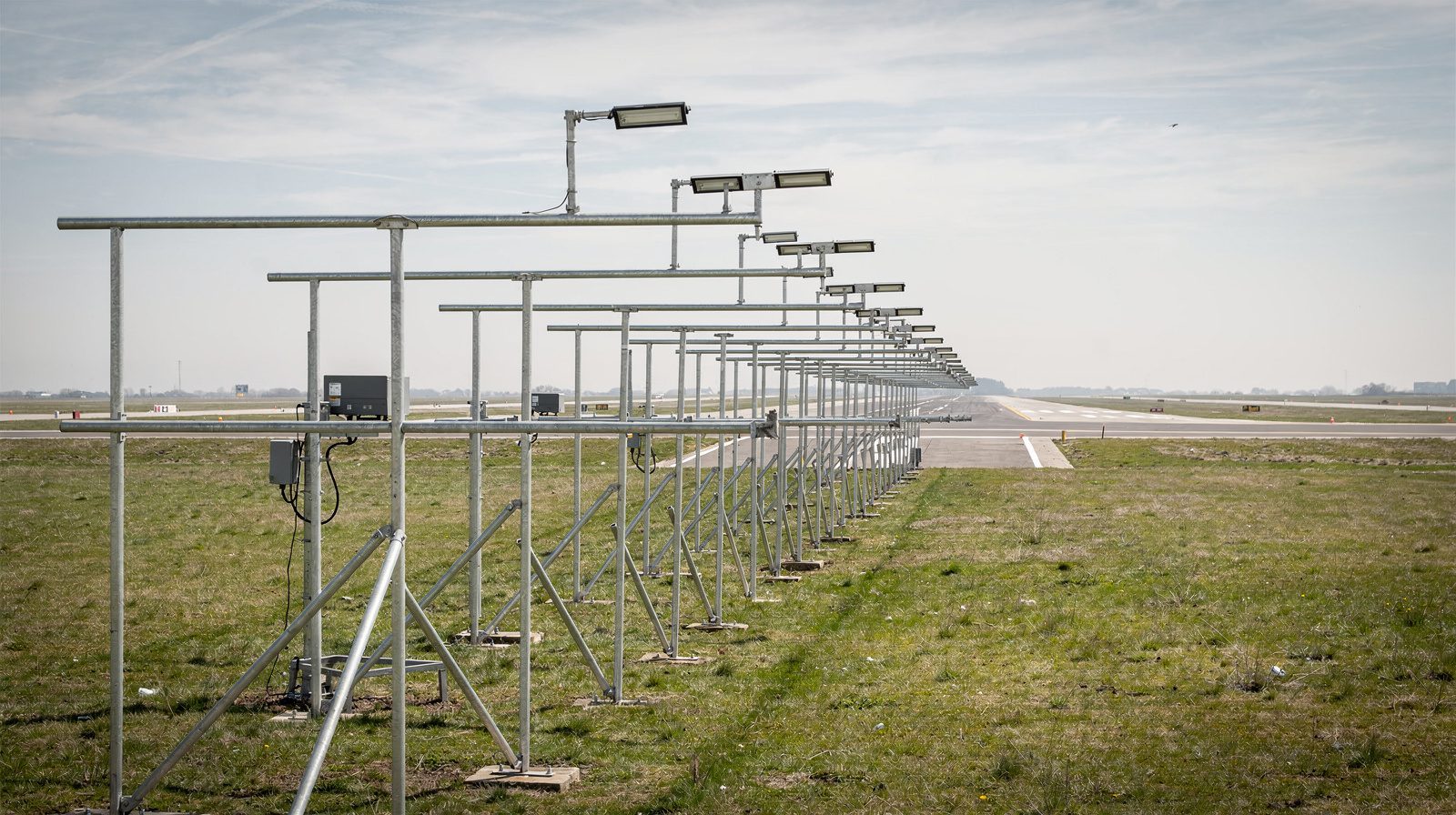
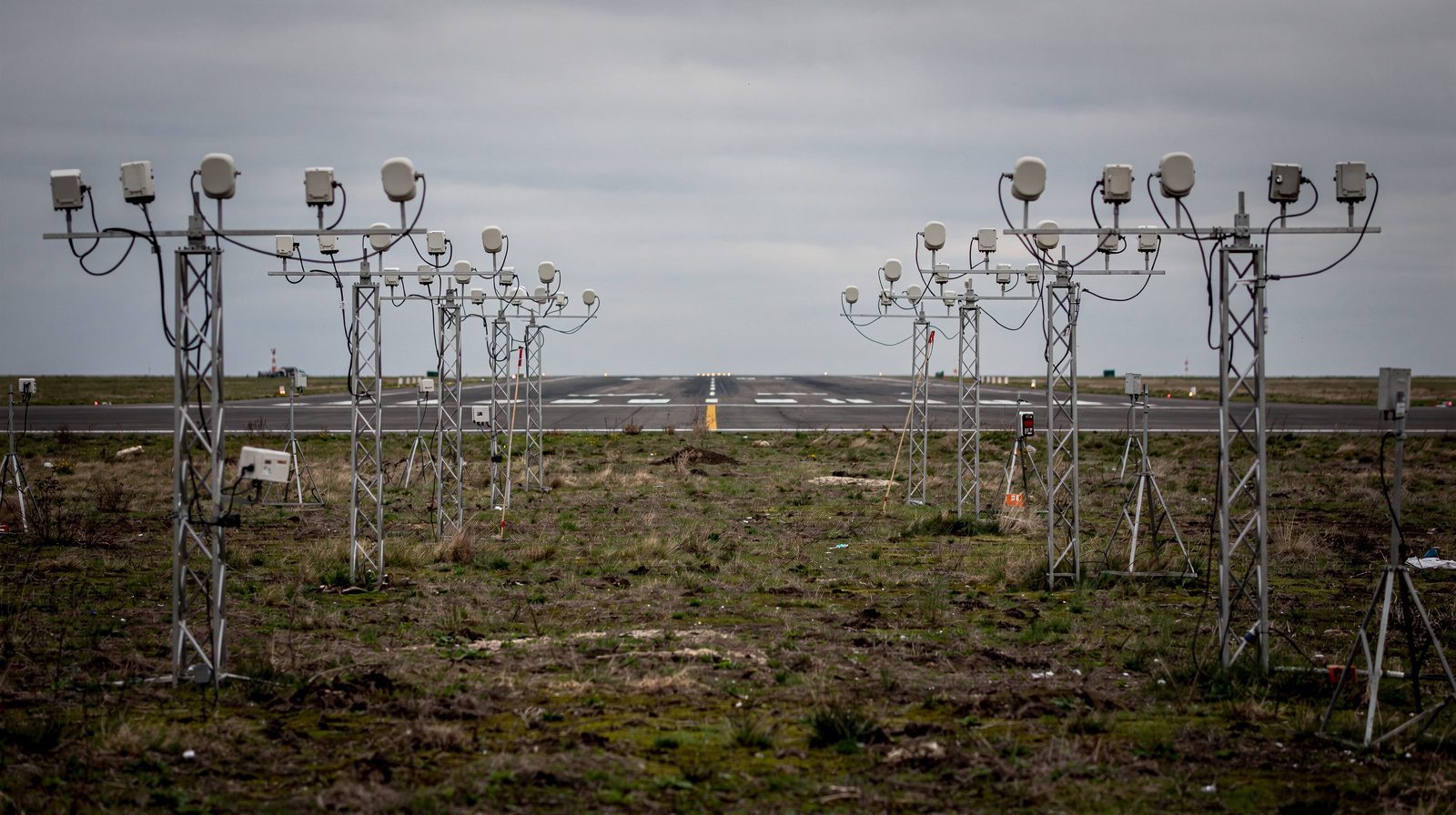
What is a Precision Approach Lighting System (PALS)?
Precision Approach Lighting System (PALS): In-Depth Overview
A Precision Approach Lighting System (PALS) is a rigorously engineered lighting array positioned at the approach end of runways, delivering critical visual information to pilots during the final moments before touchdown. PALS are essential for facilitating safe landings in low visibility, at night, or in adverse weather, and are mandated for precision approach runways around the world.
1. Purpose and Functionality
PALS are designed to bridge the gap between the electronic instrument phase of an approach and the visual cues needed for landing. As aircraft descend below the decision height during instrument approaches (such as ILS or GNSS), the pilot must visually acquire the runway environment. PALS provide:
- Runway alignment: A clear visual centerline aligned with the runway and approach path.
- Glidepath cues: Crossbars and side rows visually reinforce elevation and lateral alignment.
- Distance assessment: Spacing and configuration of lights help pilots judge distance to the runway threshold.
- Visual transition: Smooth transition from instrument-guided to visual flight, crucial in poor visibility.
PALS are especially vital at airports frequently affected by fog, rain, snow, or night operations, improving airport accessibility, reducing approach minima, and enhancing safety.
2. Regulatory Standards and Compliance
PALS must comply with strict international and national standards:
- ICAO Annex 14: Establishes global requirements for layout, light color, intensity, spacing, and maintenance for all approach lighting systems.
- FAA (United States): Defines system types (ALSF-1, ALSF-2, MALSR, SSALR) and technical specifications in Advisory Circulars and the Aeronautical Information Manual.
- EASA (Europe): Harmonizes with ICAO standards, with added specifics for environmental and monitoring requirements.
- NATO STANAG 3534: Regulates military and portable systems, ensuring compatibility with civil operations and rapid deployment.
Regulatory compliance is ensured through regular audits, inspections, and photometric testing.
3. Types and Configurations of PALS
3.1 Simple Approach Lighting Systems (Simple ALS)
Installed on non-precision runways, these systems feature a centerline of lights extending up to 420 meters with a single crossbar. Spacing is generally 60 meters (optionally 30 meters for enhanced guidance). Simple ALS provide basic alignment and distance cues for visual and non-precision approaches.
3.2 Precision Approach Category I (CAT I) Systems
CAT I PALS are found at most international airports, supporting approaches with decision heights not less than 200 feet and Runway Visual Range (RVR) typically above 550 meters. Features include:
- Centerline of white lights extending 900 meters, spaced every 30 meters.
- Crossbars at 150-meter intervals, forming a visual funnel.
- Enhanced configurations may use barrettes for improved visibility.
3.3 Precision Approach Category II/III (CAT II/III) Systems
Designed for very low visibility (decision heights <200 ft for CAT II, <100 ft or none for CAT III, RVR as low as 75 meters):
- Builds on CAT I with additional side rows of red lights or barrettes, extending 270 meters from the threshold.
- Crossbars and side rows create a three-dimensional illuminated corridor for superior spatial awareness.
- Essential for airports supporting automatic or semi-automatic landings.
3.4 Portable PALS
Portable systems are containerized, modular, and rapidly deployable. Used by military, in disaster relief, or at temporary airfields, they include all approach lighting, control panels, power sources, and are compliant with global standards for safe precision approaches.
4. Technical Components and System Layout
4.1 Main Components
- Centerline Lights: White, precise alignment with runway, spaced at 30-meter intervals.
- Side Row Lights: Red, used in CAT II/III, define lateral boundaries.
- Crossbars: White, provide lateral orientation and roll reference.
- Barrettes: Solid lines of light, used in advanced systems for superior conspicuity.
- Threshold Lights: Green, mark usable runway start.
- REIL (Runway End Identifier Lights): Flashing white, assist rapid runway identification.
- PAPI/VASI: Vertical guidance, usually installed nearby.
- Constant Current Regulators: Ensure stable light output and multiple intensity settings.
- Control Systems: Centralized or remote panels for real-time management.
4.2 Typical Layouts
- Simple ALS: Up to 420m, centerline at 60m intervals, single crossbar at 300m.
- CAT I: 900m total, single/double/triple centerline lights, five crossbars at 150m steps.
- CAT II/III: Adds side rows (18m apart, 270m long), barrettes, and enhanced crossbars.
- FAA Variants: May include sequenced flashing lights (RAILs or “rabbit”) for dynamic guidance in poor visibility.
4.3 Color Coding
- White: Centerline, crossbars, most approach lights.
- Red: CAT II/III side rows, lateral boundaries.
- Green: Runway threshold.
- Flashing: Sequenced lights/RAILs for enhanced guidance.
All lights conform to strict intensity and chromaticity standards, with LED adoption increasing for efficiency and reliability.
5. Operation, Control, and Maintenance
5.1 Control Methods
- Centralized ATC Control: Major airports use integrated panels for intensity, activation, and monitoring.
- Remote/Pilot-Controlled: Smaller or remote fields may use pilot-controlled lighting via radio or wireless ground panels.
- Intensity Adjustment: Multiple settings for day/night/low-visibility.
- Monitoring: Automated systems check lamp status and circuit health, alerting maintenance to faults.
5.2 Installation and Upkeep
- Permanent Systems: Require precise civil works, robust power, and durable fixtures. Regular maintenance includes lamp replacement, alignment, photometric checks, and cleaning.
- Portable Systems: Quick deployment/removal, minimal maintenance (battery checks, connections, functional tests).
5.3 Portable System Use Cases
- Military and humanitarian operations.
- Temporary runways during construction.
- Remote or isolated airstrips.
- Disaster relief and emergency deployments.
6. Integration with Other Visual Aids
PALS are part of a suite of airport visual aids:
- ILS: PALS provide the visual transition from ILS electronic guidance.
- PAPI/VASI: Offer precise glidepath cues.
- Runway Edge/Threshold Lights: Define runway limits.
- REIL: Aid rapid runway identification.
- Sequenced Flashing Lights: Enhance dynamic visual guidance in poor visibility.
The combined effect ensures pilots maintain situational awareness throughout approach and landing.
7. Glossary of Related Terms
| Term | Definition |
|---|---|
| Approach Lighting System (ALS) | A general term for lighting systems installed on the approach end of runways, guiding pilots during landing. |
| Barrette | A continuous row of closely spaced lights forming a solid line, enhancing visual cues in fog or low visibility. |
| CAT I, II, III | Categories defining minimum visibility and decision height requirements for precision approaches. Higher categories support lower minima. |
| Crossbar | A lateral row of lights perpendicular to the runway centerline, aiding roll and lateral orientation. |
| Decision Height (DH) | The altitude in a precision approach where a missed approach must be initiated if required visual cues are not seen. |
| Instrument Landing System (ILS) | A ground-based navigational aid providing horizontal and vertical guidance to aircraft approaching a runway. |
| PAPI (Precision Approach Path Indicator) | A system of lights providing visual glidepath information to pilots on final approach. |
| REIL (Runway End Identifier Lights) | Synchronized flashing lights marking the runway threshold, aiding rapid identification. |
| Runway Visual Range (RVR) | The distance over which a pilot can see the runway surface markings or lights. |
| Sequenced Flashing Lights (RAIL/“Rabbit”) | A series of high-intensity lights flashing in sequence toward the runway, enhancing dynamic guidance. |
Summary
Precision Approach Lighting Systems are critical for modern aviation safety, helping pilots transition from instrument to visual flight in all conditions. With strict regulatory standards, advanced configurations for low-visibility operations, and options for both permanent and portable deployment, PALS play a central role in maximizing airport accessibility, minimizing weather-related disruptions, and ensuring safe, reliable landings worldwide.
For airports, airlines, and regulatory authorities, investing in compliant, well-maintained PALS is not only a safety imperative but also a key factor in operational efficiency and resilience.
Frequently Asked Questions
- What is the main purpose of a Precision Approach Lighting System (PALS)?
- The main purpose of PALS is to provide pilots with standardized, high-visibility visual cues during the final approach to a runway. This aids in alignment, orientation, and assessing distance, especially during low visibility or at night, ensuring a smooth transition from instrument to visual flight and supporting safe, precise landings.
- How are PALS regulated and standardized?
- PALS are regulated by international and national authorities, including ICAO Annex 14, the FAA, EASA, and NATO. These standards define the layout, light colors, intensity, spacing, and operational requirements to ensure consistency, safety, and interoperability globally.
- What are the differences between CAT I, CAT II, and CAT III PALS?
- CAT I PALS support approaches with moderate visibility minima and feature centerline lights and crossbars. CAT II/III systems add side rows, barrettes, and higher light density, enabling safe landings in extremely low visibility by creating a more conspicuous three-dimensional light corridor.
- Can PALS be portable?
- Yes. Portable PALS are modular, containerized systems designed for rapid deployment. Used in military, emergency, or construction scenarios, they comply with strict aviation standards and can be set up quickly to enable precision approaches at temporary or remote airfields.
- How are PALS controlled and maintained?
- PALS are managed via centralized or remote control systems, allowing adjustments to light intensity and activation. Routine maintenance includes lamp replacement, alignment checks, photometric testing, and cleaning to ensure optimal performance and regulatory compliance.
This is a reference entry. TarmacView provides drone inspection services and doesn't sell the equipment or materials described in this glossary.