What is a Runway Threshold?
Runway Threshold – Comprehensive Glossary for Airport Operations
Definition of Runway Threshold
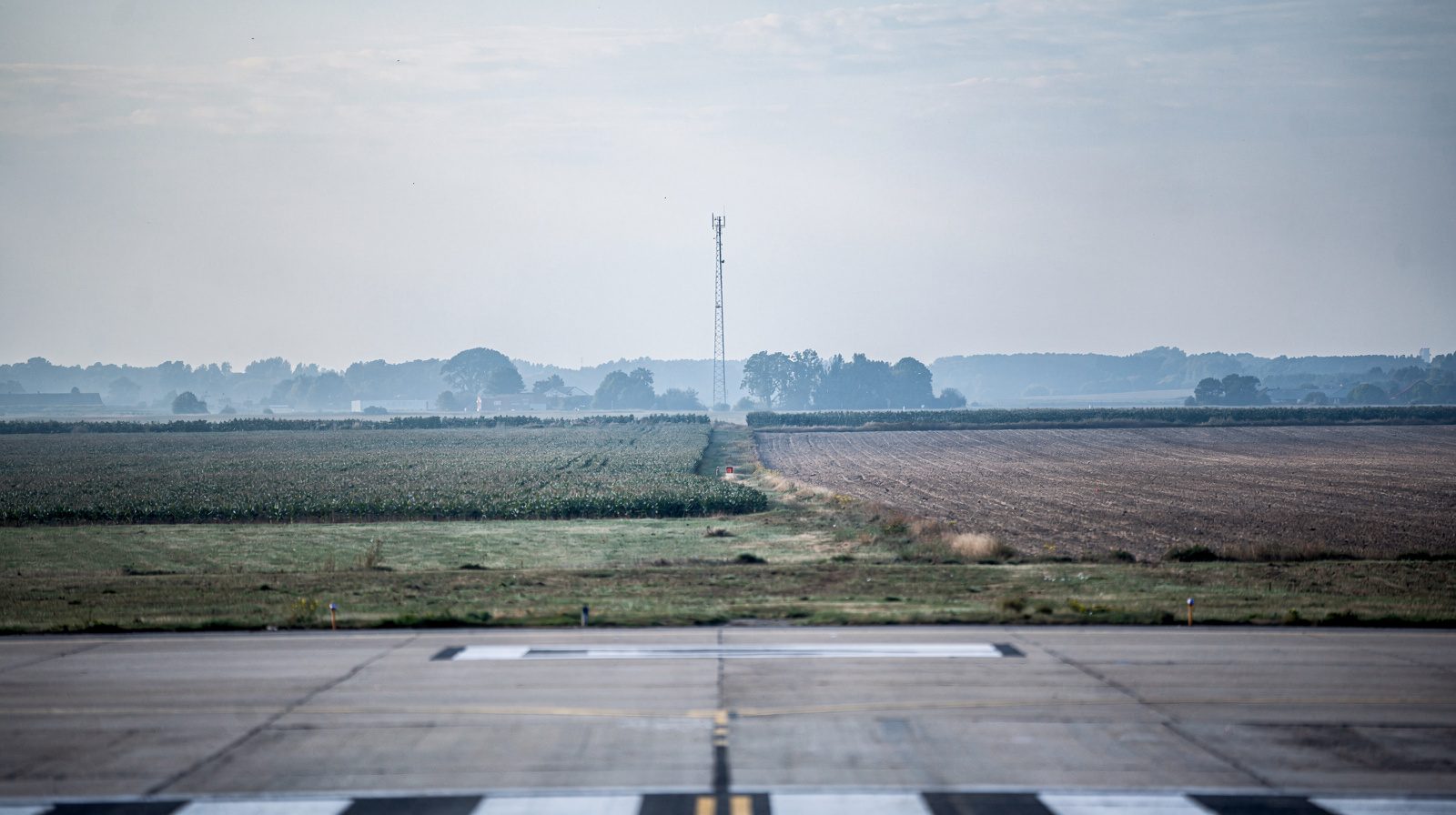
The runway threshold is the designated, highly visible start of the runway surface that is available and suitable for landing. Its position is carefully determined to provide safe landing distance and clear approach paths according to ICAO and FAA regulations. The threshold’s location is marked by a series of parallel white stripes, nicknamed “piano keys”, that span the runway’s width and are visible from the air and ground, ensuring pilots can reliably identify the landing zone.
Threshold placement is dictated by criteria such as obstacle clearance, pavement integrity, and noise abatement requirements. The area beyond the threshold is available for landing, takeoff, and rollout, while the area before may be restricted depending on whether the threshold is standard, displaced, or relocated.
The runway threshold is a vital safety reference for pilots during approach and landing, ensuring consistent placement for touchdown and compliance with international standards. Its markings and operational use are strictly regulated to promote uniformity and prevent accidents.
Types of Thresholds
Standard Threshold
A standard threshold is located at the physical end of the runway pavement. It marks the start of the runway surface available for all operations, including landing, takeoff, and taxiing. Standard thresholds are prevalent at airports where approach surfaces are clear of obstacles. The threshold is marked with parallel white stripes (“piano keys”), the number of which corresponds to the runway’s width, providing a quick visual reference for pilots.
All ground and flight operations are permitted beyond a standard threshold. Any area before the threshold is not intended for aircraft operations, other than as blast pads or shoulders.
Displaced Threshold
A displaced threshold is set further up the runway from the physical end, typically to ensure obstacle clearance or reduce noise over populated areas. The section of runway before a displaced threshold is marked with white arrows along the centerline, culminating in a solid threshold bar. The area before the threshold bar cannot be used for landing, but is available for takeoff, rollout (from the opposite direction), and taxi.
Displaced thresholds are charted on airport diagrams and approach plates, and their existence is critical for pilots to observe during approach.
Relocated Threshold
A relocated threshold is temporarily moved further down the runway, usually due to maintenance or repairs. The portion of the runway before the relocated threshold is closed to all aircraft operations unless an exception is published. These are marked by white arrowheads across the width of the runway leading up to a new threshold bar, without centerline arrows. Information on relocated thresholds is disseminated via NOTAMs and updated airport diagrams.
Visual Features and Markings
Colors
All runway threshold markings are white, providing high contrast against the pavement. Yellow is reserved for blast pads, stopways, chevrons, and demarcation bars, areas not available for regular aircraft operations.
Marking Patterns
- Threshold Bar: A solid white line, 10 feet (3 meters) wide, perpendicular to the centerline.
- Threshold Stripes (“Piano Keys”): Parallel white stripes, each 5.75 feet (1.75 meters) wide. The number of stripes indicates runway width:
| Runway Width | Number of Stripes |
|---|---|
| 60 ft (18 m) | 4 |
| 75 ft (23 m) | 6 |
| 100 ft (30 m) | 8 |
| 150 ft (45 m) | 12 |
| 200 ft (60 m) | 16 |
- Displaced Threshold: White arrows along the centerline, arrowheads before the threshold bar.
- Relocated Threshold: White arrowheads across the width, no centerline arrows.
Associated Markings
- Chevrons: Yellow V-shaped markings on blast pads/stopways (not for aircraft operations).
- Demarcation Bars: Solid yellow line, 3 feet wide, separating taxiways or non-runway pavement from the runway.
- Closed Runway: Large white or yellow “X” symbols at each end.
Operational Rules and Pilot Considerations
| Area/Marking | Landing | Takeoff | Taxi |
|---|---|---|---|
| Runway beyond standard threshold | Yes | Yes | Yes |
| Area before displaced threshold | No | Yes | Yes |
| Area after displaced threshold | Yes | Yes | Yes |
| Area before relocated threshold | No | No | No |
| Blast pads/stopways (yellow chevrons) | No | No | No |
- Landing: Only after the threshold bar.
- Takeoff: Permitted before and after a displaced threshold, not allowed before a relocated threshold.
- Taxi: Allowed in the displaced area, not before a relocated threshold.
Temporary changes are communicated via NOTAMs and airport diagrams. Regulatory compliance is vital for obstacle clearance, noise abatement, and safety.
Associated Markings and Distinctions
- Blast Pads/Stopways: Yellow chevrons, not for landing, takeoff, or taxiing.
- Demarcation Bars: Yellow lines separating operational zones.
- Taxiway Markings: Yellow, often offset, indicating crossing paths.
- Closed Runway: White or yellow “X” symbols, not for any operations.
Use Cases and Operational Scenarios
- Standard Threshold: Full runway length available for landing, takeoff, and taxi.
- Displaced Threshold: Area before threshold used for takeoff or rollout only, landing must occur after the threshold bar.
- Relocated Threshold: Area before threshold closed, all operations must occur after the relocated bar.
- Blast Pad/Chevrons: Not for aircraft operations.
- Demarcation Bars: Indicate transition from taxiway to runway, no takeoff before crossing threshold bar.
Dimensional Standards
Threshold bars are 10 feet (3 meters) wide, each threshold stripe is 5.75 feet (1.75 meters) wide, beginning 20 feet (6 meters) from the landing surface. Markings comply strictly with ICAO Annex 14 and FAA AIM 2-3-3.
Regulatory Context
Thresholds and their markings are governed globally by ICAO Annex 14 and in the U.S. by FAA AIM 2-3-3 and related Advisory Circulars. Airports must keep markings visible and compliant. Temporary changes are relayed via NOTAMs and charts, and strict adherence is enforced for safety.
Summary Table: Runway Threshold Markings
| Threshold Type | Visual Markings | Landing Allowed | Takeoff Allowed | Taxi Allowed | Regulatory Reference |
|---|---|---|---|---|---|
| Standard | Parallel white stripes at runway end | Yes | Yes | Yes | FAA AIM 2-3-3, ICAO Annex 14 |
| Displaced | White arrows, threshold bar, stripes | After threshold | Yes (all area) | Yes (all area) | FAA AIM 2-3-3, ICAO Annex 14 |
| Relocated | White arrowheads, threshold bar | After threshold | After threshold | After threshold | FAA AIM 2-3-3, NOTAMs, ICAO |
| Blast Pad/Stopway | Yellow chevrons | No | No | No | FAA AIM 2-3-3, ICAO Annex 14 |
Key Glossary Terms
- Runway Threshold: The precisely marked start of the runway available for landing.
- Standard Threshold: At the runway end, marked by white stripes, full operations allowed.
- Displaced Threshold: Moved up the runway for clearance or preservation, marked by arrows and a bar, no landing before the bar.
- Relocated Threshold: Temporarily moved for maintenance, area before is closed.
- Blast Pad/Stopway: Marked by yellow chevrons, not for aircraft operations.
- Demarcation Bar: Yellow line separating taxiway/non-runway pavement from operational runway.
For further reference, consult ICAO Annex 14 and FAA AIM 2-3-3 .
If you have additional questions about runway thresholds or need guidance on airport operations, contact our experts or request a consultation .
Frequently Asked Questions
- What is a runway threshold?
- A runway threshold is the marked beginning of the runway area available for landing. It is indicated by unique white stripes (piano keys) and is established to ensure safe landing distance and obstacle clearance, as defined by ICAO and FAA standards.
- What is the difference between a standard, displaced, and relocated threshold?
- A standard threshold is at the runway end, a displaced threshold is moved up the runway for obstacle clearance or surface preservation, allowing takeoff and rollout before it but not landing, a relocated threshold is temporarily moved for maintenance, with the area before it closed to all aircraft movements.
- Are pilots allowed to land before a displaced threshold?
- No, pilots must not land before a displaced threshold bar. The area before the bar can be used for takeoff or rollout from the opposite direction, but not for landing approach.
- How are threshold markings identified visually?
- Thresholds are marked by white stripes (piano keys) across the runway width. Displaced thresholds have white arrows leading to a solid threshold bar, while relocated thresholds feature arrowheads across the runway before the new threshold bar.
- What areas are off-limits to aircraft on a runway?
- Blast pads and stopways, marked with yellow chevrons, and the area before a relocated threshold are not available for landing, takeoff, or taxiing. These areas are designed to protect the runway or for emergency use only.