What is a Taxiway Marking?
Taxiway Marking – Visual Patterns on Taxiways and Airport Surfaces
Introduction: Purpose and Importance of Taxiway Markings
Taxiway markings are critical to the safe, orderly, and efficient movement of aircraft and ground vehicles at airports worldwide. Painted in highly visible yellow, these standardized patterns guide pilots and operators along taxiways, aprons, and intersections, clearly indicating safe routes, boundaries, and holding positions. Governed by the International Civil Aviation Organization (ICAO) Annex 14 and regional authorities like the FAA, these markings are universally recognized, reducing the risk of misinterpretation, ground collisions, and runway incursions.
Taxiway markings are especially vital in low-visibility conditions (fog, rain, night) and complex airports, where visual cues are essential for situational awareness. They work in tandem with lighting systems and surface signage, ensuring that even transient crews or foreign pilots can navigate unfamiliar layouts safely. Regulatory compliance with these markings is mandatory, deviations can result in violations, delays, or serious accidents.
Key Takeaway:
Taxiway markings form the visual language of safe ground movement, ensuring orderly flow and protecting against incidents at airports of all sizes.
Types of Airport Markings and Their Functions
Runway Markings (White)
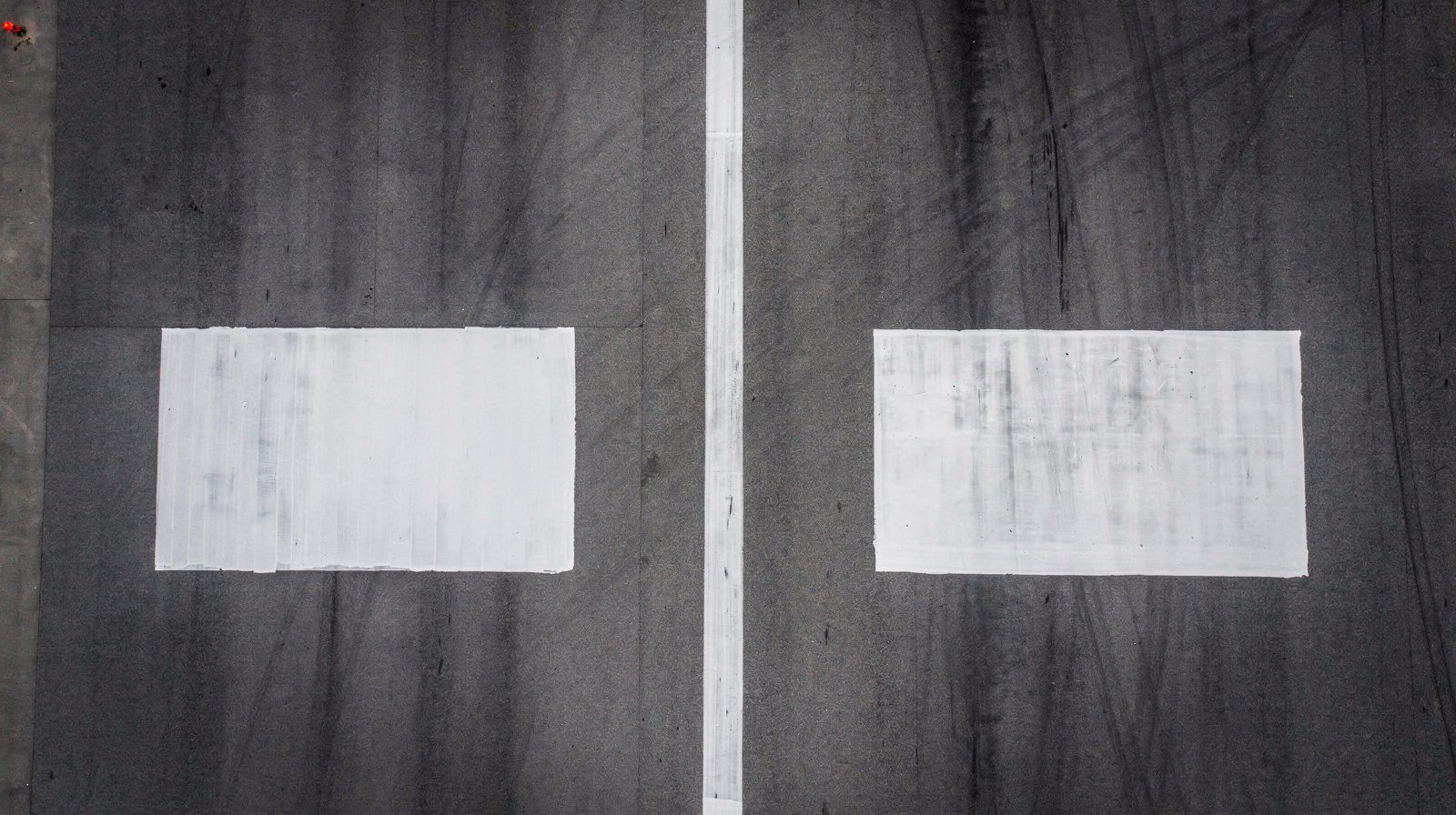
While taxiway markings are yellow, runways use white paint for immediate differentiation and maximum visibility at speed. Understanding their interface is essential for safe transitions.
- Runway Designation Markings: Large white numbers/letters indicate magnetic heading (e.g., “09”, “27”, “18L”).
- Centerline: Dashed white line along runway center for alignment.
- Threshold Markings: Parallel white stripes marking the landing threshold.
- Aiming Point/Touchdown Zone: Broad white rectangles and bars for touchdown guidance.
- Edge/Shoulder Markings: White edges define usable width, yellow shoulders warn of non-loadbearing pavement.
Taxiway Markings (Yellow)
Taxiway Centerline
A continuous yellow line (typically 15 cm wide), marking the geometric center of the taxiway for safe clearance, including wings and gear. At critical approach points (near runways), “enhanced” dashed lines flank the centerline for 45 meters, alerting crews to upcoming holding positions.
Key Takeaway:
Taxiway centerlines ensure safe navigation and required clearances, especially for large aircraft.
Taxiway Edge Markings
- Continuous Double Yellow Lines: Indicate the edge of usable taxiway pavement. Do not cross.
- Dashed Double Yellow Lines: Mark a permissible boundary (e.g., between taxiway and apron) where crossing is allowed as part of normal operations.
Key Takeaway:
Solid edge = no crossing, dashed edge = crossing permitted.
Taxiway Shoulder Markings
Yellow stripes perpendicular to the centerline, used where pavement adjacent to the taxiway is unsuitable for aircraft. These markings do not define an edge, but warn pilots to remain within the primary taxiway.
Key Takeaway:
Yellow shoulders flag adjacent areas not safe for taxiing.
Surface-Painted Taxiway Direction and Location Signs
- Direction Signs: Yellow background, black letters/arrows, indicate turns for named taxiways.
- Location Signs: Black background, yellow letters, confirm current taxiway.
These markings supplement vertical signage, aid navigation at intersections, and remain visible in poor weather.
Key Takeaway:
Surface-painted signs provide navigation and location confirmation, especially in complex or crowded areas.
Intermediate Holding Position Markings
Single dashed yellow line (3m dash, 1.5m gap), perpendicular to the centerline, used for holding at busy intersections or aprons, not runways.
Key Takeaway:
Dashed hold lines are for intermediate stops (not runway entries), as directed by ATC or apron control.
Non-Movement Area Boundary Markings
Two parallel yellow lines, one solid, one dashed, across a taxiway or apron entry. Crossing from the solid side to the dashed side requires ATC clearance, movement from the dashed side does not.
Key Takeaway:
Solid-to-dashed crossing requires clearance, dashed-to-solid does not, but vigilance is required.
Holding Position Markings
Runway Holding Position Markings (Hold Short Lines)
Four yellow lines, two solid, two dashed, perpendicular to the taxiway centerline at all runway/taxiway intersections. Stop before the solid lines, crossing requires ATC clearance.
Key Takeaway:
Never cross hold short lines from the solid side without clearance.
ILS Critical Area Holding Position Markings
“Ladder” style: two solid lines connected with pairs of dashed lines. Protects ILS antenna areas from interference. Hold when instructed, especially in low visibility.
Key Takeaway:
Ladder markings protect sensitive ILS areas, hold as directed by ATC.
Airport Surface Signs: Colors and Meanings
- Mandatory Instruction Signs: Red background, white text (e.g., “RUNWAY 27”, “NO ENTRY”). Always stop unless cleared by ATC.
- Location Signs: Black background, yellow letters (e.g., “A”, “B15”). Indicates current position.
- Direction Signs: Yellow background, black letters/arrows. Indicates turns to other taxiways.
- Runway Distance Remaining: Black with white numbers, in thousands of feet.
Regulatory Framework and Compliance
- ICAO Annex 14: Global standards for markings and signs.
- FAA AC 150/5340-1M: U.S. standards (mirrors ICAO).
- EASA CS-ADR-DSN: European requirements.
- Enforcement: Non-compliance may result in violations, fines, or loss of certification.
Training, Maintenance, and Evolution
- Training: Pilot and ground crew education is mandatory for safe operations.
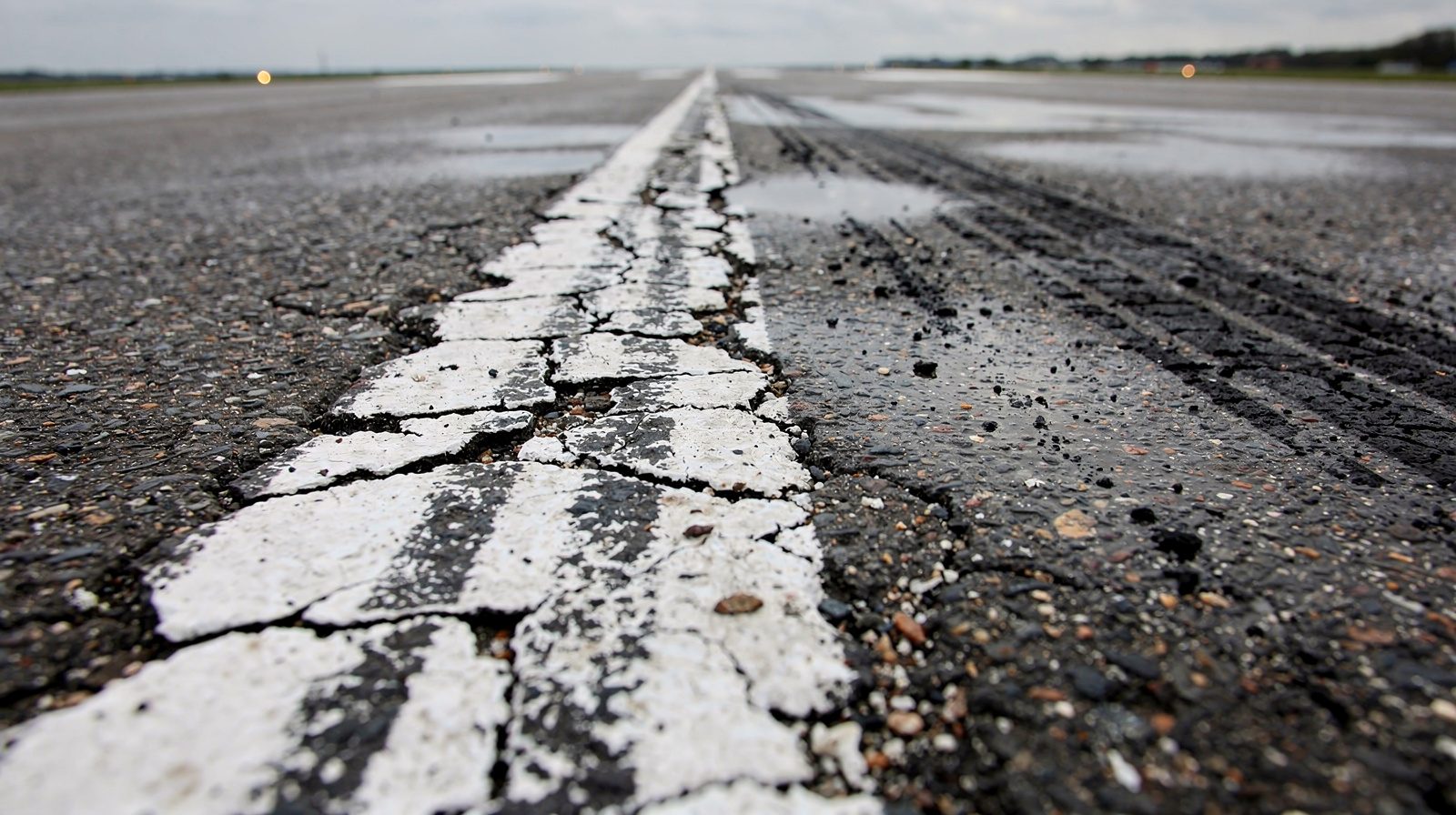
- Maintenance: Markings must be regularly inspected, repainted, and kept free from debris or snow.
- Innovation: Reflective paints, LED lighting, and SMGCS (Surface Movement Guidance and Control Systems) enhance safety in poor visibility.
Conclusion
Taxiway markings are more than painted lines, they are a universal safety language critical to efficient airport operations. Understanding and adhering to these markings is fundamental for pilots, ground vehicles, and airport staff, forming the backbone of ground safety and regulatory compliance.
For more information, refer to ICAO Annex 14, FAA Advisory Circulars, and your airport’s Standard Operating Procedures.
Further Reading
If you have questions about taxiway marking compliance, training, or upgrades, please contact us or schedule a demo .
Frequently Asked Questions
- What color are taxiway markings and why?
- Taxiway markings are always yellow to maximize contrast against pavement and distinguish them from runway markings (which are white). Yellow provides high visibility in diverse lighting and weather conditions, ensuring pilots and vehicle operators can follow guidance accurately.
- What is the difference between solid and dashed taxiway edge markings?
- Solid double yellow edge markings indicate the edge of usable pavement, do not cross, as the area beyond may not support aircraft. Dashed edge markings, with spaced dashes, indicate a permissible boundary (such as between a taxiway and apron) where crossing is allowed.
- What is an enhanced taxiway centerline?
- An enhanced taxiway centerline adds dashed yellow lines alongside the normal solid centerline for 45 meters before a runway holding position. This alerts pilots they are nearing a runway, reducing the risk of accidental incursions, especially in low visibility.
- What do runway holding position markings look like?
- Runway holding position markings consist of two solid and two dashed yellow lines perpendicular to the taxiway centerline. The solid lines are on the side where stopping is mandatory, crossing from this side requires ATC clearance.
- How do surface-painted taxiway signs differ from vertical signs?
- Surface-painted taxiway signs are large, colored markings painted directly on the pavement, often used at intersections or where vertical signs may be obscured. They repeat critical information from vertical signs, aiding navigation and position confirmation.
- Why are taxiway markings important for pilot training?
- Understanding taxiway markings is essential for safe airport ground operations. Pilot training incorporates these standards to prevent navigation errors, runway incursions, and regulatory violations, ensuring both safety and operational efficiency.
This is a reference entry. TarmacView provides drone inspection services and doesn't sell the equipment or materials described in this glossary.