What is the Centreline (Center Line) in Aviation?
Centreline (Center Line) of Runway or Taxiway – In-Depth Aviation Glossary
Definition: What Is a Centerline?
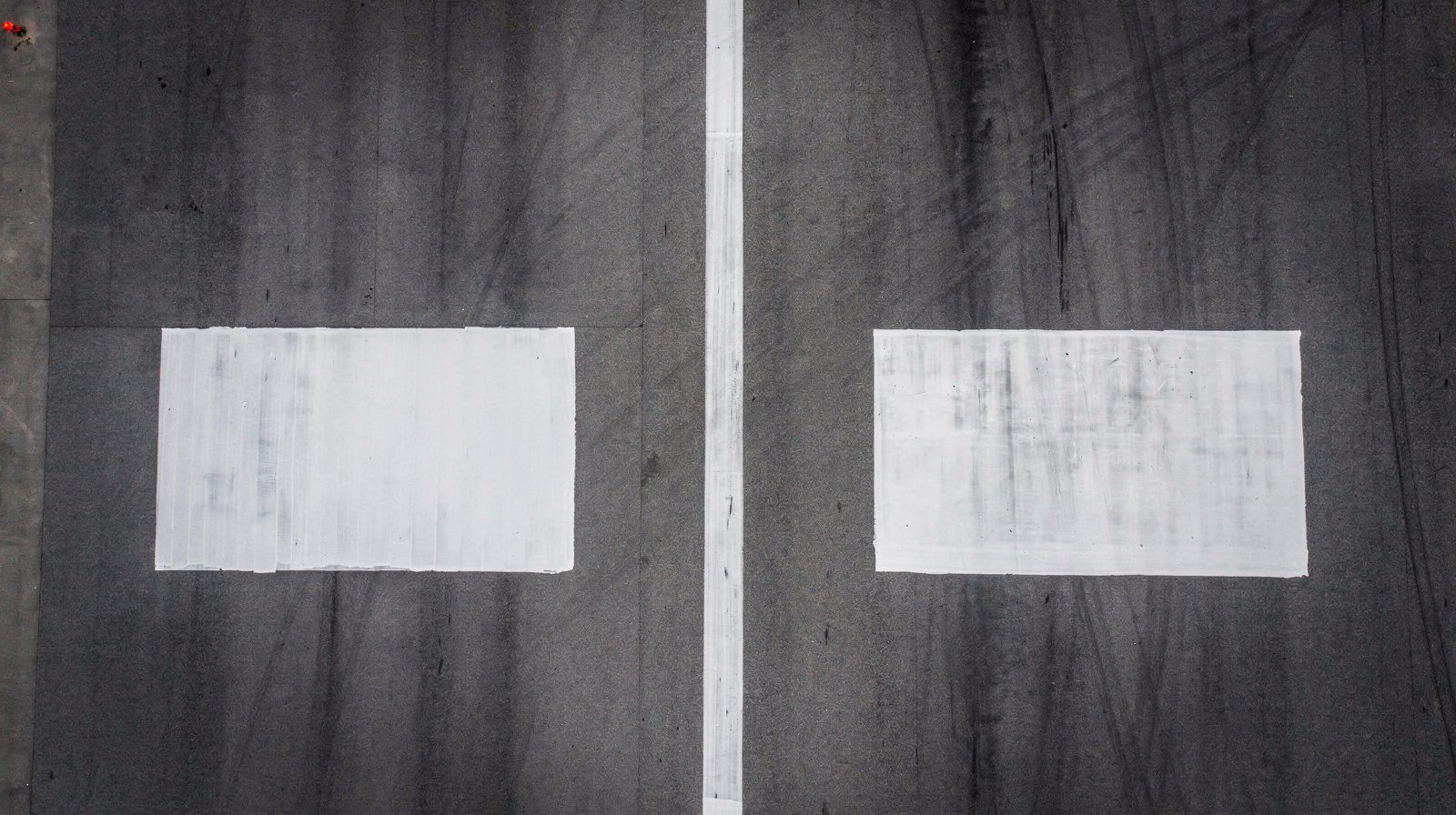
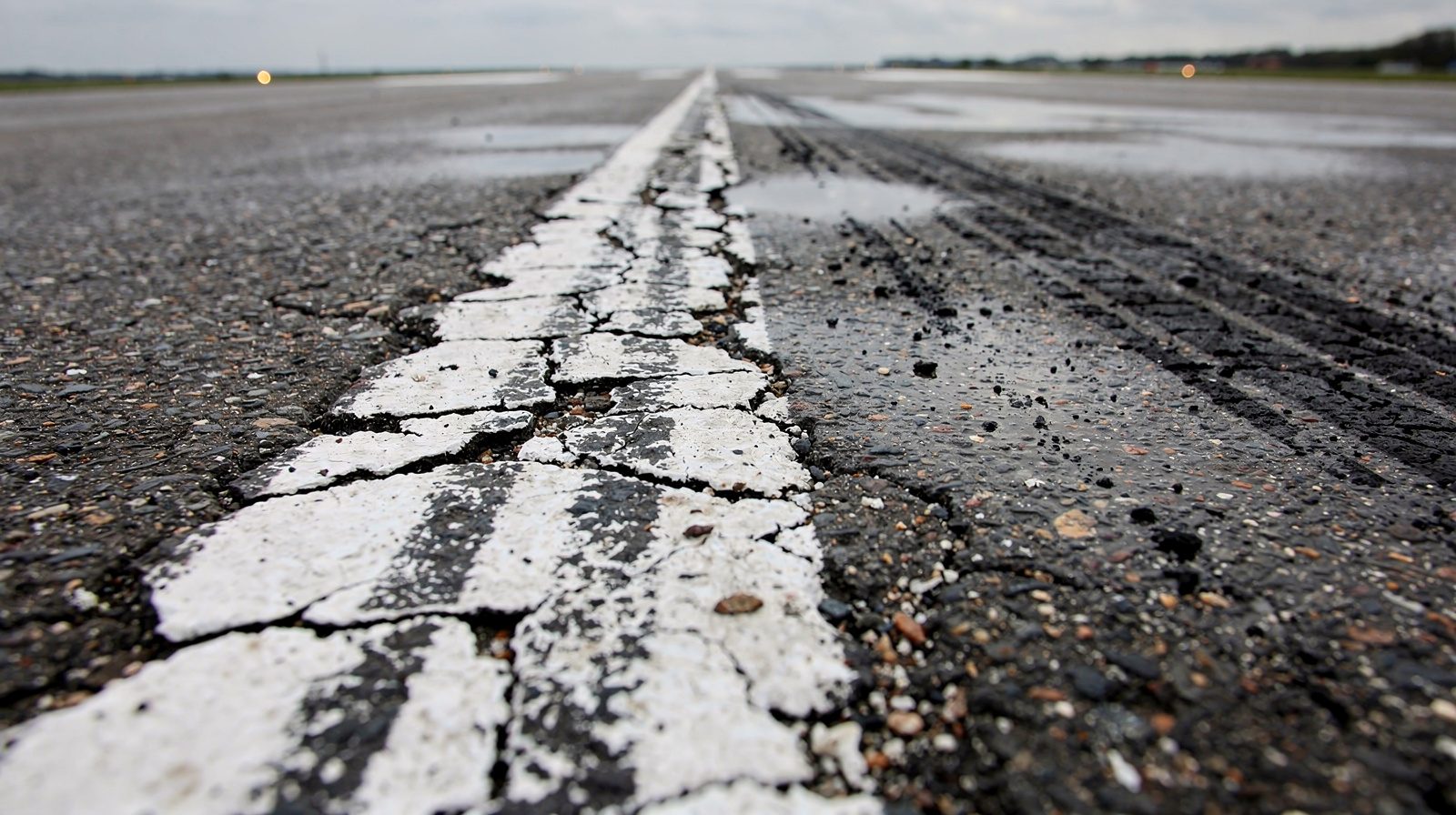
A centerline is a vital visual, and sometimes illuminated, marking that runs along the exact center of airport runways and taxiways. Its purpose is to provide precise lateral guidance for pilots, ensuring correct aircraft alignment during takeoff, landing, taxiing, and crossing. By keeping aircraft on the centerline, pilots maintain safe clearance from pavement edges and obstacles, reducing the risk of excursions or collisions.
Where and How Are Centerlines Used?
Centerlines are present on all paved runways and taxiways at certified airports. On runways, they appear as white dashed stripes extending the entire length. On taxiways, the centerline is a solid yellow line. At major airports, centerline lights are embedded in the pavement to enhance visibility during low-visibility conditions such as fog or night.
Pilots rely on these markings for:
- Takeoff and landing alignment: Ensuring straight, safe tracking.
- Taxi guidance: Navigating complex airfields between runways, aprons, and gates.
- Ground safety: Maintaining safe distances from pavement edges and other aircraft.
ICAO and FAA Standards
Both the International Civil Aviation Organization (ICAO) and the U.S. Federal Aviation Administration (FAA) provide strict standards for centerline markings. These standards dictate color, width, length, spacing, lighting, and placement, ensuring global uniformity and safety. Key references include ICAO Annex 14 and FAA Advisory Circulars.
Visual and Tactile Cues
Some airports use tactile centerlines, grooved or raised paint, for extra feedback, especially in low visibility. Pilots can feel these through the aircraft wheels, adding another layer of alignment assistance.
Analogy:
A centerline is like a highway lane marker. Drivers stay centered in their lane for safety, pilots follow the centerline to keep the aircraft safely on the paved surface.
Runway Centerline Markings
Dimensions and Composition
Runway centerline markings are highly standardized. In the U.S., per FAA AIM 2-3-4 and AC 150/5340-1M, the marking is a series of white, non-retroreflective dashed stripes:
| Element | Measurement |
|---|---|
| Stripe Length | 120 ft (36.6 m) |
| Gap Between Stripes | 80 ft (24.4 m) |
| Stripe Width | 12–18 in (30–45 cm) |
| Stripe + Gap | 200 ft (60.96 m) |
ICAO standards are similar, with minor regional variations. Paint is durable and abrasion-resistant, sometimes with glass beads for night visibility.
Regulatory References
- FAA AIM 2-3-4: Describes runway marking standards in the U.S.
- FAA AC 150/5340-1M: Provides detailed diagrams and maintenance guidance.
- ICAO Annex 14: Sets global standards for runway markings.
Uniformity ensures pilots have consistent visual cues worldwide.
Operational Use and Examples
Pilots use runway centerlines to:
- Align for takeoff and landing: Keeping the aircraft on the runway’s safest, load-bearing area.
- Estimate visibility (RVR): Counting visible stripes helps estimate forward visibility.
- Maintain control in crosswinds: Enhanced alignment helps during challenging conditions.
Example:
During a Category III instrument landing, pilots may only see the centerline lights and a few stripes, crucial for safe rollout.
Runway Centerline Lighting
Runway centerline lighting consists of in-pavement white lights:
- Spacing: Usually every 50 ft (15.2 m), reduced to 25 ft (7.6 m) near the runway end.
- Color: White for most of the runway, alternating red/white in the last 3,000 ft, solid red in the final 1,000 ft as a warning.
- Offset: Lights are slightly off the painted line for maintenance and durability.
Combined, markings and lights ensure visibility in all conditions.
Common Misconceptions
- Lights Alignment: Lights are offset, not directly on the painted line.
- Obstacle Clearance: The centerline does not guarantee wingtip clearance for all aircraft.
- Marking Durability: Markings require regular inspection and repainting.
Taxiway Centerline Markings
Normal Taxiway Centerline
Taxiway centerlines are solid yellow lines, 15–30 cm wide, running the length of the taxiway.
- Color: Yellow for high visibility.
- Style: Solid and continuous.
- Function: Guides pilots to keep the nosewheel on the safest path.
Regular maintenance ensures that markings remain clear.
Enhanced Taxiway Centerline
Enhanced centerlines are used near runway holding positions, especially at busy airports:
- Appearance: Standard yellow line flanked by dashed lines (each dash 9 ft long, 3 ft gaps), extending up to 150 ft before the holding position.
- Purpose: Early warning of a runway intersection ahead, reducing runway incursion risk.
- Requirement: Mandatory at U.S. commercial airports with runway crossings since 2010.
Taxiway Centerline Lighting
Taxiway centerline lights are green in-pavement lights:
- Spacing: Usually every 50 ft (15.2 m), closer in turns.
- Color: Green, differentiating them from runway lights.
- Offset: Slightly off the painted line for maintenance and reduced wheel impact.
- Control: Operated by ATC or airport operations, often only on in low-visibility.
Operational Use and Examples
- Safe Taxi: Ensures aircraft stay within load-bearing pavement.
- Incursion Prevention: Enhanced centerlines and clear markings help prevent accidental runway crossings.
- ATC Compliance: Pilots reference centerlines when following taxi instructions.
Example:
A pilot follows the yellow line from gate to runway, noting the enhanced centerline as the runway nears and stopping at the holding position.
Comparison Table: Runway vs. Taxiway Centerlines
| Feature | Runway Centerline | Taxiway Centerline |
|---|---|---|
| Color | White | Yellow |
| Marking Style | Dashed (120’ stripes, 80’ gaps) | Solid, continuous |
| Stripe Length | 120 ft (36.6 m) | N/A |
| Stripe Width | 12–18 in (30–45 cm) | 6–12 in (15–30 cm) |
| Lighting | White/red/white, red (last 3,000/1,000 ft) | Green (centerline lights, offset) |
| Enhanced Marking | N/A | Dashed lines near runway holdings |
| Operational Use | Takeoff, landing, rollout, RVR estimate | Taxi guidance, incursion prevention |
| Regulatory Reference | FAA AIM 2-3-4 | FAA AIM 2-3-7 |
Procedures, Use Cases, and Best Practices
Estimating Visibility Using Centerline Markings
Pilots estimate runway visual range (RVR) by counting visible centerline cycles (stripe + gap = 200 ft). For example, seeing four cycles means about 800 ft visibility.
Maintaining Centerline Tracking
- Taxi: Keep the nosewheel on the centerline for safe clearance.
- Takeoff/Landing: Use the centerline for safe alignment, especially in crosswinds.
- Low Visibility: Rely on centerline lights and their color progression to gauge runway length remaining.
Avoiding Common Pitfalls
- Enhanced Centerlines: These are warnings, not holding positions. Always stop at the actual holding position marking.
- Shoulder/Edge Markings: Do not substitute for centerlines, they mark edges or non-load-bearing areas.
Regulatory and International Variations
- FAA AIM 2-3-4 / 2-3-7: U.S. standards for runway and taxiway markings.
- ICAO Annex 14: Global standards with some local variations.
- EASA: Follows ICAO with minor European specifics.
Always check the airport’s Aeronautical Information Publication (AIP) for details.
Further Reading & References
- Pilot Institute Runway Markings Guide
- FAA AIM – Airport Marking Aids and Signs
- Boldmethod: Runway Markings Explained
- Aviation Stack Exchange: Centerline Light Placement
- YouTube: Taxiway Markings Overview
Glossary Summary Table
| Term/Marking | Color | Line Style | Lighting | Key Use | Reference |
|---|---|---|---|---|---|
| Runway Centerline | White | Dashed (120’/80') | White (offset centerline lights) | Takeoff, landing, rollout | FAA AIM 2-3-4 |
| Taxiway Centerline | Yellow | Solid, continuous | Green (offset centerline lights) | Taxi guidance, ATC compliance | FAA AIM 2-3-7 |
Frequently Asked Questions
- Why are centerline lights offset from the painted line?
- Centerline lights are intentionally placed just to the side of the painted centerline. This offset allows for efficient maintenance, such as repainting the line without masking each light, and reduces the risk of repeated nosewheel impacts damaging both the lights and aircraft landing gear.
- Does following the centerline guarantee obstacle clearance for all aircraft?
- No. The centerline provides directional guidance, but it does not assure wingtip or tail clearance from obstacles, especially for larger or non-standard aircraft. Pilots must consider the entire aircraft footprint and may need wing walkers or marshallers in tight spaces.
- What is an enhanced taxiway centerline?
- An enhanced taxiway centerline features dashed lines flanking the standard yellow centerline as aircraft approach a runway holding position. This visual enhancement increases pilot awareness and helps prevent accidental runway incursions, especially in complex or low-visibility environments.
- Are there significant differences between U.S. and international centerline standards?
- The basics are similar globally, but ICAO and FAA standards differ in details like stripe width, lighting, materials, and maintenance. Always consult the relevant Aeronautical Information Publication (AIP) for local specifications.
This is a reference entry. TarmacView provides drone inspection services and doesn't sell the equipment or materials described in this glossary.