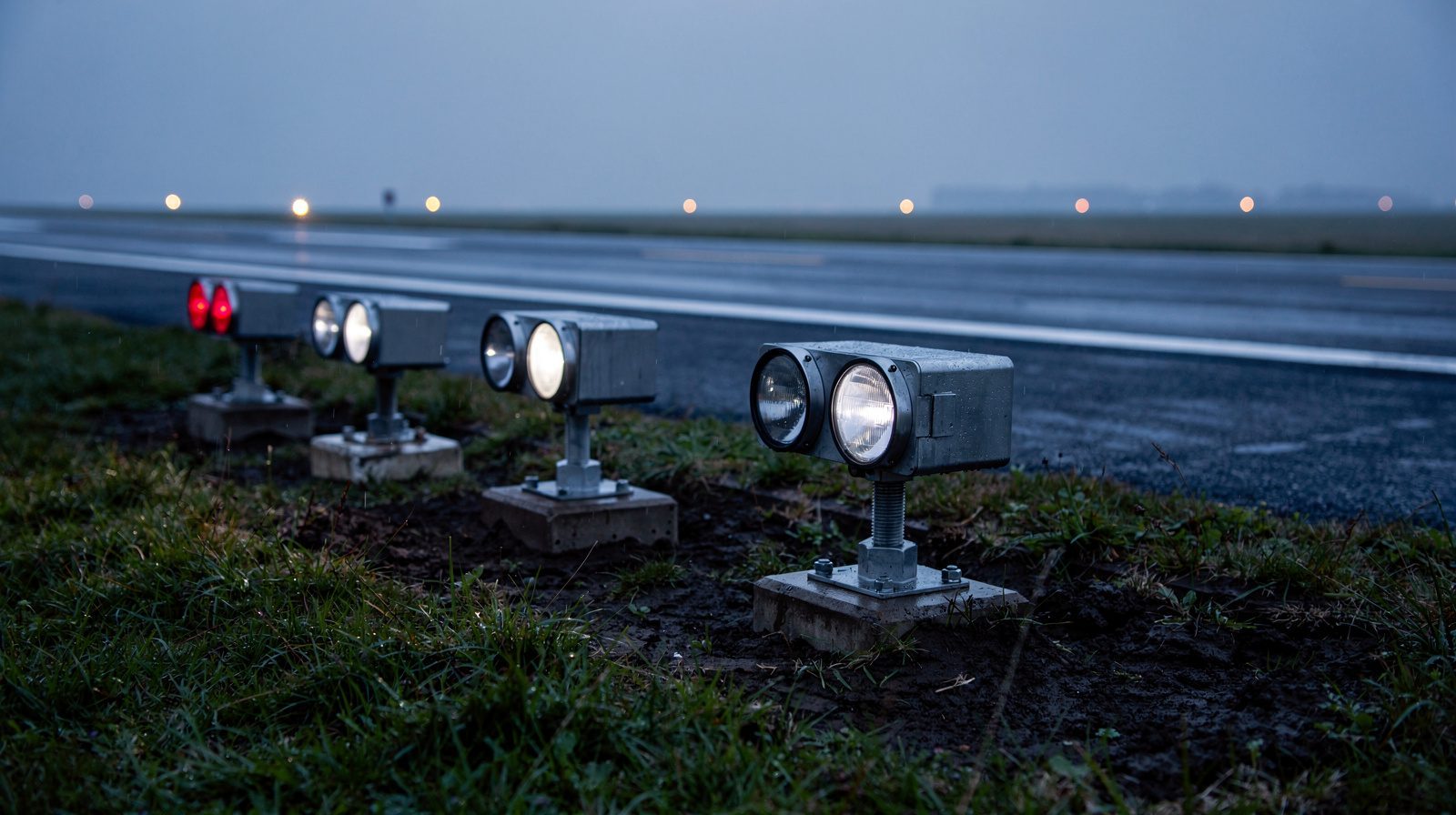
What is a NOTAM (Notice to Airmen)?
A NOTAM is a notice that tells flight personnel about a change in, or a hazard to, an aeronautical facility, service or procedure.
Definition
The full name is notice to airmen. EU law defines it as a notice that telecommunication distributes. The notice has information on the establishment, condition or change of an aeronautical facility, service, procedure or hazard. Flight personnel need to know this information in time. The ICAO text in the Slovak AIP is the same.
The FAA changed the term to “Notice to Air Missions” in December 2021. On 10 February 2025 it changed the name back to “Notice to Airmen”. The abbreviation did not change.
What a NOTAM is for
A NOTAM carries information that is temporary. It also carries information that comes too late for a chart or for the aeronautical information publication (AIP). In the US, the NOTAM ends when the chart shows the information or when the temporary condition ends. A NOTAM can be issued up to 7 days before the activity starts.
A NOTAM message has one of three types:
- NOTAMN is a new NOTAM.
- NOTAMR replaces an earlier NOTAM.
- NOTAMC cancels an earlier NOTAM.
A NOTAM that cancels or replaces another one gives the series and number of the earlier NOTAM. It has the same location indicator and subject. A new NOTAM cancels or replaces only one earlier NOTAM (ADR.OPS.A.057(d)).
How to read a NOTAM
A NOTAM uses ICAO contractions to reduce transmission time. A few examples from the FAA list are CLSD (close), U/S (unserviceable), PERM (permanent) and EST (estimate).
A US domestic NOTAM starts with the location identifier. The next word is a keyword that sorts the NOTAM by subject. These examples come from the AIM:
!BNA BNA RWY 18/36 CLSD YYMMDDHHMM-YYMMDDHHMMcloses runway 18/36 for the given period.!SHV SHV NAV ILS RWY 32 110.3 COMMISSIONED YYMMDDHHMM-PERMcommissions the instrument landing system (ILS) of runway 32. PERM means that the NOTAM has no end date.
The AIM lists these keywords for domestic NOTAMs about the airfield and its aids:
| Keyword | Subject |
|---|---|
| RWY | Runway |
| TWY | Taxiway |
| APRON | Apron or ramp |
| AD | Aerodrome |
| OBST | Obstruction |
| NAV | Navigation aids |
| COM | Communications |
| SVC | Services |
The date and time part gives the start and the end as year, month, day, hour and minute. A NOTAM that ends with EST has an estimated end time and cancels itself. International NOTAMs have a different format, described under the classes below.
NOTAM classes in the US
The FAA divides NOTAMs into four classes:
- Domestic (NOTAM D) covers public-use aerodromes and the facilities of the National Airspace System. It includes taxiway closures and airport lighting aids that do not affect instrument approach criteria. Each one starts with a keyword such as RWY or SVC.
- FDC NOTAMs carry regulatory information, such as amendments to instrument approach procedures and temporary flight restrictions (TFR). FDC means Flight Data Center.
- International NOTAMs use the ICAO format. They have a Q line that a computer can read. Fields A to G give the location, the start and end of validity, the schedule, the text and the altitude limits.
- Military NOTAMs come from the US armed forces and cover military or joint-use aerodromes.
A pointer NOTAM refers the reader to another NOTAM, for example for a TFR. Its keyword matches the keyword of the original NOTAM.
When an aerodrome operator originates a NOTAM
In the EU, the aerodrome operator must originate a NOTAM in 17 listed cases (ADR.OPS.A.057(b)). Some of them concern the airfield:
- closure of, or a significant change in, the operation of a runway
- establishment, withdrawal or significant change of a visual aid
- interruption of, or return to operation of, major components of the aerodrome lighting systems
- occurrence or correction of major defects or impediments in the manoeuvring area
- establishment, withdrawal or return to operation of a hazard beacon that marks an obstacle
- erecting, removing or changing an obstacle in the take-off, climb, missed approach and approach areas, or on the runway strip
- a runway that is slippery wet
- a runway that is not available because of runway marking works
- hazards that affect air navigation, such as wildlife, obstacles and major events
The other cases cover the aerodrome itself, aerodrome services, and radio navigation and communication. They also cover backup systems, air navigation procedures, and fuel, oil and oxygen. The last cases are laser emissions, the rescue and firefighting category, and hazardous conditions on the movement area.
The operator must also meet these requirements:
- The NOTAM has enough lead time for the affected parties to act, except for unserviceability and events that nobody can foresee.
- A NOTAM about an unserviceable facility estimates the unserviceability period. It can give the expected time of restoration instead.
- The information of a permanent NOTAM goes into the affected aeronautical information products within three months. For a temporary NOTAM of long duration, it goes into an AIP supplement within three months.
- Each NOTAM deals with one subject and one condition of that subject. It is as brief as possible.
- The NOTAM text is in English or in the national language.
- If a NOTAM is wrong, the operator replaces it or cancels it with a new NOTAM that has a new number.
- After publication, the operator checks the content and tells the relevant personnel and organisations at the aerodrome. The operator keeps records.
SNOWTAM
A SNOWTAM is a special series NOTAM in a standard format. It reports when hazardous conditions start or end on the movement area. The causes are snow, ice, slush, frost, standing water or water linked to them. EU rules require the aerodrome operator to send this information as a SNOWTAM (ADR.OPS.A.057(d)(4)).
Where to find NOTAMs
In the US, a pilot gets NOTAMs from the Federal NOTAM System NOTAM Search website, from private vendors, or on request from Flight Service. For a foreign location, the pilot checks the current NOTAMs for that location. The NOTAM Search website also carries international notices.
The FAA lists these topics that NOTAMs cover:
- aerodromes, runways, taxiways and ramp restrictions
- obstructions
- communications
- airspace
- the status of navigation aids and radar service
- Global Positioning System (GPS) status, such as outages and testing
A NOTAM is the main method to alert pilots that a navigation aid is out of service. The aid can stay on charts for a long time before it is removed. En route, the FAA asks pilots to call air traffic control or Flight Service for the update of the destination. Snow removal, construction and wildlife can create hazards. This information may not be available before arrival.
NOTAM and the pilot
Before a flight, the pilot in command must become familiar with all available information about the flight. In the US this is 14 CFR 91.103, and the AIM says that it includes NOTAMs. In the EU it is SERA.2010(b). A pilot who plans a circuit at an aerodrome checks the NOTAMs for that aerodrome too.
NOTAM and airfield inspection
A finding on the airfield can lead to a NOTAM. The aerodrome operator decides this, and the operator also decides when the NOTAM ends. Three examples come from FAA documents:
- A new PAPI needs a commissioning NOTAM. FAA AC 150/5340-30J paragraph 7.7.6.6 lists the steps.
- If the PAPI glide path goes higher than the nominal 3 degrees, a NOTAM must communicate this.
- If a runway status lights system or one of its components is disabled, a NOTAM must be issued.
See precision approach path indicator for the unit itself, lamp failure for the effect of unserviceable lights and airfield lighting for the systems.
Frequently Asked Questions
- What does NOTAM mean?
- NOTAM is the short form of notice to airmen. EU law defines it as a notice that telecommunication distributes. The notice has information on the establishment, condition or change of an aeronautical facility, service, procedure or hazard. Flight personnel need to know this information in time.
- Who issues a NOTAM for an aerodrome?
- The aerodrome operator originates it, and the aeronautical information service provider issues it. Under EU Regulation 139/2014 the operator must have procedures for this and must designate trained personnel to originate NOTAM.
- How long does a NOTAM stay in force?
- It stays in force until the condition returns to normal or until the information is published in another form. In the US, a NOTAM ends when the chart shows the information or the temporary condition ends. In the EU, an operator must put the information of a permanent NOTAM in the affected aeronautical information products within three months.
- Must a pilot read the NOTAMs before a flight?
- Yes, in the US. 14 CFR 91.103 requires the pilot in command to become familiar with all available information about the flight before departure. The FAA Aeronautical Information Manual states that this includes NOTAMs. The rule does not use the word NOTAM. In the EU, SERA.2010(b) sets the same duty.
- Is a NOTAM a Notice to Airmen or a Notice to Air Missions?
- It is a Notice to Airmen. The FAA changed the term to Notice to Air Missions in December 2021, and changed it back on 10 February 2025. EU law and the ICAO definition use notice to airmen. The abbreviation NOTAM did not change.
- How do you read a NOTAM?
- Read it in parts. A US domestic NOTAM gives the location identifier, then a keyword such as RWY or TWY. The text follows in ICAO contractions, then the start and end time. For example, RWY 18/36 CLSD means that runway 18/36 is closed. An international NOTAM has a Q line and fields A to G.
- Where can a pilot find NOTAMs?
- In the US, on the Federal NOTAM System NOTAM Search website, from private vendors, or from Flight Service on request. The FAA AIM also points pilots to the NOTAM Search website for foreign locations.
- What is a SNOWTAM?
- A SNOWTAM is a special series NOTAM in a standard format. It reports the presence or end of hazardous conditions due to snow, ice, slush, frost or standing water on the movement area. EU rules require the aerodrome operator to send this information as a SNOWTAM.
References
- easa-ear-aerodromes
- Easy Access Rules for Aerodromes (Regulation (EU) No 139/2014), March 2026 edition EASA
- sk-aip-gen-2-2
- AIP Slovak Republic, GEN 2.2 Abbreviations used in AIS publications LPS SR
- sera-2010
- Commission Implementing Regulation (EU) No 923/2012, SERA.2010 Responsibilities European Union, text as retained by UK CAA regulatory library
- ecfr-14-cfr-91-103
- 14 CFR 91.103 Preflight action US eCFR
- avweb-notam-name
- NOTAMs Back To 'Notice to Airmen' AVweb
- faa-ac-150-5340-30j
- AC 150/5340-30J, Design and Installation Details for Airport Visual Aids FAA
This is a reference entry. TarmacView provides drone inspection services and doesn't sell the equipment or materials described in this glossary.