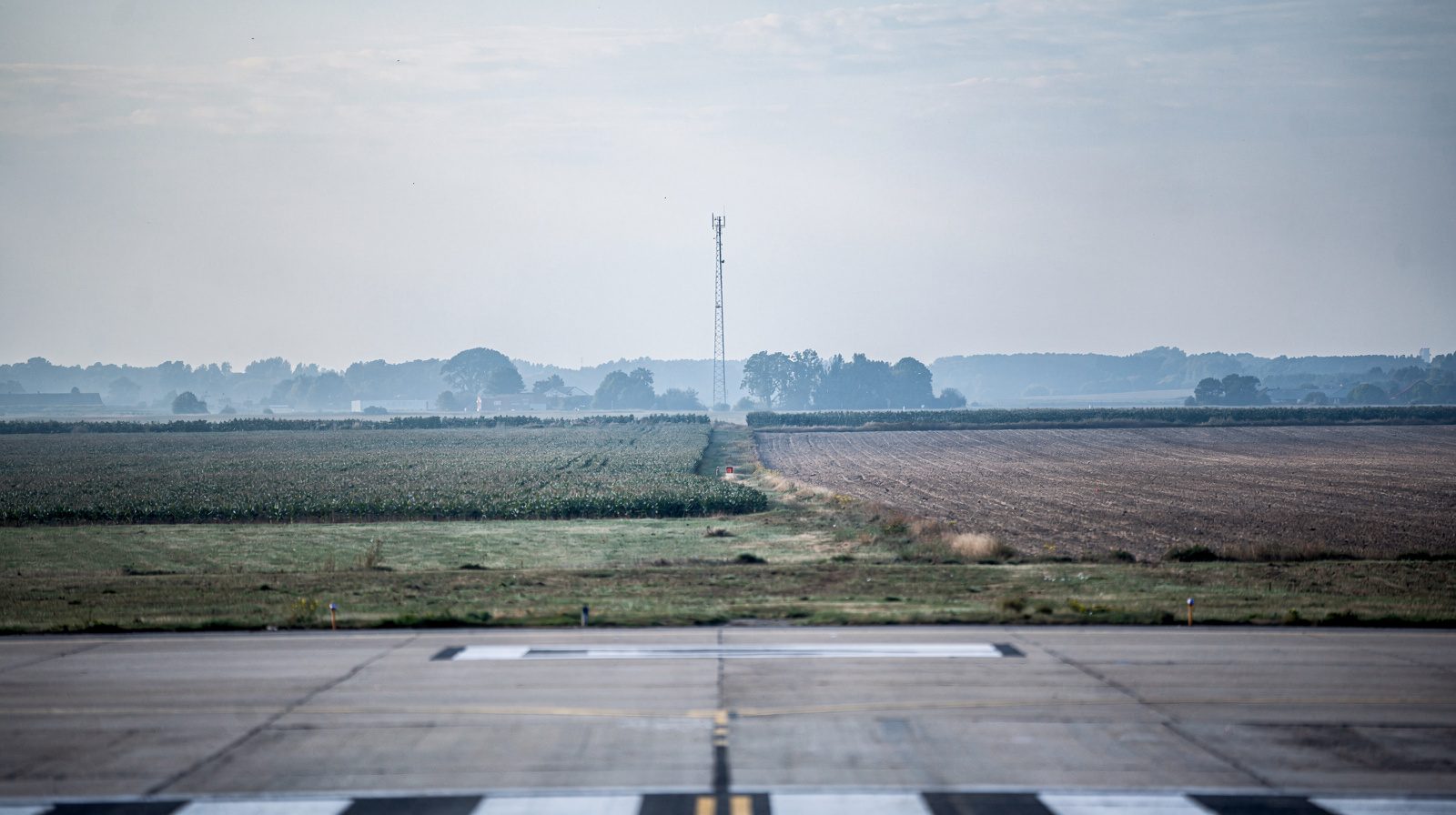
Czym jest lotnisko?
Lotnisko to określony obszar na lądzie lub wodzie, obejmujący wszystkie związane z nim budynki, instalacje i wyposażenie, przeznaczony do przyjmowania, odlotów i ruchu naziemnego statków powietrznych. Zakres tego terminu obejmuje wszystko, od największych międzynarodowych portów lotniczych na świecie po małe prywatne pasy startowe i bazy hydroplanów. Zgodnie z Międzynarodową Organizacją Lotnictwa Cywilnego (ICAO ) oficjalna definicja (Aneks 14, Tom I) brzmi:
„Określony obszar na lądzie lub wodzie (w tym wszelkie budynki, instalacje i wyposażenie) przeznaczony do wykorzystywania w całości lub częściowo do przyjmowania, odlotów i ruchu naziemnego statków powietrznych.”
Source: ICAO Annex 14
Definicja ta jest stosowana przez władze lotnicze na całym świecie, w tym FAA (USA), EASA (Europa), Transport Canada oraz CASA (Australia). Pojęcie lotniska obejmuje nie tylko powierzchnie operacyjne (pasy startowe, drogi kołowania, płyty postojowe), ale także terminale, hangary, wieże kontroli, stacje ratowniczo-gaśnicze, obiekty utrzymania i inne.
Etymologia i kontekst historyczny
Słowo aerodrome (lotnisko) wywodzi się z greckich rdzeni: ἀήρ (aḗr, „powietrze”) oraz δρόμος (drómos, „bieg” lub „droga”), dosłownie „bieg powietrzny”. Podobnie jak „hipodrom” (tor wyścigów konnych) czy „welodrom” (tor kolarski), „aerodrome” stało się standardowym terminem we wczesnym lotnictwie, zwłaszcza w Wielkiej Brytanii, Kanadzie i Australii. W USA preferowane jest słowo „airport”, ale oba odnoszą się ogólnie do miejsc wspierających operacje lotnicze. Wczesne lotniska były prostymi trawiastymi polami, umożliwiającymi start i lądowanie w dowolnym kierunku, poprzedzającymi nowoczesne utwardzone pasy startowe i zaawansowane statki powietrzne.
Lotnisko a port lotniczy a lądowisko
| Termin | Definicja | Typowe zastosowanie | Status regulacyjny |
|---|---|---|---|
| Lotnisko | Każde miejsce wykorzystywane do operacji lotniczych, z infrastrukturą lub bez niej. | Najszerszy termin, wszystkie obiekty lotnicze. | Może, ale nie musi być certyfikowane. |
| Port lotniczy | Certyfikowane lotnisko z obsługą pasażerską/towarową i zgodnością regulacyjną. | Lotnictwo komercyjne, towarowe, ogólne. | Musi spełniać normy. |
| Lądowisko | Podstawowe lotnisko, często z minimalną infrastrukturą. | Prywatne, wojskowe lub szkoleniowe. | Często niekontrolowane, może nie być certyfikowane. |
Wszystkie porty lotnicze i lądowiska są lotniskami, ale nie wszystkie lotniska są portami lotniczymi.
Międzynarodowe ramy regulacyjne
ICAO Aneks 14 ustala globalne standardy dla:
- Tom I: Projektowanie i eksploatacja lotnisk (lądowych)
- Tom II: Heliporty
Standardy dotyczą cech fizycznych, ograniczania przeszkód, infrastruktury oraz wymagań operacyjnych. Władze krajowe wdrażają te standardy poprzez certyfikację, inspekcje i nadzór.
Klasyfikacja i typy lotnisk
Kod referencyjny lotniska ICAO
ICAO stosuje kod (cyfra + litera) do klasyfikacji lotnisk na podstawie statków powietrznych, które mogą one obsługiwać:
| Cyfra kodu | Referencyjna długość pola | Przykładowy statek powietrzny |
|---|---|---|
| 1 | < 800 m | DHC-6 Twin Otter |
| 2 | 800–<1200 m | ATR 42, Dash 8 Q300 |
| 3 | 1200–<1800 m | SAAB 340, CRJ-200 |
| 4 | ≥1800 m | Boeing 737, Airbus A320 |
| Litera kodu | Rozpiętość skrzydeł (m) | Rozstaw podwozia głównego (m) | Przykładowy statek powietrzny |
|---|---|---|---|
| A | <15 | <4.5 | Cessna 172 |
| B | 15–24 | 4.5–6 | ATR 42 |
| C | 24–36 | 6–9 | B737, A320 |
| D | 36–52 | 9–14 | B767, A330 |
| E | 52–65 | 9–14 | B777, B747-400 |
| F | 65–80 | 14–16 | A380 |
Typy według funkcji i infrastruktury
- Porty lotnicze: Certyfikowane do operacji komercyjnych, rozbudowana infrastruktura, ATC, ARFF, terminale.
Przykłady: Hartsfield-Jackson Atlanta (ATL), Heathrow (LHR). - Lądowiska: Prostsze, mogą obsługiwać lotnictwo ogólne, szkolenie lub cele wojskowe.
Przykłady: Old Sarum Airfield (Wielka Brytania), wiejskie pasy w USA. - Heliporty: Do operacji śmigłowcowych, często w miastach lub przy szpitalach.
Przykłady: London Heliport. - Bazy hydroplanów: Na wodzie, doki, pomosty, zaplecze na lądzie.
Przykłady: Vancouver International Water Airport. - Pasy startowe: Minimalna infrastruktura, często nieutwardzone, na obszarach odległych.
- Airparki: Osiedla mieszkaniowe/biznesowe z bezpośrednim dostępem statków powietrznych.
- Altiporty: Pasy startowe w terenie górskim, o nachyleniu dostosowanym do ukształtowania terenu.
- STOLporty: Dla statków powietrznych krótkiego startu i lądowania.
Infrastruktura i eksploatacja lotniska
- Pasy startowe: Utwardzone lub nieutwardzone, wymiarowane pod planowane statki powietrzne, zgodne z ICAO.
- Drogi kołowania: Łączą pasy startowe z terminalami, płytami postojowymi, hangarami.
- Płyty postojowe: Strefy postoju, załadunku, tankowania, utrzymania.
- Terminale: Obsługa pasażerów/towarów, odprawa celna, poczekalnie, bramki.
- Wieże kontroli i ATC: Zarządzają ruchem statków powietrznych i bezpieczeństwem przestrzeni powietrznej.
- Hangary techniczne: Przechowywanie, inspekcja, naprawa.
- ARFF: Ratownictwo i gaszenie pożarów, dostosowane do największego obsługiwanego statku powietrznego.
- Pomoce nawigacyjne: Oświetlenie pasów/dróg kołowania, oznakowanie, ILS, VOR, NDB, GPS.
- Ochrona: Ogrodzenia, monitoring, kontrola dostępu.
- Inne: Odladzanie, zarządzanie zagrożeniem ze strony zwierząt, systemy elektryczne.
Źródło: ICAO Annex 14 Table of Contents , SKYbrary
Certyfikacja i bezpieczeństwo
- Certyfikacja: Lotniska zgodne z ICAO są certyfikowane przez władze krajowe po przeglądzie projektu, inspekcji i wykazaniu zgodności ze standardami.
- FAA Part 139 (USA): Cztery klasy, oparte na obsłudze regularnej/nieregularnej i wielkości statków powietrznych.
- Systemy Zarządzania Bezpieczeństwem (SMS): Wymagane dla certyfikowanych lotnisk, obejmują identyfikację zagrożeń, zarządzanie ryzykiem, wyniki w zakresie bezpieczeństwa oraz kulturę bezpieczeństwa.
Powierzchnie Ograniczające Przeszkody (OLS) i strefy bezpieczeństwa
OLS to wyobrażone powierzchnie chroniące statki powietrzne podczas podejścia, startu lub krążenia. Przeszkody muszą zostać usunięte, oznakowane lub oświetlone.
- Powierzchnia podejścia: Przed pasem startowym.
- Powierzchnia wznoszenia po starcie: Trasa odlotu.
- Powierzchnia przejściowa: Wzdłuż pasów startowych/dróg kołowania.
- Wewnętrzna powierzchnia pozioma: Strefa krążenia/ochrony.
Kwestie środowiskowe i społeczne
- Ograniczanie hałasu: Procedury i ograniczenia zmniejszające lokalny wpływ.
- Zarządzanie dziką przyrodą: Minimalizowanie zderzeń z ptakami/zwierzętami.
- Oceny oddziaływania na środowisko: Wymagane przy budowie/rozbudowie.
Najczęstsze terminy techniczne
| Termin | Definicja |
|---|---|
| Pas startowy | Przygotowana powierzchnia do startu/lądowania. |
| Droga kołowania | Ścieżka łącząca pasy startowe z płytami postojowymi/obiektami. |
| Hangar | Budynek do przechowywania/utrzymania statków powietrznych. |
| Płyta postojowa | Strefa postoju, tankowania, załadunku i obsługi. |
| Wieża kontroli | Obiekt do zarządzania ruchem powietrznym/naziemnym. |
| Lądowisko dla śmigłowców | Oznakowany obszar lądowania/startu śmigłowców. |
| STOLport | Lotnisko dla statków powietrznych krótkiego startu i lądowania. |
| Altiport | Lotnisko w terenie górskim z nachylonym pasem startowym. |
| OLS | Powierzchnie Ograniczające Przeszkody dla bezpieczeństwa operacyjnego. |
| Punkt odniesienia lotniska (ARP) | Oficjalne położenie geograficzne lotniska. |
Przykłady typów lotnisk
| Typ | Przykład | Charakterystyczne cechy |
|---|---|---|
| Międzynarodowy port lotniczy | Atlanta (ATL), USA | Najbardziej ruchliwy pod względem liczby pasażerów |
| Altiport górski | Lukla (Nepal) | Krótki, nachylony pas startowy na dużej wysokości |
| Lotnisko wodne | Vancouver International Water Airport | Operacje hydroplanów |
| Airpark (mieszkaniowy) | Spruce Creek, Floryda, USA | Domy z dostępem do dróg kołowania |
| Wojskowa baza lotnicza | CFB Comox, Kanada | Wspólne użytkowanie wojskowo-cywilne |
| Heliport | London Heliport, Wielka Brytania | Miejski, operacje wyłącznie śmigłowcowe |
Utrzymanie i eksploatacja
- Rutynowe inspekcje (nawierzchnie, oznakowanie, oświetlenie)
- Operacje zimowe (usuwanie śniegu/lodu, odladzanie)
- Zarządzanie dziką przyrodą
- Koordynacja operacji na płycie postojowej i operacji naziemnych
Proces certyfikacji i nadzoru
- Projektowanie i planowanie: Zgodność ze standardami ICAO/krajowymi, analiza środowiskowa/bezpieczeństwa.
- Budowa i oddanie do eksploatacji: Kontrola jakości i inspekcje.
- Certyfikacja: Przeglądy władz, inspekcje terenowe, wydanie certyfikatu.
- Bieżący nadzór: Audyty, inspekcje, raportowanie, wdrożenie SMS.
Przyszłe trendy
- Przepustowość i przeciążenie: Rozbudowa, lepsze zarządzanie ruchem lotniczym, nowe lokalizacje.
- Ewolucja technologiczna: Drony, statki powietrzne o napędzie elektrycznym, automatyzacja.
- Zrównoważony rozwój: Operacje niskoemisyjne, redukcja hałasu, zielone technologie.
- Miejska mobilność powietrzna: Vertiporty, infrastruktura eVTOL.
Dalsze źródła
- Wikimedia Commons: Aerodromes , Schematy i zdjęcia
- ICAO Annex 14 Vol. I (pełny tekst)
- FAA Airport Certification Classes
Lotniska są fundamentem transportu lotniczego, obejmując szeroki wachlarz typów obiektów i podlegając globalnym standardom, aby zapewnić bezpieczeństwo, przepustowość i zdolność adaptacji do przyszłości lotnictwa.
Często zadawane pytania
- Jaka jest oficjalna definicja lotniska według ICAO?
- Zgodnie z ICAO Aneks 14, lotnisko to określony obszar na lądzie lub wodzie (w tym budynki, instalacje i wyposażenie) przeznaczony do wykorzystywania w całości lub częściowo do przyjmowania, odlotów i ruchu naziemnego statków powietrznych. Definicja ta jest uznawana przez cywilne władze lotnicze na całym świecie.
- Jaka jest różnica między lotniskiem, portem lotniczym a lądowiskiem?
- Lotnisko to najszerszy termin, obejmujący każde miejsce wykorzystywane do operacji lotniczych, niezależnie od infrastruktury. Port lotniczy to certyfikowane lotnisko wyposażone do obsługi ruchu pasażerskiego lub towarowego i musi spełniać wymogi regulacyjne. Lądowisko to zazwyczaj podstawowe lotnisko z minimalną infrastrukturą, często wykorzystywane do lotnictwa ogólnego lub celów wojskowych.
- Jak lotniska są regulowane na arenie międzynarodowej?
- Międzynarodowa Organizacja Lotnictwa Cywilnego (ICAO) ustala globalne standardy i zalecane praktyki dla lotnisk w Aneksie 14. Krajowe władze lotnicze wdrażają te standardy poprzez certyfikację, inspekcje i ciągły nadzór w celu zapewnienia bezpieczeństwa i efektywności.
- Jakie są najczęstsze typy lotnisk?
- Typy obejmują porty lotnicze (operacje pasażerskie/towarowe), lądowiska (lotnictwo ogólne), heliporty (operacje śmigłowcowe), bazy hydroplanów (operacje wodne), pasy startowe (minimalna infrastruktura), airparki (osiedla/biznes z dostępem do dróg kołowania), altiporty (teren górski) oraz STOLporty (operacje krótkiego startu i lądowania).
- Jaka infrastruktura jest wymagana na certyfikowanym lotnisku?
- Certyfikowane lotniska zazwyczaj posiadają pasy startowe, drogi kołowania, płyty postojowe, terminale pasażerskie, wieże kontroli ruchu, pomoce nawigacyjne, hangary techniczne, służby ratowniczo-gaśnicze (ARFF), systemy bezpieczeństwa oraz rozwiązania ochrony środowiska, wszystko zgodnie z ICAO Aneks 14.
- Czym jest System Zarządzania Bezpieczeństwem (SMS) na lotniskach?
- SMS to uporządkowane podejście wymagane przez ICAO do zarządzania ryzykiem bezpieczeństwa w operacjach lotniskowych. Obejmuje polityki, zarządzanie ryzykiem, zapewnienie bezpieczeństwa oraz promocję bezpieczeństwa, by proaktywnie identyfikować i minimalizować zagrożenia.
To wpis referencyjny. TarmacView świadczy usługi inspekcji dronami i nie sprzedaje sprzętu ani materiałów opisanych w tym słowniczku.